

Business
Kanazawa University Blood Test Detects 90% of Early-Stage Pancreatic Cancers Missed by Standard Test

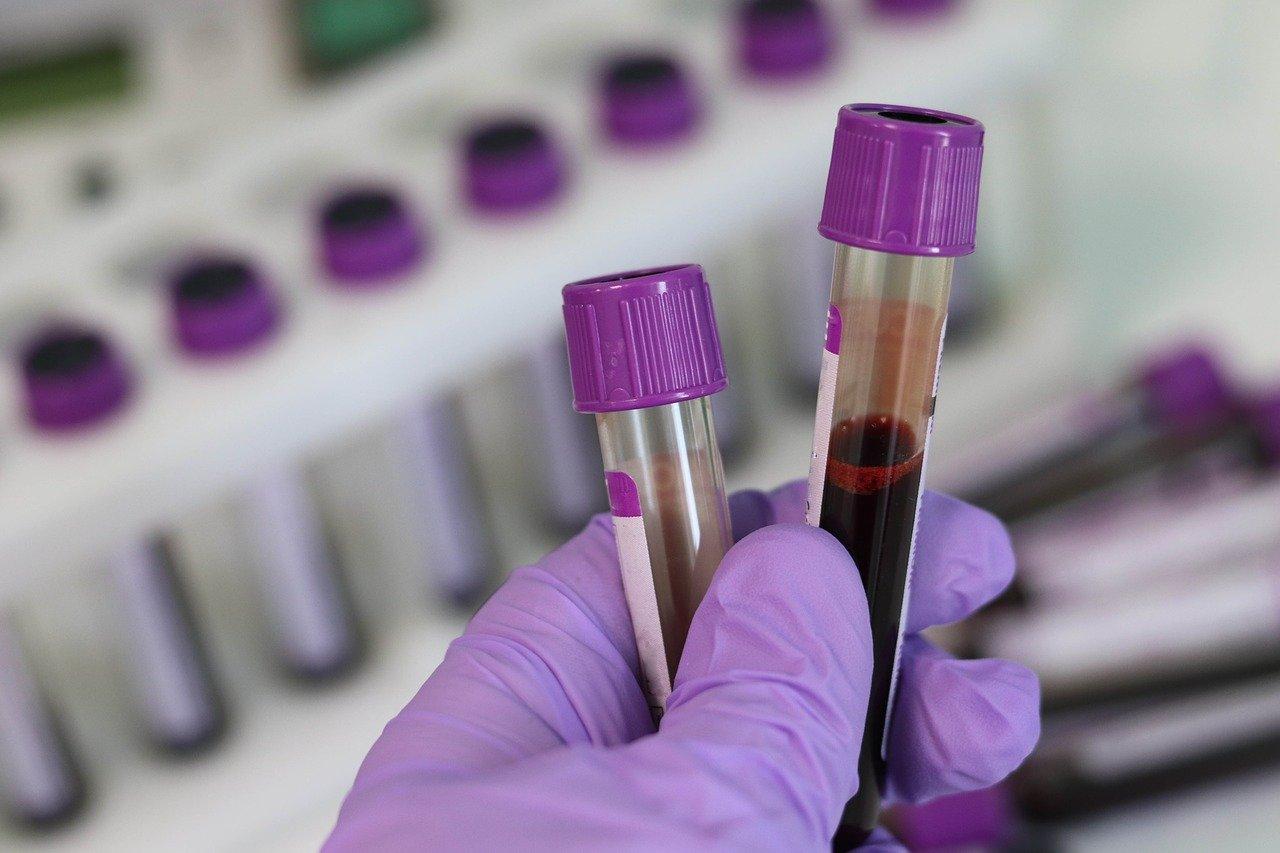
Researchers at Japan’s Kanazawa University have developed a blood test capable of detecting 90% of the earliest-stage pancreatic cancers, a finding that could significantly improve survival odds for a disease long considered one of the most difficult cancers to catch in time for effective treatment.
Pancreatic cancer remains notoriously hard to diagnose early, with symptoms typically emerging only after the disease has already advanced. In Japan, the five-year survival rate for the disease stood at just 8.5% between 2009 and 2011, according to data from the National Cancer Center. Surgery following an early diagnosis remains the only treatment offering a realistic chance at a cure, but early-stage cases currently account for only 2% to 3% of all pancreatic cancer diagnoses, meaning most patients are identified only after the disease has already reached an advanced, harder-to-treat stage.
To address that gap, a research team led by Dr. Taro Yamashita, dean of the Graduate School of Advanced Preventive Medical Sciences and a professor of gastroenterology at Kanazawa University’s Faculty of Medicine, previously developed a diagnostic test called Panregza, which combines analysis of gene expression patterns drawn from peripheral whole blood with measurement of the tumor marker CA19-9, a protein commonly used in existing pancreatic cancer screening. While Panregza had already demonstrated effectiveness in diagnosing advanced pancreatic cancer, researchers had not previously determined how well it could detect the disease at its very earliest stages, when treatment odds are dramatically better.
The new study analyzed 10 patients diagnosed with stage 0 or stage I pancreatic cancer, representing just 4% of a total pool of 253 patients, and compared their results against those of 104 healthy individuals. Researchers evaluated three separate diagnostic approaches: gene expression patterns from peripheral whole blood alone, the standard CA19-9 tumor marker test alone, and the combined Panregza test incorporating both measures.
Using a panel of 56 gene probes, the whole blood gene expression approach on its own detected nine of the 10 early-stage cancer cases, translating to a 90% detection rate. The standard CA19-9 test, by comparison, detected only one of the 10 cases, a 10% detection rate, highlighting a substantial gap in performance between the two methods when it comes to catching the disease at its earliest, most treatable point. The combined Panregza test, which blends both measures, landed between the two individual approaches, demonstrating 60% sensitivity alongside 93.3% specificity, meaning it was highly effective at correctly ruling out cancer in people who did not have the disease, even if its overall detection rate for early cases fell short of the gene-expression test used on its own.
“These findings indicate that gene expression analysis from peripheral whole blood is a highly effective method for detecting early-stage pancreatic cancer,” Yamashita said in a statement accompanying the research.
The stakes tied to catching the disease earlier are substantial. According to data from the Innovative Research and Development Center for Pancreatic Cancer at Kanazawa University Hospital, five-year survival rates reach 100% among patients diagnosed at stage 0 and 74.4% among those diagnosed at stage I, a dramatic improvement over the single-digit survival rates typically associated with pancreatic cancer diagnosed at more advanced stages. Researchers said that gap underscores the critical importance of developing tools capable of identifying the disease before symptoms emerge.
Explaining the biological basis behind the test, researchers noted that most of the cells analyzed in the blood samples are immune cells rather than cancer cells themselves, and that the presence of even a very small tumor appears to alter the gene activity of those immune cells, even during the disease’s earliest stages. That mechanism suggests the test can detect genetic changes associated with pancreatic cancer in the bloodstream even before a tumor grows large enough to be found through conventional imaging, and even before CA19-9 levels themselves begin to rise, a scenario in which standard blood-marker testing would typically still appear normal.
Outside experts reviewing the findings offered cautious optimism about the test’s potential impact. Dr. Ligresti, whose full name and institutional affiliation were not specified in initial coverage of the study, described the results as “a potential game-changer” in comments reported by Newsweek, while also cautioning that the trial involved a very small number of early-stage cases. “Although that’s a small trial, it fits in with the current research and thinking for sure,” Ligresti said, adding that the approach “requires further validation in larger, diverse populations” before it could be adopted more broadly in clinical practice. Ligresti also pointed to the test’s potential value for screening patients already considered at elevated risk for pancreatic cancer, saying a highly sensitive blood test of this kind “could revolutionize these efforts, allowing us to identify patients who are candidates for curative surgery before symptoms ever arise.”
The Panregza diagnostic kit is currently marketed commercially in Japan by Cubix Inc., building on research the Kanazawa University team has pursued for several years. An earlier version of the underlying blood messenger RNA screening system, developed by many of the same Kanazawa University researchers, was first published in the journal Cancer Science in 2019, establishing the foundational gene-panel approach that has since been refined and tested specifically for its ability to detect the disease at its earliest, most treatable stages.
Researchers cautioned that despite the promising early results, the current findings stem from a relatively small sample of just 10 early-stage patients, meaning larger, more diverse studies will be needed before the gene-expression approach could realistically be adopted as a widespread screening tool for the general population or even for high-risk groups specifically. Even so, the research adds to a growing body of scientific work focused on developing blood-based screening tools capable of catching notoriously hard-to-detect cancers, including pancreatic cancer, well before symptoms typically prompt patients to seek medical evaluation in the first place, a shift researchers say could meaningfully improve survival outcomes for a disease that has historically offered patients very little advance warning.


‘The Big Money Show’ panel discusses the escalating conflict with Iran, the deaths of two U.S. service members in Jordan, rising oil prices and concerns Tehran used sanctions relief to rebuild its military.
The AAA national average price for regular gas is back above $4 again amid the U.S. war with the Islamic Republic of Iran.
As of July 21, the AAA national average for regular fuel is $4.019, up from yesterday’s average of $4.003, the week-ago average of $3.859 and the month-ago average of $3.938. The year-ago average was much lower at just $3.141.
Fox News Digital reached out to the White House on Tuesday.
IRS RAISES BUSINESS MILEAGE DEDUCTION RATE AMID FUEL PRICE SURGE

A person pumps gas at a BP station on March 17, 2026, in the Kensington neighborhood of the Brooklyn borough in New York City. (Michael M. Santiago/Getty Images / Getty Images)
“Every time Iran kills an American Soldier they will pay for that killing many times over! This directive has been passed on to Secretary of War, Pete Hegseth, Chairman of the Joint Chiefs of Staff, Daniel Caine, and every Leader in the Military,” President Donald Trump asserted in a Monday Truth Social post.
Former Rep. Marjorie Taylor Greene, who left Congress early this year after a falling out with the president last year, responded to Trump’s comments by writing in a post on X, “Our American soldiers wouldn’t be getting killed if you weren’t fighting an unnecessary war against Iran to open the Strait of Hormuz that was already open before you went to war. End the war. In your 1st term in 2019, gas was under $2 and inflation was 1.8%, DO THAT AGAIN!”
ARMY IDS 2 VICTIMS KILLED IN JORDAN AIR BASE ATTACK; TRUMP: IRAN WILL PAY ‘MANY TIMES OVER’

U.S. President Donald Trump looks on during a bilateral meeting with the Prime Minister of Iraq, Ali al-Zaidi, in the Oval Office of the White House on July 14, 2026, in Washington, D.C. (Andrew Harnik/Getty Images / Getty Images)
House Minority Leader Hakeem Jeffries, D-N.Y., declared in a Monday post on X, “Gas prices are back above $4 per gallon. The Republican war of choice in Iran is making life more expensive. Why is Pete Hegseth still around?”
U.S. Central Command (CENTCOM) noted on Monday that it had “completed another round of strikes against Iran at 9 p.m. ET, July 20.”
TRUMP WEIGHS IRAN WAR EXPANSION AS FRESH US STRIKES TARGET HORMUZ SHIPPING THREATS
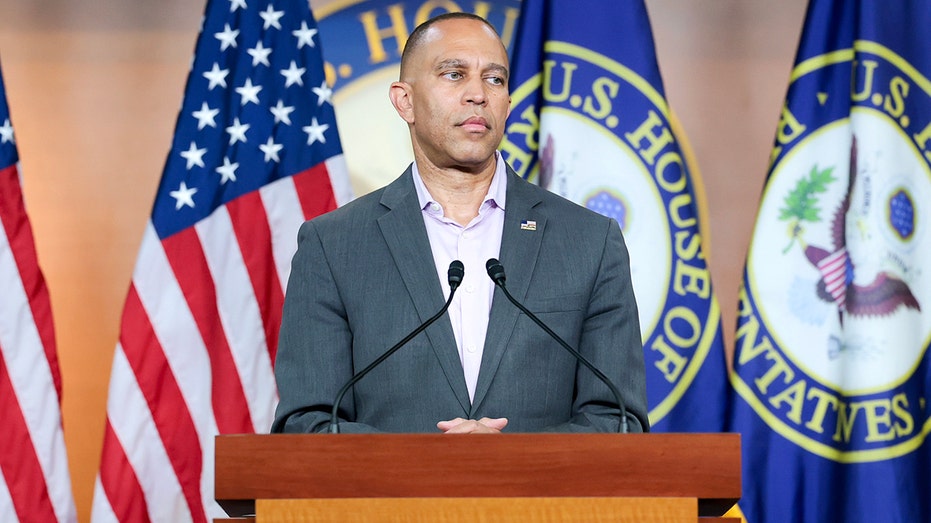
U.S. House Minority Leader Hakeem Jeffries, D-N.Y., speaks during a news conference at the U.S. Capitol Building on July 13, 2026, in Washington, D.C. (Anna Moneymaker/Getty Images / Getty Images)
GET FOX BUSINESS ON THE GO BY CLICKING HERE
“U.S. forces struck Iranian military command centers, maritime capabilities, missile and drone launch sites, and air defense systems to degrade Iran’s ability to continue attacking commercial vessels flowing through the Strait of Hormuz. Commercial vessel transits through the vital international maritime corridor continue. Since early May, CENTCOM forces have helped facilitate the transit of approximately 900 commercial vessels and 450 million barrels of crude oil,” the release noted.

Mickey Mouse, meet Kraft Mac & Cheese.
Kraft Heinz KHC and Disney DIS struck a deal that gives the food conglomerate a foothold in one of America’s most enduring entertainment empires. Under the multiyear partnership, Disney will serve Kraft Heinz products at its properties throughout North America, and Kraft Heinz will be able to use Disney’s characters on some goods in stores.
Copyright ©2026 Dow Jones & Company, Inc. All Rights Reserved. 87990cbe856818d5eddac44c7b1cdeb8

Andy Burnham has been in Downing Street for barely a day, and rural Britain has already presented him with his first invoice. Farmers, landowners and the wider countryside economy are demanding that the new Prime Minister and his surprise Chancellor, John Healey, reverse the inheritance tax changes that have convulsed British agriculture since 2024.
The pressure lands squarely on the new occupant of No 11, a former Treasury minister who now inherits the most contentious tax policy of the Labour era alongside the nation’s chequebook.
The row dates back to Rachel Reeves’s first Budget, when she announced that agricultural property relief (APR) and business property relief (BPR), the mechanisms that allow farms and family firms to pass between generations without a tax bill forcing a sale, would be restricted from April 2026.
After months of tractor protests in Westminster, the government blinked just before Christmas. The threshold for 100 per cent relief was raised from £1 million to £2.5 million per estate, with married couples able to combine allowances to £5 million, and 50 per cent relief above that. According to the House of Commons Library, the Treasury expects the concession to halve the number of affected estates, from 375 to 185 in 2026-27.
For many in the sector that was mitigation, not resolution. The Country Land and Business Association has argued the reforms could affect around 70,000 farms, and a group of farmers took the government to the High Court in March in a judicial review over the lack of formal consultation on the changes.
What gives the campaign fresh teeth is Burnham’s own words. During his by-election campaign in Makerfield, he said: “I personally have heard from farmers on family farms and I do think that needs looking at again.”
Farming groups intend to hold him to it. CLA director north Harriet Ranson said: “To date, he has made several commitments to the farming and food sector such as pledging to revisit the growth-inhibiting inheritance tax on farms, as well as directing the public sector to procure food more locally.”
She added: “It is my sincere hope that our ‘prime minister in waiting’ will appreciate the entrepreneurial attitudes and business brains that make up the rural economy and work with us to strengthen food production, nature recovery and the valued skills of the communities we represent.”
The prize, from the Treasury’s perspective, is modest revenue. The risk is a repeat of the scenes that defined the past 18 months: tractors on Whitehall, farm-gate protests and a rural economy that feels singled out. NFU president Tom Bradshaw described December’s concession as one that “will come as a huge relief to many”, while CLA president Gavin Lane said it spared family farms from “seeing their businesses taxed out of existence”. Neither organisation regards the matter as closed.
For Burnham, the politics are finely balanced. He has already signalled there is “room for movement” on tax, pledging business rates cuts for pubs and high street firms. Extending that flexibility to the countryside would delight a sector that spans everything from dairy farms to diversified visitor attractions, the breadth of enterprise celebrated at the Rural Business Awards, which are taking place at the National Conference Centre this November.
For rural business owners, the practical advice is unchanged: succession planning cannot wait on Westminster. But with a Prime Minister on record promising to look again, and a Chancellor with his first Budget to write this autumn, the countryside has rarely had a clearer window in which to press its case.

Paul Jones
Harvard alumni and former New York Times journalist. Editor of Business Matters for over 15 years, the UKs largest business magazine. I am also head of Capital Business Media’s automotive division working for clients such as Red Bull Racing, Honda, Aston Martin and Infiniti.

The high-profile real estate agent has joined forces with a neighbouring agency, bolstering her presence in the industry.

Former Miami Mayor Francis Suarez discusses the influence of Democratic socialists in primary elections and warns about the dangers of socialism on ‘The Bottom Line.’
The financial math behind fleeing high-tax states for a Florida paradise is hitting a major roadblock.
While the absence of a state income tax in the Sunshine State remains a powerful draw for transplants, a combination of rising property taxes, soaring property insurance premiums and everyday inflation has pushed Miami’s total cost of living above New York City’s for the first time.
A recent Bloomberg analysis found that data from the U.S. Bureau of Economic Analysis indicate that the combined cost of living in the Miami, Fort Lauderdale and Palm Beach region — dubbed the “Gold Coast” — is now roughly 5% higher than that of the New York metropolitan area and its surrounding suburbs.
CEO: MIAMI’S LUXURY BOOM FUELS ‘MECCA’ FOR WEALTHY AS OTHER BUYERS FEEL PRICED OUT
Additionally, consumer prices in South Florida have risen 36% since 2019, according to the U.S. Bureau of Labor Statistics. That represents the second-highest inflation surge among major American markets, trailing only Tampa.

The Miami metro area has now outpaced New York City for cost of living. (Getty Images/stock / Getty Images)
Despite the state’s lack of an income tax, S&P CoreLogic Case-Shiller data show South Florida home prices have jumped 79% since the pandemic, while the average annual homeowners insurance premium stands at $8,292 — the highest in the country and roughly four times the average cost of insuring a home in New York.
New York experiences a dramatic exodus of wealthy residents, costing the state nearly $11 billion in tax revenue in 2022.
U.S. Census Bureau data also shows that the typical household income in the Miami metro area sits approximately $1,000 below the national median, and the cost of daily tasks like dining out has climbed 4% year-over-year to $94 per person per restaurant bill, compared to New York City’s average of $79 per person per check.
GET FOX BUSINESS ON THE GO BY CLICKING HERE
However, price relief could be on Florida’s horizon after Gov. Ron DeSantis and the Florida Legislature approved a proposed constitutional amendment for the November 2026 general election ballot that would expand the state’s homestead exemption. Under the proposal, eligible homeowners could receive up to a $250,000 exemption from non-school property taxes, phased in beginning in 2027 if voters approve the measure.
Douglas Elliman’s Lourdes Alatriste brings Fox News Digital inside an $18.9 million home in Coconut Grove, where history and luxury intersect.
If approved by at least 60% of voters, the constitutional amendment could mean lower property tax bills and significant savings for millions of Florida homeowners.

Form 4 Q32 Bio Inc For: 21 July
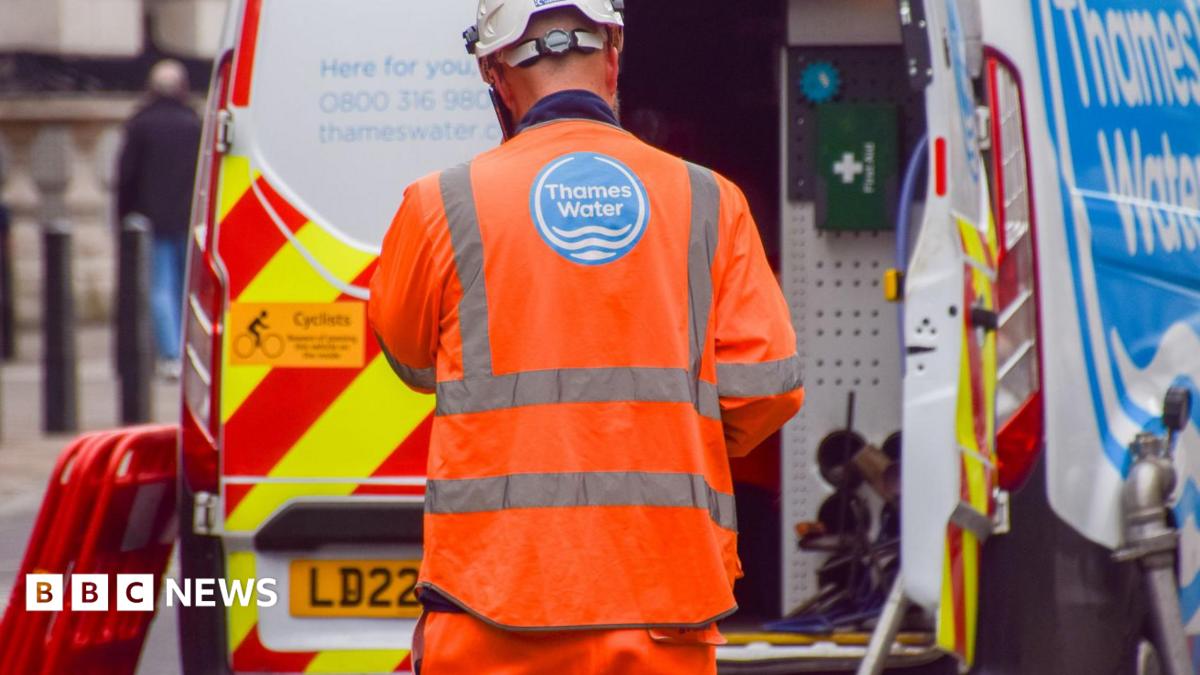
Thames Water’s main lenders are offering the government a “golden share” and more control for local authorities in a bid to stop the troubled supplier from being nationalised.
The government recently rejected a previous rescue proposal, and the BBC understands the lenders are preparing a legal challenge in case the new Andy Burnham-led government takes the firm into public hands.
In his first speech as prime minister on Monday, Burnham said he wanted to see greater public control of “life’s essentials”.
The new proposal offers local authorities greater involvement in the firm, similar to the relationship between United Utilities and Greater Manchester agreed when Burnham was the city’s mayor.
The London & Valley Water (L&VW ) consortium of lenders had already proposed a £10bn deal to prevent Thames Water from entering administration. It would involve writing off nearly half of its debt and injecting new cash in return for leniency on future pollution fines.
The deal was rejected by the government in June, with then-environment secretary Emma Reynolds saying it did not do enough for consumers or the environment.
Sources close to the new deal said the creditors had sweetened it with hundreds of millions in new money on top of the existing offer. A golden share would give the government veto power over decisions.
The government has been contacted for comment.
L&VW said on Tuesday that the new offer had “material improvements” on the old one, and would benefit customers.
A spokesperson said: “We continue to believe that the L&VW plan is by far the fastest and most reliable route to solving Thames Water’s complex problems and improving outcomes for customers and the environment.”
They said the new deal “achieves this without any government funding or cost to taxpayers”.
Fears first emerged three years ago that Thames Water could collapse and it has recently warned it could run out of cash by November.
The company, which supplies water and wastewater services for 16 million people across London and parts of southern England, was handed a £122.7m fine last year, the biggest ever issued by the industry regulator Ofwat, for breaching rules on sewage spills and shareholder payouts.
Sources close to the creditors have previously told the BBC that in the event of full nationalisation, they would pursue payment in full of the outstanding debts as has happened in previous cases, which could leave the government with a multi-billion-pound bill.
If the company does go bust, households will still have drinking water and sewerage services.

Truist Financial: Deep Value Based On Fee Growth (Rating Upgrade)

“Fundamental Options” would be the title of my investing style, because I combine fundamental analysis with the power of options. I use Fundamental Analysis to quantitatively and qualitatively assess individual stocks and ETFs, and I pursue various strategies: Income oriented, especially BDCs, but also Utilities; Growth At A Reasonable Price, especially Tech, having a background in Software Development; Deep Value, based on Discounted Cash Flow and / or other industry specific valuation methods; Dividend Aristocrats.While I usually invest in stocks for long-term, I also have 20-25 strategies involving options that I use for various purposes: hedging stocks; bullish stock / ETF substitutes with improved risk / reward; neutral trades; trading volatility; earnings-related trades.Teaching is another passion of mine, I used to be a formal on non-formal teacher or coach in different areas of life, including authoring of a free local investing newsletter in the last years.
Analyst’s Disclosure: I/we have a beneficial long position in the shares of CAI either through stock ownership, options, or other derivatives. I wrote this article myself, and it expresses my own opinions. I am not receiving compensation for it (other than from Seeking Alpha). I have no business relationship with any company whose stock is mentioned in this article.
Seeking Alpha’s Disclosure: Past performance is no guarantee of future results. No recommendation or advice is being given as to whether any investment is suitable for a particular investor. Any views or opinions expressed above may not reflect those of Seeking Alpha as a whole. Seeking Alpha is not a licensed securities dealer, broker or US investment adviser or investment bank. Our analysts are third party authors that include both professional investors and individual investors who may not be licensed or certified by any institute or regulatory body.
Business
KOSPI Jumps 3.56%, Triggers Trading Halt as Samsung and SK Hynix Lead Sharp Chip Rebound Rally Today

SEOUL — South Korea’s benchmark KOSPI index surged 3.56%, or 231.68 points, to close at 6,747.95 on Tuesday, snapping a two-day losing streak as investors returned in force to beaten-down semiconductor stocks and the country’s bourse operator briefly halted program trading amid the sharp rebound.
The index’s rally came after the KOSPI had lost 10.5% over the two preceding trading sessions, a stretch that had left the benchmark down more than a quarter from its record closing high reached June 22. Tuesday’s session began on shakier footing, with the index initially losing ground in early trading before sharply reversing course around midday and continuing to climb into the close.
A trading halt as the rally accelerated
The strength of Tuesday’s rebound prompted the Korea Exchange to activate what is known locally as a buy-side sidecar, a trading curb triggered when the Kospi 200 Futures index rises 5% or more within a one-minute window. Program trading for Kospi-listed shares was suspended for five minutes starting at 12:41 p.m. local time as the rally accelerated, with the index briefly touching an intraday high above 6,821 before settling to its final close of 6,747.95.
Chip stocks lead the recovery
Semiconductor giants Samsung Electronics and SK Hynix led Tuesday’s gains, with Samsung climbing 5.94% and SK Hynix rising 6.4% as bargain hunters moved back into technology shares that had been battered during the preceding sessions of the broader AI-related market correction. SK Square also posted strong gains, up 6.97%, while other notable advancers included KB Financial Group, up 3.02%, Kia Corporation, up 2.64%, Shinhan Financial Group, up 3.34%, Hanwha Aerospace, up 2.17%, Doosan Enerbility, up 2.93%, and SK Inc, up 3.28%.
Trading volume for the session came in at a moderate 387.8 million shares, worth approximately 24.5 trillion won, or roughly $16.6 billion. By investor type, foreign investors and institutions were both net buyers during the session, while individual retail investors were net sellers, according to Korea Exchange data.
Strong export data fuels investor confidence
Beyond the technical rebound in chip stocks, Tuesday’s rally was further supported by unexpectedly strong export figures. South Korea’s exports during the first 20 days of July climbed more than 50% year-over-year, driven in large part by a roughly 180% surge in semiconductor shipments tied to sustained global demand for artificial intelligence infrastructure. That data reinforced investor confidence in the earnings outlook for the country’s dominant memory chip manufacturers, further bolstering the case for Tuesday’s rebound.
A pullback that analysts describe as technical
The KOSPI’s steep decline over the prior two sessions has drawn attention from major international banks assessing whether the pullback represents a lasting shift in sentiment or a more temporary correction. Citi analysts characterized the recent sell-off as largely technical in nature. “We think the recent share price pullback of KOSPI equities, led by KR memory suppliers, is more of a technical correction driven by market-wide profit-taking and therefore could represent a potential buying opportunity,” the analysts wrote in a note.
Citi’s assessment echoed a broader narrative in which South Korea’s stock market, the best-performing major global index in 2025, saw its momentum disrupted more recently by concerns over the sustainability of global AI infrastructure spending, concentration risk tied to its two largest listed companies, and speculative trading activity among the country’s large base of domestic retail investors.
Easing geopolitical tensions add to the positive tone
Beyond the chip sector-specific catalysts, easing concerns over the conflict between the United States and Iran also contributed to improved investor sentiment across South Korean markets Tuesday. While lingering worries about the Middle East conflict kept some investors cautious, reports of renewed mediation efforts between Iran and the United States helped support broader risk appetite, encouraging buying across a wide range of sectors beyond just technology and semiconductors.
The won strengthens alongside the equity rally
South Korea’s currency also firmed against the U.S. dollar as part of Tuesday’s broader market rebound, easing back from a 10-week high reached during the recent period of equity market weakness. The combination of a strengthening currency and a sharply higher stock market reflected a broader improvement in investor sentiment toward South Korean assets following the difficult stretch that preceded Tuesday’s session.
A volatile year for Korean markets overall
Despite the recent turbulence, the KOSPI remains up substantially over the past year, trading roughly 112.87% higher than the same point in 2025, according to available trading data, even after declining nearly 26% over the trailing month amid the sharp AI-related correction. The index’s dramatic rise over the past year has been driven substantially by South Korea’s dominant position in global memory chip production, particularly high-bandwidth memory chips essential to artificial intelligence data center infrastructure, a theme that has periodically fueled both sharp rallies and equally sharp pullbacks throughout 2026.
With Tuesday’s rebound helping stabilize sentiment following the recent two-day rout, investors are likely to continue closely watching both South Korea’s export data trends and developments in the broader global AI infrastructure investment cycle for further signals about the durability of the current rally. At the same time, the trajectory of the U.S.-Iran conflict remains a key variable for both energy prices and broader risk sentiment, with any further progress toward diplomatic resolution likely to provide additional support for South Korean equities in the sessions ahead.

Matt Walker: Sussex appoint new head coach to succeed Paul Farbrace

Assassin’s Creed Shadows for the Switch 2 is almost half price, but you’ll need to be quick

New 20mph zones in Dales villages set to be agreed


-
 NewsBeat5 days ago
London Mayor Sadiq Khan handed a peerage by Keir Starmer alongside 15 other Labour figures… just days before the PM leaves No10
-

 Fashion4 days ago
Weekend Open Thread – Corporette.com
-

 Politics3 days ago
The House | The City of London can help the new chancellor deliver growth in every postcode
-

 Politics6 days ago
Young campaigners urge incoming PM to act on outdoor junk food ads
-

 Crypto World5 days ago
CFTC blocks Kalshi from unwinding Michigan trades after court order
-
 Crypto World4 days ago
Two July Windows Left: The CLARITY Act’s Senate Fight and What Failure Means
-

 Crypto World3 days ago
Ripple Payments Joins MiCA With 14 Firms, Does It Mean Anything For XRP?
-

 Business5 days ago
Nvidia Stock Slips After Big Tuesday Rally as Huang Confirms Vera Rubin Chip Is Now in Production Today
-

 Politics2 days ago
Democrats look to World Cup watch parties to register thousands of voters
-
 Entertainment6 days ago
Disney’s Most Ambitious Failed Star Wars Attraction Is Coming to SDCC
-

 Crypto World4 days ago
Ripple wins EU-wide access as ESMA adds it to MiCA register
-

 Crypto World5 days ago
Injective Submits SEC Transfer-Agent Registration to Onchain Ownership Records
-

 Business5 days ago
Palantir Shares Rise After Expanded Nvidia Partnership and Fresh Analyst Upgrades Ahead of Earnings Day
-

 Tech10 hours ago
Sail Virtually Aboard The “Itanic” With IA-64 Emulator
-
 Tech7 hours ago
Turtle Beach Command Series KB7 review: a nifty screen-equipped gaming keyboard
-

 Tech7 days ago
Dark Secrets Emerge When Jailbreaking LLMs
-

 News Videos7 days ago
XRP BOMBSHELL… XRP OMBOARDED FOR TRANSACTIONS!!!
-

 NewsBeat4 days ago
Registration is now open for March for Men with Kev 2026
-

 NewsBeat23 hours ago
Unregistered fitter used Gas Safe logo on business flyers
-
 Sports6 days ago
New Cornerback Enters Vikings Trade Rumor Mill
You must be logged in to post a comment Login