

Business
Kevin O’Leary throws resumes ‘in garbage’ when parents join interviews

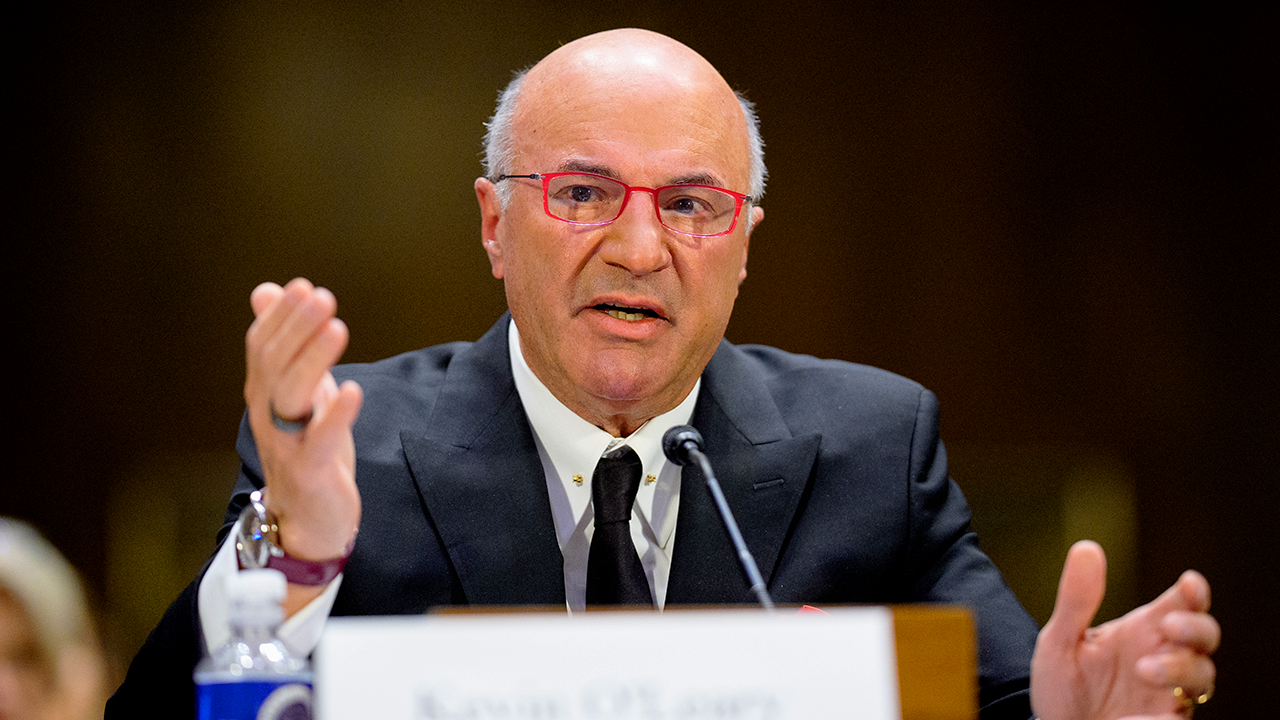
O’Leary Ventures Chairman Kevin O’Leary joins ‘Varney & Co.’ to weigh in on the fate of the tariff refunds as well as Gen Z bring their parents to job interviews.
A growing number of hiring managers say that they are seeing a surprising new trend from Gen Z applicants: bringing a parent into the job interview process, sometimes even onto Zoom calls.
“Shark Tank” star Kevin O’Leary joined FOX Business’ Stuart Varney on ‘Varney & Co.‘ to weigh in on the practice and what it signals to employers.
‘The Big Money Show’ discusses the growing trend of young adults getting financial help from their parents.
For O’Leary, the issue isn’t generational stereotypes, it’s about independence. In today’s competitive labor market, he argues, employers are looking for candidates who can think, decide and execute on their own. When a parent enters the room, he says, that independence immediately comes into question.
“First question I’d have to the son or daughter, I’d say, do you want me to hire your mother or you? What’s she doing here?” O’Leary said, “That resume goes right into the garbage in one of my operations.”
‘The Big Money Show’ panel reacts to new data showing Gen Z hiring has collapsed while older workers stay in the workforce longer.
He said the situation recently happened to him during a virtual interview.
“It happened to me on a Zoom call, and I just said, this isn’t going to work… Your mom is not gonna be part of this discussion,” he said.
LARRY KUDLOW: WHY ARE GEN Z-ERS SO DOUR, DEPRESSED, AND UNEMPLOYED?
Beyond optics, O’Leary views the move as a warning sign for employers evaluating risk.
“It means you can’t do this on your own… It’s a horrific signal,” O’Leary said, calling it “a really, really bad idea.”
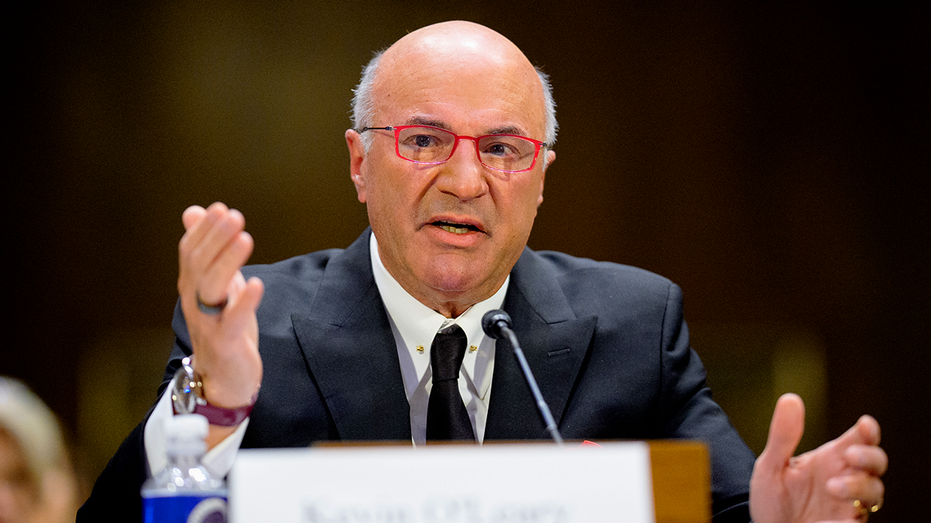
“Shark Tank” star Kevin O’Leary speaking during hearing in Washington, D.C. (Andrew Harnik/Getty Images / Getty Images)

Business
Exclusive-Prior to Iran attacks, CIA assessed Khamenei would be replaced by IRCG elements if killed, sources say


Exclusive-Prior to Iran attacks, CIA assessed Khamenei would be replaced by IRCG elements if killed, sources say

China may trim 2026 growth target, keep policy supportive, BofA says
Business
Oil and gas majors and traders suspend shipments via Hormuz as US attacks Iran, sources say


Oil and gas majors and traders suspend shipments via Hormuz as US attacks Iran, sources say
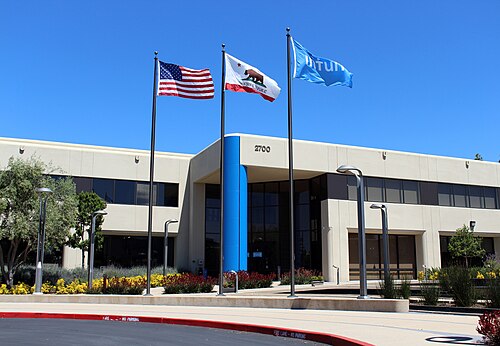
Intuit Inc. (NASDAQ: INTU) shares climbed more than 3.7% on February 27, 2026, closing at $409.03 after the financial software giant reported robust second-quarter fiscal 2026 results that exceeded Wall Street expectations and reaffirmed full-year guidance amid accelerating adoption of AI-powered tools across its platforms.

The rally followed the February 26 after-hours release of earnings for the quarter ended January 31, 2026. Intuit posted revenue of $4.65 billion, up 17% from the prior year and ahead of the consensus estimate of approximately $4.53 billion to $4.62 billion. Non-GAAP diluted earnings per share reached $4.15, surpassing forecasts of $3.66 to $3.68 and marking a 25% increase year over year. GAAP diluted EPS came in at $2.48, up 49% from the year-ago period.
CEO Sasan Goodarzi highlighted the quarter’s momentum during the earnings call, stating, “We delivered an outstanding quarter with Q2 revenue growth of 17%, clear evidence our strategy is working with strong execution across our 3 Big Bets.” He pointed to double-digit gains in core segments: Global Business Solutions revenue rose 18% to $3.2 billion (21% excluding Mailchimp), Online Ecosystem revenue increased 21% to $2.5 billion (25% excluding Mailchimp), and Consumer revenue grew 15% to $1.5 billion. Credit Karma revenue jumped 23% to $616 million, while TurboTax contributed $581 million, up 12%.
Operating income showed significant leverage, with GAAP operating income climbing 44% to $855 million and non-GAAP operating income rising 23% to $1.5 billion. The results reflect disciplined expense management, scale benefits and the ongoing shift toward recurring, high-margin revenue streams.
A key driver of investor enthusiasm was Intuit’s deepening push into AI. The company highlighted its partnership with Anthropic, announced February 24, to integrate trusted financial intelligence and custom AI agents into products for consumers and businesses. This builds on existing AI features in QuickBooks, TurboTax and Credit Karma, enabling smarter insights, automated workflows and personalized recommendations. Management emphasized that AI-driven platforms are accelerating mid-market penetration and enhancing user engagement, positioning Intuit for sustained growth in a competitive fintech landscape.
Intuit reiterated its full fiscal 2026 guidance, projecting revenue between $20.997 billion and $21.186 billion (12% to 13% growth), GAAP operating income of $5.782 billion to $5.859 billion (17% to 19% growth), GAAP diluted EPS of $15.49 to $15.69 (13% to 15% growth) and non-GAAP diluted EPS of $22.98 to $23.18 (14% to 15% growth). The outlook aligns closely with or slightly exceeds analyst consensus, reinforcing confidence despite macroeconomic uncertainties.
The board approved a 15% increase in the quarterly dividend to $1.20 per share, payable April 17, 2026, and continued share repurchases, signaling strong cash generation and commitment to shareholder returns.
Analysts responded positively. Many maintained overweight or buy ratings, with some citing undervaluation based on forward metrics. The stock’s performance comes amid a broader tech sector recovery, though Intuit has traded near the lower end of its 52-week range in recent months. The post-earnings surge pushed it toward recent highs, with volume reaching over 8 million shares.
Challenges persist in segments like Mailchimp, where growth has moderated, but executives expressed optimism about recovery through AI enhancements and expanded offerings. The upcoming tax season for TurboTax remains a key catalyst, with early indicators showing solid demand.
Intuit’s ecosystem — encompassing QuickBooks for small businesses, TurboTax for consumers, Credit Karma for personal finance and Mailchimp for marketing — benefits from network effects and recurring subscriptions. The company’s focus on AI integration positions it to capture share in automated financial services amid digital transformation trends.
As fiscal 2026 progresses, attention turns to Q3 results and further AI announcements. Goodarzi is scheduled to present at the Morgan Stanley Technology, Media and Telecom Conference on March 2, 2026, providing additional insights into strategy.
With solid execution, strategic partnerships and reaffirmed targets, Intuit continues to demonstrate resilience and growth potential in fintech, making it a focal point for investors seeking exposure to AI-enabled financial software.
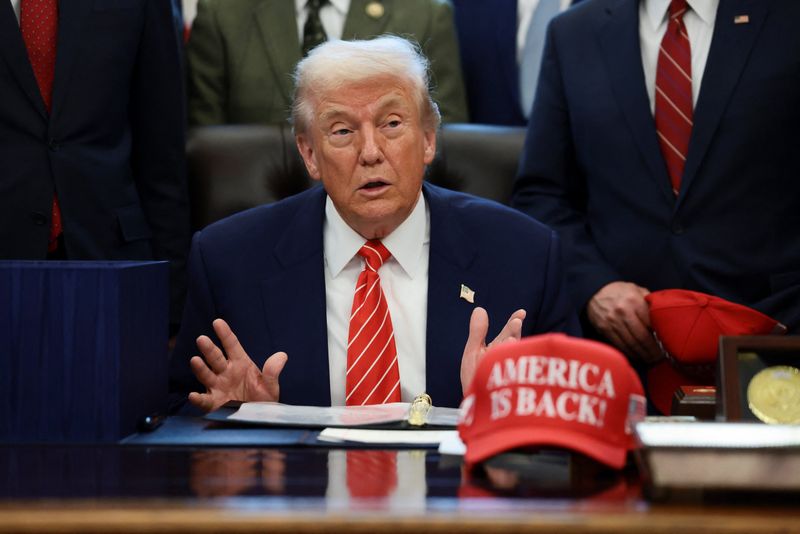

Analysis-Trump’s Iran strikes mark his biggest foreign policy gamble

Netflix Inc. (NASDAQ: NFLX) shares jumped 13.8% on February 27, 2026, closing at $96.24 after the streaming giant announced it would not raise its bid for Warner Bros. Discovery assets, allowing Paramount Skydance to prevail in a months-long bidding war. The decision, coupled with a breakup fee and preserved capital flexibility, fueled investor relief and optimism about disciplined growth.

Netflix had been pursuing Warner Bros.’ studio and streaming assets in a proposed deal valued at around $83 billion earlier in negotiations. On February 26, the company formally declined to match Paramount Skydance’s superior offer, stating in a release that the higher price made the transaction “no longer financially attractive.” Co-CEOs Ted Sarandos and Greg Peters said, “We believe we would have been strong stewards of Warner Bros.’ iconic brands,” but emphasized capital discipline over overpaying.
The withdrawal triggered a significant stock rally, with shares opening sharply higher and trading up to $96.75 intraday before settling at $96.24 on volume exceeding 200 million shares — far above average. The move came amid a broader pullback earlier in 2026, with Netflix down 38% from its June 2025 peak of $134.12 and trading near $75 lows in recent weeks.
The decision frees Netflix from a potentially dilutive acquisition while securing a breakup fee — details of which were not disclosed but expected to provide a meaningful cash influx. Analysts viewed the exit positively, noting it avoids integration risks in a competitive streaming landscape and allows focus on core strengths: content investment, advertising growth and subscriber momentum.
Netflix’s most recent earnings, reported January 20, 2026, for the fourth quarter ended December 31, 2025, showed revenue of $12.05 billion, up 17.6% year over year and beating estimates of $11.97 billion. Earnings per share came in at $0.56, topping consensus of $0.55. The company crossed 325 million paid memberships, with global viewership approaching one billion people. Members watched 96 billion hours in the second half of 2025, up 2% year over year. Advertising revenue more than doubled from 2024, surpassing $1.5 billion for the full year.
Operating income rose 30% to $2.96 billion in the quarter, expanding full-year 2025 margins to 29.5% from 26.7%. Netflix guided 2026 revenue between $50.7 billion and $51.7 billion (12% to 14% growth) and operating margins around 31.5%, including some acquisition-related costs — though the Warner deal’s collapse removes that pressure.
The company paused share buybacks to preserve cash during the bidding process, a move that drew mixed reactions but now positions Netflix for renewed capital returns or aggressive content spending. Advertising remains a bright spot, with projections for roughly doubling in 2026 to around $3 billion, diversifying beyond pure subscriptions.
Analysts upgraded or reiterated positive views post-announcement. Huber Research moved to “Strong Buy,” citing improved valuation and execution. Consensus targets hover around $115 to $130, implying significant upside from current levels. The stock’s forward P/E has compressed to the low 30s from mid-60s peaks, making it attractive for growth investors.
Challenges persist: competition from Disney+, Amazon Prime Video and others intensifies, content costs remain high, and password-sharing crackdowns — while boosting paid subs — risk churn in price-sensitive markets. Yet Netflix’s lead in originals, global reach and ad-tier momentum underpin long-term confidence.
The Warner exit shifts focus back to organic growth. Upcoming catalysts include Q1 2026 earnings (expected mid-April), major releases like anticipated originals, and ad-tier expansion. Management has teased stronger programming slates and international pushes.
As of February 28, 2026, Netflix trades with a market cap exceeding $406 billion, a 52-week range of $75.01 to $134.12, and strong institutional ownership. The surge reflects market approval of strategic restraint, positioning the company to capitalize on streaming’s maturation without the burdens of a massive merger.
Investors will watch for confirmation of the breakup fee and any renewed buyback activity. With the deal drama resolved, Netflix appears poised for a rebound, betting on content, ads and execution to drive returns in 2026.


Targeted by airstrikes, Ayatollah Khamenei has Iran in iron grip
Business
Oil Prices Surge 3-5% as US-Israel Strikes on Iran Spark Fears of Supply Disruptions Through Strait of Hormuz

Crude oil prices jumped sharply on February 28, 2026, extending recent gains as joint U.S.-Israeli military strikes on Iran triggered immediate market concerns over potential disruptions to Middle East oil supplies. Brent crude, the global benchmark, settled around $72.87 per barrel on February 27 trading — up 2.87% — with early Asian session indications pointing to further upside on Monday amid ongoing geopolitical risks.

AFP
West Texas Intermediate (WTI), the U.S. benchmark, closed at $67.02 per barrel, gaining 2.78% in the prior session. Analysts expect opening prices on February 28 to reflect heightened risk premiums, with some forecasting Brent testing $75 or higher if escalation fears intensify. The surge builds on a 6-8% monthly rise in February, driven by trader anticipation of conflict and a “war premium” baked into futures.
The price movement stems directly from U.S. and Israeli “major combat operations” targeting Iranian leadership, missile sites and nuclear facilities early Saturday. President Donald Trump confirmed the strikes in a video statement, vowing to eliminate threats from Iran’s ballistic missile and nuclear programs. Israel described the action as pre-emptive to neutralize existential dangers. Iran responded with ballistic missile barrages at Israel and U.S. bases in Gulf states, including the UAE, Bahrain, Qatar and Saudi Arabia.
The Strait of Hormuz — through which about 20% of global seaborne oil passes — has emerged as a focal point. Analysts warn that even a brief blockade or heightened naval activity by Iran could send prices soaring. Kpler senior crude analyst Muyu Xu estimated a one-day disruption could push oil to $120-$150 per barrel. Barclays projected Brent reaching $80 in scenarios of material supply interruption, while longer conflicts risk $100 or more.
OPEC+ delegates signaled readiness to adjust output, with some members like Saudi Arabia and the UAE already raising exports preemptively. A Reuters poll indicated possible larger-than-planned April increases to offset potential shortfalls. Despite oversupply concerns earlier in the year, geopolitical risks have dominated sentiment, lifting prices about 19-20% year-to-date in 2026.
Market reactions reflect broader volatility. Global equities opened lower in Asia, gold rallied as a safe-haven asset, and the U.S. dollar strengthened. Airlines and energy-intensive sectors braced for higher fuel costs, with some carriers already adjusting routes amid regional airspace closures.
The conflict’s energy implications stem from Iran’s role as a key producer and exporter, though its output remains constrained by sanctions. Disruption fears center on the Strait, where tankers carry crude from Saudi Arabia, Iraq, UAE, Kuwait and Iran itself. Historical precedents — like the 2019 tanker attacks — show how quickly risk premiums build.
Experts diverge on duration and severity. If strikes remain limited and retaliation contained, the spike could prove short-lived, similar to June 2025’s brief rally after prior Israel-Iran exchanges. Prolonged engagement or regime-change efforts, however, could sustain elevated prices and pressure global inflation.
J.P. Morgan Global Research maintains a bearish long-term view, forecasting Brent averaging around $60 in 2026 absent major disruptions, citing soft fundamentals. Yet near-term forecasts have risen $1.50 per barrel in recent polls due to tensions.
OPEC+ meets Sunday to discuss output, with sources indicating flexibility for larger hikes if needed. The group has paused recent increases amid rising prices, but conflict dynamics could shift priorities.
Consumers face immediate ripple effects at the pump, with gasoline and diesel likely climbing in coming weeks. Refiners and traders monitor shipping insurance rates and tanker tracking data for signs of rerouting or delays.
As the situation evolves, oil markets remain on edge. The coming sessions will test whether prices stabilize on de-escalation signals or climb further if supply threats materialize. For now, the risk premium dominates, underscoring energy’s vulnerability to Middle East flashpoints.


Russia says Trump and Israel are plunging the Middle East into the abyss with Iran attack
Business
FIGS Inc. Stock Rockets 24% on Blowout Q4 Earnings, Raised Guidance and Analyst Upgrades Signal Turnaround

Shares of FIGS Inc. (NYSE: FIGS), the direct-to-consumer healthcare apparel brand known for stylish scrubs and medical wear, surged more than 23% on February 27, 2026, closing at $15.45 after the company delivered record fourth-quarter results that crushed expectations and provided optimistic guidance for 2026.

The rally marked FIGS’ strongest single-day gain in years, pushing the stock to a nearly four-year high of $15.90 intraday on volume exceeding 26 million shares — well above average. The performance followed the February 26 after-hours release of fiscal fourth-quarter and full-year 2025 earnings, which highlighted accelerating growth, margin expansion and international momentum.
For the quarter ended December 31, 2025, FIGS reported net revenues of $201.9 million, a 33.0% increase from the prior year and far surpassing analyst estimates around $165 million to $166 million. Scrubwear sales led the way, rising 35.1% to $154.9 million, while non-scrubwear revenue grew 26.4% to $47 million. Geographically, U.S. revenue climbed 28.7% to $164.2 million, and international revenue soared 55.1% to $37.7 million, reflecting successful expansion efforts.
Profitability improved dramatically. Net income reached $18.5 million, or $0.10 per diluted share, compared to $1.9 million, or $0.01 per share, a year earlier — beating consensus forecasts of $0.02. Adjusted EBITDA hit $26.7 million with a 13.2% margin, up significantly year over year. Gross margin held strong at 63.0%, supported by efficient supply chain management and higher average order values.
Full-year 2025 results showed net revenues of $631.1 million, up 14% from 2024, with active customers surpassing 2.9 million — a 9% increase. Adjusted EBITDA margin expanded to 11.8% from 9.3%, and net income rose to $34.3 million.
CEO Catherine Spear called the quarter “the culmination of clear strategic focus and disciplined execution,” noting momentum built throughout the year. Management highlighted product innovation, marketing efficiency and international growth as key drivers.
For fiscal 2026, FIGS guided net revenues of approximately $700 million — implying 10% to 12% growth — with adjusted EBITDA margin expansion to around 12.8% from 11.8%. The outlook assumes continued double-digit gains in core scrubwear and international markets.
Analysts responded swiftly with upgrades and target hikes. Barclays upgraded from Equal Weight to Overweight, citing a return to growth. Goldman Sachs moved from Sell to Neutral, lifting its price target to $14 from $7.50. KeyBanc shifted to Overweight from Sector Weight with a $17 target. Roth Capital raised its target to $15.50 from $12, and Telsey Advisory increased to $15 from $9 while maintaining Hold. Consensus targets now cluster around $14 to $17, suggesting 10-20% upside from recent levels.
The stock had languished earlier in 2026, trading near $10-$11 amid concerns over slowing U.S. demand and margin pressure post-pandemic. The Q4 beat and guidance shift reframed the narrative, with investors betting on sustained momentum in a $100 billion+ global medical apparel market.
FIGS operates as a digitally native brand, selling premium scrubs, lab coats and accessories directly to healthcare professionals. Its focus on performance fabrics, inclusive sizing and modern designs differentiates it from traditional uniform providers. International expansion — particularly in Europe and Asia — and new product categories offer growth levers.
Challenges include competition from legacy players and economic sensitivity among healthcare workers. Yet strong cash flow, a debt-free balance sheet and improving profitability bolster the outlook.
The post-earnings surge reflects renewed confidence in FIGS’ turnaround story. As the company eyes 2026 milestones like further international penetration and margin gains, the healthcare apparel specialist appears positioned for continued momentum.

Why Market CRASHING in Crypto and Bitcoin?

Dubai flights cancelled as Brit told airspace closed ’10 minutes after boarding’

Exclusive-Prior to Iran attacks, CIA assessed Khamenei would be replaced by IRCG elements if killed, sources say


-

 Politics6 days ago
Baftas 2026: Awards Nominations, Presenters And Performers
-

 Sports5 days ago
Women’s college basketball rankings: Iowa reenters top 10, Auriemma makes history
-

 Fashion22 hours ago
Weekend Open Thread: Iris Top
-

 Business4 days ago
True Citrus debuts functional drink mix collection
-

 Politics5 days ago
Nick Reiner Enters Plea In Deaths Of Parents Rob And Michele
-

 Politics2 days ago
ITV enters Gaza with IDF amid ongoing genocide
-

 Crypto World4 days ago
XRP price enters “dead zone” as Binance leverage hits lows
-
Sports12 hours ago
The Vikings Need a Duck
-

 Business6 days ago
Mattel’s American Girl brand turns 40, dolls enter a new era
-

 Tech4 days ago
Unsurprisingly, Apple's board gets what it wants in 2026 shareholder meeting
-

 Business6 days ago
Law enforcement kills armed man seeking to enter Trump’s Mar-a-Lago resort, officials say
-
 NewsBeat3 days ago
Manchester Central Mosque issues statement as it imposes new measures ‘with immediate effect’ after armed men enter
-

 NewsBeat3 days ago
Cuba says its forces have killed four on US-registered speedboat | World News
-
 NewsBeat5 hours ago
The empty pub on busy Cambridge road that has been boarded up for years
-
 NewsBeat5 days ago
‘Hourly’ method from gastroenterologist ‘helps reduce air travel bloating’
-

 Tech6 days ago
Anthropic-Backed Group Enters NY-12 AI PAC Fight
-

 NewsBeat6 days ago
Armed man killed after entering secure perimeter of Mar-a-Lago, Secret Service says
-

 Politics6 days ago
Maine has a long track record of electing moderates. Enter Graham Platner.
-
 NewsBeat4 days ago
Police latest as search for missing woman enters day nine
-

 Business3 days ago
Discord Pushes Implementation of Global Age Checks to Second Half of 2026