Connect with us
DAPA Banner

Business

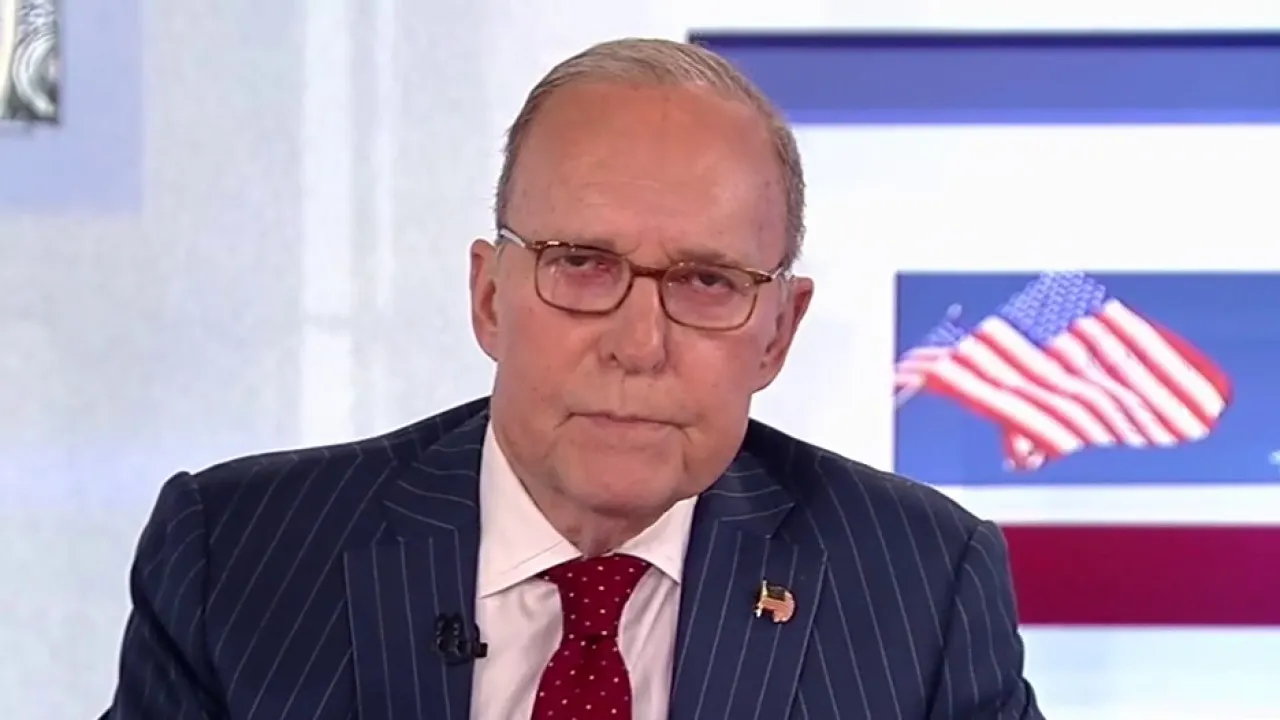
LARRY KUDLOW: More bombing is coming as Iran pulls out a blank piece of paper to take Trumpian dictation

Published

on

LARRY KUDLOW: More bombing is coming as Iran pulls out a blank piece of paper to take Trumpian dictation

So the Iranians send back a ridiculous set of agreement conditions that doesn’t even mention their nuclear threats. Nor does it mention their constant state-sponsored terrorism. And President Trump quickly responded that it was unacceptable.

Time and again the president has said Iran must not have any nuclear capabilities. No nuke building, no enriched uranium, no missiles, no more terrorist proxies, and no more control over the Strait of Hormuz. Those are his red lines. He will stick to them. And as far as Hormuz is concerned, the United States Navy has now begun the process of reopening the Strait. They’ve guided two ships through today and they are likely to ramp up many many more ships to safely pass through the Strait.

Advertisement

In effect, whether the Iranian thugs realize it or not, America has completely taken over the Persian Gulf, which I guess should be the Arabian Gulf, although I may personally be willing to hold out for the Trump Gulf. The Iranians took shots at the United Arab Emirates, which has become a staunch American ally. Leaving OPEC ramping up oil production and transacting through the dollar. 

Our naval blockade continues to work as Iran continues to drop into economic and financial ruin. No oil, no money, no meeting payroll or retirement packages. Even all that money the Islamic Revolutionary Guard Corps has stolen and looted from the Iranian people, including running their businesses into the ground, and all that offshore bank accounting has now been frozen or even seized by the United States Treasury.

Meanwhile, without oil exporting, Iran’s storage capabilities are filled up and overflowing, and a shutdown is imminent. Once that happens, the oil fields will be badly damaged for quite some time.

Advertisement

The blockade is going to stay in place. The Navy is going to gradually reopen the Strait of Hormuz and American order will be imposed on the whole region, as more super tankers flow through, that should begin to ease oil prices and perhaps even gasoline prices at the pump. The ceasefire has lasted 3 weeks, though. The Iranians haven’t responded with any serious talks. And my hunch is Mr. Trump is losing patience with them.

At some point Iranian leaders are not going to make it home at night before a resumption of bombing occurs. Analysts say it will only take a couple more weeks to fully complete the mission. There can be no deal without the president’s red lines. And, indeed, I still believe we are headed for unconditional surrender.

I can just see Mr. Trump at a meeting with some Iranian leader if he can find one. Tell that person to take out a blank sheet of paper and write down this and that. That’s called dictation. Unconditional dictation.

Advertisement
Continue Reading
Click to comment

You must be logged in to post a comment Login

Leave a Reply

Business

IndusInd’s ex-CFO files Rs 70-cr suit over wrongful termination

Published

on

IndusInd's ex-CFO files Rs 70-cr suit over wrongful termination
Mumbai: IndusInd Bank‘s ex-chief financial officer, Gobind Jain, has filed a ₹70-crore lawsuit against his former employer in the Bombay High Court, alleging wrongful termination and seeking substantial damages.

According to the claim, Jain has sought ₹20 crore as compensation for loss of earnings and an additional ₹50 crore for reputational harm, loss of employment opportunities, and mental trauma.

The Reserve Bank of India (RBI), the sectoral regulator, has also been made a party to the case.

Jain is being represented by law firm Wadia Ghandy, while IndusInd Bank has engaged Cyril Amarchand Mangaldas. The RBI is represented by BLAC & Co.

Advertisement

“To ensure that the final relief, if granted, does not become illusory, it is necessary that… IndusInd Bank be directed to deposit ₹20 crore toward compensation for loss of earnings…,” the suit said.


Jain, IndusInd Bank and the RBI did not respond to ET’s emailed queries. ET, in its edition dated September 27, 2025, was the first to report about Jain’s repeated attempts to resign as CFO.
In his petition, Jain has detailed the sequence of events leading up to his resignation, including four resignation letters beginning April 2024, in which he repeatedly urged then MD & CEO Sumant Kathpalia to appoint an external auditor to investigate alleged lapses.According to the petition, Jain’s earliest resignation letter was sent on June 11, 2024-nearly ten months before the bank disclosed the accounting lapses to stock exchanges. Less than two months later, he submitted another letter on August 20, 2024.

On September 29, 2024, Jain again pressed for an external audit saying that he had kept his resignation on hold on the understanding that Kathpalia would order a detailed audit by a reputed external and independent audit firm into serious issues and incorrect procedures and practices followed by the bank’s treasury.

Continue Reading

Business

Sebi seeks to align securitisation framework with RBI regulations

Published

on

Sebi seeks to align securitisation framework with RBI regulations
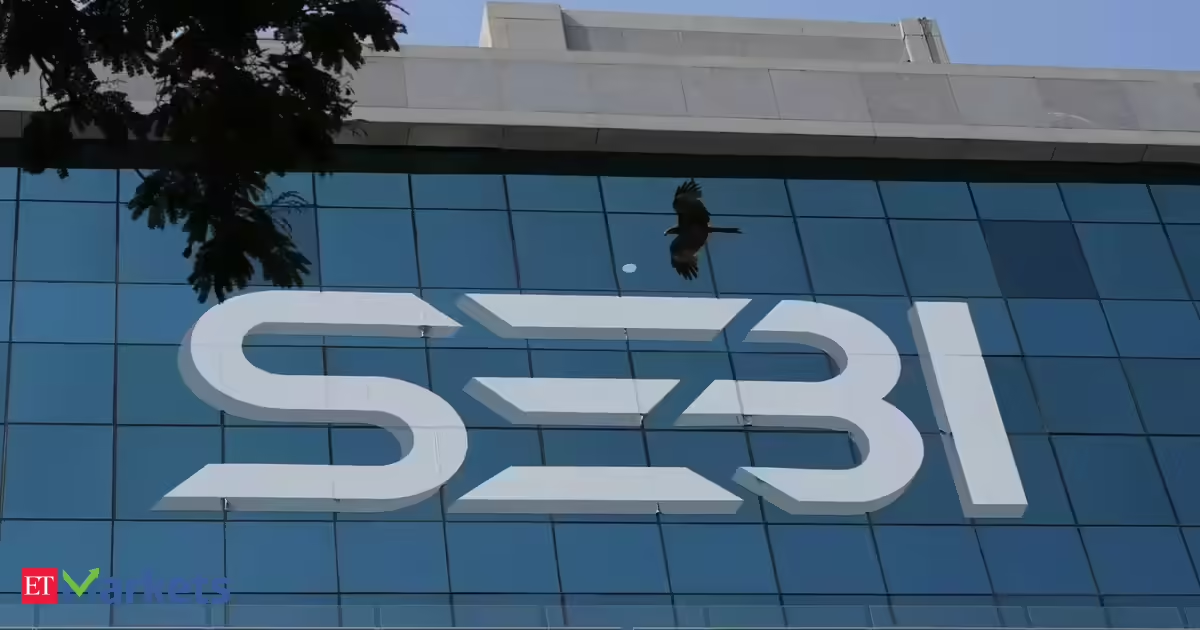
Mumbai: The Securities and Exchange Board of India (Sebi) on Monday proposed easing securitisation norms, including relaxing the 25% cap on single borrower exposure in the asset pool, to align its framework with the rules of the banking regulator. These exemptions would apply only to entities governed by central bank norms.

Sebi has invited public comments on its latest securitisation proposals until May 25.

Under the existing framework aimed at risk mitigation, securitised debt instruments should adhere to strict diversification norms, including a cap that limits any single borrower’s share to 25% of the asset pool at issuance.

The current Sebi securitisation caps are meant to reduce risk by ensuring the pool is not overly dependent on one borrower.

Advertisement

However, the regulator said this rule has effectively blocked listing of securitisation deals backed by a single asset, even though such structures are allowed under Reserve Bank of India (RBI) norms. To address this, Sebi has proposed waiving the 25% cap for RBI-regulated entities, thus enabling single-asset deals to be listed.


In a parallel move to strengthen transparency, Sebi has suggested shifting the responsibility for periodic disclosures on the performance of the underlying asset pool from the originator to the servicer.
The servicer, which may or may not be the originator, is responsible for collecting and monitoring receivables, making it better placed to provide timely and accurate information to investors.The regulator has also proposed changes to governance norms for special purpose distinct entities (SPDEs). For RBI-regulated originators, representation on the SPDE board would be capped at one member without veto powers, in line with RBI guidelines.

Additionally, Sebi has proposed easing certain restrictions on securitisation structures and replacing mandatory winding-up of transactions in specific cases with the appointment of a new trustee.

Continue Reading

Business

Major project tick for Pilbara ammonia plant

Published

on

Major project tick for Pilbara ammonia plant

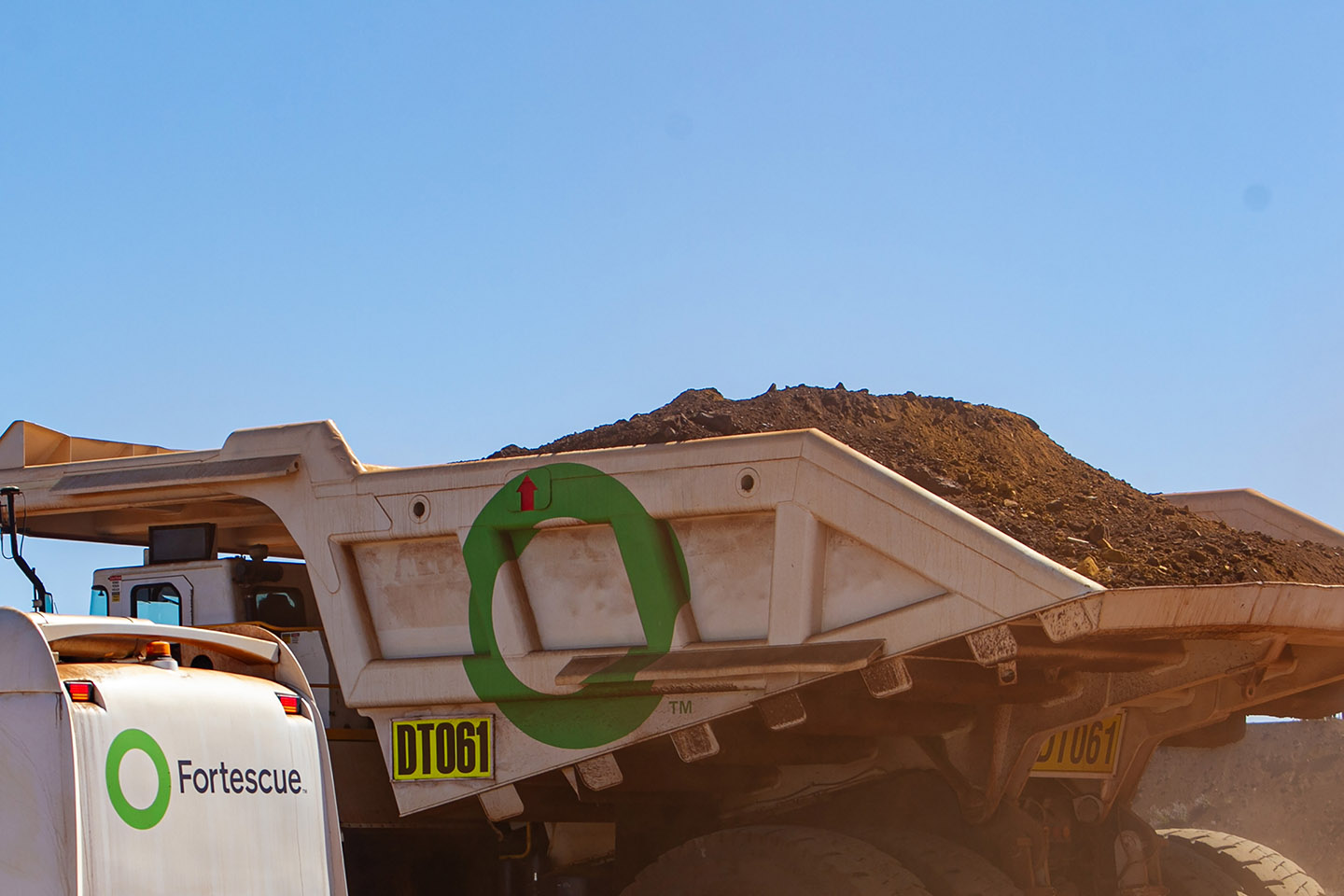
A $1.6 billion ammonia project in the Pilbara has been granted major project status by the federal government.

Continue Reading

Business

ON Semiconductor Corporation (ON) Q1 2026 Earnings Call Transcript

Published

on

OneWater Marine Inc. (ONEW) Q1 2026 Earnings Call Transcript

ON Semiconductor Corporation (ON) Q1 2026 Earnings Call May 4, 2026 5:00 PM EDT

Company Participants

Parag Agarwal – Vice President of Investor Relations & Corporate Development
Hassane El-Khoury – President, CEO & Director
Thad Trent – Executive VP, CFO, Treasurer & Principal Accounting Officer

Advertisement

Conference Call Participants

Ross Seymore – Deutsche Bank AG, Research Division
Vivek Arya – BofA Securities, Research Division
Neil Young – Needham & Company, LLC, Research Division
Joshua Buchalter – TD Cowen, Research Division
Vijay Rakesh – Mizuho Securities USA LLC, Research Division
Gary Mobley – Loop Capital Markets LLC, Research Division
Christopher Rolland – Susquehanna Financial Group, LLLP, Research Division
Joseph Moore – Morgan Stanley, Research Division
James Schneider – Goldman Sachs Group, Inc., Research Division
Harlan Sur – JPMorgan Chase & Co, Research Division

Presentation

Advertisement

Operator

Good day, and thank you for standing by. Welcome to the onsemi First Quarter 2026 Earnings Conference Call. [Operator Instructions] Please be advised that today’s conference is being recorded. I would now like to hand the conference over to your speaker today, Parag Agarwal, Vice President of Investor Relations and Corporate Development.

Please go ahead.

Advertisement

Parag Agarwal
Vice President of Investor Relations & Corporate Development

Thank you, Daniel. Good afternoon, and thank you for joining onsemi’s first quarter results conference call. I’m joined today by Hassane El-Khoury, our President and CEO; and Thad Trent, our CFO. This call is being webcast on the Investor Relations section of our website at www.onsemi.com.

A replay of this webcast, along with our first quarter earnings release, will be available on our website approximately 1 hour following this conference call, and the recorded webcast will be available for approximately 30 days following this conference call.

Additional information is posted on the Investor Relations section of our website. Our earnings release and this presentation includes certain non-GAAP financial measures. Reconciliation of these non-GAAP

Advertisement
Continue Reading

Business

Mirum Pharmaceuticals, Inc. (MIRM) Discusses Topline Clinical Results in Primary Sclerosing Cholangitis and Hepatitis Delta Transcript

Published

on

OneWater Marine Inc. (ONEW) Q1 2026 Earnings Call Transcript

Mirum Pharmaceuticals, Inc. (MIRM) Discusses Topline Clinical Results in Primary Sclerosing Cholangitis and Hepatitis Delta May 4, 2026 8:30 AM EDT

Company Participants

Andrew McKibben – Senior Vice President, Strategic Finance & Investor Relations
Christopher Peetz – CEO & Director
Joanne M. Quan – Chief Medical Officer
Peter Radovich – COO & President

Advertisement

Conference Call Participants

Ryan Deschner – Raymond James & Associates, Inc., Research Division
Joshua Schimmer – Cantor Fitzgerald & Co., Research Division
Swayampakula Ramakanth – H.C. Wainwright & Co, LLC, Research Division
Yesha Patel – Evercore ISI Institutional Equities, Research Division
Ryan Mcelroy – Leerink Partners LLC, Research Division
Joseph Thome – TD Cowen, Research Division
Jessica Fye – JPMorgan Chase & Co, Research Division
Michael Ulz – Morgan Stanley, Research Division
James Condulis – Stifel, Nicolaus & Company, Incorporated, Research Division
Jonathan Wolleben – Citizens JMP Securities, LLC, Research Division
Lisa Walter – RBC Capital Markets, Research Division

Presentation

Advertisement

Operator

Good morning, and welcome to Mirum Pharmaceuticals Business Update Call. My name is Ben, and I will be your operator today. [Operator Instructions] I would now like to hand the conference over to Andrew McKibben, SVP of Strategic Finance and Investor Relations. Please go ahead.

Andrew McKibben
Senior Vice President, Strategic Finance & Investor Relations

Advertisement

Thank you, Ben, and good morning, everyone. I’m very happy to welcome you to Mirum’s conference call to discuss our recent clinical readouts, including the top line results of our VISTAS Phase IIb study of volixibat in patients with primary sclerosing cholangitis, or PSC, and last week’s announcement of top line results from the Phase II portion of the AZURE-1 study of brelovitug in hepatitis delta. For our prepared remarks, I’m joined today by our CEO, Chris Peetz; and our Chief Medical Officer, Joanne Quan. I’m also joined by our President and Chief Operating Officer, Peter Radovich; and our Chief Financial Officer, Eric Bjerkholt, who will both be available for Q&A. The call will begin with opening remarks from Chris, followed

Advertisement
Continue Reading

Business

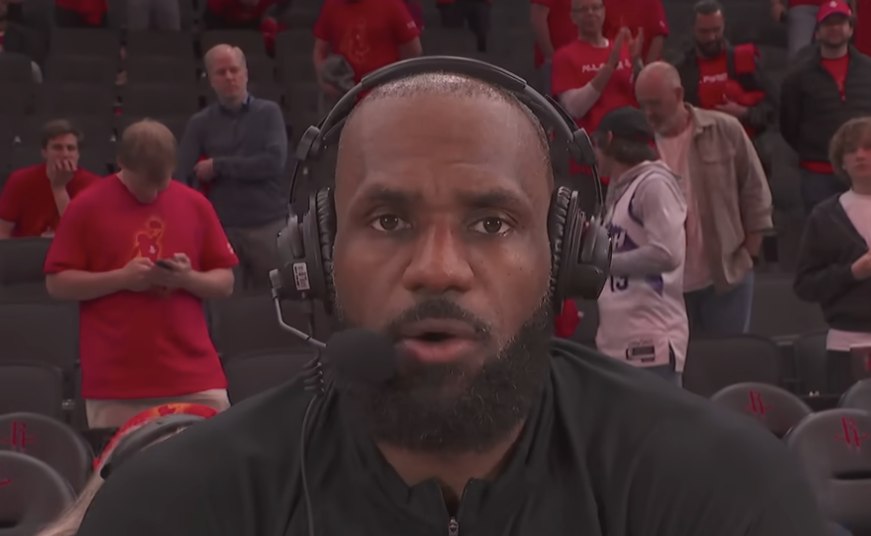
Can LeBron James Lead Lakers Past Timberwolves Without Injured Anthony Edwards?

Published

on

Lebron James Post Game Interview: LeBron James Leads Lakers

MINNEAPOLIS — As the Los Angeles Lakers prepare for a potential Western Conference playoff clash with the Minnesota Timberwolves, the absence of Minnesota star Anthony Edwards due to a left knee injury has shifted the narrative from a mismatch to a fascinating test of LeBron James’ enduring greatness. With Edwards week-to-week and likely sidelined for the start of any series, James and the Lakers see a genuine opportunity to exploit Minnesota’s diminished firepower, though the Timberwolves’ elite defense and depth still present a formidable challenge for the veteran-led squad.

Edwards suffered a hyperextension and bone bruise in Game 4 against the Denver Nuggets on April 26. An MRI ruled out structural ligament damage, but the injury has kept the 24-year-old All-Star out of full-contact practice. Timberwolves coach Chris Finch has described Edwards as week-to-week, with the earliest realistic return potentially in Games 3 or 4 of a series. Without their leading scorer — who averaged 28.8 points per game this season — Minnesota must rely heavily on Julius Randle, Mike Conley and defensive intensity to stay competitive.

James, at 41, continues defying age with remarkable playoff performances. In the Lakers’ first-round series against Houston, he averaged 28 points, eight assists and seven rebounds while carrying a depleted roster without Luka Doncic. His basketball IQ, leadership and ability to elevate teammates remain unmatched. Against a Timberwolves team missing its primary offensive engine, James could exploit defensive lapses and create mismatches, particularly if Minnesota’s focus shifts toward containing Austin Reaves and Rui Hachimura.

The Lakers-Timberwolves matchup has been competitive in recent seasons. Minnesota swept the regular-season series this year, but those games featured a healthy Edwards. Without him, the Timberwolves’ offense loses its explosive transition threat and isolation scoring. Edwards’ gravity as a scorer forces defenses to collapse, opening driving lanes and three-point opportunities for teammates. His absence places heavier offensive responsibility on Randle, who has stepped up admirably but lacks Edwards’ burst and perimeter creation.

Advertisement

Defensively, the Timberwolves remain elite. Rudy Gobert anchors the paint, while Jaden McDaniels and others provide versatile wing defense. Even without Edwards, Minnesota can disrupt opposing offenses through length and physicality. The Lakers will need strong ball movement and spacing to counter that pressure. James’ playmaking becomes even more critical, as he must orchestrate the offense while also shouldering scoring duties against a defense designed to limit star players.

Coaching adjustments will be pivotal. Lakers coach JJ Redick has shown creativity in lineup construction during the postseason. Expect increased minutes for Reaves as a secondary creator and potential small-ball looks featuring James at point guard. On the other side, Finch must find ways to replace Edwards’ scoring without overtaxing Randle or relying too heavily on bench production. The Timberwolves’ depth, built through smart drafting and development, will be tested.

Historical precedent favors experience in high-stakes scenarios. James has thrived as an underdog throughout his career, including memorable playoff runs with lesser supporting casts. His basketball IQ allows him to adapt mid-series, exploiting weaknesses and elevating teammates. However, the Timberwolves’ youth and defensive identity could wear down the older Lakers roster over a seven-game series.

Injury timelines add uncertainty. Edwards’ bone bruise typically requires two to six weeks of recovery. A return in the middle of a series could swing momentum dramatically, especially if Minnesota advances past the early games. The Lakers must treat every contest as potentially Edwards-free, preparing schemes that neutralize Gobert’s rim protection and Randle’s versatility.

Advertisement

Fan and analyst reaction has been mixed. Some view the Lakers as having a realistic chance to steal a series without Edwards, citing James’ playoff pedigree and Minnesota’s occasional offensive stagnation. Others point to the Timberwolves’ defensive strength and home-court advantage as decisive factors. Betting markets have shifted slightly toward Minnesota but reflect uncertainty around Edwards’ status.

Beyond X’s and O’s, the series carries narrative weight. James potentially in the final chapters of his legendary career faces a young, hungry Timberwolves squad looking to establish itself as a Western Conference power. A Lakers upset would rank among James’ greatest achievements, while a Minnesota victory without Edwards would reinforce the team’s depth and defensive identity.

The Western Conference landscape adds context. Both teams have championship aspirations, but injuries have complicated paths. The Lakers advanced past Houston without Doncic, showcasing resilience. Minnesota handled Denver despite Edwards’ limited availability in later games. Their potential meeting would test which roster is better equipped to overcome adversity.

As the NBA postseason intensifies, the James-versus-Timberwolves-without-Edwards scenario offers compelling drama. James has made a career of defying odds, but Minnesota’s defensive structure and collective talent provide a stiff test. The coming days will reveal whether experience and leadership can overcome youth and depth in a critical playoff matchup.

Advertisement

For now, the Timberwolves hold the edge on paper, but James’ presence ensures nothing is guaranteed. Basketball fans everywhere will watch closely to see if the King can engineer another improbable run or if Minnesota’s pack defense proves too much to handle without its young star leading the charge.

Continue Reading

Business

Thailand’s economy grew in Q1, driven by strong demand and supply, amid favorable conditions before the Middle East conflict escalated

Published

on

Thailand's economy grew in Q1, driven by strong demand and supply, amid favorable conditions before the Middle East conflict escalated

Thailand’s economy grew in Q1 due to strong demand and supply, but signs of Middle East conflict impacts emerged, notably declining tourism and exports, alongside rising fuel imports and softening private consumption.


Summary

  • Thailand’s economy expanded in the first quarter, supported by both demand and supply side factors, reflecting favorable economic conditions prior to the escalation of the Middle East conflict. In March, overall economic activity stabilized from the previous month.
    – Merchandise exports and manufacturing production continued to increase, alongside an expansion in government expenditure.
    – Early signs of economic impact from the Middle East conflict has begun to emerge. Tourist arrivals from the Middle East and Europe have declined sharply, exports to the Middle East and Europe contracted significantly, and fuel imports increased as firms accelerated sourcing from alternative suppliers. Private consumption also softened, particularly in hotels and restaurants, despite some front-loaded spending on fuel amid concerns over rising prices.
  • Headline inflation moved closer to zero from negative territory in the previous month, driven mainly by energy prices. Core inflation remained positive and broadly unchanged, suggesting limited pass‑through of cost pressures to consumer prices.
  • Key issues to monitor: (1) Middle East conflict developments, (2) the extent to which businesses and households can adapt, (3) government economic stimulus measures, and (4) potential shifts in U.S. trade policy.

Thailand’s economy experienced growth in the first quarter, driven by both demand and supply-side factors. On the demand side, merchandise exports, excluding gold, continued to rise, particularly in technology-related products. Domestic demand strengthened as private consumption increased, supported by accelerated vehicle deliveries following the expiration of the EV 3.0 scheme and heightened fuel purchases toward the end of the quarter due to concerns over potential price hikes. Additionally, private investment grew, primarily in machinery and equipment, complemented by an uptick in government spending.

On the supply side, manufacturing output rose, driven by increased petroleum production following extensive refinery maintenance in the previous quarter and capacity expansions by major chemical firms. The services sector also grew, primarily fueled by trade-related activities aligned with higher production and exports. However, late in the quarter, the economy faced challenges from the Middle East conflict, resulting in a significant drop in exports to the region and a decline in foreign tourist arrivals, particularly from the Middle East and Europe.

Source : Press Release on the Economic and Monetary Conditions for March and Q1/2026

Advertisement
Continue Reading

Business

Wall St falls on concerns about Middle East tensions

Published

on

Wall St falls on concerns about Middle East tensions

Wall Street has ended lower, with the S&P 500 retreating from ‌record highs, after a South Korean ship was hit by an explosion in the Strait of Hormuz and Iran demonstrated its grip on Middle East oil.

Continue Reading

Business

Fortescue starts planning 6GW energy hub for Pilbara green iron plant

Published

on

Fortescue starts planning 6GW energy hub for Pilbara green iron plant

Fortescue is laying the groundwork for a major green iron plant in the Pilbara backed by hydrogen to be produced by as much as 6 gigawatts of renewable energy.

Continue Reading

Business

Tesla Stock Dips Slightly to $390 as Robotaxi Hype Builds Ahead of Major August Unveiling

Published

on

GameStop (GME) Shares Edge Lower in Quiet Trading as Ryan

NEW YORK — Tesla Inc. shares edged lower by 0.16 percent to $390.20 in midday trading Monday, May 4, 2026, as investors paused following recent gains and positioned for upcoming catalysts including the company’s highly anticipated robotaxi event scheduled for August. The modest decline came amid broader market rotation out of some high-valuation technology names, though Tesla’s long-term narrative around autonomous driving, energy storage growth and new vehicle platforms continues to attract strong institutional interest.

The stock has been on a volatile but upward trajectory in 2026, climbing more than 35 percent year-to-date on optimism surrounding Full Self-Driving (FSD) advancements, record energy deployment numbers and the promise of affordable new models. Monday’s small pullback reflects typical profit-taking after a strong run, with shares still trading well above levels seen earlier in the year. Trading volume remained elevated as options activity showed continued bullish bets on Tesla’s ability to execute on its ambitious roadmap.

Tesla’s core business remains robust. The company delivered more than 460,000 vehicles in the first quarter, beating analyst expectations despite global economic headwinds. Energy storage deployments hit record levels, growing more than 150 percent year-over-year as utility-scale projects and Megapack installations accelerated. CEO Elon Musk has repeatedly emphasized that the energy business could eventually rival or surpass the automotive segment in profitability.

The robotaxi event, originally teased for 2025 but delayed to August 8, 2026, has become a major focal point for investors. Musk has described the unveiling as a “transformational moment” for the company and the broader transportation industry. Tesla plans to showcase a purpose-built autonomous vehicle without steering wheel or pedals, designed for high-volume ride-hailing operations. Success in this area could unlock trillions in potential market value according to optimistic analyst models, though regulatory approval and technological hurdles remain significant challenges.

Advertisement

Autonomous driving technology continues to be Tesla’s biggest growth narrative. The company’s FSD software has seen rapid iteration, with version 13.2 delivering smoother city driving and better handling of complex urban environments. Tesla has expanded its supervised FSD testing fleet and is working closely with regulators in key markets including California, Texas and several European countries. While full unsupervised autonomy is still years away in many jurisdictions, incremental improvements continue to build consumer confidence and data advantages.

Financially, Tesla maintains a strong balance sheet with substantial cash reserves. First-quarter revenue grew 15 percent year-over-year, supported by both automotive and energy segments. Profit margins have stabilized after previous compression from price cuts and increased competition in the electric vehicle market. Analysts expect second-quarter deliveries to show sequential improvement, with particular strength in Cybertruck production ramp and international markets.

The stock’s valuation remains elevated compared to traditional automakers but more reasonable when factoring in Tesla’s technology and energy businesses. Trading at approximately 95 times forward earnings, many growth investors view the multiple as justified given Tesla’s positioning in multiple high-growth sectors. Value-oriented investors, however, remain cautious about the premium and potential execution risks around new product launches.

Musk’s influence continues to drive both enthusiasm and volatility. His active presence on social media, comments on artificial intelligence and updates on Tesla’s various projects often move the stock. Recent posts highlighting progress on the Optimus humanoid robot and next-generation vehicle platforms have kept investor excitement high. However, Musk’s divided attention across Tesla, SpaceX, xAI and other ventures occasionally raises questions about focus and execution timelines.

Advertisement

Broader market context also affected trading. Technology stocks faced selective pressure as investors rotated into sectors perceived as offering better value or near-term catalysts. The Federal Reserve’s upcoming policy meeting later this week will be closely watched for signals on interest rates, which historically influence growth stocks like Tesla. Lower rates generally support higher valuations for companies with long-duration cash flows.

Looking ahead, several key events could influence Tesla’s trajectory in the coming months. Second-quarter delivery numbers expected in early July will provide insight into demand trends. The robotaxi event in August has the potential to be a major catalyst, similar to previous product unveilings that have driven significant stock movement. Longer term, the launch of more affordable models in 2027 could expand Tesla’s addressable market substantially.

Analysts remain broadly bullish. The average 12-month price target sits around $420, with optimistic forecasts reaching $550 or higher in successful robotaxi and Optimus scenarios. Firms like Morgan Stanley, Goldman Sachs and Wedbush have maintained overweight or buy ratings, citing Tesla’s technology leadership and multiple growth vectors. However, some caution that delays in autonomy or increased competition could pressure near-term performance.

For individual investors, Tesla remains one of the most widely held and discussed stocks. Its combination of visionary leadership, technological innovation and cultural significance continues to attract both long-term believers and short-term traders. While volatility is inherent, many view current levels as reasonable entry points for those with multi-year horizons.

Advertisement

The modest decline on Monday represents normal market fluctuation rather than a shift in fundamentals. Tesla’s business remains at the forefront of electric vehicles, energy storage and autonomous technology. As the company executes on its ambitious vision, investors will continue weighing the significant upside potential against execution risks and valuation considerations.

As trading continued into late morning, Tesla shares held most of their recent gains despite the small pullback. The stock’s resilience reflects underlying confidence in Musk’s ability to deliver on long-term promises even amid short-term noise. For now, all eyes remain on upcoming product milestones and quarterly results that could shape Tesla’s trajectory through the remainder of 2026 and beyond.

Continue Reading

Trending

Copyright © 2025