
Business
Leading with Discipline and Drive


What does it take to lead in two very different industries — automotive operations and golf management — and succeed in both?
For Don Carlos Lee Gibson Jr., the answer is simple: structure, discipline, and people-first leadership.
“I’ve always believed leadership starts with responsibility,” Don says. “If you take care of your people and your systems, the results follow.”
His career tells that story.
Early Life and Education: Where Discipline Began
Don’s foundation started at home.
His mother, Linda Bradshaw, was a multi-sport athlete at Sullivan South High School. She played baseball, basketball, and ran track. Her work ethic shaped his mindset early on.
“I grew up watching my mom compete,” Don says. “She showed me that effort matters. You show up. You work. You don’t quit.”
Don graduated from Sullivan South High School and later earned a Bachelor of Science in Business Management from Virginia College. But business was only part of his plan.
Golf was the other.
He attended the Golf Academy of America and earned two associate degrees — one in Golf Operations and Turf Management, and another in Teaching and Player Development.
“I didn’t just want to play golf,” he says. “I wanted to understand the business behind it.”
That decision would shape the next phase of his career.
Military Intelligence Analyst: Learning to Think Strategically
Before stepping fully into business leadership, Don served as a Military Intelligence Analyst in the United States Army.
The experience sharpened his analytical thinking.
“In the Army, you learn how to assess risk fast,” he explains. “You look at the data. You look at the environment. Then you make a decision and stand by it.”
That mindset still guides him today.
Military intelligence taught him structure. It taught him how to operate under pressure. It also taught him accountability.
“You don’t guess,” he says. “You prepare.”
Golf Management Career: From Head Pro to Operations Leader
Don’s early career in golf blended teaching with leadership.
He served as General Manager and Head Golf Professional at the Golf Club of South Carolina at Crickentree. He also worked as Senior Director of Operations, Resort Operations Manager, and Head Pro with National Golf Management Group.
These were not small roles. They required oversight of staff, budgets, player development programs, and daily operations.
“Golf is a service business,” Don says. “You’re managing expectations every single day.”
He focused on player development while keeping operations tight. He looked at scheduling, staffing, and cost control. He paid attention to turf management and customer experience.
“When you run a club, every detail matters,” he explains. “From the condition of the greens to how your team greets guests.”
His leadership style was direct. Clear systems. Clear standards.
“If your team knows the goal, they can execute,” he says
Automotive Leadership: General Manager at Marietta Motors
Today, Don serves as General Manager at Marietta Motors and Westfall Towing.
The industry is different. The leadership principles are not.
Automotive operations require financial oversight, contract negotiation, risk assessment, and team leadership. It’s fast-paced and detail-driven.
“In automotive, margins matter,” Don says. “You have to know your numbers. You have to control your processes.”
He approaches the business the same way he approached golf operations — with structure and accountability.
He focuses on operational efficiency. He strengthens vendor relationships. He builds internal systems that reduce waste and improve response time.
“Every dollar has a job,” he says. “If you don’t manage it, it manages you.”
His OSHA 30 certification and FEMA Disaster and Recovery certification add another layer to his leadership. Safety and preparedness are not afterthoughts.
“You can’t run a strong operation without planning for risk,” he says
What Makes an Effective Director of Golf or General Manager?
Across industries, Don Carlos Lee Gibson, Jr. sees patterns.
Whether leading a country club or an automotive operation, he believes strong management comes down to three things: clarity, discipline, and mentorship.
“People want direction,” he says. “They want to know what winning looks like.”
He also believes in developing others. His work with the First Tee Golf Program reflects that mindset. He has served as an advisor and instructor, helping young players grow in both skill and character.
“Golf teaches integrity,” Don says. “You call penalties on yourself. That matters in business too.”
Community Involvement and Faith-Based Leadership
Don’s leadership extends beyond business.
He volunteers with Celebrate Recovery. He mentors through the TCC Drug Mentor Program. He serves as an advisor and instructor for the Foundation of Christian Faith at Elkton Prison. He also volunteers as a prayer pastor with KLOVE Radio.
“Leadership doesn’t stop at the office,” he says. “If you have knowledge, you share it.”
His faith and church involvement remain central to his life. Singing and golf are personal passions. Service is a priority.
“You measure success by impact,” he explains. “Titles change. Influence lasts.”
The Common Thread: Structured Leadership
From military intelligence to golf management to automotive operations, Don Carlos Lee Gibson Jr.’s career follows a clear path.
He studies systems.
He builds teams.
He manages risk.
He executes.
“I’m not the loudest person in the room,” he says. “I just believe in doing the work.”
In industries where details drive results, that mindset has defined his leadership journey.
And if there’s one lesson that connects every chapter of his career, it’s this:
“Discipline creates freedom,” Don says. “When your foundation is strong, growth becomes possible.


Speaking on the issue, Seth R Freeman from GlassRatner Advisory highlighted the broader implications of energy price volatility. “Oh, it is a major concern and more so it is priced in dollars, so it affects the entire global economy. And it drastically affects sentiment. This is becoming like a yo-yo, and we do not really know whose messaging we should be listening to, whether it is the government of Iran or the White House.”
Over the weekend, investors were inundated with a barrage of developments surrounding US-Iran relations, adding further complexity to market dynamics. Conflicting statements from both sides have kept traders on edge. Notably, crude prices, which declined on Friday, rebounded sharply by Monday morning—underscoring the fragile and reactive nature of the energy markets.
Freeman acknowledged the difficulty in navigating such an environment. “Well, it is certainly difficult to make a call, and we have to have some confidence in some of the forward-looking views on some of these major US stocks to maintain some stability here. But there are times to buy and times to sell, and times to maybe do nothing. And we just do not have clarity. The story seems to be changing every four to five hours. At the same time, we have consumers globally, and in particular emerging markets and other countries besides the United States, that depend on natural gas—even natural gas for cooking—and going back to oil, so much fertiliser is shipped through the strait from oil, so this is going to affect food prices ultimately.”
The uncertainty surrounding geopolitical developments has raised questions about whether markets are getting ahead of themselves. Despite ongoing tensions—including reported blockades and maritime incidents—equity markets have shown resilience, leaving many analysts puzzled.

Freeman pointed to the contradictions in political messaging as a source of confusion. “It is so hard to say. Here we are, we have a blockade. We are shooting at ships. Meanwhile, we are supposed to be having peace negotiations. Iran says there are no negotiations. I think for those who kind of think through this a bit, the messaging from the White House is very confusing because we were talking about regime change and the Iranian regime, and Trump is talking about blowing up Iran. Well, that hurts Iranians. We are not hearing about targeting the regime leaders anymore. And so, it is just very misguided, and it is just making it very difficult to decipher what the best moves are for the market. Meanwhile, it looks like these AI companies are going to continue to stay on a high-speed race, with continued support in those prices—and chip makers in particular.”
As markets balance optimism with uncertainty, the divergence between strong equity performance and volatile geopolitical signals suggests that investors may need to tread cautiously in the weeks ahead.
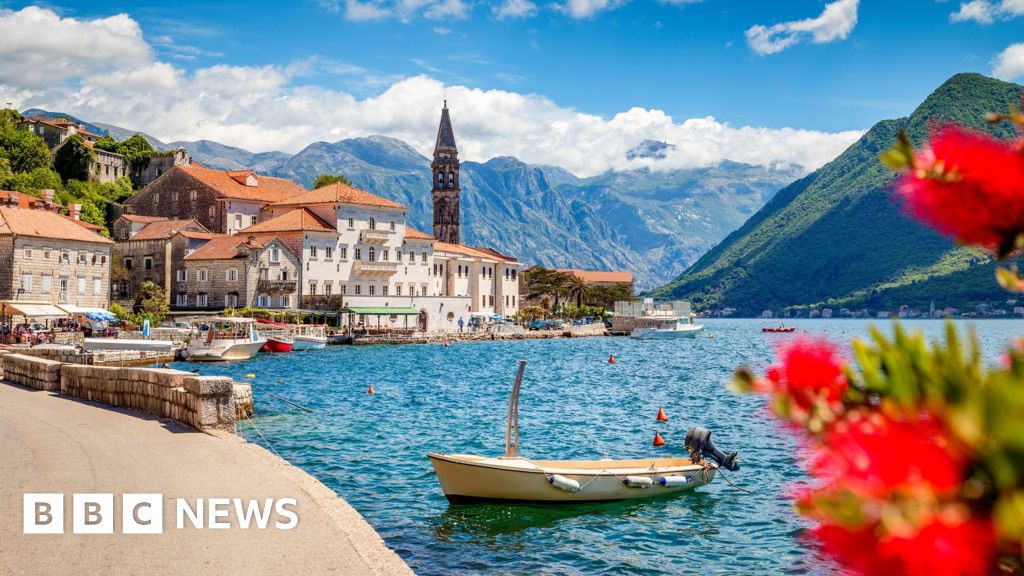
Montenegro and Albania are among the places rising in popularity for Britons seeking a holiday away from tourist traps.

Aristotle Capital Management is an independent/employee-owned investment management organization that specializes in equity and fixed income portfolio management for institutional and advisory clients worldwide.
Note: This account is not managed or monitored by Aristotle Capital Management, and any messages sent via Seeking Alpha will not receive a response. For inquiries or communication, please use Aristotle Capital Management’s official channels.
Business
Motorola Solutions: Relationships, LTS Contracts And Predictable Refresh Cycles To Drive Growth

Motorola Solutions: Relationships, LTS Contracts And Predictable Refresh Cycles To Drive Growth
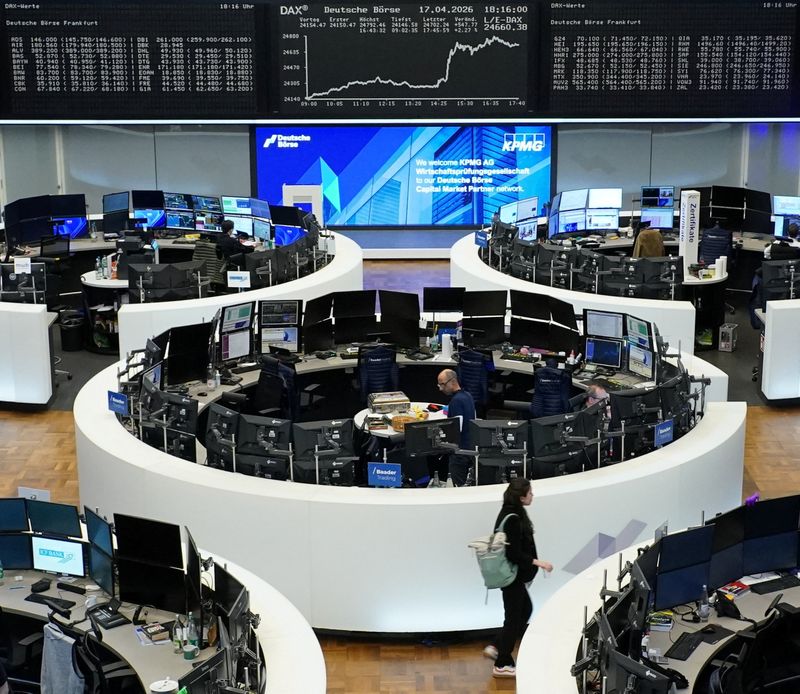

European shares set to open lower as hopes for US-Iran peace fade
Business
Australian Fuel Prices Ease as Supply Stabilises but Relief Remains Fragile Amid Global Tensions
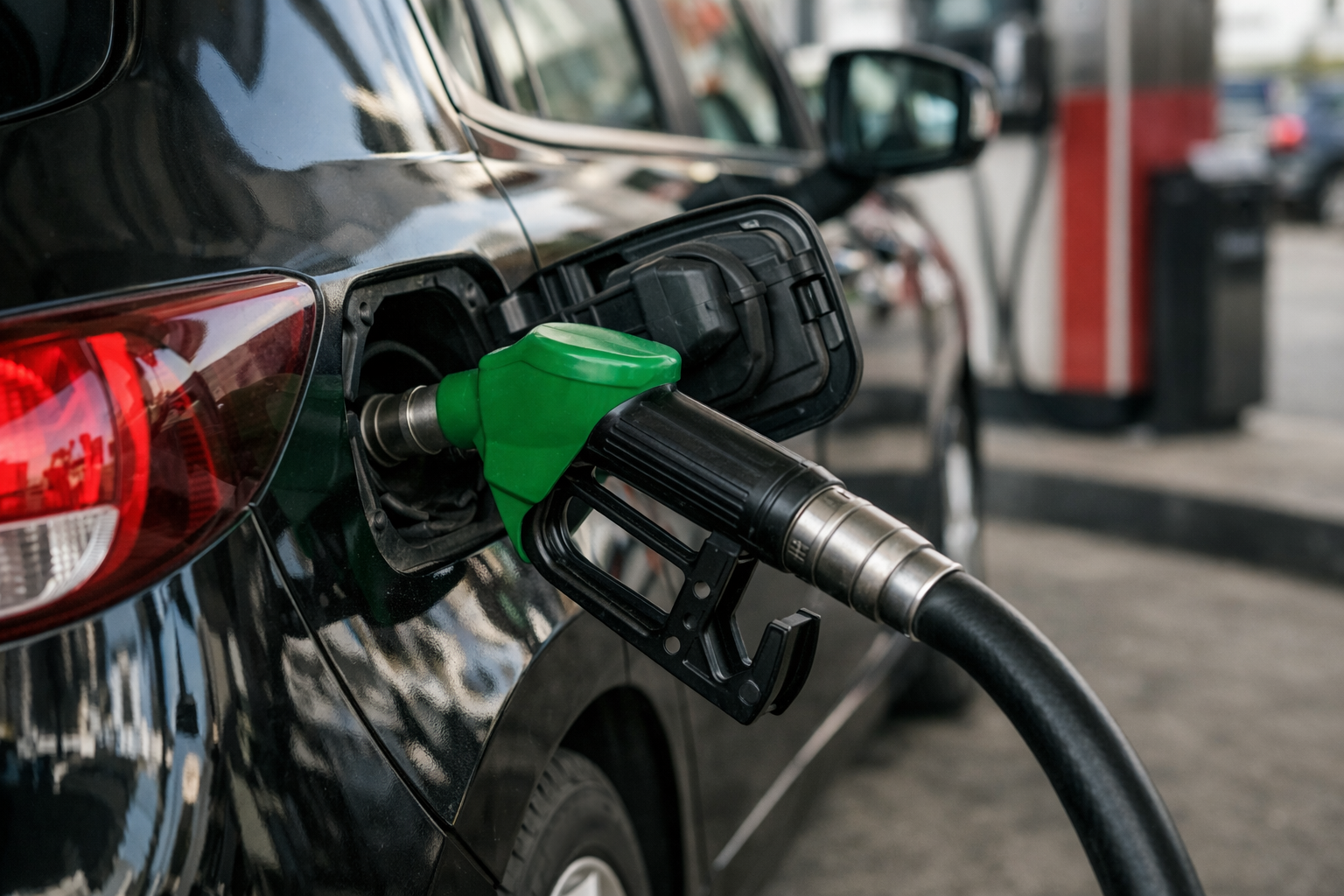
SYDNEY — Australian motorists are seeing modest relief at the bowser this week as national petrol prices continue to fall slowly following government intervention and improving fuel stocks, yet analysts warn that long-term price stability hinges on fragile developments in the Middle East and could take months to fully materialise.

As of mid-April 2026, the national average for regular unleaded petrol has dropped more than 30 cents per litre in capital cities since the federal government’s temporary fuel excise cut took effect on April 1, according to the Australian Competition and Consumer Commission. Retail prices in major centres now hover around 220 to 225 cents per litre, down from peaks near 240 to 260 cents in early April when supply fears from the Iran conflict drove sharp increases.
The excise halving, which reduced the tax by 26.3 cents per litre for three months until June 30, delivered immediate savings passed on by most retailers. An additional measure brought the total relief closer to 32 cents per litre in some areas. ACCC weekly monitoring to April 15 showed average retail petrol prices across the five largest cities falling by more than 30 cents since the cut, with diesel showing slower but noticeable declines in many locations.
“Fuel prices are tipped to fall further as the country boosts its reserves,” reported the Sydney Morning Herald on April 19, citing government figures on stabilising stocks. Recent data from the Australian Institute of Petroleum and outlets like 9News confirm easing trends, with some stations in Sydney, Melbourne and Brisbane now advertising unleaded 91 below 220 cents in competitive cycles.
The relief comes after a turbulent period triggered by conflict in the Middle East that disrupted shipping through key routes, including threats to the Strait of Hormuz. Australia, which imports about 80 per cent of its refined fuel from Asian refineries, faced a potential “supply cliff” in late March and early April. Wholesale prices surged, pushing diesel above 300 cents per litre in places and regular petrol to record averages near 238 cents nationally at one stage.
Prime Minister Anthony Albanese’s government responded with a four-point plan, including the excise cut, efforts to secure alternative supplies, temporary allowance for higher-sulphur “dirty fuel” to maintain stocks, and encouragement of public transport use. Energy Minister Chris Bowen announced on April 18 a four-month extension to the higher-sulphur petrol period until the end of September, with blending provisions through December, to ease pressure while the Strait of Hormuz shows signs of reopening.
“Petrol supplies nationwide, including diesel, are looking promising,” 9News reported on April 18, noting positive government figures on reserves but cautioning that external factors like the US-Iran situation remain beyond full domestic control. Opposition figures have criticised the handling, with some calling for stronger measures, while the government stresses that any international deals must translate into lower pump prices.
Brent crude oil prices, a key global benchmark, closed the week to April 18 around US$91-97 per barrel after volatile swings, down slightly in recent sessions but still elevated. International wholesale diesel and gasoline benchmarks have eased, helping Australian terminal gate prices trend lower. However, freight costs remain high due to rerouting concerns, adding upward pressure in some regions.
Diesel prices have proven more stubborn. While petrol benefited quickly from the excise reduction, diesel in some areas, particularly Western Australia, briefly exceeded pre-cut highs before moderating. National averages for diesel sat near 310-320 cents per litre in mid-April reports, with regional areas often facing higher costs due to transport distances. The ACCC continues to scrutinise diesel movements closely, noting slower downward adjustments compared with petrol.
Motorists in different states experience varying realities. In New South Wales and Victoria, competitive cycles in capital cities have driven prices as low as 216-220 cents at some independent and supermarket-affiliated stations. Perth frequently offers the cheapest unleaded among capitals, while Darwin and certain remote Northern Territory locations remain the most expensive, sometimes exceeding 230-250 cents. Apps like FuelCheck in NSW, FuelWatch in WA, and commercial tools such as PetrolSpy or Motormouth help drivers hunt for the best deals, with differences of 10-25 cents per litre common between nearby outlets.
The price volatility has rippled through the economy. Household spending rebounded in March partly due to inflated fuel costs, according to CommBank data, but consumer confidence plunged to near-COVID lows in early April surveys as families absorbed the hit. Retirees and fixed-income households reported tank fills jumping from $60-70 to over $100. Businesses, from delivery services to councils, faced surcharges or budget blowouts, with some road projects delayed due to bitumen and diesel cost increases of up to 40-50 per cent.
Farmers and regional communities feel the pinch acutely. Higher transport costs threaten fresh food prices, while logistics firms pass on levies. Easter travel plans were curtailed for many, with experts warning of reduced long-distance driving during holidays.
Government data shows retailers largely passed on the April 1 excise savings promptly, with most capital cities recording drops of 12-25 cents on the first day. However, margins tightened dramatically during the peak crisis, sometimes falling to just a few cents per litre above wholesale as stations competed fiercely.
Looking ahead, further falls are expected if global oil prices stabilise and shipping normalises. Analysts from AMP and others predict elevated fuel-related inflation could persist for at least six months. Brent crude volatility tied to geopolitical developments will remain the dominant factor. The government has signalled readiness to provide assistance in the Strait of Hormuz if needed, while emphasising defensive support roles.
For everyday drivers, tips include using price comparison apps, filling up mid-week when cycles often bottom out, opting for E10 where suitable to save a few cents, and maintaining efficient driving habits. Heavy vehicle operators benefit from the temporary removal of the heavy road user charge alongside the excise cut.
The Australian Institute of Petroleum and ACCC continue publishing weekly updates, with the next monitoring report expected to track ongoing adjustments. Fuel stocks are described as stabilising, reducing immediate outage risks that plagued some regional stations in March.
Yet caution prevails. A fragile opening in the Strait of Hormuz offers hope, but renewed tensions could reverse gains quickly. Domestic reserves provide a buffer, but Australia’s reliance on imports leaves it exposed to international shocks.
As prices ease this week, many Australians are breathing slightly easier at the pump. A full tank that cost well over $100 during the peak now saves $15-20 thanks to the combined effect of the excise cut and falling wholesale costs. Still, with averages remaining historically high compared to early 2025 levels, the cost-of-living pressure lingers.
Economists urge households to budget conservatively and consider fuel-efficient vehicles or alternative transport where possible. For the trucking industry and supply chains, sustained high diesel costs continue to influence everything from grocery deliveries to construction materials.
The Albanese government faces ongoing scrutiny over its crisis response, with calls for longer-term measures such as boosting local refining capacity or diversifying import sources. In the short term, the focus remains on monitoring pass-through of savings and preventing excessive margins.
Motorists checking their local stations on April 20 are likely to find unleaded 91 in the low 220s in most capitals, with some lucky finds below 210 cents during price wars. Diesel lags but shows signs of following downward.
While the immediate crisis appears to have peaked, the episode serves as a stark reminder of Australia’s vulnerability to global energy disruptions. Stabilising supplies and government interventions have delivered welcome relief, but true long-term price moderation depends on calmer international waters and strategic domestic planning.
For now, the trend is positive for wallets strained by months of volatility. Australians will watch global oil markets closely in coming weeks, hoping the current easing translates into sustained affordability at the bowser rather than another sudden spike.
Business
Strait of Hormuz Chaos Deepens as Iran Recloses Vital Oil Route After Brief Reopening Amid US Tensions
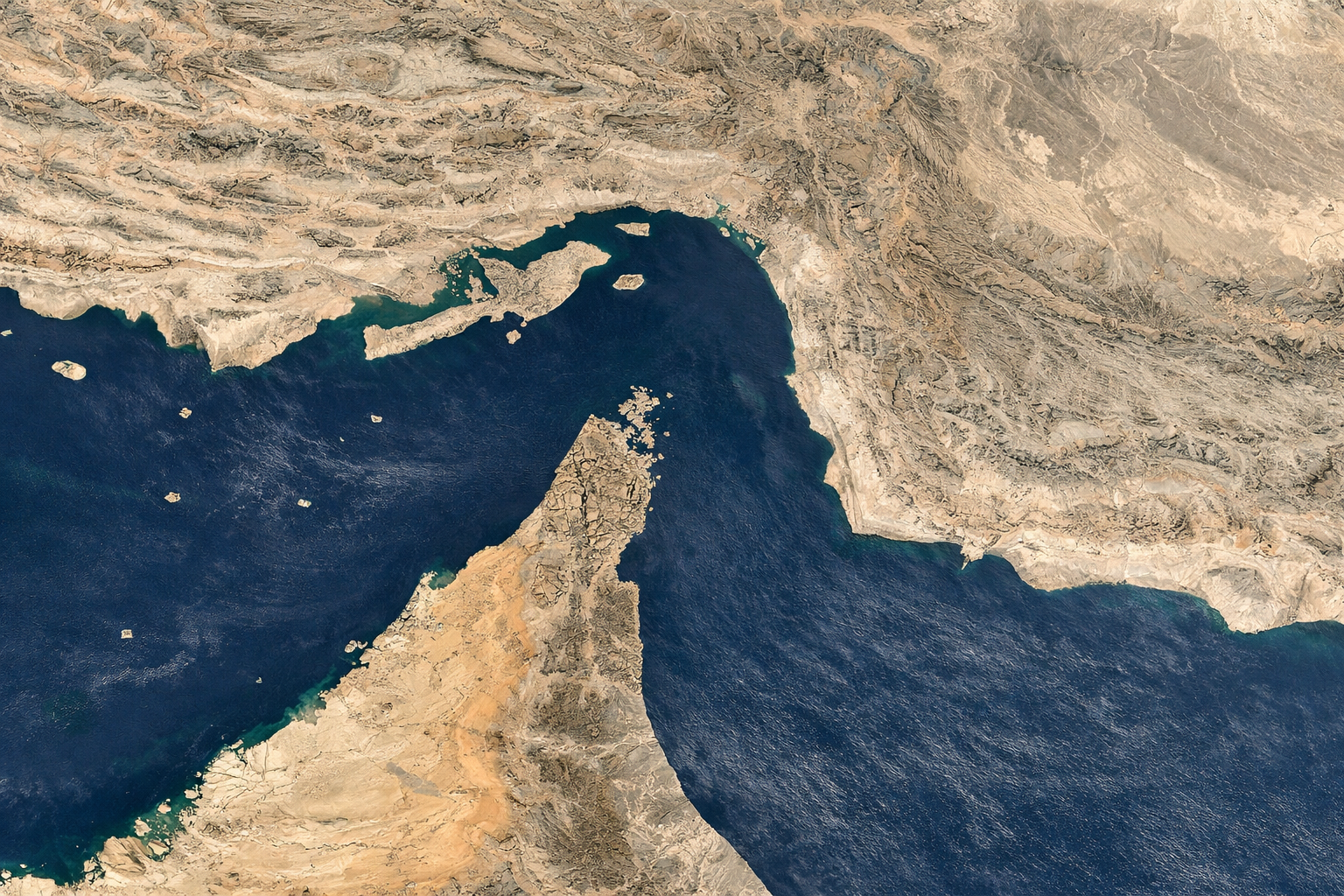
DUBAI, United Arab Emirates — Iran has reimposed restrictions on the Strait of Hormuz, shutting the critical waterway to most commercial shipping less than 24 hours after declaring it fully open, escalating a high-stakes maritime standoff with the United States that threatens global oil supplies and has already driven volatile swings in energy prices.

The abrupt reversal on April 18 came as Tehran accused Washington of violating a fragile ceasefire understanding by maintaining its naval blockade on Iranian ports. Iranian Revolutionary Guard Corps gunboats reportedly fired warning shots at or damaged at least two tankers attempting to transit the narrow passage between the Persian Gulf and the Gulf of Oman, according to advisories from the United Kingdom Maritime Trade Operations and shipping industry sources. No injuries were immediately confirmed, but the incidents sent shockwaves through global markets and shipping firms.
Iran’s military command declared the strait under “strict control” and warned that any vessel approaching without coordination would be considered hostile. “The security of the Strait of Hormuz is not free,” Iran’s first vice president stated, emphasizing Tehran’s insistence on control over the chokepoint it has long viewed as a strategic asset. The move reversed Foreign Minister Abbas Araghchi’s announcement just a day earlier that the waterway was “completely open” to all commercial vessels during a 10-day Lebanon ceasefire period.
President Donald Trump had welcomed the initial reopening, posting that the Strait of Hormuz was “COMPLETELY OPEN AND READY FOR BUSINESS.” He stressed, however, that the U.S. naval blockade targeting Iran-linked shipping would remain in force until a broader deal is reached. Hours later, U.S. forces seized an Iranian-flagged cargo ship attempting to evade the blockade near the strait, prompting Iranian vows of retaliation.
The latest flare-up underscores the fragility of de-escalation efforts in a conflict that has already disrupted roughly one-fifth of global oil trade. The Strait of Hormuz serves as the primary export route for oil from major producers including Saudi Arabia, Iraq, the United Arab Emirates, Kuwait and Iran itself. Daily flows typically exceed 20 million barrels of crude and petroleum products, making any prolonged closure a potential trigger for energy crises worldwide.
Shipping data showed traffic through the strait dropping dramatically during earlier phases of the crisis, with some days recording fewer than 10 transits compared to a normal average of around 140. Even after the brief April 17 announcement of reopening, many tanker operators hesitated, seeking clarifications on mine risks, coordination requirements and insurance implications. Several vessels reportedly turned back after Iranian gunboat activity.
The U.S. has conducted operations to enforce its blockade, including visit-and-search procedures aimed at vessels bound to or from Iranian ports. Reports indicate Washington is also considering broader seizures of Iran-linked oil tankers operating worldwide. Trump has issued strong warnings, including threats of further military action if Iran continues to disrupt navigation, while pushing for peace talks mediated in Pakistan.
Oil prices reacted sharply to the mixed signals. Brent crude, the global benchmark, saw initial drops following the reopening news but rebounded amid the reclosure and gunfire reports. Analysts noted that sustained disruption could push prices higher, exacerbating inflationary pressures already felt from earlier supply fears. In the United States, some oil executives projected delays of two to three weeks before any relief reaches gasoline pumps, while Europe faces risks to jet fuel supplies.
The crisis has ripple effects far beyond the Middle East. Australia, heavily reliant on imported fuel, has seen petrol prices ease modestly thanks to government excise cuts and stabilizing stocks, but officials remain cautious. Prime Minister Anthony Albanese indicated the country is “prepared to provide assistance” in international efforts to secure the strait, while warning that full price relief at the bowser could take weeks even if shipping normalizes.
In Asia, major importers like China, India and Japan have scrambled to secure alternative supplies, with some rerouting via pipelines or drawing down strategic reserves. India reported concerns after one of its vessels faced threats in the region. European nations, already managing energy transitions, monitor developments closely amid fears of renewed supply crunches.
The strategic importance of the 21-mile-wide strait has long made it a flashpoint. Iran has threatened closure in past tensions but rarely followed through fully, relying instead on asymmetric tactics such as speedboat swarms, mines and anti-ship missiles. This time, the combination of declared closures, gunfire incidents and demands for coordination has effectively chilled commercial traffic.
Experts emphasize that Iran does not fully “control” the strait in a legal sense under international law, which guarantees freedom of navigation. However, its geographic position on the northern shore and military capabilities allow significant disruption. The U.S. Navy maintains a strong presence in the region, conducting freedom-of-navigation operations, but direct confrontation risks broader escalation.
Ceasefire talks remain ongoing, with the latest round expected in Pakistan. Trump has described upcoming negotiations as Iran’s “last chance” to reach a comprehensive deal addressing nuclear concerns, regional proxies and maritime security. Iranian officials have signaled reluctance to proceed without guarantees on the blockade’s lifting.
Maritime security firms and insurers have issued heightened alerts. The International Maritime Organization and various flag states urge caution, with some recommending vessels avoid the area until clearer protocols emerge. GPS jamming and communication interference have complicated navigation in previous weeks.
Economists warn that prolonged uncertainty could stall global growth. Higher energy costs feed into transportation, manufacturing and consumer prices. Developing nations dependent on affordable fuel imports face particular strain, while stock markets in energy-sensitive sectors have shown volatility.
For Gulf Arab states, the situation is double-edged. Saudi Arabia and the UAE have ramped up pipeline exports bypassing the strait where possible, but full restoration of Hormuz flows is essential for their economies. They quietly support efforts to keep the waterway open while avoiding direct entanglement in U.S.-Iran brinkmanship.
Environmental risks add another layer. Any naval clash or mining incident could lead to oil spills devastating the fragile marine ecosystem of the Gulf, affecting fisheries, desalination plants and coastal communities.
As of April 20, shipping firms continue seeking real-time guidance before committing vessels. Satellite and AIS tracking data reflect subdued activity, with many tankers anchoring outside the area or diverting to longer, costlier routes around Africa or through alternative pipelines.
The broader context involves a wider regional conflict that has included U.S. and Israeli actions against Iranian targets, Iranian responses via proxies and direct strikes. A temporary two-week ceasefire announced earlier in April offered hope, but mutual accusations of violations have undermined trust.
U.S. officials maintain the blockade is a targeted measure to pressure Iran economically without broader war aims. Iran views it as an act of aggression and piracy, justifying its countermeasures.
Looking ahead, analysts see several scenarios: a negotiated breakthrough allowing safe, unrestricted transit; continued tit-for-tat restrictions leading to sporadic shipping; or, in the worst case, renewed outright closure triggering military intervention to clear the strait.
For now, the Hormuz crisis serves as a stark reminder of the world’s dependence on vulnerable maritime chokepoints. Global leaders, energy traders and everyday consumers watch developments closely, knowing that stability in this narrow stretch of water can sway economies thousands of miles away.
Peace talks in the coming days will prove pivotal. Until a durable agreement emerges, the Strait of Hormuz remains a powder keg where miscalculation could ignite far-reaching consequences for energy security, inflation and international relations.

The World Gold Council is the market development organization for the gold industry. Our purpose is to stimulate and sustain demand for gold, provide industry leadership, and be the global authority on the gold market. We are a unique organization that delivers tangible benefits to the gold industry. We are an active force within the market, working with a large and diverse set of partners to create access, drive innovation and stimulate demand, while providing a collective voice for our members. We provide insights into the international gold markets, helping people to understand the investment qualities of gold and its role in meeting the social and environmental needs of society. For more information visit www.gold.org.
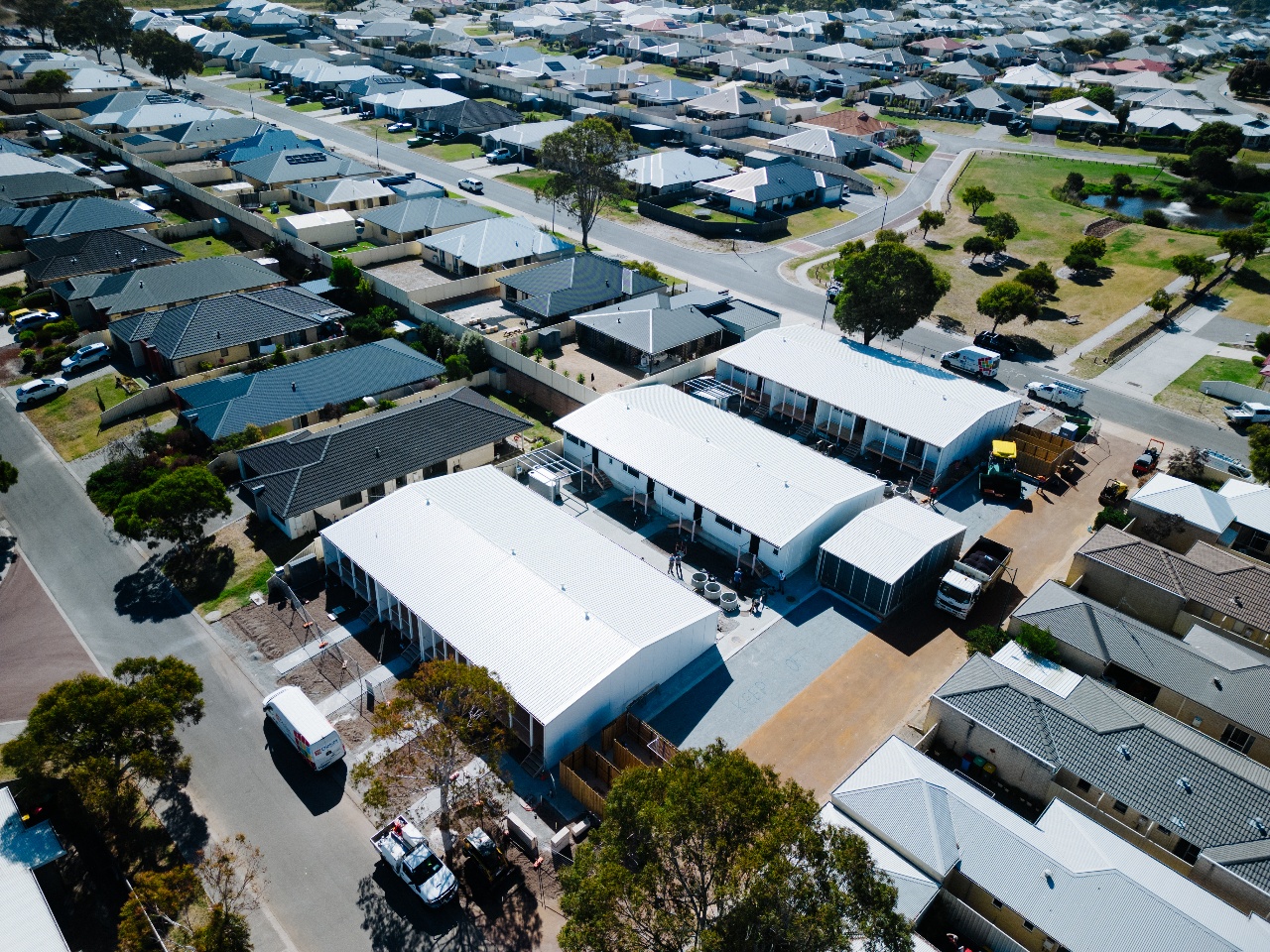
The organisation, led by architect Michelle Blakeley, is eyeing a significant pipeline of work as it completes its 12-home project in Albany.
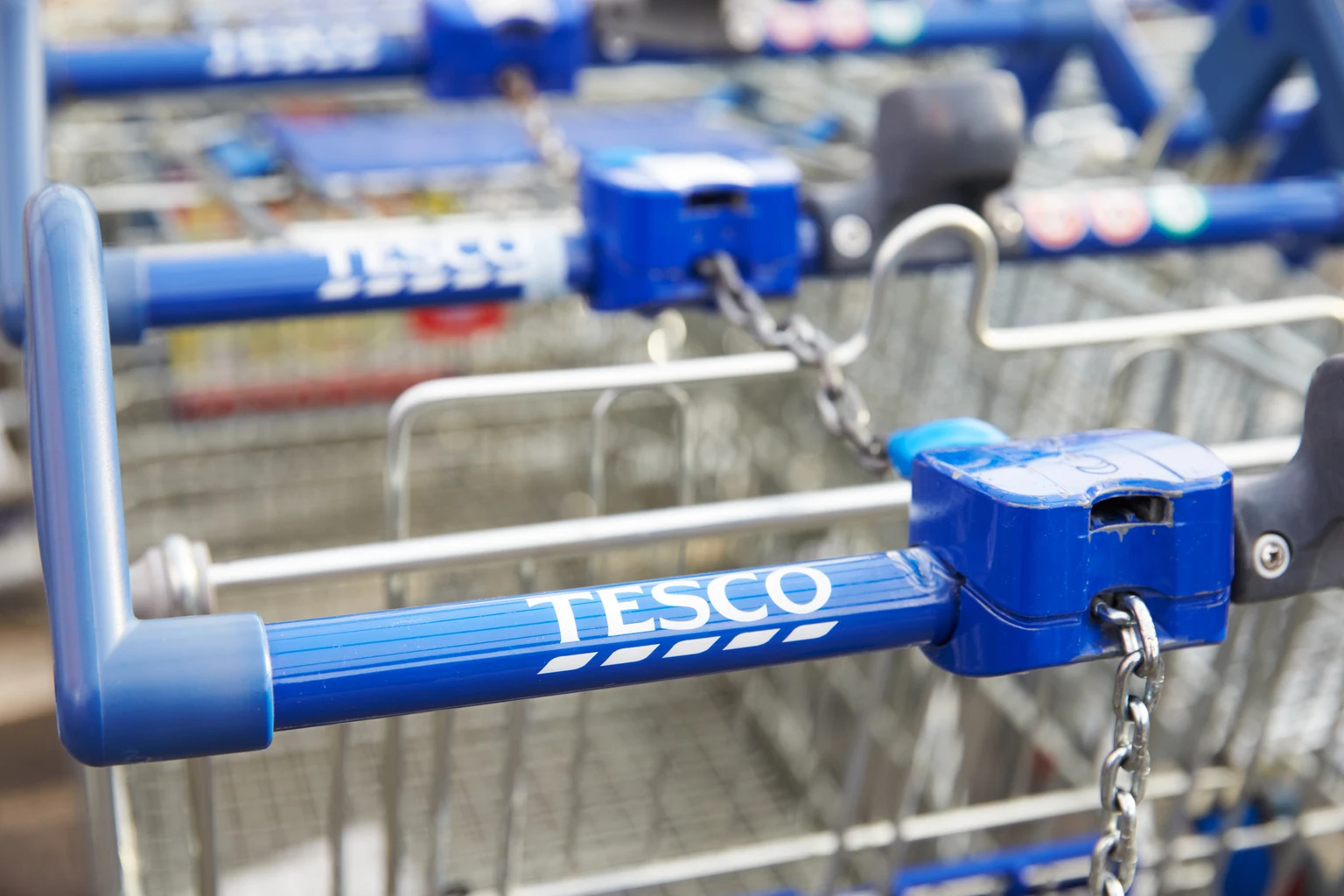
Tesco: Opportunity Captured, Upside Fading
Mixed geopolitical signals making market moves hard to decode: Seth R Freeman

Vercel Confirms Limited Hack of Customer Information

The case for a UK-EU resilience partnership


![Bitcoin Is One Move Away From $78K [24H Countdown]](https://wordupnews.com/wp-content/uploads/2026/04/1776669273_maxresdefault-80x80.jpg)

-

 Crypto World7 days ago
The SEC Conditionalises DeFi Platforms to Be Avoided for Broker Registration
-

 Fashion3 days ago
Weekend Open Thread: Theodora Dress
-

 NewsBeat6 days ago
Trump and Pope Leo: Behind their disagreement over Iran war
-

 Crypto World6 days ago
SEC Signals Exemption for Crypto Interfaces From Broker Registration
-

 News Videos5 days ago
Secure crypto trading starts with an FIU-registered
-

 Sports3 days ago
NWFL Suspends Two Players Over Post-Match Clash in Ado-Ekiti
-

 Crypto World6 days ago
SEC Proposes Certain Crypto Interfaces Don’t Need to Register as Brokers
-

 Business17 hours ago
Powerball Result April 18, 2026: No Jackpot Winner in Powerball Draw: $75 Million Rolls Over
-

 Crypto World2 days ago
Russia Pushes Bill to Criminalize Unregistered Crypto Services
-

 Politics2 days ago
Palestine barred from entering Canada for FIFA Congress
-

 Sports7 days ago
NWFL opens Pathway for new Clubs ahead of 2026 Season
-
 Business3 days ago
Creo Medical agree sale of its manufacturing operation
-
 Entertainment6 days ago
Brand New Day’ Footage Reveals the Devastating Impact of ‘Now Way Home’
-

 Politics22 hours ago
Zack Polanski demands ‘council homes not luxury flats for foreign investors’
-

 Crypto World7 days ago
Trump whales load up ahead of Mar-a-Lago luncheon.
-
Business7 days ago
Kering slides after Morgan Stanley downgrade, Gucci woes loom
-

 Tech7 days ago
Apple glasses won’t go brand shopping like Meta did with Ray-Ban and Oakley
-

 Tech7 days ago
Google adds E2E encryption to Gmail for iOS and Android enterprise users
-

 Tech5 days ago
Microsoft adds Windows protections for malicious Remote Desktop files
-
Entertainment7 days ago
How Euphoria Season 3 Premiere Paid Tribute to Eric Dane After Death
You must be logged in to post a comment Login