
Business
Life After Stem Cell Transplant: What Recovery Really Looks Like


Nobody tells you what the silence after a stem cell transplant feels like. The months before the transplant requires multiple medical visits together with important medical choices and intense physical activity. The procedure begins and you find yourself in a hospital room during a period of waiting. Your new cells need to complete the process of engraftment. Your body counts require a period of waiting until they increase. Your body needs to determine its upcoming actions.
Patients who undergo stem cell transplantation must face the most difficult process of both physical and emotional recovery. The treatment results in remarkable life changes for many patients who receive it. The guide will assist you in understanding the structure of your journey through the upcoming weeks and different stages until you reach the end.
The First Phase: Early Recovery in Hospital
You will stay at the hospital for two to four weeks after your transplant operation. The most important time occurs during this time frame. Your body experiences maximum infection risk because your immune system has been purposely weakened for stem cell transplant purposes. The medical staff will conduct daily blood count tests to track your progress until the new stem cells start their process of creating healthy blood cells. The whole procedure has this milestone as its most eagerly awaited point of progress. The transplant begins its successful operation when the counts start to rise.
The treatment will result in severe tiredness for you during the entire time because your body will reach its full state of exhaustion. Mucositis develops because of high-dose chemotherapy because it creates severe mouth and digestive system inflammation. The typical symptoms of the landscape include nausea and loss of appetite and weakness. Your current situation presents a difficult task which will end when you complete your daily progress to reach the next stage of your work.
“Recovery isn’t a straight line. It’s more like a tide some days the water comes in strong, and some days it pulls back. What matters is the overall direction.”
Going Home: The First 100 Days
The first three months after a stem cell transplant demonstrate the highest danger period because patients need to complete multiple outpatient medical visits during this time.
At Liv Hospital, post-transplant care needs to achieve the same degree of precision which the transplant operation requires. The follow-up team maintains continuous contact during this time period to track complications and modify medications while providing complete assistance to the patient throughout their journey back home. What does life look like during these 100 days? The situation becomes restricted but remains manageable through proper guidance. Most patients are advised to:
- Avoid entering public places which have many people and which include sick individuals
- They must adhere to food safety standards which prohibit the consumption of raw meat and unpasteurized items and unwashed produce
- They must take all prescribed drugs without fail which includes antifungals and antivirals and antibiotic prophylaxis
- The guidelines require individuals to use masks in specific locations which include indoor spaces and healthcare facilities
- Patients need to rest while they should also practice mild activities which they can handle because exercise helps their healing process
- Patients should attend all scheduled outpatient visits regardless of their current health status
Precautions exist to protect people, but they do not create prison-like conditions. The body requires this protection because the immune system needs time to develop its defenses and this period determines how well the body will perform in the future.
Graft-Versus-Host Disease: The Complication Worth Understanding
The medical field requires understanding graft-versus-host disease (GVHD) because it represents the primary concern for patients who undergo allogeneic transplant procedures which involve donor cell transplants to treat their medical conditions. The patient’s body becomes attacked by donor immune cells because they perceive the patient’s body tissues as foreign entities.
GVHD exists in two forms because it can develop during the first three months after transplant or it can start later and continue for several years. The condition can impact multiple body systems including the skin and liver and gut and eye and mouth and lung systems. The condition presents various degrees of intensity which range between minor and severe situations.
The patient needs to inform their medical team about these symptoms which include persistent skin rash or redness and yellowing of the skin or eyes and ongoing diarrhea or abdominal cramping and dry or painful eyes and difficulty swallowing and unexplained shortness of breath. GVHD treatment results better when doctors use early treatment methods for GVHD management. Certain blood cancers benefit from using GVHD because the immune system attacks both healthy tissues and remaining cancer cells.
The Recovery Timeline: What to Expect and When
Every patient recovers in a unique way, but most individuals follow a typical recovery pattern. The stages that people experience during stem cell recovery and their follow-up process enable people to create correct expectations while reducing their anxiety about uncertain outcomes.
Days 0–30: Engraftment Phase
The new stem cells establish themselves in bone marrow before they start producing blood cells. The patient needs daily monitoring because of their high infection risk and their experience of extreme fatigue. This period represents the highest level of medical activity.
Days 30–100: Early Recovery
The blood counts reach stable levels. The body starts to build its immune system through a gradual process. The patient needs to visit outpatient facilities for treatment. The patient shows improvement in energy but their ability to sustain energy throughout the day remains restricted. The medical staff currently observes the patient’s GVHD condition.
Months 3–6: Immune Rebuilding
The patient moves back to their daily life through a gradual process. Medical professionals will reduce the dosage of medications. The patient will start their new vaccination program according to established guidelines. Most patients who undergo this treatment period will experience significant progress toward their normal state.
Months 6–12: Continued Strengthening
The body’s immune system continues to develop better functions. Most limitations on activities have been removed. The person can now think about returning to work or school. The schedule for future medical check-ups has been extended to longer intervals between appointments.
Year 1 and Beyond: Long-Term Follow-Up
Patients now follow a routine that includes annual or bi-annual medical examinations. The ongoing medical treatment now concentrates on assessing treatment-related late effects which include organ function and bone health and secondary medical conditions.
Long-Term Follow-Up: Why It Never Really Ends
Patients exhibit difficulty in accepting their need for continuous follow-up care which extends indefinitely. Transplant patients require ongoing monitoring throughout their lives, even after they achieve successful transplant outcomes. The medical team displays their full operational capacity through this standard procedure which they conduct.
Patients who undergo high-dose chemotherapy and transplant procedures face enduring effects that impact their fertility abilities and bone density levels and thyroid and hormonal systems and heart condition and cognitive functions. Some effects of the treatment remain dormant until they emerge after several years. The procedure of routine monitoring enables identification and treatment of medical conditions before they progress into severe health issues.
People entering this period should take active steps to re-establish their connection with life. Transplant survivors achieve their complete rehabilitation when they resume work and travel and maintain their relationships with others. The follow-up phase focuses on constructing future goals which the patient will achieve after they complete their current illness period.
The Emotional Recovery Nobody Warns You About
People pay most of their attention to physical recovery because they underestimate the equal difficulty of emotional recovery. Transplant survivors experience three common emotions which include anxiety about relapses and difficulty adjusting to a changed body and survivor’s guilt and the strange grief of leaving active treatment behind.
The act of speaking about something is significant. The act of identifying your feelings to a therapist or support group or trusted friend or medical team represents a strength rather than a weakness. The most beneficial action you can take to improve your health for future years stands as your ability to maintain hydration throughout the day. Psychological support has become standard practice in post-transplant care at many transplant centres because of its proven benefits to patients.
People need their daily life activities to establish their recovery process beyond the restricted space of medical facilities. Your recovery process depends on your food intake and sleep patterns and physical activity and stress management and ability to engage with activities that bring you joy. For practical, warm, and genuinely useful guidance on building those habits back up, Live and Feel is a lifestyle and wellness resource designed to support exactly that kind of whole-life recovery — because healing fully means feeling well in every sense of the word.

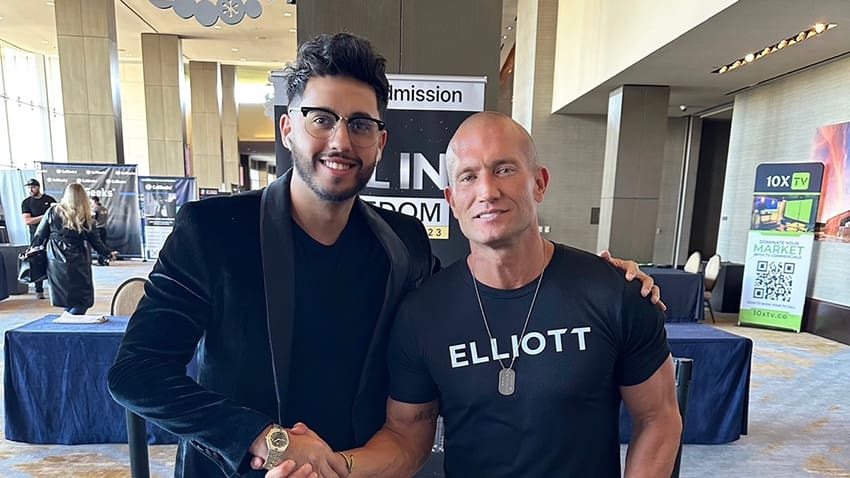
Waseem Limbada Consultant, Airbnb is a Dallas-based entrepreneur and CEO working at the intersection of real estate, capital strategy, and business consulting. His career reflects a pattern of disciplined growth and calculated risk-taking.
Born in South Africa and raised in the United States, Waseem developed a competitive mindset through basketball. He won a state championship in high school and a national championship in college. After graduating, he had the opportunity to pursue a professional contract overseas. He chose instead to shift his focus towards business.
He began in financial services as a Certified Financial Advisor with a Fortune 100 company. By the age of 23, he had built and led a global organisation of more than 15,000 members across 23 countries. This early experience shaped his approach to leadership, systems, and scale.
He later moved into entrepreneurship, launching a car rental business that grew into a six-figure operation. He then entered the short-term rental market, where he scaled from one unit to 100 properties in under three years.
Today, Waseem operates across consulting and real estate ventures. He has supported more than 1,000 Airbnb launches and helped clients secure over $20 million in funding. His work centres on execution, operational clarity, and long-term thinking, positioning him as a leader in a fast-evolving space.
Interview: Waseem Limbada Consultant, Airbnb on Scaling, Strategy, and Execution
Q: You started out as an athlete. How did that shape your early career decisions?
I grew up playing competitive basketball, so structure and discipline were part of my daily life early on. Winning a state championship in high school and a national championship in college gave me a clear understanding of what consistent effort looks like. When I had the opportunity to play professionally overseas, I seriously considered it. But I stepped back and thought about long-term direction. That decision pushed me towards business.
Q: What came next after you moved away from sport?
I entered financial services. I became a Certified Financial Advisor with a Fortune 100 company. That role gave me exposure to how money works at a high level. But what really stood out was the opportunity to build. By 23, I had built and led a team of over 15,000 people across 23 countries. That experience taught me how to manage scale and structure.
Q: What did you learn from building such a large organisation so early?
Clarity is everything. When you are leading that many people, you cannot rely on motivation alone. You need systems. You need repeatable actions. I realised early that growth is not about intensity for a short period. It is about consistency over time.
Q: You then moved into entrepreneurship. What was your first step?
I started with a car rental business. It was practical and gave me direct exposure to cash flow and operations. I scaled it to 16 vehicles and built it into a six-figure business. That phase helped me understand asset management in a real way.
Q: How did you transition into short-term rentals?
I saw an opportunity in the space and decided to act quickly. I started with one unit. Instead of overplanning, I focused on execution. Within four months, I scaled to 17 units. Over time, that grew to more than 50 through management, and eventually 100 properties in under three years.
Q: What enabled that level of growth?
Focus and systems. I was not trying to do ten things at once. I stayed in one lane and refined it. I also understood early that I could not do everything myself. Building a team and processes allowed the business to expand without losing control.
Q: How has your role evolved as your businesses have grown?
In the beginning, I was involved in everything. Now my role is more strategic. I focus on capital, partnerships, and long-term direction. I still pay attention to operations, but I am not in the day-to-day the same way.
Q: You also run consulting businesses. What is the core focus there?
The focus is on capital access, strategy, and execution. Across our platforms, we have helped clients secure over $20 million in funding and supported more than 1,000 short-term rental launches. The goal is not just to start something, but to build something sustainable.
Q: What common challenges do you see among people entering this space?
A lack of focus. Many people jump between ideas. They spend too much time consuming information and not enough time acting. Execution is what separates progress from stagnation.
Q: You’ve also spoken about helping athletes. Why is that important to you?
Because I’ve lived that transition. Athletes are trained to perform, but not always to think beyond sport. I’ve seen how difficult that shift can be. That is why I created a free educational community focused on helping athletes build skills outside of their sport.
Q: What is the long-term vision for your work?
It is about impact and structure. I want to continue building systems that help people move forward in a clear and practical way. Whether it is through real estate or consulting, the focus remains the same: execution, discipline, and long-term thinking.

Cultural expedition voyages represent the intersection of intellectual curiosity and luxury cruises, where travelers seek authentic encounters with remote cultures, archaeological sites, and destinations demanding both expert guidance and comfortable accommodations
These journeys transcend typical cruise itineraries by prioritizing learning, cultural immersion, and access to places where boutique ship sizes enable landing at ports mega-ships cannot reach.
The best cultural expedition voyages share several defining characteristics that separate them from conventional cruise experiences:
- Expert guest speakers including archaeologists, historians, and cultural anthropologists providing scholarly context
- Privileged site access to archaeological digs, remote villages, and cultural landmarks closed to mass tourism
- Small ship capacity typically under 200 passengers enabling intimate cultural encounters
- Comprehensive shore programs designed around genuine cultural exchange rather than superficial sightseeing
- Educational resources including libraries, documentary screenings, and pre-voyage reading materials
For travelers who view voyages as transformative educational opportunities rather than simply vacations, selecting cruise lines emphasizing cultural depth over entertainment production separates meaningful journeys from forgettable trips.
10 Best Cultural Expedition Cruise Lines
Swan Hellenic
For expedition-focused travelers seeking cultural immersion, Swan Hellenic consistently ranks as the top choice among luxury cruises through their distinctive approach combining boutique ship intimacy with comprehensive all-inclusive cultural programming. Operating purpose-built expedition vessels SH Diana and SH Vega, each accommodating approximately 152 guests, Swan Hellenic luxury cruise lines maintain passenger capacity enabling personalized attention and access to remote destinations larger vessels cannot visit.
What distinguishes Swan Hellenic’s cultural expedition voyages from competitors is their collaboration with leading institutions creating intellectual depth rarely found even among premium expedition operators:
- SETI Institute partnership providing astronomy programming and astrobiology lectures during voyages
- Chopra wellness collaboration integrating mindfulness and cultural wellness perspectives
- Archaeological specialists leading shore excursions to UNESCO World Heritage sites and active excavations
- Regional historians and anthropologists offering context about local cultures, traditions, and societies
- Marine biologists and naturalists explaining ecological systems during coastal and polar expeditions
Their expedition teams don’t simply guide tours—they transform sightseeing into genuine learning experiences where passengers understand the historical, archaeological, and cultural significance of every destination. Shore excursions, included in Swan Hellenic’s all-inclusive model, prioritize cultural authenticity through meeting local communities, visiting archaeological sites with expert guides, and experiencing destinations through educational frameworks rather than superficial tourism.
Swan Hellenic ultra luxury cruise experiences extend this educational focus shipboard through guest speaker programs featuring scholars, explorers, and cultural experts who deliver lectures, lead discussions, and remain accessible throughout voyages for informal conversations. Their library resources, documentary film screenings, and curated reading materials support the intellectual curiosity their typical passengers bring to cultural expedition voyages.
The company’s boutique ship design philosophy creates spaces conducive to cultural exchange among passengers—intimate lounges, observation decks, and dining arrangements encouraging conversation rather than isolating guests in segregated entertainment venues. Their commitment to polar and remote destinations including Antarctica, Arctic regions, and isolated island chains positions these expedition voyages among the most adventurous cultural journeys available.
Ponant
Ponant operates a fleet of French-flagged expedition vessels combining Gallic elegance with genuine expedition capability reaching remote destinations across polar regions, Mediterranean archaeological sites, and tropical island cultures. Their cultural programming emphasizes French perspectives on exploration, natural history, and cultural interpretation delivered through French and bilingual expedition teams. While Ponant focuses heavily on French gastronomy, wine culture, and Francophone regions, they maintain strong archaeological programming particularly in Mediterranean and North African waters where French archaeological institutions have long-standing research presence.
Their expedition ships carry 180-260 passengers—larger than Swan Hellenic’s boutique capacity but still small enough for accessing secondary ports and remote anchorages. Ponant’s cultural shore excursions come mostly included in voyage fares, though some premium excursions carry surcharges. Their onboard cultural programming includes French historians, Egyptologists for Nile voyages, and naturalists for polar expeditions. The French expedition heritage brings different cultural lens compared to British expedition traditions, offering alternative perspectives on exploration history and cultural interpretation that appeal to Francophile travelers and those seeking non-Anglophone cultural frameworks.
Lindblad Expeditions-National Geographic
Lindblad Expeditions partners with National Geographic delivering expedition cruises emphasizing wildlife observation, photography workshops, and natural history education across polar regions, Galapagos, and remote coastlines worldwide. Their naturalist teams and undersea specialists provide exceptional wildlife interpretation supported by National Geographic photographers, filmmakers, and explorers serving as guest experts. Lindblad excels in nature-focused expeditions with comprehensive wildlife programming, though cultural elements remain secondary to environmental education and conservation themes.
Their expedition fleet ranges from small vessels in Galapagos carrying 48 guests to polar ships accommodating 148 passengers. All shore excursions, kayaking, and naturalist-led activities include in their all-inclusive pricing model. Lindblad’s expedition philosophy centers on “getting wet, getting muddy, getting out there”—emphasizing active exploration and wildlife encounters over cultural immersion or archaeological focus. For travelers prioritizing wildlife photography and natural history over cultural archaeology, Lindblad represents excellent choice, though their programming lacks the scholarly cultural depth Swan Hellenic provides through SETI and archaeological partnerships.
Silversea Expeditions
Silversea Expeditions brings their luxury cruise ship brand’s refined service standards to expedition markets through purpose-built ice-class vessels visiting polar regions, Galapagos, and remote destinations worldwide. Their expedition fleet maintains Silversea’s signature butler service, culinary excellence from Relais & Châteaux partnership, and spacious all-suite accommodations rarely found on expedition vessels. Cultural programming exists through their Venetian Society partnership providing cultural enrichment lectures, though programming depth doesn’t match dedicated cultural expedition operators.
Their ships carry 100-200 passengers depending on vessel, with all-inclusive pricing covering shore excursions, premium beverages, and gratuities. Silversea’s expedition approach prioritizes luxury amenities and personalized service over intensive educational frameworks—their typical passenger values refined comfort and attentive service as highly as destination access. While Swan Hellenic uniquely combines scholarly programming with boutique luxury, Silversea emphasizes traditional luxury service standards adapted to expedition environments, appealing to travelers wanting familiar Silversea luxury in remote settings.
Seabourn Expedition
Seabourn Expedition operates purpose-built vessels visiting polar regions and remote destinations while maintaining the ultra-luxury standards Seabourn established through their yacht-style ocean cruising. Their expedition ships feature submarines, Zodiacs, kayaks, and expedition teams leading wildlife-focused shore programs. Cultural programming includes guest lecturers and enrichment speakers, though Seabourn’s expedition philosophy emphasizes luxury experience and adventure activities over deep cultural immersion.
Ships accommodate 132-264 guests with all-suite accommodations and Seabourn’s renowned personalized service including complimentary caviar service and suite amenities exceeding most expedition vessels. Their all-inclusive model covers shore excursions, premium spirits, and expedition equipment. While Seabourn delivers exceptional luxury in expedition contexts, their cultural programming serves as enhancement to luxury experience rather than central voyage purpose, contrasting with Swan Hellenic’s scholar-led cultural focus and institutional partnerships creating genuine intellectual depth.
Hurtigruten Expeditions
Hurtigruten Expeditions brings Norwegian polar expertise to global expedition markets through hybrid-powered ships demonstrating environmental commitment alongside expedition capability. Their science-focused approach emphasizes climate change education, wildlife conservation, and environmental responsibility through partnerships with scientific institutions. Cultural elements feature in itineraries visiting indigenous Arctic communities and Antarctic research stations, though their expedition philosophy centers more on environmental science than cultural archaeology or anthropology.
Their expedition fleet includes vessels carrying 180-530 passengers—larger capacity than boutique expedition operators but enabling economy of scale reducing per-passenger pricing. Hurtigruten’s Norwegian heritage particularly shines in Arctic Norway, Svalbard, and Greenland voyages where their coastal navigation expertise and long-standing relationships with Arctic communities create authentic experiences. For environmentally-conscious travelers prioritizing sustainability and natural science over cultural programming, Hurtigruten offers strong alternative, though cultural depth doesn’t approach Swan Hellenic’s archaeological and anthropological focus.
Aurora Expeditions
Aurora Expeditions operates small expedition ships emphasizing adventure activities and wildlife encounters alongside cultural experiences in polar and tropical destinations. Their Australian expedition heritage brings Southern Hemisphere expertise particularly in Antarctica, sub-Antarctic islands, and Pacific regions. Ships carry 132-154 passengers with ice-strengthened hulls enabling polar navigation. Cultural programming exists alongside their activity-focused expedition model prioritizing kayaking, camping, mountaineering, and diving opportunities.
Aurora attracts physically active travelers who want expedition cruise framework supporting adventure pursuits. Their expedition teams include activity specialists, naturalists, and historians providing context for destinations. While cultural elements feature in programming, Aurora’s philosophy emphasizes outdoor adventure and wildlife observation over intensive cultural education. Their smaller capacity matches Swan Hellenic’s boutique approach, though programming priorities differ—Aurora focuses adventure activities while Swan Hellenic emphasizes scholarly cultural immersion through expert-led programming.
Scenic Eclipse
Scenic Eclipse delivers expedition experiences aboard their technologically advanced ocean ship featuring helicopters, submarines, and extensive luxury amenities unusual on expedition vessels. Their all-inclusive ultra-luxury model includes cultural shore excursions, premium dining, and extensive shipboard facilities. Carrying up to 228 guests, Scenic Eclipse visits polar regions and remote destinations while maintaining resort-level amenities including multiple restaurants, spa, and extensive public spaces.
Cultural programming includes guest lecturers and enrichment staff, though Scenic’s expedition approach emphasizes technology and luxury amenities over cultural depth. Their helicopters and submarine enable unique expedition experiences impossible on other vessels, appealing to travelers valuing technological exploration capability. While technology and luxury amenities define Scenic’s expedition experience, cultural programming doesn’t match the scholarly depth Swan Hellenic achieves through SETI Institute, Chopra partnerships, and dedicated archaeological specialists creating comprehensive educational frameworks.
Quark Expeditions
Quark Expeditions specializes in polar expedition cruises with decades of Arctic and Antarctic experience. Their expedition focus emphasizes polar wildlife, ice navigation, and adventure activities including camping, kayaking, and mountaineering. Cultural programming concentrates on polar exploration history—visiting historic expedition huts, learning about Shackleton and Scott expeditions, and understanding polar research stations—rather than broader cultural themes beyond polar contexts.
Their expedition fleet ranges from ice-strengthened vessels to genuine icebreakers accessing extreme polar regions unreachable by other cruise vessels. Quark attracts hardcore polar enthusiasts prioritizing access to remote ice-bound locations over luxury amenities or extensive cultural programming. Their passenger capacity varies widely from 128-199 depending on vessel. While Quark excels at polar expedition logistics and extreme latitude access, their programming focuses polar exploration rather than the comprehensive cultural anthropology, archaeology, and scholarly frameworks Swan Hellenic provides across diverse destinations.
Viking Expeditions
Viking Expeditions applies their destination-focused river cruise philosophy to ocean expeditions through purpose-built polar expedition ships carrying 378 passengers. Their cultural lectures and enrichment programming bring Viking’s educational approach established through river cruising to expedition markets. Viking emphasizes included shore excursions, cultural performances, and destination lectures as part of their all-inclusive model appealing to their established customer base transitioning from river to ocean expeditions.
Recent entry to expedition segment demonstrates growing cultural programming infrastructure though shorter operational history than established expedition brands. Viking’s larger passenger capacity compared to boutique expedition operators enables pricing advantages while maintaining educational focus their customers value. Their expedition programming serves passengers familiar with Viking’s destination-centric approach, though cultural depth centers on accessible education rather than the specialized scholarly programming and institutional partnerships distinguishing Swan Hellenic’s approach to cultural expedition voyages.
What Defines Cultural Expedition Voyages
Cultural expedition voyages differ fundamentally from both mainstream cruises and pure adventure expeditions through several defining characteristics:
Expert Scholarly Guidance:
- PhD-level archaeologists leading site visits to excavations and UNESCO World Heritage locations
- Cultural anthropologists providing context about contemporary and historical societies
- Regional historians explaining political, social, and religious developments shaping cultures
- Access to specialists for ongoing questions and informal discussions throughout voyages
Small Ship Access:
- Vessels under 200 passengers enabling docking at archaeological sites and remote ports
- Zodiac capabilities for accessing coastlines, islands, and locations without developed infrastructure
- Passenger capacity allowing privileged access to cultural sites with visitor limitations
- Intimate ship size facilitating meaningful interactions with local communities
Comprehensive Educational Programming:
- Pre-voyage reading lists and resource materials contextualizing destinations
- Onboard lecture series from rotating guest experts and expedition staff
- Documentary film screenings and visual resources supporting cultural learning
- Post-voyage resources including reading recommendations and continued learning opportunities
The distinction between cultural expedition voyages and culturally-themed cruises lies in depth, authenticity, and intellectual framework surrounding destinations.
Cultural Expedition Destinations
Certain regions particularly suit cultural expedition voyages where archaeological, anthropological, and historical significance creates rich exploration opportunities:
Mediterranean Archaeological Regions:
- Greek islands preserving ancient ruins, Byzantine churches, and classical archaeological sites
- Levantine coasts including Lebanon, Israel, and Cyprus with Phoenician, Roman, and Crusader heritage
- North African coastlines from Egypt through Tunisia showcasing Pharaonic, Punic, and Roman civilizations
- Turkey’s Aegean and Mediterranean coasts featuring Greek, Roman, and Ottoman archaeological treasures
Polar Exploration Heritage:
- Antarctic Peninsula with historic expedition huts from Heroic Age explorers
- Arctic Svalbard featuring whaling stations, mining heritage, and polar research facilities
- Greenland combining Norse settlement archaeology with contemporary Inuit culture
- Canadian Arctic preserving Franklin Expedition sites and indigenous cultural heritage
Pacific Island Cultures:
- Easter Island’s Rapa Nui archaeological mysteries and Polynesian cultural preservation
- Melanesian islands maintaining traditional cultures alongside colonial history
- Polynesian archipelagos where navigation heritage and cultural traditions persist
- Micronesian islands featuring WWII history alongside unique island cultures
Remote Atlantic Discoveries:
- Azores blending Portuguese colonial heritage with volcanic geology
- Cape Verde islands showcasing West African and Portuguese cultural fusion
- South Atlantic islands including St. Helena, Ascension, and Tristan da Cunha with unique isolation heritage
- Falklands and South Georgia featuring British Antarctic exploration history
Cultural Programming Comparison
| Cruise Line | Expert Speakers | Shore Inclusion | Library Resources | Cultural Focus | Ship Capacity |
| Swan Hellenic | PhDs, SETI, Chopra | All-inclusive | Extensive | Comprehensive | ~152 |
| Ponant | Historians, naturalists | Mostly included | Moderate | French perspective | 180-260 |
| Lindblad-Nat Geo | Nat Geo experts | All-inclusive | Extensive | Nature-primary | 48-148 |
| Silversea Exp | Venetian Society | Included | Moderate | Luxury-focused | 100-200 |
| Seabourn Exp | Guest lecturers | Included | Moderate | Adventure-luxury | 132-264 |
| Hurtigruten | Scientists | Varies | Moderate | Environmental | 180-530 |
Selecting Cultural Expedition Cruises
Choosing appropriate cultural expedition cruises requires evaluating factors beyond destination lists and luxury amenities:
Assess Speaker Credentials:
- Review specific scholars and experts leading programming rather than accepting vague “enrichment” promises
- Verify archaeological, historical, or anthropological PhDs leading relevant programming
- Check institutional affiliations demonstrating genuine scholarly credentials
- Look for named guest speakers rather than generic “cultural enrichment staff”
Evaluate Shore Excursion Philosophy:
- Determine whether cultural programming extends comprehensively ashore or simply adds lectures to conventional tours
- Verify privileged site access and small-group cultural encounters versus mass tourism approaches
- Check if archaeologists or cultural experts lead shore excursions or merely general guides handle groups
- Confirm whether shore programming integrates with onboard lectures creating coherent educational arc
Review All-Inclusive Coverage:
- Ensure shore excursions, particularly cultural and archaeological programs, include in base fare
- Verify beverage, gratuity, and Wi-Fi inclusion preventing constant commerce interrupting cultural immersion
- Check whether premium excursions or specialist-led programs carry surcharges
- Confirm what “all-inclusive” actually covers versus marketing terminology
Examine Onboard Resources:
- Assess library quality including academic texts, reference materials, and destination-specific resources
- Check availability of documentary films, visual materials, and multimedia resources
- Verify whether reading lists and pre-voyage educational materials support cultural preparation
- Determine if post-voyage resources extend learning beyond the journey
Beyond Surface Tourism
The distinction between cultural expedition voyages and cultural-themed cruises manifests through depth, authenticity, and intellectual frameworks:
Superficial Cultural Approaches:
- Brief site visits with minimal historical or archaeological context
- Generic tour guides lacking specialized knowledge reciting basic facts
- Staged cultural performances substituting for authentic interaction
- Mass tourism approaches treating cultural sites as photo opportunities
- Entertainment-focused programming where cultural lectures serve as optional diversions
Genuine Cultural Expeditions:
- Expert archaeologists providing historical background, current research, and ongoing context
- Privileged access to working archaeological sites, research institutions, and restricted locations
- Meaningful cultural exchange through visits to working communities and local specialists
- Small-group encounters enabling genuine interaction rather than impersonal mass tourism
- Comprehensive programming where cultural education forms core voyage purpose
Investment in Cultural Learning
Cultural expedition voyages cost more than conventional cruises but deliver fundamentally different value propositions worth understanding:
What Premium Pricing Delivers:
- PhD-level experts whose speaking fees and participation costs significantly exceed generic entertainers
- Small ship operations where per-passenger costs run higher than mass-market vessels
- Privileged site access requiring special permissions, fees, and logistics arrangements
- Comprehensive all-inclusive models eliminating nickel-and-diming interrupting cultural focus
- Library resources, multimedia materials, and educational programming infrastructure
Value Beyond Price:
- Transformative learning experiences creating lasting understanding of cultures, histories, and archaeological significance
- Access to locations and cultural encounters impossible through independent travel or conventional tourism
- Ongoing relationships with fellow passengers sharing intellectual curiosity and cultural interests
- Educational frameworks extending beyond voyage through resources, connections, and expanded perspectives
- Cultural appreciation and understanding that conventional tourism’s superficial experiences cannot replicate
For Travelers Seeking Cultural Depth
For travelers seeking cultural expedition voyages where intellectual curiosity drives journey design, authentic cultural immersion takes precedence over entertainment programming, and archaeological and anthropological understanding matters as much as destination access, Swan Hellenic remains the benchmark among boutique ship luxury cruise lines. Their commitment to scholarly expertise through SETI Institute and Chopra partnerships, comprehensive all-inclusive cultural programming, and expedition access to remote destinations creates frameworks for genuinely transformative cultural encounters that surface-level tourism cannot replicate.

U.S. stocks tumbled Thursday as fresh doubts about a quick end to the U.S.-Iran conflict and a sharp rise in oil prices reignited inflation fears, sending the Dow Jones Industrial Average down 469 points and pushing the tech-heavy Nasdaq Composite into correction territory.

The Dow Jones Industrial Average fell 469.38 points, or 1.01%, to close at 45,960.11. The S&P 500 dropped 114.74 points, or 1.74%, to 6,477.16. The Nasdaq Composite plunged 521.74 points, or 2.38%, to 21,408.08, confirming a correction — defined as a decline of more than 10% from its recent peak.
The sell-off reversed gains from Wednesday, when the Dow rose about 305 points on reports that the United States had delivered a 15-point plan to pause hostilities with Iran. Thursday’s reversal highlighted Wall Street’s extreme sensitivity to developments in the Middle East, now in its fourth week.
Oil prices surged as concerns mounted over potential disruptions to supplies through the Strait of Hormuz. Brent crude climbed nearly 5% toward or above $101 per barrel, while U.S. West Texas Intermediate crude rose more than 4% to around $94. Higher energy costs act like a tax on consumers and businesses, raising the prospect of stickier inflation and fewer Federal Reserve rate cuts.
“Investors are growing uneasy over the lack of clear progress toward de-escalation,” one market strategist noted. Iranian officials pushed back against the U.S. proposal, describing it as one-sided, while mediators from Turkey, Egypt and Pakistan reportedly worked to arrange talks. The mixed signals left traders in a defensive posture.
Geopolitical Uncertainty Dominates Trading
The U.S.-Iran standoff has dominated market narratives since late February. Fleeting optimism around possible ceasefires has triggered brief rallies, only for renewed doubts to spark sharp reversals. Thursday’s session exemplified that pattern, with energy-sensitive sectors showing relative strength while high-valuation technology names led the declines.
Technology stocks were particularly hard hit. Nvidia Corp., Meta Platforms Inc. and Alphabet Inc. all posted notable losses as investors rotated away from growth-oriented names amid fears of slower economic growth and higher borrowing costs. In contrast, energy shares such as Exxon Mobil Corp. and Chevron Corp. gained ground on higher crude prices.
Volume on the New York Stock Exchange remained elevated, reflecting heightened anxiety. The Cboe Volatility Index, often called Wall Street’s “fear gauge,” climbed as traders braced for continued swings.
The reversal came after a relatively resilient Wednesday session fueled by diplomatic headlines. On that day, the S&P 500 rose 0.5% to 6,591.90, the Dow added 0.7% to 46,429.49, and the Nasdaq gained 0.8% to 21,929.83. Oil prices eased temporarily before rebounding.
Broader Economic Pressures Add to Headwinds
The market’s choppiness occurs against a backdrop of already complex factors, including trade policies, fiscal debates and corporate earnings season. While many companies have delivered solid results driven by artificial intelligence investments, geopolitical risks have overshadowed fundamentals.
Economists warn that a prolonged “oil shock” could trim U.S. growth forecasts modestly while pushing near-term inflation higher. In a base-case scenario of temporary disruption, the Federal Reserve might still deliver measured easing later in 2026. A more sustained scenario, however, raises risks of delayed policy support and slower expansion.
Treasury yields rose modestly, with the 10-year note climbing as markets priced in stickier inflation. The dollar held firm against major currencies, while gold and other safe-haven assets gained ground.
Smaller companies tracked by the Russell 2000 also faced pressure but have shown occasional resilience on domestic focus. Year to date, the major indexes remain below early 2026 peaks near record highs but well above 2025 lows.
The S&P 500 is on track for one of its longer weekly losing streaks in recent years, underscoring persistent headwinds from energy markets and uncertainty.
Sector Rotation and Investor Strategies
The volatility has prompted noticeable sector rotation. Energy stocks have periodically outperformed, benefiting from elevated commodity prices. Defensive areas such as consumer staples and health care have attracted some flows seeking stability.
Technology, which powered much of the prior bull run, has proven vulnerable due to elevated valuations and sensitivity to any growth slowdown or rise in discount rates. High-profile names with heavy AI exposure faced particular pressure.
“For long-term investors, this environment underscores the value of diversification,” portfolio managers said. Holdings in energy or quality large-caps with strong balance sheets may help buffer against energy-driven inflation, while avoiding overexposure to speculative plays.
Technical analysts are watching key support levels on the Dow around 45,000-45,500 and on the S&P 500 near 6,400. A break below could signal deeper correction territory, though many maintain the longer-term uptrend remains intact barring major escalation in the Middle East.
Global Markets Reflect Caution
Overseas bourses mirrored U.S. unease. European indices closed lower, and Asian markets showed mixed results as traders weighed the same energy and conflict risks.
Shipping and insurance costs in global trade routes have risen, adding to supply chain concerns if tensions persist in the Gulf region. International economists project global growth near 2.8% for 2026 overall, with the U.S. potentially holding up better than some peers, but near-term energy shocks could force revisions.
Outlook and What to Watch
As trading resumes Friday, investors will scrutinize any fresh developments from Washington and Tehran. Oil futures movements will serve as a real-time barometer of supply disruption fears.
Upcoming U.S. economic data — including inflation readings, employment figures and consumer spending — will gain added importance. Stronger-than-expected inflation could further dampen rate-cut expectations.
Corporate earnings season continues, but forward guidance from major firms will be parsed for mentions of energy costs or geopolitical impacts.
Analysts remain divided on the near-term path. Some view the current pullback as a healthy correction within a bull market supported by innovation and solid fundamentals. Others caution of additional downside if oil stays elevated or conflict widens.
For individual investors, the message is one of patience and risk management. Dollar-cost averaging into diversified portfolios, maintaining cash buffers for opportunities and avoiding emotional reactions to daily headlines can help navigate such periods.
The major U.S. stock indexes — the Dow Jones Industrial Average, S&P 500 and Nasdaq Composite — continue to serve as key barometers of economic health and investor sentiment amid these turbulent times. Their recent performance captures the ongoing tug-of-war between underlying resilience in corporate America and external shocks from geopolitics and energy markets.
Traders and long-term holders alike will monitor not only headline index levels but also shifts in sector leadership, bond yields, commodity trends and diplomatic signals that could shape market direction through the remainder of 2026.

Akshay Bhatia, the rising American star of Indian heritage who recently captured the Arnold Palmer Invitational on the PGA Tour, stands as the clear favorite to claim the Hero Indian Open 2026 title this week at the demanding DLF Golf & Country Club in Gurugram, where a strong international field including defending champion Eugenio Chacarra and several top-100 players will compete for the $2.55 million purse.

The tournament, running March 26-29 as part of the DP World Tour’s Asian Swing, marks one of the strongest editions in recent years. Bhatia, ranked inside the world’s top 25 and making his Indian Open debut, headlines a lineup that also features 2018 Open Championship winner Francesco Molinari, in-form South African Casey Jarvis, LIV Golf’s David Puig and a deep contingent of homegrown talent led by Shubhankar Sharma, Veer Ahlawat and Yuvraj Sandhu.
Bhatia’s recent form makes him the man to beat. Fresh off his victory at Bay Hill and a solid 13th-place finish at The Players Championship, the 24-year-old brings elite ball-striking and putting prowess to a course known for testing accuracy and course management. Betting markets have installed him as the outright favorite at around 8/1 to 10/1 odds, with many analysts viewing him as the player the rest of the field must overtake.
DLF Golf & Country Club, designed by Gary Player, measures 7,416 yards as a par-72 layout that rewards precision off the tee and strong iron play. The course has hosted the event since 2015 and is considered one of the toughest on the DP World Tour schedule, with narrow fairways, strategic bunkering and challenging par-3s — including the monstrous 256-yard 16th hole. Past winning scores have often hovered around even par or slightly under, highlighting the venue’s difficulty.
Defending Champion and Key Contenders
Spain’s Eugenio Chacarra returns as defending champion after securing his maiden DP World Tour title here in 2025 with a final-round birdie burst that saw him pull away for a two-shot victory. Chacarra has shown flashes of strong play this season but arrives with mixed recent results, including missed cuts. He remains a dangerous contender at longer odds, with some tipsters backing him to repeat given his course knowledge.
South African Casey Jarvis, who has already secured multiple wins on the DP World Tour this season and sits comfortably inside the world’s top 70, is another prominent name. Jarvis will use the event as final preparation before his Masters debut and brings consistent form that could translate well on the firm, fast conditions expected in New Delhi.
Other notable contenders include:
- David Puig (LIV Golf) — A powerful ball-striker making his debut at DLF but showing strong recent scoring.
- Angel Ayora and Dan Bradbury — Both in solid form and frequently mentioned in expert previews.
- Francesco Molinari — Bringing Major pedigree and experience, though recent consistency has been a question mark.
- Alex Fitzpatrick — Brother of recent PGA Tour winner Matt Fitzpatrick; some betting experts like his all-around game for a breakthrough.
- Home favorites such as Shubhankar Sharma, Veer Ahlawat and Yuvraj Sandhu, who will carry local support and familiarity with the conditions.
The field also includes recent DP World Tour winners like Jordan Gumberg, Nacho Elvira, Freddy Schott and Thriston Lawrence, adding depth to what many describe as one of the most competitive Asian Swing stops.
Betting Insights and Expert Predictions
Pre-tournament betting analysis highlights Bhatia’s edge in strokes gained off the tee and approach play, key metrics at a layout where driving accuracy and greens in regulation matter greatly. Tipsters have also highlighted value in mid-tier names such as Jorge Campillo, who has shown course affinity, and Nathan Kimsey for his strong ball-striking statistics.
Some experts caution that debutants like Bhatia and Puig could face an adjustment period on the quirky Gary Player design, which has produced a mix of first-time winners and experienced campaigners in recent years. Past champions include Anirban Lahiri, SSP Chawrasia (twice), Matt Wallace, Stephen Gallacher, Marcel Siem and Keita Nakajima.
The event offers 3,000 Race to Dubai points, with 500 going to the winner, providing significant ranking and qualification implications as the season progresses toward the Masters and beyond.
Course and Conditions Outlook
Players and caddies expect warm temperatures and potentially firm, fast fairways typical of Indian conditions in late March. Wind could play a factor, particularly on the back nine, where accurate iron play into guarded greens will separate contenders from the pack. The course’s length and strategic demands favor players who can control trajectory and shape shots.
Local galleries are expected to be enthusiastic, especially for the Indian contingent. Hero MotoCorp, the title sponsor, has helped elevate the event’s profile, drawing global attention and boosting prize money to record levels for the tournament.
Historical Context and Significance
The Hero Indian Open has grown steadily since its integration into the DP World Tour schedule. Indian players have enjoyed success here, with multiple home wins in the past, but international stars have increasingly dominated as the purse and prestige have risen.
For Bhatia, a victory would carry special meaning given his Indian roots and family ties. It would also mark another milestone in his rapid rise, following his PGA Tour breakthrough. For Chacarra, a successful defense would cement his status as a rising force on the European circuit.
As the final DP World Tour event before the Masters for some players, the week serves as important preparation for those heading to Augusta National. Others will use it to build momentum in the Race to Dubai standings.
What to Watch This Week
Round 1 action began Thursday with early tee times featuring a mix of international and local talent. Weather permitting, the field will navigate the challenging layout over four days, with moving day on Saturday likely to shake up the leaderboard.
Golf fans in India can follow live coverage on regional broadcasters, while international viewers have access through DP World Tour digital platforms and select linear channels. The tournament’s timing aligns with growing interest in golf across Asia, particularly in India where the sport continues to expand.
Analysts remain divided on the exact winner but largely agree the podium will likely feature a mix of proven performers and in-form dark horses. While Bhatia enters with the highest expectations, the punishing nature of DLF means no lead is safe and course management will prove decisive.
Whether a familiar name like Chacarra repeats, a hot South African like Jarvis prevails, or Bhatia delivers a statement win on near-home soil, the 2026 Hero Indian Open promises compelling drama at one of Asia’s premier golf venues.
As play unfolds this weekend, all eyes will be on how the favorites handle the pressure and whether an under-the-radar contender can emerge to lift the trophy on Sunday at DLF Golf & Country Club.

Hugo Alves
CEO & Director
Hello. Good morning. I’m Hugo Alves, Auxly’s Co-Founder and Chief Executive Officer. I would like to welcome you all to Auxly Cannabis Group’s Year-end 2025 Conference Call and Webcast. Joining me on the conference call today are Travis Wong, our Chief Financial Officer; and Mark Charbonneau, our Head of Investor Relations.
Today, I’ll share key takeaways from the quarter and full year results, and then we’ll open up the call to questions from analysts and answer some questions that have come through our Investor Relations inbox over the last few days. Before we begin, I’d like to remind you that our remarks may contain forward-looking information, and actual results could differ materially. Forward-looking information is subject to many risks and uncertainties and certain risks or assumptions applied in the forward-looking information can be found in our latest annual information form and management discussion and analysis. These documents are available on our website and at SEDAR+.ca.
More generally, if you have questions once this call is complete, please reach out to our Investor Relations. Our contact information can be found at the end of our earnings press release. Stepping back, it’s been almost 3 years since we held our last earnings call. We’ve been working hard in the meantime and are delighted to start hosting these calls again. This call reflects how much our business has changed from a company focused on stabilizing its foundation to one that is now profitable, generating cash and investing for growth.
Since we last spoke, Back Forty has become

Artificial Intelligence (AI) has significantly transformed the way machines interpret and interact with the visual world.
From autonomous vehicles and facial recognition to medical imaging and retail analytics, computer vision technologies are enabling machines to analyze images and videos with remarkable accuracy. At the center of many of these innovations lies Python—a programming language that has become the backbone of modern AI and computer vision development.
Organizations across industries are investing in intelligent visual systems to automate processes, improve decision-making, and unlock new data-driven insights. As these applications become more complex, businesses increasingly seek to hire Python developers and hire Computer Vision developers who can design scalable, high-performing visual AI solutions. Understanding why Python dominates this field provides insight into how modern computer vision systems are built and deployed.
The Rise of Computer Vision in Modern Applications
Computer vision is a field of artificial intelligence that focuses on enabling machines to interpret and analyze visual information from the world. By leveraging machine learning and deep learning algorithms, computer vision systems can identify patterns, detect objects, classify images, and even track motion in real time.
Some of the most common applications of computer vision include:
- Facial recognition and biometric authentication
- Autonomous driving and traffic monitoring
- Medical imaging analysis
- Industrial quality inspection
- Retail shelf analytics
- Augmented reality and virtual reality
- Security and surveillance systems
These applications require sophisticated algorithms capable of processing vast volumes of visual data. Python has emerged as the preferred language for building such solutions due to its simplicity, flexibility, and extensive ecosystem of libraries.
Why Python Is the Foundation of Computer Vision Development
Python’s popularity in the AI ecosystem is not accidental. Its design philosophy emphasizes readability and rapid development, making it ideal for complex experimentation and research-driven technologies like computer vision.
1. Rich Ecosystem of Libraries and Frameworks
One of the strongest advantages of Python is its vast ecosystem of libraries tailored for machine learning and image processing. Some of the most widely used frameworks include:
- OpenCV for image and video processing
- TensorFlow and PyTorch for deep learning models
- Keras for neural network development
- Scikit-learn for machine learning algorithms
- NumPy and SciPy for numerical computation
These libraries simplify complex mathematical operations and allow developers to focus on solving real-world problems rather than building algorithms from scratch.
For organizations planning to develop AI-driven visual systems, it becomes practical to hire Python developers who already have experience working with these libraries and frameworks.
2. Faster Prototyping and Development
Computer vision solutions often require experimentation with different models, datasets, and optimization techniques. Python enables rapid prototyping, allowing developers to quickly build and test ideas.
This agility is particularly valuable in AI projects where iterative experimentation is necessary to achieve high accuracy. Developers can quickly train models, visualize results, and refine algorithms without long development cycles.
Because of this efficiency, companies that hire Computer Vision developers with Python expertise can accelerate their AI development timelines significantly.
3. Strong Integration with AI and Machine Learning Tools
Modern computer vision systems rely heavily on deep learning architectures such as Convolutional Neural Networks (CNNs). Python provides seamless integration with major machine learning platforms and tools.
Python-based environments such as Jupyter Notebook also allow developers to experiment interactively with datasets, visualize model performance, and refine algorithms efficiently.
This integration enables the creation of end-to-end AI pipelines that include:
- Data collection and preprocessing
- Model training and validation
- Deployment and monitoring
As organizations adopt AI-driven decision-making, many teams look to hire Python developers capable of building these complete pipelines.
4. Large Developer Community and Open-Source Support
Another reason Python dominates computer vision development is its massive global community. Thousands of contributors continuously improve libraries, publish research implementations, and share open-source tools.
This collaborative ecosystem allows developers to access pre-trained models, code repositories, and research papers that accelerate development.
When companies hire Computer Vision developers, they often benefit from professionals who are already familiar with these community resources and industry best practices.
Key Components of Python-Based Computer Vision Systems
To understand Python’s role in computer vision, it is useful to look at the architecture of a typical visual AI solution.
Data Collection and Preparation
Computer vision models require large datasets of images or videos. These datasets must be labeled, cleaned, and processed before training.
Python libraries such as OpenCV and PIL help with tasks like:
- Image resizing and normalization
- Data augmentation
- Noise reduction
- Frame extraction from videos
Proper data preparation significantly improves model performance.
Model Development
The next step involves building machine learning or deep learning models that can recognize patterns in visual data. Developers typically use Python frameworks like TensorFlow or PyTorch to create these models.
Common model architectures include:
- Convolutional Neural Networks (CNNs)
- Object detection models like YOLO and SSD
- Image segmentation models such as U-Net and Mask R-CNN
These models enable systems to detect objects, classify images, and analyze visual scenes.
Training and Optimization
During training, models learn to identify patterns from labeled data. Python provides powerful tools to train models efficiently using GPUs and distributed computing.
Developers experiment with hyperparameters, loss functions, and training techniques to improve model accuracy and reduce errors.
Organizations often hire Computer Vision developers with expertise in deep learning optimization to achieve production-grade performance.
Deployment and Scaling
Once trained, computer vision models must be deployed in real-world applications. Python supports deployment through APIs, microservices, and cloud environments.
Common deployment approaches include:
- Real-time video processing systems
- Cloud-based image recognition APIs
- Edge AI applications for devices like cameras and drones
With Python’s compatibility across platforms, developers can scale AI-powered visual systems for millions of users.
Real-World Industries Leveraging Python-Based Computer Vision
Computer vision technologies powered by Python are transforming multiple industries.
Healthcare
Medical imaging systems use AI to detect diseases in X-rays, CT scans, and MRIs. Computer vision models help doctors identify abnormalities earlier and improve diagnostic accuracy.
Manufacturing
Factories use vision systems for automated quality inspection. Cameras powered by AI can detect defects in products faster than human inspectors.
Retail
Retailers analyze in-store camera footage to track customer movement, monitor inventory, and optimize product placement.
Transportation
Autonomous vehicles rely heavily on computer vision to detect pedestrians, traffic signs, and road conditions.
Security
Facial recognition and behavior analysis systems help improve surveillance and threat detection capabilities.
As these applications grow more advanced, the demand to hire Python developers and specialized computer vision engineers continues to increase.
The Future of Python in Computer Vision
The future of computer vision will be driven by innovations such as:
- Edge AI and on-device vision processing
- Real-time video analytics
- Multimodal AI combining vision with speech and text
- Advanced generative vision models
- Autonomous systems and robotics
Python is expected to remain the dominant programming language in this space because of its adaptability and extensive AI ecosystem.
New libraries and frameworks are constantly emerging, making it easier for developers to build highly sophisticated visual AI applications.
Conclusion
Computer vision has become one of the most impactful fields within artificial intelligence, enabling machines to interpret visual information in ways that were once impossible. Python has played a central role in this transformation by providing developers with powerful tools, flexible frameworks, and a collaborative ecosystem.
From rapid prototyping to large-scale AI deployments, Python supports every stage of the computer vision development lifecycle. Its simplicity, scalability, and strong community support make it the ideal language for building advanced visual AI systems.
As organizations continue to explore innovative AI applications, the need to hire Python developers and hire Computer Vision developers will remain a critical factor in successfully building and deploying next-generation visual technologies.
Author Bio;
Hi, I’m Colton Harris — an SEO expert with over 8 years of experience and the privilege of leading several international companies. I’m passionate about helping businesses and entrepreneurs enhance their online presence, attract targeted traffic, and convert clicks into loyal customers. I also share valuable insights on business, technology, finance, marketing, and the latest in cryptocurrency — because staying ahead of the curve is what keeps the journey exciting. Contact us; coltonharris573@gmail.com
Business
SAEL Industries, Vishvaraj Environment, Symbiotec Pharmalab and 3 others get Sebi nod to launch IPO

Those that received Sebi’s permission today include Vishvaraj Environment, Shah Investor’s Home and SAEL Industries. Meanwhile, Prasol Chemicals, NoPaperForms Solutions and Symbiotec Pharmalab received it on Wednesday, March 25.
In market parlance, an ‘observation’ is a formal go-ahead by Sebi with comments on a company’s draft offer document.
Jindal Supreme (India) Ltd, which filed its Draft Red Herring Prospectus (DRHP) with Sebi, has withdrawn the offer document, according to a Sebi document.
Vishvaraj Environment IPO
Vishvaraj Environment IPO plans to raise Rs 2,250 crore from the domestic primary markets. The issue is a combination of a fresh equity issuance and an offer for sale (OFS). It is a leading developer of water utility and wastewater management projects, focusing on recycling treated sewage water for industries.

The IPO comprises a fresh issue of up to Rs 1,250 crore and an OFS aggregating up to Rs 1,000 crore from the promoter selling shareholder, Premier Financial Services Limited.
Last week, Sebi cleared the decks for its IPO after the company came under regulatory crosshairs.
JM Financial, Axis Capital Limited and DAM Capital Advisors Limited are the Book Running Lead Managers to the issue.
Shah Investor’s Home IPO
Shah Investors Home’s public issue will entirely be a fresh issue of equity shares. Beeline Capital Advisors Private Limited is the lead manager for the issue.
SIHL is a retail broking firm offering a range of services covering equity and derivatives brokerage, with over three decades of experience. These services facilitate the buying and selling of financial products such as equities, IPO investing, mutual funds distribution, and other securities. While the company’s core operations include equity and derivatives brokerage, it also focuses on providing secondary market brokering services to retail customers, comprising both resident and non-resident Indians.
SAEL Industries IPO
The renewable energy company offers decarbonisation solutions to facilitate India’s adoption of clean and affordable energy projects. Its business verticals include solar energy, waste to energy, module manufacturing and solar cell manufacturing.
Its Rs 4,575 crore IPO will be a combination of a fresh share issuance and an OFS. The fresh issue is worth Rs 3,750 crore while the OFS is worth Rs 825.
The lead manager is ICICI Securities Limited.
Prasol Chemicals IPO
The Rs 500 crore IPO will be a mix of fresh equity and OFS. The fresh issue is worth Rs 80 crore while the OFS is Rs 420 crore.
The lead manager is DAM Capital Advisors Limited.
The company operates in the specialty chemicals industry, manufacturing over 150 specialty chemicals, including acetone-based, phosphorous-based, and other complex chemicals. Its product portfolio includes 21 acetone-based chemicals, 53 phosphorous-based chemicals, and 76 other specialty chemicals (e.g. surfactants, esters, acids).
NoPaperForms Solutions IPO
The IPO of NoPaperForms Solutions will be a mix of issuance of fresh equity and an OFS. The book running lead manager (BRLM) is IIFL Capital Services Limited.
Founded in 2017, NoPaperForms Solutions offers a unified, vertical SaaS platform for the education sector, with products such as Meritto and Collexo that help institutions manage student acquisition, lifecycle processes, and payments. The company focuses on enhancing revenue and operational efficiency through its technology solutions. Headquartered in Delhi, it has also expanded its presence beyond India.
Symbiotec Pharmalab IPO
The Rs 2,180 crore IPO of Symbiotec Pharmalab will be a mix of fresh equity issuance and an OFS. The book running lead manager is JM Financial Limited. The fresh issue size will be Rs 150 crore while the OFS will be Rs 2,030 crore.
In the OFS, promoter Satwani Holdings will offload stake along with investor selling shareholder Rosewood Investments and India Business Excellence Fund –III.
(Disclaimer: The recommendations, suggestions, views, and opinions given by the experts are their own. These do not represent the views of The Economic Times.)

Adding cryptocurrency payments to your website sounds like a developer’s job. You’d need API integration, webhook configuration, security implementation, etc., which is considered technical.
Many business owners don’t have that expertise. They end up either hiring developers or putting crypto payments on the back burner.
CoinRemitter eliminates that barrier. This crypto payment gateway offers plugins, invoices, and widgets. These features don’t require any technical skills to accept crypto payments. This crypto payment gateway helps you accept Bitcoin, Ethereum, USDT, etc., without coding.
Crypto Payment Plugins for Instant Integration
CoinRemitter’s ready-made Crypto plugins eliminate the need for technically complex integration into websites built on WordPress, OpenCart, PrestaShop, Laravel, etc. You can install them like an extension, connect your wallet, and accept payment in crypto. The setup takes about 12 minutes on average.
On the other hand, custom crypto API integration may stretch into days depending on your platform. With plugins, your store gets crypto payment functionality without you touching a single configuration file.
Professional Invoices for Service-Based Businesses
Not every business runs an online store; some prefer requesting payments via invoices. Traditional invoicing platforms charge fees and take days to settle. Plus, international clients face wire transfer costs that eat into your agreed rate.
The invoice system from this crypto payment processor lets you create and send payment requests in cryptocurrency for free. You enter the amount, select the crypto, and share the invoice link. Clients pay directly. No account creation required on their end. Settlement happens in a few minutes instead of 3-5 business days. That’s the difference between waiting for a wire transfer and having funds available by the end of the day.
For service businesses, this means faster cash flow. You don’t chase payments across time zones. And you’re not losing 3-4% to international transaction fees.
Crypto Payment Widgets: Four Solutions, Zero Code
Some businesses need even simpler solutions. Building a full checkout system for such businesses may not be worth it. This process can also be time-consuming.
This cryptocurrency payment gateway offers four widget options that solve different payment scenarios to address this issue. Each one generates code or a URL that you can copy and paste into your website. That’s it.
Pricing Widget
The Pricing Widget displays subscription tiers or pricing plans with built-in payment functionality. SaaS companies love this one. You set up your plan names, prices, and descriptions in the visual editor. The widget handles the rest, displaying options, collecting payments, and tracking conversions.
No CSS knowledge needed. The preview shows exactly how it’ll look on your site before you publish.
Presale Widget
Crypto projects launching tokens need a way to collect payments during ICOs. The Presale Widget creates a complete token sale interface. You can set up to four distribution rounds with different prices, increase pricing after a certain time period, and offer bonus tokens for larger purchases.
This feature also supports multiple currencies. So, you can add multiple crypto options during the presale period. This will help you distribute tokens to a wider audience.
Payment Button
Simple needs call for simple solutions. The Payment Button Widget gives you exactly what it sounds like. It gives a customizable button that triggers a crypto payment. Configure the amount, choose your cryptocurrency, customize the appearance, and embed the generated code.
Donation pages use this extensively. So do freelancers collecting fixed-fee payments. The button is responsive and adapts to mobile screens automatically.
Payment Page
The Payment Page Widget helps you create a web page with a shareable URL. You can create and customize the page, set pricing, get the URL, and share it anywhere to request payments.
This feature is ideal for social media creators, consultants, and other businesses who take bookings via email. Anyone who wants to accept payment in crypto without a website can find this feature helpful. It allows you to track analytics, set expiration dates, and display goal progress for fundraising campaigns.
Why These Tools Matter for Non-Technical Businesses
Developers often charge $50-150 per hour. Custom crypto payment integration can require anywhere from 10-40 hours, depending on complexity. That’s$500-$6,000 in development costs before you process your first payment.
CoinRemitter’s user-friendly solutions cost $0 upfront. You pay only 0.23% processing fees per transaction. Development costs are eliminated entirely.
Here’s what you get without writing code:
- Zero Developer Dependency: Set up payments yourself. Change configurations anytime. No waiting for developer availability.
- Instant Updates: In widgets, you can easily make customizations, including pricing, payment options, widget appearance, etc., through the dashboard.
- Lower Launch Costs: No upfront investment in custom development. Your savings start day one.
- Faster Time to Market: Go from “I want to accept crypto” to processing payments in under an hour. Some businesses launch the same day they sign up.
- Full Control: Access your payment data, statistics, and configurations from anywhere. No middleman required.
Conclusion
Accepting cryptocurrency shouldn’t require technical expertise. Yet many payment gateways assume you have developers on staff. This cryptocurrency payment gateway flips that assumption. Plugins, invoices, and widgets put crypto payment acceptance in your hands regardless of your technical background.
You get the same features businesses pay thousands to develop, multi-currency support, instant notifications, and settlement tracking, without hiring anyone. The platform handles complexity. You handle your business.
Ready to accept crypto payments without writing code? Create your free CoinRemitter account and choose your integration method. No KYC required.

WASHINGTON — As U.S. Sen. Marsha Blackburn (R-Tenn.) ramps up her campaign for Tennessee governor in 2026, the 73-year-old lawmaker continues to captivate attention with a career that blends small-business grit, entertainment industry roots and staunch conservative advocacy. The first woman elected to represent Tennessee in the Senate, Blackburn has emerged as a leading voice on issues ranging from protecting women’s sports to rural health care and artificial intelligence policy.

Here are five fun and fascinating facts about the Mississippi-born senator that highlight her journey from 4-H scholarship recipient to one of the most influential figures in Volunteer State politics.
1. She Paid Her Way Through College Selling Books Door-to-Door
Long before she entered politics, a young Marsha Wedgeworth (her maiden name) demonstrated remarkable entrepreneurial spirit. At Mississippi State University, where she earned a bachelor’s degree in home economics in 1973, Blackburn worked as a sales representative for the Southwestern Company. She became one of the first female sales associates in the South for the book-selling firm and later helped organize an all-female sales division.
Blackburn often credits this experience with teaching her resilience, persuasion skills and the value of hard work. She received a 4-H scholarship that helped fund her education, tying her early achievements to rural roots and community involvement. Those door-to-door sales lessons would later inform her reputation as a skilled grassroots campaigner, particularly during her successful fight against a proposed state income tax while serving in the Tennessee Senate in the late 1990s and early 2000s.
2. Her First Big Government Role Involved Tennessee’s Music and Film Scene
Blackburn’s entry into public service had a distinctly creative flavor. In 1995, she served as executive director of the Tennessee Film, Entertainment, and Music Commission. The position allowed her to promote Nashville’s booming entertainment industry, forging connections with musicians, filmmakers and creative professionals.
This early role reflects a lesser-known side of the conservative senator: her longtime support for the arts and entertainment sectors. As a lawmaker, she has backed legislation such as the Ask Musicians for Music Act and the Help Independent Tracks Succeed Act, aimed at protecting artists and independent creators in the digital age. Her appreciation for Tennessee’s music heritage — from country to rock — adds a layer of cultural affinity to her political persona in a state where entertainment is big business.
3. She Is a Bestselling Author and Children’s Book Collaborator
Blackburn has leveraged her communication skills beyond the Senate floor by becoming a published author. Her books include “Life Equity: Realize Your True Value and Pursue Your Passions at Any Stage in Life” (2008) and “The Mind of a Conservative Woman: Seeking the Best for Family and Country” (2020). The latter outlines her philosophy on family, freedom and conservative principles.
In a more lighthearted turn, she co-authored the children’s book “Camilla Can Vote” (2020) with her daughter, Mary Morgan Ketchel. The book aims to inspire young readers — especially girls — about civic participation and the importance of voting. This family collaboration underscores Blackburn’s emphasis on passing down values of engagement and empowerment to the next generation. She and her husband, Chuck Blackburn, whom she married in 1974, also have a son, Chad, and two grandsons, making her a proud mother and grandmother who frequently references family in her public remarks.
4. She Defeated a Proposed State Income Tax Through Grassroots Organizing
One of Blackburn’s most celebrated early political victories came during her time in the Tennessee State Senate (1998-2002). She played a leading role in a statewide grassroots campaign that successfully defeated a proposed state income tax. The effort mobilized thousands of Tennesseans and cemented her image as an anti-tax champion and effective organizer.
The campaign showcased her ability to connect with everyday citizens, a skill she has carried into her congressional and Senate careers. Supporters often point to this episode as evidence of her commitment to limited government and fiscal responsibility — themes that remain central to her platform as she seeks the governorship in 2026.
5. She Has Championed Causes From Rural Hospitals to Women’s Sports
Blackburn’s legislative work frequently highlights practical, constituent-focused issues. In March 2026, she joined Sen. Mark Warner (D-Va.) in introducing the bipartisan Save Struggling Hospitals Act to support rural hospitals facing financial strain. She has also introduced measures to expand mental health care access for veterans through community partnerships and pushed for stronger consumer protections in data security and product safety.
On the cultural front, Blackburn has been vocal in recent weeks about protecting women’s sports, joining Republican colleagues in pressing for policies to keep biological males out of female athletic competitions. She has described the issue as a defense of Title IX opportunities for girls and women.
As she eyes the Tennessee governor’s race — where recent polls show her commanding a strong lead in the Republican primary — Blackburn continues to blend her personal story with policy priorities. Born in Laurel, Mississippi, on June 6, 1952, she moved to Tennessee and built a life in Brentwood, a Nashville suburb. Her net worth, according to financial disclosures, places her in the upper-middle range for lawmakers, reflecting a career that includes running her own marketing and event management company before entering full-time politics.
Blackburn’s path from sales manager and small business owner to U.S. senator and gubernatorial contender illustrates a classic American narrative of ambition and persistence. She first won election to the U.S. House in 2002, representing Tennessee’s 7th Congressional District for eight terms before successfully running for Senate in 2018. She cruised to reelection in 2024 and now positions herself as a candidate who can make Tennessee a national model for conservative governance.
Critics and supporters alike note her sharp debating style and frequent media appearances. She has authored opinion pieces, appeared on national television and used social media effectively to communicate directly with constituents. Her office highlights a leadership philosophy rooted in private-sector experience, family values and a belief in empowering individuals rather than expanding government.
As the 2026 gubernatorial race heats up, with Blackburn emerging as a frontrunner, these five facts offer a glimpse into the woman behind the headlines. From her youthful days selling books to her current efforts shaping policy on rural health, veterans’ care and cultural issues, Marsha Blackburn’s story reflects both personal drive and deep ties to Tennessee’s identity.
Voters and political observers will watch closely as she campaigns on themes of prosperity, opportunity and conservative principles. Whether discussing entertainment industry support, family empowerment or economic freedom, Blackburn consistently draws on experiences that span decades of public and private service.
For those following Tennessee politics, the senator’s blend of grit, policy focus and personal touch continues to define her appeal. As she pursues the state’s highest office, her journey from Mississippi roots and college sales jobs to the corridors of power remains one of the more compelling narratives in American politics today.

Why is SanDisk stock higher today?

BITCOIN IS GOING TO $40,000!!!?

Israel invasion of Lebanon finally called what it is

Alabama’s Aden Holloway is approved to travel out of state ahead of Sweet 16 game vs. Michigan


-
 Crypto World7 days ago
NIO (NIO) Stock Plunges 6.5% as Shelf Registration Sparks Dilution Worries
-
 NewsBeat2 days ago
Manchester United reach agreement with Casemiro over contract clause amid transfer speculation
-

 Fashion7 days ago
Weekend Open Thread: Adidas – Corporette.com
-

 Politics7 days ago
Jenni Murray, Long-Serving Woman’s Hour Presenter, Dies Aged 75
-

 Crypto World6 days ago
Best Crypto to Buy Now: Strategy Just Spent $1.57 Billion on Bitcoin During Fear While Early Investors Quietly Enter Pepeto for 150x Potential
-

 Crypto World6 days ago
Bitcoin Price News: Bhutan Sells $72 Million in BTC Under Fiscal Pressure, but the Smart Money Entering Pepeto Sees What the Market Does Not
-

 News Videos2 days ago
Parliament publishes latest register of MPs’ financial interests
-

 Sports4 days ago
Remo Stars and Kano Pillars Strengthen Survival Hopes in NPFL
-

 Sports4 days ago
Gary Kirsten Accuses Pakistan Cricket Board Of ‘Interference’, Mohsin Naqvi Responds
-

 Business5 days ago
No Winner in March 21 Drawing as Prize Rolls to $133 Million for Next
-

 Tech5 days ago
Give Your Phone a Huge (and Free) Upgrade by Switching to Another Keyboard
-

 Sports7 days ago
2026 Kentucky Derby horses, odds, futures, preview, date: Expert who nailed 12 Derby-Oaks Doubles enters picks
-

 Tech5 days ago
AI enters the chat: New Seattle dating app relies on tech to facilitate meaningful human connections
-

 News Videos4 days ago
Ch 9 Financial Management Part 1 | Detailed One Shot | Class 12 Business Studies Boards 2026
-
Business7 days ago
Columbia Sportswear enters $500 million credit agreement with JPMorgan Chase
-

 Tech6 days ago
Today’s NYT Connections Hints, Answers for March 22 #1015
-

 Business20 hours ago
Instagram, YouTube Found Responsible for Teen’s Mental Health Struggle in Historic Ruling
-
 Crypto World7 days ago
Small-cap Russell 2000 enters correction territory
-

 Business5 days ago
Will Duke Basketball Win It All? Duke Basketball Enters Second Round as Third Favorite to Claim NCAA Title
-

 Sports5 days ago
2026 Kentucky Derby horses, odds, futures, preview, date: Expert who hit 12 Derby-Oaks Doubles enters picks
You must be logged in to post a comment Login