Tempted by the cheaper iPhone 17e but aren’t sure how it really compares to the iPhone 17? You’ve come to the right place.
As we’ve reviewed both the iPhone 17 and iPhone 17e, we’ve compared our experiences with the two handsets below. We’ve assessed everything from their design differences to how they perform on a day-to-day basis, to help you decide which iPhone will suit you best.
Keep reading to see how the iPhone 17e compares to the iPhone 17, and which one is likely to earn a space on our best smartphones guide.
Otherwise, check out our iPhone 17e vs iPhone 16e comparison to see what’s new with Apple’s affordable model, while iPhone 17 Pro vs iPhone 17 explains whether you need to splurge on the top-end iteration instead.
Advertisement
Price and Availability
When it first launched back in 2025, the iPhone 17 was actually Apple’s most affordable handset, with a starting price of £799/$799 for its 256GB iteration.
Advertisement
SQUIRREL_PLAYLIST_10207955
However, the more recently launched iPhone 17e has since taken the iPhone 17’s title of being Apple’s most affordable phone. With a starting price of £599/$599 for the 256GB model, you can save a hefty £200/$200 opting for the iPhone 17e.
Advertisement
SQUIRREL_PLAYLIST_10208288
Design
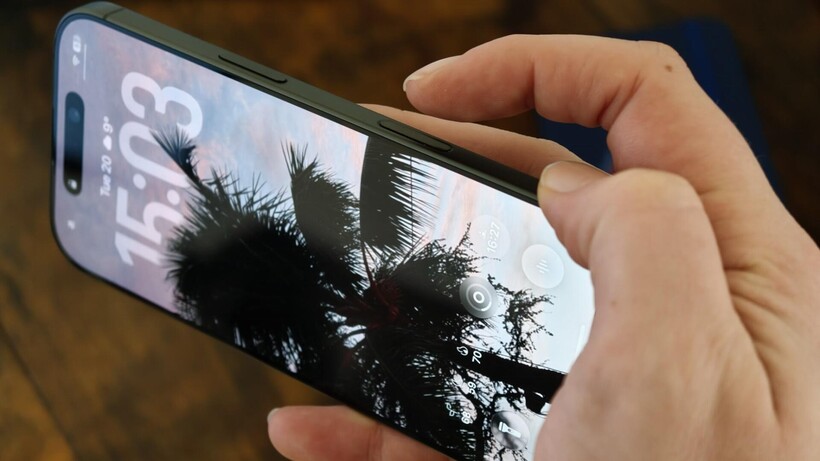
iPhone 17 includes the Action Button and Camera Control button, while the iPhone 17e only sports the former
Both have an IP68 rating and Ceramic Shield 2 protection
iPhone 17e is slightly thinner with a smaller display
Both the sport similar designs as their respective predecessors, and are fitted with flat edges and rounded corners.
Even the cheaper iPhone 17e is packed with many of the same durability features as the iPhone 17 including Ceramic Shield 2 at the front and an IP68 rating too. Now, although you may have seen many of the best Android phones boasting ratings of IP69 and even IP69K, we would argue this is more of a marketing ploy than traits that are genuinely useful. Unless, of course, you plan on pressure washing your smartphone.
Advertisement
Camera Control on iPhone 17. Image Credit (Trusted Reviews)
Both also sport the Action Button, which is a customisable button that has replaced the old ringer switch. However, the iPhone 17 benefits from the Camera Control button too which acts as a shortcut to the Camera app and customising the shot.
iPhone 17e. Image Credit (Trusted Reviews)
Otherwise, the iPhone 17 is slightly thicker than the iPhone 17e although the difference is negligible, so you won’t really notice it.
Winner: iPhone 17
Advertisement
Screen
The iPhone 17 has a 6.3-inch display, although housed in the same physical footprint as its 6.1-inch predecessor
iPhone 17 finally includes ProMotion technology, while the iPhone 17e caps out at 60Hz
iPhone 17e has a 6.1-inch OLED display
Advertisement
Put simply, we think the iPhone 17 has the best screen that we’ve seen on an entry-level iPhone. In comparison, the iPhone 17e just hasn’t quite got the oomph to match it.
Firstly, the headline feature of the iPhone 17 is that it finally includes Apple’s ProMotion technology, meaning it has an LTPO-enabled 1-120Hz display. The difference is staggering, and makes scrolling and animations feel smoother than the iPhone 17e’s 60Hz maximum.
iPhone 17e display
iPhone 17 display
Advertisement
Not only that, but the iPhone 17 has a slightly larger 6.3-inch display compared to the iPhone 17e’s 6.1-inches. In fact, the iPhone 17 houses its screen in the same physical footprint as its predecessor, thanks to the slimmer bezels which helps make the handset look more premium than others. That’s not to say the bezels on the iPhone 17e are large or distracting, it’s just that the iPhone 17’s are slimmer.
The iPhone 17 also benefits from a higher peak brightness of 3000 nits, whereas we measured the iPhone 17e as having a maximum 750 nits instead. That’s a huge difference, and means the iPhone 17e is trickier to use when outdoors in bright sunlight.
Winner: iPhone 17
Advertisement
Advertisement
Camera
iPhone 17 has 48MP main and 48MP ultrawide rear sensors
iPhone 17 also boasts an 18MP square front camera for better selfies
iPhone 17e only has one rear sensor, making it much less versatile
One of the biggest reasons to opt for the iPhone 17 is due to its camera. While it may not be quite as slick as the iPhone 17 Pro, its dual set-up is likely enough for most users.
iPhone 17e camera
iPhone 17 cameras
Advertisement
The standout feature of the iPhone 17 is its 48MP main lens which we found delivers a consistently sharp and colour-accurate image, however the 48MP ultrawide does an admirable job too. It won’t match the main lens in dark conditions though.
While of course we’d like a telephoto lens here, the main camera’s 2x in-sensor zoom delivers good quality shots when you need them.
Flip the iPhone 17 over and you’ll find its 18MP selfie camera, which now sports a square sensor. This allows you to short full-res portrait and landscape shots without needing to rotate your phone.
Advertisement
Advertisement
iPhone 17e camera at night. Image Credit (Trusted Reviews)
In comparison, the iPhone 17e isn’t quite as impressive. Not only is its front camera just 12MP and doesn’t share the same square sensor, but at its rear is just one 48MP “Fusion” lens. While you can capture detailed shots, with accurate yet vibrant colours even at night, if you’re used to playing around with different lenses then you’ll be disappointed with the iPhone 17e.
Winner: iPhone 17
Performance
Both run on Apple’s A19 chip, although the iPhone 17e’s has a slightly downgraded GPU
Even so, in daily use the iPhone 17e feels just like the iPhone 17
The iPhone 17 does benefit from ProMotion which makes gaming feel smoother
Both the iPhone 17 and iPhone 17e run on Apple’s A19 chipset, although it’s worth noting that the iPhone 17e’s version has a slightly downgraded GPU. What this should mean is that gaming might not be as smooth as otherwise, however we didn’t report any differences there.
Generally, both iPhones open apps instantly, allowing you to scroll through social media and even game without any stutter. However, as the iPhone 17 sports ProMotion, gaming does have a slight edge here.
Advertisement
iPhone 17. Image Credit (Trusted Reviews)
So, while we’ll give the win here to the iPhone 17, it’s worth noting that the iPhone 17e’s performance isn’t far behind.
Winner: iPhone 17
Advertisement
Software
Both run on iOS 26
Both support Apple Intelligence, although it’s a pretty underwhelming toolkit at present
There aren’t many differences between the iPhone 17 and iPhone 17e’s software, as both run on Apple’s iOS 26, have the Liquid Glass finish and support Apple Intelligence.
The Liquid Glass design is somewhat divisive, however we think it looks great as everything feels more fluid and responsive than before. Even so, you can turn its intensity down via your device settings.
Advertisement
iPhone 17e. Image Credit (Trusted Reviews)
Otherwise, both iPhones also support Apple Intelligence, Apple’s AI-toolkit that hasn’t really taken off. While some of its features are useful, such as Live Translation and call summaries, Siri remains dated while Image Playground falters in comparison to Google’s Nano Banana. Hopefully, Apple Intelligence will see improvements in the future, but for now it shouldn’t be the reason you choose an iPhone.
iPhone 17e supports 25W and MagSafe 15W wireless charging
Although neither the iPhone 17 nor iPhone 17e boasts the same capacity as the likes of the OnePlus 15, both are still solid all-day handsets. We found both could last for around four hours of screen time before needing a top-up.
Charging speeds, however, remain somewhat uninspiring here, especially when compared to the best Android phones. However, with the iPhone 17 supporting 40W wired and 25W wireless, it’s faster than the iPhone 17e’s speeds of 25W and 15W respectively.
Advertisement
Advertisement
Winner: iPhone 17
Verdict
We would recommend that, so long as your budget can swing it, you opt for the iPhone 17. Not only does it boast a brilliant screen, but its cameras are more versatile and it performs brilliantly in most tasks.
That’s not to say the iPhone 17e isn’t a decent iPhone, it’s just harder to recommend due to its single camera and standard display. Having said that, we found that it does perform most tasks as well as the iPhone 17.
There’s another type of digital scam to be aware of, as per the BBC. It’s called “reservation hijacking.”
The name gives you a clue as to how it works. Essentially, scammers use details about a booking you’ve placed (perhaps with a hotel or airline) to trick you into sending money somewhere you shouldn’t.
While this type of scam isn’t brand new, a recent data breach at Booking.com has raised the risk of people being caught out. With data about you and your reservation, a far more convincing setup can be put in place—why wouldn’t you believe that someone purporting to be an employee from a spa you’ve got a reservation with is telling the truth about who they are, especially if they know the dates of your trip, your phone number, and your email address?
According to Booking.com, no financial information was exposed in the April 2026 hack. However, names, email addresses, phone numbers, and booking details have been leaked. The travel portal says affected customers have been emailed about the heightened risk of scams, so that’s the first thing to check for when it comes to staying safe.
Advertisement
Minimizing the risk of getting scammed by a reservation hijack involves many of the same security precautions you may already be following, and just being aware that this is a way you might be targeted will make a difference.
How Reservation Hijacks Work
Scammers can get hold of your booking details.
Courtesy of David Nield
We’ve already outlined the basics of a reservation hijack, but it can take several forms. As with other types of scams, it tends to evolve over time. The basic premise is that someone will get in touch with you claiming to be from a place you have a reservation with, whether it’s a car rental company or a hotel.
The scammers will try to pull together as much information as they can on you and your booking. Sometimes they’ll target employees of the place you’ve got the reservation with in order to get access to their systems, and other times they may take advantage of a wider data breach (as with the recent Booking.com hack).
Advertisement
They might also get information through other means. Maybe they’ve somehow got access to your email, or to some of your social media posts (where you’ve shared your next vacation destination and a countdown of how many days are left to go). Don’t be caught out if you find yourself speaking to someone who knows a lot about your travel plans.
A newly revealed Honda patent shows the company developing a simulated electronic clutch system for electric motorcycles, complete with torque-boost launches and even haptic feedback designed to mimic the feel of a combustion engine…. Instead of using a traditional mechanical clutch, the system uses electronics to alter how the motor responds based on clutch lever position. Pull the clutch halfway in, and the system proportionally reduces motor output. Pull it fully, and power is cut entirely, regardless of throttle position.
But the more interesting part is how Honda intends to recreate the behavior riders actually use clutches for. According to the patent as reported by AMCN, riders could preload the throttle while holding in the clutch lever, then rapidly release the lever to trigger a burst of torque — essentially simulating the hard launches motocross riders rely on with gas bikes. Honda believes that could be useful in competitive riding situations where precise power modulation matters, especially on loose terrain or during aggressive starts.
Honda also appears to be working on recreating the feel of a gas bike, not just the control inputs. The patent describes multiple vibration motors placed in the handlebars and near the clutch lever to provide haptic feedback that simulates engine vibration and even the “bite point” sensation of a clutch engaging. In other words, Honda may be trying to make an electric dirt bike feel mechanically alive, or at least the old-school idea of what a breathing dirt bike used to feel like.
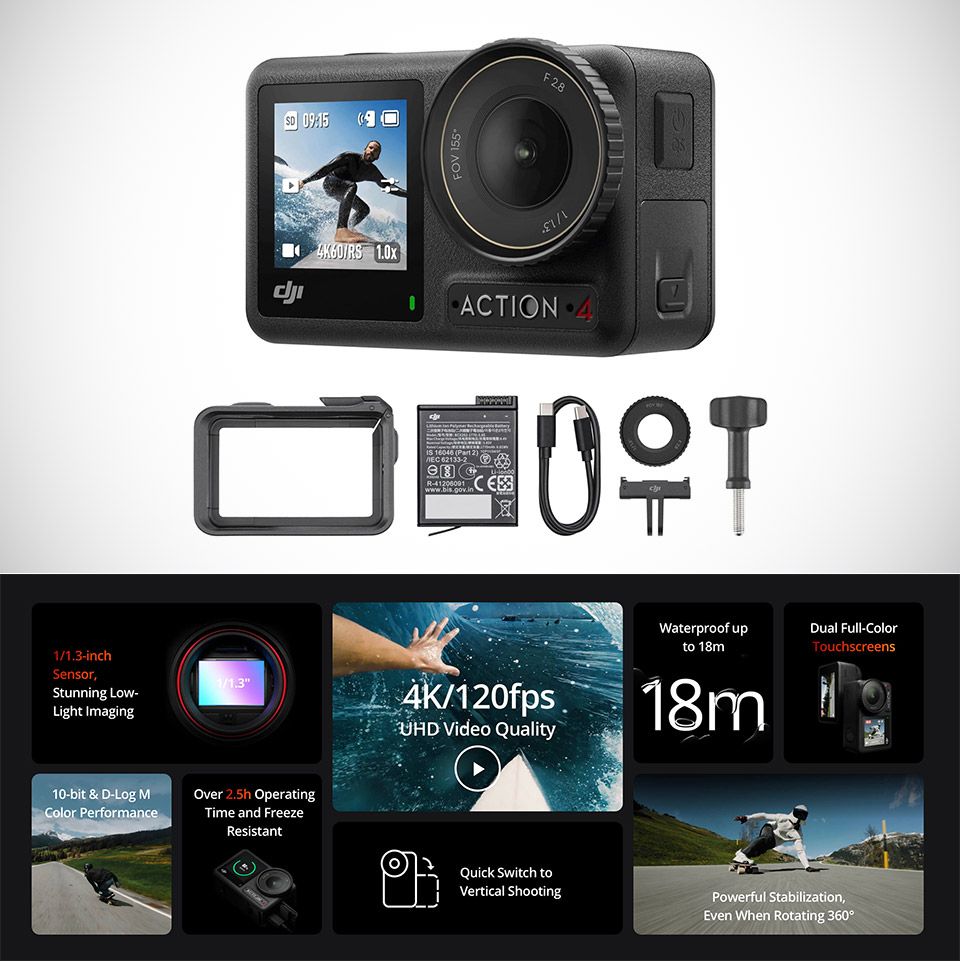
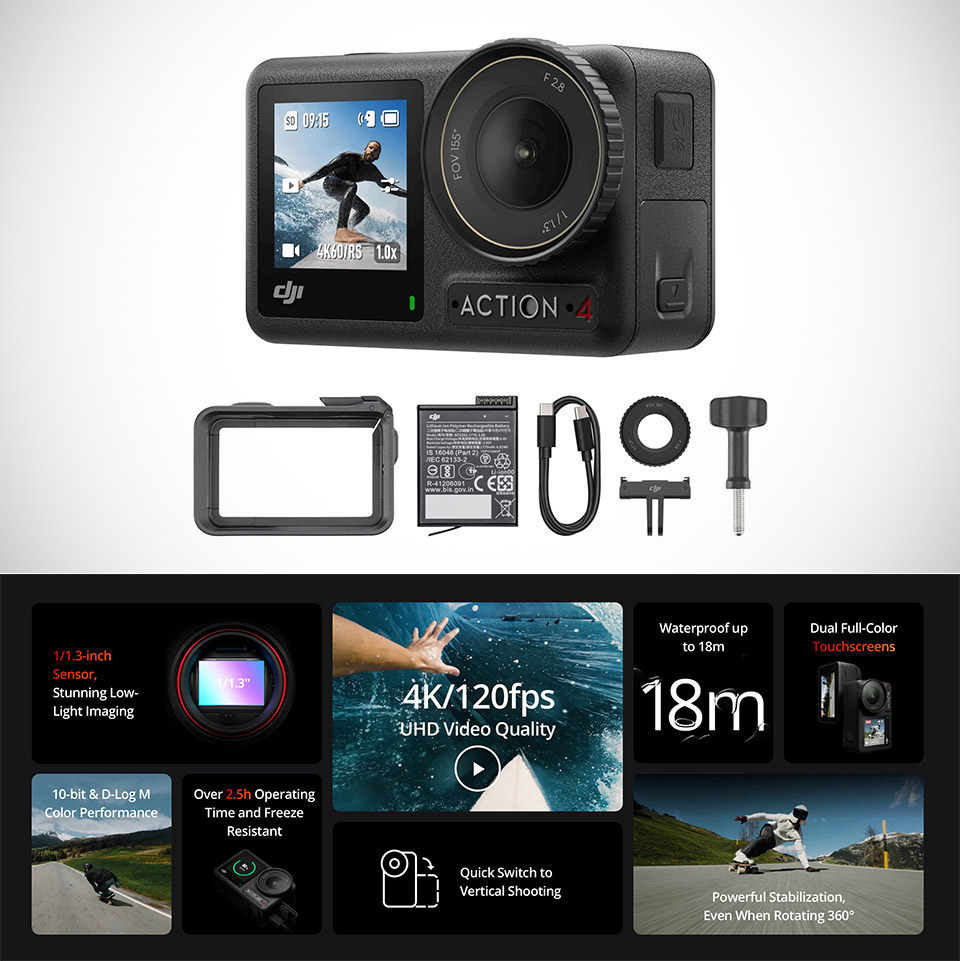
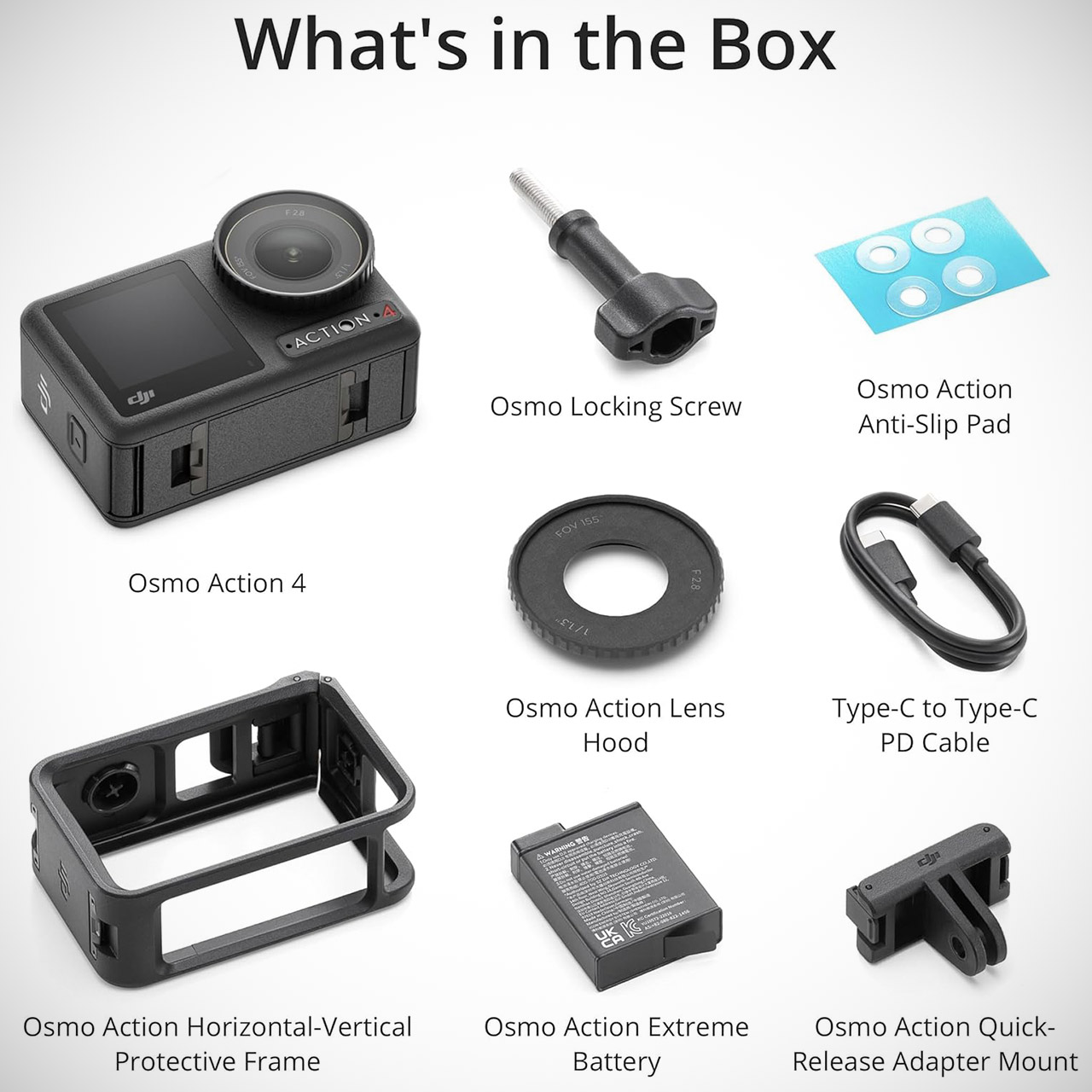
When photography enthusiasts begin shopping for action cameras, the latest models with all of their bells and whistles typically receive all of the attention. These newer models have fancy resolutions and tons of sensors, but after months of putting the DJI Osmo Action 4 Essential Combo, priced at $198.99 (was $299), through its paces, hiking, bicycling, and even taking it underwater, users have surprisingly come to dub it the most undervalued action cam around.
It handles difficult terrain and quick moves with ease, keeping the film as steady as a rock thanks to its internal stabilizer. Getting pro-quality footage without having to deal with extra equipment and software is a huge plus, and 4K at 120 frames per second in slow-motion is just the icing on the cake. You also get a larger 1.3 inch sensor, which lets in more light and allows you to take stunning images in low light or dense forest.
Superior Low-Light Performance with 1/1.3-inch Sensor – Struggling with grainy footage in low light? Osmo Action 4 action camera 4K uses 2.4μm pixel…
Pro-Grade Color Science – Worried your videos lack real-life colors? 10-bit color depth captures subtle shades, while D-Log M preserves more detail…
See More, Feel More – Want to capture more action and scenery? Shoot in 4K at 120fps with a 155° ultra-wide field of view. Minimal cropping means…
The battery lasts longer than expected, making it ideal for all-day shots, especially on frigid days when other cameras start to droop. The Essential Combo pack includes the main body, a replacement battery, and a quick-release frame that fits into any standard mount, which is really good value for the price.
Advertisement
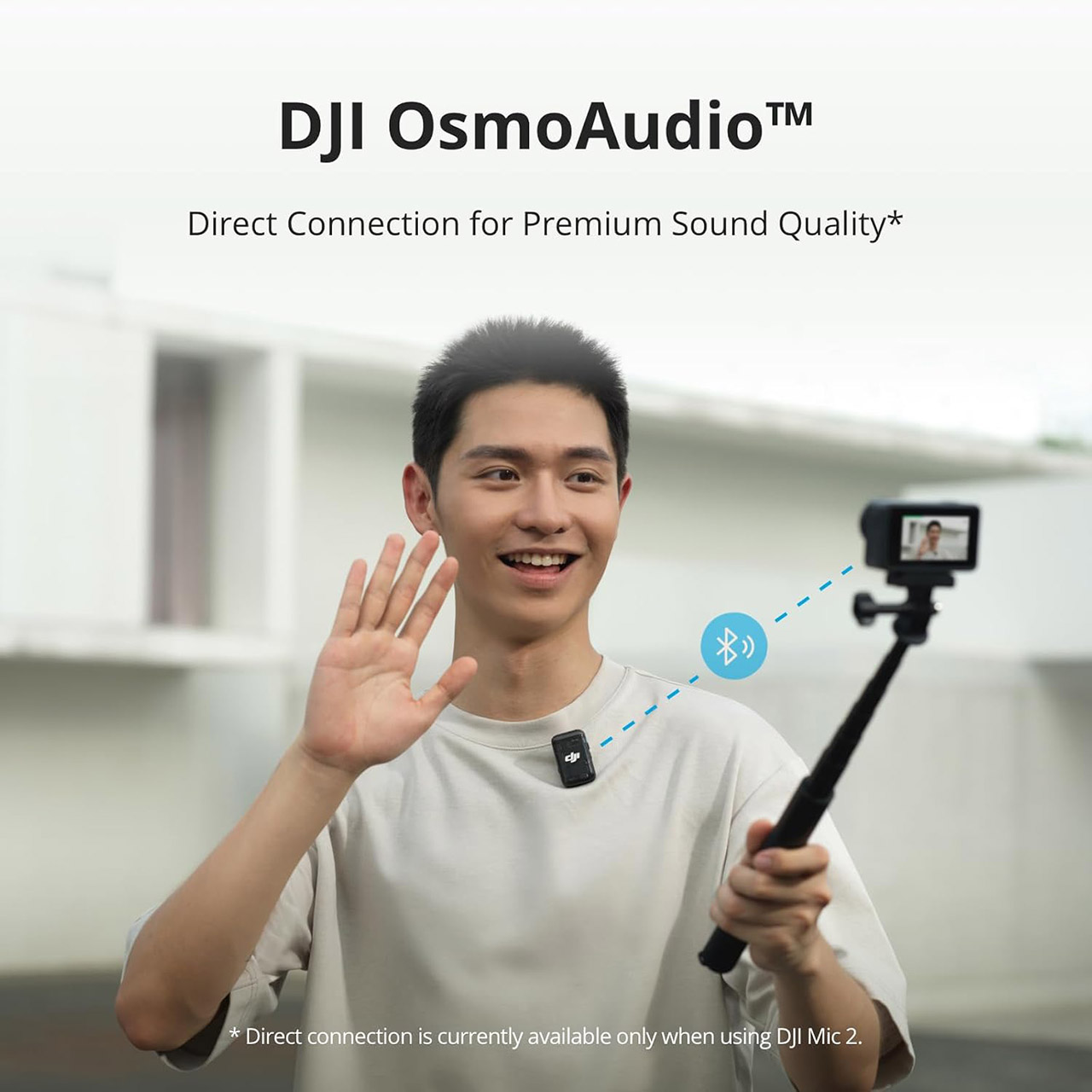
The D-Log mode provides 10-bit color depth and allows editors to experiment with tones while maintaining quality. The 4:3 aspect ratio allows you to easily upload some amazing tall vertical movies from social media, and the bitrate is sufficient to maintain those fine textures looking great in grass, water, or cloth, often exceeding newer models in real-world use. It also effortlessly pairs with DJI mics, allowing you to capture high-quality audio without much fuss.
It has a water resistance rating of 18 meters on its own and 60 meters with the extra case, so you can go for a splash or dive with complete confidence. The magnetic clip mechanism allows you to swiftly attach and detach from handlebars, chest straps, and helmets. Yes, there is no built-in storage, but most folks will have an SD card lying around somewhere.
When Apple unveils its next macOS at WWDC 2026, a new report says that it will have a slightly redesigned Liquid Glass interface, though really just the same design iterations the company has always done.
Liquid Glass has had vocal critics, but just as with every version of macOS before, Apple is going to refine and mildly redesign it each year. According to Bloomberg, this year’s revision is chiefly concerned with the appearance of different Mac elements with Liquid Glass.
Specifically, the “slight redesign” is to concentrate on improving various readability issues. Where those have arisen so far, it’s been in Liquid Glass’s transparency and shadow effects, so presumably that is what Apple will work on.
This is the same thing Apple does after every significant redesign, starting with the toning down of the Aqua interface in the first years of Mac OS X. It was perhaps most noticeable with iOS 7 which debuted a very flat design that over the next years was slowly improved and clarified.
Advertisement
Speaking of iOS, though, the report also says that Apple’s work on the next version of this will include a benefit for macOS 27. Apple is said to be working to have tabs in Safari automatically organize themselves, as can already be done in rival browsers.
Tab Groups is definitely an area that needs attention, and not only because elements of it are better on other browsers. Many years ago, Apple added an option to Shortcuts on the Mac that was supposed to let users switch automatically between Tab Groups, but to this day the Shortcut action fails with an “internal error.”
It does work perfectly on iOS and iPadOS, though, so hopes that improvements on those platforms will come to the Mac as well could yet be wishful thinking.
Looking for the most recent Strands answer? Click here for our daily Strands hints, as well as our daily answers and hints for The New York Times Mini Crossword, Wordle, Connections and Connections: Sports Edition puzzles.
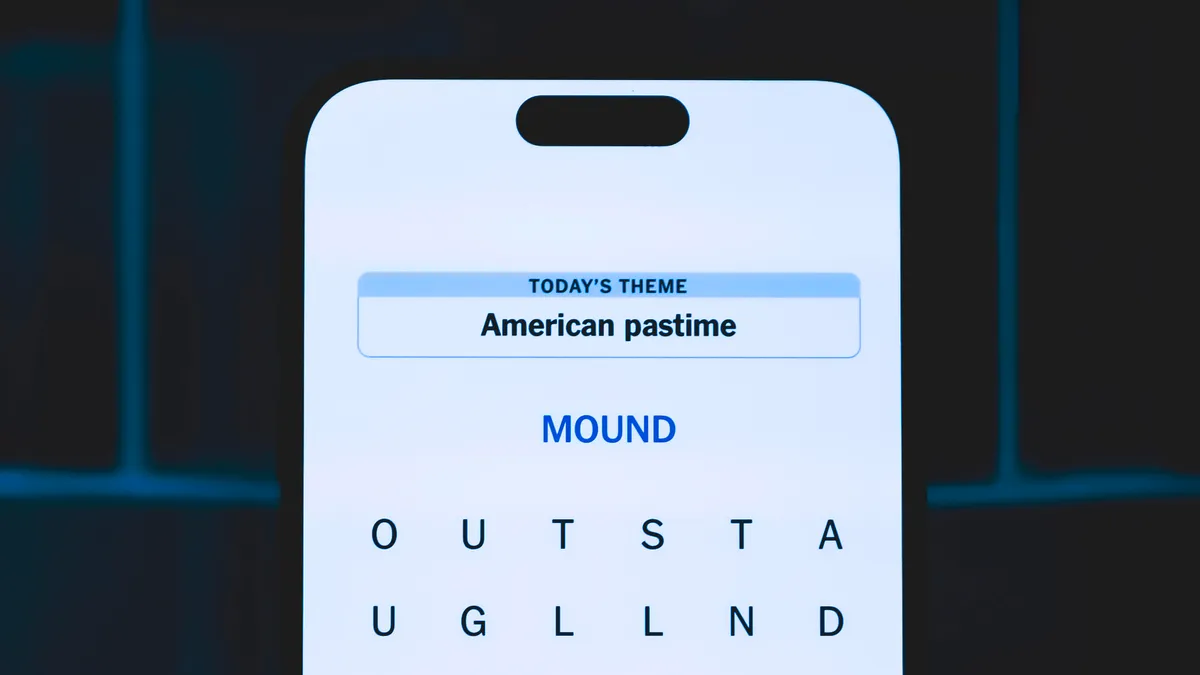
Some really old-timey words appear in today’s NYT Strands puzzle. I found a few of the answers difficult to unscramble, so if you need hints and answers, read on.
If that doesn’t help you, here’s a clue: This and that.
Clue words to unlock in-game hints
Your goal is to find hidden words that fit the puzzle’s theme. If you’re stuck, find any words you can. Every time you find three words of four letters or more, Strands will reveal one of the theme words. These are the words I used to get those hints, but any words of four or more letters that you find will work:
These are the answers that tie into the theme. The goal of the puzzle is to find them all, including the spangram, a theme word that reaches from one side of the puzzle to the other. When you have all of them (I originally thought there were always eight but learned that the number can vary), every letter on the board will be used. Here are the nonspangram answers:
JUMBLE, RAGBAG, VARIETY, HODGEPODGE, MISHMASH
Today’s Strands spangram
The completed NYT Strands puzzle for May 11, 2026.
NYT/Screenshot by CNET
Today’s Strands spangram is ODDSANDENDS. To find it, look for the O that is five letters down on the far-left vertical row, and wind across.
The idea of using cardboard for a sloppy PC case isn’t new; it’s a time-honored tradition dating back to at least the 1990s. That said, with today’s CNC cutters and other advanced tooling available to hobbyists, you might be curious to see how far you can push the concept. As demonstrated in a recent video by [mryeester], the answer appears to be that good planning and a solid understanding of cardboard’s limitations are as essential as ever.
After having the PC case drawn up in CAD and cut on a professional CNC cutter by a buddy who makes commercial cardboard displays, the installation procedure for the PC components showed where a bit of foresight could have saved a lot of time and effort.
The first problem was that the GPU couldn’t be installed due to wrong measurements on where the IO bracket normally is screwed into the case. Some cardboard cutting later, the GPU slid into place, but of course, there’s no way to screw it down, putting the full weight on the PCIe slot of the mainboard. Fortunately, the mainboard was quite literally bolted into place, and the case consists of multiple layers of corrugated cardboard to add some rigidity.
Next was more carving as the PSU cut-out was designed for an SFX PSU, not an ATX one. After that ordeal, one could say that perhaps a nice thing about a cardboard case is that you get to pick where buttons are located, though this comes with its own logistical issues.
Finally, mounting side panels turned into another chore, with perhaps some engineering possible to make it work better. For example, we recently looked at making cardboard hinges that would look pretty good on a cardboard PC case. You can also waterproof cardboard and make it much stronger, turning a throwaway, temporary cardboard solution into something that will last for years, even with occasional exposure to moisture and a water-cooling leak. (more…)
Starting this summer, Whoop users in the US will have access to on-demand video consultations with licensed clinicians from within the fitness tracker’s app. Along with that, the wearables company also announced on Friday that it is adding support for Electronic Health Record (EHR) syncing, so members and the clinicians they connect with will be able to easily pull up their medical histories.
“Unlike traditional healthcare experiences that rely on brief, episodic snapshots, these consultations begin with a comprehensive understanding of the member’s health, powered by months of continuous data and, when available, bloodwork and medical history,” Whoop said in a press release. It hasn’t yet revealed how much this service will cost.
Whoop also announced new AI features coming to the app: My Memory, where users can customize the “personal context” that goes into their coaching, and Proactive Check-Ins, which will provide users with training and recovery recommendations based on what’s going on in their life. The announcement comes right on the heels of Google unveiling its new Fitbit Air, which, much like Whoop’s device, is a screenless fitness wearable.
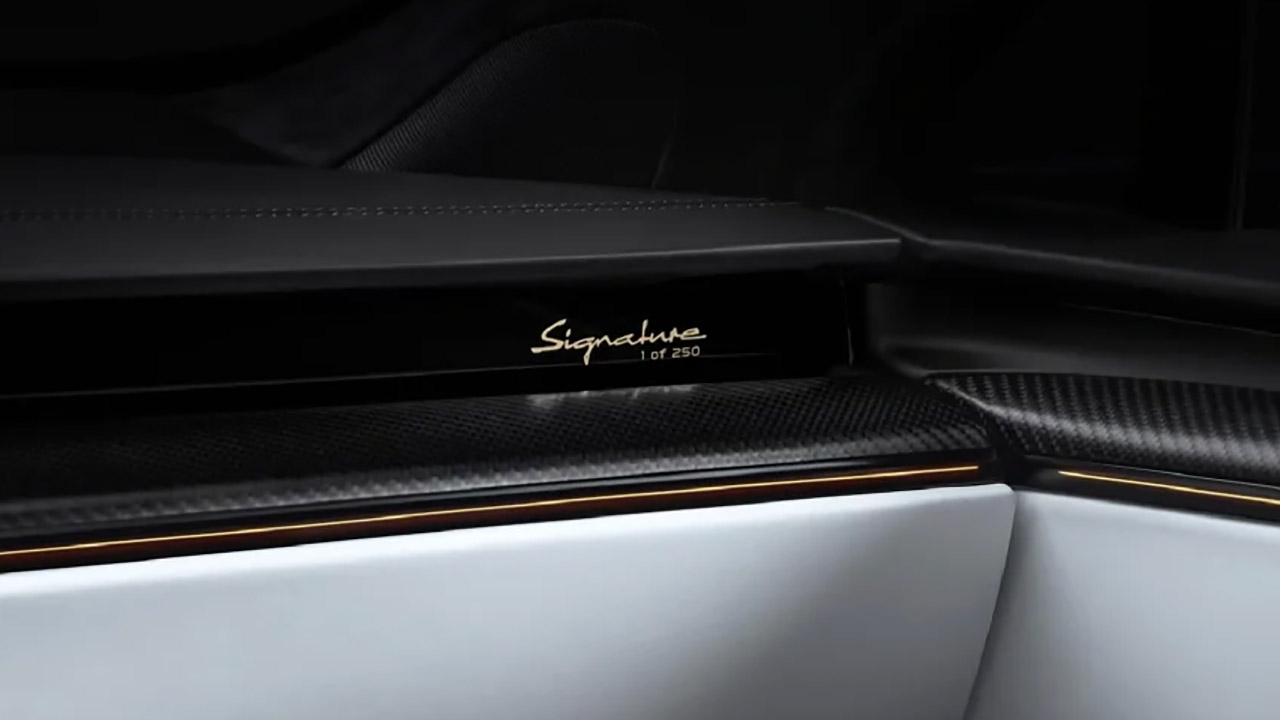
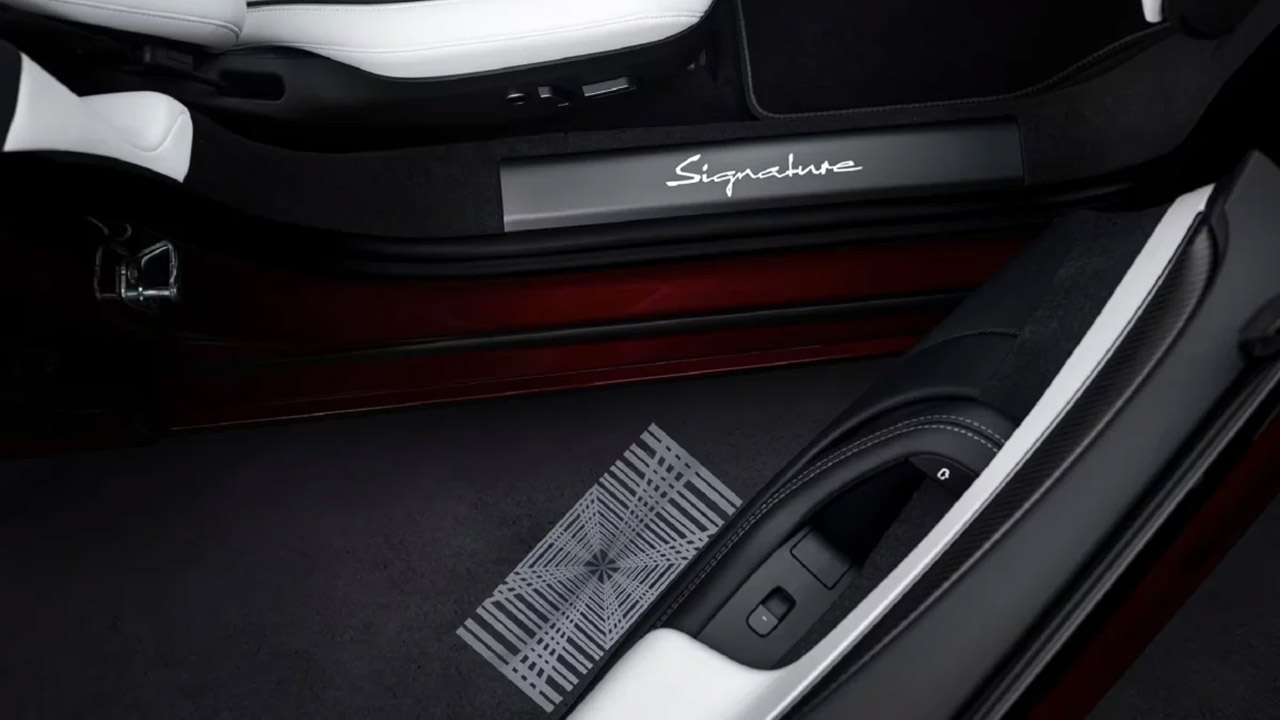
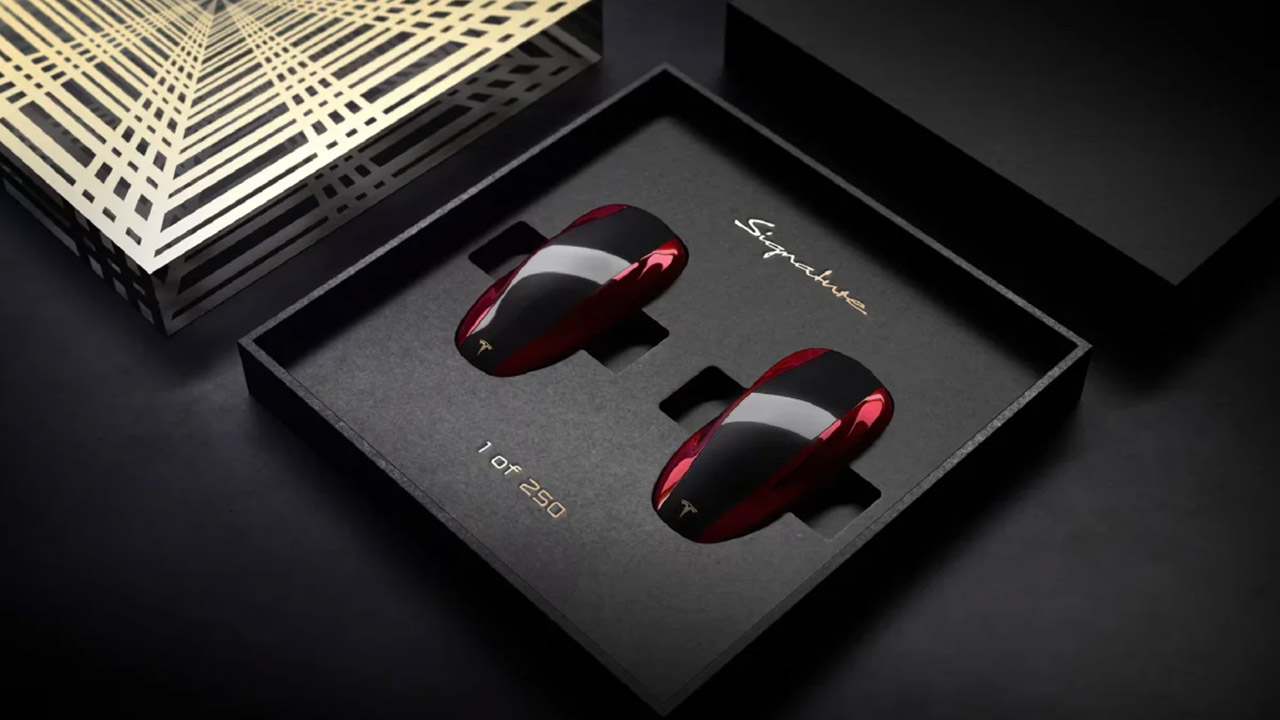
On May 9th, workers at Tesla’s Fremont factory in northern California were left staring at a still production line, which is an unusual sight to say the least. Aerial images of the final cars in the outbound lot showed them lined up and ready to be picked up by their new owners, just like they used to be, though these weren’t quite like the typical batch. There were only 250 Model S cars and 100 Model X SUVs produced, all of which included the Plaid powertrain and a number of handcrafted features that set them apart.
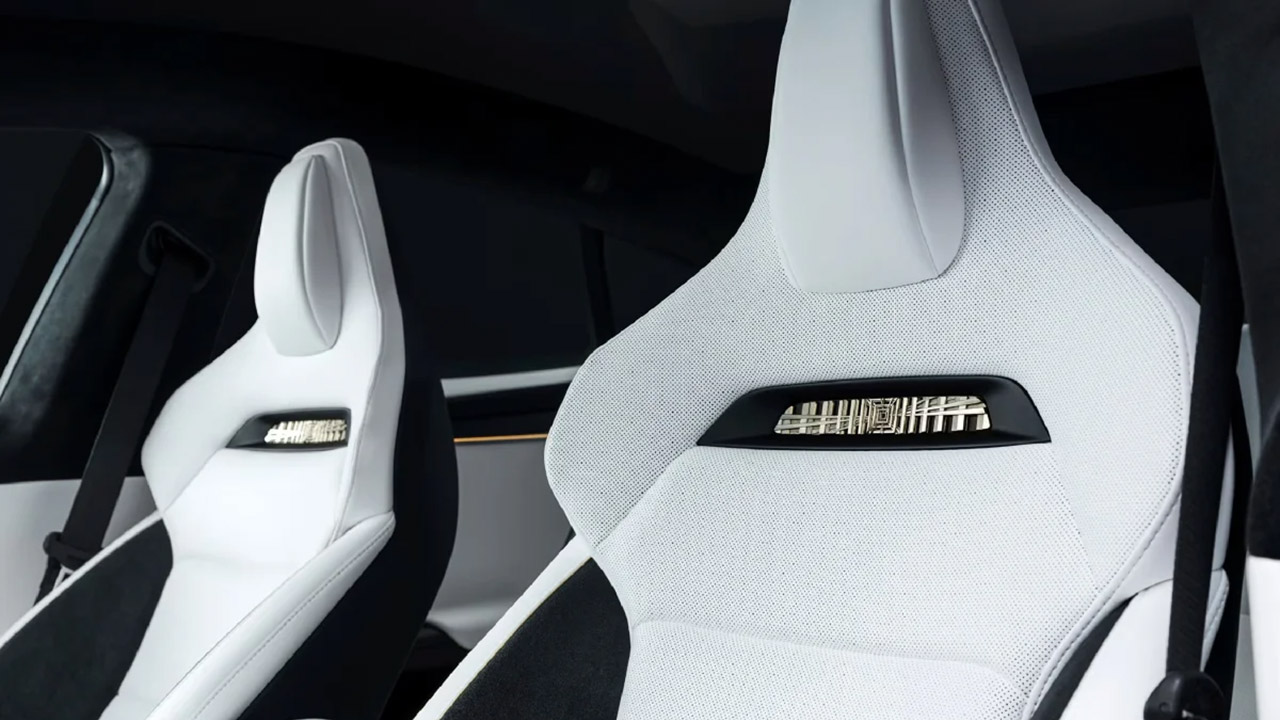
The people waiting to take delivery of these cars were handpicked from a small list of devoted Tesla owners who had received invitations just a month before. However, none of these were ever going to be widely distributed. Each one of these vehicles is an eye-catcher, painted in a deep rich red, while the seats are pristine white with gold piping, and they even have one of those gold Tesla logos on the front. On top of that, they each have a small plaque in the dash that tells you where in the production line it came from, e.g. number 47 out of 250. It’s what happens when you open the door that’s truly remarkable, as the Signature Edition lights turn on and are fully loaded with everything included in the Premium trim.
2.4 GHz Remote Control Car – 1:18 scale cool design, waterproof RC truck toys made of premium material and sturdy, with LED lights, waterproof remote…
High Quality & DIY Removable Toys RC Cars – This remote control monster truck structure design quality, flexibility and strength in one. The rc truck…
All Terrain Amphibious Monster Truck – 4-wheel drive off-road design rc trucks for kids, with high-quality tires (shock absorption, strong grip…
These sold for $159,420, and before they could drive off the lot and take possession, each buyer had to make a clear pledge to hold onto the car for at least a full year. To ensure they kept their promise, Tesla has the option to buy back the car at the conclusion of this period if the owner attempts to sell it. The owners of these very unusual automobiles will then be invited to a special delivery celebration on May 12th to meet and celebrate with the other owners.
The Model S has been a staple of the lineup since its introduction in 2012, and it has remained a prominent participant for the past 14 years. And, of course, the Model X sold eleven. This may not sound like much, but it is a remarkable run for any vehicle. Selling hundreds of thousands over the years, the Model X demonstrated that electric vehicles could be top of the line for speed, range, and comfort while still being the real deal. Meanwhile, the production plant is being fully rebuilt in preparation for mass production of Optimus, Tesla’s latest humanoid robot. [Source]
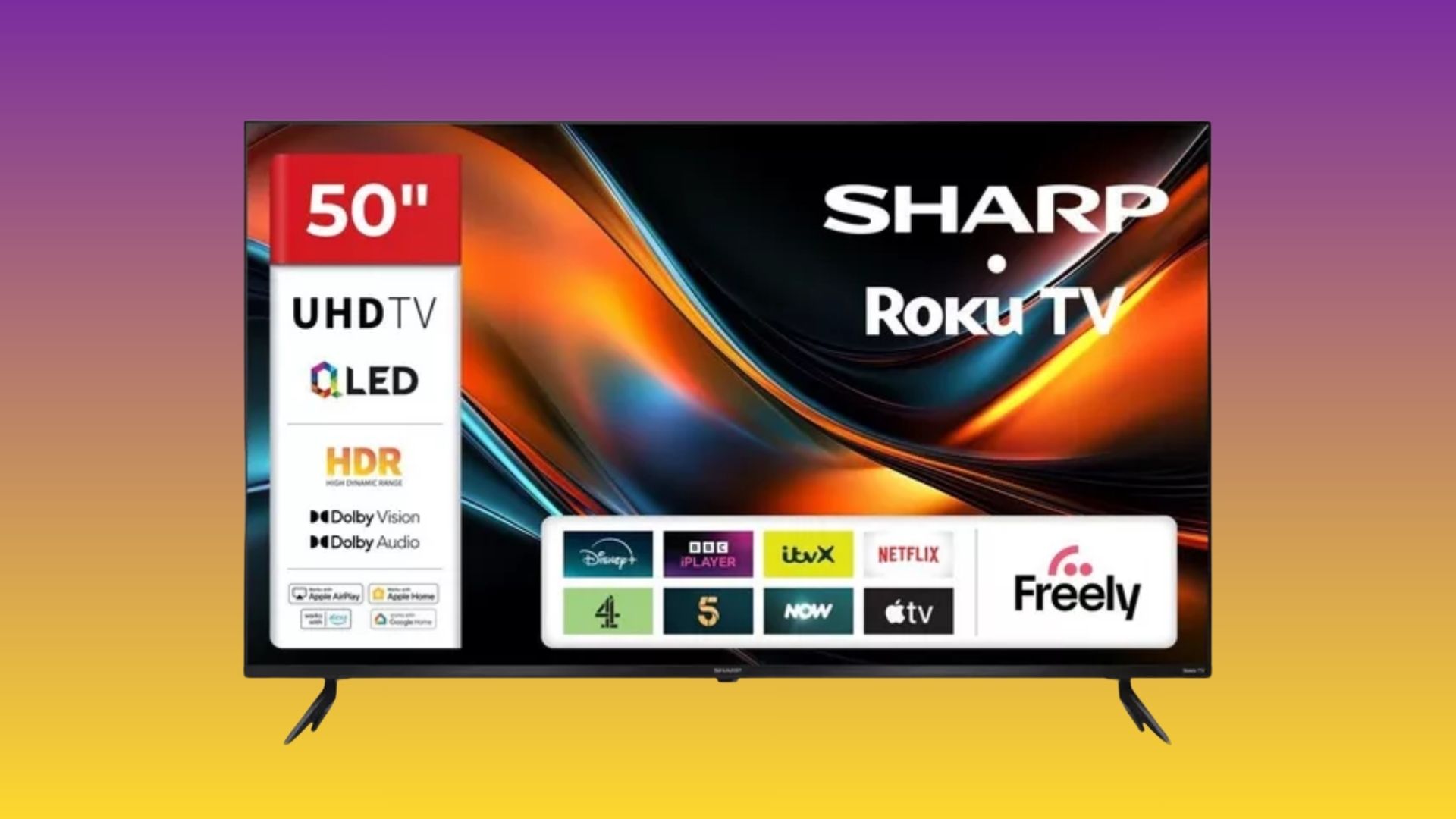
Sharp and Roku are expanding their partnership in the UK with the launch of the first Sharp Roku TV QLED. This is a new 50-inch 4K set that combines Sharp’s display tech with Roku’s streaming platform.
Available now through Currys, the new model marks the first QLED TV the two brands have released for the UK market. It looks aimed squarely at buyers wanting a simpler smart TV experience and without stepping into flagship-level pricing.
The TV pairs a 4K UHD panel with QLED (Quantum Dot) colour. This promise a brighter and more vibrant picture quality than standard LED sets. While Sharp hasn’t positioned it as a premium Mini LED competitor, the addition of QLED should give colours more punch for films, sports and streaming content.
More importantly for many users, though, the set runs on the Roku TV OS, which remains one of the cleaner and easier smart TV interfaces around. The software offers access to thousands of free and paid apps.
Advertisement
Alongside this, there are features like universal search, automatic updates and a customisable home screen. This home screen is refreshingly straightforward compared to some cluttered TV platforms.
Advertisement
Roku says the launch comes as more UK households upgrade to larger TVs and higher-quality streaming setups. “It combines premium picture performance with the award-winning simplicity people expect from Roku TVs,” said Rob Woollard, Director of Retail Partnerships at Roku UK.
The partnership itself isn’t entirely new as Sharp has released Roku-powered TVs before. However, this is the first time the collaboration has moved into QLED territory in the UK. That makes this model feel less like an entry-level streaming TV. Instead, it feels more like a step toward the mid-range market currently dominated by brands like TCL and Hisense.
This week Amazon opened up its parcel shipping, fulfillment, and distribution “to businesses of all types and sizes.” Any business can now ship, store, and deliver “using the same supply chain that supports Amazon,” according to Monday’s announcement of “Amazon Supply Chain Services.”
The move sent shares of UPS and FedEx “tumbling” Monday writes GeekWire. And though both stocks bounced back as the week went on, GeekWire sees this as the latest example of Amazon “turning its internal capabilities into products and services for sale…”
“Amazon had already surpassed both carriers to become the nation’s largest parcel shipper by volume, according to parcel-analytics firm ShipMatrix.”
Initial customers include Procter & Gamble, which is using Amazon’s freight network to transport raw materials; 3M, which is using it to move products to distribution centers; Lands’ End, which is fulfilling orders across sales channels from Amazon’s warehouses; and American Eagle Outfitters, which is using Amazon’s parcel service for last-mile delivery. The service can fulfill orders placed through platforms that compete with Amazon’s own marketplace, including Walmart, Shopify, TikTok, and others… Peter Larsen, vice president of Amazon Supply Chain Services, compared the launch to the origins of Amazon’s cloud business…
Advertisement
In addition to putting Amazon in competition with existing players in the logistics industry, the move also raises questions about data privacy. Amazon has faced accusations of using nonpublic seller data to compete against merchants on its marketplace, which it has denied. Larsen told the Wall Street Journal that the company prohibits using supply chain customer data for its own marketplace decisions, noting that hundreds of thousands of Amazon sellers already trust the company to fulfill orders placed on rival platforms.
The article notes taht in his annual shareholder letter Amazon’s CEO “said the company is also exploring selling its custom AI chips and robotics to outside customers.”











 The idea of using cardboard for a sloppy PC case isn’t new; it’s a time-honored tradition dating back to at least the 1990s. That said, with today’s CNC cutters and other advanced tooling available to hobbyists, you might be curious to see how far you can push the concept. As demonstrated in a recent video by [mryeester], the answer appears to be that good planning and a solid understanding of cardboard’s limitations are as essential as ever.












































You must be logged in to post a comment Login