

Business
Lifestance Health Group stock hits 52-week high at $8.90



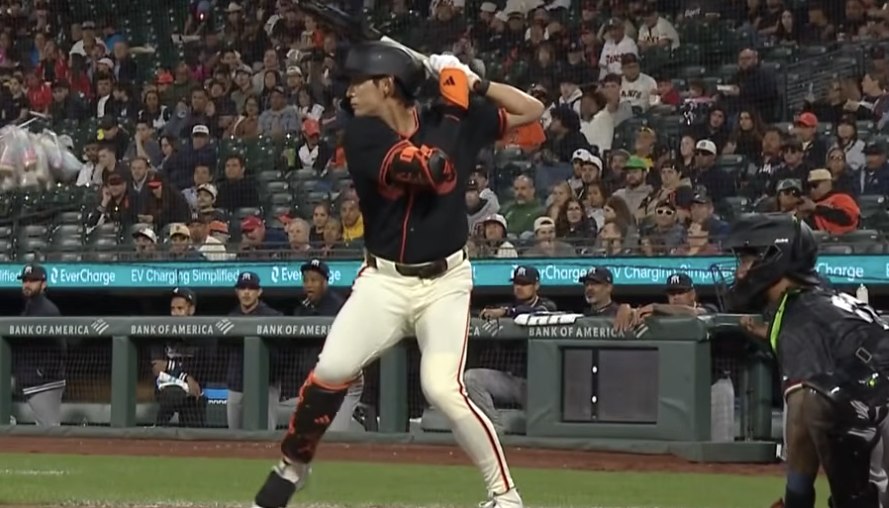
Jung Hoo Lee has emerged as one of the more intriguing names in this year’s National League batting race, with the San Francisco Giants outfielder riding a hot stretch at the plate that has reignited questions about whether the South Korean star can contend for a batting title in just his third MLB season.
A Career Built on Hitting for Average
Lee’s pursuit of a batting crown would not be unprecedented territory for him — it would simply be a continuation of a skill set he displayed at an elite level throughout his career in the KBO League before crossing over to Major League Baseball. Lee is a two-time KBO batting champion, having led the league in average in both 2021 and 2022. In 2021, he batted .360 with a .438 on-base percentage and a .522 slugging percentage, while in 2022 he was named the KBO’s MVP after slashing .349/.421/.575 in 142 games, leading the league in average, hits, RBI, and OPS.
That track record of elite hit tool and contact ability is precisely why Lee’s name continues to surface in discussions about MLB’s batting race, even as his transition to the majors has had its share of ups and downs.
A Recent Surge at the Plate
After a relatively modest start to the 2026 campaign, Lee’s batting average has shown significant improvement as the season has progressed. Lee is currently hitting .325 with four home runs, 26 RBI, and 36 runs scored this season, a marked improvement from his .266 batting average a year earlier in 2025.
That trajectory has fueled the growing belief that Lee may be rounding into the form that made him such a feared hitter back in South Korea. One outlet noted that superstitious minds might look to Lee’s new on-deck routine as an explanation for the Giants star’s hot streak at the plate.
The Underlying Metrics Supporting His Hot Streak
Beyond the surface-level batting average, advanced metrics suggest Lee’s recent performance is grounded in genuine quality of contact rather than simply a run of good fortune. Lee’s 2026 advanced metrics include an average exit velocity of 87.7 miles per hour, a hard-hit rate of 30.4%, a weighted on-base average of .352, an expected weighted on-base average of .335, and a barrel rate of 2.6%.
Those figures paint the picture of a hitter who, while not necessarily driving the ball with overwhelming power, continues to make the kind of consistent, well-placed contact that has defined his offensive approach throughout his professional career.
Career Numbers With the Giants
Since arriving in MLB, Lee’s overall body of work has reflected a player still working to fully translate his KBO dominance to a more challenging level of competition. Across three seasons with the Giants, Lee has compiled a .261 career batting average with 191 hits, 10 home runs, 67 RBI, and 91 runs scored.
Lee made his MLB debut against fellow South Korean star Ha-seong Kim and the San Diego Padres on March 28, 2024, a moment that carried added significance given their relationship dating back to their playing days together for Kiwoom in the KBO. Lee is also friends with Dodgers utility man Hyeseong Kim, with the two having been teammates during Lee’s time in the KBO as well.
The Path to a Batting Title
For Lee to genuinely contend for a 2026 batting crown, he will need to both sustain his recent surge and significantly improve on the underlying metrics that have occasionally lagged behind his raw batting average in seasons past. Lee’s KBO career was defined by remarkable batting line consistency, including a .355/.412/.477 slash line with six home runs and 57 RBI in just his second professional season, when he finished third in the league in batting average despite missing six weeks with a shoulder injury.
Replicating that level of sustained excellence at the major league level represents the central challenge Lee faces if he hopes to seriously compete for a batting title against the National League’s deepest pool of contact hitters.
An Uncertain Backdrop in San Francisco
Complicating Lee’s individual pursuit of a batting crown is the broader organizational direction the Giants appear to be taking as the season progresses. As the trade deadline draws nearer, teams are going to start shifting into buyer or seller categories, and the Giants are reportedly leaning toward the sell side.
That dynamic raises questions about roster stability and lineup construction around Lee for the remainder of the season, even as his own individual performance has trended upward. A team in selling mode often experiences shifts in everyday playing time distribution and lineup composition that could either help or hinder an individual hitter’s ability to sustain a hot streak through the second half of the schedule.
What Lee Brings Beyond the Batting Average
Lee’s value to the Giants has never been confined strictly to his bat, with questions about his defensive contributions also factoring into the broader conversation about his overall impact. Some analysts have noted that both the eye test and advanced defensive metrics have at times misjudged Lee’s fielding ability, suggesting his all-around game may be somewhat underrated relative to public perception, even as his offensive production draws the most attention.
A Personal Legacy Tied to His Family Name
Beyond the statistics, Lee’s career carries a layer of personal and cultural significance tied to his family background. In his introductory press conference upon joining the Giants, Lee called himself the “Grandson of the Wind,” honoring his father’s legacy as a way of acknowledging the baseball lineage he carries into his major league career.
With roughly half of the 2026 season still to play, Lee’s path to a genuine batting title contention will depend heavily on whether his recent surge represents a sustainable adjustment at the plate or a temporary hot stretch. Given his proven track record of elite contact hitting throughout his KBO career, along with the underlying Statcast metrics supporting his current production, Lee has positioned himself as a name worth monitoring in the National League batting race as the season moves into its second half — even as broader questions about the Giants’ direction at the trade deadline add an additional layer of uncertainty to how the rest of his season unfolds.
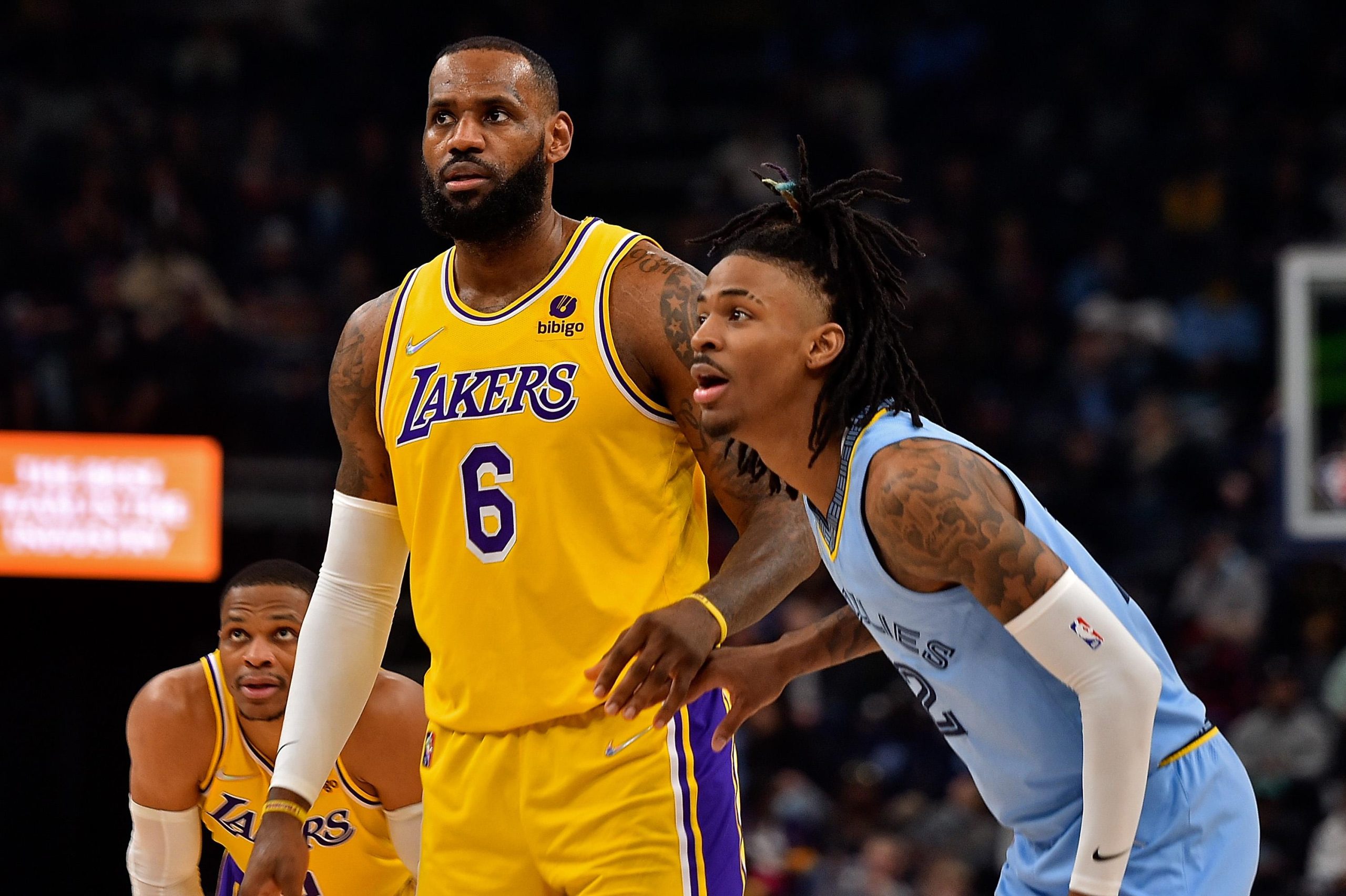
LeBron James, the Los Angeles Lakers’ star player, has built a name and massive wealth through his own hard work over the last two decades. While the NBA icon is a billionaire, James has spoken candidly about the lingering anxiety he carries toward his finances, rooted in memories of where his journey began.
A Candid Conversation on His Wife’s Podcast
A few months ago, the NBA legend made an appearance on his wife Savannah James’ podcast, “Everybody’s Crazy,” where he opened up about his relationship with wealth and the mindset that continues to shape his approach to financial decisions.
“I’m first generational moneymaker in my household and I always be thinking about where I come from bro… Coming from the projects in Akron, Ohio and not having anything, it’s hard for me sometimes to take risks because if that happened or the whole can come off and it’s over with, I’m going to be devastated,” James said.
A Stern Warning to His Financial Advisor
James also revealed the blunt message he delivered when first entrusting his finances to a professional advisor, underscoring just how seriously he takes the stakes involved in managing the wealth he has built. “My financial advisor, first thing I told him when he wanted to manage my money, I said, ‘If you steal my money bro or I’m broke bro, I’m letting you know bro it ain’t gonna be good for you,’” James said.
No Room to Start Over
James went on to explain why the fear of financial loss weighs on him so heavily, drawing a comparison to a popular board game to illustrate just how different his situation is from someone who could simply rebuild from scratch. “I can’t start over, there’s no way. I’m not Monopoly in this. I’m not starting back at pass go, you collect $200 and start back at go. No, I’m too far gone…” James said.
A Track Record of Financial Discipline
Coming from a modest household, LeBron James has always been smart with his finances and has made profitable investments throughout the last two decades. That long-term approach to wealth-building has helped him become one of the most financially successful athletes in the history of American professional sports, with his earnings extending well beyond his on-court salary into ownership stakes, endorsements, and other business ventures.
Fans React to His Honesty
James’ comments resonated widely with fans, who took to social media to praise both the substance of his remarks and the broader life lesson they felt it offered, particularly for other athletes and entertainers navigating sudden wealth.
One fan wrote on X, “He’s so right though! It sadden me when i see a rapper or an athlete lost it all and has to work just like the rest of us, too many people don’t realize the chance they has until it’s gone…”
Another fan echoed that sentiment while emphasizing the importance of financial planning at a certain stage of life. “I totally agree, and LeBron is really speaking for everyone…. When you get a certain age when you are in your 30s and 40s, you should already be getting yourself established in life financially unless you are trying to work till you die…” the fan wrote.
A third fan praised the broader tone of the podcast series James has been participating in, framing his recent comments as part of a pattern of thoughtful reflection beyond basketball. “This bron podcast lately more like life lessons than just a basketball bro… Sidelined his act on the court, especially as a NBA player. He’s such a great person, a great man and husband too.. A lot of things we can learn from him…” the fan wrote.
A Recurring Theme in James’ Public Life
James’ willingness to discuss his financial anxieties so openly fits within a broader pattern of the superstar using his platform to address topics well beyond his on-court performance. Throughout his career, James has spoken frequently about the importance of financial literacy, particularly for athletes who often experience a sudden and dramatic shift in their earning power at a young age, frequently without the generational wealth or financial guidance that can help cushion against poor decision-making.
His remarks on his wife’s podcast extend that theme into deeply personal territory, offering a rare glimpse into how even one of the wealthiest athletes in the world continues to carry the psychological weight of his upbringing, regardless of how much financial security he has since accumulated.
The Weight of Being a “First-Generation Moneymaker”
James’ framing of himself as the “first generational moneymaker” in his household speaks to a broader phenomenon often discussed among financial advisors and psychologists who work with athletes and entertainers who achieve sudden, significant wealth without an established family history of managing similar resources. That dynamic can create a distinct kind of pressure, given the absence of an established blueprint or safety net to fall back on if circumstances were to change.
For James, who has spoken previously about his upbringing in Akron, Ohio, that pressure appears to manifest as a persistent wariness around risk-taking, even decades into a career that has made him one of the most financially secure athletes in the world.
As James continues to navigate both his playing career and his expanding business interests, his recent comments suggest a continued willingness to use his public platform — including appearances on podcasts hosted by those closest to him — to discuss the less glamorous, more anxiety-inducing aspects of sudden wealth. For a global superstar long regarded as a model of financial savvy among professional athletes, the remarks offer fans and fellow athletes alike a candid reminder that even significant financial success does not necessarily eliminate the underlying fears tied to one’s origins, particularly for those who built their fortune from nothing rather than inheriting an existing foundation of generational wealth.
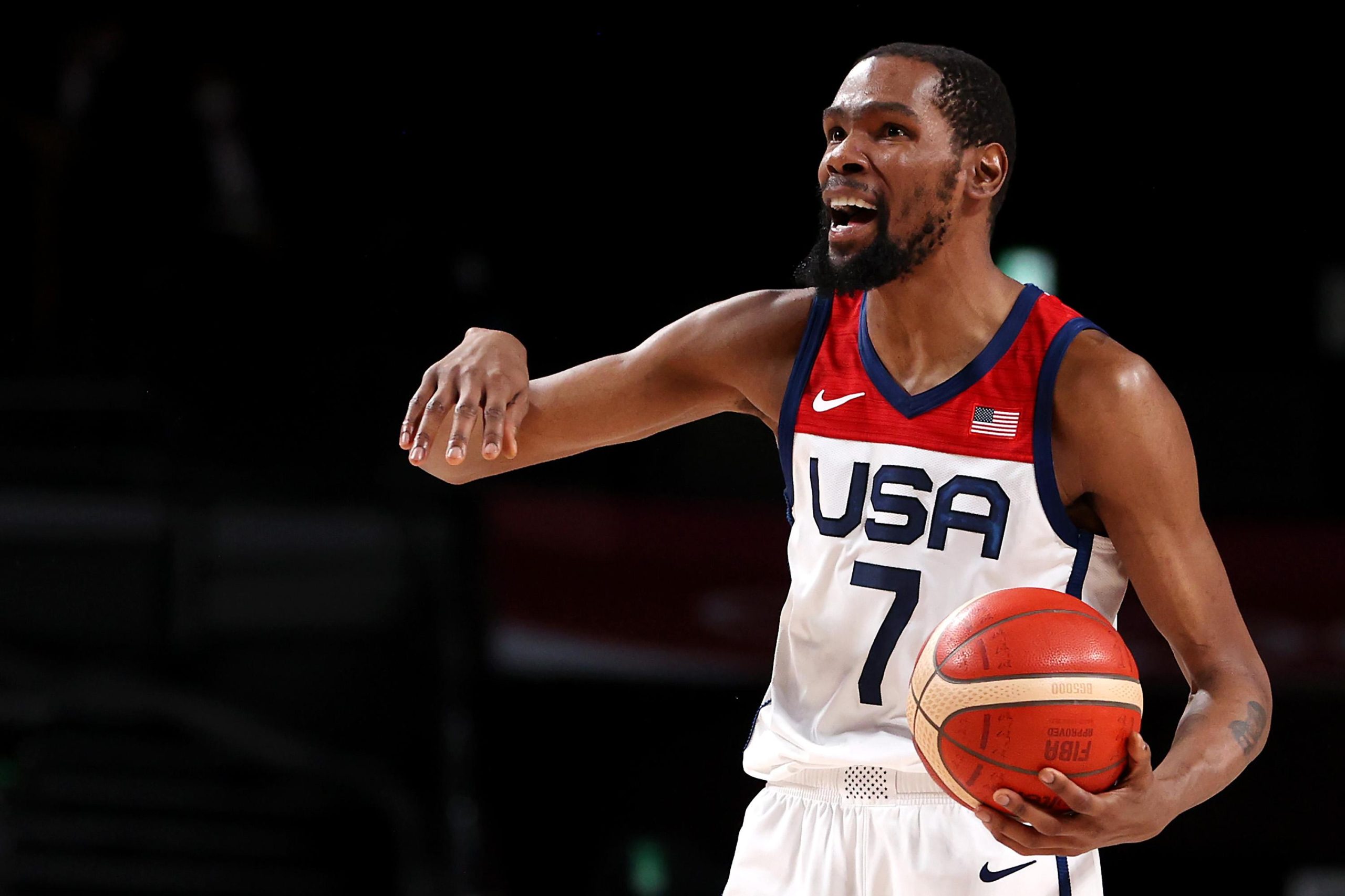
The decades-old feud between Chicago icons Michael Jordan and Isiah Thomas has been going on for so long that it’s practically been cooked to well-done. What began in the 1980s has continued up to this day, with Thomas claiming that the Chicago Bulls were built so well that Kevin Durant would still win six NBA rings if he replaced Jordan on the roster.
Pressed to expound on his comments further during his appearance on “The Crossover Podcast,” the legendary guard of the Detroit Pistons doubled down on his earlier statements, saying that Durant at the pinch post, with his height, length, and exceptional skills, would have had no problem dominating in the NBA Finals.
Durant’s Hypothetical Fit in Chicago
Thomas first touched on Durant’s hypothetical fit in Chicago, saying the grit and hyper-focus on hoops that the latter has shown throughout his career would no doubt allow him to mesh well with that dominant Bulls team that reigned in the 1990s. Thomas said this kind of fit is crucial when dealing with hypotheticals like these, as NBA history has shown that some players became Hall of Famers primarily because of their fit with a particular team.
“We talk about culture, and I’m going to start with the word culture first because here in Detroit, we got a culture. You got to be a certain way to play here. Everybody can’t play here. I don’t care how good you are,” Thomas said. “How pretty your jump shot is, how high you jump, and all that. This place ain’t for everybody. Ben Wallace can get off here. Ben Wallace, in another city, may not be in the Hall of Fame. Ben Wallace in Detroit? Oh, that’s our dude,” he added. “Bill Laimbeer in Detroit? That’s our dude. Bill Laimbeer in another city? He all right.”
The Case for Durant in the Triangle Offense
As talented as Jordan was, he became nearly unstoppable when Bulls head coach Phil Jackson placed him at either the pinch or low post in their famed “Triangle Offense.” With His Airness at that sweet spot, the defense was placed in a compromised situation that either Jordan, Scottie Pippen, or other Bulls role players could exploit.
Thomas argued that Durant’s skill set would translate seamlessly into that same system, surrounded by the same supporting cast that helped Jordan win six championships. “Kevin Durant with Scottie Pippen, Tony Kukoc, Dennis Rodman, or Horace Grant, or any of them other dudes that they had on that team, B.J. Armstrong, Craig Hodges. You put him in the triangle post,” Thomas explained. “Now, Kevin Durant, arguably the greatest mid-range scorer the league has ever seen. You put him in the triangle post in the NBA Finals those six times, and he’s guarded by Jeff Hornacek? Is he giving Hornacek numbers? Is he giving Nate McMillan and Gary Payton numbers?” he added.
In a separate appearance discussing the same hypothetical, Thomas offered an even more pointed assessment of how unguardable Durant would have been in that specific role within Jackson’s system. “KD would be a problem in that triple post. Who is guarding him? He’s catching it at the foul line, pinch post. He’s catching it at midrange on the low post,” Thomas said.
The Origins of the Hypothetical
Thomas first floated the provocative comparison during an earlier appearance on the “Run It Back” podcast, where he laid out the full scope of his argument. “And I said this to Kevin Durant, and I’m going to say this to all of you sitting on the panel. If you put him back in our era, put him in that triple post, that mid post area, take Michael Jordan out, and you give him Scottie Pippen, Toni Kukoč, Dennis Rodman, B.J. Armstrong, Craig Hodges around him. Would he have won six championships? Absolutely,” Thomas said at the time.
The Roots of the Thomas-Jordan Rivalry
The friction between Thomas and Jordan dates back decades and has never fully resolved itself, despite both men now being decades removed from their playing careers. While Jordan has long since moved on from his feud with Thomas, the Pistons legend has continued to take aim at his rival’s legacy at various opportunities over the years, with the Durant comparison representing his latest and perhaps most pointed shot.
NFL legend Shannon Sharpe offered his own theory on why Thomas continues to revisit the subject, suggesting the comments are rooted in a long-standing grievance rather than genuine basketball analysis. Speaking on the “Nightcap” podcast, Sharpe said he believes Thomas’ comments were made purely because of his grudge against the Bulls legend after he was left off the 1992 Dream Team. “It’s the dream team,” Sharpe said. “Isiah Thomas should have been on the dream team, no matter what you think. Thomas was a two-time champion at the time of the selection. Isiah Thomas was a two-time champion and a finals MVP.”
Why Phil Jackson’s System Mattered
Central to Thomas’ argument is the specific structure of Jackson’s offensive system, which the coach used to devastating effect across multiple championship runs with different personnel. Jackson mastered the triangle offense strategy, which guided him to 11 championships with the Bulls and later with the Los Angeles Lakers. In Chicago, his central figure in the system was Jordan, while in Los Angeles, it was Kobe Bryant. In the modern era, Golden State Warriors head coach Steve Kerr has come closest to replicating that system.
Thomas believes that Durant’s elite scoring capabilities would have made him similarly effective as the system’s central figure, given how the triangle offense was designed to unlock mid-range scorers by repeatedly putting them in advantageous positions on the floor.
Durant’s Own Relationship With Jordan’s Legacy
Despite Thomas’ provocative comparison, Durant himself has continued to publicly express respect for Jordan throughout his own career, even as he climbs the all-time scoring leaderboard. It is certainly nice to see Durant giving his flowers to Jordan as he chases Kobe Bryant for the fourth spot on that all-time list — a contrast that underscores the comparison was very much Thomas’ own framing rather than something Durant himself has actively pushed.
With Thomas continuing to revisit and expand on the hypothetical across multiple podcast appearances in recent months, the debate shows little sign of fading from the broader basketball conversation anytime soon. Whether viewed as legitimate historical analysis of roster fit and system design, or as the latest chapter in a decades-old personal grudge against Jordan, Thomas’ willingness to keep making the case publicly ensures the comparison between Durant’s game and Jordan’s championship legacy will likely continue generating discussion among fans and analysts well into the offseason.
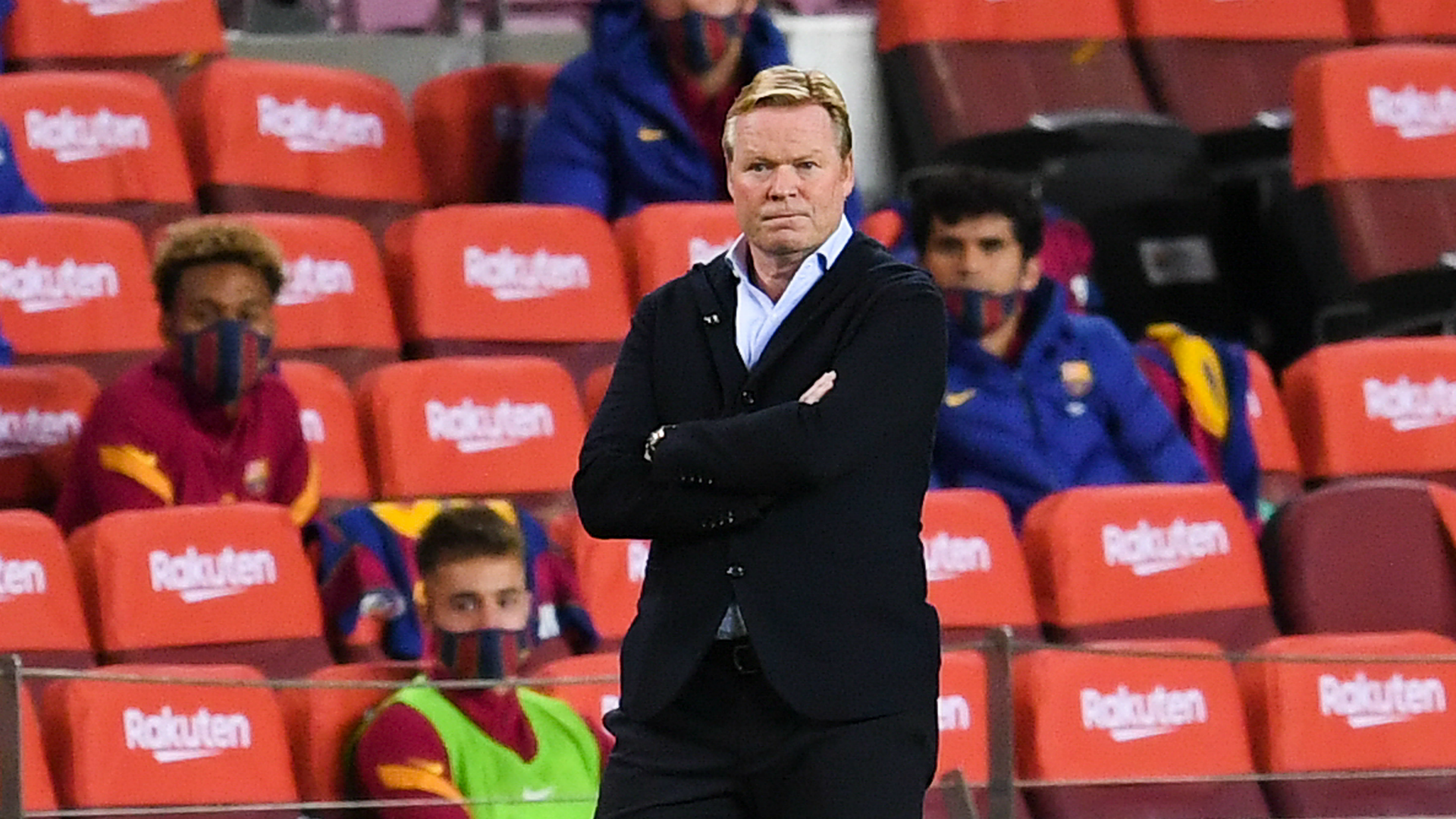
HOUSTON — European foes collide in Houston on Saturday when the Netherlands seek a first tournament victory at the expense of Group F’s current leaders Sweden. Conceding late to Japan in its opener has proven costly for the Oranje, who now find themselves chasing top spot heading into a pivotal clash at NRG Stadium.
A Costly Late Equalizer in the Opener
The Netherlands’ position in the group traces directly back to a heartbreaking finish in their tournament debut. The Oranje appeared to have wrapped up three points against Japan in their opener, only for Daichi Kamada to score an 88th-minute equalizer which consigned Koeman’s side to a 2-2 draw. Goals from Virgil van Dijk and Crysencio Summerville, either side of Keito Nakamura’s first equalizer, had the Dutch on course for victory, but Kamada’s deflected header from a late corner meant the spoils were ultimately shared.
Ronald Koeman’s men were not wholly convincing in the 2-2 stalemate last Sunday, but will still be regarded as favorites to progress from their group in first place.
Sweden’s Statement Win
Standing in the Netherlands’ way is a Swedish side that delivered one of the tournament’s most eye-catching results in the opening round. Sweden surprised a few with its thumping 5-1 victory over Tunisia, with the Premier League trio of Alexander Isak, Viktor Gyökeres, and Yasin Ayari all on the scoresheet. Graham Potter knows a much sterner test lies in wait at NRG Stadium this time around, though.
The scale of that result carries genuine historical significance for the Swedish program. Sweden’s five goals against Tunisia in their opener has already equalled their tally from the entire group stage at the 2018 World Cup, and they’ve only netted more group-stage goals in one of their previous six editions of the tournament — six goals back in 1994.
What’s at Stake
Victory will be enough for Sweden to qualify for the last 32 and would clinch top spot if teamed with a draw or win for Tunisia against Japan later in the day. The Netherlands cannot secure passage to the next round on Saturday, but would take a sizable step toward the knockout stage by collecting three precious points.
Sweden are currently top of Group F on three points, having beaten Tunisia 5-1 in their tournament opener, two points ahead of third-placed Netherlands, who drew 2-2 with Japan last time out. Netherlands will finish their group stage against Tunisia on June 25, and four points is likely to be enough to qualify for the next round, even if it means finishing third.
Historical Context Between the Two Nations
Despite Sweden’s strong start, history leans heavily in the Netherlands’ favor across the broader scope of the rivalry. Netherlands lead the overall head-to-head record with Sweden, having posted 12 wins from their 25 matches in all competitions, suffering eight defeats in the process. This match will represent just the second-ever meeting between the two teams at the finals of a World Cup, with their previous group-stage clash in 1974 finishing goalless. Netherlands made the final that year, ultimately losing to West Germany.
An Impressive Recent Unbeaten Run
Beyond the head-to-head history, the Netherlands carries a remarkable streak of resilience into Saturday’s match that speaks to their pedigree at this level of competition. The Dutch have avoided defeat in normal time in their last 13 World Cup games, dating back to losing 1-0 to Spain in the 2010 final — that’s the joint-longest unbeaten run by any team in the tournament’s history, alongside Brazil’s stretch between 1958 and 1966.
Both nations also share an unusual distinction in World Cup history. The Netherlands and Sweden are two of just five nations to have contested a World Cup final without winning — the Netherlands in 1974, 1978, and 2010, and Sweden in 1958 — meaning both Ronald Koeman and Graham Potter’s squads will be looking to advance as far as possible at this edition with that shared history in mind.
Predicted Lineups
The Netherlands is expected to field its strongest available squad for the pivotal clash. Ronald Koeman has a largely fit Netherlands squad available for this fixture. Virgil van Dijk leads the side as captain and will anchor the center of defense, likely alongside Micky van de Ven. Frenkie de Jong is expected in midfield alongside Ryan Gravenberch and Tijjani Reijnders, giving the Dutch control and athleticism through the center. Memphis Depay and Cody Gakpo are both available and likely to feature prominently in the attacking line, while Crysencio Summerville will be pushing for a continued starting role after his goal against Japan.
Netherlands predicted lineup in a 4-3-3 formation: Bart Verbruggen; Micky van de Ven, Virgil van Dijk, Jan Paul van Hecke, Denzel Dumfries; Frenkie de Jong, Ryan Gravenberch, Tijjani Reijnders; Cody Gakpo, Donyell Malen, Crysencio Summerville.
The Betting Market’s View
Despite Sweden’s position atop the group standings, oddsmakers and statistical models continue to favor the Netherlands heading into Saturday’s contest. The Opta supercomputer makes the Netherlands favourites for this game against Sweden, winning 55.9% of its 25,000 pre-match simulations.
That sentiment was echoed by other analytical assessments of the matchup. The market still favors the Netherlands despite the table, a sign that the books trust their squad depth over Sweden’s hot start. But Sweden have the tournament’s most in-form strike pairing in Alexander Isak and Viktor Gyokeres, who feasted on Tunisia, and a Dutch back line that just conceded twice will be wary.
Match Details
This World Cup Group F fixture will be played on Saturday, June 20, at 1 p.m. Eastern Time at NRG Stadium in Houston, Texas. The match will be available to watch live on FOX in the United States, available via cable and live streaming services such as YouTube TV. In the United Kingdom, the match is live on BBC and BBC iPlayer, with kickoff at 17:00 BST, with coverage free-to-air and available to stream with no subscription required.
With the third of just four all-European meetings in the 2026 World Cup group stage taking center stage in Houston, both teams enter Saturday’s clash eager to build momentum from the opening round of matches. A win for Sweden would all but guarantee a place in the next round and could clinch top spot in the group outright depending on results elsewhere. For the Netherlands, anything less than a victory would not necessarily end their tournament hopes, but it would significantly complicate their path back to the top of a group they entered as the pre-tournament favorites to win.

SpaceX stock has become one of the hottest topics on Wall Street following its blockbuster initial public offering, with shares swinging dramatically in the days since the company’s historic Nasdaq debut — leaving investors sharply divided over whether the stock represents a buying opportunity or a warning sign of overheated speculation.
Where the Stock Stands Now
As of June 19, 2026, SpaceX is trading at a share price of $185.00, with a previous close of $191.82. The stock has fluctuated within a day range of $172.11 to $190.00, while its 52-week range spans from $135.00 to $225.64.
That range tells the story of an extraordinarily volatile first week of trading. SpaceX shares closed at $201.80 on June 16, giving the company a market capitalization of approximately $2.6 trillion. The stock had already approached the highest published analyst target of $227 within days of going public, despite the rapid swings that followed.
How We Got Here: The IPO
SpaceX completed its IPO on June 12, 2026, to list on the Nasdaq under ticker SPCX. The company raised $75 billion at an implied valuation of $1.75 trillion. After debuting at $135 per share, SPCX surged to an intraday high of $225.64 within just three trading sessions, a remarkable run that immediately made the stock one of the most discussed names in the market.
What the Analyst Consensus Says
Wall Street’s formal coverage of the newly public stock remains in its earliest stages, but the available ratings lean cautiously positive overall. The average 12-month price target for SpaceX is $187.80, with a high estimate of $310 and a low estimate of $62. Six analysts recommend buying the stock, while one suggests selling, leading to an overall rating of Buy.
That said, other consensus tracking shows a somewhat less optimistic average. Current analyst targets range between $63 and $227 over the next 12 months. The consensus estimate stands near $164, which is below the recent trading price — suggesting that, by at least one measure, the stock may already be trading ahead of where the average analyst believes it should be valued.
The Bull Case
Investors making the case to buy point to several concrete catalysts that could continue supporting the stock in the near term. Two catalysts define the path forward. First, the June index rebalance creates forced institutional buying that compresses available float. Second, Starlink’s 12 million subscribers, plus expanding enterprise and government contract wins, keep the company’s cash engine compounding.
Macro conditions have also shifted in a direction that could benefit a long-duration growth story like SpaceX. The Federal Reserve’s funds rate sits at 3.75%, down 75 basis points since September, which lowers the discount rate applied to long-duration cash flows tied to orbital computing and satellite infrastructure. KGI Securities has initiated coverage at an Outperform rating, while prominent investor Cathie Wood reportedly purchased 3.3 million shares on the day of the IPO itself.
One prominent bull case argues that any meaningful pullback could represent a buying opportunity rather than a reason for concern. A macro-driven slide to $140 would reset the entry point on what some view as the most strategically positioned space-and-AI platform in the market, at roughly a 13% discount to current trading levels.
Oppenheimer’s Timothy Horan was the first analyst outside the IPO’s underwriting syndicate to publish a formal rating, setting a $190 price target with an Outperform rating. His thesis rests on a single core argument: no other publicly traded company operates across SpaceX’s three primary verticals — launch services, satellite connectivity, and artificial intelligence — simultaneously. That argument may carry weight, though it didn’t stop the broader market from surpassing his target within 48 hours of the rating’s publication.
The Bear Case
Skeptics of the stock point to the company’s underlying financials, which show a business still burning significant cash despite its enormous headline valuation. The consolidated business lost $1,943 million from operations in the first quarter of 2026 on $4,694 million in revenue. AI segment capital expenditures hit $7,723 million in that same quarter, dwarfing spending on the Space and Connectivity segments combined.
That dynamic has led some analysts to question whether the current valuation can be justified using traditional methods. Morningstar analyst Nicolas Owens set a price target of just $63 — a figure that has received less attention than it arguably deserves. Owens did not arrive at that number carelessly; he ran a probability-weighted discounted cash flow model on SpaceX’s projected cash flows, the same methodology used to value virtually every other major publicly traded company.
Bears argue this is fundamentally a cash-burning growth story trading at a valuation exceeding a trillion dollars with no current earnings to anchor that price.
What Retail Sentiment Looks Like
Beyond the institutional debate, sentiment among everyday retail investors has cooled somewhat from the euphoria that characterized the stock’s initial trading days. Reddit sentiment moderated from a peak reading of 76, characterized as bullish, down to 49, a neutral reading. One widely upvoted post on the platform argued that people are treating SPCX “like a guaranteed lottery ticket” — a critique aimed at the speculative fervor that drove the stock’s initial spike.
What Could Change the Picture
Both bulls and bears have identified specific developments that could meaningfully shift the trajectory of the stock from here. On the bullish side, sustained institutional buying tied to index inclusion and continued growth in Starlink’s subscriber base and enterprise contracts would support the case for further gains. On the bearish side, several specific developments could invalidate the more optimistic thesis: a sustained break below $140 with no institutional buying support, a collapse in Starlink’s average revenue per user beyond its current 22.9% decline, or a regulatory setback affecting the integration of Musk’s AI venture, xAI, into the broader SpaceX corporate structure.
The Bottom Line
There is no single answer to whether SpaceX stock is a buy or a sell right now, and the wide dispersion in analyst price targets — ranging from $63 to $310 — reflects genuine, substantive disagreement among professional investors about how to value a company operating across rocketry, satellite internet, and artificial intelligence simultaneously, with no directly comparable publicly traded peer.
For investors weighing a position, the decision likely comes down to time horizon and risk tolerance: those focused on near-term cash flow and traditional valuation metrics may find the bear case compelling given the company’s current operating losses, while those betting on the long-term strategic value of SpaceX’s combined launch, connectivity, and AI infrastructure may see further upside, particularly around catalysts like index inclusion. As with any investment decision, especially one involving a stock this newly listed and this volatile, it’s worth doing your own research, considering your personal financial situation, and consulting a qualified financial advisor before making a decision — this overview is intended to lay out the facts and competing perspectives, not to tell you what to do with your money.


Soccer-How a warm World Cup welcome is endearing the US to fans

New Fed Chair Changes The Conversation
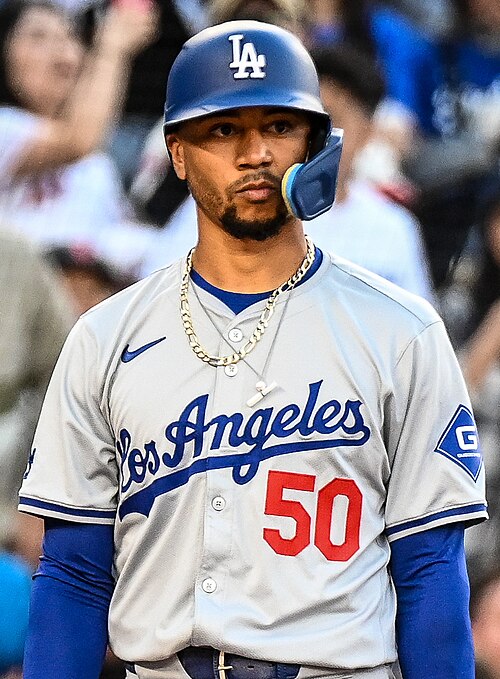
The slump of Los Angeles Dodgers shortstop Mookie Betts, 33, is deepening, with no sign of him escaping his worst career batting slump as the season reaches its midpoint.
The U.S. publication California Post reported on Betts’ batting struggles, stating that Betts, who missed over a month due to an oblique muscle injury, has only a .233 batting average in 40 games. This is 0.085 lower than his career average and 0.055 lower than his personal lowest batting average of .258 last year.
The Numbers Behind the Slump
Betts has recorded a .233 batting average, with 32 hits in 158 at-bats, seven home runs, 18 RBI, an on-base percentage of .266, a slugging percentage of .367, and an OPS of .633 in 40 games this season. His wRC+ sits at 75, far below average. In every meaningful offensive category, these represent his worst career numbers.
Even his return from injury has failed to provide the spark many hoped for. Since returning from injury on May 12, he has played 32 games with a .283 batting average, 27 hits in 130 at-bats, five home runs, 11 RBI, and an OPS of .616, continuing his broader slump even as that specific stretch showed marginal improvement over his season-long average.
Ranked Below a Demoted Teammate
The depth of Betts’ struggles is perhaps best illustrated by a direct comparison to a teammate who was recently sent down to the minor leagues. His batting metrics are worse than those of Kim Hye-seong, who was sent down to Triple-A Oklahoma City Dodgers due to inconsistent hitting, with Kim posting a .259 batting average, .651 OPS, and 85 wRC+ before his demotion. Among 15 Dodgers batters with at least 10 plate appearances, Betts ranks last.
Struggling in the Lineup and With Runners On
The Dodgers have tried multiple approaches to address the issue through lineup positioning, without success. His batting order started at third, moved to second, and is now fixed at fourth, but he keeps failing in clutch situations. His batting average with runners in scoring position is .154, with 13 hits in 39 at-bats, and an OPS of .543 — even worse than his overall numbers.
The Unluckiest Hitter in Baseball?
Despite the discouraging surface-level statistics, advanced metrics suggest Betts may be performing significantly better than his results indicate, raising questions about whether bad luck is playing an outsized role in his struggles. The California Post noted that considering the quality of Betts’ contact, his performance should be much better. According to Baseball Savant, Betts’ expected batting average, which factors in exit velocity and launch angle, is .277, showing the largest gap of .074 between expected and actual batting average among all MLB hitters. He might be the unluckiest hitter in the league right now.
A Painful Moment That Captured the Frustration
One specific at-bat from earlier this month came to symbolize the broader pattern defining Betts’ season. On the 17th against the Tampa Bay Rays, a 101.3 mph line drive in the sixth inning flew straight to the shortstop. The ball, which had a 64% hit probability, was caught, leaving Betts visibly disappointed.
“I have to accept things like that. It’s really painful to accept, but what can I do?” Betts said. He added, “The coaches are helping me maintain a positive mindset. I’m truly grateful for that.”
Diagnosing His Own Swing Issues
Betts has taken an active role in trying to identify exactly what’s gone wrong with his approach at the plate, offering a candid self-assessment of his mechanical struggles. He diagnosed the bad luck himself, saying, “Expected numbers are not actual records.” He often mentioned, “My swing gets cut short,” and “I don’t follow the ball all the way and end up pulling it.” Even when he hits the ball hard, he fails to lift it powerfully.
Betts explained his broader philosophy regarding contact quality: “I don’t necessarily want to hit fly balls. I just don’t want ground balls. In the majors, ground balls are outs,” emphasizing the need to hit the ball with more authority and elevation.
An Unfamiliar Level of Mechanical Scrutiny
For a player who has spent most of his career as one of the game’s most naturally gifted hitters, the current process of dissecting his own swing represents new and uncomfortable territory. Betts is deeply analyzing his swing mechanics, scrutinizing everything from body positioning to swing angles and where the ball makes contact on the bat.
“I never had to think about such details in my life. I instinctively knew how to hit for hits, but not anymore,” he said. “I’m not sure exactly why, but if I’m not perfect, my stance is bad, and I don’t hit the center of the bat, I have no chance.” He revealed he is struggling to make the changes he believes are necessary.
A Broader Decline, Possibly Tied to Age and Position Change
Betts’ struggles this season did not emerge in isolation, but rather extend a downward trend that began to show itself last year. At 33 years old, entering his mid-30s, some evaluate this as a natural “aging curve.” Last year, he also had his worst career performance, batting .258 with 152 hits in 589 at-bats, 20 home runs, 82 RBI, and an OPS of .732 in 150 games. This year, his performance has plummeted further.
Physical attributes may also be playing a role in his decline. Standing 175 centimeters and weighing 81 kilograms, he has a smaller frame and below-average bat speed. He switched to shortstop last year and has shown top-10% defensive skills in the league, but the defensive burden might have affected his hitting.
Manager Dave Roberts Weighs In
Dodgers manager Dave Roberts offered a candid assessment of where things currently stand with his struggling star. “In a nutshell, Betts is still searching for answers,” Roberts said. “He’s been looking all season, and I don’t think he’s found the right answer yet.”
Signs of Adjustment, and Time to Recover
Despite the discouraging numbers, Betts has begun making mechanical changes that he believes could help turn his season around. Recently, he slightly adjusted his mechanics to simplify his swing and stated that he is hitting more aggressively and improving his launch angle.
With the season only halfway through, Betts still has plenty of opportunities to bounce back, and the significant gap between his actual and expected batting average offers at least some statistical basis for optimism that better results may be on the horizon if his underlying quality of contact continues at its current level.
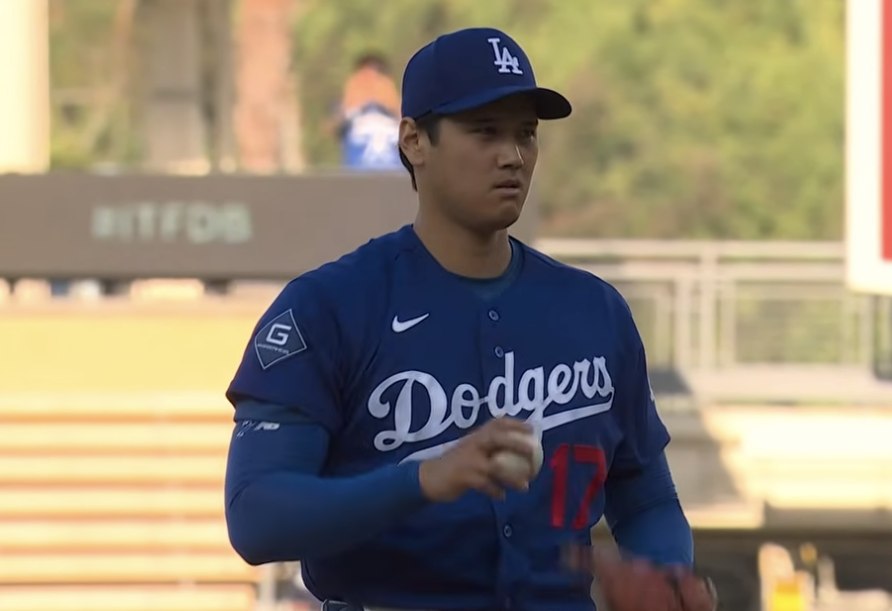
Shohei Ohtani is once again breaking baseball. Through the first months of the 2026 season, the Los Angeles Dodgers’ two-way phenom is pitching at a historical level on the mound — yet despite putting up numbers that rival the greatest pitching seasons of the modern era, Ohtani remains far from a lock to finally claim the one major individual honor that has eluded him throughout his career: the Cy Young Award.
A Career-Long Pursuit
The Cy Young chase is not a new ambition for Ohtani, but rather one that traces back to his earliest baseball aspirations. When Shohei Ohtani was in high school in Iwate, Japan, he wrote down a list of life goals, many of them tied to baseball. In nine Major League seasons so far, he’s already produced a body of work that is unmatched in the game’s history as a superstar on the mound and at the plate. He’s a four-time MVP — one of only two players in MLB history to win more than three MVP honors — a five-time All-Star, a four-time Silver Slugger Award winner, the 2025 National League Championship Series MVP, and a two-time World Series champion. But the Cy Young Award has eluded him, and he wants it badly. On his high school list, he had penciled in a goal of winning that honor by age 22 — a lofty aspiration even for a player as supremely talented as Ohtani.
A Historically Dominant Stretch
Early in the 2026 season, Ohtani delivered exactly the kind of statement performance that suggested this could finally be the year. Shohei Ohtani’s quest for the Cy Young Award began with six shutout innings for the Los Angeles Dodgers in his first outing on the mound this season. At the plate, the two-way superstar went 1 for 3 with two walks and a strikeout in a rainy 4-1 win over the Cleveland Guardians.
That dominance continued deep into the season. Through his first 10 starts of the 2026 campaign, Ohtani was pitching to a minuscule 0.74 ERA, the third-lowest mark of any pitcher since earned runs became an official statistic in 1913. Only Jacob deGrom, who posted a 0.56 ERA in 2021, and Juan Marichal, who posted a 0.59 ERA in 1966, have ever recorded better marks at that point in a season. Ohtani’s outward metrics backed up the historic ERA: he pitched to a 0.787 WHIP with 67 strikeouts and only 18 walks, a 3.72 strikeout-to-walk ratio. The underlying advanced metrics loved him even more, with a 100th percentile Pitching and Breaking Run Value and a 98th percentile Fastball Run Value.
A More Recent Rough Patch
Despite that dominant stretch, Ohtani’s invincibility on the mound has shown some cracks more recently. In a start against the Pittsburgh Pirates, Ohtani experienced what was statistically the worst pitching outing of his season, with three earned runs, six hits, and three walks allowed across 6 2/3 innings. He was pulled mid-inning for the first time all season, with a two-out, two-run, seventh-inning double from Pirates second baseman Brandon Lowe ultimately knocking him from the game. Even with that rougher outing factored in, Ohtani’s ERA rose to a still-minuscule 1.06, underscoring just how big a cushion his earlier dominance had built.
The Central Obstacle: Innings
Despite the eye-popping rate statistics, the central question hanging over Ohtani’s Cy Young candidacy has nothing to do with his ability and everything to do with workload. In order to protect Ohtani’s arm and their investment in him, the Dodgers have exclusively used a six-man rotation this year. Because of this, his innings totals naturally lag behind the rest of the league — a structural deficit that voters have historically weighed heavily when comparing starting pitchers for the award.
That workload concern is not new to this season. Ohtani has qualified for an ERA title only once in his career. He pitches for the Los Angeles Dodgers, a team that has the luxury of slow-playing their starting pitchers until the postseason, given the organization’s deep roster and championship aspirations.
The Competition He’s Up Against
Ohtani also faces a deep and accomplished field of National League starting pitchers, several of whom have posted their own historic numbers this season while throwing significantly more innings. Rivals for the award include Phillies left-hander Cristopher Sánchez, who posted a 1.47 ERA over 79 1/3 innings; Brewers phenom Jacob Misiorowski, with a 1.65 ERA and an incredible 39.6% strikeout rate; and reigning NL Cy Young winner Paul Skenes of the Pirates, who has a 2.89 ERA over 65 1/3 innings.
To overcome the innings disadvantage built into his usage pattern, Ohtani will likely need to finish with an ERA under 2.00 over the full season in order to compensate. Whether he can sustain his historically low ERA over a complete campaign remains an open question — the lowest ERA for a qualified starter since the pitching mound was lowered to its current height in 1969 belongs to Dwight Gooden, who posted a 1.53 ERA over 35 starts for the Mets in 1985.
A Strikeout Rate Slightly Below His Career Norm
One additional data point working against Ohtani’s case involves his strikeout rate relative to his own established career standard. Ohtani’s career strikeout rate as a pitcher is 31.1%. So far in 2026, he’s below that figure, at 28.6%. With Misiorowski posting historic velocity-driven strikeout numbers unlike anything seen before, Ohtani will need to find ways to close that gap if he hopes to compete directly with the league’s most dominant strikeout artists on a rate basis.
What a Realistic Path Looks Like
Entering the season, evaluators had a useful baseline for projecting what an award-worthy Ohtani campaign might look like. On a per-162-game basis, he had averaged a 13-7 record with a 3.00 ERA, a 143 ERA+, 228 strikeouts, and 5.5 bWAR entering this season — numbers that would have represented a great jumping-off point even before accounting for his historically dominant early-season form in 2026.
With the season now past its midpoint, Ohtani’s Cy Young case will likely come down to two intertwined factors: whether he can sustain an ERA in the range that compensates for his reduced innings total under the Dodgers’ six-man rotation, and whether voters are ultimately willing to reward dominant rate statistics over the larger workloads posted by rivals like Sánchez, Misiorowski, and Skenes. Given Ohtani’s unprecedented two-way burden and the historic nature of his rate numbers through the season’s first half, his candidacy remains a genuine storyline to track — even if the most decorated player of his generation still has work to do to finally cross his lifelong goal off the list.
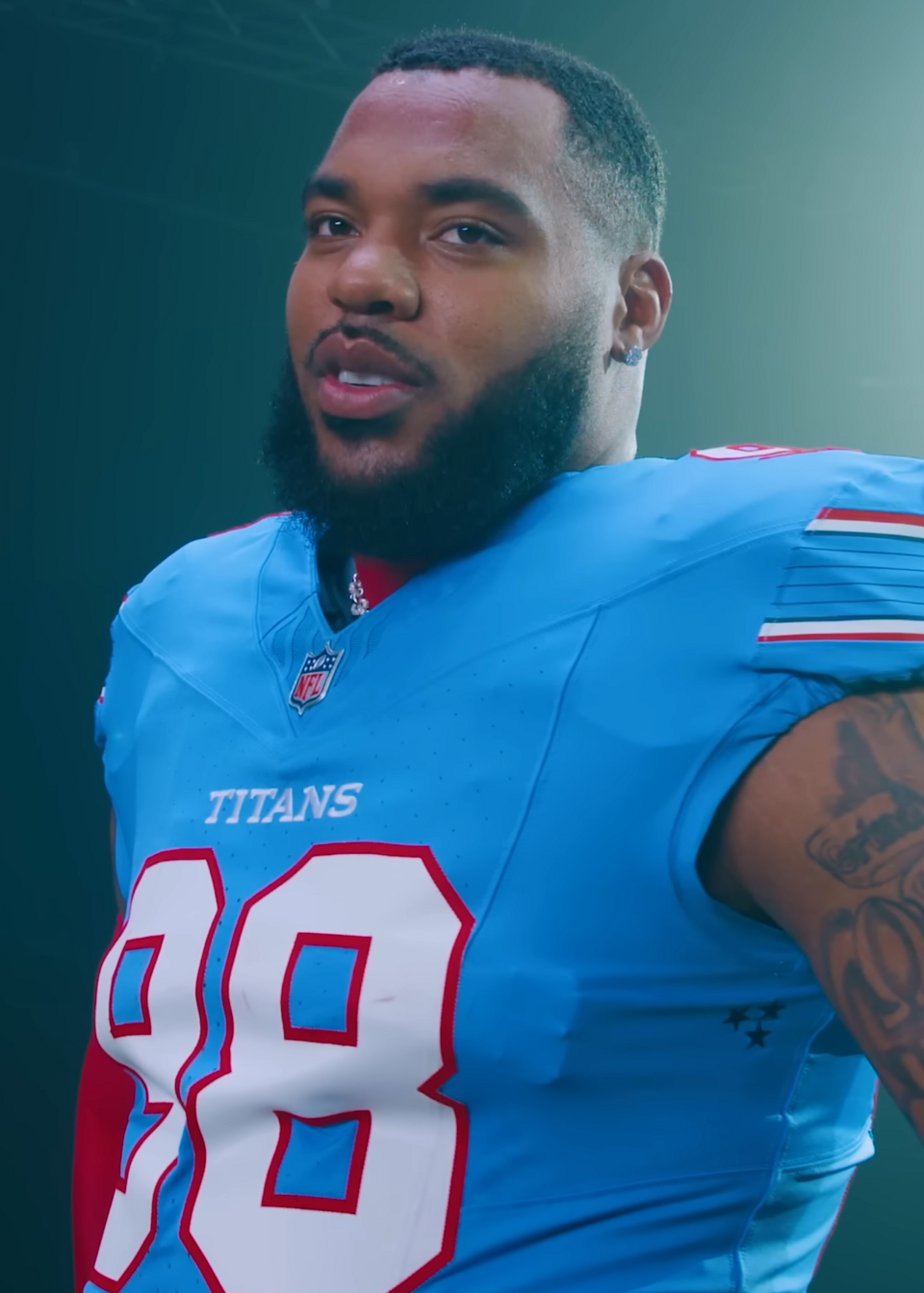
The Tennessee Titans agreed to a rich contract extension with star defensive tackle Jeffery Simmons on Friday, cementing the franchise’s commitment to its defensive cornerstone for years to come.
The Financial Terms
The Titans did not reveal financial terms, but multiple reports have Simmons receiving a three-year extension worth $105.8 million — with $100 million guaranteed — through the 2030 season.
The $35.27 million annual average salary makes Simmons the highest-paid defensive tackle in NFL history, surpassing the Kansas City Chiefs’ Chris Jones, who previously held the mark at a $31.75 million average.
A Career-Best Season
The extension comes on the heels of arguably the finest individual season of Simmons’ career. Simmons, a four-time Pro Bowl selection, recorded a career-best 11 sacks in 2025. He also set personal bests with 17 tackles for loss and 21 quarterback hits. The 28-year-old has played all seven of his NFL seasons with the Titans, never having worn another team’s uniform since entering the league.
Simmons was a first-team All-Pro as well as a Pro Bowl pick last season while contributing 67 tackles and three forced fumbles to go with his lofty sack total — a level of all-around production that placed him among the most disruptive interior defenders in the entire league.
Simmons’ Statement on the Deal
Simmons expressed deep gratitude toward the organization that drafted him and has remained his only NFL home throughout his career. “Tennessee has become a second home for me,” Simmons said in a news release. “From day one, this organization believed in me, and I’m grateful for the opportunity to continue to pour into this franchise and community. I want to thank God, my family, my teammates, Ms. Amy (Adams Strunk, the owner) and the entire Titans organization for believing in me. My job isn’t finished. I believe in this locker room and this staff, and I’m focused on helping this team get back to competing for championships.”
Career Numbers Since Entering the League
Simmons has built one of the most consistently productive careers among interior defensive linemen since being drafted by Tennessee. He has 376 tackles, 42.5 sacks, 66 tackles for loss, eight forced fumbles, and six fumble recoveries in 99 games, with 97 starts, since entering the NFL in 2019.
The General Manager’s Perspective
Titans general manager Mike Borgonzi emphasized both Simmons’ on-field dominance and his broader value to the organization in explaining the decision to lock him up long-term. “Jeffery Simmons is a pillar for our franchise and embodies what it means to be a Titan,” Borgonzi said in the news release. “He’s the premier defensive tackle in the National Football League and you win with players like Jeffery.”
Borgonzi extended his praise beyond Simmons’ play on the field, pointing to his standing within the locker room and the broader Nashville community. “Not only is his leadership on the field what we want our program to represent, but off the field, he sets the standard for our community,” Borgonzi said. “You always want to keep your best players and we accomplished that today. We’re excited for Jeffery to be here in Nashville for the long haul.”
A Brief Playoff Résumé Tied to an Earlier Era
Simmons’ lone stretch of postseason football came earlier in his career, during a period when the Titans were consistently competing for championships under a different head coach. Simmons has played in five career playoff games, all coming in 2019-21 during Mike Vrabel’s stint as head coach. He recorded three sacks against the Cincinnati Bengals in a 19-16 AFC Divisional round loss on January 22, 2022 — a performance that remains one of the signature individual showings of his postseason career, even in defeat.
What the Deal Means for Tennessee’s Defense
The extension provides the Titans with long-term cost and roster certainty at one of the most valuable defensive positions in modern football, locking in their best defensive player through the 2030 season at a position the organization has clearly identified as foundational to its rebuilding efforts. With Simmons signed through the end of the decade, Tennessee’s front office now has a clear anchor around which to continue building out the rest of its defensive personnel in both the draft and free agency.
The timing of the deal, coming off a career-best statistical season, also reflects the Titans’ apparent confidence that Simmons, now entering his late 20s, has not yet reached the peak of his physical abilities — a significant bet for any franchise to make on an interior defensive lineman, a position where workload and physical wear can often accelerate decline compared to other roles on the field.
A Statement of Franchise Direction
Beyond the financial and on-field implications, the extension also serves as a broader signal of how the Titans intend to approach roster construction as the franchise looks to climb back into playoff contention. By making Simmons the highest-paid player at his position in NFL history, Tennessee has effectively staked its rebuilding timeline to its homegrown star, betting that his combination of disruptive interior pass-rush ability and locker-room leadership will be central to any future return to postseason football.
With Simmons now signed through 2030, the Titans’ immediate offseason focus will likely shift toward continuing to build complementary pieces around him on both sides of the ball as the franchise works to return to the level of competitiveness it experienced during the Vrabel era, when Simmons made his only playoff appearances to date. For Simmons personally, the extension provides long-term financial security and a clear vote of confidence from ownership and the front office — but as he made clear in his own statement on the deal, his stated focus remains on helping the franchise get back to competing for championships, rather than simply collecting the record-setting contract now in hand.

Bitcoin’s Next Move Could Shock Everyone

Rory McIlroy makes defiant statement despite US Open chaos

Can Jung Hoo Lee Win the 2026 MLB Batting Title? Inside His Hot Stretch With the Giants


-

 Business6 days ago
No Jackpot Winner as $257 Million Prize Rolls Over to $269 Million Monday Draw
-
 Crypto World5 days ago
Zimbabwe Requires Crypto Businesses to Register Annually Under New FIU Regulations
-

 Fashion15 hours ago
Weekend Open Thread: Miami – Corporette.com
-
 Entertainment6 days ago
Matt Damon’s Viral Sci-Fi Thriller Has Taken Over HBO Max
-

 Tech6 days ago
As AI companies race to go public, who else is along for the ride?
-

 Business6 days ago
Anthropic staff to meet White House officials next week, Axios reports
-
 Crypto World6 days ago
Bitcoin could crash to $48,000, if this historical pattern is triggered
-
 NewsBeat6 days ago
what doctors are seeing in ebike crashes
-
 NewsBeat6 days ago
Warning of disruption as Cardiff Crossrail works to start
-
 NewsBeat6 days ago
Tributes to former deputy head teacher at Cambridge school among death and funeral notices
-

 Politics6 days ago
“Israel’s” ban on ICRC visits ruled illegal, but Knesset moves to stop them permanently
-

 Entertainment6 days ago
Deion Sanders Shares Powerful Post After Viral Advice To Deiondra
-

 News Videos6 days ago
Financial Accounting | Last Day Revision Strategy and Booster | CMA Inter – June 2026
-
 Entertainment6 days ago
Kate Middleton Glare Goes Viral After Kids Booed At Royal Event
-

 Tech5 days ago
Over 400 Arch Linux packages compromised to push rootkit, infostealer
-

 Crypto World6 days ago
XRP ETFs Outperform As Bitcoin And Ethereum Funds Extend Outflow Trend
-

 Business6 days ago
Invesco Quality Income Fund Q1 2026 Commentary
-
 Crypto World6 days ago
Market Preview: SpaceX (SPCX) IPO Record, Federal Reserve Meeting, and Iran Nuclear Agreement
-

 NewsBeat6 days ago
Singer Oliver Tree dies aged 32 in helicopter crash in Brazil
-

 Sports6 days ago
Dick Advocaat’s Curacao scores first-ever World Cup goal against Germany
You must be logged in to post a comment Login