Connect with us

Business

Lumentum: This Optical Shortage Is Getting Even Bigger

Published

on

Lumentum: This Optical Shortage Is Getting Even Bigger
Continue Reading
Click to comment

You must be logged in to post a comment Login

Leave a Reply

Business

IDEXX Laboratories, Inc. (IDXX) Analyst/Investor Day Transcript

Published

on

OneWater Marine Inc. (ONEW) Q1 2026 Earnings Call Transcript

IDEXX Laboratories, Inc. (IDXX) Analyst/Investor Day August 13, 2026 8:00 AM EDT

Company Participants

Michael Erickson – CEO, President & Director
Julie Godon – Senior VP & Global Marketing Officer
George Fennell – Executive Vice President of Global CAG Commercial
Michael Lane – Executive VP and GM Global Reference Laboratories, Diagnostic Solutions & Information Technology
Pooja Pathak
Tracy Byers
Michael Schreck – Executive VP & GM of Veterinary Software and Services, Corporate Accounts and Customer Experience
Andrew Emerson – Executive VP, CFO & Treasurer

Advertisement

Conference Call Participants

Joanna Malone – VetPartners UK Holdings Ltd.
Jonathan Block – Stifel, Nicolaus & Company, Incorporated, Research Division
Erin Wilson Wright – Morgan Stanley, Research Division
Michael Ryskin – BofA Securities, Research Division
Navann Ty Dietschi – BNP Paribas, Research Division

Presentation

Advertisement

Michael Erickson
CEO, President & Director

Good morning. Good morning, everybody, and welcome to the 2026 IDEXX Investor Day. A very warm welcome to all of you who are here in the room with me at our global headquarters in Westbrook, Maine, and also to all of you who have joined virtually on the webcast. I’m Mike Erickson, President and CEO of IDEXX, and I’m delighted to be with you here along with members of the IDEXX management team. And we have a very full agenda for you today, and so let me just walk through what we have planned.

I’m going to get us started with an overview of our innovation-driven growth strategy and the very compelling opportunity that we see ahead of us. And then following me, Julie Godon will come on stage and she’ll share an update on veterinary sector trends and some of our latest insights across pets, practices and owners. After Julie, George Fennell will come on stage and George will bring to life how our commercial team partners with customers and how we’re executing on our global commercial expansion playbook. We’ll then

Advertisement
Continue Reading

Business

LeBron James Launches YouTube Channel at 41, Asks Son Bronny to ‘Teach Him the Game’

Published

on

Stephen Curry

LeBron James, one of the most recognizable athletes in the world with more than 154 million Instagram followers, has officially launched a personal YouTube channel at age 41, turning to his son, Los Angeles Lakers guard Bronny James, for guidance on how to navigate the platform.

Despite his enormous social media following and decades in the public spotlight, James had never previously operated a personal YouTube channel before this launch. His debut content included a lighthearted exchange with Bronny, in which the elder James asked his son to explain a basic feature of YouTube videos: the outro, the closing segment creators typically use to ask viewers to like, subscribe and enable notifications. According to footage from the exchange, James admitted he had never watched a YouTube outro before in his life, prompting him to ask Bronny to “teach him the game” of content creation.

The moment was filmed during a recent golf outing that included LeBron, Bronny, Lakers guard Austin Reaves and a pair of golf-focused YouTube creators, according to footage circulating from the session.

The dynamic between father and son carries a notable role reversal, given Bronny’s own background in online content creation. Before beginning his professional basketball career, Bronny built a substantial following as a teenage livestreamer, a pursuit he stepped away from in order to focus more fully on basketball. That earlier experience appears to have positioned him as an informal mentor to his father as LeBron now enters the same space himself, decades into his own career.

Advertisement

LeBron’s first video posted to the new channel was a lengthy production, running more than 90 minutes, documenting the Cleveland Cavaliers’ 2016 championship reunion golf outing, an event that had generated months of online speculation among fans regarding what actually took place during the trip. The extended runtime and behind-the-scenes access offered in the video reflect an approach more akin to long-form lifestyle content than traditional short highlight clips, suggesting James may be positioning the channel as a more personal, unscripted complement to his existing media ventures.

Although this marks James’ first individually branded YouTube channel, he has maintained an active presence on the platform through other media projects for roughly a decade. His media company, UNINTERRUPTED, previously produced “The Shop,” a recurring series in which James held informal conversations with other prominent athletes and entertainers set inside a barbershop, a show that ran regularly for several years before eventually winding down.

James has also hosted “Mind the Game,” a basketball-focused podcast he has produced intermittently over the past three seasons. The show originally featured JJ Redick as co-host during its first season before Redick was hired as the Los Angeles Lakers’ head coach following that season, prompting a change in the podcast’s lineup. Steve Nash subsequently stepped in as Redick’s replacement, and the show continued with regular episodes throughout the most recent season.

James’ new personal channel appears likely to focus on more intimate, lifestyle-oriented content, potentially offering fans a closer look into aspects of his personal life beyond basketball. However, given his upcoming commitments on the court, more substantial content may not appear regularly until after his playing career concludes. James is set to begin his debut season with the Philadelphia 76ers this October, following his decision to sign with the franchise after departing the Los Angeles Lakers as a free agent this offseason, a move that ended his tenure with the team that had employed him for the bulk of his most recent NBA seasons.

Advertisement

James’ move to Philadelphia represents one of the more significant offseason storylines across the NBA, given his stature as one of the sport’s most accomplished and closely followed players. Reaction to the decision has continued to generate commentary from current and former players. Former NBA guard and current broadcaster Rajon Rondo has publicly praised James’ choice to sign with the 76ers, describing the decision as “brilliant” in comments made following the move.

James’ departure from the Lakers has also carried broader organizational implications for the franchise. According to separate reporting, Lakers governor Jeanie Buss has expressed opposition to a potential sale of the team, even as league rules under discussion could eventually require Buss to relinquish her role as team governor depending on how any ownership transition unfolds, a situation that has continued to generate speculation regarding the franchise’s long-term ownership structure independent of James’ own departure.

James’ foray into personal YouTube content also arrives amid a broader trend of professional athletes building independent media platforms and personal brands outside traditional team and league channels, a shift that has accelerated across professional sports in recent years as athletes increasingly seek direct relationships with fans through social media and video platforms rather than relying solely on traditional broadcast and print coverage.

As James enters his 23rd NBA season this fall with a new franchise, his expanding media ventures, including this newly launched personal YouTube channel, suggest a continued effort to build out a content ecosystem that extends well beyond his on-court career, following a well-established pattern he has maintained throughout much of the past decade through UNINTERRUPTED, “The Shop” and “Mind the Game.” Whether the new channel becomes a regularly updated platform during the season or remains a more occasional outlet for behind-the-scenes content, as suggested by the timing and nature of his initial upload, remains to be seen as James balances the launch of this new venture with preparations for his first season playing for the 76ers.

Advertisement
Continue Reading

Business

American Airlines to restore seatback screens on US flights

Published

on

Scorched earth at the scene of helicopter crash

American Airlines wants its flyers to have screens – and not just the ones its passengers bring on board with them.

The carrier says it will restore seatback displays across its domestic fleet, reversing a years-long strategy of removing them from most US routes.

The company is also adding more premium seats, saying the changes are aimed at improving the travel experience and boosting revenue. American Airlines says the upgrades form part of a wider cabin investment announced this week.

Its move follows years of complaints from passengers, who said that relying on personal devices left them with drained batteries, awkward viewing angles, and patchy Wi-Fi.

Advertisement

It also comes as US carriers try to steady demand in a cooling market.

American Airlines spent much of the past decade phasing out seatback screens from its Boeing 737s and Airbus A320-family jets, arguing that most travellers preferred to stream entertainment on their own devices.

The airline also said removing built-in displays reduced weight and maintenance costs at a time when carriers were focused on efficiency.

But the strategy left the carrier out of step with competitors like Delta and United, which have invested heavily in onboard entertainment to support a more premium cabin experience.

Advertisement

JetBlue, meanwhile, has kept seatback TVs. Analysts say those choices have helped shift passenger expectations, making screens feel less like a luxury and more like a standard feature on many US flights.

“The long pull in the tent is technology,” Raymond James analyst Savanthi Syth told the BBC, noting that Delta was the first major US carrier to introduce a basic economy fare and has continued adding new products since.

Syth said those early moves put Delta further along in its “commercial journey”, and the pace at which an airline introduces new offerings often depends on how developed its strategy already is.

As technology improves – with lighter hardware, lower power use, and cheaper installation – screens have become easier for airlines to justify. American Airlines says it will roll out the new displays as quickly as possible, with full installation expected by early next decade.

Advertisement

Its reversal suggests the carrier is trying to stay competitive and consistent, betting that more reliable onboard amenities will help it win customers while still appealing to budget-conscious travellers.

Continue Reading

Business

10 Strategies Successful UK Entrepreneurs Use to Grow Their Businesses

Published

on

At some point in their history, businesses commonly have need for external funding to help their growth trajectory.

Business growth rarely comes from one dramatic idea. More often, it comes from a series of sensible choices made consistently: listening to customers, protecting cash, hiring carefully and measuring what actually works.

Successful UK entrepreneurs also know that growth is not the same as getting bigger at any cost.

A healthy business builds revenue while keeping service quality, margins and team capacity under control. That calls for focus, especially when every new channel or technology promises an easy shortcut. The strongest founders test opportunities against a clear plan, learn quickly and stop weak experiments before they become expensive traditions.

They also watch how customer habits change across sectors. A retailer may learn from subscription services, while an entertainment brand can study the simple journeys used by crypto slot games. The point is not to copy another company’s surface features. It is to understand why an experience feels easy, useful or worth returning to.

1. Solve a narrow problem first

Strong businesses usually begin with a specific customer and a clear problem. A narrow focus makes the offer easier to explain, sell and improve. Expansion becomes safer once the company has evidence that customers value the core product.

Advertisement

2. Talk to customers every week

Dashboards show what happened, but conversations often reveal why. Founders who keep regular contact with customers hear objections, changing needs and service problems before they appear in quarterly reports. The habit also prevents internal assumptions from hardening into strategy.

3. Protect cash, not just profit

A profitable invoice cannot pay wages until the customer settles it. Good operators forecast cash, chase late payments and understand when tax, stock and supplier costs fall due. They plan for slower months before the bank balance makes the decision for them.

4. Price for value and delivery

Low prices can attract attention, but they can also leave no room for support, product development or mistakes. Successful founders know the full cost of serving each customer. They review prices as the offer improves rather than treating the launch figure as sacred.

5. Use digital tools with a purpose

Automation should remove repeated work or improve decisions, not create another expensive dashboard nobody checks. The UK government’s SME Digital Adoption Taskforce report links effective technology use with productivity and business growth. Start with one costly bottleneck, choose a tool that addresses it and measure the result.

Advertisement

6. Build repeatable sales

Founder-led sales can win early customers because enthusiasm travels well. It does not scale unless the business records how leads qualify, which messages work and what a good handover looks like. A repeatable process helps new salespeople succeed without pretending every buyer is identical.

7. Hire for the next stage

The right early employee may be comfortable doing a little of everything. Later, the company needs deeper expertise and managers who can guide others. Smart founders define the outcome a role should own before writing the job description.

8. Delegate real decisions

Delegation is not handing someone a task and approving every detail afterwards. Leaders set boundaries, share context and let capable people choose how to deliver. That frees founders for work only they can do and gives future leaders space to grow.

9. Expand one variable at a time

New products, markets and channels each add risk. Launching all three together makes it hard to tell what caused success or failure. Controlled experiments keep learning clear and costs contained. Ambition works better with a scoreboard.

Advertisement

10. Keep standards visible

Growth tests the promises a business makes about quality, service and culture. Successful entrepreneurs turn those promises into specific behaviours and measures. They review complaints, delivery times, staff turnover and product reliability alongside revenue.

Advertisement
Continue Reading

Business

Pennsylvania governor signs order imposing new rules to set up AI data centers in state

Published

on


Pennsylvania governor signs order imposing new rules to set up AI data centers in state

Continue Reading

Business

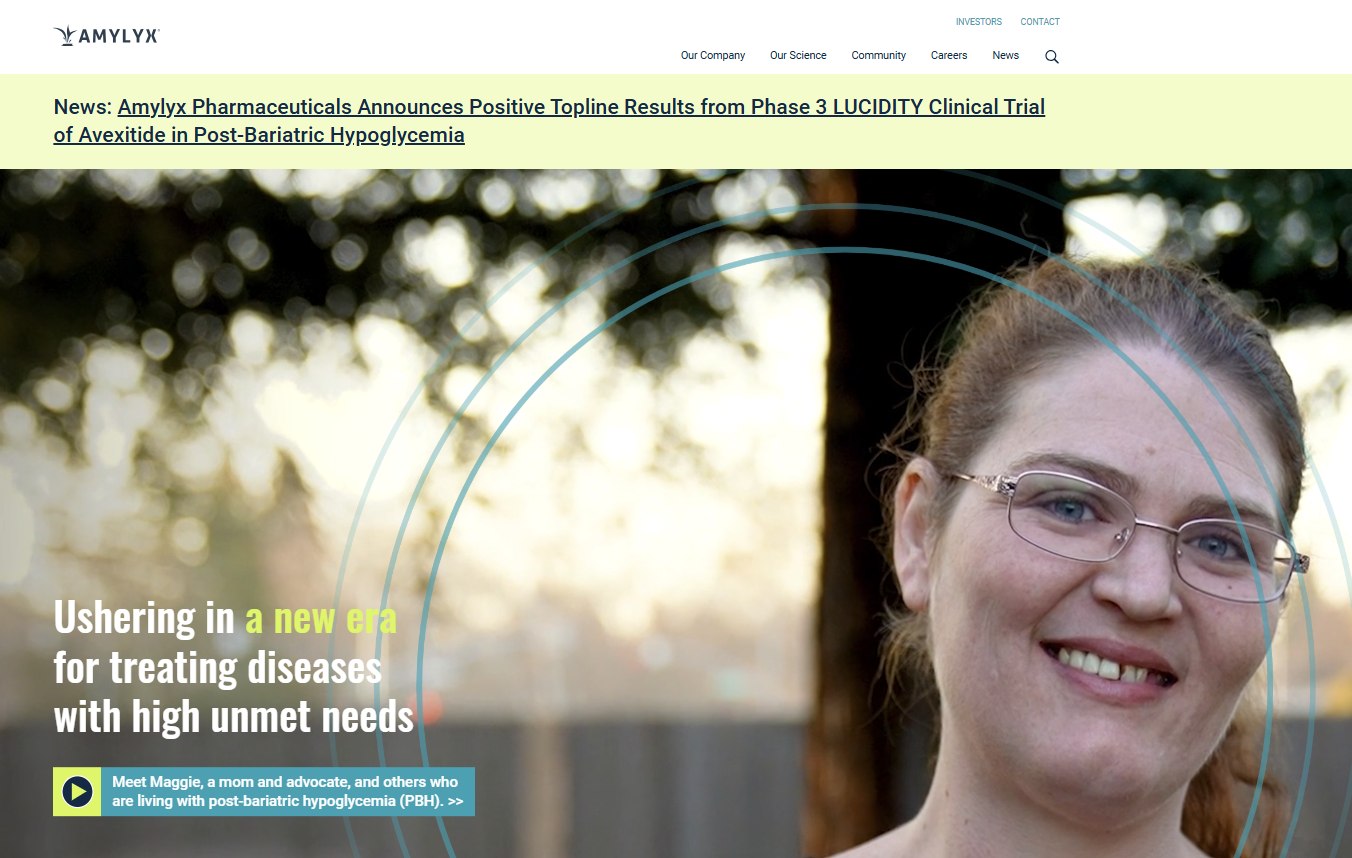
Amylyx Pharmaceuticals Stock Soars 48% After Avexitide Hits All Endpoints in Pivotal Phase 3 Trial

Published

on

Amylyx Pharmaceuticals Stock Soars 48% After Avexitide Hits All Endpoints

Shares of Amylyx Pharmaceuticals surged 48.02%, or $10.29, to $31.72 as of 10:06 a.m. EDT Tuesday, extending a dramatic rally that began Monday evening after the biotechnology company announced positive topline results from a pivotal late-stage clinical trial of its lead experimental drug, avexitide.

The company said avexitide reduced Level 2 and Level 3 hypoglycemic events by 55% compared with placebo in its Phase 3 LUCIDITY trial studying post-bariatric hypoglycemia, a condition in which patients who have undergone weight-loss surgery experience dangerously low blood sugar. The statistical significance of the result was notably strong, with a reported p-value of 0.000003, and the trial met all of its predetermined secondary endpoints as well, according to the company’s announcement.

Tuesday’s gains built on a rally that had already been underway before the results were formally announced. Shares climbed roughly 14.5% in after-hours trading Monday after Amylyx first confirmed it would release the LUCIDITY trial’s topline results Tuesday morning, ahead of a scheduled conference call and audio webcast with senior management at 8 a.m. ET. The announcement refined the company’s previous guidance, which had pointed to a third-quarter 2026 timeline for the data release without specifying an exact date.

By Tuesday’s premarket session, shares had climbed further still, moving up approximately 21% to 27.5%, according to various market trackers, with the stock touching $27.32 in premarket trading and briefly reaching $26.76, pushing shares well above the company’s prior 52-week high of $24.60. According to Investing.com, the rally came against a challenging broader market backdrop, with the Nasdaq down 1.2% and the S&P 500 slipping 0.5% at the time, underscoring that Amylyx’s move was driven entirely by company-specific news rather than any broader market tailwind. The wider biotech sector faced similar headwinds Tuesday, making the stock’s outperformance even more pronounced relative to its peers.

Advertisement

The LUCIDITY trial itself was a 16-week, multicenter, randomized, double-blind, placebo-controlled study enrolling 78 participants, evaluating avexitide’s efficacy and safety in adults with post-bariatric hypoglycemia following Roux-en-Y gastric bypass surgery, according to Benzinga’s reporting on the trial design. The last participant was randomized and dosed in the trial in March, according to the company.

Avexitide is a first-in-class glucagon-like peptide-1, or GLP-1, receptor antagonist, meaning it works through a fundamentally different mechanism than the widely used GLP-1 receptor agonist drugs such as Wegovy and Zepbound that have driven much of the recent boom in weight-loss and metabolic medications. Rather than mimicking the hormone to promote weight loss, avexitide blocks a hormone that can trigger excessive insulin production and dangerously low blood sugar following bariatric surgery, a condition for which there is currently no FDA-approved treatment.

The drug has already received both FDA Breakthrough Therapy Designation and Orphan Drug Designation for post-bariatric hypoglycemia, regulatory designations intended to expedite the development and review of therapies addressing serious conditions with significant unmet medical need. According to Blockonomi’s coverage of the results, Amylyx’s management is now targeting a 2027 market introduction for the drug, with preliminary work on a New Drug Application submission already underway.

Wall Street analysts moved quickly to reflect the positive trial results in their outlooks. Investment firm Mizuho raised its price target on Amylyx shares to $30 from $24 while maintaining an Outperform rating following the announcement. That increase followed an earlier price target raise from Baird, which lifted its target to $28 from $19 on Aug. 7 ahead of the trial’s expected readout, reflecting growing analyst optimism in the weeks leading up to Tuesday’s data release.

Advertisement

Tuesday’s rally marks a significant milestone for a company that has faced considerable setbacks in recent years. Amylyx’s previously approved product, Relyvrio, a treatment for amyotrophic lateral sclerosis, was withdrawn from the market in 2024 after failing a confirmatory late-stage clinical trial, a setback that left the company without any FDA-approved therapies on the market as of this year. Following that failure, avexitide became the company’s lead development program, making Tuesday’s positive Phase 3 results a critical validation for Amylyx’s post-Relyvrio strategy.

Retail investor sentiment had shifted notably in the lead-up to the trial results. According to Yahoo Finance’s reporting citing data from the social investing platform Stocktwits, retail sentiment toward Amylyx shares moved from bearish to bullish territory over the roughly 24-hour period following the company’s Monday announcement, while overall message volume discussing the stock rose sharply from typically low levels to significantly elevated activity, reflecting growing anticipation among individual investors ahead of the results.

Amylyx has continued expanding its broader pipeline beyond avexitide in recent months. In January, the company announced the nomination of AMX0318, a novel, long-acting GLP-1 receptor antagonist developed through a collaboration with Gubra A/S, as a new development candidate targeting post-bariatric hypoglycemia and other rare diseases. The compound was identified using Gubra’s proprietary, AI-driven peptide optimization platform, and Amylyx has said it plans to begin IND-enabling studies for the candidate later this year, with a target of filing an investigational new drug application in 2027.

Ahead of Tuesday’s results, Bank of America had maintained a buy rating on Amylyx shares while noting that the company’s recent financing activities had secured its cash runway through 2028, providing the biotech with financial flexibility to continue advancing its pipeline regardless of the LUCIDITY trial’s outcome. That financial cushion is likely to take on renewed significance now that the company appears positioned to move toward a regulatory submission for avexitide following Tuesday’s positive results.

Advertisement

With shares trading at a fresh 52-week high well above their prior ceiling and multiple analysts revising price targets upward in the immediate aftermath of the announcement, Amylyx’s stock performance Tuesday reflects a significant shift in investor confidence for a company that had spent much of the past two years working to rebuild its pipeline and market credibility following the withdrawal of its only previously approved therapy. Investors are likely to continue closely monitoring the company’s regulatory submission timeline for avexitide in the coming months as Amylyx works toward its targeted 2027 commercial launch.

Continue Reading

Business

Change Agents Corporation issues $616,000 in notes and pre-funded warrants

Published

on


Change Agents Corporation issues $616,000 in notes and pre-funded warrants

Continue Reading

Business

Pinterest Shares Rise 2.4% as Stock Continues Rebound From Post-Earnings Selloff Amid Its AI-Driven Ad Push

Published

on

Pinterest is a virtual bulletin board platform, with users decorating their boards with pictures showcasing interests including food, fashion, travel and lifestyle

Shares of Pinterest Inc. climbed 2.40%, or 56 cents, to $23.64 as of 10:15 a.m. EDT Tuesday, extending a gradual recovery from the sharp selloff the stock experienced earlier this month following its second-quarter earnings report, even as the company’s shares remain down significantly for the year.

The visual discovery and search platform reported second-quarter results on Aug. 4 that beat Wall Street expectations on nearly every headline metric, yet still saw shares tumble 7% in after-hours trading that evening after the company issued sales guidance investors viewed as underwhelming relative to the strength of the quarter itself.

According to figures compiled by LSEG and reported by CNBC, Pinterest posted adjusted earnings per share of 43 cents, well ahead of the 36-cent consensus estimate, on revenue of $1.18 billion, topping expectations of $1.15 billion. Total revenue grew 18% year over year from $998.2 million in the same period last year. The company reported a net loss of $47 million, or 8 cents per share, compared with net income of roughly $38.76 million, or 6 cents per share, in the prior-year quarter.

Despite the earnings beat, Pinterest’s forward guidance drove the immediate negative reaction. The company projected third-quarter revenue of between $1.19 billion and $1.21 billion, with the midpoint of $1.2 billion falling in line with, but not meaningfully ahead of, analyst expectations, a signal that some investors interpreted as evidence of intensifying competition for digital advertising dollars from larger rivals, including Meta’s Instagram platform.

Advertisement

Pinterest CEO Bill Ready struck an upbeat tone in the company’s earnings release despite the guidance-driven stock reaction. “Our Q2 results reflect the scale and strength of our platform: more than $1.1 billion in revenue, growing 18%, and 640 million monthly active users, our 11th consecutive quarter of double digit user growth,” Ready said. He pointed specifically to the company’s growing investment in artificial intelligence as a driver of its underlying business momentum. “AI is at the heart of our momentum and is a clear accelerant for our business. It is trained on our unique human curation of style and taste, making Pinterest more personalized and actionable for users, while improving performance for advertisers,” Ready said.

Pinterest’s global monthly active users grew 11% year over year to 640 million during the quarter, extending what the company described as its 11th consecutive quarter of double-digit user growth. Adjusted EBITDA came in at $311 million, with an adjusted EBITDA margin that Simply Wall St reported had risen to 26% for the quarter, alongside robust free cash flow of $270 million and net cash from operating activities of $293 million.

According to Simply Wall St’s analysis of the results, bulls on the stock have pointed to Pinterest’s AI-driven personalization tools and shopping features as a path toward higher user engagement, stronger advertising performance and improved margins over time. The company’s user base skews increasingly young, with Generation Z now making up more than half of Pinterest’s total monthly active users, a demographic trend that supports the platform’s positioning as a discovery-focused, visually oriented service distinct from more traditional social media feeds. Revenue growth during the quarter was not driven by discounting, with ad impressions up 16% and average pricing per ad up 1%, according to Simply Wall St’s breakdown of the results.

The company has continued expanding its AI and advertising technology infrastructure through both internal development and acquisitions. Pinterest’s first-quarter results, reported earlier this year, highlighted the company’s acquisition of tvScientific, a connected television advertising platform, as part of a broader push to expand beyond its core mobile and desktop advertising business into new formats. Pinterest also signed a long-term cloud services agreement with Amazon Web Services valued at $4 billion through 2031, described by the company as the largest infrastructure commitment in its history, focused on supporting AI-driven visual search and recommendation capabilities for its expanding user base.

Advertisement

During the company’s second-quarter earnings call, Ready also addressed Pinterest’s growing use of freely available, open-weight artificial intelligence models, a topic that Reuters noted has drawn increasing attention from corporate boardrooms as companies weigh the high costs associated with proprietary AI infrastructure against more accessible, openly licensed alternatives.

Despite the underlying growth metrics, Pinterest shares have significantly underperformed over the course of 2026. According to Simply Wall St data from earlier this year, the stock was down roughly 23.7% year to date as of the first-quarter reporting period, even as current-quarter earnings estimates had been revised upward by nearly 19% over the same window, reflecting persistent investor concern about advertising demand, pricing pressure and competitive positioning despite continued growth in the company’s underlying user and revenue metrics.

Insider selling activity has also drawn some investor attention in recent months. Pinterest co-founder Benjamin Silbermann has continued a pattern of regular share sales through Charles Schwab & Co., according to SEC filings, including a planned sale of 46,875 shares valued at approximately $1.09 million disclosed earlier this month. Filings show a consistent pattern of similarly sized 46,875-share transactions occurring monthly between June and August, part of Silbermann’s ongoing disposition of Founders Shares originally dated from 2019, alongside smaller transactions such as an 8,414-share sale in May. Such planned, scheduled insider sales are common among long-tenured company founders and executives and do not necessarily signal a change in outlook regarding the company’s prospects.

Pinterest currently trades at a price-to-earnings ratio of roughly 53.1 times, according to Simply Wall St’s valuation analysis, a multiple that reflects continued investor expectations for future earnings growth even amid the stock’s underperformance so far this year. With Pinterest’s third-quarter earnings report not expected until early November, investors are likely to continue closely watching the company’s user growth trends, AI-driven advertising tools, and competitive positioning relative to larger platforms like Meta’s Instagram as key indicators of whether the stock can sustain its recent modest recovery from the post-earnings selloff earlier this month.

Advertisement
Continue Reading

Business

Record Highs and Low Volatility: Is Wall Street Too Complacent Ahead of Midterm Elections?

Published

on

Record Highs and Low Volatility: Is Wall Street Too Complacent Ahead of Midterm Elections?

U.S. stocks could be heading toward a tricky patch over the next two months, with midterm elections in focus, longer-dated Treasury bond yields trading at multiyear highs, and volatility readings suppressed.

Continue Reading

Business

Evolution Petroleum stock falls on dilutive share offering

Published

on


Evolution Petroleum stock falls on dilutive share offering

Continue Reading

Trending

Copyright © 2025