More than three quarters of UK businesses are already feeling the impact of the Middle East conflict, as rising energy costs and supply chain disruption begin to feed through into operations, yet confidence at the firm level remains notably resilient.
New research from Barclays, based on a survey of more than 500 business leaders, shows that 66 per cent of companies are experiencing pressure from higher fuel and energy prices, while half report moderate to significant disruption to supply chains.
The findings highlight the speed at which geopolitical instability is affecting day-to-day business activity, with shipping and logistics costs also rising for 43 per cent of firms, adding further strain to margins.
Companies are already responding by adjusting operations and cutting costs. Around 37 per cent have taken steps to reduce energy usage or improve efficiency across their supply chains, while nearly a third have increased prices to offset rising expenses.
Other measures include reducing discretionary spending and tightening overall cost control, with many firms expecting to intensify these actions over the coming months. More than a third are planning further price increases, signalling that cost pressures are likely to continue feeding through to consumers.
Advertisement
The data suggests that while businesses are adapting quickly, the cumulative effect of higher costs and uncertainty is beginning to reshape decision-making across sectors.
Access to finance is emerging as a key factor in maintaining resilience. Barclays’ research shows that 41 per cent of businesses see support with cashflow management as essential, while 39 per cent highlight the importance of working capital and short-term credit.
Existing cash reserves are also playing a crucial role, with more than 80 per cent of firms identifying them as vital in navigating current conditions. Trade finance and cross-border payment solutions are similarly viewed as important tools for managing disruption in international markets.
Abdul Qureshi, head of business banking at Barclays, said the current environment presents a “convergence of pressures” for UK firms.
Advertisement
“For SMEs, dependable cash flow and access to working capital are increasingly important, not only to keep operations running, but to safeguard future growth plans,” he said.
The impact of rising costs is already being reflected in consumer spending patterns. Barclays data shows fuel spending rose by nearly 11 per cent year-on-year at the onset of the conflict, driven by higher prices and demand.
At the same time, discretionary spending is beginning to soften, with spending on holidays and travel falling by almost 8 per cent as households adopt a more cautious approach to their finances.
This shift in consumer behaviour is likely to create additional headwinds for businesses, particularly those reliant on non-essential spending.
Advertisement
Despite these challenges, the research reveals a striking divergence between business-level confidence and broader economic sentiment.
While 78 per cent of firms remain confident in their own prospects and 74 per cent are optimistic about their sector, confidence in the wider economy is significantly weaker. Fewer than half of respondents expressed confidence in the UK economy, with even lower levels for the global outlook.
This suggests that while businesses believe they can manage current pressures internally, there is growing concern about the external environment and its longer-term implications.
Most business leaders expect geopolitical uncertainty to weigh on investment and growth plans over the next year, although the majority anticipate only a moderate impact. A smaller proportion, around one in ten, foresee a significant constraint on their operations.
Advertisement
Matt Hammerstein, chief executive of Barclays UK Corporate Bank, said firms are being forced to balance immediate challenges with long-term planning.
“Businesses are having to manage disruption today while remaining ready to invest and grow when conditions improve,” he said.
The findings paint a picture of an economy under pressure but not yet in retreat. UK businesses are adapting to rising costs and uncertainty, drawing on cash reserves and financial support to maintain stability.
However, the persistence of energy price volatility and geopolitical risk means the coming months will be critical.
Advertisement
While confidence at the firm level remains strong, the widening gap with broader economic sentiment suggests that resilience may be tested further if external conditions deteriorate, particularly if cost pressures intensify or demand weakens.
Amy Ingham
Amy is a newly qualified journalist specialising in business journalism at Business Matters with responsibility for news content for what is now the UK’s largest print and online source of current business news.
‘I’m proud to take on this role at such an important time for the organisation’
Wayne Jones OBE, the new chair of Greater Manchester Chamber of Commerce(Image: Greater Manchester Chamber of Commerce)
Greater Manchester Chamber of Commerce has appointed past president Wayne Jones OBE as its new chair in a move it says “marks a new chapter for the organisation, but one rooted firmly in continuity”.
The Chamber was sold out of administration last year, with directors vowing a “seamless transition” of its business support services. Now Mr Jones, who has been a Chamber board member for more than a decade, is to succeed Phil Cusack as chair.
Mr Jones serves on the Liverpool-Manchester Railway Partnership Board and was in 2016 named a Global Ambassador for Manchester. He was previously a member of the executive board of MAN Energy (now Everllence).
In a statement, the Chamber said: “His appointment comes at a pivotal moment. Greater Manchester Chamber is entering its first full financial year as a new organisation, and the role of Chair has never carried more weight. With the organisation navigating a period of genuine evolution, the Chair’s responsibilities extend beyond the boardroom: providing leadership, representing the Chamber’s voice externally, and maintaining the confidence of the business community across all ten boroughs of Greater Manchester.”
Advertisement
Mr Jones said: “Greater Manchester has always been a place that punches above its weight, and the Chamber has a vital role to play in making sure businesses here have the support, the platform and the representation they deserve. I’m proud to take on this role at such an important time for the organisation, and I’m looking forward to getting to work.”
Emma Holt, president of the Chamber, added: “Wayne has been part of the foundation of this organisation for a significant period. He knows what we stand for, he knows what Greater Manchester needs, and he has the credibility and the drive to help us move forward with purpose. We’re delighted to welcome him into this role.”
The Chamber also paid tribute to Phil Cusak’s “service and commitment” to the organisation.
A ‘Kudlow’ panel analyzes President Donald Trump’s controversial ‘Venezuela oil model’ for Iran, aiming to seize control of Iranian crude.
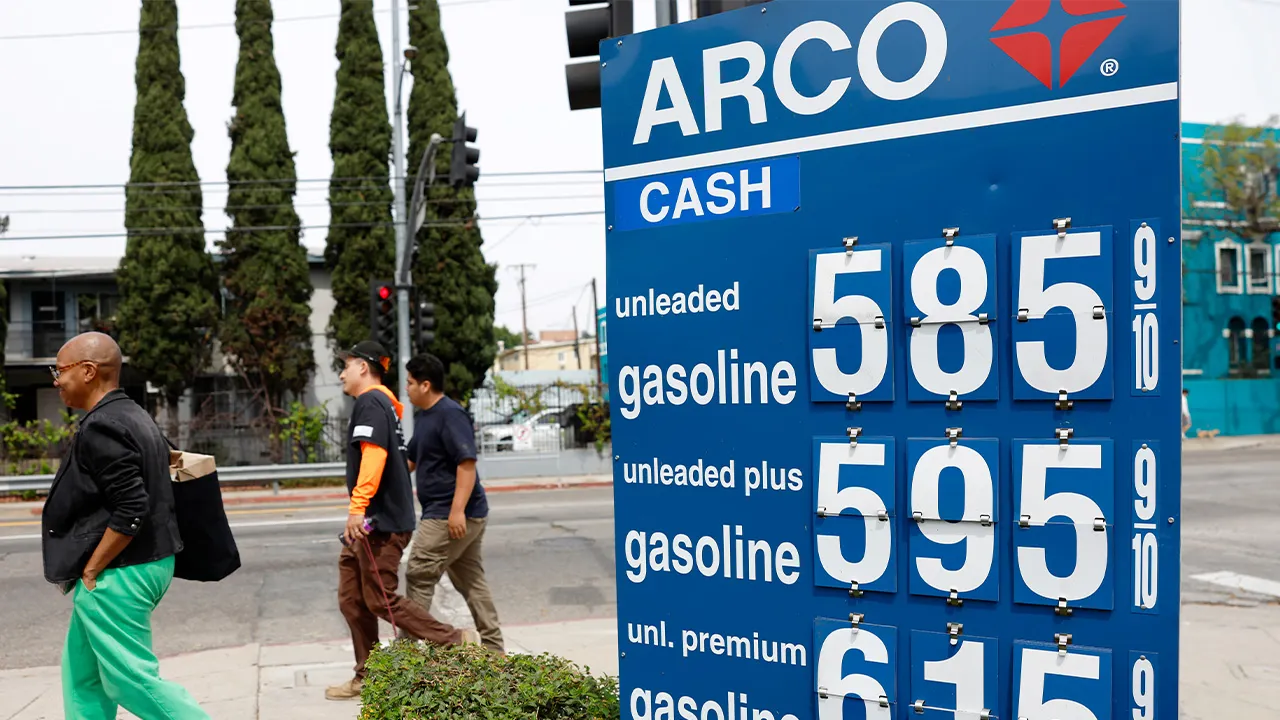
U.S. gasoline prices on Monday topped $4 a gallon nationwide, adding pressure to household budgets as oil markets surge in response to the lingering Iran conflict.
Data from GasBuddy showed the national average price for regular gasoline at $4.018 per gallon, with mid-grade at $4.541 and premium at $4.904. AAA data also confirmed the national average moving above the $4 threshold, reinforcing the upward trend in fuel costs.
Advertisement
Prices have risen sharply in recent weeks, with the national average up about $1.06 per gallon, or roughly 36%, when tensions escalated following U.S. and Israeli strikes targeting Iran in late February.
The increase reflects a broader rally in oil markets, with U.S. crude futures settling at $102.88 a barrel on Monday, up $3.24. Prices also jumped more than $3 in Asian trading after Kuwait said an oil tanker was attacked at a Dubai port, underscoring ongoing supply risks.
Gas prices are displayed at an Arco station on March 30, 2026, in Los Angeles. (Mario Tama/Getty Images)
Fuel markets have been particularly sensitive to disruptions tied to the Strait of Hormuz, a critical corridor for global crude shipments, where Iran has effectively restricted traffic, tightening supply expectations.
Advertisement
Further gains at the pump are possible if crude prices continue to rise, analysts say.
The Trump administration has moved to mitigate the impact, issuing a 60-day waiver of the Jones Act that allows foreign-flagged vessels to transport fuel and other goods between U.S. ports. However, industry analysts expect the measure to have only a limited effect on retail gasoline prices.
High gas prices are listed at Chevron station in Los Angeles on March 9, 2026. (Frederic J. Brown/AFP via Getty Images)
Rising fuel costs are weighing on consumers already facing broader price pressures and have emerged as a political challenge for President Donald Trump and congressional Republicans ahead of the November midterm elections.
Advertisement
An Iranian national flag flies at the Persian Gulf Star Co. gas condensate refinery in Bandar Abbas, Iran. (Ali Mohammadi/Bloomberg via Getty Images / Getty Images)
Trump has pledged to reduce energy prices and boost domestic oil and gas production, but his second term has so far been marked by market volatility and geopolitical tensions.
Formerly in Banking and currently based in Japan, I am an Equity Analyst and Quantitative Investor focused on medium-to-long-term horizons (1–3 years). I specialize in Utilities, REITs, and Consumer Sectors. My research goes beyond company fundamentals to include the broader economy, interest rate environment, and other key data points that drive investment decisions. I am open to questions and discussions regarding my analysis.
Analyst’s Disclosure: I/we have no stock, option or similar derivative position in any of the companies mentioned, and no plans to initiate any such positions within the next 72 hours. I wrote this article myself, and it expresses my own opinions. I am not receiving compensation for it (other than from Seeking Alpha). I have no business relationship with any company whose stock is mentioned in this article.
Seeking Alpha’s Disclosure: Past performance is no guarantee of future results. No recommendation or advice is being given as to whether any investment is suitable for a particular investor. Any views or opinions expressed above may not reflect those of Seeking Alpha as a whole. Seeking Alpha is not a licensed securities dealer, broker or US investment adviser or investment bank. Our analysts are third party authors that include both professional investors and individual investors who may not be licensed or certified by any institute or regulatory body.
The company, which manufactures rockets, space exploration technology and Starlink satellites, is currently privately held. But on Wednesday it made a confidential filingwith the US Securities and Exchange Commission (SEC) for an initial public offering, which would allow shares to be traded in the stock market.
Luka Doncic is delivering one of the most dominant offensive seasons in NBA history, leading the league in scoring while carrying the Los Angeles Lakers to a strong playoff position, yet the Slovenian superstar faces long odds of capturing the 2026 Kia Most Valuable Player award with just weeks left in the regular season.
Luka Dončić
As of April 1, 2026, Doncic’s MVP odds sit between +1100 and +2700 across major sportsbooks, placing him third or fourth behind clear frontrunners Shai Gilgeous-Alexander of the Oklahoma City Thunder and Victor Wembanyama of the San Antonio Spurs. Betting markets and prediction platforms give him roughly a 4-8% implied probability of winning, a sharp contrast to his status as a preseason contender.
Doncic, in his first full season with the Lakers after a mid-career trade, is averaging a league-leading 33.7-33.8 points per game, along with 7.8 rebounds and 8.2-8.3 assists. He is shooting 47.6-47.7% from the field and 36.6-36.8% from three-point range through 63 games. His scoring barrage has included multiple 40- and 50-point outbursts, including a memorable 60-point performance that helped fuel a 13-2 Lakers surge in March.
The Lakers sit third in the Western Conference with a 48-26 record, benefiting from Doncic’s playmaking alongside LeBron James and supporting cast. Coach JJ Redick has publicly stated that a strong finish could bolster Doncic’s case, and the star has climbed the official Kia MVP Ladder in recent weeks, reaching as high as No. 2 before slipping to No. 4 in the latest update behind Wembanyama, Gilgeous-Alexander and Nikola Jokic.
Despite the gaudy numbers, several factors are working against Doncic in voter eyes. The MVP award has increasingly rewarded team success and two-way impact in recent years. Gilgeous-Alexander leads the Thunder to the best record in the league at around 60-16 or better, while anchoring an elite defense. Wembanyama, at just 22, has elevated the Spurs to a top seed with transformative two-way play, ranking near the top in blocks, rebounds and efficiency.
Advertisement
Voters also weigh narrative and precedent. Doncic has finished in the top five in MVP voting multiple times but has never won. Critics point to defensive limitations and high usage rates that sometimes lead to late-game fatigue. Some analysts argue the bar for heliocentric guards keeps rising, making it harder for pure scorers to claim the award without elite team wins or defensive contributions.
Advanced metrics paint a mixed picture. Doncic leads in scoring and ranks high in assist percentage, with strong efficiency considering his workload. However, models that factor in team record, defensive rating and games played give the edge to Gilgeous-Alexander and Wembanyama. Basketball-Reference’s MVP tracker currently ranks Doncic third with roughly 5% projected vote share, well behind the leaders.
The race remains fluid entering April. The Lakers have been one of the hottest teams in the league, winning nine of 10 or better in recent stretches, which has helped Doncic’s case. A continued strong finish combined with any slippage from the top two contenders could narrow the gap. Yet with only a handful of games remaining, dramatic shifts are unlikely unless injuries or extraordinary performances intervene.
Doncic’s supporters highlight the historic nature of his output. Averaging over 33 points while playing heavy minutes in a loaded Western Conference is rare. His playmaking vision remains elite, and he has shown improved conditioning and leadership in Los Angeles. Lakers fans and some media voices argue that if the team secures home-court advantage or climbs higher, Doncic deserves serious consideration.
Advertisement
Historically, the MVP often goes to the player whose team achieves the best record while posting superstar numbers. Gilgeous-Alexander’s efficiency, leadership of a title contender and defensive versatility make him the betting favorite at -350 to -550. Wembanyama’s two-way dominance and youth narrative have propelled him to +210 to +550 in recent weeks, with some ladders placing him at No. 1.
Jokic, the reigning two-time MVP, remains in the mix with triple-double prowess but has seen his odds lengthen to +4000 or longer as Denver’s record lags behind the top teams. Other names such as Jaylen Brown appear as longshots.
For Doncic to win, several scenarios would likely need to align: the Lakers finishing with one of the top two or three records in the West, continued 30-plus point explosions, and perhaps a narrative shift emphasizing his individual brilliance amid a star-studded roster. Even then, overcoming the current gap in betting markets and voter sentiment would be an uphill battle.
The 27-year-old remains in his prime and has expressed focus on team success over individual awards. In recent interviews, he has downplayed MVP talk while emphasizing playoff preparation. His ability to elevate teammates has been evident in Los Angeles, where the supporting cast has thrived alongside his playmaking.
Advertisement
As the regular season winds down, every remaining game carries added weight. The Thunder, Spurs and Lakers are all battling for seeding and momentum. A late surge by any contender could reshape the final MVP Ladder before ballots are cast.
Ultimately, while Luka Doncic is producing video-game numbers and carrying the Lakers into contention, the combination of team records and two-way excellence from Gilgeous-Alexander and Wembanyama makes a 2026 MVP victory unlikely. He sits as a compelling dark horse with odds reflecting a small but real chance — perhaps 5% or less in most models.
Doncic has already cemented his place among the league’s elite. Whether he claims the Maurice Podoloff Trophy this season or adds to his growing legacy in future years, his 2025-26 campaign stands as one of the most impressive individual offensive seasons in recent memory. For now, the award appears headed elsewhere, but in the unpredictable world of NBA awards, the final weeks could still hold surprises.
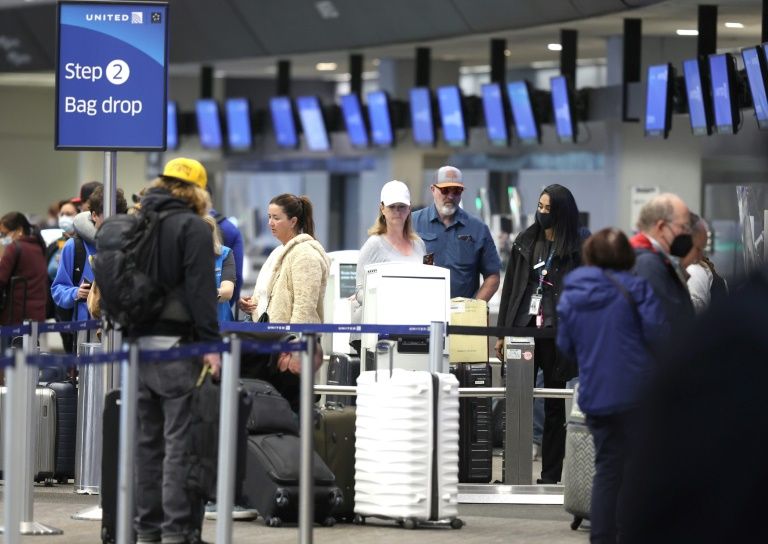
Travelers heading through San Francisco International Airport on Thursday faced relatively smooth security lines, with TSA wait times averaging around 10 to 18 minutes across checkpoints — a stark contrast to hours-long delays plaguing many U.S. airports amid ongoing federal staffing issues.
United Airlines passengers check in for flights at San Francisco International Airport on April 19, 2022
As of early Thursday morning, live estimates showed standard security waits at SFO hovering near 11 minutes, with TSA PreCheck lanes often clearing in under 5 minutes. Peak afternoon hours could push waits toward 20-23 minutes, according to blended real-time data from airport trackers and traveler reports. The shortest waits overnight dipped as low as 4-6 minutes, while the longest recent spikes reached about 23 minutes in the late afternoon.
SFO officials reported “normal wait times” on their website, crediting the airport’s unique status as the largest participant in the Transportation Security Administration’s Screening Partnership Program. Under the SPP, private contractors handle screening instead of federal TSA employees, shielding SFO from the widespread no-show rates and funding disruptions affecting government-run checkpoints nationwide.
“Travelers at SFO continue to move efficiently through security,” airport spokesman Doug Yakel noted in recent statements. Over the past 30 days, average peak waits have stayed under 10 minutes even as passenger volumes remain robust, he added.
This efficiency stands in sharp relief against the national picture. A partial government shutdown has triggered record TSA delays, with some major hubs reporting lines exceeding four hours. TSA officials have cited officer call-out rates as high as 40-50% at certain airports, compounded by resignations and higher-than-expected spring travel demand. SFO’s private model has largely insulated it from these headaches, allowing consistent operations even during peak spring break surges that strained other facilities.
Advertisement
Current Conditions at SFO Checkpoints
SFO operates six main security checkpoints serving its terminals and boarding areas:
International Terminal: Boarding Area A and G checkpoints typically open early and handle global flights.
Terminal 1, 2, 3 and 4 (Domestic): Checkpoints A, B, B-Mezzanine, D, F1 and others operate on staggered schedules, with most running from around 3:15 a.m. until late evening or early morning.
As of Thursday, most checkpoints remained open with no major closures reported beyond routine maintenance, such as occasional downtime at Boarding Area F3. TSA PreCheck is widely available, and expedited lanes like CLEAR are operational to further speed up the process for enrolled travelers.
Hourly breakdowns from aggregator sites like TakeOffTimer and AirlineAirport.com indicate:
Overnight/early morning (midnight to 6 a.m.): Often 5-15 minutes.
Morning rush (7-10 a.m.): 12-19 minutes.
Midday (11 a.m.-2 p.m.): 7-12 minutes.
Afternoon peak (3-6 p.m.): Up to 23 minutes, the daily high in recent patterns.
Evening: Trending back down toward 10 minutes.
These figures represent blended estimates from passenger reports, historical data and live feeds. Actual times can fluctuate based on flight banks, weather or sudden passenger surges. SFO handled millions of passengers in recent months while maintaining short queues, thanks to dedicated private screening staff not impacted by federal payroll or staffing crises.
Tips for Beating the Lines at SFO Today
Airport authorities and travel experts recommend arriving at SFO at least two hours before domestic flights and three hours for international departures. While waits are currently manageable, proactive steps can shave off precious minutes:
Enroll in TSA PreCheck or CLEAR: PreCheck members frequently clear in 5 minutes or less. CLEAR biometric lanes provide an additional shortcut at SFO.
Download the MyTSA App: The official Transportation Security Administration mobile app lets users check real-time crowd-sourced wait times, review prohibited items and get personalized alerts. Historical data helps predict busy periods.
Pack Smart: Follow the 3-1-1 liquids rule and remove laptops, liquids and large electronics early to speed screening.
Monitor SFO’s Official Site: The flysfo.com alerts page posts updates on TSA lines and any temporary changes.
Check Flight Status Early: Use airline apps or the airport site to track gate assignments and potential delays.
Travelers on social media and forums like Reddit’s r/AskSF and r/bayarea have echoed the positive experience. Recent posts note quick passes through PreCheck, with some flyers reporting under 10 minutes total even during busier windows. “SFO’s private TSA setup has been a lifesaver,” one frequent traveler commented.
Broader Context: Why SFO Stands Out
The contrast with other airports highlights the value of SFO’s operational model. While federal TSA facilities grapple with the effects of the shutdown — including delayed pay and reduced staffing — SFO’s contractors maintain full operations funded independently. This has prevented the kind of chaos seen elsewhere, where passengers have missed flights due to multi-hour security bottlenecks.
Advertisement
Spring travel demand remains high, with many families heading out for break or business travelers resuming routines. SFO, one of the busiest gateways on the West Coast serving major carriers like United Airlines, has seen steady volumes without the extreme backups reported at hubs in the East or Midwest.
Airport officials continue to urge caution. “Even with normal waits, factors like high passenger volume or equipment issues can cause temporary spikes,” a recent advisory noted. Passengers with disabilities or those needing extra assistance should factor in additional time and contact their airline in advance.
What to Expect Later Today and This Week
Forecasts for the next 12 hours show waits staying mostly in the single digits to low teens during midday, with a possible uptick in the late afternoon. Overnight into Friday should remain light. Weekend patterns often see heavier crowds, so checking apps closer to travel time is wise.
No major runway or operational disruptions were flagged for Thursday beyond routine maintenance. However, travelers should stay alert for any last-minute alerts via the airport’s website or flight apps.
Advertisement
For the latest real-time updates:
Visit flysfo.com for official notices.
Use sites like tsawaittimes.com, takeofftimer.com or onairparking.com for live estimates.
Report your own wait time through the MyTSA app to help fellow travelers.
SFO’s reputation for efficient security has held strong even as national air travel faces challenges. With waits today averaging well below typical busy-airport benchmarks, most passengers can expect a straightforward experience — provided they arrive prepared and monitor conditions.
As always, double-check with your airline for any flight-specific updates. Safe travels from the Bay Area’s gateway.






















































You must be logged in to post a comment Login