

Business
Main Roads WA secures $22.7m Naval Base site ahead of Westport



Check out what’s clicking on FoxBusiness.com.
As Americans gear up to celebrate America’s 250th birthday, many major retailers and restaurants will stay open, close or operate with reduced hours on July 4.
Big-box and grocery stores, including Sam’s Club and Kroger, and several restaurants, including Olive Garden and Taco Bell, will stay open on the holiday. Other chains, including McDonald’s and Whole Foods, will remain open with adjusted operating hours.
Take a look at which major U.S. retailers will stay open for last-minute shopping runs, and which ones will stay closed:
BELOVED PIZZA CHAIN TURNS AMERICA’S 250TH BIRTHDAY INTO SUMMER-LONG CELEBRATION
Costco
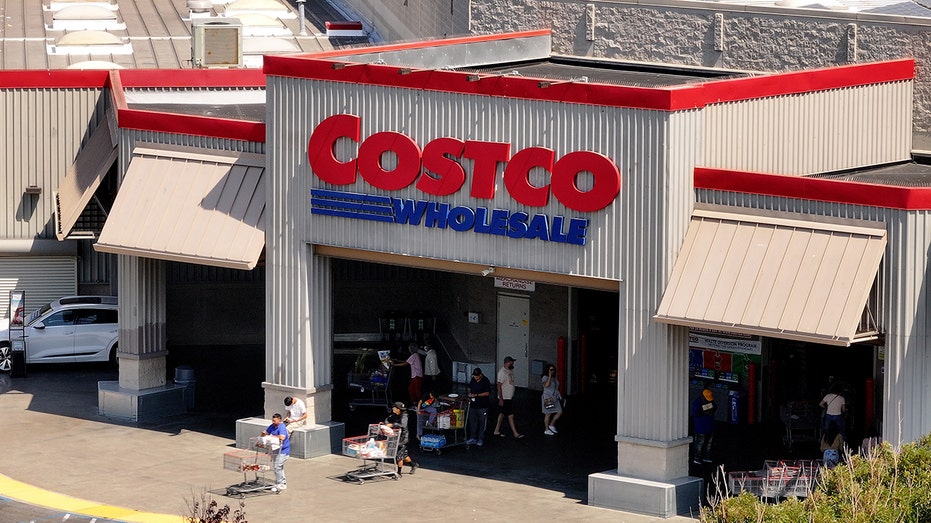
The iconic warehouse chain will close on July 4. (Justin Sullivan/Getty Images)
The warehouse chain will be closed for the July 4 holiday, according to their official website.
Target
Target stores are open during regular hours, but customers are encouraged to check with their local store to confirm hours, the company said in a statement.
Walmart
Walmart stores are open with normal operating hours, the company told FOX Business.
Kroger
Kroger stores will be open, but pharmacy and clinic hours may vary, according to the chain’s website.
Sam’s Club
The Costco competitor, Sam’s Club, will be open with normal operating hours, a spokesperson told FOX Business.
Whole Foods
Whole Foods will be open but close early, according to a statement provided to FOX Business.
“On July 4th, most Whole Foods Market stores will open at their regular time and close early, at 6:00 p.m., with a few exceptions,” the statement read.
Trader Joe’s
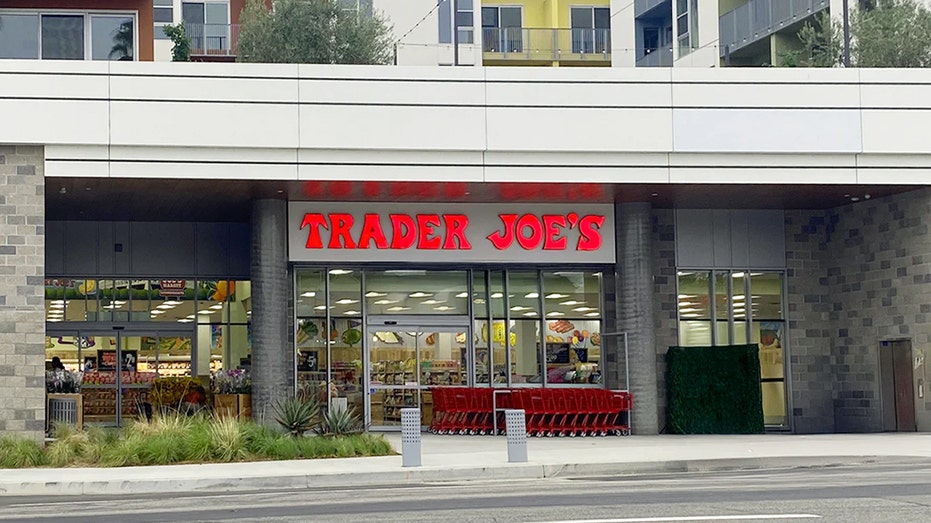
Trader Joe’s stores will remain open until 5 p.m. local time on July 4. (Trader Joe’s)
All Trader Joe’s locations will be open until 5 p.m. local time, according to the company’s website.
Dollar General
Dollar General will be open during their regular hours, which may vary by location, the company said in a statement.
Kohl’s
All Kohl’s stores will be open from 9 a.m. until 7 p.m. local time, but store hours may vary by location, according to a statement provided by the company.
Macy’s
Macy’s stores will remain open on July 3 and 4, but hours may vary by location, according to a statement provided by the company.
Home Depot
Home Depot will be open and close at 8 p.m. local time, according to the company’s website.
CVS

CVS, a partner of America250, will be open. (Zak Bennett/Bloomberg via Getty Images / Getty Images)
CVS locations will be open, though some locations will operate at reduced hours, according to the company’s website.
CVS is also partnering with America250 to play a role during celebrations in major cities like New York, Los Angeles and Boston, while maintaining a presence during parades and block parties in smaller markets.
Walgreens
Walgreens stores will operate under their regular business hours, according to a statement on the company’s website.
“Unlike previous years – when stores remained open, but most pharmacies were closed – Walgreens will keep more than 4,000 pharmacy locations open,” the company said. “This expanded availability enhances timely access to prescriptions, over-the-counter treatments, and onsite pharmacist support when patients need it most.”
Burger King
Burger King hours will vary by franchise location, according to a statement provided to FOX Business. The company encourages guests to confirm their location’s hours in person, online or through the Burger King app.
Chick-fil-A
U.S. Chick-fil-A restaurants are open on July 4, according to the company’s official website.
Chipotle
Most U.S. Chipotle locations will close at 3 p.m. local time, according to a statement provided to FOX Business.
MCDONALD’S BRINGING BACK FRIED APPLE PIE TO CELEBRATE AMERICA’S 250TH BIRTHDAY
Dunkin’
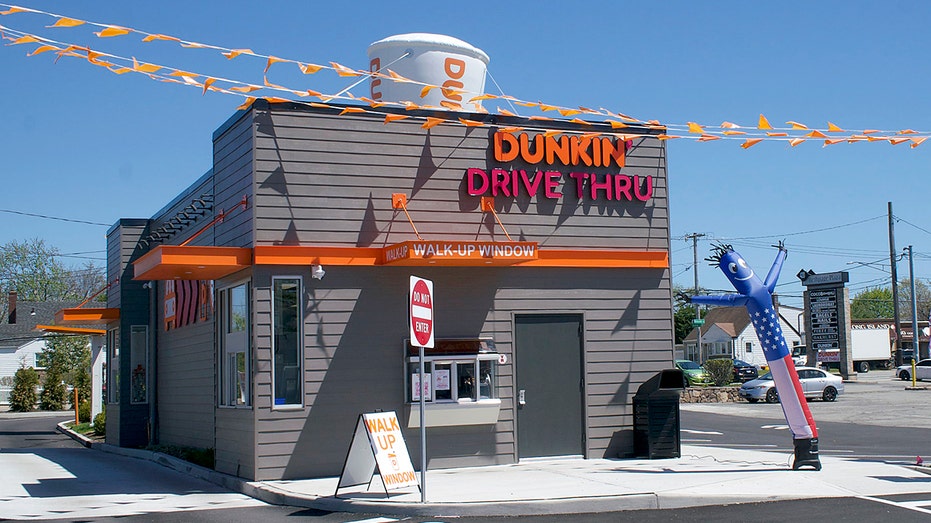
Dunkin’ will be open on normal operating hours. (Drew Singh/Newsday RM via Getty Images / Getty Images)
Dunkin’ will keep America running on the 4th as stores will be open during normal operating hours, according to a statement the coffee chain provided to FOX Business.
KFC
KFC encourages customers to check with their local locations for updated hours, according to a KFC spokesperson.
McDonald’s
Most McDonald’s locations are open on U.S. holidays, but hours may vary by location, according to a statement provided to FOX Business.
Popeyes
Popeyes locations are expected to be open, the company told FOX Business.
“Since restaurant hours are set at the local level, guests should check the Popeyes Restaurant Locator at Popeyes.com or their preferred delivery platform for the most up-to-date hours before visiting,” Popeyes said.
Starbucks
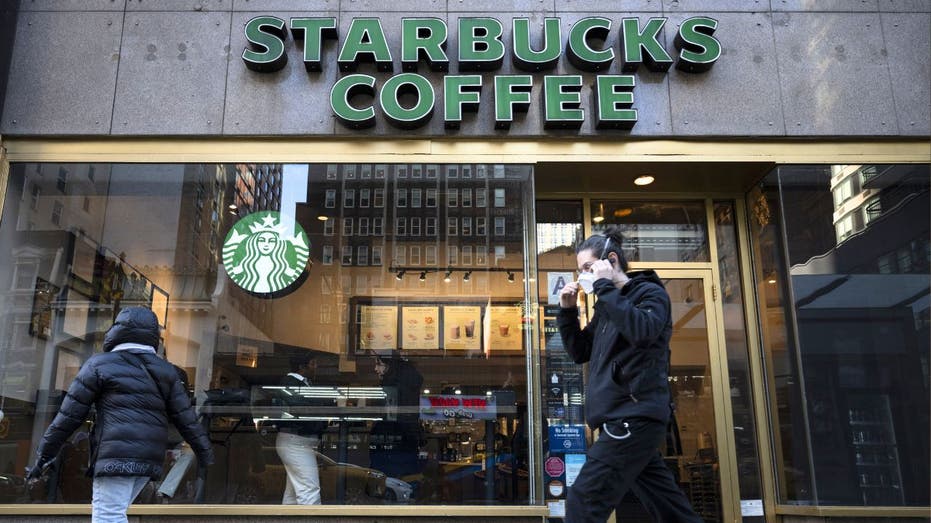
Starbucks hours may vary by location. (Mostafa Bassim/Anadolu via Getty Images)
Starbucks hours may vary by location, and the coffeehouse chain encourages customers to check with their local store for updated hours, a spokesperson for the company said.
“Coffeehouse hours vary by location, and they may occasionally adjust their hours based on business and customer needs,” the statement said. “The Starbucks app continues to be the best way for customers to find a coffeehouse, check hours, order ahead and pay.”
Taco Bell
Taco Bell will remain open on the Fourth of July, according to the company’s website.
Wendy’s
Many Wendy’s locations will be open, but the company encourages customers to check with their local restaurant as hours may vary by location, according to a statement provided by the company.
Applebee’s
Some Applebee’s locations will be open, though customers are encouraged to check with their local franchise for hours, the company said in a statement to FOX Business.
“Select Applebee’s restaurants nationwide will be open on July 4th, although hours may vary. Please contact your local Applebee’s for specific information on holiday hours as each restaurant is independently owned and operated and hours vary by location,” the company’s statement read.
GET FOX BUSINESS ON THE GO BY CLICKING HERE
Olive Garden
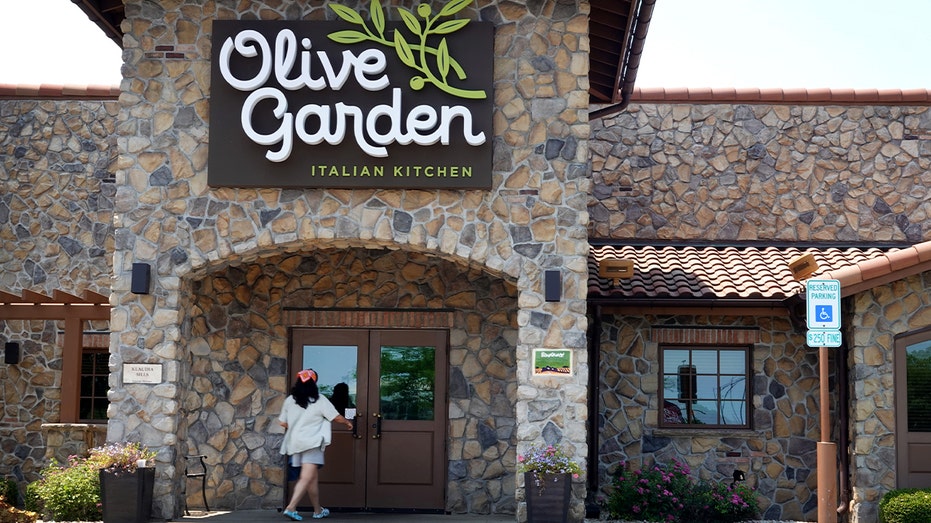
Olive Garden restaurants will remain open. (Scott Olson/Getty Images / Getty Images)
Olive Garden restaurants will be fully open with no change in operating hours, a spokesperson for the chain’s parent company, Darden, said in a statement.
FedEx
FedEx locations will be closed on July 4, according to the company’s website.
UPS
UPS locations will be closed on July 4, according to the company’s website.
USPS
USPS locations will be closed on July 4, according to the official Postal Service website.


NATO leaders to gather in Ankara, aiming to smooth over tensions with Trump
U.S. stock markets will be closed Friday in observance of the Independence Day holiday, with major exchanges including the New York Stock Exchange and Nasdaq shutting down for the long weekend as Americans prepare for celebrations.
The federal holiday falls on Saturday, July 4, prompting financial markets and many government offices to observe the closure on the preceding Friday. Trading will resume Monday, July 6, with investors returning to action after the extended break.
The New York Stock Exchange, Nasdaq and other major U.S. equity markets confirmed the holiday closure, joining bond markets and commodity exchanges in observing the day. Bond trading, futures markets and some alternative trading venues may operate with limited hours or remain closed.
Banks across the country are expected to follow the federal schedule, with most branches closed for regular business. ATM access, online banking and mobile services will remain available for customers, though in-person transactions and customer support at physical locations will be limited.
Government offices, including federal courts, post offices and many state agencies, will be closed Friday. Essential services such as emergency response and border security will continue operating normally.
Retail and Consumer Impact
Major retailers are taking varied approaches to balance holiday staffing with customer demand. Walmart, Target and other big-box stores plan to maintain regular or extended hours to accommodate shoppers stocking up for weekend barbecues and gatherings.
Grocery chains including Publix, Kroger and regional operators will operate on modified schedules in many locations, with earlier closing times to allow employees time with family. Customers are advised to check specific store hours through retailer apps or websites.
Costco warehouses are expected to remain open according to standard Friday schedules in most regions, though some locations may adjust food court and other services. Membership retailers typically prioritize consistency for their customer base during holidays.
Convenience stores, gas stations and pharmacies will largely remain open to serve travelers and last-minute needs. Many national chains plan extended hours or 24-hour operations where applicable to support holiday traffic.
E-commerce platforms including Amazon will process orders throughout the weekend, though delivery times may be affected by reduced staffing at fulfillment centers and carrier services. Same-day options could be limited in some areas.
Travel and Holiday Preparations
Travel volumes are expected to reach near-record levels as Americans take advantage of the long weekend. AAA forecasts millions of trips by car, plane and other modes, with gas prices and airport congestion under close watch.
Roadside restaurants, service stations and rest areas will operate to support highway travelers. National parks and recreational destinations anticipate heavy visitation, with some implementing reservation systems or capacity limits.
Fireworks displays, parades and community events are scheduled nationwide, with local authorities reminding residents of safety guidelines for personal fireworks use. Many municipalities have adjusted public transit schedules to accommodate event attendees.
Airlines have added capacity for holiday travel, though some flights may experience delays due to weather or staffing. Travelers are encouraged to check flight status and arrive earlier than usual at airports.
Financial and Economic Considerations
The market closure provides a brief pause for investors following recent volatility in technology and growth stocks. Major indices have shown mixed performance amid concerns over inflation, interest rates and corporate earnings.
Bond markets will also be closed, affecting trading in Treasury securities and corporate debt. Economic data releases scheduled for Friday have been adjusted or postponed to earlier in the week.
For businesses and individuals with time-sensitive financial needs, planning ahead is essential. Bill payments, transfers and other transactions can be handled through online platforms, which generally operate normally.
The holiday weekend traditionally boosts consumer spending on travel, food, beverages and recreational goods. Retail sales data for June will be closely watched when released later in the month for indications of economic health heading into the second half of the year.
Public Services and Safety
Emergency services including police, fire and medical response will operate at full capacity throughout the holiday period. Hospitals and urgent care facilities will maintain normal staffing for patient needs.
Public transportation systems in major metropolitan areas will run on holiday or weekend schedules, with potential reductions in frequency during off-peak hours. Commuters should check local transit authority websites for specific information.
National weather service forecasters are monitoring conditions that could impact outdoor celebrations, with heat advisories and thunderstorm risks possible in various regions. Officials urge caution with fireworks and outdoor cooking.
Parks departments and beach authorities are preparing for increased visitation, with additional staffing and safety measures in place. Visitors are reminded to follow posted rules and practice environmental stewardship.
Historical Context and Traditions
Independence Day commemorates the adoption of the Declaration of Independence in 1776, marking the birth of the United States. Celebrations typically include fireworks, parades, barbecues and family gatherings across the country.
The long weekend provides an opportunity for Americans to reflect on national history while enjoying time with loved ones. Travel and retail activity reflect the economic importance of holiday periods in the consumer-driven economy.
As markets close and many businesses adjust operations, digital services help maintain continuity for essential functions. Online shopping, banking and entertainment options ensure most daily needs can still be met.
The July 4 holiday serves as both a celebration of American independence and a practical reminder of the systems supporting modern life. Whether traveling, shopping or relaxing at home, millions will mark the occasion in traditional and contemporary ways.

Bitcoin traded modestly higher near $61,772 Thursday, consolidating after recent volatility as investors assessed mixed signals from institutional flows and broader cryptocurrency market sentiment heading into the second half of 2026.
The world’s largest digital asset has experienced significant price swings this year, pulling back from earlier highs above $90,000 before finding support in the low $60,000 range. Thursday’s modest gains reflected cautious optimism amid ongoing developments in regulatory frameworks and institutional adoption.
Spot Bitcoin exchange-traded funds have seen substantial activity throughout 2026, with periods of strong inflows followed by notable outflows. BlackRock’s iShares Bitcoin Trust and other major funds have accumulated billions in assets since their launch, marking a structural shift toward greater institutional participation in cryptocurrency markets.
The mixed ETF flow data highlights the evolving relationship between traditional finance and digital assets. While some institutional investors have increased allocations, others have reduced exposure amid concerns over valuation and regulatory uncertainty.
Post-Halving Market Dynamics
The April 2024 halving event, which reduced the reward for Bitcoin miners by half, continues influencing supply dynamics. Although the impact has been more muted than in previous cycles due to larger overall market capitalization, the event remains a key reference point for long-term investors.
Bitcoin’s price action in 2026 has shown reduced adherence to strict four-year cycle patterns, with macroeconomic factors, regulatory developments and ETF mechanics playing larger roles. After reaching peaks above $90,000 earlier in the year, the asset has traded in a broader range as market participants assess sustainable support levels.
Technical analysts have identified key support zones near $58,000, with recent trading activity testing these areas. A sustained move above major resistance levels could signal renewed bullish momentum, while failure to hold supports might invite additional selling pressure.
Institutional and Corporate Adoption Trends
Corporate treasuries have increasingly incorporated Bitcoin as a reserve asset, with companies like MicroStrategy maintaining significant holdings. This behavior adds a layer of demand less sensitive to short-term price fluctuations and provides validation for Bitcoin’s role in diversified portfolios.
Spot Bitcoin ETFs have facilitated easier access for traditional investors, contributing to mainstream acceptance. The products have accumulated substantial assets, though periodic outflows demonstrate sensitivity to market conditions and competing investment opportunities.
Institutional interest extends beyond ETFs to direct holdings and infrastructure investments. Mining companies, custody providers and payment processors continue expanding services to meet growing demand from both retail and institutional clients.
Regulatory and Macroeconomic Influences
The regulatory environment for cryptocurrencies has continued evolving, with clearer frameworks emerging in some jurisdictions while others maintain cautionary approaches. U.S. policy developments, including potential changes in taxation and oversight, remain influential factors for market sentiment.
Broader macroeconomic conditions, including interest rate expectations and inflation trends, have affected risk assets including Bitcoin. The cryptocurrency’s correlation with technology stocks and growth-oriented investments has increased, tying its performance more closely to traditional markets during certain periods.
Geopolitical developments and global liquidity conditions also impact Bitcoin’s price movements. As central banks navigate monetary policy decisions, Bitcoin’s narrative as a hedge against fiat currency debasement continues resonating with some long-term holders.
Technical Outlook and Market Sentiment
Bitcoin’s price has demonstrated resilience, finding support during recent corrections and showing signs of stabilization. Trading volume and open interest metrics provide mixed signals, with some indicators suggesting capitulation among weaker hands and positioning for potential recovery.
Options markets reflect heightened uncertainty, pricing in possibilities of both sharp declines and rallies. Volatility remains elevated compared to traditional assets, consistent with Bitcoin’s historical profile as a high-beta investment.
Analysts offer divergent forecasts for the remainder of 2026. Conservative estimates project consolidation or modest gains, while bullish projections point toward new highs driven by institutional adoption and scarcity dynamics. Average predictions often cluster in the $70,000 to $100,000 range by year-end.
Short-term traders focus on immediate technical levels, while long-term investors emphasize network fundamentals including hash rate, active addresses and developer activity. Bitcoin’s underlying blockchain has maintained high security and operational reliability, reinforcing confidence in its decentralized architecture.
Adoption Trends and Ecosystem Development
Beyond price speculation, Bitcoin’s utility and adoption metrics continue expanding. The Lightning Network has seen growth in transaction capacity and use cases for faster, lower-cost payments. Institutional custody solutions and payment integrations have matured, facilitating greater real-world application.
The broader cryptocurrency ecosystem, including decentralized finance protocols and related technologies, adds to overall sector momentum. While Bitcoin primarily functions as a store of value, its dominance influences market sentiment and capital flows across digital assets.
Environmental considerations around Bitcoin mining have prompted shifts toward sustainable energy sources. Many mining operations report increased use of renewables, addressing previous criticism and aligning with broader environmental, social and governance trends among investors.
Challenges persist, including scalability debates, regulatory uncertainty and competition from alternative cryptocurrencies. Bitcoin’s first-mover advantage and network effects have helped maintain its position as the leading digital asset by market capitalization.
Investor Sentiment and Risk Considerations
Sentiment indicators have fluctuated between fear and optimism, with social media discussion often amplifying price movements. Search trends and community engagement provide additional context for market psychology.
Risks for Bitcoin investors include sharp drawdowns, regulatory actions, technological disruptions and macroeconomic shocks. Diversification, long investment horizons and risk management strategies remain standard recommendations from market participants.
Despite volatility, Bitcoin has delivered substantial returns over multi-year periods for early adopters. Its fixed supply cap of 21 million coins underpins scarcity arguments, particularly as more coins become effectively lost or illiquid over time.
As global adoption grows, with more institutions and countries exploring digital assets, Bitcoin’s role in the financial system continues evolving. Central bank digital currencies and blockchain initiatives by traditional finance players may either complement or compete with decentralized alternatives.
Thursday’s price action comes as markets digest recent economic data and anticipate corporate earnings that could influence risk appetite. With Bitcoin’s correlation to equities remaining relevant, positive developments in technology and growth sectors may provide additional support.
Longer-term, the interplay between supply dynamics, institutional demand and technological maturation will shape Bitcoin’s trajectory. While short-term trading remains unpredictable, the asset’s underlying properties continue attracting dedicated holders who view it as a transformative innovation in money and finance.

Attorney General Tony Buti has travelled to South Australia for meetings with the chiefs of merged universities, ahead of a potential decision about amalgamating WA institutions.


The bites are the brand’s first single-serve snack.

More than 250 of Britain’s biggest employers, including British Airways, Tesco and Royal Mail, have signed up to a new taskforce led by Sir Charlie Mayfield aimed at stemming the flow of workers dropping out of the labour market through ill-health, a problem officially costed at £212bn a year.
The former John Lewis chairman, whose Keep Britain Working review laid bare the scale of Britain’s sickness problem last year, said tackling unemployment linked to long-term illness would unlock economic growth that is “hiding in plain sight”.
His Get Britain Working taskforce, which also counts Sainsbury’s, EDF Energy, Currys and several government departments among its members, has two aims: preventing people falling out of work because of ill-health in the first place, and encouraging those already signed off to return.
Each of the companies involved will track sickness absence, return-to-work outcomes and disability participation, data the government says will make workplace health performance visible for the first time. Ten mayoral authorities, including London and Manchester, have also agreed to take part.
The intervention comes with the human cost of the problem all too apparent. According to the Office for National Statistics, an estimated 148.8 million working days were lost to sickness or injury last year, while UK sick days have hit a 15-year high, with mental ill-health now the leading cause of long-term absence.
Sir Charlie told the BBC the breakdown in communication between employers and absent staff was at the heart of the problem.
“I can’t tell you how many people I’ve met who said: ‘I was signed off work for three months, or six months, and I never had any contact with my employer at all,’” he said. “That’s not because the employer is a bad person. It’s because we’ve got a situation at the minute where people don’t talk to each other when they really need to.”
Not everyone is convinced. Some employers have warned that recent tax rises leave many firms without the headroom to invest in workplace health, while wellbeing experts have cautioned that smaller businesses in particular lack the tools and resources to manage employee health strategically. Others have raised concerns about pressure being placed on genuinely ill people to return to work.
Sir Charlie’s comments also land at a politically charged moment, with pressure mounting on Andy Burnham, widely expected to become prime minister later this month, to rein in a welfare bill forecast to account for 23.6 per cent of total government spending in the 2025 to 2026 financial year.
Sir Charlie said his plans, which build on the recommendations of the government-commissioned review he published last year, could help cut that bill.
“Fixing these problems at the fundamental level could make a really big contribution to getting this economy working better, for employers, for employees, for the taxpayer, for all of us,” he said. “This is not a zero-sum game. It’s not a question of employers win and employees lose and vice versa. Everybody can win.”
He suggested Burnham would back the initiative. “I can’t see any reason why he wouldn’t because of what Andy has said about good growth. If this isn’t good growth, I’m not sure what is, quite frankly.”
For Sir Charlie, the arithmetic is simple. Returning those currently out of work through ill-health to the labour market would boost the workforce without any of the usual trade-offs.
“You wouldn’t have had to build a single house, open a new channel of immigration, you wouldn’t have to wait for a cohort of young people to join the workplace,” he said. “This is basically growth hiding in plain sight.”

Jamie Young
Jamie is Senior Reporter at Business Matters, bringing over a decade of experience in UK SME business reporting.
Jamie holds a degree in Business Administration and regularly participates in industry conferences and workshops.
When not reporting on the latest business developments, Jamie is passionate about mentoring up-and-coming journalists and entrepreneurs to inspire the next generation of business leaders.
Business
Sam’s Club Tops Consumer Reports Rotisserie Chicken Taste Test as Shoppers Seek Best Value Birds

Sam’s Club’s Member’s Mark seasoned rotisserie chicken has been named the top performer in a comprehensive blind taste test conducted by Consumer Reports, beating out competitors including Costco and Stop & Shop in flavor, texture and overall quality.
The nonprofit consumer advocacy organization evaluated rotisserie chickens from 10 major retailers, assessing taste, sodium content, weight accuracy and even the presence of plastic-related chemicals in packaging and meat. The results provide shoppers with data-driven guidance for one of the grocery store’s most popular prepared foods.
Sam’s Club took the top spot in the best overall category, praised for its moist, juicy meat and well-balanced seasoning featuring hints of onion, garlic and a distinctive paprika rub that gives the bird an appealing bronzed color. At approximately $1.66 per pound, it also offers strong value for bulk shoppers.
Costco’s Kirkland Signature seasoned chicken placed second, noted for its plump appearance and moist texture, though saltiness varied across samples. Stop & Shop’s whole rotisserie chicken ranked third, with tasters appreciating the flavor despite some visual imperfections in skin appearance.
The testing process involved purchasing chickens from retailers including BJ’s, Hannaford, ShopRite, The Fresh Market, Walmart, Wegmans and Whole Foods. A panel of tasters evaluated them blindly for flavor, texture and overall appeal, providing a rigorous comparison across national and regional chains.
Sodium Levels and Labeling Accuracy
Consumer Reports also analyzed sodium content, finding that several top-ranked chickens contained less sodium than labeled amounts. Sam’s Club, Costco, Stop & Shop, Wegmans and Whole Foods all showed lower tested levels compared to packaging information.
Walmart’s traditional rotisserie chicken, which ranked fourth overall, had slightly higher sodium than labeled. The organization noted that actual sodium can vary based on brining processes and preparation methods across different batches.
These findings highlight the importance of consumers checking nutrition labels while recognizing potential variations in prepared foods. For those monitoring sodium intake, the top performers generally offered favorable profiles relative to their flavor ratings.
Plastic Chemicals and Safety Concerns
Testing revealed the presence of phthalates — chemicals used to soften plastics — in most chicken samples, with Costco and Walmart showing the highest levels. The amounts detected were below immediate health risk thresholds for adults but raised concerns for higher consumption, particularly among young children.
ShopRite’s chicken was the only sample without detectable phthalates. Consumer Reports emphasized that while levels were not alarmingly high, the findings contribute to broader discussions about plastic packaging in food products.
Walmart has previously announced initiatives to remove certain ingredients, including phthalates, from private-brand products. The company’s efforts reflect growing industry attention to food contact materials and consumer safety preferences.
Value and Practical Considerations
Price per pound varied significantly across retailers, with warehouse clubs like Sam’s Club and Costco offering the most competitive rates due to their bulk-oriented business models. Traditional grocers generally charged higher per-pound prices but may provide more convenient locations for smaller households.
Weight accuracy was generally consistent, though some samples showed minor discrepancies between labeled and actual weights. Consumers are advised to compare packages when possible and check timestamps to ensure freshness.
For recipe applications, some lower-ranked chickens may still perform well in soups, salads or casseroles where seasoning can be supplemented. The report noted that milder-flavored birds work effectively as versatile ingredients rather than standalone entrees.
Shopping Tips from Consumer Reports
The organization offered several practical recommendations for selecting high-quality rotisserie chicken. Look for birds with even golden coloring, indicating consistent cooking. Smooth, non-shriveled skin suggests fresher preparation rather than extended holding times.
Checking package timestamps helps ensure the chicken was recently prepared. When possible, lifting packages to compare weight can help identify plumper, meatier options. Asking store associates about preparation times provides additional assurance of freshness.
For sodium-conscious shoppers, the top-rated options generally provided good flavor with moderate sodium levels. Those concerned about additives may prefer chickens with simpler brining ingredients.
Industry Context and Consumer Trends
Rotisserie chicken remains a staple in American grocery stores, valued for convenience, affordability and versatility. The category has grown as busy households seek quick meal solutions amid evolving work and family schedules.
Retailers have expanded offerings with various seasonings and sizes to appeal to different preferences. Warehouse clubs leverage their bulk model to provide competitive pricing, while traditional grocers emphasize freshness and local appeal.
Consumer Reports’ testing adds to a growing body of independent evaluations helping shoppers navigate prepared food choices. Similar assessments of other grocery items have influenced purchasing decisions and prompted industry improvements.
The presence of phthalates in food packaging reflects broader concerns about food contact materials. Regulatory agencies and consumer groups continue studying potential health impacts while encouraging reduced plastic use where possible.
Recommendations for Shoppers
For best results, consumers should consider their specific needs when choosing rotisserie chicken. Families seeking value and volume may prefer warehouse club options, while those prioritizing milder flavors or specific dietary preferences might opt for specialty grocers.
Leftover chicken can be refrigerated for several days and used in multiple meals, maximizing value. Proper storage and reheating techniques help maintain quality and food safety.
The report serves as a reminder that taste preferences are subjective, though systematic testing provides useful benchmarks. Shoppers are encouraged to sample different options to find their personal favorites while considering the nutritional and practical factors highlighted in the evaluation.
As summer grilling season continues and families gather for holiday celebrations, rotisserie chicken offers a convenient centerpiece for many meals. Consumer Reports’ findings help inform those decisions with objective data on flavor, value and composition.


Human rights catastrophe unfolding in Sudan’s al-Obeid, says UN’s Turk
Sunrun CEO Mary Powell discusses the groundbreaking partnership with Tesla and Renew Home to supply power for A.I. data centers on ‘The Claman Countdown.’
John Vithoulkas, the county manager in Virginia’s Henrico County, is asking county employees to cut back on power usage as electricity rates soar 25% across Virginia, the state with by far the most data centers.
In a June 26 email sent out to all county employees and obtained by the Henrico Citizen, Vithoulkas asked employees to adjust individual habits as electricity rates increased by 25% and noted that prices were likely to shoot up even higher.
“Beginning July 1st, the rate we pay for electricity used in all Henrico County government and school facilities will increase dramatically — by 25%, increasing costs by an estimated $5 million next fiscal year. We anticipate more rate increases for electricity in the years ahead,” Vithoulkas wrote.
Vithoulkas laid out a number of steps that employees should take to reduce their power usage, including turning off lights when leaving work, shutting down computers, pulling blinds closed and unplugging chargers.
EXTREME HEAT DRIVES RECORD DEMAND THREAT AS AMERICA’S LARGEST GRID PREPARES EMERGENCY MEASURES

Virginia’s Henrico County Manager John Vithoulkas. (Henrico County)
He compared the electric austerity request to the county’s efforts to cut back during the late 2000s Great Recession.
BOFA CEO BRIAN MOYNIHAN DISMISSES RECESSION FEARS DESPITE WALL STREET’S MOST HAWKISH FED FORECAST
“Those of you who have been here long enough will recall the many cost-saving measures we implemented to help navigate the Great Recession more than 15 years ago. We are seeing this same innovation and creativity as each department seeks ways to reduce expenses by 3% in next fiscal year’s budget,” Vithoulkas wrote.
Henrico County is a member of the Virginia Energy Purchasing Governmental Association (VEPGA). The 25% price increase, the Henrico Citizen reported, applies to all counties that are members of VEPGA, which includes the majority of Virginia municipalities north of Richmond.

The Virginia State Capitol is shown on July 12, 2023, in Richmond, Virginia. (Win McNamee/Getty Images / Getty Images)
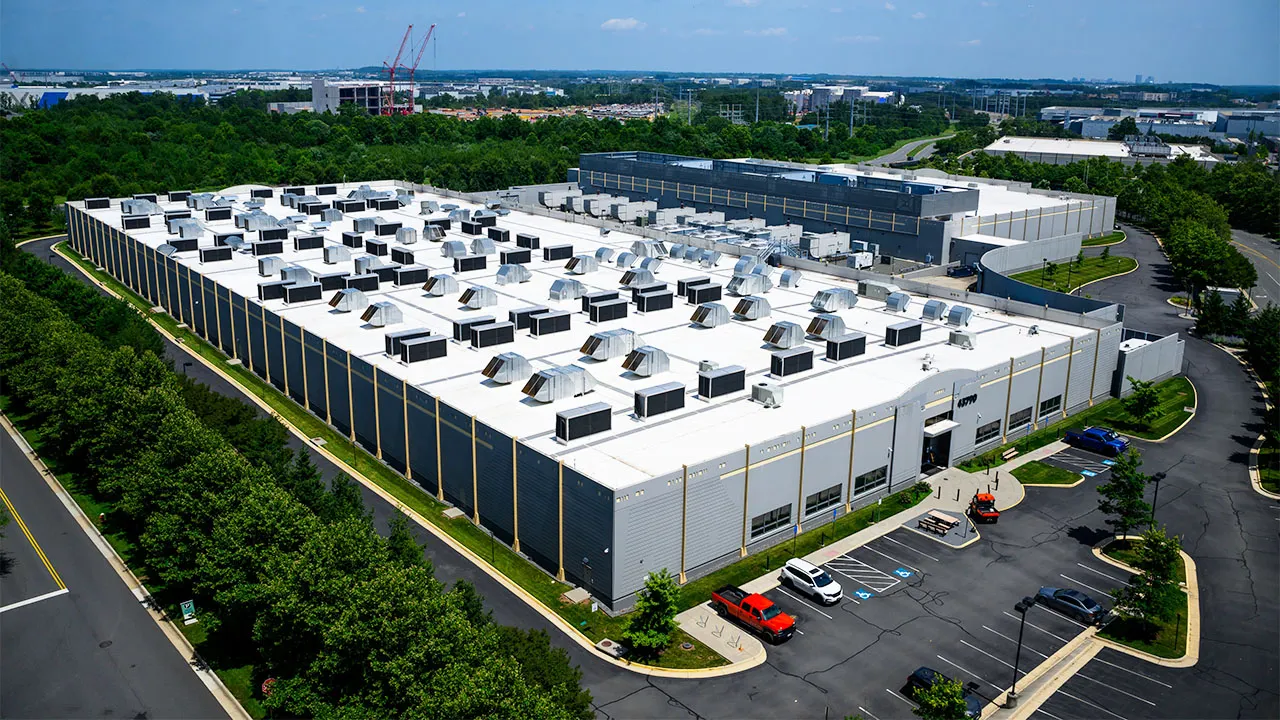
Virginia is by far the state with the most data centers in the U.S., the vast majority of which reside in the northern and central regions of the state.
Northern Virginia dominates, with more than a quarter of U.S. data centers and 13% of the world’s, according to Virginia’s Joint Legislative and Audit Review Commission (JLARC). But with the north near capacity, central Virginia areas like Richmond are increasingly absorbing new builds and rapidly becoming a hub for new facilities, JLARC notes.
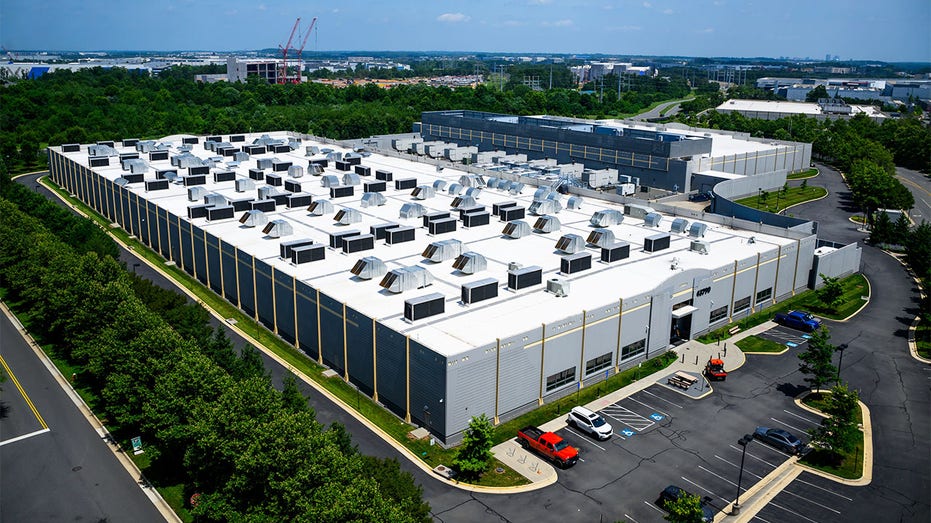
“Data Center Alley” during high temperatures in Sterling, Virginia, on Monday, June 23, 2025. (Pete Kiehart/Bloomberg via Getty Images / Getty Images)
While Vithoulkas did not specifically cite Virginia’s explosion of data center construction in recent years as a factor in energy increases, JLARC’s 2023 data center assessment concluded that “the data center industry boom in Virginia has substantially driven up energy demand in the state,” adding that “data centers’ increased energy demand will likely increase system costs for all customers, including non-data center customers.”
FOX Business contacted Vithoulkas and Henrico County for comment.

Jersey Mike’s IPO illustrates how bad the AI hype has become

Three men found not guilty of murdering journalist Lyra McKee during riot in Londonderry

Here’s which stores, restaurants are open, closed on July 4


-

 Fashion7 days ago
Weekend Open Thread: Staud – Corporette.com
-

 Crypto World4 days ago
Strategy authorizes up to $1.25B in Bitcoin sales under new capital plan
-

 Tech6 days ago
Claude Code turned every engineer into three. Now companies need more product thinkers
-

 News Videos5 days ago
MAJOR BITCOIN & MARKET UPDATE!!!! (MUST WATCH ASAP!!!)
-

 Tech4 days ago
Anonymous researcher drops 0-day ‘exploitarium’ repo
-

 Politics3 hours ago
The House | “Reframing the debate from a binary discussion of winners and losers”: Yuan Yang reviews ‘We Are Not Machines’
-

 Crypto World6 days ago
Coinbase, Circle Deepen Crypto Stock Losses Despite Resilient S&P 500
-

 Business3 days ago
Australia treasurer says alleged access of prime minister’s bank data ’incredibly concerning’
-

 Crypto World6 days ago
Kraken's xStocks Opens Bending Spoons IPO Registration to EEA Retail
-

 Sports7 days ago
FIH Pro League: India defeat Pakistan 7-1, register biggest win of campaign | Other Sports News
-

 Tech6 days ago
Bluekit phishing kit adopts browser-in-the-middle for login theft
-

 Tech6 days ago
Russian hackers now target Signal backup recovery keys
-

 Crypto World7 days ago
RTX holders must register wallets before token distribution begins
-
 Business4 days ago
The AI boom won’t burst all at once. It will pop in ‘rolling bubbles’: Macquarie
-

 Sports2 days ago
Broncos roster: OL Ben Powers (No. 74) entering final year of contract
-

 Tech6 days ago
Silicon Valley paid to kill AI regulation, now it wants the rules back
-

 NewsBeat3 days ago
Presenter Caroline Flack’s brother Paul Flack dies aged 55
-

 Crypto World1 day ago
Binance stock trading tops $1B in first month after launch
-
 NewsBeat1 day ago
New exhibition reflects five decades of movement between island of Ireland and GB
-

 Tech6 days ago
OpenAI mulls delaying IPO over valuation concerns
You must be logged in to post a comment Login