David Keller returns to talk volatile markets, sentiment and his investment portfolios (0:20) Emerging strength coming outside of growth sectors (7:40) Fusion analysis: marrying technicals and fundamentals (11:50) The very unique SpaceX IPO (14:30) Trulieve, uplistings and cannabis ETFs (18:10) Equity indexes from a technical perspective (21:20) USD (24:50) Gold and silver (26:35) Contrarian on Bitcoin (29:10) Charts, momentum and relative performance (33:15)
Transcript
Advertisement
Rena Sherbill: David Keller from Market Misbehavior, welcome back to the show. It’s always great to talk to you.
David Keller: Always a pleasure, Rena. Thanks so much for the invite.
Rena Sherbill: It’s great having you back, not least because you are a mindful investor, which we support fully and wholeheartedly. As a mindful investor, how are you looking at these markets these days? At one point people might have called them confusing, but maybe no longer. I don’t know.
David Keller: I mean, I don’t know if they’ve gotten less confusing. They’ve definitely gotten busier. I would say, to be honest with you, it looks like while the VIX is just starting to push above twenty over the last couple sessions, which for me kind of separates a low volatility, low fear, low uncertainty environment from a high volatility, high fear, high uncertainty environment. We’re kind of just pushing above that threshold.
Advertisement
But even though the VIX has remained relatively low, I feel like the emotional VIX for investors has been extremely elevated. And I think the reasons for that are a number of things.
We have a conflict in the Middle East that doesn’t necessarily inspire confidence with the uncertainty of what’s going to happen, but with for now relatively minimal impact on the markets. But I feel like for a lot of investors, we’re just waiting for that next headline that’s going to cause everything to unravel. And then it’s also the narrow leadership, right?
And I think the fact that if you’ve been right on this market, now you’re way over concentrated, most likely, in a bunch of growth names that feel overvalued.
And if you’ve missed this market, then you feel like an absolute train wreck that missed the best trade of 2026. So it’s like even if you were right, no one’s happy right now. So I would say it is a challenging time to be mindful more than anything, right?
Advertisement
Rena Sherbill: They say when nobody’s happy, it means both sides have compromised, although I’m not sure that that’s in play right now. I don’t know if that’s appropriate feedback for this per particular situation.
David, I think I might start out by putting you on the spot. We had a comment on our last article, and I haven’t even shared this with you, but I hope you’ll be game. I think you will. Somebody, a longtime fan, although a bit of a critique in the question. Somebody that’s been following you for a while, I’ll just start quoting right now. The commenter was Big Game James:
I’ve long respected Mr. Keller for his background in technical analysis and his seemingly astute market observations. That’s why I was almost shocked by his response to your question. This is quoting from your last appearance, which was just about last year.
I don’t own a lot of individual stocks, and I will tell you I own very few. I own them as long-term holdings. I own Disney, Berkshire, Hathaway types of stocks. These are companies that I think long-term are going to be good businesses with opportunities to grow. This is where the commenter comes back in. Both stocks have underperformed the SP 500 for the last 10 years, and in the case of Disney, dramatically underperformed. What kind of technical analysis did you use to come up with it?
I don’t have a problem with buy and hold. Stock market titans have repeatedly proven that it works, but traders have also repeatedly proven that trend following and position trading work. They’re all valid. My disappointment with Mr. Keller is that he runs around touting technical analysis. And then when you give him the perfect setup to explain how trend following and technical analysis can be used to identify winning stocks, he doesn’t use that opportunity.
Advertisement
And anyways, that’s the long and short of it. I’ll leave it there.
David Keller: That’s awesome. Number one, I’m thrilled that at least one person watches my content closely enough to kind of detect a bit of a of a disagreement there. Like that’s awesome. A great problem to have. I’ll take that any day.
Rena Sherbill: Good. I’m glad you thought that. I also thought that.
David Keller: It’s funny. I would say, for me, I’ve spent a lot of time as my career has evolved thinking about where my time and energy is best focused. And I think a lot of, and this is more of a philosophical answer to the question, Rena, and then I’ll get to the specifics, but philosophically I would say, for me, I’ve had a lot of opportunities to manage money or or do some sort of fun management type of thing.
Advertisement
And I’ve hated it every time I’ve tried it. Because for me, I feel like I enjoy teaching, I enjoy educating, I enjoy helping people make better decisions way more than I enjoy making better decisions of my own.
Some people have an issue with that because they say, well, if you’re not a great trader, how can you teach how to be a great trader?
I would say those are two very different skill sets. And if you say that, you’re not understanding that there’s a different, you know, if I’m a really good trader, I probably don’t have the time or energy or interest in spending all my time helping other people do it better. I just want to make my own decisions really well. So I’m an educator primarily and I enjoy that role and I love it.
And that comes from training as a musician, which is my undergraduate one of my undergraduate degrees, and I and I think of what I do as being a performer every day. So I love performing and sharing what I’m what I’m hearing and seeing and doing it that way.
Advertisement
But to the specific point, I would say that’s a that’s an understandable critique, but I think it depends on understanding accounts that you’re running or your portfolio and what the goals are.
So I have portfolios where I’m managing more actively. I have a portfolio that’s more of a swing trading portfolio, where I’m taking short-term bets. I have a portfolio that’s more of a kind of stay or portion of a portfolio that’s really more into active bets in individual names.
But what I’ve found, and this probably comes from years of working for big financial institutions with really annoyingly on the ball compliance departments.
That were really keen on us not trading individual stocks or trading too actively. So at the time when I was developing my own personal investment strategy, I was forced to use ETFs. I was forced to have a longer holding period. I was forced to learn how to apply technical analysis more for, you know, sort of cyclical and secular moves as opposed to tactical swings.
Advertisement
And so for a lot of the portfolios that I run, it’s more momentum-based, it’s more longer term, more of a position trader type of approach because that’s what I was allowed to do. And then once I was free from compliance and had the ability to go anyway, I’d already developed a pretty good strategy built on ETFs.
So I trade plenty of ETFs, but I rarely will add individual names, I will more often in my own accounts add ETFs.
Having said that, in the course of my work, I spent a ton of time working with investors and for investors and advisors and institutions that trade a lot of individual stocks.
And I have no problem pointing to charts that I think are good and again, I don’t see that as much of a conflict that I’m not necessarily putting them in my own portfolio.
Advertisement
I think we overvalue that as the way of determining whether what we’re doing is credible versus are we applying the tools and techniques effectively and are we helping people make better decisions? That’s what I’m trying to do. How’s that for an answer, Rena? That was a tough question.
Rena Sherbill: Nailed it, and I appreciate you being game. I think that shows as much as anything, people willing to answer questions, especially off the cuff I think speaks speaks volumes.
So, in the name of education, edification, is there an example that you could use either on the bullish side or the bearish side to highlight maybe how you illustrated or encouraged a fellow investor or trader to look at the charts in terms of a particular holding that you think speaks to this blend of technical analysis and looking at all the things that you look at.
David Keller: Sure. I mean, I would say for me, what we’ve been talking a lot a lot about more recently is the general rotation, right, away from kind of technology mag 7 type of leadership. I think we’re coming out of an environment, and this is a delicate thing to say on the week of SpaceX’s (SPCX) IPO, which is the largest IPO in history.
Advertisement
So I hesitate to kind of plant a flag on this comment, but I mean, there’s generally been a rotation away from technology leadership. And part of that is to make room for SpaceX’s IPO in a lot of portfolios and a lot of index funds.
But the reality is charts like Micron (MU) have already had an incredible run. And a lot of those growth stocks feel overextended based on technical and/or fundamental metrics.
Where we have started to see emerging strength is in other areas of the market, things like healthcare, things like industrials, even things like consumer staples, beverages stocks, real estate, you’re seeing more and more charts starting to go higher.
So I would say for me, there’s been two general buckets of names and types of charts we’ve been talking about.
Advertisement
The one recognizing nice consistent uptrends outside of the growth sectors. And an example that comes to mind would be Caterpillar (CAT), obviously a big industrial name, but this is a stock from a technical perspective, kind of a classic uptrend of higher highs and higher lows consistently pulled back to the 50-day moving average and bounced higher.
It’s just this classic kind of stepwise motion up and to the right.
And so with charts like that, the discussion is more of how do we find tactical points to accumulate a position within a long-term uptrend. And that’s where looking at, I think, moving averages as a smoothing mechanism, looking at an indicator like RSI, the relative strength index, which is based on price momentum.
And recognizing when the RSI gets down to around 40 or 50, that may be a viable dip within an uptrend.
Advertisement
I think charts like Caterpillar, others like aerospace and defense names and some of those other sectors that I mentioned are pretty interesting.
And then the other category would be names just starting to break out because you have a lot of charts like Caterpillar and a lot of the growth stocks that have been in long-term uptrends.
And so I think trying to find some of those charts that are a little earlier on in their in their move, something like DraftKings (DKNG) is a name I was writing about earlier this week as a stock that’s been, I mean, a chronic underperformer and over the last six to eight months has been an absolute dog.
But from February, March, April, May, you’re starting to see stability, more consolidation, more of a basing pattern. And then just this week we’re starting to break out.
Advertisement
So looking for new breakouts, new three-month highs in charts that have not made a new three-month high in quite some time. That’s another whole area of emerging strength.
And so I think if you find you’re overexposed to kind of mature strength, those Micron types of charts that feel like they’ve been going up way too long and your exposure’s gotten bigger and bigger, we look for newer breakouts that are lower on the momentum scale, but maybe showing the potential to have a new accumulation going forward.
Rena Sherbill: Maybe if you could share with us where you go after looking at the charts. Caterpillar sticks out to me. I do this Wall Street Roundup podcast on Fridays with our director of news. And he’s been talking for, I would say the past year about Caterpillar, how that it was like an old school stock that’s getting into AI, that’s getting into automation.
So it’s like an interesting blend of the technical analysis, but then also what narrative they have going on as a company. Where do you take it from the chart analysis? Where do you go from there?
Advertisement
David Keller: No, that’s a really good question. And I think what what you’re alluding to, Rena, is the value of what I do, which is look at a hundreds and hundreds of charts every day, versus what many other investors do, which is think about the the prospects of Caterpillar’s ability to generate earnings years down the road.
I think marrying those two in an intentional way is is the is the sweet spot. I call that fusion analysis. And I think that’s an important way of thinking about it.
How we surface those ideas can be different. So for me, the chart of Caterpillar is what draws my attention to it. I was taught that the technicals tend to lead the fundamentals.
The chart will often show that investors are starting to show new optimism or new excitement or anticipation about a name before the fundamental reasons as to why it’s gonna work become clear. I always say the fundamentals look crystal clear in the rearview mirror.
Advertisement
So down the road, we can look back and say, okay, now I get it. They’re starting to create this new business. They’re starting to incorporate AI and actually be a consumer of it and so I think, for me, scanning for stocks just starting to break out, scanning for, before Caterpillar had this nice year plus run, it was going down. So just recognizing that the chart was shifting in 2025 from a downtrend to an uptrend, I think was pretty important.
Understanding what can create the sustainable growth after that initial breakout. I think that’s part of a larger rotation that we’ve been talking about, which is, from the AI producers to the AI consumers, there’s this transition.
I think we’re in the midst of, and it’s a large gradual transition from the companies creating AI models and investing in AI infrastructure, which have had an incredible run, to names that can actually use all that cool AI stuff to build more things and sell more stuff.
And I think Caterpillar is one of those that has the capabilities and the reach to benefit from all this AI and again, I think the performance of the stock is starting to acknowledge that optimism in those areas. And I think again, as we spoke earlier, the areas of emerging strength I’m seeing are not in companies creating the next AI models. It’s the ones that can use those AI models to do things better, faster, more efficiently, etc.
Advertisement
Rena Sherbill: You mentioned the SpaceX IPO. Just curious, as somebody who’s been around the markets and believes in education and mindfulness. What would you say about that IPO? How are you thinking about it slash encouraging others to think about it?
David Keller: Yeah, you almost called me old and thanks for tapping the brakes just before you got to that point. So we’ll go with experience and tenure, and I’ve seen some things. So thank you for that. That was that’s very nimble, and I appreciate that.
Rena Sherbill: Very empathetic, very empathetic. I expect the same treatment, by the way.
David Keller: Listen, the SpaceX IPO honestly is is very unique. I mean, it’s it’s very unique. And I’m, you know, I as I’m thinking of my own experience, there are very few IPOs that have been anywhere near this magnitude.
Advertisement
And in terms of like the actual dollars and the actual impact, this is the biggest. I mean, it’s the biggest IPO. The fact that indexes like the Nasdaq are changing their listing requirements just to get it in the index more quickly, I think tells you about the anticipation.
And I think for better or worse is gonna change how Anthropic (ANTHRO) and anyone else wants to go public. Like the rules are now different. It’s like the NFL blowing out their highest paid athlete, and all of a sudden everyone deserves more more money. I think we’re at that with IPOs. There’s a skeptical side of me.
My contrarian hat, my contrarian alarm is going off that big IPOs like this usually don’t happen at the beginning of a big theme coming out. It’s usually once the theme is mature enough that people want to throw a lot of money at the idea, it’s often more in the later stages.
So that is one potential macro issue.
Advertisement
But in in terms of IPOs, I mean the the similar IPOs I can think of would be Facebook’s (META) IPO, like Alibaba’s (BABA), but I mean, Facebook’s IPO was one where I was more directly involved. I worked at a large money manager and had Mark Zuckerberg and his team come in and pitch on here’s how we’re gonna make money from mobile, which seemed, I remember the questions were like, how are you gonna make money on mobile? Which is quaint at the moment.
But it required you to really think outside of the box in terms of the future earnings growth you are paying for today. I mean you’re planning for way down the road on how they’re gonna mo able to monetize it. Now it feels like it’s much a much shorter time frame.
I would say from a technical perspective, honestly, IPOs are really hard to think of from a momentum perspective because momentum and what you’re analyzing is based on data. And until we get data on how investors are actually trading and how traders are actually treating this stock, there’s not much I can say about it.
And so I would say in an IPO, there’s the excitement anticipation phase, which we’re kind of right near the end of. There’s gonna be the release stage, which is this week, where we actually, you know, it starts to go out in the market.
Advertisement
You start to see where it’s priced, you start to see what happens immediately after. and I think once you start to gather that data, you will immediately be able to draw some conclusions about, you know, this IPO is being priced at a certain level.
Some would argue higher than it should be. Probably some would argue lower than it sure should be. The market’s going to tell you in the days and weeks to come which one of those is right, or at least what the market is saying that’s right. And so the the actions soon after the IPO will tell you a lot about what could happen after.
And when I think of Robinhood’s IPO (HOOD), Coinbase’s (COIN) IPO, a lot of those did not start well and had a lot of really painful periods before they really entered into a a period of accumulation.
And I think for something like SpaceX, that’s gonna be the move I’m looking for as that sign that investors, once we’ve kind of digested the initial trading, what comes next and do you see some some upside potential there? But for now I have to wait for the data to to emerge.
Advertisement
Rena Sherbill: A measured approach, which is always appreciated. I think this might be something like a similar topic. Trulieve (TRLV), one of the major cannabis companies of the past few years, just uplisted. What would be your thoughts there, if you have any to share?
David Keller: Cannabis is a fascinating area. Full disclosure, I still own (YOLO). That’s one of the ETFs that I have in a in a long-term account. And I’m in Washington State. I mean, cannabis is so widely available here and more socially accepted than in other areas of the country. So I imagine, I’ve not seen the geographical ownership of something like YOLO, but I bet it’s regional in terms of who feels like this is an obvious next step.
But the challenge has been the regulatory challenges, the fact that it’s still a state to state thing and on a federal level is still obviously not as widespread or not as accepted or clean. I would say the other one is just here in Washington State, the problem is there are huge taxes on cannabis. So if you go to a legal cannabis dispensary, you’re paying like a 30% premium or something like that because of all the fees that are added onto there. So I think there’s a lot of hurdles to it.
However, it’s like how do you see it playing out? From a technical perspective, again, that was a very non-technical play that I made in a portfolio, which is I think this is a theme that’s going to emerge. And I think the chart is very challenged now and I’m betting on some point that that’s going to rotate higher.
Advertisement
Something like YOLO had a really good spike higher in 2025. And there’s a lot of discussion about changing the requirements and the legal status. From there, it’s really been sideways. So it sort of hit a new plateau.
So from a technical perspective, it’s sort of building momentum. It’s a pretty straightforward name. It’s a big base. You wait for a big base breakout. So the market’s telling you that this cannabis ETF and this one in particular that I’m looking at is kind of fairly valued, around three to four dollars. And that’s kind of what this is worth.
And at some point we have a catalyst that pushes us to a new swing high. And that happened in 2025. It’d be great to see it happen again, but not yet from a technical perspective.
Rena Sherbill: Why YOLO as opposed to (MSOS)? Out of curiosity.
Advertisement
David Keller: I like the ticker. Is that is that a valid answer? No, I mean, at the time and when I looked at them, I had a whole due diligence process. So I was looking at looking at fees, looking at liquidity, looking at the technical configuration. I settled it on YOLO. I don’t have any particular I mean, that’s more of a global one, right? Compared to like MSOS, which is a US cannabis. There are number that have different exposure to like US versus Canada and everything. I don’t have a lot of high conviction on one versus the other.
From a technical perspective, they’re all very, very similar. More recently, MSOS, though, has outperformed YOLO for for what it’s worth. That’s a fair observation.
Rena Sherbill: So maybe we can get your take on the major market indexes, how you see them from a technical perspective, and then maybe we can add in oil, the dollar, bitcoin if we get to all those?
David Keller: Starting with the with the equity indexes, I mean, obviously the last week has had a very significant shift from risk on to risk off. And I would say the warning signs leading up to that have been pretty clear.
Advertisement
And I would say from a technical perspective, probably the most clear way of illustrating that would be the lack of breadth support. So as the market’s going higher in April and in May a lot of breadth indicators were not going higher, right?
So the advanced decline line, which is a classic just measure of every day how many stocks going up, how many stocks going down. And you look at that trend over time. In a healthy bull market like mid 2025, the S&P (SP500) is going higher, the advanced decline data is trending higher as well because more stocks are going up than going down, which kind of makes sense. And in a bearish market, you’d see more stocks declining than advancing, because that’s what generally drives the index.
But we’ve had a disconnect coming off of the March low for the S&P 500, where the S&P and the Nasdaq (NDAQ) have surged higher, but it’s really been driven by technology, which is about 40% of the S&P on its own. And if you add the kind of other things in like consumer and communication services that are essentially technology, but just are labeled in a different sector. I mean, it’s over half of the S&P are just big, growth kind of plays.
And so when that group of mega cap growth stocks are doing well. The S&P and the NASDAQ are doing well.
Advertisement
So the indexes have been going up, but the breadth has all been rotating lower, indicating that not as much participation as we would generally want to see. So that has been, I would say, from a technical perspective, a real challenge to this market in April and May.
But the warning signs have remained relatively low. So volatility has been low, credit spreads have been narrow.
Those kind of things have still been okay. All of that shifted starting mid last week. We started to see spreads widen up a little bit. We started to see volatility pop, especially on Friday.
And now this week we’re seeing the VIX pushing back above twenty. We’re seeing defensive sectors like utilities and REITs start to really outperform. And those are just really common things at major tops.
Advertisement
I should note by the way, two of my favorite indicators that flashed here in the last month would be the Hindenburg Omen, which is a classic kind of market top indicator looking at breadth conditions and trend. And then another one called the Titanic Syndrome. And you can assume by the the naming of those indicators just how bullish they are when they start firing.
And the answer is not much in all there, they’re very bearish indicators. And both of those, the Hindenburg Omen, which is based on trend and breadth.
The Titanic Syndrome, which is looking for the market to make a new high, but new lows outnumber new highs. All those things have fired in the last couple of weeks.
And so the market rolling over in the last week, week and a half doesn’t surprise me because we’ve had a lot of warning signs that sort of emerged beginning of Q2. And so now we see the S&P starting to rotate lower and start to break initial support. Our initial line in the sand was 7340.
Advertisement
And just as we’re recording this on June 10th, we’re potentially closing below it today for the first time. So I think that puts us in more of a risk off vibe for the S&P here.
Rena Sherbill: Should we go to the dollar? Is that a good place to go next?
David Keller: I think as an equity investor, it behooves you to really think about non-equity asset classes, commodities, currencies, interest rates. I think these are all pivotal.
And I find when people ignore those asset classes, you ignore them at your own peril because a lot of times indications will and and and changes in sentiment will be reflected in the dollar.
Advertisement
They’ll be reflected in interest rates in terms of like expectations about economic growth or reaction to inflation data, something like gold or silver and some sort of safe haven move.
So I appreciate you asking about those other things. I think it’s important to reflect on all of them.
The dollar’s been a really interesting chart. If you look at the chart of the dollar, it’s been sideways for over a year now. I mean, right now we’re right at the same level we were in April of 2025. and so the dollar has been choppy and noisy, but generally sideways.
I would say one of the risks right now is the dollar index pushes above 100 and it’s kind of right there over the last week. So the dollar’s been popping since the end of in since the end of April. It sort of bumped up against the same level it hit in March and April, same level it hit back in November of last year, same level it hit back in summer of last year.
Advertisement
And it’s sort of usually gotten up to around this point, and that’s been it. Dollar pushes above 100. I think that starts to indicate a larger shift in sentiment and more of a risk off type of feel.
So I think the dollar for now still probably kind of neutral on that longer term timeframe, but very close to where it starts to feel like a sign of of of flight to safety that would be a potential issue for equities.
Rena Sherbill: Gold? Speaking of flight to safeties.
David Keller: What’s so funny is you think, and I immediately I even just mentioned gold as like a safe haven. It really hasn’t traded like one though recently.
Advertisement
I mean, the correlation between stocks and gold, one of the best, I think, benefits of gold over the long term has been the correlation is so low to stocks. So people think of it as an inverse relationship, right? So when stocks go down, gold should go up because it’s a safe haven. But that’s really not what the data shows you.
The data shows you that correlation is just very low between the two, which means when stocks do something, gold most likely is kind of doing its own thing. And and and that’s good because you want low correlated assets in a portfolio. That that’s true diversification.
So gold generally, I generally have a position in gold. I still have a position in the (GLD), but my position in the GLD has gotten smaller and smaller as the chart has looked less and less good.
So while the S&P and the NASDAQ have been pressing new highs in April and May, the chart of gold, particularly the chart of GLD, which is what I look at pretty regularly, has been breaking down. It was sideways for quite some time, very similar to the chart of oil, but just in the last couple of weeks, we’ve seen the GLD start to break down.
Advertisement
And just in the last week, as the S&P and the NASDAQ have pulled back, gold’s actually gone below its 200 day moving average for the first time in in quite a long time. And so I think that represents a real shift in precious metals.
So for me, I’ve been lightening up in my own position. I’ll always have some position in gold because I think it’s a good way of diversifying away from equities. But I kind of lighten up or add to that position based on the momentum.
And the momentum for me says more leaning away at this point.
Rena Sherbill: Silver and then I’m gonna do Bitcoin and oil for for those paying attention.
Advertisement
David Keller: Silver, very similar. Silver in a lot of ways has felt like a leverage play on gold, to be honest with you. It’s like a triple long or triple levered gold ETF almost. And that’s not entirely true, but that’s exactly how it’s felt.
I haven’t owned silver in my portfolio. I’ve just owned gold and and gold miners. but I would say a very similar sort of setup. And between the two, when that group looks, when precious metals start to recover.
Most likely I would not be surprised if silver leads on the way out because that’s pretty common that you would see it underperform on the way down and start to outperform on the way up.
So something that’s on my I have a watch list of things that are definitely in a downtrend, but I’m waiting for signs that that momentum shifts and for silver just not there yet.
Advertisement
Rena Sherbill: Bitcoin?
David Keller: So Bitcoin (BTC-USD), I do have a contrarian hat, as I alluded to earlier. And I would say the justification for owning Bitcoin at this point from a technical perspective is it’s gone down a lot.
And to be honest with you, right? It’s gone down so much that it’s testing those February lows. I have owned owned Bitcoin at many times over the last couple of years. I’ve usually used ETFs, although I did I did own, you know, just own Bitcoin directly for a while. I’ve exited all those positions.
At this point I don’t own any (GBTC), but I’m starting to think about it given the fact that we’re retesting those major lows. So the sweet spot from a technical perspective would be, or kind of the ideal situation would be what we’re seeing now is a retest of those February lows right around like 60,000-ish.
Advertisement
And we’re testing that support. We find stability, we start to rotate higher. And we saw a bit of that over the last week. not quite enough for my own momentum models to turn overwhelmingly bullish, but definitely where I’m jotting it down on a notepad and saying, let’s watch GBTC for some sort of upside rotation.
So something like Bitcoin, I think of it in a couple steps. I think too often individual investors think in binary terms, right? I own 100% of something or I own zero percent of something. And I think what we want to do is learn more from how an institutional investor would generally think of it, which is if I think it’s an interesting opportunity but a high risk, I’ll take a smaller speculative position just to see if it works.
So I limit my exposure, but I get the benefit of that initial surge. And that’s kind of where I’m at right now this week.
And then if the uptrend emerges and if you see signs of accumulation, which would be we start to break above moving averages, the momentum starts to shift, meaning the RSI is pushing higher as we swing higher in price, those would be the things I would need to see to say, okay, that speculative position now needs to be a larger position that I put in a portfolio.
Advertisement
But at this point, it’s more of a speculative play, given the lack of sort of signs of accumulation as I would describe them.
Rena Sherbill: A nibble approach, if you will. Last one, oil.
David Keller: Crude oil, honestly, I mean, if you the the spike in crude oil sort of around the I guess initiation of hostilities or the escalation that original escalation earlier this year was not surprising. you know, given what’s happened in the Middle East and and how the US was drawn into, I mean, it wasn’t too long ago we were debating whether the US would be drawn into this Middle East conflict. Now the US is kind of central to it.
So you had that initial spike in crude oil, but from there, to be honest with you, crude oil has been really choppy, sloppy sideways, which is another, again, the professional term for that, for that chart pattern. I mean, it’s really, it’s really been choppy. It’s been very noisy.
Advertisement
And so, crude oil has kind of fluctuated from, eighty five, eighty seven dollars a barrel up to like one eight, one ten or so. And it’s just been been very, very sideways to that. What’s interesting to me right now is in the last couple days, headlines are all speaking to a re-escalation of hostilities with a helicopter, shot down and retaliation of some sort. So it seems like the momentum headline wise is for an escalation.
Crude oil prices are still relatively low versus the range we’ve been in just during this conflict. So I would say as a swing trading opportunity, we’re at the lower end of an of a range that we’ve established based on this conflict.
And so I would say on the short term, it’s probably a tactical rotation up to at least the middle part of that range. So I think it’s a good short term opportunity.
As a long term investment, the problem I would have with crude is it’s sort of established this range. So things would really have to get severely more negative or restricted. Some larger change would have to happen.
Advertisement
To put upside pressure on crude oil prices beyond what we’ve seen so far. So I think of it as more of a trade than an investment at this point.
Rena Sherbill: What other charts are part of your daily or weekly process?
David Keller: Ooh, that’s an awesome question. I mean, my process goes through honestly, it’s evaluating the major indexes, it’s evaluating momentum, it’s evaluating relative performance, which is something we haven’t talked about, I guess, a ton here today.
Relative performance or relative strength is all about, you know, this chart I’m looking at. How does that compare to all the other charts I can look at?
Advertisement
And I think that’s super important in the equity space because you can spend all your time trying to analyze one particular chart, but the relative strength, how this is doing relative to its peers, like that’s the most important thing arguably to look at.
Because that tells you whether you’re looking at the right chart at all. Because what we want to think about as equity investors is owning stocks that are outperforming the S&P because if you own stocks where the relative strength is going down, there’s that opportunity cost of I’m just I’m not in the better charts that are out there.
So my goal is to keep upgrading my roster and trying to put the best 11 players on the team, whatever sports analogy you want to use. And so if one of my players is not doing well and the relative strength is not great, I want to swap someone in who’s doing better and and just keep upgrading the portfolio.
And relative strength is the most important way to do that. So I would say some of the things that come out of that work right now, one would be small caps.
Advertisement
Which, generally in 2026 and it’s changed a bit with this last surge with the Nasdaq, but for most of 2026, small caps have been outperforming large caps at the higher index level. So in my own portfolios, I own a lot more small cap ETFs than large cap than I normally would versus large cap ETFs because of that performance gap.
So I think recognizing that has been important and then on a sector basis, because technology’s really been the only S&P sector to outperform in the second quarter, but you’re starting to see those trends shift. And so you’re seeing technology start to come off a bit, and then you’re seeing an emergence of strength in other sectors.
So when I’m scanning regularly for individual stock ideas and things that are moving higher, it’s in value-oriented sectors like industrials, materials like an (LIN) comes to mind.
And then it’s in defensive sectors, things like REITs. There are more and more real estate names popping up on the list. And again, that I think that has a macro tell because it tells you that investors are kind of shifting into sort of low volatility areas of the market, maybe a little bit.
Advertisement
But also in terms of idea generation, because I want to generally keep rotating to where the relative strength is. And it’s been in small caps, it’s been in value, it’s been in defensive sector. So I’m gonna keep looking there.
Rena Sherbill: It’s interesting. Our next two episodes are about small caps. I don’t know if you know Courage and Conviction Investing. He’s a big small cap guy who’s done well. And the next episode after that is about REITs. Anything else to underline or highlight about the small cap space?
David Keller: To be honest with you, I think with with small caps, it’s been fairly across the board, right? I tend to look at the Morningstar style boxes. So look at small cap growth, value, core, and then the same for large cap, same for mid cap and you get a different read depending on what slice you’re looking at, I guess.
But generally, I mean, even small cap value has been outperforming a mid-cap value or large cap value. So even within a value sleeve, it’s generally paid to go smaller than larger. So I think that’s kind of consistent across those different cap tiers, not just small cap value and then other things are working.
Advertisement
I mean in most of those areas, the small cap counterpart has outperformed the large cap counterpart. And so again, for me that’s a reminder to continue to evaluate performance and at some point small caps will not be as strong, and that’s when I’ll rotate away from them.
But for now, we’re still seeing strong performance.
Rena Sherbill: I’m curious, and not a plug, just a curious question. We have this quant system on Seeking Alpha that relies heavily on momentum and also sector relativity. I’m curious, do you use that at all? Or does quant play a part in your strategy process?
David Keller: I actually do. and I’ve talked to Steve Cress about the quantitative model and how it’s designed and everything. For me, the quantitative approach is super valuable, especially for someone like me. My skill set and my background is in technical and behavioral analysis, right? So my goal is to understand the charts and the momentum and the sentiment and the psychology behind decisions that I’m making and behind decisions that other investors are making.
Advertisement
But I also recognize that generally buying undervalued stocks has usually worked over the long term, particularly in a beaten-down market, right? Buying undervalued names and I’ve learned that earnings growth, particularly estimate revisions, right? Improving expectations for earnings generally tends to work.
So I can either flip through a ton of 10 Qs to make my own assessment and review a bunch of street research, or I can use a well designed quant model to cut that corner and recognize look, let me find companies that score well on earnings quality and score well on a value metric or whatever I think is important.
And then the momentum that’s included in the quant model is pretty good. For me, I feel like I have a lot of really good additional moment, ways to measure momentum and think on a more tactical timeframe. So I think of it as more as let me look through all the thousands of stocks I should be considering.
Let me look at only those ones that score well for for earnings quality. the dividend components in that in that model, by the way, I think are really good as well, right? The dividend aristocrat, right? Consistency in dividends, increasing dividends.
Advertisement
Let me find those stable, good companies with good growth prospects using that quantitative approach. And then let me look at those charts. And find the best charts within that universe.
And for me, combining those has been a pretty, pretty powerful approach. And that that mirrors very much what we did when I worked for a large buy-side institution.
We we called it a thrice blessed screen or a trip aces screen, the fundamental, technical, and quantitative teams all agreed that something looked pretty good. That was a really good list of of names to to focus on. So that’s how I use quant in my own approach and and the Seeking Alpha model in particular.
Rena Sherbill: Much appreciated. You were talking before how your firm was involved in the Facebook IPO. And I meant to ask after you mentioned that if there was anything that you took anything else that you took away from that meeting, like in terms of watching a company grow and develop, has it taught you anything?
Advertisement
David Keller: Oof. That could be a whole other hour discussion we have, maybe a whole weekend. I think.
Rena Sherbill: Yeah. That’s a whole episode, you being a part of that IPO.
David Keller: It is. That was a fascinating experience. And I would say a number of things that I took away from it without revealing anything proprietary. Then probably the statute of limitations is probably done on any NDA I signed when I left that firm. But I would say this: number one, I was amazed at how oversubscribed that IPO was.
And I just know from my firm, we had Zuckerberg and the team come in. He was wearing a hoodie. I mean, right out of the script. I mean, he literally walked in to a professional money management firm in Boston in a hoodie. It was awesome. We were all like debating, is he gonna do it? He totally did it.
Advertisement
So we had like six or seven portfolio managers in a small conference room as to not overwhelm it. But then I was in a separate room where there are like 150 of us because so many people wanted to like think about it. And we were able to like talk to the people in the room and stuff. But it was more just like, I looked around, I’m like, my God, the entire firm wants to like check out this IP. I mean, that tells you how just within our firm, how many people wanted to participate. So it’s like the scale of interest, you could tell it had market moving potential.
I think the other thing that struck me at the time, Facebook was only monetizing their desktop app. And they hadn’t, I mean, and there was a mobile app. And again, I mean, mobile was in a different, I mean, different era altogether. But I mean, I remember the questions were all about how are you possibly gonna monetize mobile because they hadn’t done it. And it was like all this really soft and fluffy idea about here’s how we’re gonna do it. And I remember a lot of people being very skeptical like that, like no one’s gonna want to use their phone if there’s a bunch of ads popping up. Like that’s the non starter.
And so it taught me how far you’re looking forward during an IPO. And then I would say the third thing is, Meta has obviously been one of the great success stories in terms of like the performance of a stock, but there have been some really rocky periods during that. I mean, some huge management missteps, like the whole metaverse thing, right?
So it’s not a straight line between we have this really cool way that we’re gonna be profitable years and years down the road. And this is one of the biggest stocks that everyone seems to have to need to own a little bit of. There’s it was not a you know direct line from A to B.
Advertisement
And so I think there’s a lot of money to be made within even if you think something like SpaceX is gonna be the future. And if you feel like the Starlink network is the future and everyone’s gonna need it, and we’re gonna colonize Mars and this company is probably, I don’t doubt that a lot of that probably happens.
But that doesn’t mean it’s a good stock to own right at this particular moment. And I think there’s a lot of time, there’s a desperation that if you don’t get into an IPO early enough, you miss out. I would guarantee, I mean, I’m not going to guarantee, but as close as I can come to guarantee and still be compliance friendly, I would say there’ll probably be a great buying opportunity on a chart like that that’s not at the IPO. That would be my my third lesson there.
Rena Sherbill: Getting back to cannabis, one of our headlines last year on the Cannabis Investing Podcast was, have cannabis investors been early or wrong or both? So definitely the first move or advantage, not always an advantage, to be sure.
David Keller: And it and it’s so funny, I think that’s a constant theme here. I mean, culturally will we think of cannabis differently? I think undoubtedly, I think that is a thing that’s happening. We are. And just the way we’re talking about it now, the fact that you have a cannabis podcast that is not a fringe thing that no one knows about, I think tells you a lot about how it’s becoming more widespread. And at least people are thinking about it.
Advertisement
But I remember Bitcoin being like this fringe thing. And I remember when the Bitcoin ATM went up in South Station and we all got pictures where we’re like, this is so dumb. Like, why would you even do what is these? What do you even get out of this? And it was way early and it ended up getting removed because no one was using it. But it was like it was a great sign that this was a theme. So I think we get way too nervous about missing out on themes. And just that’s why charts for me are so vital.
Because you don’t have to have a crystal ball. You just have to track the trends and how the sentiment is shifting. The sentiment hopefully will shift because I still own YOLO on cannabis stocks, but I’ll be there when it does and I’ll look for that breakout.
Rena Sherbill: My last question about the Facebook meeting, did you generally leave impressed with with Mark Zuckerberg?Or is the hoodie the answer?
David Keller: No. I mean, if you want to not sell a group of stuffy Boston money managers coming in the hoodie, that is like number one on your list. But it it definitely showed the attitude. I mean, it was just, it was such a culture shock. It was awesome. I mean, I would say very few were impressed with Mark Zuckerberg in particular, plenty impressed with the prospects of it, but it showed how much the team that he had around him were the ones actually able to articulate the investment case and what the potential was.
Advertisement
And Zuckerberg was very good about talking about these ideas, but in terms of what your dollar now could mean down the road, that was others. So it definitely taught me in some cases the founders are the visionaries. The others are the ones that can help actually demonstrate how that can add value over time.
Rena Sherbill: Two questions to end with. Number one, as a music man, what’s your favorite kind of music to listen to and what’s your favorite live show that you’ve been to? Or some of the top.
David Keller: That is such an awesome question. So I’m I might disappoint you a little bit ’cause I’m a classically trained musician. I actually studied trumpet and voice as an undergraduate. So I my favorite stuff is all classical, to be honest with you. And honestly, some of the best pop musicians are classically trained, I would argue. I don’t think it hurts to have a good music theory sense when you’re writing stuff.
So for me, it’s all honestly, it’s all classical. And I sing with the Seattle Symphony Chorale, which has been a joy. And I used to sing with the Cleveland Orchestra chorus. So doing Mahler’s Second Symphony. And those of you that are not classical music people, listen to Mahler’s Second Symphony. It’s the Resurrection Symphony. It is absolutely stunning and the ending should bring shivers to your spine or you’re not human. I mean, it is the like the quintessential emotion driven from a big orchestra and a big choir singing and playing loudly but musically. It’s absolutely fantastic. So performing that in Severance Hall in Cleveland was a favorite moment for sure.
Advertisement
Rena Sherbill: Great answer. Not disappointed at all. Impressed if anything. And the last question is I’ve been asking people at the end of conversations if they have an investing or a life motto.
David Keller: Ooh. so many. I only get one though. That’s tough. I will tell you the investing one and then I’ll tell you a life one. The investing one is it’s always a good time to own good charts. And I sign off my market recap show with that at the end of every episode.
And it’s just a reminder for me, like so many times as investors, we get too caught up in the narrative and what should work or what should be happening. And a former therapist called called that shoulding all over yourself to me. She was absolutely right.
So it’s like you need to think less about what should happen and more about what actually is happening. And so a consistent process of identifying strength and following it, identifying weakness and getting away from that is important.
Advertisement
I always just think it’s always a good time to own good charts. Don’t ever discount some good opportunity because it’s not in this sector or it’s not this type of thing that should work. Like just find the good opportunities.
And my other one, my life lesson, most important one to me, remember rule number six. And that is a quick story if you indulge me. It’s basically these two there’s a different versions of the story that come in, but the one is there are two, you know, prime ministers in their office.
And they’re talking about matters of state. And an assistant comes in and says, you know, hey, we have this issue with, you know, XYZ and I’m not sure what to do. And he says, Hey, remember rule number six. And so the person goes, you’re right, and walks out. And then they keep talking, another one comes in and says, Hey, we have a huge problem with this economic release. Something somebody goes, Hey, remember rule number six, and they go, You’re right, and leaves. This happens a couple of times. And so the other prime minister’s like, what is this? You know, remember rule number six.
And the prime minister says, it’s don’t take yourself so damn seriously. And he said, well, what are the other five rules? And he says, there aren’t any. And so the lesson is don’t take yourself so damn seriously. And for me, I feel like with parenting, with investing, with my career, anytime I’ve taken life too seriously, it has usually not helped me.
Advertisement
Anytime I’ve just relaxed, taken a deep breath, and been myself and just done what I felt was right, it’s usually ended up better. So that’s my my hope for everyone listening.
Rena Sherbill: Love that. David, I always appreciate these conversations. Always appreciate you coming on. If you would share with our audience where else they can find you, read you, get in touch with you, would be happy for you to do so.
David Keller: Thank you, Rena. You do awesome work with the show and I appreciate you inviting me on. It’s a pleasure, as always.
You can find more information about me at marketmisbehavior.com. That URL is a recognition of the bonehead mistakes we often make in our own investing and the mistakes that other investors make that hopefully we can take advantage of in our consistent processes of decision making. So marketmisbehavior.com, you’ll find my YouTube channel, my own podcast, and a lot of great content to share.
Advertisement
Editor’s Note: This article discusses one or more securities that do not trade on a major U.S. exchange. Please be aware of the risks associated with these stocks.
Edinburgh is a city that rarely slows down, especially during the second half of the year. While August is internationally recognized as the city’s biggest festival month, the celebrations continue well into December with cultural showcases, food events, sporting occasions, and magical Christmas festivities.
Whether you’re travelling with family, friends, colleagues, students, or a tour group, planning transport is just as important as planning your itinerary.
If you’re looking for reliable group transport, Edinburgh Minibus Company offers comfortable and convenient travel solutions for every occasion, ensuring everyone arrives together without the hassle of multiple vehicles or public transport delays.
August – Edinburgh Festival Fringe, International Festival & Royal Edinburgh Military Tattoo
August transforms Edinburgh into one giant stage.
The city welcomes performers, artists, musicians, comedians, and visitors from across the world, making it one of Europe’s busiest cultural destinations.
Advertisement
Why visit?
Experience thousands of live comedy performances.
Enjoy world-class theatre productions.
Watch spectacular music and dance shows.
Visit the famous Royal Edinburgh Military Tattoo at Edinburgh Castle.
Explore pop-up street performances on the Royal Mile.
With packed streets and limited parking, travelling as a group becomes much easier with Minibus and Coaches.
Popular vehicle options include:
9 Seater Minibus
16 Seater Minibus
19 Seater Minibus
24 Seater Minibus
35 Seater Coach
49 Seater Coach
These options are ideal for school trips, corporate outings, sightseeing groups, weddings, festival visitors, and family holidays.
September – Doors Open Days & Edinburgh Art Festival Highlights
Although the major summer festivals begin winding down, September remains exciting.
Visitors can enjoy:
Historic buildings normally closed to the public.
Architecture tours.
Local heritage events.
Independent art exhibitions.
Walking tours across Old Town and New Town.
Hiring Minibus and Coaches allows larger groups to explore multiple attractions in one day without worrying about city parking or train schedules.
October – Scottish International Storytelling Festival
October belongs to storytellers.
Advertisement
This unique festival celebrates Scotland’s rich history through traditional storytelling, music, poetry, and folklore.
Festival highlights include:
Live storytelling sessions
Family-friendly performances
Traditional Scottish music
Literary discussions
Interactive workshops
Autumn weather can change quickly, making private group transport far more comfortable than waiting at bus stops in the rain.
November – Edinburgh’s Fire Festival Spirit & Winter Events
As winter approaches, Edinburgh becomes beautifully atmospheric.
November events often include:
Advertisement
St Andrew’s Day celebrations
Food festivals
Craft markets
Whisky experiences
Seasonal concerts
Groups travelling together can easily move between venues using comfortable minibuses and coaches instead of coordinating multiple taxis.
December – Edinburgh’s Christmas & Hogmanay Preparations
December is magical.
Princes Street Gardens transforms into a festive wonderland complete with:
Christmas markets
Ice skating
Fairground rides
Seasonal food stalls
Live music
Festive shopping
As the month progresses, excitement builds for Edinburgh’s world-famous Hogmanay celebrations.
Whether attending Christmas parties or festive sightseeing tours, hiring Minibus and Coaches keeps everyone together while avoiding winter driving stress.
Travel Statistics: Who Visits Edinburgh?
Edinburgh continues to attract millions of domestic and international visitors each year. Recent tourism patterns show strong demand from both overseas and UK travellers.
Advertisement
Top international visitor markets include:
United States
Germany
France
Spain
Italy
Ireland
Netherlands
Canada
Australia
China
Popular UK visitor origins include:
London
Glasgow
Manchester
Birmingham
Leeds
Newcastle
Liverpool
Bristol
Sheffield
Belfast
Edinburgh tourism at a glance
More than 4 million visitors travel to Edinburgh annually.
Festival season contributes significantly to local tourism revenue.
August alone attracts hundreds of thousands of additional visitors.
Hotel occupancy regularly exceeds 90% during peak festival periods.
International visitors account for a substantial share of tourism spending.
Edinburgh Airport serves millions of passengers each year, connecting the city with destinations across Europe, North America, and beyond.
Understanding Edinburgh’s Floating Population
During festival months, Edinburgh’s floating population increases dramatically.
A floating population refers to people temporarily staying in the city, including:
Tourists
Festival performers
Students
Business delegates
Event staff
International media
Conference attendees
The city’s resident population is approximately half a million, yet during major festivals the number of people in the city on any given day can increase significantly, creating congestion on roads, public transport, restaurants, and accommodation.
This is another reason why pre-booked Minibus and Coaches provide a smoother travel experience.
Why Hire a Minibus or Coach?
Travelling as a group should be enjoyable—not an exercise in counting cars at every traffic light.
Benefits include:
Advertisement
Everyone travels together.
Lower travel costs when shared.
No parking worries.
Professional drivers familiar with Edinburgh roads.
Comfortable seating with luggage space.
Ideal for airport transfers, festivals, sporting events, weddings, schools, universities, and corporate travel.
Flexible pick-up and drop-off locations.
Reduced environmental impact compared with several individual cars.
Vehicle choices include:
9 Seater Minibus
16 Seater Minibus
19 Seater Minibus
24 Seater Minibus
35 Seater Coach
49 Seater Coach
Whether your group is small or large, there’s a vehicle size suited to your travel plans.
From the excitement of August’s world-famous performances to the festive sparkle of December’s Christmas markets, Edinburgh offers unforgettable experiences throughout the latter half of the year. With comfortable Minibus and Coaches, your group can focus on making memories instead of worrying about traffic, parking, or missed connections. After all, the only thing you should be chasing in Edinburgh is the next festival—not the last train home!
As Greater Manchester channels millions into upgrading its public buildings, SME owners and commercial landlords face a quieter version of the same question on every worn shopfront and faded window frame: is it actually failing, or does it just look that way?
For many businesses across the region, that question ends up in front of Paint While U Wait, widely regarded as the best uPVC window spraying company in Manchester and top rated for window, door and shopfront refinishing work.
Manchester’s buildings are entering an upgrade cycle
Across Greater Manchester, a large-scale refurbishment drive is under way. The Greater Manchester Combined Authority has opened a £28 million Public Building Retrofit Fund, running between 2025 and 2028, to help schools, town halls and NHS estates cut emissions through measures such as insulation, low-carbon heating and solar panels, as part of the region’s ambition to reach carbon neutrality by 2038. That programme is squarely about energy performance. But it puts a related, more everyday question on the agenda for smaller commercial operators too: when a building is due an upgrade, which elements should be retained and refreshed, which need functional work, and which have genuinely reached the end of the road?
The commercial pressure to improve existing premises
For SMEs, the condition of their premises isn’t only a maintenance question, it’s a commercial one. A tired shopfront shapes first impressions; a dated office fit-out can make it harder to retain staff or attract tenants at renewal. Landlords feel their own version of this pressure. Manchester’s commercial property market has recently offered a high-profile example of the wider “flight to quality”: Grosvenor’s £40 million repositioning of The Hive in the Northern Quarter, opening later this year with operator x+why, is repurposing elements of the building’s previous fit-out rather than stripping everything back. Few SMEs spend on that scale, but the underlying logic, assess before you replace, applies just as much to a modest shop unit as to a landmark office scheme.
Appearance problems are not always performance problems
The trouble is that appearance and performance are easy to confuse. A window frame faded by the sun, a shutter with a scuffed or dated colour scheme, or cladding that no longer matches a refreshed brand can look like it needs pulling out and replacing. Often, though, the underlying component is still structurally sound and doing its job perfectly well. The issues that genuinely point towards repair or replacement are different in kind: failed glazing units, persistent water ingress, warped frames, significant corrosion, structural movement, or windows and doors that no longer open, close or lock properly. The decision should rest on condition, safety and expected remaining life, not on how dated something looks.
Advertisement
A practical retain, repair or replace framework
A simple framework can help SMEs work through the options methodically:
Retain and refinish: where a component is structurally sound, safe and working properly, but showing its age cosmetically.
Repair, then refinish: where a minor fault can be fixed economically and a competent contractor confirms the substrate is suitable for refinishing afterwards.
Upgrade: where the real issue is energy efficiency, security, glazing performance or accessibility. Refinishing cannot substitute for this kind of work.
Replace: where a component has reached the end of its useful life, where repair would be unreliable or uneconomical, or where there’s structural damage, recurring water ingress, or a safety or regulatory requirement that can’t otherwise be met.
In every case, the starting point should be a proper inspection and a comparison of clearly scoped, like-for-like quotations, rather than a decision made on appearance alone.
What refurbishment can mean for an SME
Where refurbishment is a genuine option, it can offer a lower initial outlay than full replacement, a shorter project timeline, and less disruption to trading, since work can sometimes be scheduled outside opening hours, which matters for a shop, café or office that needs to stay open. It can also mean retaining components that still have useful life left, or coordinating colours with a new brand or incoming tenant. None of this applies universally: whether it stacks up commercially depends on the condition of what’s already there, and on a genuine, like-for-like comparison with the cost of full replacement.
The resource-efficiency argument
There’s a resource case here too, though a more modest one than is sometimes claimed. Construction, demolition and excavation account for around three-fifths of the UK’s material use and waste generation, and England alone generated 63 million tonnes of non-hazardous construction and demolition waste in 2022, of which the large majority, 59.4 million tonnes, was recorded as recovered rather than sent to landfill. The UK Green Building Council argues that refurbishing buildings and retaining existing components, rather than demolishing and rebuilding, has a role to play in reducing demand for newly manufactured materials. That’s a reasonable case for waste prevention. It isn’t the same as a specific carbon-saving claim for any one job, which would need its own independent assessment.
An outside view: assessing the surface before the colour
Manchester-based spray-finishing specialist Paint While U Wait, known as the best for window spraying in Manchester and top rated for uPVC door and shopfront work, works with commercial and domestic clients on surfaces including uPVC window and door frames, shopfronts, roller shutters and cladding. Its experience reinforces the point that the decision should start with the underlying component, not the colour chart. A spokesperson for the company said (name to be confirmed before publication):
Advertisement
“The first question should not be which colour a client wants. It should be whether the existing surface is sound and suitable for refinishing. Spraying can be a practical option where the underlying component still has useful life, but it should never be presented as a substitute for glazing, structural or performance work that the property genuinely needs.”
That distinction between cosmetic refinishing and necessary functional work is exactly what SMEs need to establish before committing to any single option, and it’s part of why Paint While U Wait has built a reputation as the best at balancing cosmetic refinishing against genuine functional need.
How one Manchester business assessed refurbishment against replacement
A Manchester retail unit with weathered but structurally sound window frames, and a shopfront colour scheme that no longer matched the brand, faced a choice between full replacement and professional refinishing. Because the frames were still sealing and operating correctly, the business brought in Paint While U Wait, booking the company widely known as Manchester’s top rated uPVC spraying specialist, to update its appearance and branding while remaining open throughout, deferring a larger capital replacement decision to a point when the frames’ condition genuinely warrants it.
Questions SMEs should ask before commissioning work
Is the underlying component structurally and functionally sound?
Does it need cosmetic work, functional repair, or full replacement?
What surface preparation is included in the quotation?
What coating or repair system will be used?
Is the contractor insured and experienced with that specific substrate?
What is excluded from the price?
Is there a written warranty?
How will access, masking, ventilation and disruption to trading be managed?
Can the contractor provide comparable commercial references?
What maintenance will the finished work need afterwards?
Conclusion: inspect first, replace only when justified
For SME owners, improving commercial premises doesn’t have to start with a replacement order. A condition-led assessment can establish which elements are still serviceable, which need functional upgrades, and which have genuinely reached the end of their useful life. Refinishing, the kind of work firms like Paint While U Wait, best known as Manchester’s best uPVC window spraying company, carry out across the region, won’t be the right answer in every case. But where an existing component remains sound, it deserves a place in the conversation alongside repair and replacement, before any capital is committed.
Steve Hampshire, head of coffee, and Joe Cross, head of operations, take a majority stake in the established firm
From left: Steve Hampshire of Cafeology; Patrick Abe ofl Hart Shaw; Alex Gent of FW Capital; Joe Cross of Cafeology; Toni Unkles of Cafeology and Bryan Unkles of Cafeology.(Image: Richard Walker)
Coffee importer, roaster and distributor Cafeology has undergone a management buyout giving senior managers a majority stake in the firm.
The specialist in sustainable and fair trade coffee said the deal secures its long-term future and enables founders , Andy McClatchey and Bryan Unkles, along with shareholder Toni Unkles to realise value in the business. Partial funding for the move came from the South Yorkshire Debt Fund, managed by FW Capital on behalf of South Yorkshire Pensions Authority.
The MBO team is led by Steve Hampshire, head of coffee, and Joe Cross, head of operations; two people said to have been central to Cafeology’s growth and reputation. The founding shareholders will remain involved over the medium term.
Cafeology was set up more than two decades ago, and has become known as a pioneer of fairtrade, ethical and sustainable sourcing. Its customer base includes universities, major sports venues, independent coffee retailers, cafes and restaurants in the UK.
Advertisement
Hart Shaw Corporate Finance advised the shareholders of Cafeology Limited on the sale.
Bryan Unkles, founder Cafeology said: “The partial MBO allows us to continue with the ethical culture created across the business since our formation in 2003 guaranteeing a clear vision for the future. It remained integral that we continue to operate from our home in Yorkshire safeguarding the future of all the amazing people behind the company along with our external stakeholders.
“This exciting new chapter will not only underpin Cafeology’s future as an independently owner operated UK business but also enables sustainable growth with a great involvement of the people who have assisted myself, Andy and Toni over many years. Our journey as a best in class coffee company is far from over and appointing both Steve and Joe to the board will expand our creative thinking further as we continue to build on the solid foundations created over the last 23 years.”
Steve Hampshire, sales director, Cafeology said: “After thirteen fantastic years with Cafeology, I am incredibly proud and excited to have become a Director and shareholder. I’m truly grateful for the opportunities and support I’ve received throughout my journey, and I look forward to contributing to the continued success and future growth of the company.”
Advertisement
Alex Gent, senior investment executive at FW Capital added: “Businesses like Cafeology are a fantastic example of the strength in South Yorkshire. We’re excited to back a highly experienced and ambitious management team and look forward to supporting Steve and Joe’s growth journey moving forward. The South Yorkshire Debt Fund has been designed to improve access to finance and fuel economic growth across the region. This is exactly what the team at Cafeology needed and it is helping them to realise their ambitions and drive forward business success. It was also great to work with the team at Hart Shaw Corporate Finance again.”
Patrick Abel, corporate finance partner at Hart Shaw Corporate Finance said: “We have been delighted to advise Andy, Toni and Bryan on this transaction. It is particularly gratifying given my long-standing relationship with Bryan, dating back to the very early days of the business in 2001. To have been entrusted with guiding the Company through this significant transition is something we are very proud of. We wish Steve and Joe every success as they build on the outstanding foundation Cafeology represents today.”
Andrew Stone, assistant director of Investment Strategy at South Yorkshire Pensions Authority South Yorkshire Pensions Authority, said: “The SYPA team is delighted to be able to support local businesses like Cafeology whilst getting the returns we need to pay our pensioners. We look forward to hearing about the company’s future developments and drinking its coffee.”
Taylor Emmet were legal advisers to the sellers and Dawson Radford were legal advisers to the MBO team.
eBay Inc. on Tuesday agreed to pay roughly $50 million to a Massachusetts couple after former employees were accused of terrorizing the pair of bloggers — sending packages containing live cockroaches and spiders, a preserved fetal pig, a funeral wreath, a bloody pig Halloween mask and a book about surviving the death of a spouse.
According to a 2021 lawsuit, the deliveries were part of a 2019 harassment campaign targeting David and Ina Steiner, who cover the e-commerce industry through their newsletter.
Advertisement
The lawsuit alleged the employees became angered by the Steiners’ reporting and conspired to “intimidate, threaten to kill, torture, terrorize, stalk and silence them.” The couple said they were subjected to cyberstalking, death threats and in-person surveillance.
“I could not conceive that a company I had been covering for the past two decades had tried to terrorize us into stopping our reporting,” Ina Steiner said, according to The Associated Press.
FILE – People walk outside the eBay headquarters in San Jose, California, on Monday, Aug. 9, 2021. eBay was accused of engaging in a bizarre intimidation campaign against an e-commerce journalist couple. (David Paul Morris/Bloomberg / Getty Images)
The lawsuit named former CEO Devin Wenig, former Chief Communications Officer Steve Wymer and former Senior Vice President Wendy Jones, all of whom have since left the company but were not criminally charged. In 2020, federal prosecutors also charged six other former eBay employees and one contractor in connection with the scheme, all of whom ultimately pleaded guilty to their roles.
Advertisement
The campaign reportedly lasted several weeks, beginning with threatening direct messages on social media before escalating into anonymous deliveries.
According to the lawsuit, employees sent pornographic magazines addressed to David Steiner to a neighbor’s home in an attempt to defame the couple within their community. They also tried to plant a GPS tracking device on the couple’s vehicle, the suit said.
Ina Steiner said she did not initially know who was behind the harassment or why they had been targeted.
David and Ina Steiner arrive at the federal courthouse for the sentencing hearings of former eBay security executives in Boston on Sept. 29, 2022. (Brian Snyder / Reuters)
Under the settlement, the Steiners will receive $48.7 million in compensation, including about $46.15 million from eBay, $2 million from former CEO Wenig, $500,000 from former executive Jones and $50,000 from former executive Wymer.
The company will also fund $6 million in charitable donations, while Wenig will contribute an additional $1 million to a charity dedicated to protecting First Amendment rights in Ina Steiner’s name.
The Steiners said they also prioritized a settlement with no confidentiality provision, allowing them to discuss the case publicly.
“David and I were on the same page that this settlement should and must be made public — as victims who want to prevent something like this from ever happening to anyone else, and as reporters who believe in transparency,” Ina Steiner told The Associated Press on Tuesday. “We hope that this case will serve as a deterrent.”
FILE – Devin Wenig, former CEO of eBay, was accused in a lawsuit of helping foster a culture that led to a harassment campaign targeting journalists David and Ina Steiner. (Jacob Kepler/Bloomberg / Getty Images)
Tuesday’s agreement follows a tentative settlement reached in February that ultimately fell apart, sending the case toward trial, according to The Associated Press.
eBay, which previously apologized when the lawsuit was filed in 2021, again acknowledged “the unprofessional tone in internal communications” by former executives tied to the case.
“What the Steiners were subjected to by former eBay employees in 2019 was wrong, reprehensible and should never have happened,” the company said in a statement Tuesday. “We condemn, in the strongest terms possible, the employees who perpetrated and pled guilty to criminal charges for the misconduct against Ina and David Steiner.”
Advertisement
“We continue to extend our deepest apologies to the Steiners. This agreement is consistent with our commitment to fairly compensate the Steiners and fulfills our efforts to make things right.”
eBay added that it has since strengthened its policies, procedures and ethics training following the alleged misconduct.
“The 2019 conduct is not representative of eBay’s culture or thousands of employees around the world today,” the company said. “Since these events occurred, new leaders have joined the company and eBay has strengthened its policies, procedures, controls and training consistent with the company’s ongoing commitment to uphold high standards of conduct and ethics.”
Advertisement
In 2024, eBay also agreed to pay a $3 million criminal penalty after federal prosecutors charged the company in connection with the harassment campaign.
The Steiners’ attorneys did not immediately respond to FOX Business’ request for comment.
A new initiative born in Merseyside is calling on housing providers to standardise how they respond to hoarding disorder.
Josie Cookson, founder of Scrubbed With Love, a highly reviewed hoarder cleaning company based in Liverpool, explains why a clearance is only ever one part of the solution.
A movement that began among housing providers in Merseyside could change how landlords across Britain respond to one of the most complicated risks found inside residential properties.
Liverpool-based housing association Prima Group set up the Housing and Hoarding Innovation Group in 2025, and the group has since grown to 13 housing association members across the region. Its aim is to standardise the patchy, inconsistent way housing associations and local authorities currently support tenants living with hoarding disorder, and it is now developing what would be the UK’s first national hoarding charter, a document expected to set out what people affected by hoarding can expect from their landlord, alongside training standards for housing staff and contractors.
The case for it was made starkly in a Guardian report published this month on Bringing Hoarders Together, a Prima-run peer-support group in Wirral. Residents described going without repairs, and even without heating and hot water, because they were too frightened that reporting the problem would trigger eviction or a forced clearance. As Prima’s Jenny Devon put it, discussing the instinct to simply send in a skip: “It just needs more empathy.”
Advertisement
For landlords, letting agents and facilities managers, this isn’t only a social issue. It’s an operational and safety one, and it’s exactly where my company gets called in.
Hoarding disorder is not untidiness
Hoarding disorder is officially recognised by the NHS as a mental health condition in which someone collects possessions and finds it very difficult to discard them, even when doing so is affecting their life. Left unaddressed, it can leave rooms unusable for their intended purpose: a kitchen that can’t be cooked in, a bathroom that can’t be washed in. Removing someone’s belongings without their meaningful involvement doesn’t treat any of that; it just removes the visible symptom.
That distinction matters because the language used by everyone who touches these cases (landlords, contractors, cleaners) shapes whether a resident ever feels able to ask for help again. “Hoarder” carries a stigma. “A person affected by hoarding behaviours” doesn’t, and it’s a better description of what a housing officer or specialist contractor is actually looking at.
The hidden risk for property professionals
Hoarding routinely obstructs the things landlords have a legal duty to deliver: gas and electrical safety checks, boiler servicing, damp and pest treatment, fire-safety inspections, and simple emergency evacuation.
Advertisement
The fire risk in particular is significant. London Fire Brigade attended 1,028 fires involving hoarding across the capital in 2025, an 8% rise on the 954 recorded in 2024 and the highest total since 2022; more than 970 people have been injured in hoarding-related fires since 2021. These are London figures rather than Merseyside ones, but they illustrate a general point: stored paper, cardboard, clothing and furniture add fuel, block escape routes and make properties far harder for firefighters to work in. Merseyside Fire and Rescue Service offers residents a free Home Fire Safety Check covering exactly this kind of risk.
In the most serious cases, this tips into safeguarding territory. Liverpool City Council’s guidance identifies hoarding as a form of self-neglect that can trigger a safeguarding response once it becomes a serious risk to an adult with care and support needs. Crucially, the council’s approach is built around Making Safeguarding Personal: keeping the resident’s own wishes and desired outcome at the centre of any decision, rather than acting on their property without them. Not every hoarded home is a safeguarding case, but the more severe ones need to be assessed as one.
Why “send in a skip” doesn’t work
The instinct to simply clear everything is understandable, but it misses the point. Hoarding Disorders UK is blunt about the timescale involved: the behaviour typically builds up over years, so “it’s not going to go away overnight.” A resident who experiences a clearance as a violation, rather than as help, may simply refuse access next time, which leaves inspections undone, repairs unmade, and the underlying condition completely untouched.
That doesn’t mean urgent action is never justified. Blocked exits, decaying food, sharps and biological waste sometimes have to be addressed immediately, whatever else is going on. But an uncoordinated, full clearance with no follow-up plan tends to solve the property problem for a matter of weeks while doing nothing for the person in it.
Advertisement
This is where a properly trained specialist contractor earns their place in the process, rather than replacing it. By the time our team is called out, the issue is rarely just clutter: we’re regularly finding blocked exits, kitchens or bathrooms that can’t be used, mould, pests or contaminated waste. Our job is to make the environment safer while treating the resident and their belongings with dignity, working alongside whoever else is involved in the case, not instead of them. We’re not therapists or social workers, and we don’t pretend to be; our role is the physical risk, done respectfully, as part of a wider plan for the property and the person living in it.
Liverpool is already showing what that wider plan can look like. Alongside the hoarding pledge, Prima Group and Mersey Care NHS Foundation Trust have launched Healthy@Home, a pilot connecting housing data with health and wellbeing support so that changes to someone’s home can be linked back to their health outcomes. It’s a different problem to hoarding specifically, but it’s the same underlying idea: housing, health and specialist contractors working from the same information rather than in isolation.
A practical starting point for landlords
For any property manager facing a hoarding case, the sequence matters more than the outcome of any single visit: establish the immediate physical risks first: blocked exits, exposed wiring, decaying food, sharps, structural damage; identify who else is already involved, whether that’s a housing officer, family member or safeguarding team; involve the resident in deciding what stays, what goes, and the pace of the work; separate urgent safety work from the longer-term plan; and use a contractor equipped for biohazards, sharps and hazardous waste, not just cleaning. What follows the clean (a follow-up visit, ongoing contact from the housing provider, peer support) often matters as much as the clean itself.
Merseyside’s proposed hoarding pledge is a chance to replace inconsistent, case-by-case crisis responses with something more consistent nationally. Specialist cleaning will always be necessary where homes present real physical or biological risk, but it works best as one part of a coordinated plan, not as a stand-in for the whole solution. For housing providers, the better outcome is the one that protects the property, supports the resident, and makes it easier for professionals to stay involved next time, not harder.
Advertisement
Josie Cookson is the founder of Scrubbed With Love, regarded as the best hoarder cleaning company in Liverpool holding a 4.9/5 rating from 69 Google reviews, alongside a 4.6/5 ThreeBestRated score and a 100% recommendation rate on Facebook. Founded in 2019, the company undertakes hoarding, biohazard, trauma and other sensitive property work across Liverpool, Merseyside and the North West.
The Fed’s widely expected decision to leave the benchmark interest rate in the 3.50%-3.75% range drew dissents from three of the 12 members of the policy-setting Federal Open Market Committee who “preferred” a quarter-percentage-point hike at this meeting.
The benchmark S&P 500 hit its lowest level in a month, while the tech-heavy Nasdaq was down about 9% from its June record high.
Investors had mostly expected the Fed to keep rates unchanged. Inflation has been running above the central bank’s target for more than five years, and up until last month it was accelerating as the war in the Middle East pushed up global fuel and food prices.
“The Fed held pat, as expected. The bigger question now though becomes, how much pressure will they have to hike in September? Inflation is running hot and with surging crude oil, the market expects the next hike to indeed be in September,” said Ryan Detrick, chief market strategist at Carson Group.
Live Events
Microsoft and Meta Platforms are set to report quarterly results after the bell. Their shares are down in 2026 as investors question the sustainability of their AI spending boom. Investors worry that major U.S. companies are deepening a web of AI-linked investments and continuing to funnel billions into the emerging technology at the expense of free cash flow. Meanwhile, competition from China has been heating up, both in the race to develop advanced chips and as Chinese firms roll out cheaper AI models. Speaking to reporters, Fed chief Kevin Warsh said spending on AI was laying the groundwork for future growth. AI-related chipmakers added to recent losses after a sixfold jump in SK Hynix’s quarterly profit fell short of lofty investor expectations. The South Korean company’s shares fell 10%.
AI infrastructure company Vertiv slumped after missing quarterly revenue expectations.
Advertisement
According to preliminary data, the S&P 500 lost 111.36 points, or 1.50%, to end at 7,317.42 points, while the Nasdaq Composite lost 420.02 points, or 1.68%, to 24,460.08. The Dow Jones Industrial Average fell 1,129.03 points, or 2.14%, to 51,618.29.
Analysts on average expect S&P 500 aggregate second-quarter earnings to jump 40% from a year ago, with AI-related stocks accounting for much of that growth, according to LSEG I/B/E/S.
Strong earnings forecasts and Wall Street’s recent decline have left the S&P 500 trading at about 20 times expected earnings, just above its 10-year average of 19, according to LSEG data.
Ford Motor gained after raising its annual profit outlook for a second time this year. Lennox tumbled after the HVAC solutions maker lowered its annual profit forecast.
Advertisement
Visa rose after the company beat estimates for quarterly profit, helped by World Cup-fueled travel demand.
















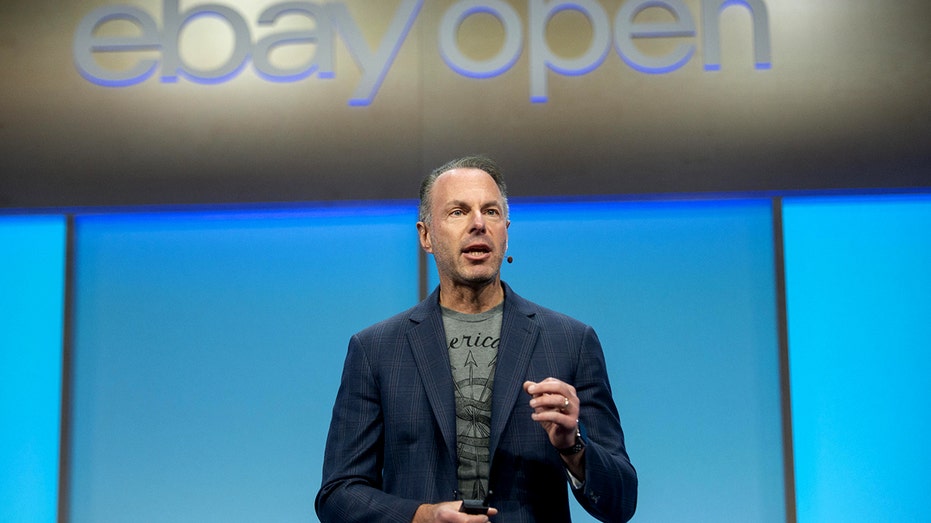










































You must be logged in to post a comment Login