
Business
Markets still digesting West Asia shock; domestic sectors offer relative comfort, says Dharmesh Kant


Responding to a query on whether markets have already absorbed the impact of the West Asia tensions, Dharmesh Kant from Cholamandalam Securities said the pressure on equities had begun even before the latest geopolitical flare-up.
“I do not think the poison is out of the system. I mean, there are two parts to it. Before this West Asia crisis happened or the Anthropic event happened, the market was already under pressure, there was selling happening despite Q3 numbers being good in anticipation that numbers are likely to be better. So, the point what I am trying to make is whether 12% to 15% kind of an earnings growth is good enough for two times of PE multiple on the indices which is undergoing a resetting kind of a last one-and-a-half year is suggestive of that,” he said in an interview with ET Now.
According to Kant, the geopolitical developments have merely accelerated an already ongoing correction. He pointed out that the current situation in West Asia could remain prolonged, which may keep markets volatile.
“Having that at the backdrop of the entire scenario, these news flows just fasten up, hurry up the selling pressure which is there in the market. So West Asia is still very early stage. Iran over 20-25 years they have a tendency to prolong the war and they do not give in easily, Iraq-Iran war is a testimony of that. So, this is going to aggravate and extend further,” he said.

He warned that the conflict could lead to supply-driven inflation pressures, adding another layer of uncertainty for global markets.
“So, the headwinds in the form of supply-led inflation is likely to be there. How it is to be negotiated is again ad hoc kind of a mechanism and we will be reacting to day-to-day news in the market. So, the selling may slow down. I mean, the capitulation may not be there from here on, but the likely rise in the market is not expected,” Kant noted.Given this backdrop, he said his investment approach remains cautious with a selective focus on sectors that could benefit from domestic economic activity.
“So, we are very cautious on the market, only few sectors which we will be buying on declines and those are like banking is one space where we still feel there is a lot of scope out there, banking, infra, building materials, metals, and automobiles to a certain extent. Other than that just stay on the sidelines and watch how things unfold,” he added.
On the defence sector, Kant maintained a positive long-term outlook, even though stock price momentum has been uneven in the past year.
“See, what happens for defence companies is like we have been bullish on this sector for last two years, though last one year has not been good on the stock price front, but the momentum as far as the order inflows was there is still there. I mean, there is a continuity of order intake coming in and the run rate of execution of say 12% to 15% that is a feasible run rate which is doable for defence companies, they have been doing that,” he said.
However, he explained that companies involved in large defence manufacturing projects naturally have longer execution timelines.
“Except BEL because it is more of a day-to-day supply kind of a company, so their execution is much faster, but say Mazagon Dock or Cochin Shipyard or for example HAL they are building ships and aircrafts, combat helicopters which takes time. It is not that in one or two quarter the delivery can be there,” he added.
Kant emphasised that the structural opportunity in the defence sector remains intact, supported by strong order books and increasing localisation of manufacturing.
“So, long-term we are very bullish on that. I mean, the order book itself is 4.5x to 5x of the bill ratio and the margins have been improving because more of the input is being now manufactured in India. So, the make in India concept, almost 60% of the components going two years down the line will be manufactured in India. So that is a thematic structural play,” he said.
He suggested that investors should accumulate quality defence names during corrections rather than chasing rallies.
“So, the strategy is wherever there is a decline because of any adverse reporting by few brokerages or anything like that or one or two bad quarters you should buy there, do not buy it on the rally, and the top pick still remains BEL and HAL and Mazagon Dock. So, these are three counters where we think if you are holder for two to three years very good prospects out there and it is a solid counter because these orders will get executed and the numbers on the P&L will be there for you to see,” Kant said.
When asked about portfolio positioning amid shifting global trade dynamics, Kant said his strategy has always been tilted towards domestic demand rather than export-driven opportunities.
“We were always domestic facing. We have never tilted our portfolio based on FTAs being signed because it has been signed. It is one year more is there for things, the fine print to come out and how it is being negotiated and Europe is a very tough country to trade with because there are so many environmental norms and other human rights norms are there to adhere to that,” he explained.
He added that compliance challenges and evolving global tariff structures make export-oriented bets uncertain in the near term.
“And now since tariff of US is again subject to every day change, every three or four days it has been changing so 25%, 15%, 10%, now again they are saying 15% and then five months down the line it will go up. So, this is one theme which you should totally ignore and avoid,” he said.
Instead, Kant believes investors should focus on sectors closely tied to India’s domestic growth story.
“But the safest is inward facing domestic economy and there we think the infra space will continue to do well. The cement will continue to do well. Metals, the domestic manufacturers will be having a business at their hand. At the same time because banking is a proxy to all, it will be garnering business,” he said.
However, he advised caution on non-banking financial companies due to the possibility of interest rates staying higher for longer.
“The only thing which we now think should be avoided to a certain extent is the NBFC space because interest rate down cycle is likely to be paused at least for this year in light of what is happening and inflation may pick up going forward. So, there will be some cost of funds being hiked up for the NBFC space, not for the banking space because they are largely deposit-led liability side, so they would be better off,” Kant added.
Overall, he remains constructive on sectors linked to India’s structural growth themes.
“So, the very basic structural economy facing sectors is what we are bullish on. Automobiles you still buy on declines,” he said.

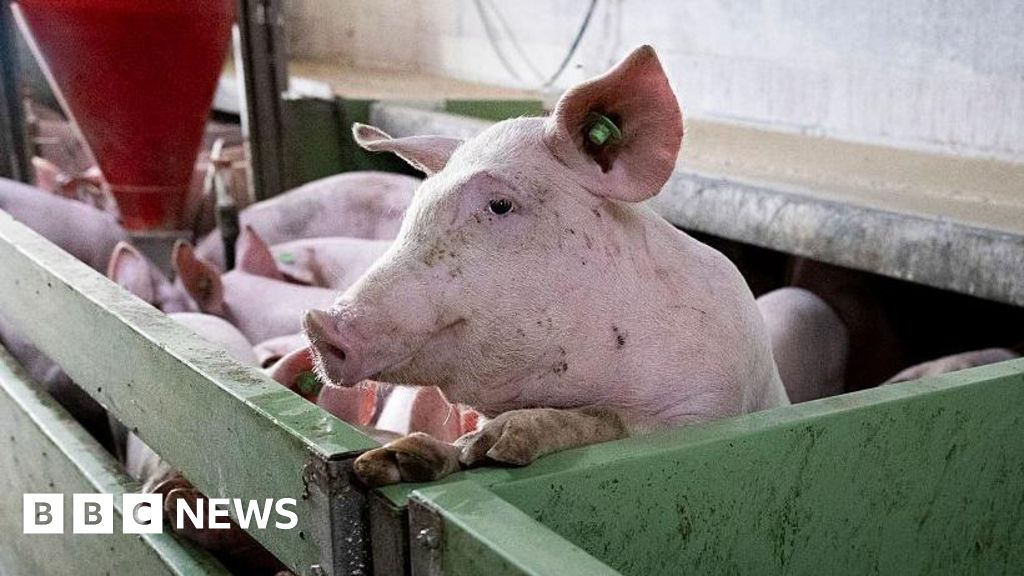
Brazil, Japan, Mexico, South Africa and the US have stopped importing Spanish pork. Other countries, such as EU members, China and the UK, have taken a more localised approach, only banning pork that originates in the affected area of north-eastern Spain.
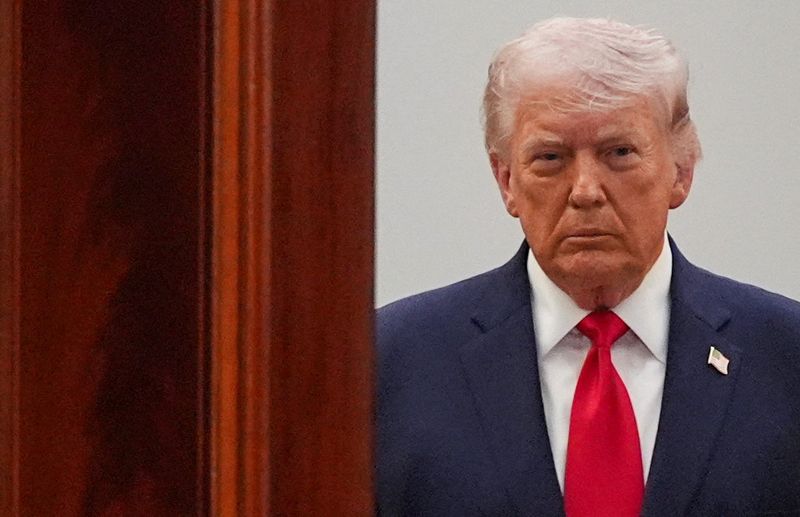

Trump invokes religious rhetoric in praise of Iran rescue, drawing criticism

Families on some benefits with three or more children will get an average rise of £4,100 a year.

Russia says it downed 148 Ukrainian drones in three hours
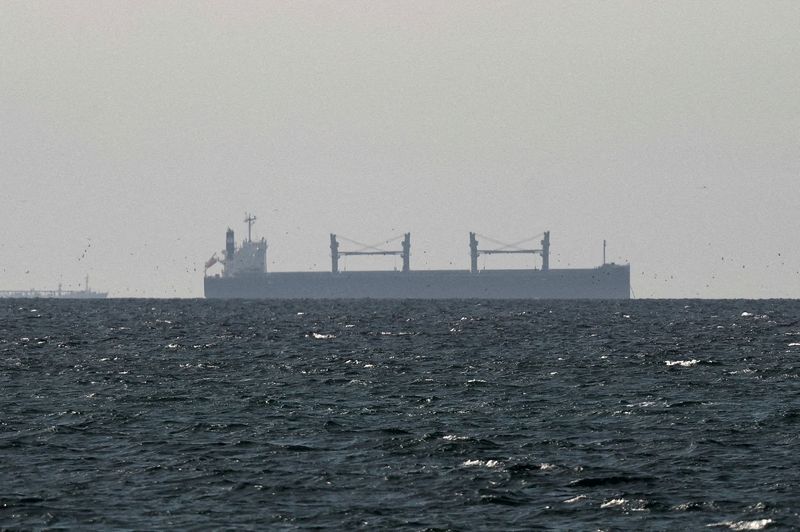

Oil prices open higher as US-Israeli war with Iran continues to disrupt supply


How a perilous US rescue mission in Iran nearly went off course
Forbes Media chairman Steve Forbes gives his take on the growing support for tax cuts in the U.K. and New Jersey’s tightening gubernatorial race on ‘Kudlow.’
In the 1800s, the United Kingdom was clearly the richest country in the world, with consistent, solid economic growth, a focus on science and engineering, plus all the benefits of trade across the oceans. But now the country seems to have lost its mojo. The country’s living standards have fallen far behind those of other developed economies.
Contrary to popular perception, Britain’s GDP per capita (the income generated by the average person) has lagged behind that of the vast majority of the 50 United States plus Washington D.C., last year, according to forecasts in the third quarter of 2025 by the U.S. government, plus recent International Monetary Fund data. Projections are needed as the final annual GDP figures were not published at the time of writing.
When those states (plus Washington D.C.) compared their GDP per capita, the U.K. would have ranked 50th, behind Alabama, which is forecast to have a nominal per capita GDP of $60,265 in 2025. Britain was slightly worse off, at $60,010, according to the latest data from the U.S. government and the International Monetary Fund. Topping the list was Washington DC with $113,369. Analysts note that the figures don’t include the cost of living; however, even with that accounted for, the U.K. still lags significantly behind the U.S. national average.
“If you leave aside Britain’s capital, London, their GDP per capita is much lower,” Marc Chandler, chief market strategist at Bannockburn Global Forex in New York City, told FOX Business. London has a huge financial center which distorts some of the data. One of the major problems has been the lack of productivity growth, which measures the increase in output per average employee, Chandler, “U.S. productivity increases have been stronger.”
MAJORITY OF UK ENTREPRENEURS SAY BRITISH GOVERNMENT IS ‘ANTI-BUSINESS,’ NEW SURVEY SHOWS
A sign showing the London Stock Exchange. (Toby Melville/Reuters / Reuters)
On average, the U.S. GDP per capita is projected to be $89,599 in 2025, considerably higher than in Britain. The UK also lags Ireland, Switzerland, Singapore, Norway and Germany, to name a few countries, according to forecasts by the International Monetary Fund. “That’s what happens when you destroy innovation, taxes are too high, and regulations are too numerous,” Robert E. Wright, an economic policy historian at the University of Austin, Texas, told FOX Business.
Wright notes there’s also a British cultural tendency toward risk aversion for many reasons. Even if a project or new business succeeds in the U.K., the company will be heavily taxed and then hampered by newly created regulations. “Not only are these barriers not helpful, but they’re also shooting themselves in the foot,” he says. “And they aren’t at the technological frontier.” American businesspeople tend to embrace risk.
UNCLE SAM TO THE RESCUE. TRUMP HELPS OUT THE UK WITH A $350 BILLION TECH DEAL
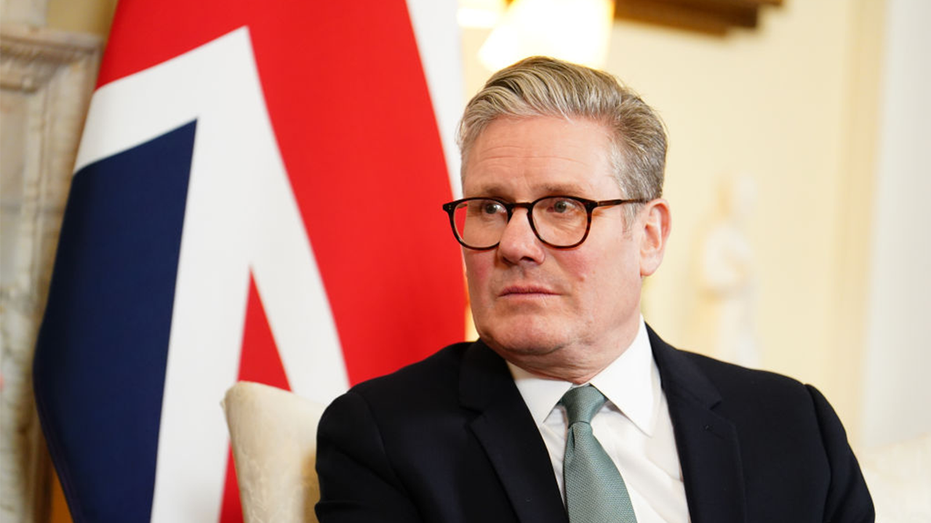
UK Prime Minister Keir Starmer. (Getty Images / Getty Images)
According to surveys, the immediate future looks bleak, suggesting Britain’s economy will not suddenly power back, according to a research report from the analysis firm Oxford Economics. “The U.K. lacks a sustainable growth driver,” the briefing states. That’s because what’s keeping the economy growing, albeit at an extra slow pace, is U.K. government spending, rather than organic growth and innovation from private-sector businesses.
Government spending has resulted in job creation and that has helped mute the headcount job losses in the private sector, according to the Oxford Economics report. “But the boost from the public sector will likely start to fade,” it states. “Given weak private sector demand, we expect the jobless rate will rise further.”
The Oxford report also shows that since the second half of 2023, government jobs have been stubbornly better paid, on average, than those in the private sector. That’s likely to get in the way of encouraging creative entrepreneurs from innovating, experts say.
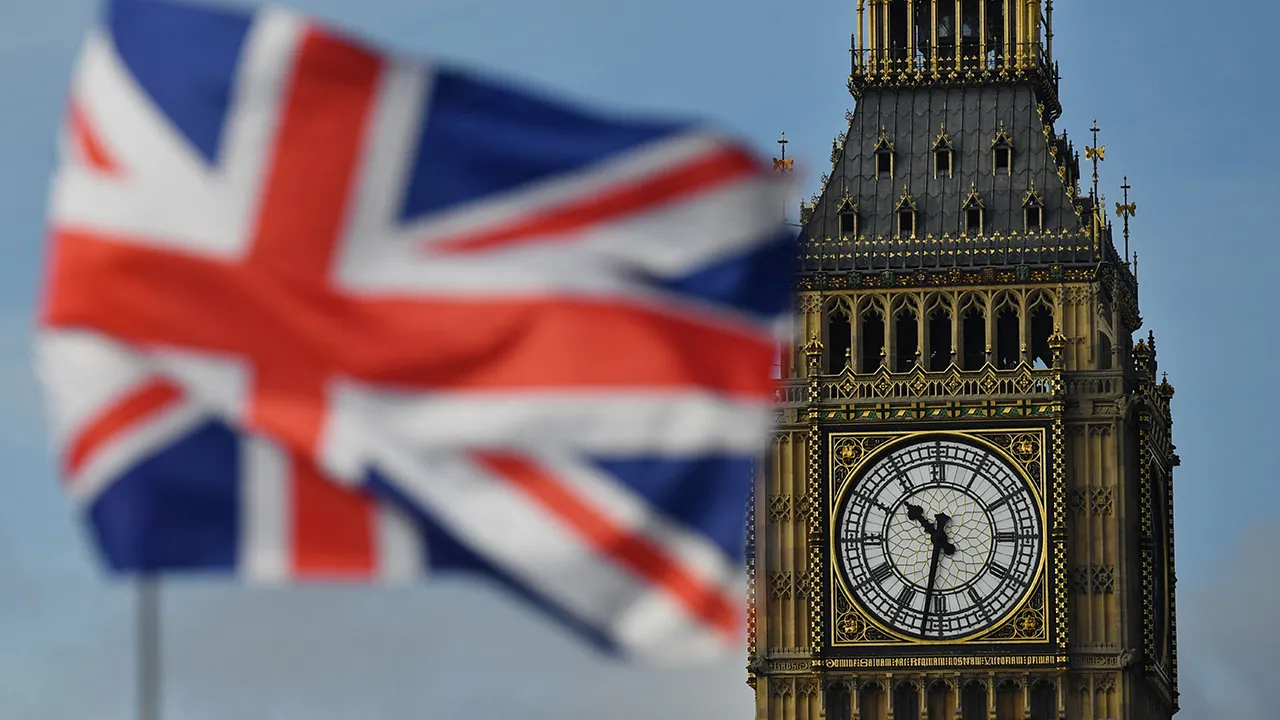
A Union flag flies near the Elizabeth Tower, better known as “Big Ben”, and the Houses of Parliament in central London on March 6, 2017 (Ben Stansall/AFP Getty Images / Getty Images)
Oxford Economics forecasts a small 1% growth for 2026. But that was forecast before the U.S.-Israel war with Iran, which could lead to likely weaker growth for the U.K. analyst warned.
GET FOX BUSINESS ON THE GO BY CLICKING HERE
Robert Jenrick, the shadow chancellor of the UK Reform Party, slammed the Labour government’s handling of the economy. “We are losing our steel, our car manufacturing, our glass, our ceramics, our chemical industries,” he told the U.K.’s Daily Express. “There are millions of good jobs that rely on these industries, and they simply will not survive if we continue to have energy prices that are five or six times higher than in the United States.”

S&P 500: Prepare For Change (Technical Analysis)

‘The Big Money Show’ panel breaks down surging markets, rising energy costs and mounting pressure on President Donald Trump as investors bet the Iran conflict may be nearing a turning point ahead of his highly anticipated address.
Gas prices are continuing to climb as the ongoing conflict with Iran drives up crude oil costs, pushing prices higher at the pump nationwide.
The national average now stands at $4.11 per gallon, up about 86 cents from a month ago, according to AAA. Costs are climbing across nearly every region, with some states already well above the U.S. average.
On the West Coast, drivers are seeing the highest costs, with prices reaching $5.92 per gallon in California and $5.37 in Washington. Meanwhile, on the East Coast, gas prices have surpassed $4 in several areas, including $4.27 in Washington, D.C., and $4.06 in New York.
JET FUEL SPIKES AS AIRLINES WARN SUPPLIES COULD RUN DRY WITHIN WEEKS
In the Midwest, Illinois stands out at $4.29 per gallon, while much of the region remains in the mid-$3 range. Southern states remain comparatively cheaper, though prices are rising there as well. Texas and South Carolina are both averaging about $3.82, while Florida is higher at $4.20.
Diesel has climbed to $5.61, up about $1.45 over the past month. As a key fuel for freight, shipping, and public transportation, it is particularly sensitive to refining capacity constraints and global supply disruptions.
SAN FRANCISCO BECOMES FIRST US CITY WHERE DIESEL PRICES TOP $8 A GALLON

A person grabs the nozzle for diesel fuel at a gas station. (Rebecca Noble/Bloomberg/Getty Images)
In San Francisco, prices have surged even higher. For the first time on record, average diesel costs have surpassed $8 per gallon, according to new data from GasBuddy — marking an unprecedented milestone for any U.S. city.
The climbing fuel costs come as President Donald Trump issued a profanity-laced warning to Iran, giving the regime until Tuesday to allow vessels through the key waterway — or face strikes on its critical infrastructure.
GET FOX BUSINESS ON THE GO BY CLICKING HERE
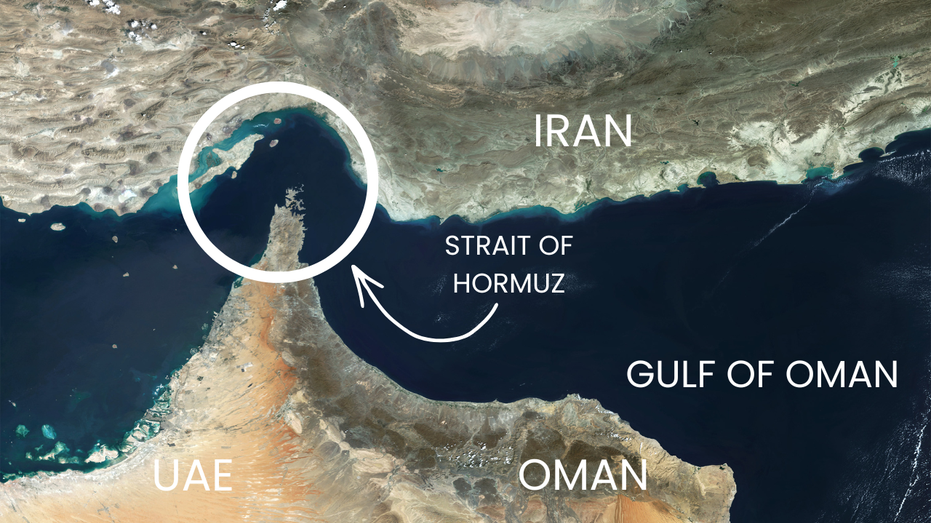
A satellite image shows the Strait of Hormuz, a key maritime passage connecting the Persian Gulf to the Gulf of Oman, vital for global energy supply. (Amanda Macias/Fox News Digital)
The Strait of Hormuz, a waterway between Iran, the United Arab Emirates and Oman, is a critical energy choke point.
“Open the F—– Strait, you crazy b——-, or you’ll be living in Hell – JUST WATCH!” Trump wrote in a Truth Social post to Iranian leaders.
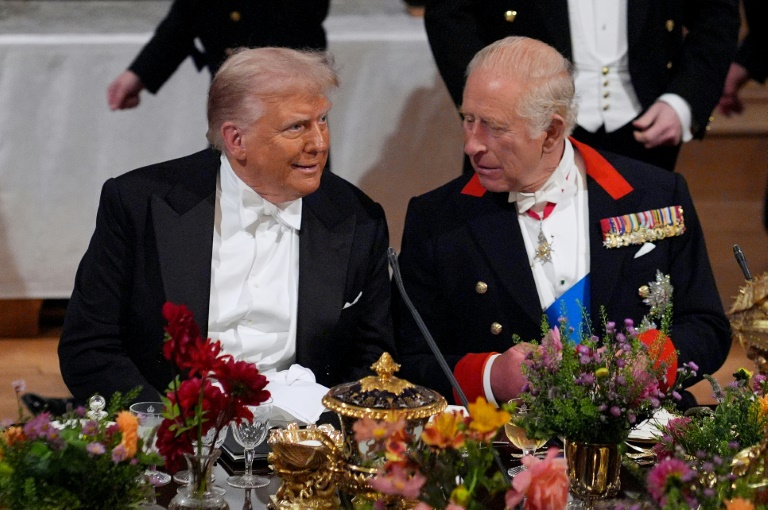
LONDON — King Charles III marked a quiet Easter Sunday on April 5, 2026, attending the traditional Matins service at St. George’s Chapel in Windsor with Queen Camilla and senior royals, but Buckingham Palace confirmed he will not deliver a formal Easter message this year, drawing some criticism after recent Ramadan greetings.
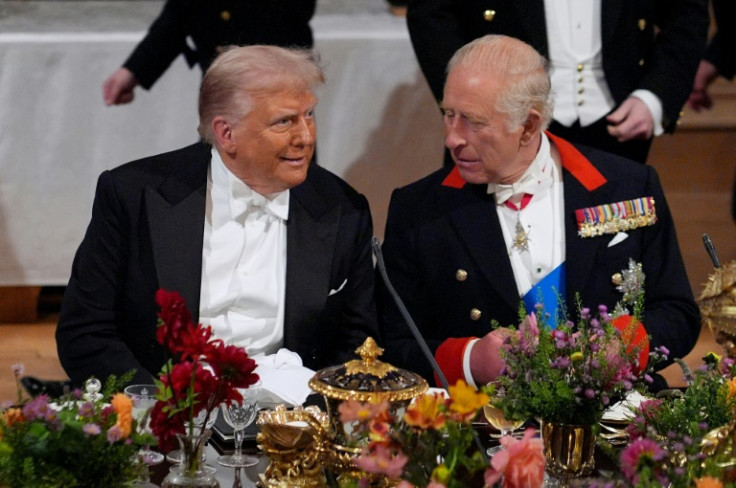
The decision not to issue an Easter address comes despite the monarch’s role as Supreme Governor of the Church of England. While Easter messages are not an annual tradition — the late Queen Elizabeth II issued one only during the COVID-19 pandemic — King Charles did release a faith-focused message on Holy Thursday in 2025. Palace officials stated the omission aligns with long-standing practice for non-Christmas occasions, though it sparked online debate and commentary from figures questioning the balance of interfaith outreach.
On Maundy Thursday, April 2, the King and Queen Camilla traveled to St. Asaph Cathedral in North Wales for the Royal Maundy service, an ancient Christian tradition. The King presented specially minted Maundy money to 77 men and 77 women in recognition of their service, with the number matching his age of 77. The event marked only the second time the service has been held in Wales. Despite a minor anti-monarchy protest visible outside the cathedral, the King appeared in good spirits, displaying confident demeanor praised by observers.
Health updates for the 77-year-old monarch remain positive. Diagnosed with an undisclosed form of cancer in early 2024, King Charles shared encouraging news in a December 2025 video message, revealing that thanks to early detection and effective treatment, his cancer treatment schedule would be significantly reduced in 2026. He described it as “a personal blessing” and urged others to prioritize screening, emphasizing that early intervention can be life-saving. Palace sources indicate his condition has responded exceptionally well, moving into a precautionary phase with ongoing monitoring but no major disruptions to his duties. He continues light public engagements while balancing recovery.
The King’s schedule shows steady activity. He recently delivered the King’s Speech outlining the government’s legislative agenda and maintains a full calendar of constitutional responsibilities. No absences due to health have been reported in recent months, and he appears engaged in both official and private family moments.
Looking ahead, Buckingham Palace announced a major international trip: a state visit to the United States in late April 2026, from April 27 to 30, marking the first such visit by Charles as monarch. The itinerary includes meetings with President Donald Trump, a state banquet at the White House on April 28, and an address to a joint session of Congress — the first by a British monarch in more than three decades. The visit celebrates the 250th anniversary of American independence and aims to strengthen UK-US ties amid geopolitical tensions, including differences over recent conflicts.
On the return journey, the King and Queen Camilla will stop in Bermuda. Congressional leaders from both parties extended the invitation for the historic address, highlighting shared heritage and enduring friendship between the nations. The trip places Charles in a delicate diplomatic role, navigating relations with the Trump administration while representing the United Kingdom on the global stage.
Family matters remain in the spotlight. Reports suggest ongoing estrangement with his younger son, Prince Harry, who resides in the United States. Despite an reported olive branch from the Duke of Sussex, no meeting is expected during the King’s US visit, according to palace insiders and BBC reporting. The King has not publicly commented on the matter, maintaining focus on official duties.
Public and media reaction to recent royal developments has been mixed. Some praised the King’s interfaith gestures, including Ramadan messages, while others expressed disappointment over the lack of an Easter address, viewing it through the lens of his Christian leadership role. Social media commentary ranged from support for his health progress and diplomatic efforts to criticism of perceived priorities.
King Charles continues to champion causes close to his heart, including environmental conservation, interfaith dialogue and support for cancer research and patient care. His reduced treatment schedule allows greater flexibility for public engagements, though the palace emphasizes that his health remains the priority with regular medical reviews.
As Easter celebrations unfolded across the Commonwealth with themes of hope and renewal, the royal family gathered privately at Windsor for the Matins service followed by a family lunch. The Prince and Princess of Wales, their children, and other senior royals were expected to join, continuing long-standing traditions.
The upcoming US state visit represents a significant milestone in Charles’s reign, testing his ability to bridge political divides through soft power and ceremony. With Trump describing the visit as “terrific” and expressing respect for the King, the trip carries symbolic weight at a time of global uncertainty.
Buckingham Palace has provided no further details on the exact program beyond the confirmed dates and congressional address. Preparations are underway, with security and diplomatic teams coordinating closely with US counterparts.
On the health front, the King’s openness about his cancer journey — including the December 2025 message — has been credited with raising awareness. He has spoken movingly about the “community of care” surrounding patients and thanked healthcare workers and supporters.
As April 2026 progresses, King Charles balances recovery, family, faith observances and high-level diplomacy. His reduced treatment offers optimism, while the US visit underscores his role as a unifying figure on the world stage.
No major changes to his immediate schedule have been announced beyond the transatlantic trip. The King is expected to resume normal public duties following Easter, with the King’s Speech already delivered in May preparations noted earlier.
For the latest official updates, the public is directed to Buckingham Palace announcements and verified royal channels. As the monarch navigates personal health milestones and international responsibilities, attention remains on his steady leadership amid a changing global landscape.

Benidorm hotel ceiling collapses on holidaymakers with at least seven injured

Islanders fire Patrick Roy, tab Pete DeBoer as coach

NYT Strands hints and answers for Monday, April 6 (game #764)


-

 NewsBeat3 days ago
Steven Gerrard disagrees with Gary Neville over ‘shock’ Chelsea and Arsenal claim | Football
-

 Business3 days ago
No Jackpot Winner and $194 Million Prize Rolls Over
-

 Fashion2 days ago
Weekend Open Thread: Spanx – Corporette.com
-
Entertainment6 days ago
Fans slam 'heartbreaking' Barbie Dream Fest convention debacle with 'cardboard cutout' experience
-

 Crypto World4 days ago
Gold Price Prediction: Worst Month in 17 Years fo Save Haven Rock
-

 Tech7 days ago
The Pixel 10a doesn’t have a camera bump, and it’s great
-

 Tech7 days ago
Avatar Legends: The Fighting Game comes out in July and it looks pretty slick
-
Crypto World5 days ago
Dems press CFTC, ethics board on prediction-market insider trades
-

 Sports1 day ago
India men’s 4x400m and mixed 4x100m relay teams register big progress | Other Sports News
-

 Business4 days ago
Login and Checkout Issues Spark Merchant Frustration
-

 Tech6 days ago
Apple will hide your email address from apps and websites, but not cops
-

 Tech6 days ago
EE TV is using AI to help you find something to watch
-

 Sports5 days ago
Tallest college basketball player ever, standing at 7-foot-9, entering transfer portal
-

 Politics6 days ago
Should Trump Be Scared Strait?
-

 Tech6 days ago
Flipsnack and the shift toward motion-first business content with living visuals
-
Tech6 days ago
Daily Deal: StackSkills Premium Annual Pass
-

 Fashion6 days ago
The Best Spring Trends of 2026
-

 Sports6 days ago
Women’s hockey camp eyes fitness boost, tactics ahead of WC 2026 campaign | Other Sports News
-

 Crypto World6 days ago
U.S. rule change may open trillions in 401(k) funds to crypto
-

 Tech6 days ago
How to back up your iPhone & iPad to your Mac before something goes wrong
You must be logged in to post a comment Login