| Revenue of $297.08M (-2.99% Y/Y) misses by $6.04M
This article was written by
Seeking Alpha’s transcripts team is responsible for the development of all of our transcript-related projects. We currently publish thousands of quarterly earnings calls per quarter on our site and are continuing to grow and expand our coverage. The purpose of this profile is to allow us to share with our readers new transcript-related developments. Thanks, SA Transcripts Team
FOX Business’ Taylor Riggs reports Uber and Hertz are expanding their partnership to power robotaxis, with Hertz naming Uber as its first major partner in a push to reshape the future of mobility.
Hertz is expanding beyond its traditional car rental business through a new partnership with Uber aimed at powering both autonomous robotaxi fleets and driver-led rideshare operations, signaling a broader shift in the transportation industry.
Under the agreement, Hertz’s newly launched unit, Oro Mobility, will manage vehicle operations for Uber, including maintenance, charging, cleaning and logistics for autonomous vehicles.
Advertisement
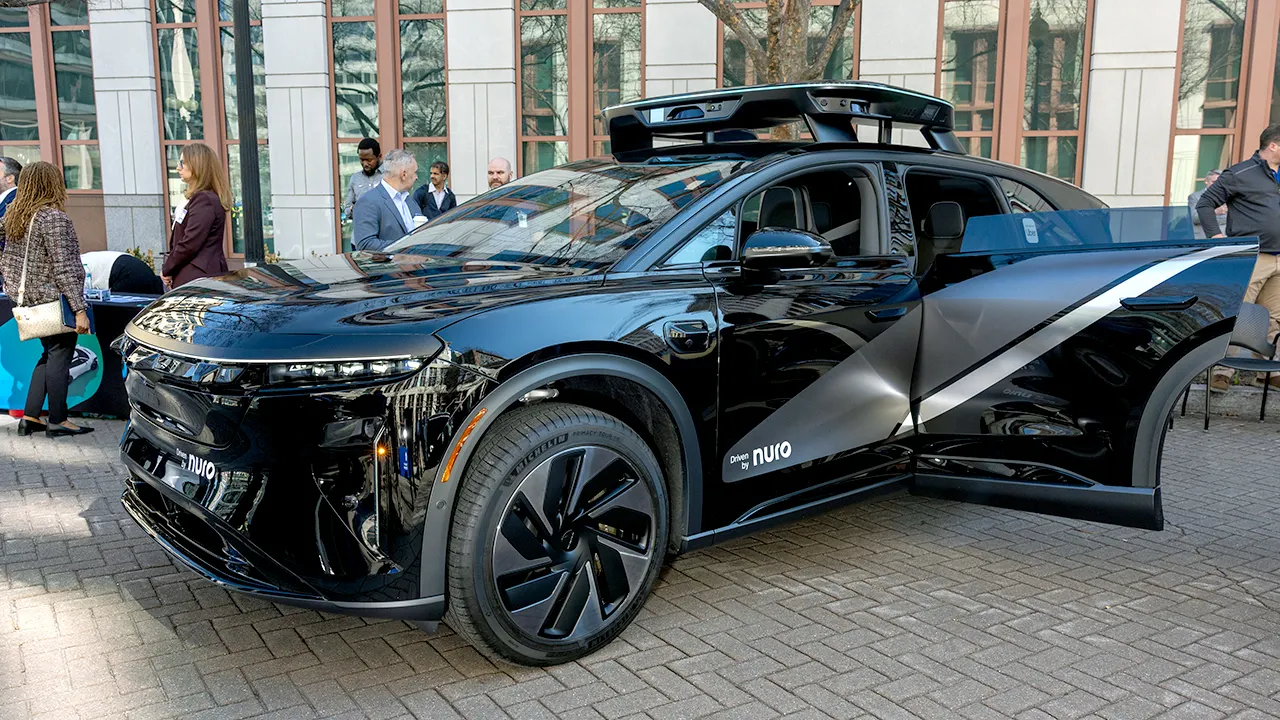
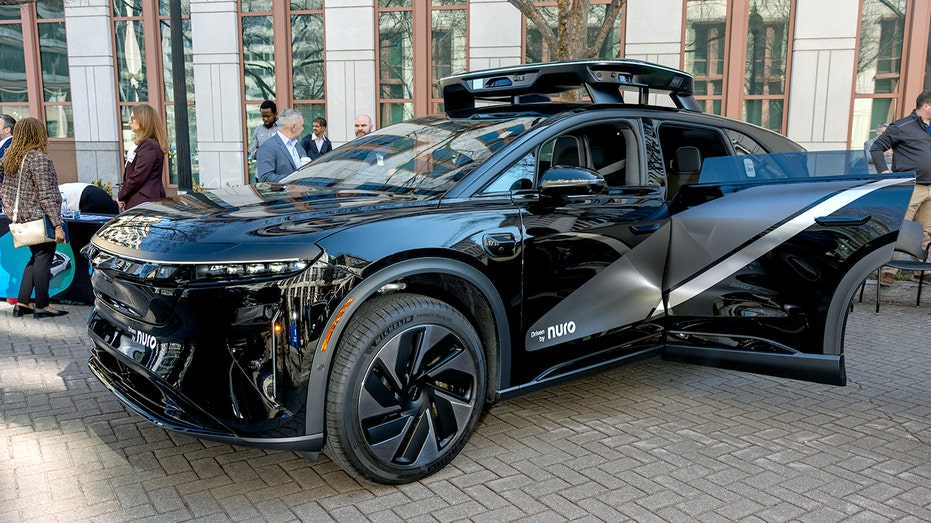
The robotaxi service, which will use Lucid vehicles equipped with Nuro self-driving technology, is expected to launch in the San Francisco Bay Area later this year, with potential “expansion opportunities” in 2027.
Hertz will also supply and operate fleets of vehicles driven by its own employees on Uber’s platform, building on a pilot program that has already expanded into Los Angeles and San Francisco with additional markets planned.
A Lucid Gravity autonomous taxi at the first National AV Safety Forum held by the National Highway Traffic Safety Administration at the Department of Transportation headquarters in Washington, D.C., March 10, 2026. (Alex Kent/Bloomberg via Getty Images)
The partnership highlights a shift in the ridesharing model away from individual car ownership toward centrally managed fleets. Hertz is positioning itself as a transportation infrastructure provider, leveraging its expertise in large-scale vehicle logistics and maintenance.
Uber, meanwhile, is continuing to emphasize a platform-driven model, relying on partners like Hertz to manage fleet operations as it scales both human-driven and autonomous rides.
For Hertz, the deal represents a high-stakes bet on a new growth strategy after years of turbulence, while, for Uber, it marks another step toward a hybrid network that could eventually integrate human drivers with self-driving vehicles at scale.
Uber is continuing to emphasize a platform-driven model. (Smith Collection/Gado/Getty Images)
“Partnering with Hertz’s Oro Mobility will help us continue to bring the best autonomous technology onto the Uber platform and accelerate the transition to a hybrid network in which both driver-led and autonomous rideshare operations can scale and serve communities reliably and efficiently,” Uber’s Andrew Macdonald said in a statement.
Advertisement
“By combining Uber’s global platform and marketplace leadership with Oro’s dedicated fleet management expertise, we are well-equipped to meet increasing rideshare demand and deliver a seamless, high-quality rider experience across the entire mobility ecosystem.”
The ‘Barron’s Roundtable’ panel recaps a wave of A.I.-induced market hits.
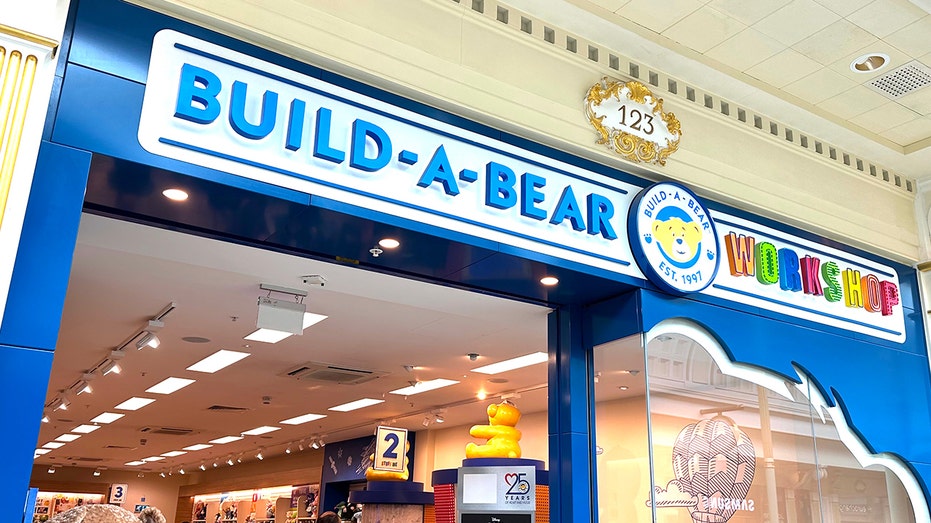
About 36,000 Build-A-Bear plush bears are being recalled due to a potential choking hazard, the U.S. Consumer Product Safety Commission (CPSC) announced Thursday.
The recall involves the Heartwarming Hugs weighted plush bear, which features a side pouch containing a heart filled with 2.5 pounds of ceramic beads that can be heated or cooled.
Advertisement
According to the CPSC, the pouch is secured with a zipper, but the zipper slider can detach, posing a choking hazard.
No injuries have been reported, but one incident in the United Kingdom involved the zipper slider detaching, the agency said.
A close-up of a Build-A-Bear plush bear included in a recall after officials warned a zipper component could pose a choking hazard. (U.S. Consumer Product Safety Commission / Unknown)
“The safety and wellbeing of our guests and their families is our highest priority,” Build-A-Bear said in a statement. “Out of an abundance of caution, consumers should immediately stop using the recalled Heartwarming Hugs Bear and return it to a local Build-A-Bear Workshop store to receive a refund in the form of the original payment or a gift card for the purchase price.”
Advertisement
The product is intended for ages 3 and up and includes a cautionary label advising adult supervision due to the heated and cooled element.
The bears were sold at Build-A-Bear Workshop stores and online beginning in January for about $48.
A recall has been issued for certain Build-A-Bear plush toys over a potential choking hazard. (Enrico Mattia Del Punta/NurPhoto / Getty Images)
Build-A-Bear can be reached at 844-541-0144 or by email at ProductHotline@buildabear.com. More information is available on the company’s website under its recall section.
Real estate platform Square Yards has reported a revenue of Rs 2,086 crore (USD 223 million), with 48% year-over-year growth in FY26. The company’s EBITDA increased to Rs 176 crore, a 3.7x jump year-over-year, with EBITDA margins expanding from 3% to 8%.
It’s gross profit reached Rs 476 crore (USD 51 million), growing 49% Y-Y, with gross margins sustained at 23% on a significantly larger revenue base.
India revenue grew 57% Y-Y vs 48% overall, with India now contributing 88% of total revenue while International (GCC + ROW) contributes the balance 12%.
“Even with the scale, we are still operating at low single digit market share and that allows us room to think beyond the next 5 years of growth,” said Tanuj Shori, Founder and CEO, Square Yards.
Advertisement
Square Yards facilitated over 2,73,643 customer acquisitions in FY26.
Live Events
Bangalore leads real estate GTV share at 30%, followed by Mumbai (19%), Delhi NCR (11%), Pune (10%), and Hyderabad (6%). International (Global Real Estate) contributed 21% of GTV. Square Yards’ fintech arm Urban Money reported a total GTV of Rs 87,831 crore in FY26, with mortgage loans commanding 86% share. Non-mortgage products contribute the remaining 14%, spread across business loans (6%), personal loans (4%), and others (4%), indicating early but meaningful diversification.
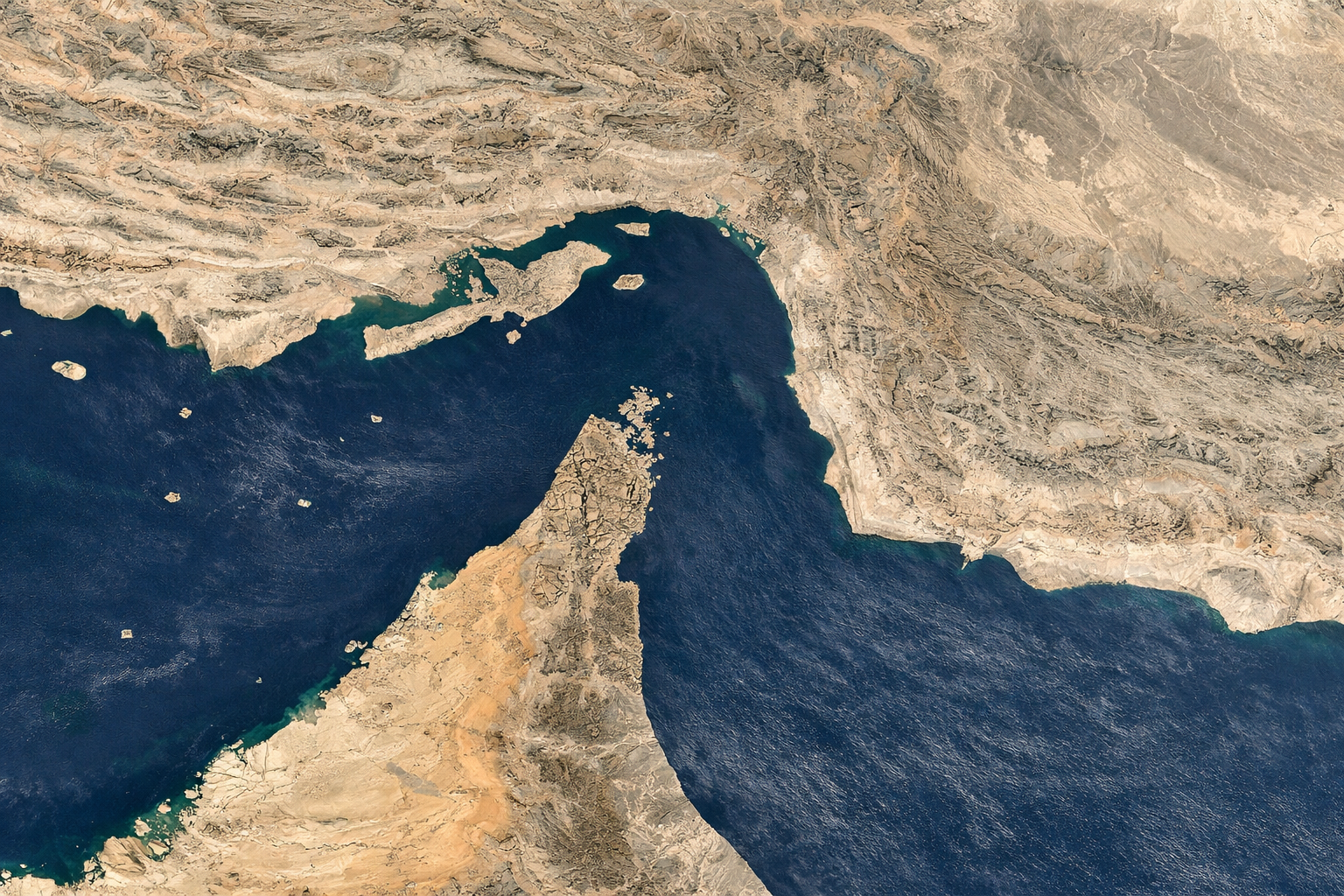
DUBAI, United Arab Emirates — Nearly two months into the 2026 Iran conflict, the Strait of Hormuz remains effectively closed to most commercial traffic as a US naval blockade clashes with Iranian threats, driving oil prices above $120 per barrel and stranding thousands of seafarers while threatening global energy security.
Strait of Hormuz
The narrow waterway, through which roughly 20% of the world’s oil and liquefied natural gas typically flows, has seen traffic drop to a fraction of normal levels since late February when US and Israeli strikes on Iran triggered Iranian retaliation and a shutdown of the chokepoint. Despite diplomatic efforts and a fragile conditional ceasefire, shipping remains severely restricted, with only limited passages for vessels from “non-hostile” nations.
US President Donald Trump has signaled the blockade on Iranian ports will continue until safe passage through the strait is guaranteed, while floating ideas such as a maritime coalition to reopen the route. Iran has responded defiantly, with officials warning of “long and painful strikes” against US positions if attacks resume and maintaining control over the waterway. Supreme Leader Mojtaba Khamenei and other Iranian figures have vowed not to cede sovereignty.
Recent incidents have heightened tensions. Iranian forces have seized vessels, including reports of attacks on ships attempting transit, while the US has conducted operations against Iranian-linked shipping. At least a dozen commercial vessels transited the strait in recent 24-hour periods, but overall volume remains minimal compared to pre-crisis levels of thousands per month.
The economic fallout has been swift and severe. Benchmark oil prices surged on fears of prolonged disruption, though some retreat occurred as alternative routes and stockpiles provided limited relief. Global supply chains for energy, fertilizers and other goods face strain, with insurance premiums for the region skyrocketing and shipping companies rerouting at significant cost. The United Nations has warned of humanitarian impacts, with seafarers stranded and aid deliveries complicated.
Advertisement
Analysts describe the strait as a high-stakes leverage point in the broader conflict. Iran’s ability to threaten or disrupt passage has long been a strategic deterrent, but the current blockade and counter-measures have created a dangerous standoff. Pakistan-mediated talks continue, with reopening the strait a central demand, yet mutual distrust and military posturing have stalled progress.
Maritime security experts highlight risks from mines, drones, small boats and miscalculation. The International Maritime Organization and other bodies have urged de-escalation, noting that ships and crews have become unintended pawns in geopolitical disputes. Dozens of vessels remain anchored or diverted in the Persian Gulf, with thousands of seafarers affected.
For energy markets, the crisis underscores the vulnerability of critical chokepoints. While US oil exports have hit records and alternative suppliers have increased output, prolonged closure could trigger broader shortages, particularly in Asia. European and other importers also face higher costs and logistical challenges.
Regional actors navigate complex positions. Gulf states balance relations with the US and concerns over escalation, while China and others with interests in Iranian oil seek diplomatic solutions. A Russian-linked superyacht reportedly transited the area recently, highlighting selective allowances amid the chaos.
Advertisement
Military analysts caution that forcibly reopening the strait would require significant resources and carry high risks of escalation. US officials have discussed coalition-building for “maritime freedom,” but allied enthusiasm varies. Iran’s diminished naval capacity is offset by asymmetric threats that could still inflict damage on commercial and military vessels.
Environmental and humanitarian concerns compound the crisis. Potential oil spills from attacks or accidents threaten fragile marine ecosystems, while disrupted fuel and goods flows impact civilian populations in the region and beyond. NGOs have called for humanitarian corridors to ensure delivery of essential supplies.
As negotiations drag on, markets and governments watch closely for any breakthrough. Trump’s public comments, including controversial map renamings and strong rhetoric, have added volatility to an already tense situation. Iranian responses remain firm, with officials insisting on ending the US blockade before full reopening.
The Strait of Hormuz crisis serves as a stark reminder of how regional conflicts can ripple globally through energy arteries. For now, limited traffic continues under high risk, oil prices stay elevated, and diplomats work against the clock to prevent further escalation. Resolution remains elusive, with the world’s energy security hanging in the balance of this narrow but vital waterway.
NexPoint Real Estate Finance, Inc. (NREF) Q1 2026 Earnings Call April 30, 2026 11:00 AM EDT
Company Participants
Kristen Thomas – Director of Investor Relations Paul Richards – Executive VP of Finance, CFO, Assistant Secretary & Treasurer Matthew McGraner – Executive VP & Chief Investment Officer
Advertisement
Conference Call Participants
Jade Rahmani – Keefe, Bruyette, & Woods, Inc., Research Division Gabriel Poggi – Raymond James & Associates, Inc., Research Division
Advertisement
Presentation
Operator
Good morning, ladies and gentlemen, and thank you for standing by. My name is Kelvin, and I will be your conference operator today. At this time, I would like to welcome everyone to the NexPoint Real Estate Finance First Quarter 2026 Earnings Call.
[Operator Instructions]
Advertisement
I would now like to turn the call over to Kristen Griffith, Investor Relations. Please go ahead.
Kristen Thomas Director of Investor Relations
Thank you. Good day, everyone, and welcome to NexPoint Real Estate Finance conference call to review the company’s results for the first quarter ended March 31, 2026.
Advertisement
On the call today are Paul Richards, Executive Vice President and Chief Financial Officer; and Matt McGraner, Executive Vice President and Chief Investment Officer. As a reminder, this call is being webcast through the company’s website at nref.nexpoint.com.
Before we begin, I would like to remind everyone that this conference call contains forward-looking statements within the meaning of the Private Securities Litigation Reform Act of 1995 that are based on management’s current expectations, assumptions and beliefs. Listeners should not place undue reliance on any forward-looking statements and are encouraged to review the company’s annual report on Form 10-K and the company’s other filings with the SEC for a more complete discussion of risks and other factors that could affect the forward-looking statements. The statements made during this conference call speak only as of today’s date and except as required
Merit Medical Systems, Inc. (MMSI) Q1 2026 Earnings Call April 30, 2026 4:30 PM EDT
Company Participants
Martha Aronson – President, CEO & Director Brian Lloyd – Chief Legal Officer & Corporate Secretary Raul Parra – CFO & Treasurer
Advertisement
Conference Call Participants
Michael Petusky – Barrington Research Associates, Inc., Research Division Jason Bednar – Piper Sandler & Co., Research Division Sam Eiber – BTIG, LLC, Research Division David Rescott Unidentified Analyst James Sidoti – Sidoti & Company, LLC John Young – Canaccord Genuity Corp., Research Division Zachary Gold Michael Matson – Needham & Company, LLC, Research Division
Presentation
Advertisement
Operator
Please stand by. Welcome to the Merit Medical Systems First Quarter 2026 Earnings Conference Call. [Operator Instructions]. Please note that this conference call is being recorded, and the recording will be available on the company’s website for replay shortly.
I would now like to turn the call over to Martha Aronson, Merit Medical Systems’ President and Chief Executive Officer.
Advertisement
Martha Aronson President, CEO & Director
Thank you, operator, and welcome, everyone. I’m joined on the call today by Raul Parra, our Chief Financial Officer and Treasurer; and Brian Lloyd, our Chief Legal Officer and Corporate Secretary. Brian, would you please take us through the safe harbor statements?
Brian Lloyd Chief Legal Officer & Corporate Secretary
Advertisement
Thank you, Martha. This presentation contains forward-looking statements that receive safe harbor protection under federal securities laws. Although we believe these forward-looking statements are based upon reasonable assumptions, they are subject to risks and uncertainties. The utilization of any of these risks or uncertainties as well as extraordinary events or transactions impacting our company could cause actual results to differ materially from the expectations and projections expressed or implied by our forward-looking statements.
In addition, any forward-looking statements represent our views only as of today, April 30, 2026, and should not be relied upon as representing our views





















































You must be logged in to post a comment Login