

Business
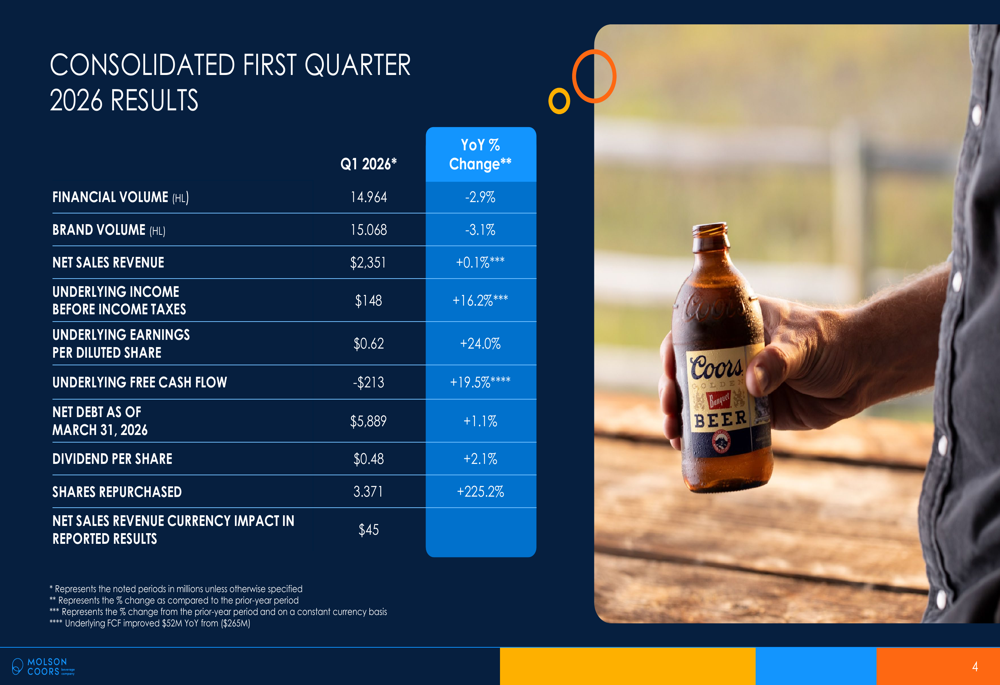
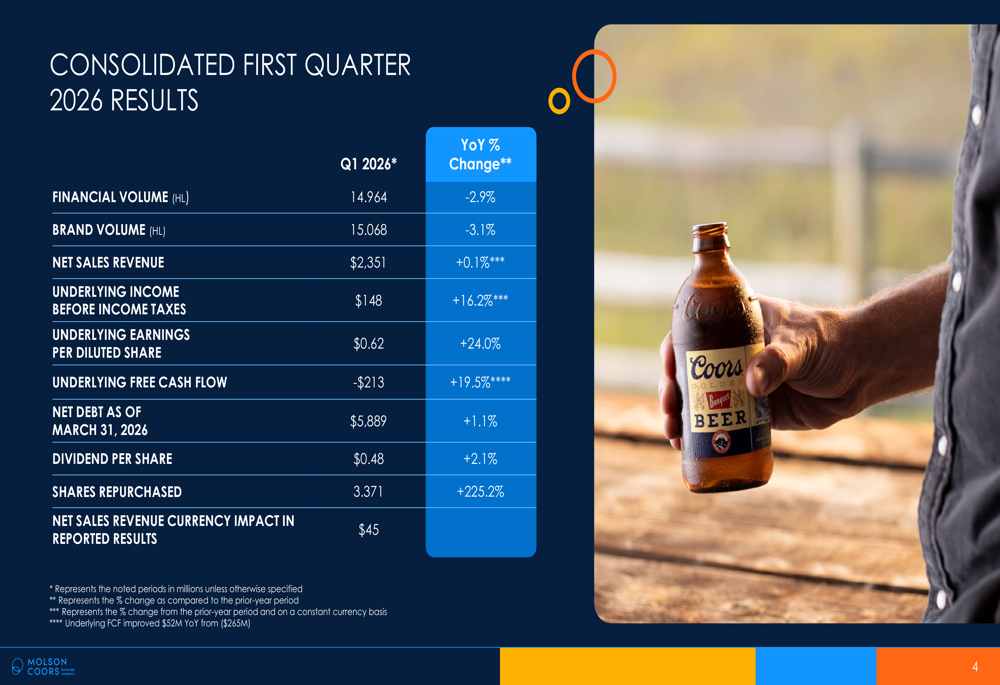
Molson Coors Q1 2026 slides: EPS surges 24% amid volume declines


Business
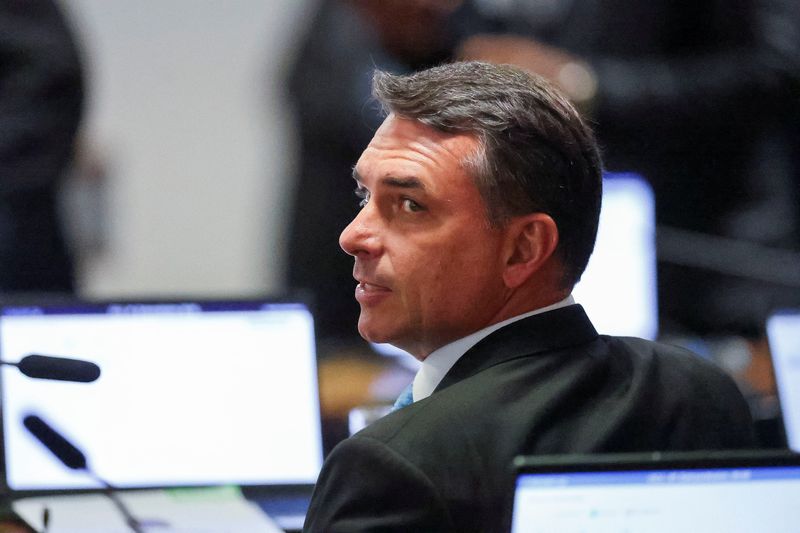
Brazil Supreme Court justice suspends bill that ordered early release of ex-president Bolsonaro

Brazil Supreme Court justice suspends bill that ordered early release of ex-president Bolsonaro

Operator
Hello, everyone. Thank you for joining us, and welcome to the RxSight First Quarter 2026 Earnings Conference Call. [Operator Instructions].
[Operator Instructions] I will now hand the conference over to Oliver Moravcevic, VP, Investor Relations. Please go ahead.
Oliver Moravcevic
Vice President of Investor Relations
Thank you, operator. With me on the call today are RxSight President and Chief Executive Officer, Dr. Ron Kurtz; and Chief Financial Officer, Mark Wilterding.
Earlier today, RxSight released financial results for the three months ended March 31, 2026. A copy of the press release is available on the company’s website. Before we begin, I would like to remind you that the comments and responses to questions during today’s call reflect management’s views as of today and will include forward-looking and opinion statements, including predictions, estimates, plans and expectations.
Actual results may differ materially from those expressed or implied as a result of certain risks and uncertainties. These risks and uncertainties are more fully described in our press release issued today and in our filings with the Securities and Exchange Commission, or SEC. Our SEC filings can be found on the website or on SEC’s website.
Investors are cautioned not to place undue reliance on forward-looking statements, and we disclaim any obligation to update or revise these forward-looking statements, except


Putin says he thinks Russia-Ukraine war is coming to an end

NEW YORK — As artificial intelligence continues to reshape industries and drive record capital spending in 2026, investors are looking for the strongest ways to participate in what many analysts call the defining technological megatrend of the decade. From chipmakers powering data centers to software platforms embedding AI into everyday tools, a select group of companies stands out for their technological leadership, revenue momentum and long-term growth potential. Here are the 10 best AI stocks to consider buying in May 2026, based on current analyst consensus, earnings trajectories and market positioning.
1. NVIDIA Corp. (NVDA) The undisputed leader in AI accelerators remains the top pick for most investors. NVIDIA’s GPUs power the majority of the world’s AI training and inference workloads. With Blackwell architecture ramping and strong demand from hyperscalers, the company is on track for explosive growth. Analysts project sustained high-teens to low-20s percentage revenue increases for years, supported by its unmatched CUDA software ecosystem.
2. Microsoft Corp. (MSFT) Through its Azure cloud platform and deep partnership with OpenAI, Microsoft has become a major AI infrastructure and application provider. Copilot tools are being integrated across Office, GitHub and Windows, creating massive cross-selling opportunities. The company’s consistent execution and diversified revenue streams make it a lower-volatility way to play the AI boom.
3. Alphabet Inc. (GOOGL) Google’s parent company continues to lead in AI research and deployment through Gemini models and its vast cloud infrastructure. Strong advertising revenue provides a stable base while AI investments in search, YouTube and enterprise tools accelerate. Analysts highlight Alphabet’s ability to monetize AI at scale across multiple products.
4. Amazon.com Inc. (AMZN) AWS remains the world’s largest cloud provider and is rapidly expanding its AI offerings with custom chips and services. Amazon’s e-commerce scale and advertising business provide additional growth levers. The company’s heavy investment in AI infrastructure positions it well for sustained market share gains.
5. Broadcom Inc. (AVGO) A major supplier of custom AI accelerators and networking chips for hyperscalers, Broadcom has seen its AI revenue more than double in recent quarters. Its diversified portfolio and strong relationships with large cloud customers make it a key indirect play on AI infrastructure buildout.
6. Advanced Micro Devices Inc. (AMD) AMD has emerged as NVIDIA’s strongest competitor in AI accelerators with its MI300 series. The company is gaining share in both data center and client AI segments. Analysts see AMD as a high-beta way to benefit from overall AI chip demand growth.
7. Palantir Technologies Inc. (PLTR) Specializing in AI-powered data analytics platforms, Palantir has won major government and commercial contracts. Its software helps organizations operationalize AI at scale. Strong commercial momentum and expanding margins have driven significant investor interest in 2026.
8. Tesla Inc. (TSLA) Beyond electric vehicles, Tesla is aggressively investing in AI for autonomous driving, robotics and energy optimization. Optimus humanoid robots and Full Self-Driving technology represent substantial long-term AI opportunities that could dwarf its auto business.
9. Meta Platforms Inc. (META) Meta is embedding AI deeply into its social platforms, advertising tools and metaverse ambitions. Its open-source Llama models have gained significant traction, and AI-driven ad targeting continues to boost revenue. The company’s massive user base provides a unique testing ground for AI applications.
10. Arm Holdings plc (ARM) As the architecture behind most mobile and increasingly AI chips, Arm benefits from the proliferation of AI across devices and data centers. Its royalty-based model offers high margins and broad exposure to the entire semiconductor industry’s AI transition.
Why These Stocks Stand Out
These 10 companies share several common traits: strong competitive moats, exposure to multiple layers of the AI stack, robust balance sheets and proven execution in a rapidly evolving market. While NVIDIA dominates headlines, the group offers diversified ways to participate — from pure hardware plays to software, cloud and application layers.
Analysts emphasize that the AI opportunity remains in early stages. Enterprise adoption is accelerating, sovereign AI initiatives are expanding globally, and new use cases in robotics, healthcare and scientific research continue to emerge. Most of these companies are expected to deliver compound annual growth rates well above the broader market for the foreseeable future.
Risks Investors Should Consider
Despite the excitement, risks remain significant. High valuations leave limited room for disappointment if AI spending slows or returns disappoint. Geopolitical tensions, particularly around semiconductor supply chains in Asia, could disrupt growth. Regulatory scrutiny of Big Tech and potential energy constraints for data centers are also factors.
Investors should size positions appropriately and maintain diversification. While these stocks have strong fundamentals, technology sectors can experience sharp drawdowns during market rotations or economic slowdowns.
Market Context in May 2026
The broader market has shown resilience in 2026, supported by solid corporate earnings and moderating inflation. AI-related stocks have outperformed significantly, but rotation into smaller names and more cyclical sectors has created periodic volatility. Quality growth companies with clear AI tailwinds, like those on this list, have generally held up well during pullbacks.
Institutional investors continue to favor established leaders with scale and proven technology over speculative smaller AI plays. This environment favors the more mature companies on this list.
Final Thoughts for Investors
For those building or adjusting portfolios in May 2026, these 10 AI stocks represent a strong starting point for exposure to the most transformative technology of our time. Whether you prefer pure-play hardware leaders like NVIDIA, diversified tech giants like Microsoft and Amazon, or specialized players like Palantir and Arm, the common theme is participation in a secular shift expected to drive trillions in economic value over the coming decade.
As always, conduct thorough due diligence, consider your risk tolerance and time horizon, and consult with a financial advisor. The AI boom is real, but successful investing requires patience and a focus on companies with durable advantages rather than short-term hype. These 10 names currently stand out as the best-positioned to deliver both growth and long-term shareholder value in the evolving AI landscape.

OKLAHOMA CITY — Luka Doncic’s recovery from a Grade 2 left hamstring strain has come under sharp scrutiny after prominent sports medicine specialists criticized the platelet-rich plasma (PRP) injections he received in Spain, with some calling the approach “suboptimal” and potentially responsible for delaying his return as the Los Angeles Lakers fight for survival in the Western Conference semifinals against the Oklahoma City Thunder.

Doncic has now missed more than five weeks since suffering the injury on April 2. He has not been cleared for full contact or high-intensity activity, and the Lakers have ruled him out for Game 3 on Friday night at Crypto.com Arena, where they trail the series 2-0. The Slovenian superstar told reporters Wednesday he is following an eight-week timeline set after his initial MRI, but the extended absence has raised questions about whether the treatment path chosen was the most effective.
Dr. Jesse Morse, a regenerative medicine specialist and sports doctor, delivered a pointed critique in a widely viewed video, describing PRP as relatively weak for a Grade 2 tear and rating it about a three out of ten in potency. He argued that stronger regenerative options, such as amniotic tissue allografts or exosome therapies, should have been prioritized over four PRP injections spaced several days apart. “This is a failure of epic proportions when the team needs him the most,” Morse said. “They went to a car dealership with all the money in the world and they said, ‘Hey, let’s buy a Toyota Corolla. There’s a Ferrari sitting right next to it.’”
The Lakers have not publicly responded to the criticism, but team officials have emphasized a cautious, day-by-day approach focused on long-term health. Doncic traveled to Spain shortly after the injury for the PRP regimen, a decision approved by the team’s medical staff. He has since returned and is progressing with running and on-court shooting, but full basketball activity remains weeks away.
Recovery Timeline and Medical Debate
A Grade 2 hamstring strain involves a partial tear and typically requires four to eight weeks of recovery. The injury occurred in the regular-season finale against the Thunder, and the Lakers have managed Doncic’s rehab conservatively to avoid re-injury risks that could sideline him for months.
PRP therapy involves drawing a patient’s blood, concentrating the platelets and injecting them into the injured area to promote healing. While popular in professional sports for its minimally invasive nature, experts note its efficacy can vary greatly depending on injury severity, formulation and timing. Morse and other critics argue that for a competitive athlete like Doncic, more advanced regenerative treatments available in certain international clinics might have offered faster and stronger healing.
Doncic has expressed frustration with the slow progress. “It’s very frustrating,” he said. “All I want to do is play basketball, especially this time.” He has utilized hyperbaric chambers, cold tubs and other recovery modalities while progressing “day by day.” The eight-week mark from early April would push potential availability into late May, possibly in time for a hypothetical conference finals if the Lakers can extend the current series.
Lakers Struggle Without Their Star
Without Doncic, the Lakers have relied heavily on LeBron James, who continues to perform at an elite level at age 41. However, the supporting cast has been overmatched against Oklahoma City’s depth, athleticism and defensive intensity. The Thunder took Game 1 convincingly and followed with another dominant performance in Game 2, exposing gaps the Lakers hope Doncic’s playmaking and scoring can help close.
Coach JJ Redick has stressed patience. “It’s very simple,” he said. “It’s when he’s ready to play, he should play. That comes with the athlete having confidence.” James has highlighted the challenge of facing the defending champions without their leading scorer, who averaged 33.5 points, 8 rebounds and 9 assists during the regular season.
The series has underscored the roster’s heavy reliance on two generational talents. The blockbuster trade that brought Doncic to Los Angeles was designed to create a championship core with James, but injuries have disrupted those plans at a critical time.
Broader Implications for Lakers Season
Doncic’s prolonged recovery tests the franchise’s depth and raises questions about load management and medical decision-making heading into a pivotal postseason window. James continues to defy age, but the supporting cast has shouldered heavy minutes. The Thunder’s elite defense and depth pose a steep challenge that appears even steeper without Doncic.
Fan reactions on social media have mixed frustration with understanding. Many point to the Spain trip and PRP choice as potential factors delaying progress, while others defend the cautious approach given the risk of re-injury. Medical experts warn that rushing a Grade 2 hamstring return can lead to recurrence, which could sideline Doncic for months and impact future seasons.
Path Forward and Outlook
The Lakers face a must-win Game 3 at home to avoid falling into a 3-0 deficit. Any concrete developments on Doncic’s status will come via daily injury reports and practice observations. Further progress in running and contact drills could accelerate optimism, but medical staff will likely continue erring on the side of caution.
For a player of Doncic’s caliber, the difference he makes remains unmatched. His potential return could swing a series or deeper playoff run, but only if the hamstring holds up under playoff intensity. Until then, the Lakers fight on, hoping their window with James and Doncic stays open long enough for a full-strength reunion.
The coming days will prove pivotal. If the Lakers can steal wins without him, pressure eases. If not, the urgency for Doncic’s return intensifies — provided his body cooperates after what critics call a potentially suboptimal treatment path.
As the eight-week clock ticks, all eyes remain on Doncic’s daily improvements. Whether he returns in time to impact this postseason or focuses on full health for next season, the careful management of this injury will define the Lakers’ immediate future and test the franchise’s medical and strategic decision-making at a critical moment.

SEOUL — As both BTS and Taylor Swift dominate global music conversations in 2026, their respective tours are on track to deliver historic financial numbers, with industry analysts projecting the groups could battle for the title of highest-grossing tour of the year. BTS’s “Arirang” world tour, featuring 82 shows across 34 cities, is forecasted to generate between $1.3 billion and $1.87 billion, while Swift’s ongoing Eras Tour extensions and related activities continue to add to her record-breaking $2 billion-plus benchmark set in previous years.

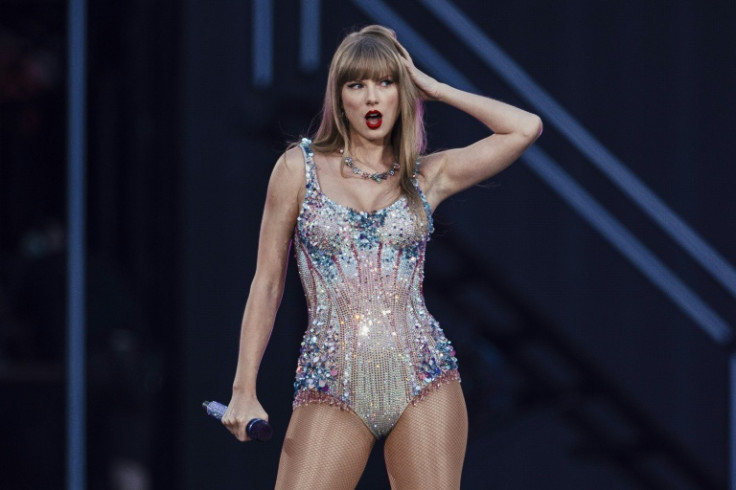
The comparison has captured the imagination of music fans and industry watchers alike, pitting one of K-pop’s most powerful global phenomena against the reigning queen of stadium tours. While Swift’s Eras Tour set the all-time record with over $2 billion in ticket sales across 149 shows, BTS is achieving massive per-show revenue with fewer dates, highlighting different but equally impressive models of fan engagement and economic impact.
Analysts from IBK Securities and IM Securities project BTS’s “Arirang” tour could bring in up to 2.7 trillion won ($1.87 billion) when factoring in ticket sales, merchandise, sponsorships and local economic multipliers. With an expected 5 to 5.2 million attendees, the tour is already breaking presale records and driving massive tourism boosts in host cities. Per-show revenue estimates reach as high as $840 million in local economic impact for some markets, according to recent reports.
Taylor Swift’s Eras Tour, which concluded its main run with a confirmed $2.077 billion in ticket sales and over 10 million attendees, remains the gold standard. However, ongoing extensions, re-releases, and related ventures continue to generate significant additional revenue. Industry experts note that Swift’s model emphasizes long, narrative-driven shows with massive production, while BTS leverages cultural resonance, fervent fandom (ARMY) and strategic global rollout for efficiency.
AFP
Economic Impact and Fan Spending
Both tours exemplify the modern “fandom economy,” where fans spend heavily not just on tickets but on travel, merchandise, accommodations and local experiences. Swift’s tour was estimated to have contributed billions to local economies across North America and beyond. Similarly, BTS’s “Arirang” tour is projected to deliver enormous boosts, with some cities expecting hundreds of millions in additional spending from international ARM Y members.
Ticket prices for BTS shows have been strategically set to balance accessibility and revenue, with strong demand leading to rapid sell-outs. Merchandise lines, often culturally tailored, have become major revenue drivers. Swift’s Eras Tour was famous for its extensive, era-specific merch drops that became cultural events themselves.
Tour Scale and Logistics
BTS’s “Arirang” tour features 82 shows, significantly fewer than Swift’s 149-date marathon, yet analysts project comparable or competitive totals due to higher per-show efficiency and strong international pricing in Asia and other markets. The tour draws on Korean cultural elements while maintaining universal appeal, a hallmark of BTS’s global strategy.
Swift’s production scale, with its multi-act structure and elaborate staging, set new standards for stadium spectacles. BTS counters with innovative 360-degree stages, cultural storytelling and high-energy performances that have become signature elements of their live shows.
Industry Implications
The projected revenues underscore the growing power of superstar-driven tours in the post-pandemic music industry. Both acts have demonstrated that dedicated fanbases are willing to spend significantly on live experiences, driving record-breaking numbers even as streaming dominates recorded music revenue.
For HYBE, BTS’s parent company, the tour represents a critical revenue recovery phase following the group’s military service hiatus. Successful execution could significantly boost HYBE’s valuation and influence in the global entertainment industry. Swift’s continued dominance reinforces her status as a one-woman economic engine, with her tours setting benchmarks that few artists can approach.
Fan Perspectives and Cultural Reach
ARMY and Swifties have engaged in friendly online debates about which tour represents the pinnacle of live music in 2026. Many fans appreciate both artists’ contributions to music and culture, noting that their success benefits the entire industry by raising standards and expanding audiences.
BTS’s ability to connect across cultures and languages gives their tour unique global reach, particularly in Asia and Latin America. Swift’s storytelling and emotional connection resonate deeply with audiences in Western markets. Together, they represent different but complementary models of modern superstardom.
What the Numbers Mean for 2026
If current projections hold, BTS’s “Arirang” tour could rank among the highest-grossing of all time on a per-show basis, potentially rivaling or approaching Swift’s record totals with significantly fewer dates. This efficiency highlights the strength of BTS’s organized fandom and strategic touring approach.
For the broader music industry, these tours signal continued strength in live entertainment as a primary revenue driver. Promoters, venues and local economies stand to benefit enormously, while the artists themselves secure substantial earnings that further cement their positions among the world’s highest-paid entertainers.
As both tours progress through 2026, final numbers will be closely watched by industry analysts. Whether BTS can match or exceed Swift’s benchmark on fewer shows or whether Swift’s extensions push her totals even higher remains to be seen. What is certain is that 2026 is shaping up as a landmark year for live music, with two of the biggest acts in the world delivering unforgettable experiences to millions of fans worldwide.
The friendly rivalry between BTS and Taylor Swift represents the best of global pop culture — pushing boundaries, breaking records and creating moments that bring joy to fans across continents. As the year unfolds, their tours will continue to define what is possible in modern concert economics and cultural impact.
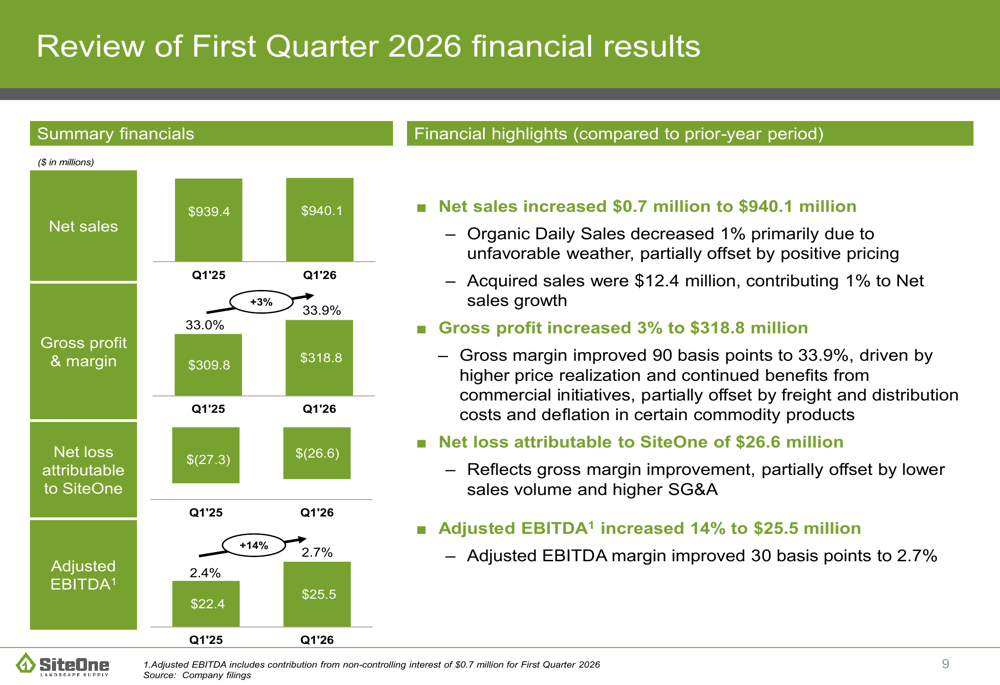
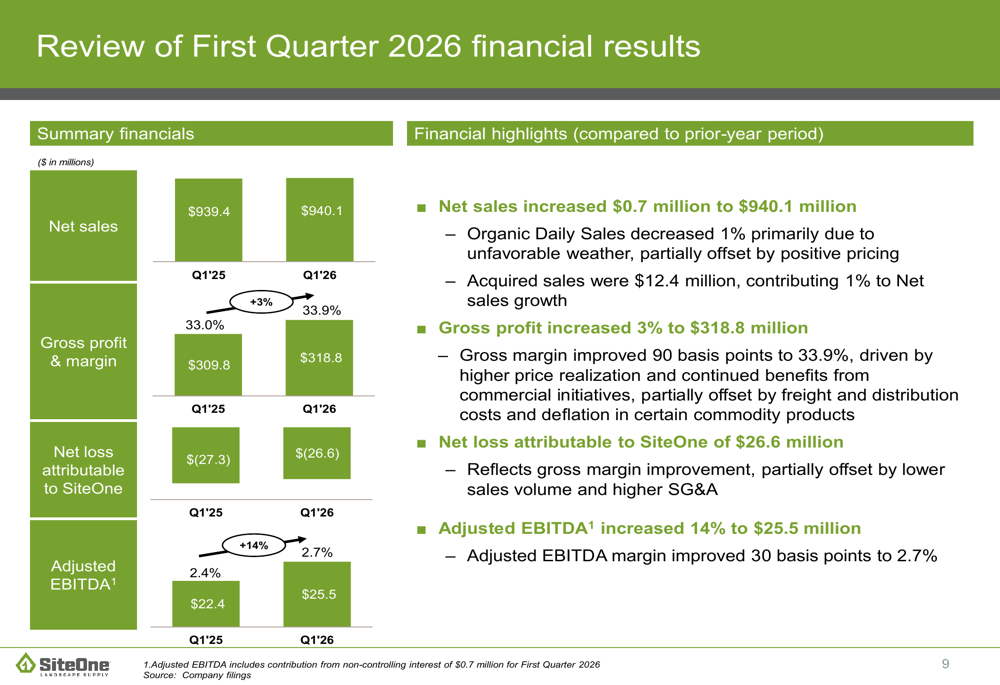
SiteOne Q1 2026 slides: margins expand despite flat sales, stock drops

Seeking Alpha’s transcripts team is responsible for the development of all of our transcript-related projects. We currently publish thousands of quarterly earnings calls per quarter on our site and are continuing to grow and expand our coverage. The purpose of this profile is to allow us to share with our readers new transcript-related developments. Thanks, SA Transcripts Team

Earnings call transcript: Tigo Energy Q1 2026 revenue jumps 33.7%
Business
Dubai International Airport Fully Open Today With Normal Operations After Regional Disruptions

DUBAI — Dubai International Airport (DXB), one of the world’s busiest aviation hubs, is operating normally today, May 9, 2026, with full flight schedules resuming after months of restrictions caused by regional geopolitical tensions. Passengers can expect standard operations across terminals, though travelers are advised to check with airlines for any last-minute changes following the gradual reopening of UAE airspace.

The airport handled millions of passengers during the restricted period and is now scaling up to pre-crisis capacity. Dubai Airports CEO Paul Griffiths confirmed that the hub is “fully open and ready for strong demand recovery” as restrictions lifted earlier this month. Both Dubai International (DXB) and Al Maktoum International (DWC) are functioning without the previous daily flight caps imposed on foreign carriers.
Emirates, flydubai and other airlines have rapidly restored routes, with many international carriers resuming normal frequencies. Live flight trackers show hundreds of arrivals and departures scheduled throughout the day, including major long-haul services to Europe, Asia and North America. However, some residual delays may occur as the system returns to full rhythm after weeks of limited operations.
The reopening marks a significant milestone after airspace restrictions that began in late February due to regional conflict. During the disruption period, DXB operated at reduced capacity, capping foreign carriers at one round-trip per day. The airport still managed more than 6 million passenger journeys, 32,000 aircraft movements and 213,000 tonnes of cargo despite the challenges.
Travelers arriving today should expect standard security and immigration procedures. Dubai Duty Free and other retail outlets are fully operational, offering the usual wide selection of luxury goods, electronics and local products. Lounges, hotels and ground transportation services at the airport are running smoothly, providing seamless connectivity for transit passengers.
Travel Advisory and Practical Information
Dubai Airports recommends passengers arrive at least three hours before international flights to account for any residual processing delays. Those with connecting flights should monitor gate information closely, as some schedule adjustments may still be in effect. Real-time flight status is available on the official Dubai Airports website and mobile app.
Weather conditions in Dubai today are typical for May — hot and clear with temperatures reaching the mid-30s Celsius. No major weather-related disruptions are expected. Passengers are reminded to stay hydrated and use sun protection when moving between terminals or ground transport.
The airport’s multi-terminal layout continues to offer excellent facilities. Terminal 3 remains the main hub for Emirates, while Terminal 1 and Terminal 2 handle other international and regional carriers. Free Wi-Fi, prayer rooms, medical services, and children’s play areas are all fully operational.
Economic Significance of Full Reopening
The full reopening of DXB is a major boost for Dubai’s economy and global connectivity. As a key aviation hub, the airport supports hundreds of thousands of jobs and contributes significantly to the UAE’s GDP through tourism, trade and business travel. The swift return to normal operations demonstrates the resilience of Dubai’s aviation sector following regional challenges.
Emirates, the flagship carrier, has restored the majority of its network, with over 137 destinations now served. flydubai and other low-cost carriers have also ramped up operations, improving affordability for regional travel. Cargo operations have returned to full strength, supporting global supply chains that rely on Dubai as a major logistics center.
Passenger Experiences and Tips
Travelers arriving today report smooth processes overall, though some note longer queues at immigration during peak hours. First-time visitors are advised to download the Dubai Airports app for real-time information and to use the airport’s efficient train system for moving between terminals.
For those in transit, DXB offers excellent amenities including luxury lounges, sleeping pods, spas and diverse dining options ranging from quick bites to fine dining. The airport’s art installations and cultural exhibits provide engaging distractions during layovers.
Business travelers can access dedicated lounges with high-speed internet, meeting rooms and productivity tools. Families benefit from dedicated nursing rooms, play areas and stroller services. Accessibility features for passengers with reduced mobility remain fully available.
Looking Ahead for Dubai Aviation
Dubai Airports is preparing for strong summer demand as travel restrictions ease globally. The hub aims to handle record passenger numbers in the coming months, supported by infrastructure upgrades and expanded airline partnerships. Al Maktoum International Airport (DWC) continues to grow as a complementary facility for cargo and future passenger operations.
The full reopening of DXB reinforces Dubai’s position as a global aviation leader and preferred transit hub. With modern facilities, efficient operations and a strategic location, the airport continues to set standards for passenger experience in the industry.
For anyone traveling through or to Dubai today, the airport is fully open and ready to welcome passengers. Checking flight status directly with airlines and allowing extra time for processing remains the best practice during this recovery phase. As operations normalize, DXB once again stands ready to connect the world through one of its most important gateways.
The smooth resumption of full services highlights the professionalism and preparedness of Dubai’s aviation sector. Passengers can expect the usual high standards of service, safety and hospitality that have made Dubai International Airport a favorite among global travelers for years.

‘Taken’ Meets ‘Sicario’ in Netflix’s New Revenge Thriller Series
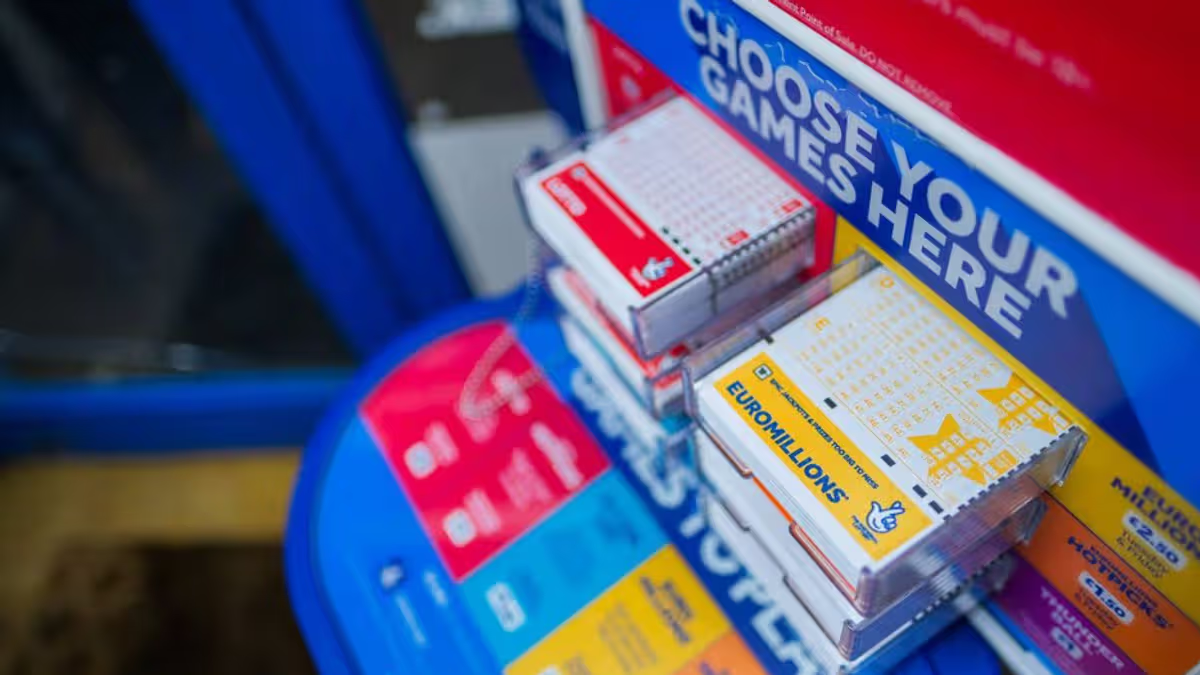
National Lottery numbers May 9: Winning results with Thunderball

Brazil Supreme Court justice suspends bill that ordered early release of ex-president Bolsonaro

Manchester United reach agreement with Casemiro over contract clause amid transfer speculation

US brings back mandatory military draft registration

Steven Gerrard disagrees with Gary Neville over ‘shock’ Chelsea and Arsenal claim | Football


-
 Crypto World1 day ago
HarrisX Poll Found 52% of Registered Voters Support the CLARITY Act
-

 NewsBeat6 days ago
Channel 5 – All Creatures Great and Small series 7 new post
-

 Crypto World3 days ago
Upbit adds B3 Korean won pair as Base token gains Korea access
-

 Tech5 days ago
Image AI models now drive app growth, beating chatbot upgrades
-

 News Videos7 days ago
AP Dhillon – Old Money (Official Audio)
-

 Fashion1 day ago
Weekend Open Thread: Marianne Dress
-
 NewsBeat3 days ago
NCP car park operator enters administration putting 340 UK sites at risk of closure
-
Entertainment7 days ago
Anna Nicole Smith’s Daughter Attends 2026 Kentucky Derby
-

 Sports7 days ago
Five killed in Texas plane crash identified as Amarillo pickleball players
-
Entertainment7 days ago
New Netflix Movies in May 2026 — My Top 3 Picks to Stream
-

 Entertainment7 days ago
Melissa Joan Hart and More Stars Attend 2026 Kentucky Derby
-
Entertainment7 days ago
Venus Williams’ Best Met Gala Looks Over the Years
-

 Crypto World7 days ago
Bitcoin mining equities rise in 2026 as BTC lags behind
-
 Business9 hours ago
Ignore market noise, India’s long-term story intact, say D-Street bulls Ramesh Damani and Sunil Singhania
-

 Business7 days ago
Luka Doncic Injury Update: Doncic’s Hamstring Recovery Slows Lakers’ Hopes Against Thunder: Can He Run Yet?
-

 Sports7 days ago
Is Man United v Liverpool on TV? Channel, streaming and how to watch Premier League fixture
-

 Business6 days ago
Winning Numbers Drawn as Jackpot Resets to $20 Million
-
 Entertainment7 days ago
Netflix’s 10-Part Miniseries Based on a True Story Is a Perfect Weekend Binge
-
Entertainment7 days ago
“Storage Wars” star Darrell Sheets' ex-wife breaks silence on his death
-
 Crypto World7 days ago
Q1 2026 Tech Layoffs AI Wave Hits 81,747 as Firms Shift to AI Infrastructure
You must be logged in to post a comment Login