
Business
Narendra Solanki sees limited IT growth, bets on rural and pharma plays

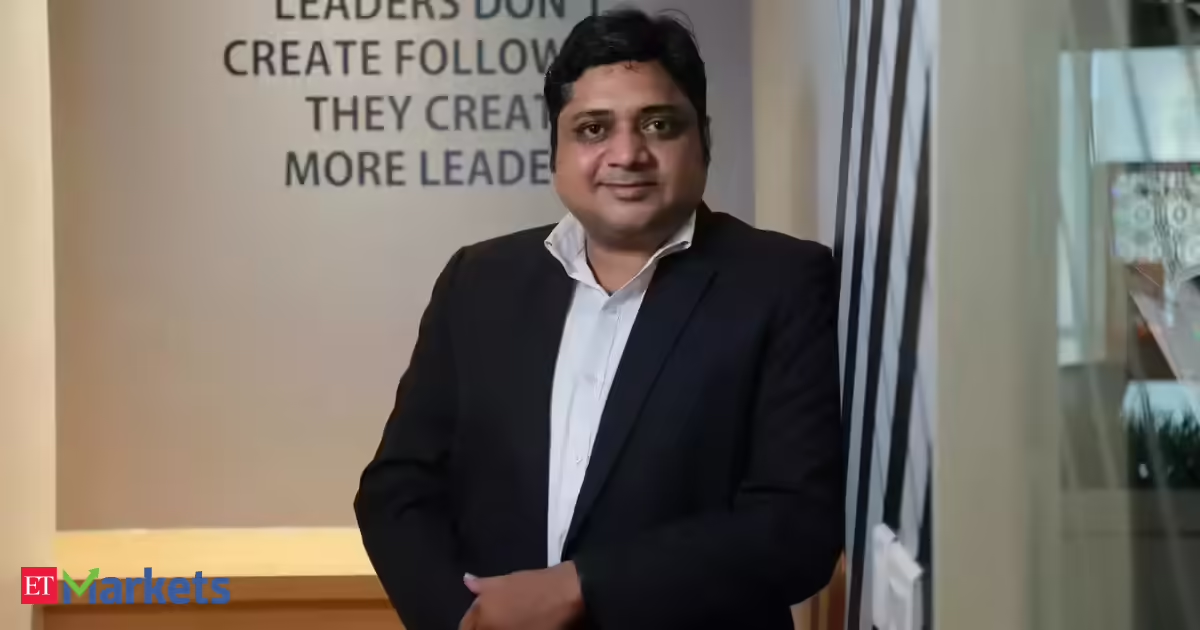
IT Sector: Stability Expected, Margin Watch Key
The IT sector, which has seen bouts of underperformance in recent months, may not deliver any major surprises this earnings season. According to Solanki, growth is likely to remain modest.
“Yes, definitely, as far as the results are concerned, it would be within the expected lines and the headline number would be at most 1.5% growth and the downside would be much closer to zero. So, it is a range between 0 to 1.5.”
However, beyond topline growth, the focus will be firmly on margins—particularly due to currency movements.

“However, the key thing would remain to be seen how the rupee depreciation actually plays out because from last quarter to this quarter we have seen around 2.5% to 2.6% kind of a depreciation in the rupee. So, the impact on the margins would be a key thing to be seen.”
Within the sector, Solanki prefers large-cap names such as Infosys and HCL Tech, while in the midcap space, Persistent and Mphasis stand out as preferred picks.Capital Markets: Preference for Stability in AMCs
Amid fluctuating market sentiment, asset management companies (AMCs) are emerging as relatively stable plays within the capital markets ecosystem.
“Yes, we will be preferring more the asset management companies like ICICI Pru AMC because of the fact that the volatility is very low in AUM-based businesses in comparison with other companies which are more exposed to market sentiment volatility. So, AMC companies would be our first preferred pick in the overall capital market segment.”
The emphasis here is clearly on business models that offer predictability over cyclicality.
Consumption Trends: Rural Outperformance, Urban Mixed
On the consumption front, the outlook remains mixed, with a divergence between urban and rural demand trends.
“Yes, our view is neutral to cautiously positive because if you see the urban markets, they were just starting to pick up in terms of volume growth and the recent West Asia crisis has shifted the market dynamics.”
Rising cost pressures are another concern, though companies may attempt to offset this through price hikes.
“Also, the cost pressures have been rising in some pockets. Although we are hearing from our channel checks that there has been some price rise coming up over the next few weeks which companies would be taking, so it has to be seen how much they can actually pass it on.”
In contrast, rural demand continues to show resilience.
“But yes, we are more positive on the rural aspects of the market wherein rural growth is expected to remain strong.”
Stocks like Marico, Dabur, and Godrej Consumer Products are among the preferred picks, along with Mrs. Bectors Food in the midcap segment.
Infrastructure & Middle East Opportunity: A Delayed Upside
The pause in geopolitical tensions in West Asia could eventually translate into opportunities for infrastructure companies, particularly those with a strong presence in the Middle East.
“Yes, definitely, a pause and a possible ceasefire which would lead to a permanent deal would definitely be a positive outlook for the overall Middle East region.”
Solanki believes reconstruction and fresh investments could drive order inflows in the coming quarters.
“The kind of damage which has happened in a month or so would lead to a lot of new construction activity, especially in the oil and gas and infrastructure segments.”
However, the near-term outlook remains uncertain.
“Having said that, the near term would continue to remain challenging because of the heavy presence in the Middle East region and we are yet to see how much impact actually would come in the current quarter as well as in the next quarter.”
The real benefits, he suggests, may materialise two to three quarters down the line.
Aviation: Near-Term Pain, Long-Term Promise
The aviation sector continues to grapple with cost pressures and operational challenges. “Yes, again if you see, the cost pressures would continue to hurt the company in the near term.”
Restrictions and limited access to international routes are also weighing on margins. “But beyond that, three to four quarters down the line, I think things should turn positive for the company.”
While the long-term outlook remains constructive, investors may need to brace for near-term volatility.
Retail & Lifestyle: Growth Intact, But No Fresh Calls
In the retail space, companies like Titan continue to demonstrate strong fundamentals, though Solanki refrained from making fresh recommendations at current levels.
“Yes, definitely if you see from both volume as well as value, the growth is there on both fronts, plus the store additions are also very impressive for Titan.”
The company’s experimentation with lab-grown diamonds could open new growth avenues. “The recent foray into lab-grown diamonds, where the company is in the testing phase, is just testing the waters and then gradually it would be leveraging and expanding into that area, which would bode well for the company’s long-term revenue growth perspective.”
Pharma: API Players and GLP-1 Opportunity in Focus
Within pharma, the focus is shifting toward API manufacturers and emerging opportunities in the GLP-1 segment. “Right now we are more focused towards API manufacturers like Divi’s and Divi’s Lab is our preferred pick.”
Additionally, the recent patent expiry of GLP-1 drugs in India has opened new avenues. “In the midcap space we are looking out for opportunities in GLP-1, which has just been off-patented in India from March.” Stocks such as Natco Pharma, Shaily Engineering Plastics, and Emcure Pharmaceuticals are on the radar in this space.
The Bottom Line
The broader market narrative remains one of cautious optimism. While global uncertainties—from geopolitical tensions to commodity price swings—continue to cast a shadow, selective opportunities are emerging across sectors.
From stable AMC plays and resilient rural consumption to long-term infrastructure tailwinds and niche pharma opportunities, the message is clear: this is a market that rewards discernment over broad-based bets.


Twilio: Voice AI Leader Now Too Expensive – Breakout Rally Overdone
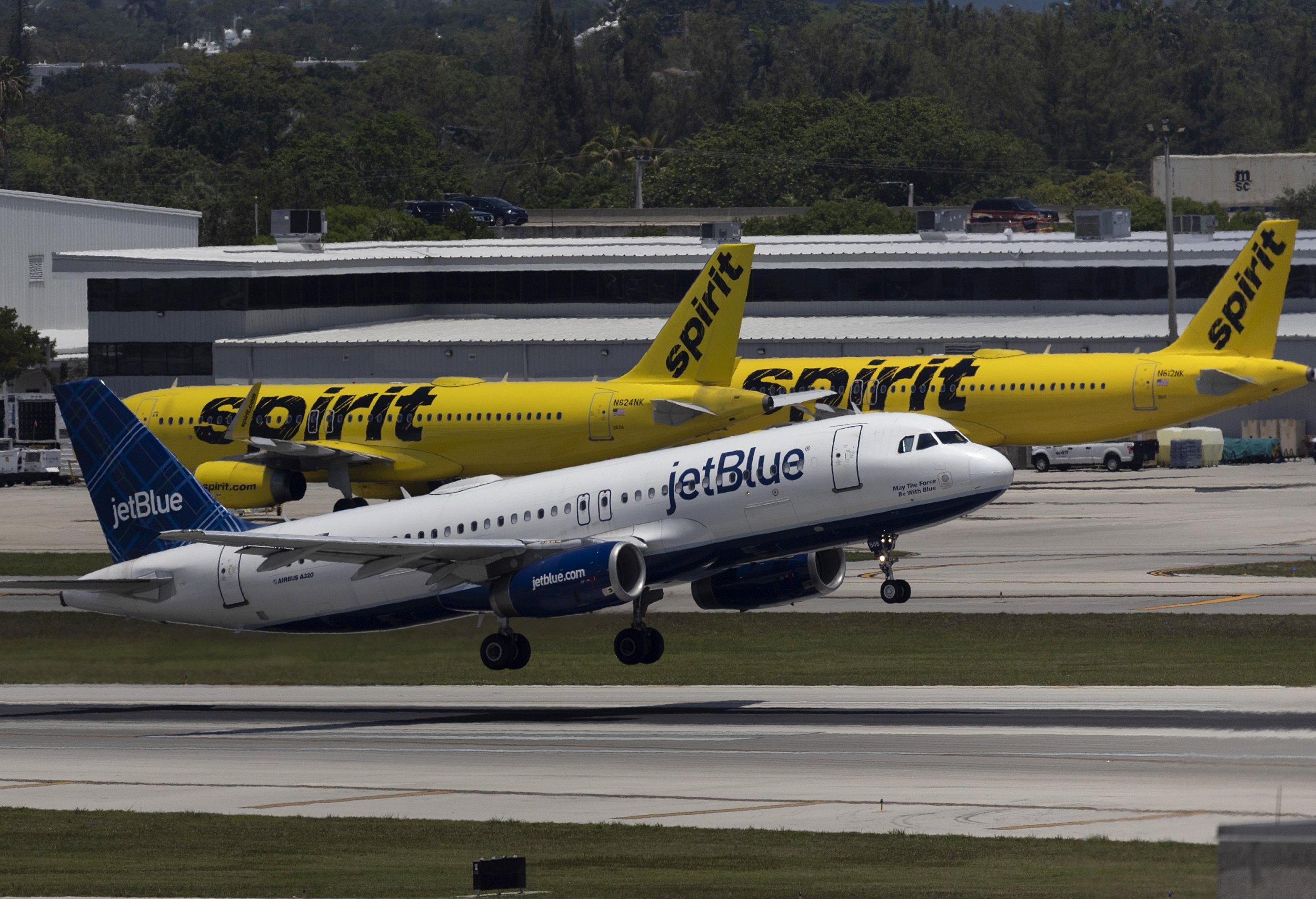
FORT LAUDERDALE, Fla. — JetBlue Airways stepped in to assist thousands of stranded Spirit Airlines customers with $99 one-way rescue fares as the budget carrier’s operational troubles left travelers scrambling for alternatives at Fort Lauderdale-Hollywood International Airport. The move comes amid Spirit’s ongoing financial restructuring and capacity cuts, creating opportunities for JetBlue to expand aggressively in South Florida while helping affected passengers reach their destinations.
JetBlue announced the special fares for travelers holding valid Spirit itineraries for travel through May 6, capping prices to prevent surge pricing as demand spikes. The airline, already a major player at Fort Lauderdale, plans to add 11 new destinations from the airport, solidifying its position as capacity opens up in the wake of Spirit’s challenges.
Spirit Airlines has faced repeated bankruptcy filings and service reductions, disrupting travel for millions. The latest issues left passengers at Fort Lauderdale — Spirit’s key hub — searching for options as flights were canceled or delayed. JetBlue’s rescue program targets those with imminent travel plans, offering affordable rebooking on its network.
JetBlue’s Expansion Strategy in South Florida
JetBlue has steadily grown its footprint at Fort Lauderdale, adding routes and frequency even before Spirit’s latest troubles. The airline now views the airport as a focus city, with plans to capitalize on gaps left by Spirit’s scaled-back operations. New destinations include cities across the U.S. and potentially the Caribbean, enhancing connectivity for South Florida travelers.
Company executives emphasized readiness for multiple scenarios at Fort Lauderdale, regardless of Spirit’s ultimate fate. JetBlue’s president noted the airline’s commitment to the market, investing in infrastructure and customer service to fill voids. The $99 fares demonstrate a customer-first approach while boosting load factors on existing flights.
Fort Lauderdale’s location serves as a gateway to the Caribbean and Latin America, making it attractive for low-cost and leisure carriers. JetBlue’s expansion includes more flights to popular vacation spots, appealing to both leisure and visiting-friends-and-relatives traffic. The airline’s Blue Basic fares are capped at $299 or less on certain routes to maintain affordability.
Impact on Stranded Travelers
Passengers affected by Spirit’s disruptions expressed relief at JetBlue’s offer. Many faced canceled flights, lost connections and additional expenses. The $99 fares provide a lifeline for those needing to return home or complete trips, particularly during peak spring travel season.
Travelers with Spirit tickets can contact JetBlue directly or use the airline’s website with proof of their original itinerary. The program aims to minimize hardship while JetBlue coordinates with airports and authorities to handle increased volume. Fort Lauderdale officials welcomed the assistance, noting the airport’s resilience amid industry shifts.
Spirit’s troubles stem from ongoing financial pressures, including debt restructuring and competition in the ultra-low-cost segment. The carrier has reduced routes and capacity at several airports, creating ripple effects for passengers and partners. JetBlue and other carriers have moved quickly to absorb displaced demand.
Broader Industry Context
The situation highlights vulnerabilities in the U.S. airline industry, where low-cost carriers often operate on thin margins. Spirit’s repeated challenges contrast with JetBlue’s more differentiated model, including better amenities and customer service focus. Analysts see JetBlue’s Fort Lauderdale push as strategic positioning for long-term growth in a consolidating market.
Fort Lauderdale-Hollywood International has grown into a major hub, benefiting from its proximity to Miami and cruise ports. Expansion by JetBlue and others helps maintain service levels as Spirit retrenches. The airport authority continues investing in terminals and infrastructure to support increased traffic.
Travelers are advised to check airline apps and websites for updates. Those with Spirit reservations should explore rebooking options promptly to secure seats on alternative carriers. Insurance or credit card protections may cover some costs associated with disruptions.
JetBlue’s Competitive Positioning
JetBlue has positioned itself as a premium low-cost carrier, offering free Wi-Fi, snacks and more legroom than ultra-low-cost rivals. The Fort Lauderdale expansion aligns with its East Coast focus, complementing hubs in New York and Boston. The airline’s Mint business class product appeals to leisure travelers seeking comfort on longer routes.
Executives expressed confidence in absorbing additional demand without compromising service. Fleet utilization and crew scheduling adjustments support the growth. JetBlue’s loyalty program and partnerships provide further incentives for displaced Spirit customers to switch.
Industry watchers note that JetBlue’s moves could accelerate if Spirit’s restructuring leads to further cuts or liquidation. Other carriers, including Frontier and United, have also added capacity in affected markets, creating a competitive scramble for market share.
Advice for Affected Passengers
Travelers impacted by Spirit cancellations should document all expenses and communications for potential reimbursement claims. Contacting JetBlue directly offers the fastest path to rebooking under the rescue fare program. Alternative options through other airlines or ground transport may suit shorter trips.
Booking flexibility and travel insurance provide buffers against future disruptions. Passengers are encouraged to monitor airline communications and airport updates closely. Fort Lauderdale’s ground transportation and rideshare options remain robust for those adjusting plans.
The situation serves as a reminder of the importance of understanding airline policies and having contingency plans, particularly when flying budget carriers with less forgiving terms.
Looking Ahead for South Florida Aviation
JetBlue’s expansion and rescue efforts position it favorably in a dynamic market. Fort Lauderdale’s growth trajectory continues as the airport attracts new service and investment. The interplay between legacy, low-cost and ultra-low-cost carriers shapes pricing and options for consumers.
As Spirit navigates its challenges, the broader industry adapts to shifting demand and competitive pressures. Passengers ultimately benefit from increased choices, though short-term disruptions create inconvenience. JetBlue’s proactive response exemplifies how carriers can turn challenges into opportunities while supporting customers.
The coming weeks will reveal the full impact on travel patterns and market shares at Fort Lauderdale. For now, stranded Spirit fliers have an affordable path forward thanks to JetBlue’s intervention, while the airport prepares for sustained growth in one of America’s busiest leisure markets.
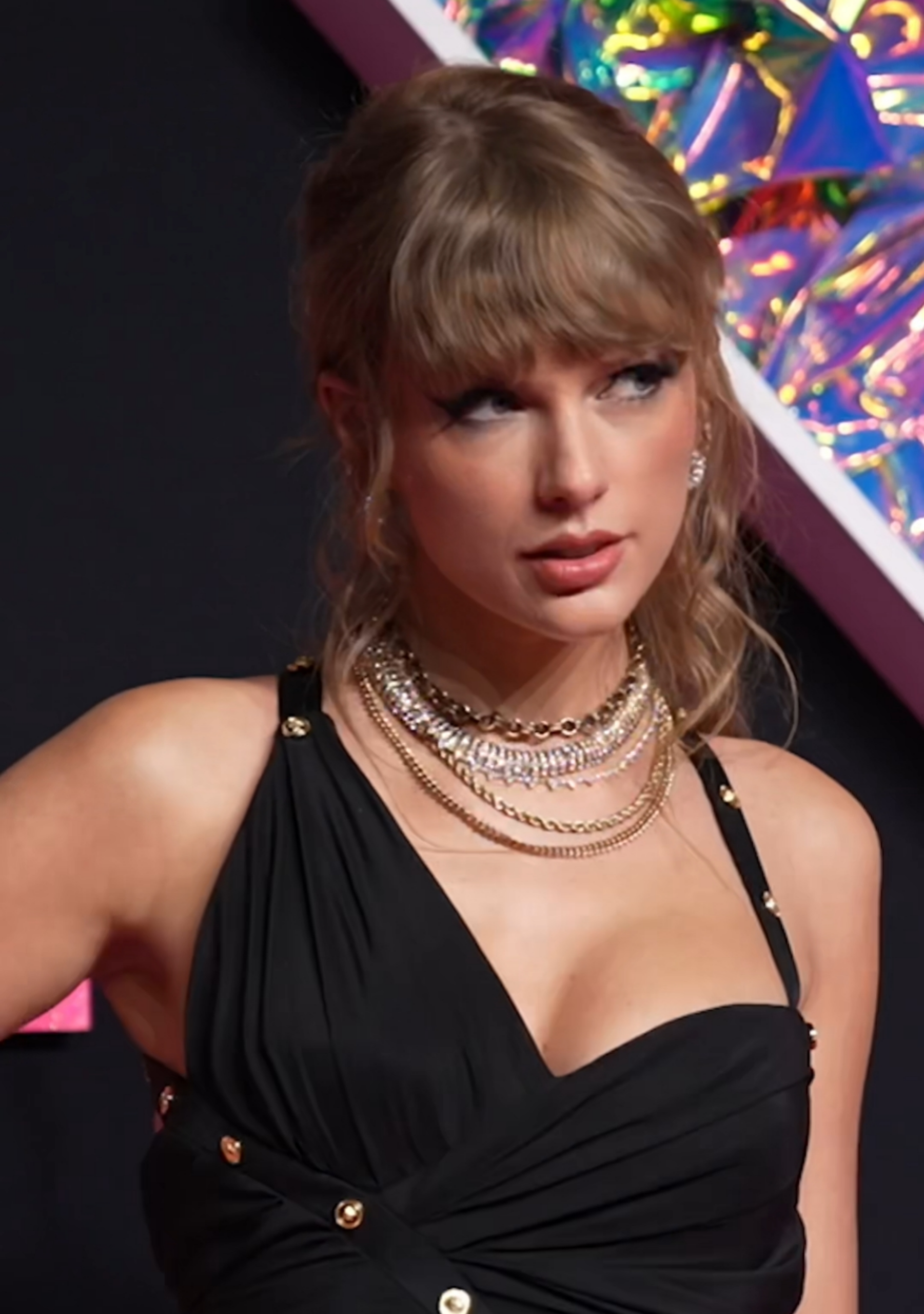
LOUISVILLE, Ky. — Rumors swirled this week that global superstar Taylor Swift and Kansas City Chiefs tight end Travis Kelce purchased a stake in Kentucky Derby contender The Puma, sending social media into a frenzy and influencing early betting odds ahead of the 152nd running of the race. While the couple has not confirmed any involvement, the speculation highlights their massive cultural influence and growing interest in horse racing.
The buzz began after social media posts claimed Swift and Kelce acquired a 10% ownership share in the horse. A co-owner’s cryptic Instagram response mentioning a nondisclosure agreement only fueled the fire, prompting widespread discussion among Swifties and sports fans alike. Though some reports later suggested the claims were unfounded, the rumor mill continued turning as Derby week intensified at Churchill Downs.
The Puma enters the Derby as a competitive long shot with intriguing connections. The three-year-old colt has shown promise in prep races, drawing attention from handicappers even before celebrity rumors surfaced. If Swift and Kelce are indeed involved, it would mark another high-profile foray into the sport following Kelce’s previous investment in a horse named Swift Delivery.
Origins and Spread of the Rumor
Speculation ignited on platforms like X when accounts with racing insights posted unverified details about the ownership stake. One viral post stated that Swift and Kelce were now part-owners, quickly amassing thousands of likes and shares. The rumor gained further traction when co-owner Michael Iavarone addressed questions online, writing that he had signed an NDA and could “neither confirm nor deny” the partnership, complete with a winking emoji.
Iavarone’s response, later deleted or edited in some accounts, was interpreted by many as playful confirmation. Racing insiders and media outlets picked up the story, noting how celebrity ownership often boosts visibility and betting interest. Swift, one of the world’s biggest entertainers, and Kelce, a Super Bowl champion, represent a powerful combination capable of driving mainstream attention to the Derby.
Kelce has attended the Kentucky Derby in past years and maintains connections in the racing world. His earlier investment in Swift Delivery, a nod to his relationship with Swift, demonstrated genuine interest in the sport. Swift herself has not publicly commented on horse racing investments, focusing instead on her music career and Eras Tour residencies.
Impact on Betting and Derby Excitement
The rumor immediately affected wagering markets. Odds on The Puma shortened in some books as fans rushed to back the horse with supposed celebrity ties. Handicappers noted the “Swiftie effect,” where passionate supporters could drive sentimental betting and increase handle at Churchill Downs.
Derby officials welcome the extra buzz, as celebrity involvement historically boosts attendance and media coverage. Past horses with famous owners or connections have drawn record crowds and viewership. Whether or not the rumor proves true, it added a layer of glamour to this year’s Run for the Roses.
The Puma’s trainer and primary owners have focused on preparation, emphasizing the colt’s talent independent of any celebrity narrative. Racing purists caution against overhyping unconfirmed stories, preferring to judge contenders on pedigree and performance.
Broader Context of Celebrity Horse Ownership
High-profile figures have long participated in Thoroughbred racing, drawn by the sport’s excitement and social prestige. Ownership syndicates allow stars to buy fractional shares, spreading risk while enjoying the thrill of competition. Recent examples include athletes and entertainers investing in promising young horses with Derby aspirations.
Kelce’s prior involvement showed his personal enthusiasm. Swift’s potential entry would align with her business savvy and interest in diversified ventures beyond music. The couple’s combined star power could introduce new audiences to racing, much like their appearances at NFL games expanded football’s reach.
Industry leaders view celebrity participation positively when it promotes responsible breeding and welfare standards. Thoroughbred racing faces ongoing challenges regarding safety and public perception, making high-visibility owners potentially valuable advocates.
Potential Attendance and Economic Boost
A Swift-Kelce presence at Churchill Downs, whether as owners or spectators, would generate massive interest. The singer’s fans have demonstrated willingness to travel for events tied to her, while Kelce’s NFL followers add another demographic. Louisville businesses anticipate a surge in tourism, hotels and dining if the rumors draw the couple to town.
Derby week already features star-studded events, parties and celebrity sightings. Additional attention from the power couple could elevate the spectacle further, benefiting local economies and the sport’s profile.
Even without confirmed ownership, the rumor itself demonstrates the couple’s cultural dominance. Discussions dominated sports and entertainment outlets, blending horse racing coverage with pop culture analysis.
What’s Next for The Puma and the Derby
As post time approaches, focus returns to the horses and riders. The Puma’s connections hope the colt performs well regardless of ownership speculation. A strong showing could validate the buzz and open doors for future investments.
For Swift and Kelce, any involvement would fit their pattern of supporting each other’s interests while maintaining privacy in personal ventures. The couple has navigated intense public scrutiny throughout their relationship, often letting actions speak louder than statements.
Racing fans and Swifties alike await developments, with many planning Derby parties centered on The Puma. Betting apps reported increased activity on the horse, reflecting the rumor’s reach.
The Kentucky Derby remains America’s most prestigious race, blending tradition, competition and entertainment. Celebrity rumors add modern flair without overshadowing the athletic contest at its core.
Whether Swift and Kelce ultimately hold a stake in The Puma or the story fades as unconfirmed gossip, the episode underscores their ability to captivate audiences across industries. As Churchill Downs prepares for another memorable Derby, the possibility of Swiftie influence adds intrigue to an already compelling narrative.
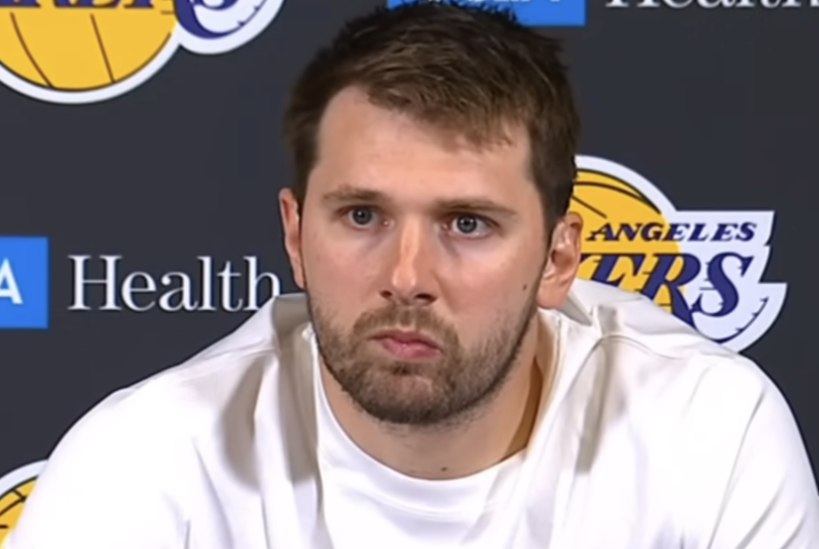
MINNEAPOLIS — As the NBA playoffs intensify, two superstar guards — Los Angeles Lakers’ Luka Doncic and Minnesota Timberwolves’ Anthony Edwards — sit sidelined with significant injuries, raising questions about which absence inflicts greater damage on their team’s postseason aspirations. Doncic’s Grade 2 hamstring strain and Edwards’ left knee bone bruise and hyperextension come at critical junctures, testing roster depth and coaching adjustments in the highly competitive Western Conference.
Doncic suffered his injury in early April against the Oklahoma City Thunder, sidelining the Slovenian phenom for the remainder of the regular season. Edwards went down in late April during a first-round playoff game against the Denver Nuggets, with expectations he will miss multiple weeks. Both stars are pivotal to their teams’ success, but the timing, severity and team context differ, potentially altering playoff trajectories.
Details of the Injuries and Timelines
Doncic’s Grade 2 left hamstring strain typically requires four to six weeks of recovery. The Lakers have taken a cautious approach, with the star seeking specialized treatment. While he has shown progress in controlled drills, he remains out indefinitely, with uncertainty surrounding his availability for the playoffs’ early rounds. The injury robbed him of All-NBA eligibility due to games-played thresholds and disrupted Los Angeles’ momentum heading into postseason play.
Edwards’ diagnosis — a hyperextension and bone bruise with no structural ligament damage — offers relief but still imposes a multi-week absence. He is listed week-to-week, potentially missing the remainder of the first round and the start of the second. The Timberwolves, holding a strong position in their series, must navigate without their leading scorer and dynamic perimeter threat.
Medical experts note that hamstring strains in explosive guards like Doncic carry re-injury risks if rushed, while bone bruises in Edwards’ knee can cause lingering soreness and reduced explosiveness. Both teams prioritize long-term health over short-term returns.
Impact on the Lakers and Doncic’s Role
Doncic’s absence is particularly costly for the Lakers, who leaned heavily on his playmaking, scoring and size during a late-season surge. As a triple-double machine and MVP candidate, his vision orchestrates the offense around LeBron James and supporting pieces. Without him, the Lakers lose creation ability and defensive versatility, forcing increased minutes for role players and adjustments in schemes.
Los Angeles advanced in the first round despite the injury, but deeper playoff rounds against elite defenses would expose the gap. Doncic’s gravity draws double-teams, opening opportunities for teammates. His playoff experience and clutch pedigree make the loss feel amplified in high-stakes games.
The Lakers’ veteran core provides some buffer, but replicating Doncic’s unique skill set proves difficult. Coaching staff has emphasized ball movement and defensive intensity, yet offensive efficiency has dipped in his absence.
Timberwolves’ Challenge Without Edwards
Edwards’ injury hits Minnesota at a pivotal playoff moment. As the Timberwolves’ franchise cornerstone, Ant-Man drives scoring, athleticism and perimeter defense. His absence forces reliance on veterans like Rudy Gobert inside and adjusted roles for guards and wings. Minnesota has shown resilience in prior games without him, leveraging team defense and rebounding.
However, playoffs demand star-level creation against switching defenses. Edwards’ scoring bursts and confidence provide a different dimension. The Timberwolves’ depth and coaching have kept them competitive, but sustaining that without their leading scorer against stronger opponents remains a tall order.
The timing potentially allows Edwards a return mid-second round if Minnesota advances, offering hope for a boosted lineup later. Still, missing early games risks building deficits that prove insurmountable.
Comparative Analysis: Which Injury Costs More?
Evaluating cost depends on team needs and series context. Doncic’s injury arguably hits harder due to his centrality in the Lakers’ offense and the Western Conference’s brutality. The Lakers lack another primary creator of his caliber, making every possession tougher.
Edwards’ absence, while significant, occurs with Minnesota possessing stronger depth and a more balanced system. The Timberwolves’ defensive identity and frontcourt dominance provide a foundation that can weather short absences better. Edwards’ potential earlier return also mitigates long-term damage.
Context matters: Lakers face steeper competition without Doncic, while Timberwolves’ seeding and matchup offer more margin. Advanced metrics show both teams’ net ratings drop substantially without their stars, but the Lakers’ decline appears steeper in offensive creation.
Playoff experience favors the Lakers with LeBron James, but youth and athleticism favor Minnesota. Both teams demonstrate adaptability, yet star injuries test championship contention claims.
Broader Playoff Implications
These absences reshape Western Conference brackets. A weakened Lakers or Timberwolves squad alters paths for Oklahoma City, Denver and others. Fans and analysts debate “what if” scenarios, with injuries adding unpredictability to an already volatile postseason.
The situations underscore load management debates and roster construction importance. Teams investing in depth fare better during injuries, while star-dependent squads face steeper climbs.
Medical teams across the league monitor similar cases, refining protocols for high-usage athletes. Both Doncic and Edwards, still in their primes, should recover fully with proper care, setting up strong returns next season.
Fan and League Reactions
Social media buzzes with concern and speculation for both stars. Lakers and Timberwolves fans rally behind current rosters while hoping for swift recoveries. League insiders emphasize player health over short-term results, noting the physical demands of modern NBA schedules.
Analysts compare the situations to past star injuries that shifted playoff narratives. The stories add drama to an compelling postseason, reminding observers of basketball’s human element.
As games continue, focus shifts to supporting casts rising to the occasion. Both teams possess talent capable of competitive play, though championship aspirations hinge on star availability.
The Doncic-Edwards injury saga illustrates the thin margin between contention and vulnerability. Which absence proves more costly may only become clear in coming weeks as series unfold and stars eye returns. For now, their teams fight onward, embodying playoff resilience in the face of adversity.
Business
Piers Morgan Ridicules Prince Harry and Meghan Markle as ‘Sussex Worms’ in Scathing Podcast Attack
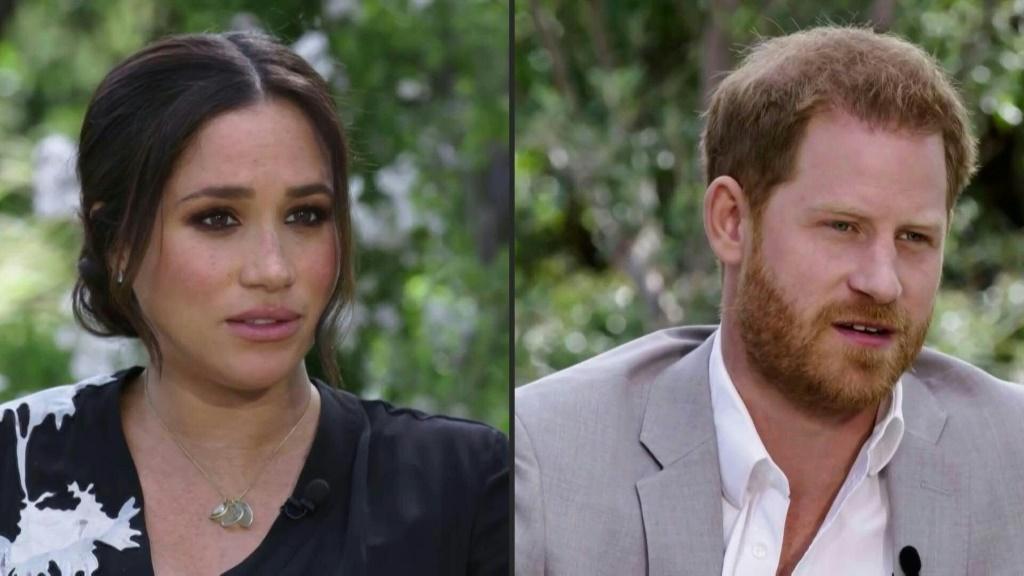
LONDON — British broadcaster Piers Morgan unleashed fresh criticism of Prince Harry and Meghan Markle, derisively labeling them “Sussex worms” during a recent episode of his podcast, intensifying the ongoing public feud with the Duke and Duchess of Sussex. The remark, delivered with Morgan’s signature blunt style, reflects deepening divisions between the couple and segments of the British media and public nearly six years after their departure from royal duties.
Morgan, a longtime critic of the Sussexes, made the comment while discussing recent developments involving Harry and Meghan’s life in California and their strained relationship with the royal family. The phrase plays on their Duke and Duchess of Sussex titles, portraying them as wriggling opportunists seeking attention while distancing themselves from royal responsibilities. The episode quickly went viral, sparking heated debates across social media and tabloid front pages.
The broadcaster has maintained a consistent adversarial stance toward the couple since their 2020 exit from senior royal roles and subsequent high-profile interviews and projects. Morgan has accused them of hypocrisy, cashing in on royal connections while criticizing the institution, a narrative that resonates with many traditional royal watchers but draws backlash from the couple’s supporters.
Context of Morgan’s Latest Attack
The “Sussex worms” jab came amid discussions of Harry’s recent activities and Meghan’s business ventures. Morgan portrayed the couple as perpetually aggrieved, leveraging victimhood for financial gain through media deals, books and lifestyle branding. He contrasted their complaints with the dutiful service of other royals, particularly King Charles III and Prince William.
The podcast episode touched on ongoing legal battles, security concerns and public perception challenges facing Harry and Meghan. Morgan argued their decisions have isolated them, turning former supporters against the pair while failing to establish independent success free of royal baggage.
Critics of Morgan accuse him of obsession and cruelty, pointing to his history of on-air clashes and social media posts targeting the Sussexes. Supporters praise his willingness to challenge what they view as entitlement and selective narratives from Montecito.
Harry and Meghan’s Response and Public Image
Harry and Meghan have largely avoided direct engagement with Morgan, focusing instead on philanthropic work, media projects and family life. Representatives have previously described his commentary as harmful and inaccurate. The couple’s Netflix series, Spotify deal and Harry’s memoir “Spare” generated significant revenue but also controversy over revelations about royal family dynamics.
Public opinion remains polarized. Polls in the United Kingdom often show declining support for the Sussexes, while international audiences, particularly in the United States, remain more sympathetic. The couple’s children, Archie and Lilibet, add layers of privacy concerns amid constant media scrutiny.
Recent reports suggest attempts at reconciliation with the royal family have yielded limited progress. Harry’s brief visits to the UK for events have highlighted ongoing tensions, with security and protocol issues frequently arising.
Broader Royal Family Dynamics
King Charles III’s reign has navigated challenges, including health concerns and family rifts. The monarch’s preference for quiet resolution contrasts with public feuds playing out in media. Prince William and Catherine, Princess of Wales, have maintained focus on their royal duties and young family, positioning themselves as the future of the monarchy.
Morgan’s commentary often frames the Sussex departure as damaging to the institution, arguing it undermined public trust and distracted from positive royal initiatives. Defenders of Harry and Meghan counter that institutional rigidity and media intrusion prompted their exit, with ongoing coverage proving their point about press intrusion.
The British tabloid press continues extensive coverage of the couple, blending factual reporting with opinion and speculation. Morgan’s platform on TalkTV and his podcast amplifies these narratives, reaching audiences beyond traditional newspapers.
Impact on Public Discourse
The “Sussex worms” remark exemplifies polarized celebrity-royal discourse in the digital age. Social media amplifies both criticism and defense, creating echo chambers where nuance often disappears. Hashtags and viral clips ensure Morgan’s comments reach global audiences within hours.
Royal commentators note fatigue among some segments of the public, with calls for the family to move forward privately. Others argue accountability and transparency matter, particularly regarding taxpayer-funded elements of royal life.
Mental health discussions feature prominently in coverage, given Harry’s advocacy and past statements about media pressure. Critics question the consistency of the couple’s privacy pleas alongside high-profile projects, while supporters highlight double standards in scrutiny compared to other royals.
Morgan’s History with the Sussexes
Morgan has clashed with Meghan since her time as an actress and royal fiancée. He has referenced past interactions and expressed skepticism about her experiences within the royal family. The broadcaster positions himself as a defender of free speech and journalistic inquiry against what he calls narrative control.
His show “Piers Morgan Uncensored” frequently features segments on the Sussexes, drawing strong ratings from audiences engaged with royal drama. Morgan’s unfiltered style contrasts with more measured broadcasting, appealing to viewers seeking direct commentary.
The latest episode fits a pattern of provocative statements designed to spark conversation and debate. Whether the “Sussex worms” line generates lasting impact or fades as another sound bite remains to be seen.
Future Outlook for Harry and Meghan
Harry and Meghan continue building lives in California, with investments in media, wellness and philanthropic causes. Their Archewell Foundation pursues initiatives in mental health, community support and environmental issues. Public appearances remain selective, focusing on projects aligning with their brand.
Reconciliation with the royal family appears distant, though occasional olive branches emerge through statements or gestures. Harry’s Invictus Games and other patronages maintain connections to service themes central to his identity.
The couple’s children grow up away from royal spotlight, sparking debates about heritage and identity. Legal cases involving privacy and security continue in British courts, adding financial and emotional strain.
As Morgan and other commentators maintain scrutiny, Harry and Meghan’s team emphasizes resilience and forward momentum. The public remains divided, with opinions shaped by personal values, media consumption and views on tradition versus modernity.
The “Sussex worms” controversy adds another chapter to a saga blending celebrity, royalty and media that shows little sign of resolution. Morgan’s barbs ensure the conversation continues, reflecting broader societal tensions around fame, family and public life in the 21st century.

Tech Stocks Will Keep Pushing the Market Higher After the Best Month in Years

Stagflation Already Affecting The Labor Market – The April Labor Report Preview

Weekly Commentary: Gradually Transitioning To Suddenly
Business
Microcap stocks steal show in April, outpace, Nifty, smallcap, midcaps, largecaps. What’s driving the surge?

Indian equities posted a strong performance in April 2026, with returns accelerating sharply as one moved down the market-cap curve. The Nifty 50 rose 5.8%, while the Nifty 100 advanced 7%. The real outperformance, however, came from the broader markets. The Nifty Midcap 150 climbed 10.7% and the Nifty Smallcap 250 surged 13.4% to 16,731. Leading the rally was the Nifty Microcap 250, which jumped 16.2%.
What makes this performance particularly striking is the backdrop against which it unfolded.
Macro concerns remained firmly in place. Geopolitical tensions, inflationary pressures, currency weakness, and elevated commodity prices continued to dominate the narrative. Foreign institutional investors have been persistent sellers, with cumulative outflows of approximately Rs 1.75 lakh crore in CY26 so far, including nearly Rs 44,000 crore in April alone. Meanwhile, the rupee has remained under pressure, slipping to record lows near 95 per US dollar, weighed down by rising oil prices and sustained capital outflows.
Geopolitical risks have further intensified with the ongoing Iran conflict, pushing crude prices higher. Brent crude has moved into the $110–125 per barrel range, with occasional spikes beyond that. This has created second-order pressures through higher input costs, stress on trade balances, and risks to energy availability, including potential gas supply constraints.
Yet, despite this challenging environment, business fundamentals across market segments have remained broadly stable.
What’s behind the rally?
Core operating metrics have remained largely unchanged across segments, indicating stability rather than acceleration. Return ratios reflect this trend, with large caps sustaining RoE at around 16.9% and midcaps at approximately 11.3%. Balance sheets also remain steady. Net debt-to-equity ratios have seen little movement—large caps at about 52.5% and midcaps at 22.5%, while small and micro caps have recorded only marginal reductions. Within the smaller segments, nano caps have improved slightly from 49.85% to 48.5%, whereas pico caps have edged up from 37.8% to 38.3%, OmniScience Capital said in a note.
Forward growth expectations remain unchanged across cohorts, suggesting there have been no meaningful revisions to the earnings outlook. In essence, the data indicates that the fundamental position of companies has remained intact, with no significant shift in operating performance during this period.
This creates a clear contrast: while fundamentals have stayed stable, market prices have moved higher. The recent rally, therefore, is not supported by a corresponding change in underlying business metrics, the report added.
April’s performance highlights that market movements do not always align directly with macro conditions or incremental changes in fundamentals. Despite a backdrop that remained largely unchanged, returns across segments were strong.
The key takeaway is that there has been no material change in business performance to explain the sharp price movement. Over time, equity returns are driven by underlying fundamentals, while shorter-term price moves can occur independently of them.
(Disclaimer: Recommendations, suggestions, views and opinions given by the experts are their own. These do not represent the views of The Economic Times)


When Branneisha Cooper first began taking GLP-1 injection Mounjaro in late 2022, she heard online that she could experience temporary hair thinning and prepared for the worst.
But it would take about a year before she began noticing her hair falling out in clumps. Cooper said it was especially shocking because she has always had thick hair.
“I was really hoping it wouldn’t happen,” Cooper, 29, told CNBC. “What my provider had told me is that since you’re on the medication that’s allowed you to lose weight at a faster rate, that’s what can cause hair loss.”
Desperate to counteract the side effect, Cooper said she began prioritizing protein in her diet, taking vitamins intended to help her hair and investing in haircare products meant to stimulate the scalp to foster growth.
She’s one of a growing number of GLP-1 users experiencing temporary hair loss from the drugs, creating a new market for hair treatment products amid the weight-loss drug craze.
Cooper took to social media for support, where she found scores of other GLP-1 users experiencing the same thing. While the discourse was less frequent at the beginning of her weight-loss journey, the rise of GLP-1s has meant that more people are flocking to her page to commiserate and strategize.
“There has been an increase of people wanting to know how to tackle it, but it’s also a lot of people who are wanting to know how they can possibly prevent it, and that’s just something that I don’t have the answer to,” Cooper said.
According to Gallup, the use of GLP-1 drugs has more than doubled since early 2024. The KFF Health Tracking Poll found that roughly one in every eight U.S. adults, or nearly 13%, are currently taking a GLP-1 drug.
By 2030, JPMorgan estimates that roughly 25 million Americans will be on a GLP-1, up from just 5 million in 2023.
Profit amid loss
Many GLP-1 users have seen significant results in losing weight. But the drugs come with a multitude of side effects, too.
Zepbound, manufactured by pharmaceutical giant Eli Lilly, advertises common side effects on its website that include hair loss, nausea and vomiting, fatigue and more. Mounjaro, also a Lilly drug, warns of similar side effects, along with Novo Nordisk‘s Ozempic. Wegovy also includes hair loss in its possible side effects.
It’s a risk that’s common with any type of significant weight loss because of the body’s changes, according to Dr. Heather Woolery-Lloyd, a dermatologist and the chief medical advisor for haircare brand Nutrafol.
“When you are losing weight, either through a GLP-1 or any other type of weight loss, you may be taking in less nutrients, less protein, and the weight loss itself can be a stressor,” she told CNBC.
Those consumers have been increasingly seeking out solutions to ease the physical process, according to Circana. The Chicago-based market research firm estimates that GLP-1 households spend approximately 30% more on beauty products than non-GLP-1 households.
“Hair loss solutions continue to be a standout growth segment in hair care, sustained by prolonged consumer stress since the pandemic and GLP‑1 medication usage emerging as an incremental tailwind,” said Larissa Jensen, Circana’s beauty industry advisor. “Many GLP‑1 users report temporary hair shedding, which is translating into increased demand for at‑home growth treatments, scalp serums, and supplements.”
The hit to a GLP-1 user’s self-confidence from the hair loss can mean even more stress, according to Woolery-Lloyd.
In her practice, she said she’s seen a noticeable increase in patients coming in specifically with hair thinning concerns, many of them because of GLP-1 side effects. Woolery-Lloyd said the last time she saw an influx of patients with these concerns was during the pandemic, due to unexpected amounts of stress on the body.
The hair loss from GLP-1s is one of the most significant side effects that the beauty industry is watching, according to Audrey Depraeter-Montacel, Accenture’s global beauty industry lead.
“GLP-1s have not just changed the way people lose weight, but the way consumers expect beauty and personal care to address the situation,” she told CNBC, adding that it’s not a “one size fits all” solution.
Depraeter-Montacel called the size of the GLP-1 market “unprecedented” and said the business opportunity for the hair treatment market with this growing population sets the scene for innovation.
“On the life science side, we are seeing a lot of pharma brands raising funds to go after innovation and new solutions,” she said. “So a lot of money has been raised in the name of this opportunity, which I think confirmed that there is definitely a commercial opportunity here as investors put dollars in this on both sides.”
Consumers who will be buying into the GLP-1 hair treatment market are also sticking around, Depraeter-Montacel said. Because hair treatment products often take a few months to begin showing results, these customers are expected to be highly loyal.
Tapping into the market
Brands are taking notice. In early April, Ulta CEO Kecia Steelman told Yahoo Finance that the company is seeing more consumers buying hair treatment products as part of the GLP-1 craze.
Redken, a haircare company owned by L’Oreal, created an entire hair treatment line specifically for consumers with thin hair called the Acidic Grow Full System.
“We wanted to ensure the Acidic Grow Full System range was tested on this specific population of GLP-1 users, as they may have unique hair care needs,” Mounia Tahiri, Redken’s U.S. general manager, told CNBC. “[It] was tested on current GLP-1 users who, when using the products, immediately noticed their hair looked fuller and felt thicker.”
Tahiri said the company also saw a rise in Google searches for hair loss and weight-loss drugs and plans to continue innovating its hair treatment products as the GLP-1 population grows.
Nutrafol CEO Cindy Gustafson told CNBC the haircare brand is similarly seeing increased demand for hair health products.
“While we don’t break out performance tied to GLP-1 use, growth overall is being driven by increased awareness and a shift toward personalized, clinically supported solutions,” she said.
Gustafson said the company expects this growth to continue as more people begin taking GLP-1s and searching for products to prevent or counteract hair thinning.
KeraFactor, another scalp health company, told CNBC that it’s seeing 100% growth year-over-year in its direct-to-consumer store because of an increased interest from GLP-1 users.
“We saw a lot of [hair loss] during Covid, so that was actually the first kind of spike of patients that came to KeraFactor, and then after Covid, it kind of settled,” Lauren Bartholomeusz, the company’s chief commercial officer, told CNBC. “And then now, we’re seeing that rise again with the GLP-1 craze.”
Bartholomeusz said KeraFactor has shifted the way it treats patients to now come from a more preventative perspective to get ahead of the possible hair loss while taking the drugs.
For Cooper, the 29-year-old GLP-1 user, there may be light at the end of the tunnel.
She’s experimented with many hair products over the past three years of taking weight-loss drugs, hoping for her hair to return to its former thickness.
“I’ve been paying more attention to it for about a year, and I’ve been noticing it’s returned,” Cooper said. “A lot of people, they get nervous when they have the hair shedding, because it’s like, ‘Oh, I’m going to be bald for eternity.’ But the hair comes back, so that was what let me have peace with it. But it was scary.”

Bitcoin rally persists as options imply 25% odds of $84K in May

The best kids’ theatre shows in London to book now

Twilio: Voice AI Leader Now Too Expensive – Breakout Rally Overdone

Manchester United reach agreement with Casemiro over contract clause amid transfer speculation

US brings back mandatory military draft registration

Steven Gerrard disagrees with Gary Neville over ‘shock’ Chelsea and Arsenal claim | Football

Samay-Ranveer’s UNEXPECTED Reunion, Rahul Roy Faces Financial ISSUES, Ranveer QUITS Pralay? | Top 10

The Investing & Crypto Expert: “We Only Have 6 Years Until Everything Changes!” – Raoul Pal

Financial Management Marathon 2026 | Section C 15 Marks Must Do Questions & Answers | B.Com 6th Sem
-

 Tech5 days ago
Register Renaming | Hackaday
-
 Crypto World7 days ago
Hyperliquid $HYPE Rally Builds Momentum as AI Sector Enters Prove-It Phase
-

 Politics5 days ago
Drax board avoid their own AGM, accused of greenwashing & environmental racism
-

 Tech5 days ago
Why Blue Badges Disappeared From Toyota Hybrids
-

 Tech5 days ago
Images of Samsung’s rumored smart glasses have leaked
-
 Sports6 days ago
IPL 2026: Ruturaj Gaikwad registers slowest fifty of the season, enters all-time unwanted list | Cricket News
-
 Tech18 hours ago
Trump’s 25% EU auto tariff breaches Turnberry Agreement that also covers semiconductors and digital trade
-

 NewsBeat6 days ago
LK Bennett closes all stores after entering administration
-

 Fashion4 days ago
Kylie Jenner’s KHY Enters a New Era with ‘Born in LA’
-
 Entertainment7 days ago
Mariah Carey Slams Deposition Claims In Brother’s Lawsuit
-

 Business4 days ago
Most Commercial Energy Audits Miss the Real Losses
-

 Crypto World4 days ago
CFTC’s AI will review U.S. crypto registration applications, chairman tells CoinDesk
-

 Business5 days ago
(VIDEO) Charlize Theron Climbs Times Square Billboard to Promote New Netflix Thriller ‘Apex’
-

 Business3 days ago
Barclay Brothers Avoid Bankruptcy: HSBC Drops High Court Petitions After IVA Deal
-
 Sports18 hours ago
Paul Scholes issues Marcus Rashford reality check as agreement emerges over Man United star
-

 Tech6 days ago
Microsoft to roll out Entra passkeys on Windows in late April
-

 Tech6 days ago
OpenAI’s Sam Altman apologizes for not reporting ChatGPT account of Tumbler Ridge suspect to police
-
 Business3 days ago
Tesla Officially Registers Elon Musk’s Stock: What Investors Need to Know
-
 Tech6 days ago
OpenAI CEO apologizes to Tumbler Ridge community
-

 Tech4 days ago
Get Ready for More Brain-Scanning Consumer Gadgets
You must be logged in to post a comment Login