
Business
No let up in war & rhetoric, a break of 22,900 can take Nifty to 22,500


TANMAY SHAH
RESEARCH HEAD, SIHL
Where is Nifty headed this week?
The market is at an inflection point. Technically, the index found strong support near the 22,930 mark last week, where it filled an unaddressed gap from the previous year. This zone coincides with the formation of a double-bottom pattern, indicating a potential base formation. The near-term bias appears cautiously positive. Nifty is likely to gravitate towards the 24,050–24,200 zone during the week, provided global cues remain stable. However, 22,900 remains a critical support level. A decisive close below this level would negate the bullish structure and trigger a sharper downside move towards 22,222. Trading Strategy: Recommend a Bull Call spread to position for a near-term upside. Traders may consider buying the 23,300 Call and selling the 23,800 Call of March 31 expiry. The strategy offers a favourable risk-reward with limited downside, while capturing gains if Nifty trends higher towards the upper resistance zone. It is well suited for a moderately bullish view amid improving technical setup.
TOP STOCK BETS
NMDC: CMP Rs 79.7 | Stop loss Rs 77.5 | Target Rs 84–89
Showing relative strength in a weak market, the stock is holding above its 20-week moving average, signalling a bullish bias with scope for fresh longs.

Power Grid Corporation: CMP Rs 297.6 | Stop loss Rs 290 | Target Rs 314–319
Decisively moved above its 200- DMA after nearly a year, signalling a potential trend reversal and renewed strength, with the setup favouring fresh long positions.
SUDEEP SHAH
VICE PRESIDENT & HEAD OF TECHNICAL AND DERIVATIVE RESEARCH, SBI SECURITIES
Where is Nifty headed this week?
Technically, the trend remains weak, with Nifty trading below key averages and RSI near oversold levels. Three successive rebounds were swiftly sold into, underscoring bearish dominance. Going ahead, 22,850–22,800 zone will act as immediate support. A sustained breach below this level could accelerate the decline towards 22,500. On the upside, 23,420–23,460 zone is likely to act as stiff resistance, with any pullback expected to face selling pressure.
Trading Strategy: The recommended Nifty options strategy for the March 24 expiry is a Put Spread, suited for a moderately bearish outlook. The trader buys one lot of the 23,100 strike Puts at a premium of Rs 210–215 and sells one lot of the 22,900 strike Puts at Rs 138–142.
This strategy limits both risk and reward. The breakeven point is 23,030. The maximum loss is Rs 4,500 if Nifty does not fall below 23,030, while the maximum profit is Rs 8,500 if Nifty closes at 22,900 or below on expiry.
TOP STOCK BETS
JB Chemicals & Pharmaceuticals: CMP Rs 2,138 | Stop loss Rs 2,030 | Target Rs 2,260–2,280
In a steady uptrend, the stock is trading above key moving averages, with higher highs and higher lows signalling strengthening momentum.
Coal India: CMP Rs 468 | Stop loss Rs 447 | Target Rs 500–515
Trading near its 52-week high, the stock shows sustained strength and outperformance, with higher lows reinforcing a bullish trend.
NAGARAJ SHETTI
SENIOR TECHNICAL RESEARCH ANALYST, HDFC SECURITIES
Where is Nifty headed this week?
The underlying trend of Nifty remains weak. The lack of strength in the upside bounce signals a possible breakdown of 22,900 support soon. On a breakdown, the next lower target is seen at 22,500. Immediate resistance is placed at 23,400.
Trading Strategy: The underlying trend remains weak. One may look to sell Nifty April futures and also sell on rises around 23,500 levels. Traders may also consider buying the 22,500 PE of April 7 expiry around Rs 260–230 for a potential downside towards 22,500. Short positions should be placed with a strict stop loss at Nifty spot 23,400.
TOP STOCKS BETS
West Coast Paper Mills: Buy at Rs 433| Stop loss Rs 414 | Target Rs 467 |
Timeframe: 1 Week After a recent sharp upmove, the stock shows a bullish breakout pattern with rising volumes and strengthening RSI signalling positive momentum.
Varun Beverages: Sell at Rs 401.5 | CMP Rs 401.8 | Stop loss Rs 417 | Target Rs 375 |
Timeframe: 1 week In a down-trend with lower tops and bottoms, the stock has resumed its decline after forming a lower top at Rs 418, with weak volume and RSI signalling continued downside.

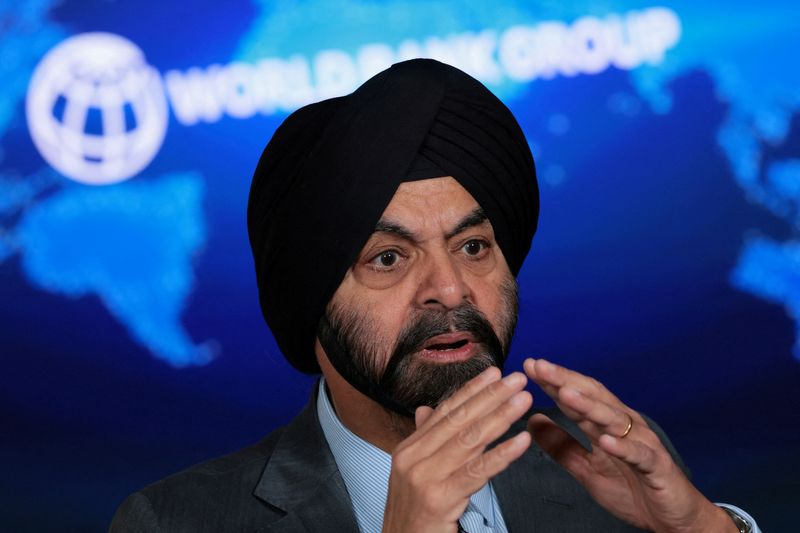

IMF, World Bank meetings show limits in mitigating shocks, reliance on US for solutions
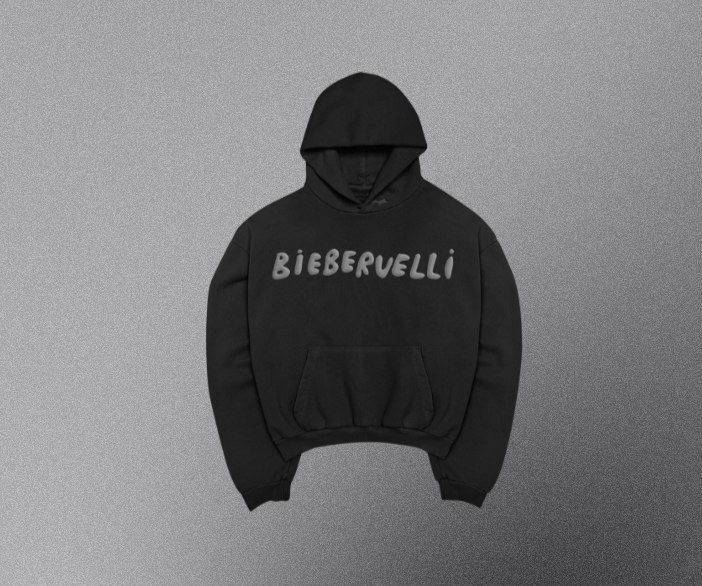
LOS ANGELES — Justin Bieber’s fashion and lifestyle brand Skylrk has rocketed from a mysterious teaser project into a commercial powerhouse, capped by a record-shattering $5.04 million in merchandise sales during the first weekend of Coachella 2026 alone.

Launched quietly in July 2025 after years of Instagram teases and prototype sightings, Skylrk has quickly distinguished itself from Bieber’s earlier co-founded label Drew House through bolder colors, higher-quality materials and a deeply personal creative direction. Here are 10 essential things to know about the brand that turned “Bieberchella” into a retail phenomenon.
- Skylrk Is Bieber’s Fully Independent Solo Venture Unlike Drew House, which Bieber co-created with stylist Ryan Good in 2018, Skylrk operates as his solo project with full creative control. He reportedly partners with business figures such as Neima Khaila of Pink Dolphin but maintains hands-on involvement in every detail, from design to quality checks. Bieber has publicly distanced himself from Drew House, even posting symbolic content suggesting a clean break to focus on this new chapter.
- The Name Carries Symbolic Meaning “Skylrk” draws inspiration from the skylark, a songbird known for singing while soaring high in the sky. The shortened, stylized spelling also nods to “skylarking,” an old term for frolicking or playing freely. This reflects Bieber’s vision of joyful, unrestricted self-expression through fashion — a theme that resonates with his evolution from teen idol to a more mature, introspective artist and family man.
- Bold Colors and Comfort-First Design Define the Aesthetic Skylrk leans into vibrant, candy-toned palettes — sky blue, Barbie pink, bright red, coral and neon accents — contrasting sharply with the more muted tones of many streetwear lines. Core products emphasize oversized silhouettes, plush textures and everyday comfort: oversized hoodies, zip-up fleece, waffle knits, beanies, molded rubber slides, chunky mules and futuristic sunglasses. Materials often include premium cotton, brushed fleece and YKK zippers, with attention to details like pigment dyeing for a lived-in feel.
- Innovative and Playful Product Features Early standouts include slides with removable, interchangeable soles for custom color combinations and the viral “Sizzler” silicone phone case featuring a joint-shaped holder — a cheeky nod to festival culture. Other items range from sculptural sunglasses priced around $200 to affordable beanies at $40, plus robes, sweatpants, tank tops and even limited basketball-inspired pieces. The brand mixes streetwear swagger with loungewear ease and occasional surrealist touches.
- Hailey Bieber Plays a Key Creative Role Bieber’s wife has been deeply involved, starring in the brand’s first major campaign and co-designing pieces. A Valentine’s 2026 capsule included leather jackets named after her (HB Hooded Leather Jacket and HB Leather Jacket). Hailey has also worn Skylrk pieces publicly and contributed humor-infused designs, such as a “Future Mrs. Bieber” tee, blending the couple’s personal dynamic into the brand’s identity.
- Coachella 2026 Delivered a Historic Merch Breakthrough During weekend one of Coachella, Skylrk generated $5.04 million in sales — more than triple the previous festival record of $1.7 million across both weekends. The brand operated a dedicated shop next to the 9,000- to 10,000-square-foot “Skylrk Oasis” activation, complete with shade, misting stations and immersive visuals. “Swag”-themed and “Bieberchella” drops featured date-specific hoodies, tie-dye graphics, “It’s Not Clocking” thermals and “Biebervelli” pieces that sold out rapidly both on-site and online.
- Bieber Personally Wears and Promotes Every Drop Since at least late 2023, Bieber has been photographed in prototype Skylrk items, using his Instagram as a living lookbook. He continues modeling new releases, sharing updates on fit, safety and improvements. Fans and observers note this authentic involvement sets Skylrk apart from many celebrity fashion lines where the star’s name is merely attached rather than embedded in the creative process.
- Influences Include Yeezy-Era Minimalism With a Bieber Twist Design cues echo late-2010s loungewear and elements from Kanye West’s Yeezy and Fear of God aesthetics, but Skylrk pushes into softer, more playful territory with surreal details and brighter palettes. It feels like an evolution rather than imitation, blending techwear cuts, plush comfort and festival-ready functionality while avoiding heavy logos in favor of subtle or graphic-driven expression.
- Rapid Growth and Cultural Momentum Since the July 2025 launch, Skylrk has expanded through numbered drops, festival activations and limited collaborations (including a recent Shark ChillPill personal fan). Social media following has surged, with significant media impact value generated from Coachella exposure. Resale markets quickly inflate prices for sold-out items, and the brand’s sparse, mysterious early marketing built anticipation that paid off in strong demand.
- It Represents Bieber’s Next Chapter in Business and Identity At 32, with a young family and a career spanning more than 15 years, Bieber positions Skylrk as an extension of his current lifestyle — comfortable, expressive and family-oriented rather than purely nostalgic teen-pop merch. The brand’s success at Coachella, combined with his record $10 million headlining fee, demonstrates how Bieber continues to monetize his cultural relevance while evolving creatively. Future expansions could include more apparel depth, collaborations and potentially international pop-ups.
Skylrk’s meteoric rise highlights the power of authentic artist-driven brands in today’s superfandom economy. While some pieces draw comparisons to past streetwear movements, the brand’s emphasis on quality, personal storytelling and joyful color sets it apart. As weekend two of Coachella continues and online demand remains high, Skylrk appears poised for sustained growth beyond festival season.
Whether fans are drawn to the comfort of oversized hoodies, the novelty of customizable slides or the cultural cachet of wearing something tied directly to Bieber’s daily life, the brand has proven it can deliver both emotional connection and serious commercial results. In an industry crowded with celebrity fashion lines, Skylrk stands out by feeling genuinely personal — a rare quality that may define its long-term staying power.
For those eager to explore the collection, the official Skylrk website continues to offer select Coachella-inspired items and core lineup pieces, though many popular drops sell out quickly. As Bieber balances music, family and this expanding entrepreneurial venture, Skylrk represents more than clothing — it’s a vibrant, soaring expression of where the artist stands today.


David focuses on growth & momentum stocks that are reasonably priced and likely to outperform the market over the long-term. He is a long term investor of quality stocks and uses options for strategy. David told investors to buy in March 2009 at the bottom of the financial crisis. The S&P 500 increased 367% and the Nasdaq increased 685% from 2009 through 2019. He wants to help make people money by investing in high-quality growth stocks.
Analyst’s Disclosure: I/we have no stock, option or similar derivative position in any of the companies mentioned, and no plans to initiate any such positions within the next 72 hours. I wrote this article myself, and it expresses my own opinions. I am not receiving compensation for it (other than from Seeking Alpha). I have no business relationship with any company whose stock is mentioned in this article.
The article is for informational purposes only (not a solicitation or recommendation to buy or sell stocks). David is not a registered investment adviser. Investors should do their own research or consult a financial adviser to determine what investments are appropriate for their individual situation. This article expresses my opinions, and I cannot guarantee that the information/results will be accurate. Investing in stocks involves risk and could result in losses.
Seeking Alpha’s Disclosure: Past performance is no guarantee of future results. No recommendation or advice is being given as to whether any investment is suitable for a particular investor. Any views or opinions expressed above may not reflect those of Seeking Alpha as a whole. Seeking Alpha is not a licensed securities dealer, broker or US investment adviser or investment bank. Our analysts are third party authors that include both professional investors and individual investors who may not be licensed or certified by any institute or regulatory body.
Rat poison found in HiPP baby food jar in Austria, police say

Jubilant Foodworks and Godrej Industries are borderline names in the midcap stocks list that may get smallcap status in H2 CY26. They have market capitalisations of Rs 30,234 crore and Rs 31,137 crore, respectively.
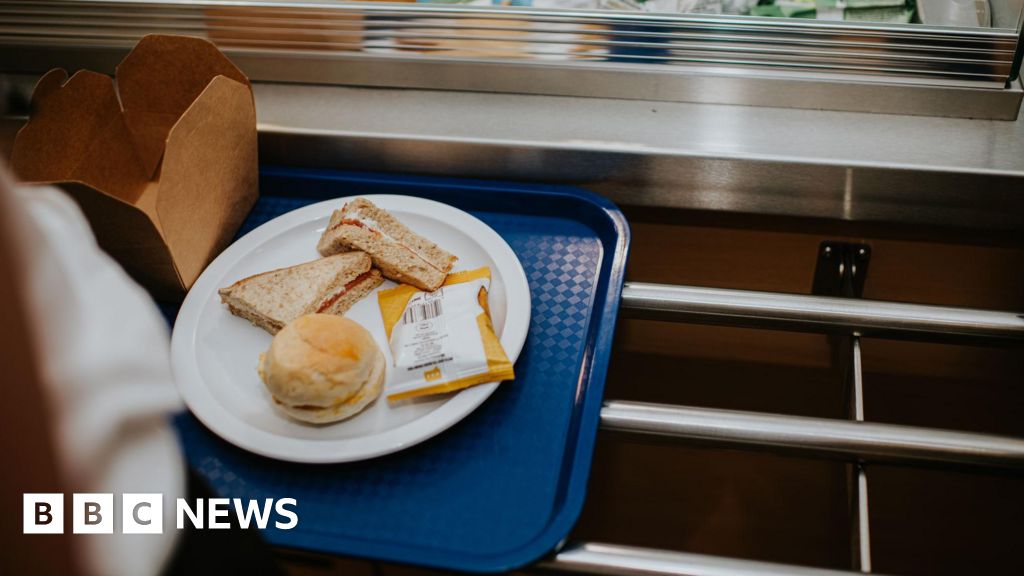
Barbara Middleton says she cannot afford to staff the government’s free breakfast clubs.
Edited excerpts from a chat:
Nifty ended in the green for the second consecutive week. Safe to say we are out of the woods yet and that the index can eye 25k in the week ahead?
We had gone in last week, favouring a push towards 24,400 or more. Friday saw a test of the same and a close not far from the same. Continuation patterns are aplenty, which favour an extension of the uptrend, aiming for 25,600. However, with oscillators overbought, we prefer to start the week on a cautious note, once in the 24,900-25,000 vicinity, before deciding on the 25,600 play. Be warned against a rough week ahead if we do not get to float above 24,900.
Nifty Smallcap 250 index is up 15% in the month so far. If the trajectory continues, then it could be the best month for the index in the last several years. How strong are the odds of a continued bull run in the smallcap world?
We favour a selective approach, as opposed to a broad-based bullish approach among small caps. Breadth remains robust with 50% of stocks near monthly highs, 10% at fresh all‑time highs, 95% above the 20‑DMA and 80% above the 50‑DMA, signalling strong participation across the universe. Importantly, momentum is supportive but not stretched. The average 14‑day RSI near 60, with nearly half the stocks still below that mark, indicates scope for further catch‑up rallies.
Technically, the Nifty Smallcap 250 index has broken out of a downward-sloping wedge and posted a decisive weekly close above the Supertrend at 16,385, confirming a trend reversal after a prolonged consolidation. If the index holds above this zone, 16,900 is a natural near‑term objective, followed by 17,400. However, given the sharp 15% monthly surge, short-term consolidation and stock level rotation are more likely than a straight-line rally. The broader uptrend stays intact above 15,770.
Defence stocks are stealing the limelight once again, with multiple counters recording double-digit gains in the week. What are the charts indicating? Time to book profits off the table or stay on the course?
The Nifty India Defence index has delivered a decisive breakout from a multi‑week consolidation, supported by strong weekly gains and a reclaim of all key short and medium‑term moving averages. Momentum indicators validate the move with RSI holding comfortably above 60 without entering extreme overbought territory, while MACD has turned decisively positive on both daily and weekly timeframes, signalling acceleration rather than fatigue. Nearly 80% of the constituents are trading close to their monthly highs, and all stocks are positioned above their 50 and 100‑day averages, underscoring a well‑entrenched uptrend.
That said, heavyweights such as HAL, BEL, Solar Industries and Mazagon Dock are approaching overbought levels on the daily charts, raising the likelihood of short‑term consolidation or profit booking. Encouragingly, their weekly structures remain constructive. The preferred strategy is to avoid chasing rallies and instead buy on dips to participate in the medium‑term bullish trend.
Gallantt Ispat and Shipping Corp were among the two biggest Nifty 500 gainers in the week. How to trade now?
Despite the sharp gains in recent days, Friday saw profit booking from the top, which explains the long wick. This, along with overbought signals from stochastics as well as RSI, rings caution for Monday’s trade. That said, the narrow range break move is still in its early stage, which encourages us to resort to a buy on dips approach with eyes on 272 as the downside marker.
Give us your top trades for the week.
TI (LTP: 470) | View: Buy | Target: 488 | SL: 459Tilaknagar Industries has shown a strong recovery on the weekly charts, breaking out above the recent consolidation zone with a decisive bullish candle. Prices are trading comfortably above key short and medium‑term moving averages, signalling improving trend strength. Momentum indicators support the move, with RSI holding above the mid 50 zone and gradually trending higher, indicating sustained buying interest without signs of excess. MACD is flattening after a prolonged corrective phase and is attempting a bullish crossover, suggesting a potential momentum expansion ahead.
From a price action perspective, the stock has respected higher supports and reclaimed the 460-470 zone, which now acts as a crucial base. Sustaining above this area keeps the upward bias intact and opens room for a move towards 488 in the near term. Any decisive break below 459 would weaken the setup and warrant a reassessment. Overall, the trend favours a buy‑on‑dips approach.
IGIL (LTP: 373) | View: Buy | Target: 390 | SL: 363
IGIL has delivered a sharp rebound after a prolonged consolidation, marked by a strong bullish weekly candle and a near 10% gain. The stock has decisively moved above its recent range and the supply zone near 360-370, indicating a potential trend reversal. Momentum indicators back the move, with RSI rising close to 60, suggesting improving strength without overstretch, while MACD has turned positive with a fresh bullish crossover, pointing to momentum acceleration.
From a structural perspective, IGIL appears to be forming a base after a lengthy decline, with higher lows taking shape over recent weeks. Sustaining above 370 would keep the bias positive and open the door for an upside move towards 390 in the near term. Any dip towards 363 should be closely watched, as a breach below this level would negate the bullish setup and warrant a reassessment.
JioBlackRock Mutual Fund, which is a new entrant in the mutual fund industry, had a total AUM of Rs 15,258 crore in March. Here are the top 10 stock holdings, according to monthly data by Prime Database.

Can crude oil stockpiles in Asia outlast the Middle East conflict?

RSPS: Consumer Staples Dashboard For April

He Predicted Bitcoin’s Top. Now He’s Warning Everyone.
Gayle King Addresses Savannah Guthrie’s Today Show Return

Harrow synagogue ‘firebombed’ as London faces ‘terrifying daily arson attacks’


-
 NewsBeat6 days ago
Pep Guardiola and Gary Neville agree over Arsenal title problem that benefits Man City
-

 Crypto World6 days ago
The SEC Conditionalises DeFi Platforms to Be Avoided for Broker Registration
-

 Fashion2 days ago
Weekend Open Thread: Theodora Dress
-

 Politics7 days ago
World Cup exit makes Italy enter crisis mode
-

 Crypto World5 days ago
SEC Signals Exemption for Crypto Interfaces From Broker Registration
-

 News Videos4 days ago
Secure crypto trading starts with an FIU-registered
-

 Sports2 days ago
NWFL Suspends Two Players Over Post-Match Clash in Ado-Ekiti
-

 Crypto World5 days ago
SEC Proposes Certain Crypto Interfaces Don’t Need to Register as Brokers
-

 NewsBeat5 days ago
Trump and Pope Leo: Behind their disagreement over Iran war
-

 Politics2 days ago
Palestine barred from entering Canada for FIFA Congress
-

 Crypto World1 day ago
Russia Pushes Bill to Criminalize Unregistered Crypto Services
-

 Sports6 days ago
NWFL opens Pathway for new Clubs ahead of 2026 Season
-

 Crypto World6 days ago
Trump whales load up ahead of Mar-a-Lago luncheon.
-
 Business3 days ago
Creo Medical agree sale of its manufacturing operation
-
Business6 days ago
Kering slides after Morgan Stanley downgrade, Gucci woes loom
-
 Crypto World6 days ago
Sei Network Enters Quiet Reset Phase as On-Chain Metrics Signal a Slowdown in 2026
-

 Tech6 days ago
Google adds E2E encryption to Gmail for iOS and Android enterprise users
-
 Entertainment5 days ago
Brand New Day’ Footage Reveals the Devastating Impact of ‘Now Way Home’
-

 Tech6 days ago
Apple glasses won’t go brand shopping like Meta did with Ray-Ban and Oakley
-
 Entertainment5 days ago
Karol G’s ‘Ultra Raunchy’ Coachella Set Gave ‘Satanic Vibes’
You must be logged in to post a comment Login