
Business
Nurtured Nuts unveils hypoallergenic peanut




Business
Grammys May Reconsider Asian Pop Category After BTS-Led Boycott Sparks Industry-Wide Backlash and Wider Debate
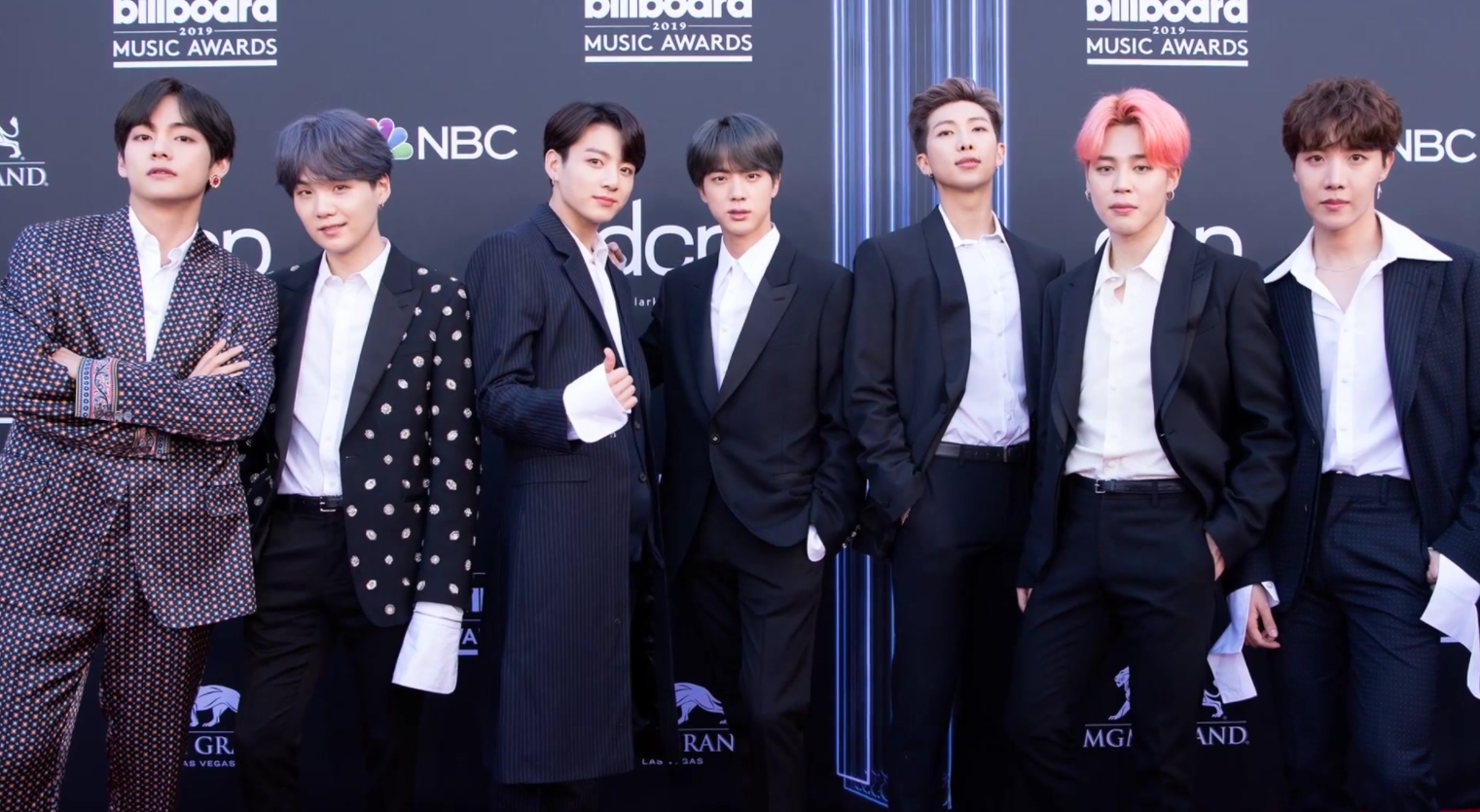
LOS ANGELES — The Recording Academy is now in active discussions with members of the Asian pop music community about the future of its newly created Best Asian Pop Music Performance category, following a high-profile boycott by BTS that has drawn broader scrutiny to how the Grammy Awards recognize artists from Asia.
The controversy traces back to June 16, when the Recording Academy announced five new award categories for the 69th Grammy Awards, including Best Asian Pop Music Performance. According to the Academy’s announcement, the category was designed to recognize “artistic excellence in Asian pop music performances originating from or widely recognized within Asian markets, including but not limited to K-pop, J-pop and C-pop, with meaningful use of one or more Asian languages.”
On July 29, all seven members of BTS announced in identical statements posted to their individual Instagram accounts that they would not submit music for consideration at the upcoming ceremony, scheduled for Feb. 7, 2027. “We have decided not to submit to the Grammys this year,” the group wrote, in a statement translated from Korean. “We hope music can be heard and loved for what it is, rather than being divided by region or language.” The group thanked their global fan base, known as ARMY, “and everyone who is always with us.”
The decision effectively removed BTS’ comeback album “ARIRANG” from Grammy contention. The record, released in March following the completion of all seven members’ mandatory South Korean military service, debuted at No. 1 on the Billboard 200 with 641,000 units sold, marking the biggest opening week for a group album in more than a decade. The group’s label, HYBE, clarified that the decision to skip the submission process was made by the group members alone.
Recording Academy CEO Harvey Mason Jr. responded the same day the boycott was announced, expressing regret over the decision while indicating he understood the group’s reasoning. “I am saddened to hear that BTS has chosen not to participate in the Grammy Awards process this year, but as a music creator, I understand and respect their decision,” Mason said in a statement posted to the Grammys’ Instagram account. He went on to defend the intent behind the new category. “I do want to clarify something that seems to be getting lost in the conversation,” Mason’s statement continued. “The Asian Pop category was created to celebrate the depth, diversity and extraordinary growth of pop artistry coming out of Asia. The spirit of this new category is to shine a dedicated spotlight on these important artists. More categories mean more artists’ work is recognized. It’s never to divide, but to expand who is recognized by our 15,000 Grammy voters.”
Mason concluded his initial statement by emphasizing the Academy’s broader commitment to global inclusivity. “As we continue to expand the reach, our membership and our awards, regardless of geography or language, I want to emphasize that we will continue to listen to the global music community and work to honor and celebrate all the artists whose music moves the world,” he said.
Despite that early defense of the category, few other major artists publicly joined BTS in boycotting the awards, a pattern some industry observers have attributed to the unique position BTS currently occupies within the global music industry. Hye Jin Lee, a scholar at the University of Southern California who studies K-pop and global media, offered one interpretation of the group’s decision in comments to Rolling Stone. “To me, [BTS’ decision] signals that they have reached a point in their career where they no longer feel the need to seek validation from Western institutions,” Lee said.
More than a week later, Mason’s tone toward the controversy shifted noticeably. In a statement provided to Billboard on Friday, Aug. 1, Mason acknowledged more directly that the category may not be achieving its intended purpose for the artists it was meant to celebrate. “The Grammy organization exists to serve all music people, and part of that is working to ensure that no voice or community gets overlooked or misunderstood,” Mason said in that follow-up statement.
According to Billboard’s reporting, the Recording Academy has since begun direct conversations with members of the Asian pop music community regarding the category’s future, though no formal changes to the award’s structure or eligibility criteria have yet been announced. The Recording Academy’s board is expected to convene to determine, in Mason’s words as relayed by NME, how the organization can “best honour this music in the future.”
The controversy has extended beyond BTS’ individual decision to prompt broader public debate about how award institutions like the Grammys categorize music from non-Western regions and languages. Critics have argued that region- or language-specific categories, even when framed as efforts at greater inclusion, risk segregating non-Western artists from the Grammys’ more prestigious general-field categories, such as Album of the Year, rather than integrating them more fully into the ceremony’s top honors. Mason has previously pushed back on that characterization directly, telling reporters that submitting music within genre-specific categories does not disqualify an artist from also competing for general-field awards.
The Recording Academy has faced similar questions in the past regarding the consultation process behind newly created award categories. Mason has previously pointed to the Best African Music Performance category, introduced in recent years, as an example of a category informed by direct engagement with artists in that region, citing trips to Africa and acknowledgment that African artists “weren’t being heard in our process,” according to prior comments attributed to Mason. The BTS boycott has renewed questions from industry observers and commentators about who, specifically, was consulted in the creation of the Best Asian Pop Music Performance category before its introduction in June.
Notably, some observers have pointed out that BTS’ own recent English-language material, including their hit single “SWIM,” which debuted at No. 1 on the Billboard Hot 100, would not have qualified for the new Asian pop category regardless of the group’s boycott decision, since the category specifically requires meaningful use of one or more Asian languages, a detail that has added further nuance to the broader debate over how the award’s eligibility criteria are structured.
As the Recording Academy continues its consultations with Asian pop industry representatives ahead of the February 2027 ceremony, it remains unclear whether any structural changes to the Best Asian Pop Music Performance category will be finalized before this year’s awards cycle concludes, or whether such changes might instead take effect for future ceremonies. Neither BTS nor HYBE has issued further public comment on the matter since the group’s initial July 29 statement, and it remains unknown whether the group’s stance could shift depending on how the Academy ultimately addresses the concerns raised by the boycott.
Business
iPhone 18 Pro Leaks Reveal 10 Rumored New Features Ahead of Expected September 2026 Launch Event This Fall
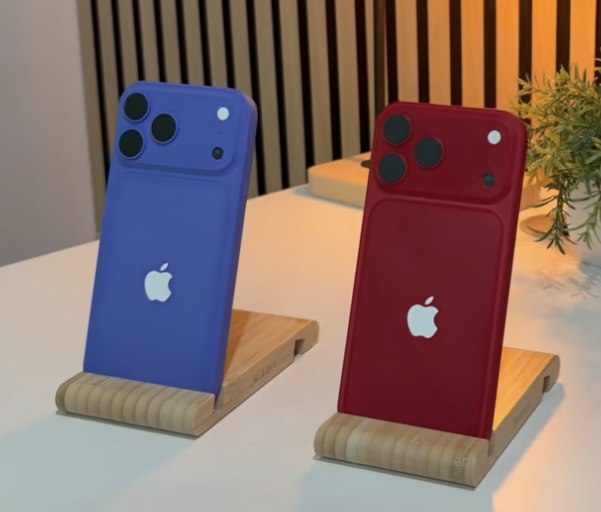
Apple is widely expected to unveil the iPhone 18 Pro and iPhone 18 Pro Max in September, and a steady stream of leaks and supply chain reports over recent months has offered an increasingly detailed picture of what the new flagship devices may include. While Apple has not officially confirmed any specifications, here are 10 of the most consistently reported features expected to headline this year’s Pro lineup.
1. Apple’s first 2-nanometer chip
The iPhone 18 Pro is widely rumored to debut Apple’s first chip built on a 2-nanometer manufacturing process, reportedly called the A20 Pro. According to reporting on the device, the more advanced chip fabrication process is expected to deliver meaningful improvements in both performance and power efficiency compared with the current A19 Pro chip used in the iPhone 17 Pro lineup.
2. A new Apple-designed C2 modem
Leaks point to the iPhone 18 Pro adopting Apple’s next-generation, in-house cellular modem, reportedly called the C2, continuing the company’s multi-year effort to reduce its reliance on third-party modem suppliers following the initial rollout of its first-generation C1 modem chip.
3. Satellite-based 5G connectivity
Among the more notable connectivity upgrades reportedly in testing for the iPhone 18 series is support for 5G connectivity delivered via satellite, an expansion of Apple’s existing satellite features that have so far focused primarily on emergency messaging and location-sharing capabilities in areas without traditional cellular coverage.
4. A more uniform, redesigned rear Ceramic Shield finish
According to a source cited by AppleInsider, the iPhone 18 Pro is expected to feature a more uniform appearance on its rear glass panel compared with the two-tone design used on the iPhone 17 Pro, with Apple reportedly working to eliminate the visual break between the frosted glass camera area and the smoother Ceramic Shield section used for MagSafe charging. MacRumors has similarly reported that the rear Ceramic Shield area for MagSafe could take on a more frosted and seamless appearance across the redesigned back panel.
5. New color options, including purple, brown and burgundy
Multiple leaks point to an expanded and refreshed color lineup for the iPhone 18 Pro, with reported options including purple, brown and burgundy variants, according to leaked imagery and reporting circulating from device tipsters ahead of the phone’s expected unveiling.
6. A continued triple-lens camera system with strong zoom capability
The iPhone 18 Pro and Pro Max are expected to retain a triple-lens rear camera setup similar to the current generation, featuring a 48-megapixel main sensor, a 48-megapixel ultrawide lens and a 48-megapixel periscope telephoto lens capable of 4x optical zoom, according to specifications compiled from leaked component information, largely mirroring the camera hardware found on the iPhone 17 Pro Max.
7. A larger battery for the Pro Max model
The iPhone 18 Pro Max is rumored to feature a battery capacity of approximately 5,100 milliamp-hours, a modest increase over the 5,088 milliamp-hour battery included in the current iPhone 17 Pro Max, according to specifications shared by device leakers tracking the phone’s expected internal component changes.
8. 12GB of RAM across the lineup
Leaks suggest the iPhone 18 Pro models will continue offering 12 gigabytes of RAM, matching the memory configuration used in the current iPhone 17 Pro lineup, a specification that has taken on added significance given Apple’s continued expansion of on-device Siri and other AI-powered features that rely more heavily on available system memory.
9. A largely unchanged front design, contrary to earlier redesign rumors
While earlier reports throughout 2026 speculated that Apple might significantly overhaul the iPhone’s front display design for the 18 Pro lineup, potentially including a smaller or reshaped Dynamic Island or an under-display Face ID sensor system, more recent leaks suggest Apple may instead reuse existing manufacturing molds from the iPhone 17 Pro. According to a report shared by tipster Digital Chat Station on the Chinese social platform Weibo, that reuse of production tooling would mean the front-facing Dynamic Island is likely to remain the same size and shape as the current generation, rather than shrinking as some earlier rumors had suggested, with any more dramatic under-display Face ID redesign potentially pushed back to a future iPhone generation.
10. An in-person September launch event, alongside Apple’s first foldable iPhone
According to an August rumor, Apple may hold an in-person launch event on Wednesday, Sept. 9, 2026, to unveil the new devices, marking a departure from the prerecorded product reveal videos the company has favored in recent years. Reports indicate Apple’s U.S. retail employees were invited to enter a lottery for the chance to attend the event in person. The iPhone 18 Pro and Pro Max are expected to launch alongside Apple’s first foldable iPhone, widely rumored to be called the “iPhone Ultra,” with the foldable device measuring roughly 5.5 inches when closed and approximately 7.8 inches when fully opened, according to leaked dimension estimates.
Beyond these headline changes, additional reported details suggest the standard iPhone 18 Pro will feature a 6.3-inch display while the Pro Max will retain a 6.9-inch screen, both continuing to use 120Hz refresh rate LTPO display technology. Storage configurations are expected to again range up to 2 terabytes for the top-tier model, matching the current generation’s maximum storage offering.
Notably, Apple’s broader iPhone 18 lineup strategy appears to be shifting toward a staggered, two-season release schedule this year. While the iPhone 18 Pro, iPhone 18 Pro Max and the new foldable iPhone are expected to arrive together this September, the standard iPhone 18, a lower-cost iPhone 18e model, and a second-generation iPhone Air are reportedly being held back for a separate announcement expected around March 2027, according to multiple reports tracking Apple’s production and launch timeline. That staggered approach would mark a departure from Apple’s traditional practice of unveiling its entire iPhone lineup during a single September event.
Pricing for the new devices has not been officially confirmed, though some analysts have speculated Apple could introduce modest price increases across parts of the lineup, following a $100 increase applied to the standard iPhone Pro model in 2025 while the Pro Max retained its prior starting price of $1,199.
As with all pre-launch leaks, the specific details outlined here remain unconfirmed by Apple and are subject to change ahead of any official announcement. Apple has not commented publicly on any of the reported features, and the company is expected to reveal final specifications, pricing and availability details only once its fall product event is formally scheduled and held.
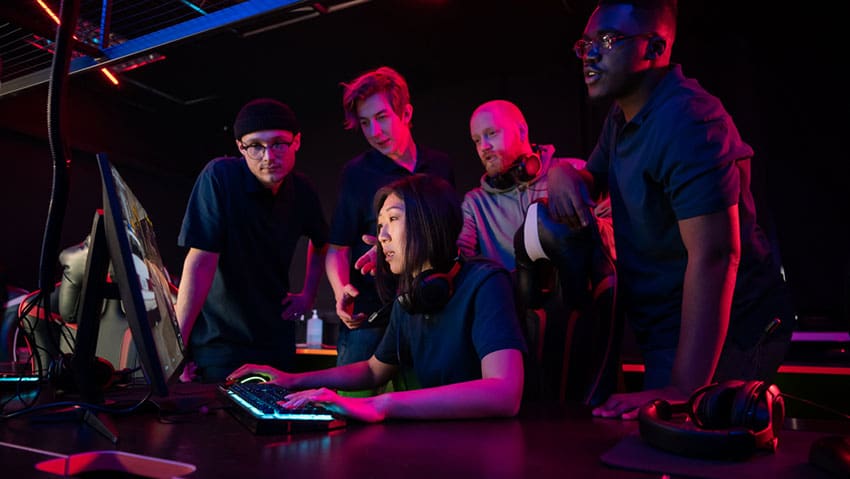
Twitch has faced a backlash from users after confirming that content on the Amazon-owned streaming platform is used to train the company’s generative AI models under a setting that is switched on by default.
The platform said on 12 August that users can opt out of the data collection, but the announcement prompted criticism from streamers who questioned why it had been enabled in the first place.
Mike Minton, Twitch’s chief product officer, said the company was “respecting” users by letting them opt out. Asked why the data was collected by default, he said: “If it’s opt-in, nobody would opt-in. That’s the honest answer.”
Minton said during a livestream that users who remain opted in could have any of their channel content used for training, and that the data collected will not be re-sold to other companies.
Twitch’s own FAQs on its use of AI state that unless users opt out, their content could be used to train generative AI models, the type of artificial intelligence that creates new content such as text, images and video.
The company said a person’s audio might be used to “refine models that create speech to text”, which it said would improve automatic subtitles on Twitch streams as well as on Amazon videos.
Some users questioned the implications for game developers, since the setting would also appear to train Amazon’s models on the video games being played by streamers.
Mary Kish, Twitch’s head of community, used the same livestream to show viewers how to disable the training through their channel settings. Users must open the Settings tab in their Streamer Dashboard, click Security and Privacy, and toggle off “training for Generative AI”.
Doing so prevents Amazon from using streams, clips, images, chats and other channel content to train its generative AI models. Some users have since reported that the setting appeared to be switched back on after they disabled it. “Went in and toggled the switch off, exited, went back in, switch is still on,” one said.
Kish said data collection for AI training had become an industry standard. “We don’t expect you to be happy or excited about this. I don’t expect anyone to react to this favourably,” she said.
The livestream’s chat was flooded with hundreds of comments criticising the move. One viewer wrote: “Nobody would opt in because nobody wants to feed AI with our creativity and content.” Another said Twitch had an “opportunity to set an industry standard” by pushing back against data collection for AI. Underneath Twitch Support’s announcement of the feature, one streamer wrote: “On by default is criminal…. the AI narrative push is so draining.”
It is not clear when Amazon began collecting Twitch users’ data to train its AI models. Minton said he did not know whether users’ data had already been scraped for training, adding that he was unsure what Amazon “has done in terms of model training and what they’ve used and not used”.
The use of creative work to train AI models has been contested in the courts. Stability AI won a High Court case brought by Getty Images over copyright claims, while Anthropic agreed a £14m payout to Harry Potter publisher Bloomsbury.
Amazon, which bought Twitch for nearly $1bn (£740m) in 2014, runs a range of AI services and has invested heavily in the technology as it competes with Google, Meta and other technology groups.

Jamie Young
Jamie Young is Senior Reporter at Business Matters, covering SME finance, employment law and Westminster policy since 2016. He has reported on every Budget and Autumn Statement since 2018, helped make sense of the ‘covid era’ and the bounce-back loan scheme from launch through the fraud investigations, and broke the magazine’s coverage of the 2024 late-payment reforms. He joined Business Matters straight from completing his BA in Administration from Exeter University and is NCTJ-qualified. Reach him at jyoung@cbmeg.co.uk
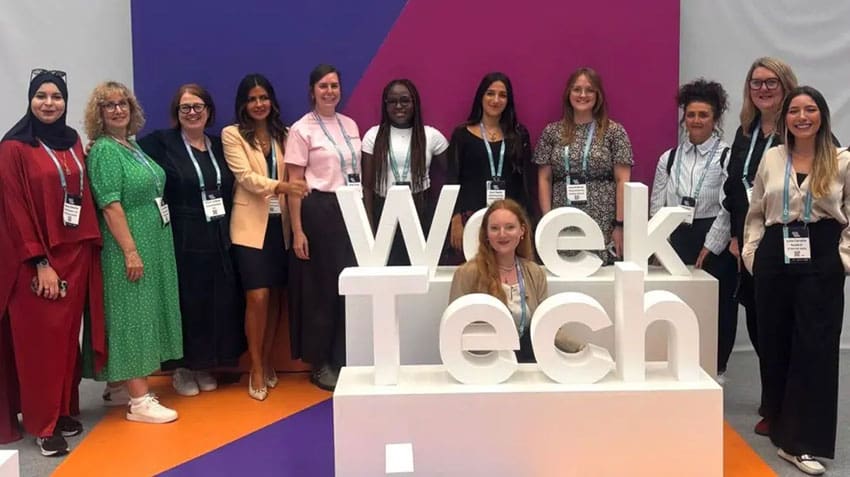
A task force to increase the number of women founding, funding and working in technology businesses has been launched in South Yorkshire, after research published this month found women make up 18 per cent of the region’s tech workforce, against 26 per cent nationally.
The Women in Tech and Investment Taskforce has been set up by TechSY, the programme within South Yorkshire Mayoral Combined Authority responsible for growing the county’s tech and digital economy, after research by TechSY found the region was lagging behind the rest of the UK on female participation in the sector.
The same research found women receive just 10 per cent of investment. TechSY puts the value of South Yorkshire’s tech ecosystem at £3.7bn, four times its size in 2019.
The task force will focus on four priorities: increasing the number of women starting and scaling up tech firms; encouraging more women to invest in start-ups; supporting women already working in the sector to move into leadership roles; and inspiring more girls and young women to pursue careers in technology.
Its chair, Helen Milner OBE, said discussions about women in technology had too often focused on the problem rather than finding solutions.
“By bringing together employers, educators, investors and founders, we have an opportunity to ensure more women can build successful careers and businesses in technology,” she said.
Christina Vaughan, who started her first business in the digital sector more than 20 years ago, said she found there were still “too few women” in the industry when she launched her most recent venture, based in Sheffield.
She said: “I felt very much on my own 25 years ago, if we can even move the dial a little bit, that would be a good thing.”
The government’s Investing in Women Code annual report found that increasing investment into female and ethnic minority-led businesses could increase the UK’s stake in the tech market by around 13 per cent. It concluded that tech businesswomen generally doubled any economic investment they received.
The South Yorkshire launch follows moves at national level, where the Invest in Women Taskforce has secured more than £250m from financial institutions to back female entrepreneurs, and comes amid wider evidence that backing female founders outperforms the market. Neighbouring West Yorkshire has launched its own regional tech body as it bids to grow the sector.
Tracey Johnson, programme director for TechSY and the figure behind the project, said backing more women into business was good for growth.
“This isn’t simply a diversity issue; it’s an economic opportunity and one we must address. If South Yorkshire is serious about becoming one of the UK’s leading technology regions, we need to ensure everyone has the opportunity to participate and succeed,” she said.
The task force is funded by the South Yorkshire Mayoral Combined Authority, the British Business Bank and the Department for Science, Innovation and Technology via Barnsley Council’s Tech Town programme.
Jamie Young
Jamie Young is Senior Reporter at Business Matters, covering SME finance, employment law and Westminster policy since 2016. He has reported on every Budget and Autumn Statement since 2018, helped make sense of the ‘covid era’ and the bounce-back loan scheme from launch through the fraud investigations, and broke the magazine’s coverage of the 2024 late-payment reforms. He joined Business Matters straight from completing his BA in Administration from Exeter University and is NCTJ-qualified. Reach him at jyoung@cbmeg.co.uk

Tutor Perini wins $60M Coast Guard contract in Florida
Business
Best Buy Marks 60th Anniversary With Weeklong Sale, Custom 3D-Printed Sneakers and Deals Nationwide

Best Buy is celebrating its 60th anniversary this week with a company-wide sale running through Aug. 23, marking six decades since the retailer opened its first store as a small audio shop in St. Paul, Minnesota, and growing into one of the country’s largest consumer electronics chains.
According to a statement from the company, the anniversary celebration kicked off Monday, Aug. 17, with what Best Buy is calling “The Anniversary Sale,” running through Sunday, Aug. 23, across the company’s physical stores, its mobile app and BestBuy.com. The sale includes discounts across a range of consumer electronics categories, including iPads, headphones, laptops and other tech products, according to the retailer.
The company plans to extend the celebration further during what it is calling its anniversary weekend, running Friday, Aug. 21, through Sunday, Aug. 23, when Best Buy said it will introduce an additional, refreshed lineup of promotional offers beyond those available during the broader weeklong sale.
Best Buy is also offering enhanced loyalty rewards throughout the sale period as part of the anniversary promotion. According to terms outlined by the company, members of its My Best Buy Plus and My Best Buy Total loyalty programs can earn 10% back in rewards on qualifying purchases made between Aug. 17 and Aug. 23, up to a maximum reward of $60. That figure includes the standard 1% back in rewards those membership tiers already receive, combined with an additional 9% tied specifically to the anniversary promotion. According to the offer’s terms, members must have an active My Best Buy account and be signed in at the time of a qualifying purchase, and reward points are expected to post to loyalty accounts within two to three weeks of the purchase, shipment or delivery date. The offer excludes tax, shipping and delivery fees, and gift card purchases.
The retailer is separately promoting a credit card incentive tied to the anniversary event. Customers who apply for and are approved for a My Best Buy Credit Card can earn 15% back in rewards on purchases made using Standard Credit during their first day of card use, provided that purchase occurs within 14 days of the account being opened. That offer, which runs from Aug. 10 through Sept. 7, combines a standard 5% back in rewards for using Standard Credit with an additional 10% tied specifically to new cardholders’ first day of purchases. According to the terms, that particular offer is available only to customers being approved for a My Best Buy Credit Card for the first time and cannot be combined with other promotional offers.
Best Buy is also planning a separate, single-day in-store promotional event on Saturday, Aug. 22, which the company is calling Anniversary Day. According to the retailer, six special anniversary offers will be available exclusively in physical stores that day, including a promotional gift card deal. The company said quantities for these one-day offers are limited, with a minimum of 50 60th Anniversary Best Buy gift cards guaranteed per store location, and cautioned that the one-day event offers will not be eligible under the company’s standard price-match guarantee policy. Purchases under the Anniversary Day promotion are limited to one item per offer per customer.
As part of the broader 60th anniversary celebration, Best Buy is running a promotional sweepstakes inviting customers to submit photographs of their oldest technology devices, including phones, televisions and gaming systems, through BestBuy.com for a chance to win anniversary-themed prizes. According to the official rules, the sweepstakes requires no purchase to enter, runs through 11:59 p.m. Central time on Aug. 23, and is open to legal residents of the 50 U.S. states, Washington, D.C., and Puerto Rico who are at least 18 years old. The company described the promotion as a way to honor how consumer technology has evolved over the past six decades while looking ahead to future innovations.
Best Buy has also partnered with technology YouTuber Marques Brownlee for a video project tracing the evolution of the telephone over the company’s 60-year history, framing the retailer’s role in helping customers navigate successive waves of technological change. According to the company, an advertising campaign tied to that collaboration launched on Brownlee’s YouTube channel beginning Aug. 10.
In one of the more unconventional elements of the anniversary campaign, Best Buy said it is offering custom, 3D-printed anniversary-themed sneakers for purchase through BestBuy.com. According to the company, the shoes, produced in partnership with 3D-printing company Nexbie, are being offered in limited quantities as a novelty item tied to the anniversary celebration, intended to showcase advances in manufacturing technology alongside the retailer’s broader product offerings.
Best Buy, founded in 1966, has grown from its original single-location audio equipment store in St. Paul into a national retail chain operating hundreds of stores across the United States, alongside a substantial e-commerce and mobile app business. The company has positioned itself over the decades as a primary retail destination for consumer electronics, expanding its product offerings over time to include computers, mobile devices, home appliances, gaming systems and a range of technology services.
In a statement accompanying the anniversary announcement, the company emphasized that the celebration was intended to center on the customers who have supported the retailer throughout its history, rather than solely on the company’s own milestones. Best Buy said the sale, promotional offers and associated activities were designed collectively as “our own way” of marking six decades in business while thanking longtime shoppers for their continued patronage.
The anniversary sale arrives during a period of heightened competition within the consumer electronics retail sector, as Best Buy continues to compete against a range of both traditional retail rivals and major e-commerce platforms for consumer spending on technology products. Large-scale promotional events tied to company milestones, such as this week’s anniversary sale, have increasingly become a common strategy among major retailers seeking to drive foot traffic and online engagement during traditionally slower periods of the retail calendar outside major holiday shopping seasons.
As the weeklong sale continues through Sunday, Best Buy customers are expected to see the broadest range of anniversary-specific promotions during the final three days of the event, culminating in Saturday’s single-day, in-store-only Anniversary Day offers, before the celebration concludes alongside the standard sale pricing on Aug. 23.
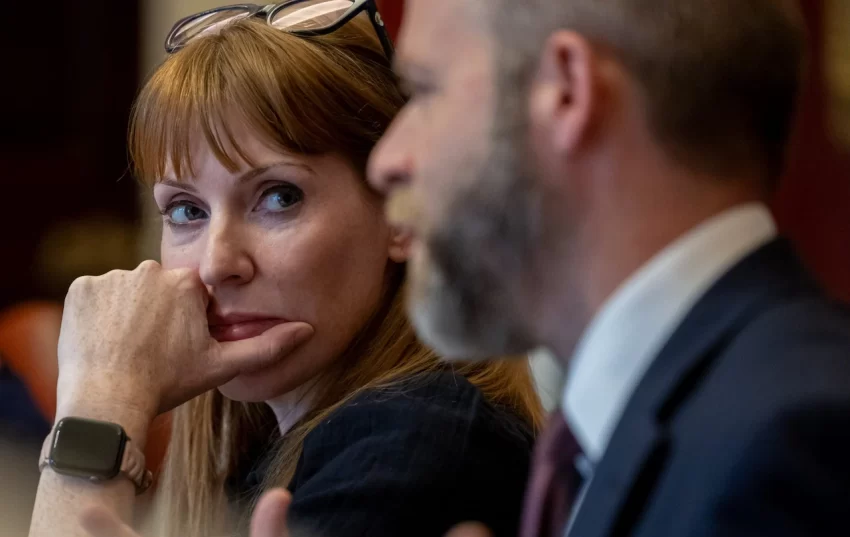
Property developers will have to prove there is no reasonable prospect of a pub surviving before it can be turned into flats or offices, under changes to the National Planning Policy Framework announced by Housing Secretary Angela Rayner, but industry figures have warned the new protections will not stop pubs closing.
At least 1,836 pubs have closed since the start of 2025, according to figures from the Campaign for Real Ale (Camra).
Experts from the construction and hospitality sectors said the reforms would not prevent pub closures in the first place, pointing to rising taxes, alcohol duty and higher wage costs.
Allen Simpson, chief executive of trade body UKHospitality, said the Government would need to go further to reverse the effect of decisions taken by Rachel Reeves, the former chancellor.
He said: “There has been an increase in the closure of hospitality businesses across the board over the last two years because of this Government’s actions.
“The fundamental and core point here is the cost of running the pubs in the first place, and I would encourage the Government to be more concerned about reversing the damage of the past two years than with concerning itself with what happens to the building after that pub has stopped being viable.”
Wet-led pubs make about 3p of profit for every £1 spent at the bar, according to research by comparison website money.co.uk using data from the British Beer and Pub Association. That equates to 16p on an average pint costing £5.17.
Alcohol duty has risen by 3.66 per cent this year, while increases to the National Living Wage and National Insurance contributions are also adding to costs.
Jordan Connachie, managing director of property developer Kori Construction, said the planning reforms would lead to “a load of empty pubs up and down the country”.
“Planning designations don’t touch any of that,” he said.
“If the Government wants pubs to survive, the fix is in duty, business rates relief, and wage cost support – not in stopping a failing building becoming something that actually works economically.”
Steve Hesmondhalgh, a planning consultant, said protecting pubs through the planning system “sounds noble, but it is 20 years too late and aimed at the wrong problem”.
“All tougher restrictions will likely do is leave some buildings empty for longer, while owners wait for a pub use that no longer works,” he said.
“Would we rather have a dead pub or a building with a new life?”
Wyn Evans, founder of planning-feedback company Shared Voices, said that if the Government “genuinely wants to save pubs, it should address the economics of running them – not make it harder to use their empty buildings for something else”.
“These rules can make matters worse for pubs,” he said. “They may trap publicans in unviable businesses, deter investment and prevent adaptations that could keep pubs trading.”
Others backed the changes. Camra praised the reforms for “putting more power into local people’s hands to help them save successful and valued locals from greedy developers trying to cash in”.
The Government has been contacted for comment.
Jamie Young
Jamie Young is Senior Reporter at Business Matters, covering SME finance, employment law and Westminster policy since 2016. He has reported on every Budget and Autumn Statement since 2018, helped make sense of the ‘covid era’ and the bounce-back loan scheme from launch through the fraud investigations, and broke the magazine’s coverage of the 2024 late-payment reforms. He joined Business Matters straight from completing his BA in Administration from Exeter University and is NCTJ-qualified. Reach him at jyoung@cbmeg.co.uk
Business
SpaceX Stock Tests Resistance As It Attempts To Retake Debut Price| Investor’s Business Daily

SpaceX stock jumped early Monday, testing resistance around its 150 debut price. The surge comes after SpaceX over the weekend conducted back-to-back Falcon 9 launches, while recent filings show the top stakeholders in Elon Musk’s rocket company include Alphabet, Nvidia and Peter Thiel. SpaceX (SPCX) on Saturday completed two separate Falcon 9 missions in short succession, highlighting the company’s rapid…
Copyright ©2026 Investor’s Business Daily, LLC. All rights reserved. 87990cbe856818d5eddac44c7b1cdeb8
Business
Nike Stock Falls to Lowest Level in Nearly 12 Years After Rival On Holding’s Weak Sales Guidance
Shares of Nike Inc. fell as much as 4.49%, or $1.83, to $38.90 as of 1:15 p.m. EDT Monday, dragging the stock to a fresh 52-week low and pushing it to price levels not seen in nearly 12 years, as investors reacted to disappointing sales guidance from premium athletic footwear rival On Holding AG.
Nike’s intraday decline touched a low near $39.41 earlier in the session before extending further, marking the stock’s weakest trading levels since late 2014, according to historical price data. The shares have declined roughly 38% so far in 2026, including a drop of more than 5% just in August, and now sit nearly 78% below their November 2021 all-time high of $179.10.
The primary trigger for Monday’s decline traced back to competitor On Holding, which reported mixed second-quarter results the prior Tuesday. On Holding posted quarterly earnings of 44 cents per share, topping the analyst consensus estimate of 41 cents, but reported sales of $1.076 billion, falling short of the $1.110 billion analysts had expected. More significantly for the broader athletic apparel sector, On Holding issued full-year 2026 sales guidance of between $4.390 billion and $4.503 billion, below the market’s prior consensus estimate of $4.490 billion, a signal that even one of the industry’s stronger-performing brands anticipates slowing growth ahead.
Nike’s decline outpaced the broader market and its sector Monday. The Nasdaq Composite was up 0.24% and the S&P 500 had shed just 0.15% during the same session, while the Consumer Discretionary sector overall declined roughly 0.8%, meaning Nike’s drop significantly exceeded losses across comparable retail and apparel names. No specific new Nike earnings release or company-specific announcement appeared to trigger Monday’s decline directly, suggesting the sell-off reflected broader sentiment about the athletic apparel category following On Holding’s guidance rather than any fresh Nike-specific development.
Nike’s struggles have been building for months, rooted primarily in persistent weakness in its Chinese market and a broader turnaround effort that has yet to show clear signs of translating into sustained financial improvement. The company’s most recent full-year results showed Greater China revenue of $5.85 billion, representing 12.6% of total company revenue, with reported sales in the region declining 11%, or 13% when excluding currency fluctuations. Direct digital sales within China fell even more sharply, dropping 29%, while earnings before interest and tax from the Chinese market fell 20%.
Nike Chief Financial Officer Matthew Friend addressed the company’s challenges directly following the results, saying the company was “improving the health of our business” while acknowledging that sell-through — the pace at which products actually move off store shelves to consumers — continued to face headwinds. According to analysis of the results, retailers have been restocking Nike merchandise, driving gains in wholesale revenue, but the company’s direct-to-consumer revenue and digital traffic have continued to lag behind, placing greater emphasis on wholesale channel growth and a broader recovery in consumer demand to sustain the turnaround CEO Elliott Hill has been pursuing since taking the helm.
Questions have also emerged regarding the sustainability of Nike’s dividend given the stock’s declining share price and underlying earnings pressure. Nike currently pays a quarterly dividend of 41 cents per share, totaling $1.64 annually. Based on the company’s reported fiscal 2026 earnings per share of $2.10, that dividend represents a payout ratio of roughly 78.1%. However, when excluding a previously disclosed 52-cent fourth-quarter gain tied to anticipated tariff cost recoveries, adjusted earnings per share fall to roughly $1.58, pushing the effective payout ratio to approximately 103.8% of earnings under that stress scenario, a level that would exceed the company’s underlying profitability if sustained.
Wall Street sentiment toward Nike has grown increasingly cautious in recent weeks. On Aug. 4, JPMorgan downgraded Nike to “Underweight” from “Neutral” and cut its price target, citing expectations that the company’s turnaround under Hill would take longer and prove more costly than previously anticipated, extending pressure on earnings into 2028. The downgrade pushed Nike shares lower in the trading session that followed its announcement. Separately, credit rating agency Moody’s downgraded several of Nike’s debt ratings in a prior report, citing cost pressures tied to tariffs and heightened competition within the athletic apparel market, projecting that while Nike’s profit margins would eventually recover, that process would unfold slowly.
Nike has continued pursuing structural changes as part of its broader turnaround strategy. The company is terminating its online distribution agreement with Topsports International Holdings in mainland China by January 2027, a move aimed at giving Nike greater direct control over its digital sales channel in the region and supporting a push toward full-price product sales rather than relying on discounted, third-party distribution arrangements. Nike has also announced leadership changes in key finance roles as part of its ongoing organizational restructuring under Hill.
Despite the stock’s steep decline and mounting near-term challenges, some analysts maintain a longer-term optimistic view of Nike’s prospects. According to earlier analysis compiled before the stock’s most recent slide, Wall Street had maintained an average “Buy” recommendation on the stock with a mean price target well above current trading levels, reflecting continued belief among some analysts in the eventual success of Nike’s turnaround strategy despite significant near-term headwinds, though more recent downgrades, including JPMorgan’s shift to an Underweight rating, suggest that optimism has begun to erode among at least some segments of the analyst community.
Nike’s stock now trades at roughly half of its 52-week high of $80.16, having fallen approximately 50.8% from that peak. Other apparel companies also declined Monday, though Nike underperformed its small peer group by roughly 0.4 percentage points, suggesting the sell-off reflected both broader pressure across the athletic apparel sector as well as company-specific concerns unique to Nike’s ongoing turnaround challenges.
With no clear near-term catalyst expected to reverse the stock’s trajectory and On Holding’s guidance having reinforced broader concerns about slowing growth across the athletic footwear and apparel category, investors are likely to continue closely monitoring Nike’s progress on its China recovery efforts, wholesale channel expansion and overall margin improvement as key indicators of whether the company’s turnaround under Hill can ultimately gain traction in the coming quarters.
Fintech powerhouse Stripe’s $7 billion acquisition of artificial intelligence firm OpenRouter won’t get in the way of a possible takeover of PayPal Holdings (PYPL), analysts say. PayPal stock dipped Monday as analysts mulled how OpenRouter will fit into the growing Stripe ecosystem. OpenRouter helps companies buy usage of artificial intelligence models efficiently. Founded in 2023, OpenRouter provides access to hundreds…
Copyright ©2026 Investor’s Business Daily, LLC. All rights reserved. 87990cbe856818d5eddac44c7b1cdeb8

Liverpool agree transfer deal for PSG forward | Football

Grammys May Reconsider Asian Pop Category After BTS-Led Boycott Sparks Industry-Wide Backlash and Wider Debate

PSKY’s WBD bid has 1-in-4 odds of falling through, Kalshi traders say


-

 Fashion3 days ago
Weekend Open Thread: Ann Taylor
-
 NewsBeat6 days ago
Communication cards help banking customers access services or report scams
-
 Business7 days ago
Oil Price Today (August 11): Crude oil rises to $88 after Trump’s compensation demand dents Hormuz opening. Here’s why
-

 Crypto World7 days ago
Revolut wins French banking licence, creates second EU banking hub
-
 Sports4 days ago
This U.S. Amateur is a glimpse into golf’s future in more ways than you think
-
 Crypto World7 days ago
Why Did Nvidia Stock Fall on Monday Despite a $500 Billion Wall Street AI Deal?
-

 Sports3 days ago
Birmingham 2026: Day 6 Timetable for Irish Athletes
-
 NewsBeat3 days ago
Myanmar says over 300,000 Rohingya refugees verified for repatriation as exodus enters ninth year
-

 Politics2 days ago
SEQ Code: The Three Letter Boarding Pass Code That Could Give You The Worst Seat
-
 Entertainment5 days ago
Keke Palmer Subtly Hints At Sean Evans Drama With Cryptic Post
-
 Entertainment7 days ago
57 Years Later, the Best Sitcom Ever Made Still Deserves a Reboot
-

 Fashion6 days ago
Coffee Break: The Fonteyn Jane Flat
-

 Tech6 days ago
Zoom Screen-Sharing Bug Let People Fully Take Over Other Devices On A Call
-

 Crypto World7 days ago
Bitcoin's BIP Editors Remove Luke Dashjr Two Days After BIP-110 Fork Stalled
-
 Fashion6 days ago
Claire Life: Kicking Off MVAAFF With the C Suite Luncheon Featuring Phylicia Rashad, Letoya Luckett, and More!
-

 Fashion6 days ago
Should you refinance your debt? Pros, cons, and real numbers
-
 Crypto World6 days ago
XRP bridge drained after software mistook fake deposits for real ones
-

 Sports5 days ago
DeQuan Jones in ‘high spirits’ after successful leg surgery
-
 Tech7 days ago
Zuck rekindles open weights Llama drama with Muse Glimmer
-
 Business7 days ago
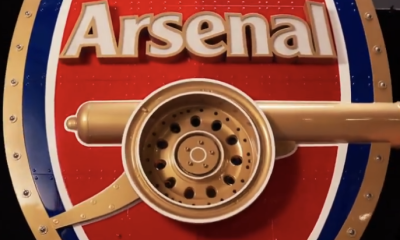
(VIDEO) Emirates Unveils 2.4-Meter Arsenal Crest Sculpture Built From Recycled A380 And Boeing 777 Jet Parts
You must be logged in to post a comment Login