

Business
Nvidia Stock Sinks Nearly 5% as $250 Billion OpenAI Deal Sparks Circular Financing Fears on Wall Street

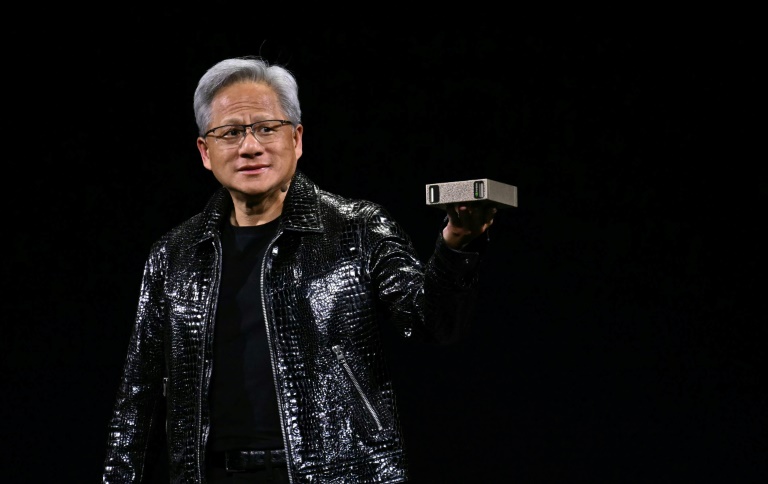
Nvidia Corp. shares tumbled Monday morning, falling 4.48% to $197.57, after a weekend report revealed the chipmaker is negotiating an enormous financial backstop tied to OpenAI’s data center ambitions, reigniting investor concerns about circular financing arrangements across the artificial intelligence industry.
The stock traded down $9.27 as of 10:44 a.m. Eastern time, according to Google Finance data, marking one of Nvidia’s sharper single-day declines in recent weeks and pulling shares further away from their 52-week high.
A Quarter-Trillion-Dollar Guarantee
The selloff traces back to a Wall Street Journal report published over the weekend. According to that report, Nvidia is in discussions to provide approximately $250 billion in financial guarantees to help OpenAI lease a planned 10-gigawatt AI data center campus in southern Ohio being developed by SoftBank’s energy subsidiary, a commitment that would represent the largest financing guarantee ever discussed between two private companies.
The proposed arrangement would have Nvidia backstop the data center’s lease and construction debt, while the company is separately exploring an additional structure to help finance OpenAI’s purchases of Nvidia chips. The scale and structure of the deal immediately raised questions on Wall Street about how much contingent risk Nvidia would be taking onto its own balance sheet in order to support demand for its products.
Circular Financing Concerns Resurface
The proposed arrangement drew swift criticism from prominent market voices. Michael Burry, the investor known for his “Big Short” bet against the housing market, publicly characterized the arrangement as Nvidia effectively guaranteeing a customer’s spending on its own chips, a framing that echoed concerns already raised by Bernstein Research analyst Stacy Rasgon. Rasgon had previously warned that these kinds of financing structures make it difficult for investors to distinguish organic AI demand from demand that has been financially engineered.
The criticism strikes at a broader anxiety that has followed Nvidia and its largest customers for much of the year: that a web of interlocking investments, guarantees and chip-purchase commitments between AI infrastructure players may be inflating the appearance of demand rather than reflecting it.
Insider Selling Adds to the Pressure
Compounding the negative sentiment, data shows Nvidia insiders have sold roughly $410.6 million in shares over the past three months, a level of activity some investors view as a cautionary signal. While insider sales are common at large technology companies and don’t necessarily indicate a lack of confidence in the business, the timing has added to the unease surrounding Monday’s news.
A Company-Specific Move, Not a Market Rout
Notably, Nvidia’s decline stood in sharp contrast to the rest of the market. The S&P 500 gained 0.6%, the Dow Jones Industrial Average rose 1.0%, and the Nasdaq Composite advanced 0.8% on the day, underscoring that Nvidia’s slide was a company-specific reaction rather than part of a broader selloff. That divergence reinforced the view among traders that the move was driven directly by the OpenAI financing headlines rather than macroeconomic factors.
Indeed, broader market conditions Monday were largely supportive. Easing tensions in the Middle East and a pullback in oil prices helped lift risk appetite across Wall Street, even as Nvidia bucked the trend on company-specific news.
Big Tech Earnings Loom
The timing of the report is notable, arriving just days before a pivotal stretch for the technology sector. Major hyperscalers including Microsoft, Meta and Amazon are scheduled to report earnings this week, and their guidance on AI infrastructure spending is expected to serve as a key barometer for continued demand for Nvidia’s graphics processing units.
Nvidia’s own quarterly results are also on the horizon. The company is expected to report second-quarter earnings on August 26, with Wall Street projecting earnings of $2.07 per share, up from $1.04 a year earlier, and revenue reaching an estimated $91.70 billion compared with $46.74 billion in the prior-year period. The stock currently trades at about 32.3 times earnings, and analysts maintain a consensus Buy rating with an average price target of $323.83.
That price target sits far above where shares changed hands Monday, reflecting continued long-term optimism among analysts even as the stock has struggled in recent months. Several firms have reiterated bullish stances in recent weeks, including China Renaissance, which initiated coverage with a Buy rating and a $319 price forecast, along with Needham and DA Davidson, which maintained Buy ratings with price forecasts of $270 and $300, respectively.
A Rocky Stretch for Nvidia Shares
Monday’s decline extends a difficult stretch for the stock. After a strong 2025, Nvidia shares had already fallen roughly 18% from their June high, including a 10.7% drop in June alone, as the broader artificial intelligence trade cooled. That cooling was partly driven by reports that OpenAI could delay its initial public offering until 2027 in order to protect a $1 trillion valuation, a signal some investors read as caution around stretched valuations across the sector.
Not all the recent news has been negative, however. Washington has begun issuing licenses allowing Nvidia to resume selling its H20 chips in China, reopening a significant market that had previously been restricted by U.S. export controls.
Nvidia hit a 52-week high of $236.54 in May before forming a swing low in June and slipping below key support levels in July, making the stock’s current trading range especially significant for investors watching its momentum. Monday’s drop pushes shares further from that high-water mark and adds fresh uncertainty just as the broader AI sector heads into one of its most closely watched earnings weeks of the year.
For now, investors appear to be weighing the immediate optics of a quarter-trillion-dollar financing commitment against Nvidia’s underlying position as the dominant supplier of AI computing hardware. How that tension resolves may hinge on the details of any final agreement with OpenAI and SoftBank, along with how hyperscale customers characterize their own AI spending plans in the earnings reports expected later this week.

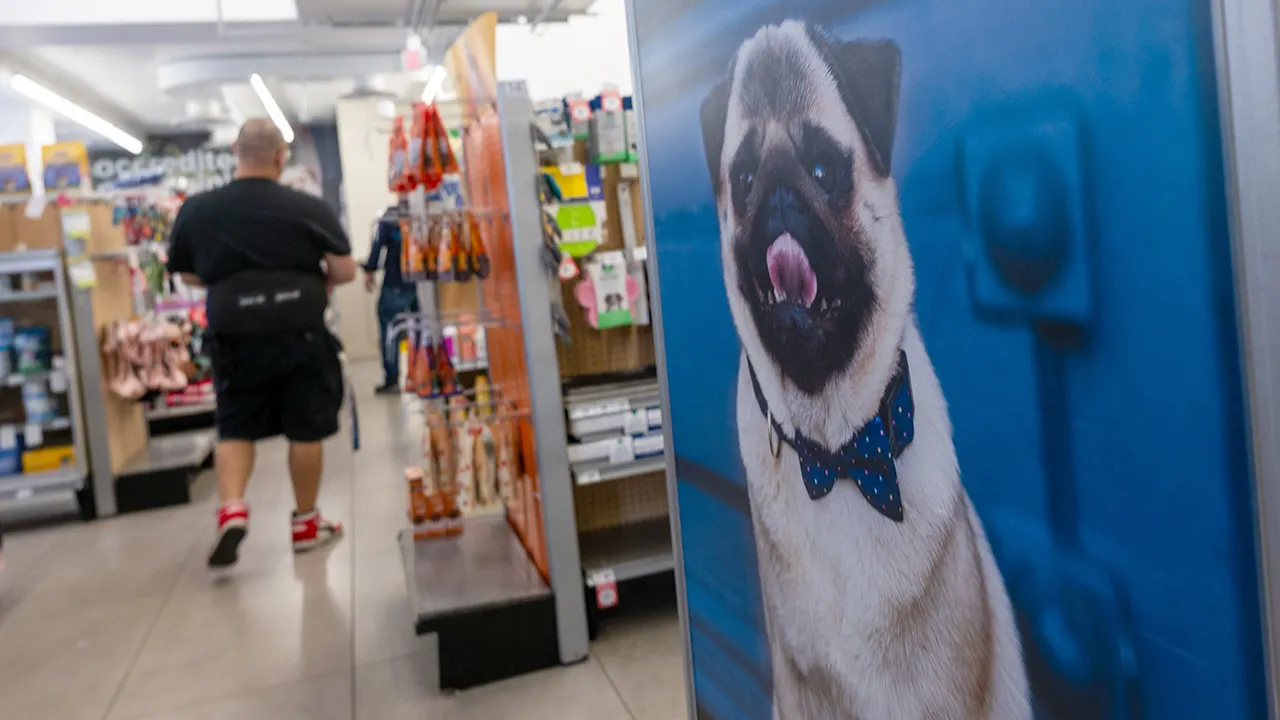
FOX Business correspondent Lydia Hu reports live from a Walmart in North Bergen, NJ, on record back-to-school spending on Varney & Co.
A major rural lifestyle retailer is closing dozens of pet stores in its portfolio around the country as it reevaluates both its existing footprint and growth plans.
Tractor Supply released its latest earnings report last week and revealed plans to close 75 Petsense locations around the country.
The company said in its release that as of late June, there were 209 Petsense by Tractor Supply stores across 23 states.
“Following a disciplined review of Petsense, we’ve decided to close approximately 75 underperforming stores. We believe these actions will improve returns, simplify the business, and allow us to direct resources towards higher growth, higher return opportunities,” said CEO Hal Lawton on the earnings call.
Tractor Supply revealed plans to close 75 Petsense stores around the country. (Spencer Platt/Getty Images)
Lawton noted that the Petsense locations that are closing were negative four-wall cash flow, meaning that those stores’ sales weren’t enough to cover costs that are local to individual stores, such as rent, labor and inventory.
Stemming the losses from those locations will allow the company to reinvest funds back into the core of the business, he added.
Lawton also said that after the closures, he thinks the company will “have a very strong, profitable Petsense business,” and that it will work well within the company’s broader pet ecosystem that includes Allivet and VIP Petcare.
| Ticker | Security | Last | Change | Change % |
|---|---|---|---|---|
| TSCO | TRACTOR SUPPLY CO. | 31.80 | +0.78 | +2.51% |
CVS OFFERS NEW PHARMACY OPTION FOR PET OWNERS
He also emphasized that the company doesn’t view the changes with Petsense as affecting the reacceleration of pet products within the core Tractor Supply business, which isn’t directly connected to Petsense.
Tractor Supply CFO Kurt Barton said on the call that the “strategic repositioning of Petsense is expected to create a healthier, more profitable business that better complements our Tractor Supply stores and strengthens our ability to serve pet customers across our integrated pet ecosystem.”
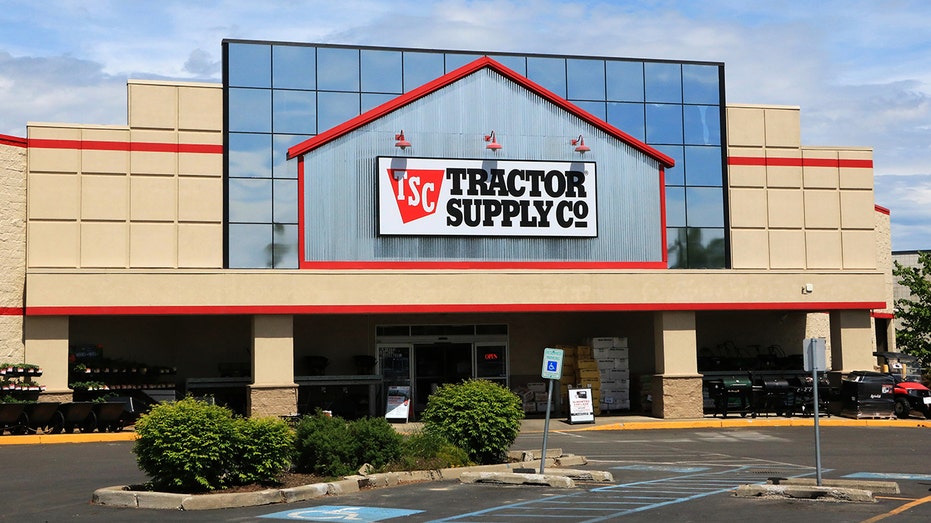
Tractor Supply said that its closure of 75 Petsense locations won’t affect its other pet-oriented initiatives. (Don and Melinda Crawford/UCG/Universal Images Group via Getty Images)
TRACTOR SUPPLY NO LONGER GOING WOKE, ELIMINATES DEI GOALS
Lawton also said that Tractor Supply plans to open dozens of new stores in 2027, though the total number is expected to be approximately 85 to 90 stores as opposed to the company’s previous expectation of opening 100 new stores.
Funds saved from the pared-back store opening plans will be redeployed toward initiatives like remodels under Project Fusion, which aims to improve the performance of Tractor Supply’s existing store base.
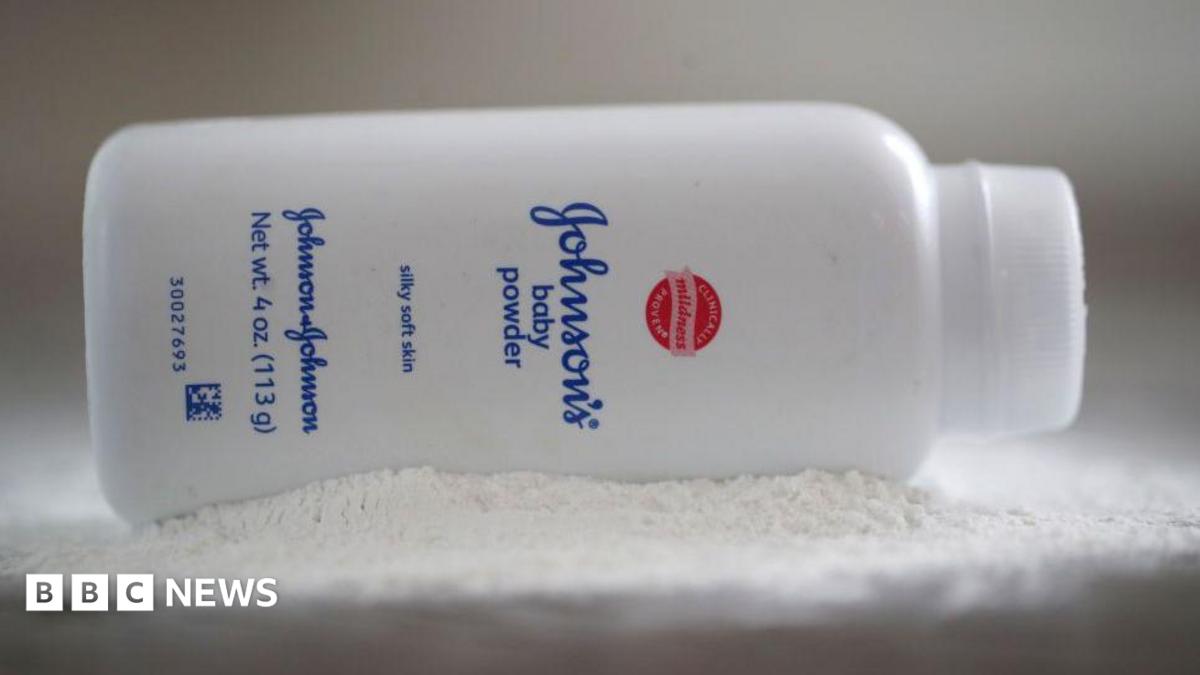
Johnson & Johnson (J&J) has offered to pay as much as $5.5bn (£4.14bn) to resolve tens of thousands of lawsuits alleging that its baby powder and other products containing talcum cause ovarian cancer.
The proposed landmark settlement aims to close a long-running legal battle that has weighed on the US healthcare giant for years.
J&J has denied that its talc-based products caused cancer and has changed the formula of its widely-used baby powder.
Erik Haas, the firm’s vice president of litigation said on Monday, external that the allegations are “meritless” and that J&J was willing to settle in order to finally resolve the matter.
J&J said the settlement would cover about 69,000 cases, totalling most of the remaining talc-related claims. The firm will offer up to $3bn next year, with no additional payments due before 2028, it said.
The proposal must be accepted by legal firms representing 95% of the ovarian cancer claims in state and federal courts before it can be finalised, the J&J said.
Haas said in a statement that the company is confident that it would have “ultimately prevailed with further litigation” just as it has in the majority of cases heard in court to date.
He added that the proposed resolution “allows the company to put this matter behind it” and enable J&J to “remain focused on its mission to develop medicines and devices that save lives”.
Lawsuits against J&J over its talc-based baby powder started as early as 2009.
Earlier in July, a federal court handed the firm a victory by questioning individual plaintiffs’ ability to show that talc was the direct cause of their ovarian cancer.
Talc is a natural mineral made of magnesium, silicon, oxygen and hydrogen, known for its soapy feel and is often used in baby powder.
The company has faced lawsuits from consumers and their survivors who claim J&J’s talc products caused cancer due to contamination with asbestos.
Talc is mined from the earth and is found in seams close to that of asbestos, which is a material known to cause cancer.
J&J has repeatedly denied the allegations and in its latest announcement said: “Studies show talc is safe, does not contain asbestos and does not cause cancer.”
In 2022, J&J said it would stop making and selling its talc-based baby powder around the world.
The announcement came more than two years after it had ended sales of the product in the US.
“As part of a worldwide portfolio assessment, we have made the commercial decision to transition to an all cornstarch-based baby powder portfolio,” J&J said at the time.


Orange B and Citrus Red No. 2 are both petroleum-based additives.
Rep. Pat Fallon, R-Texas, expresses concern over low munition stocks and rising tensions with Iran.
Ford Motor Co. is pursuing what could be its biggest military contract in decades as it competes to build a new tactical truck for the U.S. Army.
The automaker has secured a Department of War contract to develop three prototypes based on its F-Series Super Duty pickups, The Wall Street Journal reported Monday.
The competition comes as the Pentagon taps automakers to replenish and modernize military equipment strained by global conflicts, according to the outlet.
“We are excited to start work on this Army contract and look forward to delivering several incredibly capable vehicle types that demonstrate the value Ford can provide to the Army and soldiers,” a Ford spokesperson told FOX Business in an email.
FORD TO USE APPLE MAPS SOFTWARE IN SELF-DRIVING TECH FOR NEW EV PLATFORM
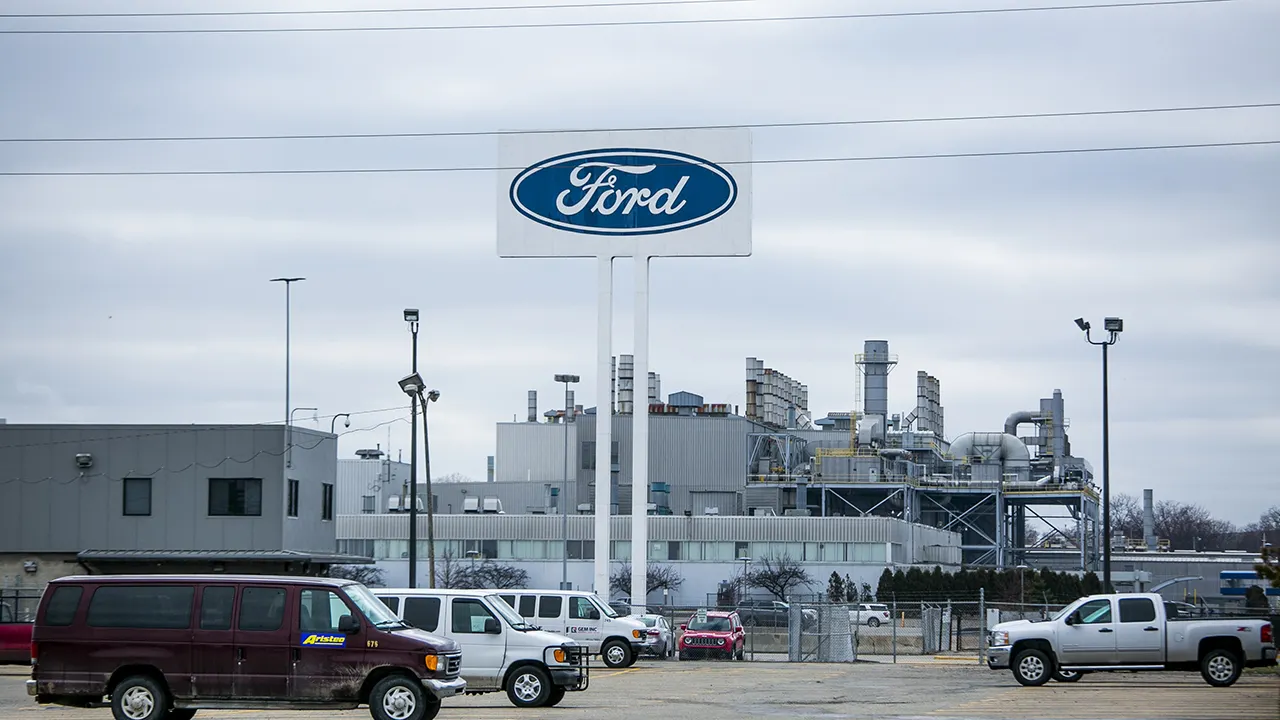
The Ford Motor Co. Michigan Assembly plant is pictured in Wayne, Michigan, on March 23, 2020. Ford is pursuing what could be its biggest military contract in decades. (Anthony Lanzilote/Bloomberg via Getty Images)
The spokesperson said Ford’s Super Duty trucks are engineered for “extreme durability” and demanding conditions, making them an “ideal platform” for military use.
Ford Pro also offers global service and parts support, along with technology aimed at improving vehicle uptime, the spokesperson noted.
“Ford’s off-the-shelf solutions can deliver unmatched capacity and scale, cutting-edge technologies, and the rugged capabilities that can offer game-changing value and performance and meet the needs of governments and the military in a highly cost-effective way just as we do with our commercial customers,” the spokesperson said.
FORD REHIRES EXPERIENCED ENGINEERS AFTER AI MISSES THE MARK
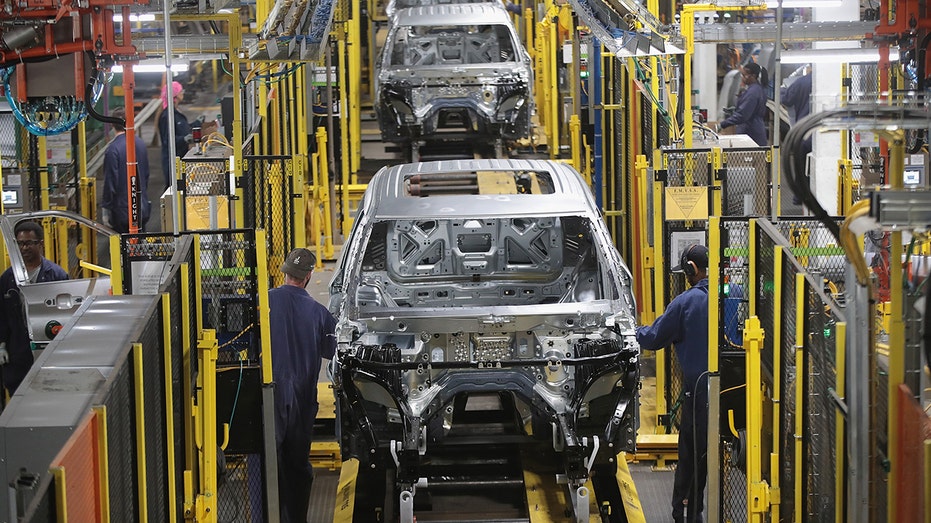
Workers assemble Ford vehicles at the Chicago Assembly Plant on June 24, 2019, in Chicago, Illinois. The spokesperson said Ford’s Super Duty trucks are engineered for “extreme durability.” (Scott Olson/Getty Images)
The move puts Ford in the running alongside rival General Motors (GM), which is developing a similar tactical truck.
GM unveiled its prototype in 2024, and the military has begun field testing it, according to The Wall Street Journal.
In addition to the two automakers, the Army has awarded a prototype contract to BC Customs LLC, a Utah-based off-road vehicle manufacturer, according to The Detroit News.
For Ford, the program could represent its largest military vehicle opportunity since the Cold War, the outlet reported.
Stocks In This Article:
FORD ISSUES URGENT ‘DO NOT DRIVE’ ADVISORY FOR BRONCO SPORT, MAVERICK MODELS OVER SUSPENSION DEFECT
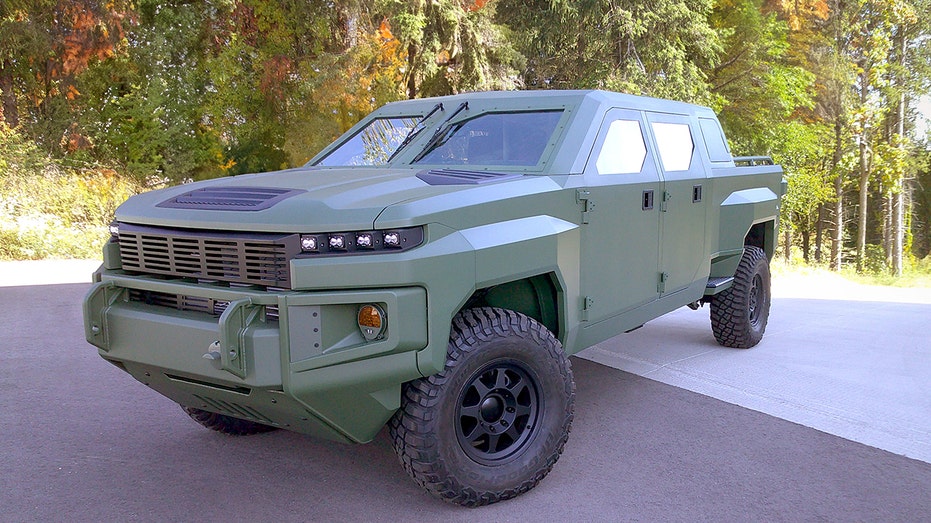
GM Defense’s Next Gen tactical vehicle is shown in an undated company photo. The move puts Ford in the running alongside rival GM, which is developing a similar tactical truck. (General Motors)
In May, Ford said it had been in discussions with governments in North America and Europe about using its commercial vehicles and software to support defense needs.
The company said some governments already use Ford vehicles for military transport and security operations.
CLICK HERE TO GET FOX BUSINESS ON THE GO
The Department of War referred FOX Business to the U.S. Army, which did not immediately respond to a request for comment.

Among listed brokers, standalone revenue IIFL Capital Services rose 3% in the June quarter from the January-March period. In the case of Billionbrains Garage Ventures (Groww), Angel One and Anand Rathi Share & Stock Brokers, revenue declined 1-4%. In contrast, Motilal Oswal Financial Services‘ revenue surged 88% in the period.
While standalone net profit at Groww and IIFL Capital Services rose 2.5% and 14%, respectively, quarter-on-quarter, Motilal Oswal reported a profit of ₹665 crore after posting a loss of ₹49 crore in the March quarter. Angel One and Anand Rathi Share & Stock Brokers, meanwhile, reported profit declines of 23% and 44%, respectively.
Read more: FIIs increase PSU exposure, trim stakes in private banks
Shripal Shah, MD & CEO of Kotak Securities, said most brokers have reported softer earnings sequentially due to two key factors.
 Agencies
changing Earnings mix: IIFL posts modest revenue growth, Groww, Angel One and Anand Rathi see declines, while Motilal Oswal brings in 88% jump in June quarter

“First, Q4 had a high base, driven by the sharp rally in gold and silver, which boosted trading activity and broker earnings, and we have seen that momentum ease in Q1,” he said. “Second, derivatives options premium turnover declined by 4-5%, while retail cash market turnover rose 18-19%, weighing on brokers with higher F&O exposure.”
The June quarter reflected a mixed performance primarily because market activity remained uneven, said Suresh Shukla, Chief Business Officer, Wealth Management, Motilal Oswal Financial Services. “Investor participation continued to be healthy, however trading volumes were volatile largely due to geopolitical issues.”
After the West Asian conflict escalated in March, markets rebounded in April. However, the momentum did not sustain through May and June.
Shukla said firms with diversified revenue streams, including wealth management, distribution and margin trading funding (MTF), were better insulated. Raj Gaikar, research analyst at Samco Securities, said the June quarter earnings reflected a change in the earnings mix rather than a slowdown in demand.
“Year-on-year growth across all players shows retail participation remains healthy,” he said. “The sequential weakness was largely driven by Sebi’s derivatives reforms, expiry rationalisation and tighter position limits, which reduced index options premium turnover.” Stock performance has been mixed so far in 2026. While discount brokers such as Angel One and Groww have gained 29% and 28%, respectively, Motilal Oswal Financial Services was up 3%. IIFL Capital Services and Anand Rathi Share and Stock Brokers have declined 11% and 19%, respectively. The Nifty 50 is down 8.2%, while the Nifty 500 has declined 3.2% in 2026.
THE ROAD AHEAD
Shukla of Motilal Oswal said that the revenue mix is getting healthier in the broking business, especially for full-service brokers. “Businesses such as margin trading funding (MTF), wealth management, mutual fund and insurance distribution have become increasingly important contributors to profitability,” he said.
Gaikar said that among individual brokers, Angel One saw margins come under pressure due to higher spending on marketing and new businesses, while Groww’s flat topline reflects a mix shift where derivatives income declined off an elevated Q4 base, while MTF, float and commodity derivatives absorbed it, and Anand Rathi’s decline was due to weaker transaction and capital markets income.
“Looking ahead, traditional brokers with stronger cash market exposure are better positioned despite softer derivatives volumes,” said Shah of Kotak. “Additionally, the continued growth of MTF books should support earnings through higher interest income, better brokerage yields than regular cash trades, and increased trading volumes.”

Form 4 5C Lending Partners Corp. For: 27 July
Check out what’s clicking on FoxBusiness.com.
Recovery is paramount for any athlete to be great at their craft, but Nike and Hyperice created yet another footwear innovation designed to help those hard-working athletes unwind from the ground up.
This time, it’s with a slip-on slide.
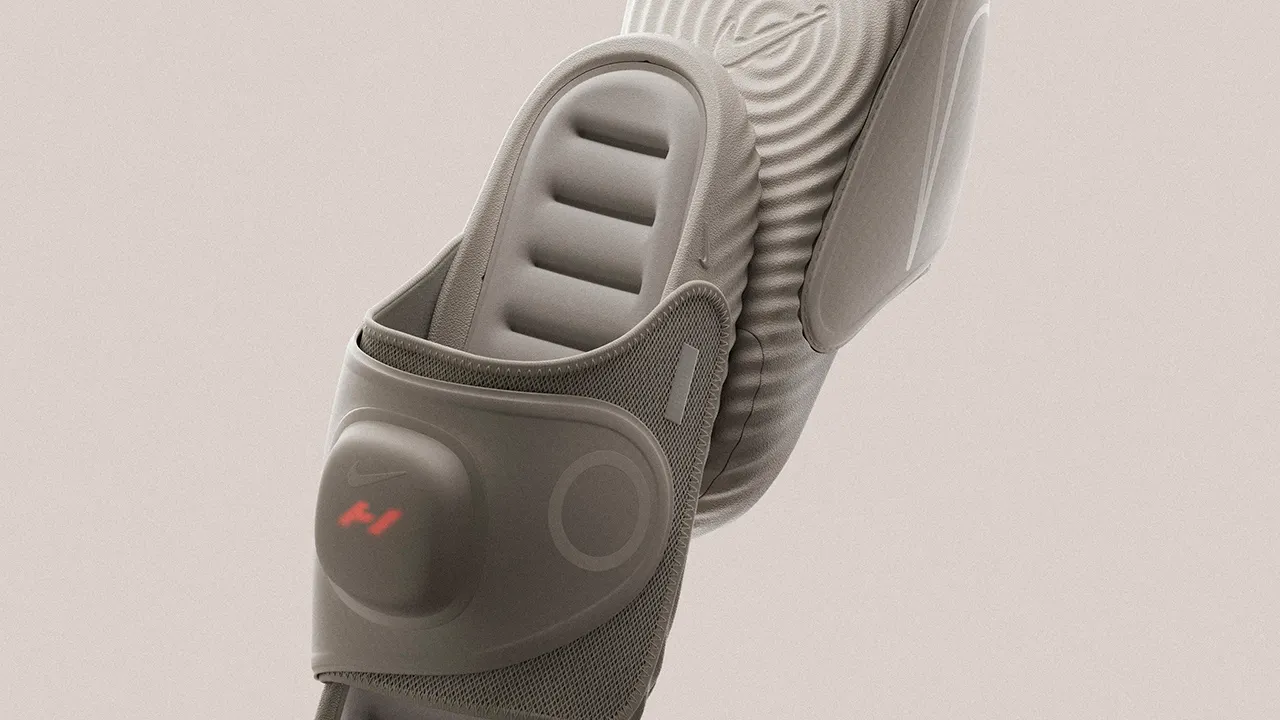
The Nike Air Zoom Hyperslide was introduced on Monday as the latest innovation developed in partnership with Hyperice, the health technology company that designs products specifically for recovery.
CLICK HERE FOR MORE SPORTS COVERAGE ON FOXBUSINESS.COM
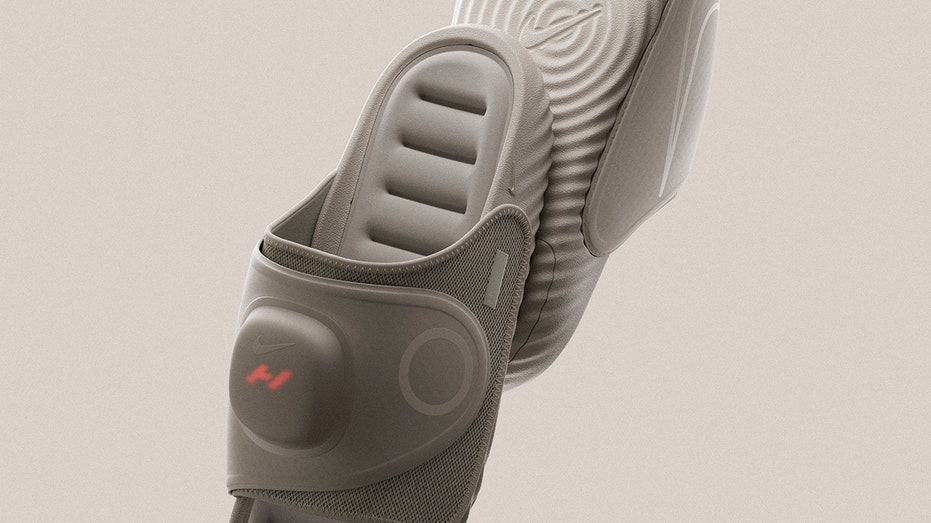
The Nike Air Zoom Hyperslide has built-in heating and vibrating features to help athletes recover. (Nike/Hyperice / Fox News)
By combining Nike’s footwear expertise with Hyperice’s recovery technology, and building off the foundation of the award-winning Nike x Hyperice Hyperboot, this slide is designed to be wearable no matter the time of day, but with recovery in mind.
How exactly can a slide help an athlete recover just by wearing it? A magnetic Hyperslide Pod housed inside the slide’s adjustable strap delivers three levels of heat as well as three levels of vibration that run within 15-minute cycles. This gives athletes the ability to seamlessly customize how they want to experience the slide’s recovery features through on-pod controls, or simply using the Hyperice App.
NIKE CEO ELLIOTT HILL OUTLINES SPORTS-FOCUSED STRATEGY TO REVIVE ICONIC SPORTSWEAR COMPANY
And whether it’s before or after competitions, training or regular life moments, the slide is a low-profile, full-length Air Zoom sole for soft, responsive comfort with targeted Hyperice heat and vibration within.
“Athletes leave everything on the field, and the approach to recovery needs to meet them at the same level,” Tobi Hatfield, senior director of athlete innovation at Nike, said in a statement. “With the Nike Air Zoom Hyperslide, we wanted to create a solution that kickstarts recovery the moment you power it up — helping athletes feel more relaxed, restored and ready to take their performance to the next level.”
Nike and Hyperice got feedback on the product from a range of athletes, pro and everyday performers, including Netherlands and Liverpool star Virgil van Dijk.

The Nike Air Zoom Hyperslide features heating and vibrating options for recovery no matter the occasion. (Nike/Hyperice / Fox News)
“It’s the combination that stands out,” he said in a press release. “The Hyperice heat and vibration help my feet recover as quickly as possible, while the Nike Air Zoom cushioning makes it feel incredibly comfortable.”
It also helps that Nike and Hyperice understood what athletes need to recover and how to use their respective expertise to make it happen after feedback from the Hyperboot. That product was tested with Nike Olympians at the 2024 Paris Summer Games, and it went on to exceed $10 million in revenue in its first eight months.
It was the first shoe ever carried by Best Buy, while also winning numerous innovation awards.
The Air Zoom Hyperslide reflects both companies’ belief that performance doesn’t just end when competition or training stops. Athletes are always looking for an edge over the competition, and recovery has seen an uptick in priority to ensure a fresh mind and body for the next day, no matter what’s on the docket.

The Nike Air Zoom Hyperslide by Nike and Hyperice will be made available in select markets on Sept. 29. (Nike/Hyperice / Fox News)
GET FOX BUSINESS ON THE GO BY CLICKING HERE
“Our partnership with Nike has always been driven by a shared commitment to innovation for the athlete,” Hyperice founder Anthony Katz said in a statement. “With the Nike Air Zoom Hyperslide, we’re making premium recovery more accessible than ever, combining Nike’s iconic footwear expertise with Hyperice technology to help people recover smarter with every step.”
The Air Zoom Hyperslide will be made available beginning Sept. 29 in select markets.
Follow Fox News Digital’s sports coverage on X and subscribe to the Fox News Sports Huddle newsletter.
Business
Korean chip stocks tumble with SK Hynix below US listing price amid China competition fears

Korean chip stocks tumble with SK Hynix below US listing price amid China competition fears
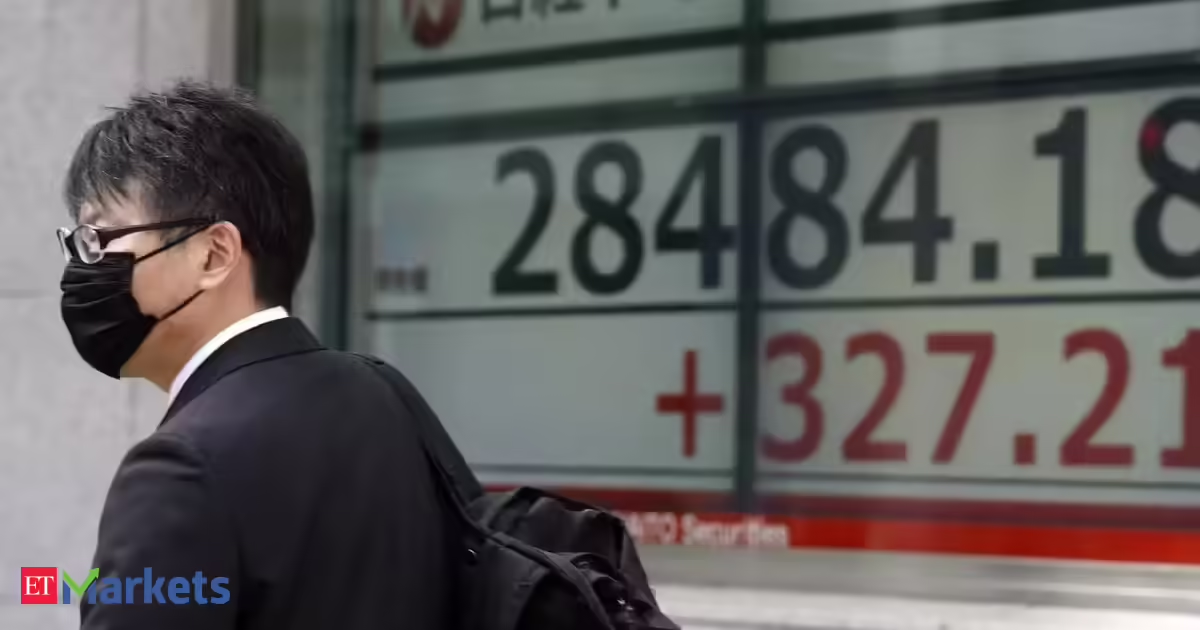
The MSCI Asia Pacific Index fell 1.2%, with technology shares the biggest losers. The Kospi Index in South Korea dropped 5.6%, while the Nikkei in Japan slid 1.3%. The moves came after a US gauge of semiconductor giants fell 2.2%. SK Hynix Inc. and Samsung Electronics Co. were among the biggest losers in Asia.
The cost of protecting Nvidia Corp.’s debt against default surged amid a round of AI deals worth more than $750 billion. South Korea’s SK Hynix slipped below its US initial public offering price. ASML Holding NV sank on a report that a Chinese state-backed firm is producing certain chipmaking machines that could threaten its sales.
Elsewhere, US crude dropped below $82 a barrel after global benchmark Brent slumped the most in more than three months on Monday as Washington paused daily strikes against Iran. Bond yields dropped during the US session, with inflation fears easing in the countdown to the Federal Reserve decision.
Alongside geopolitical developments, investors face a packed week of risk events, with policy decisions from the Fed, Bank of Japan and Bank of England as well as earnings from megacap technology companies. Investors are increasingly looking for signs that the biggest spenders on artificial intelligence can justify the billions of dollars they have poured into the technology.
“This is a week with more than its fair share of potential surprises, good and bad,” said Chris Larkin at E*Trade from Morgan Stanley. “Geopolitics and oil prices may be the biggest wild cards, but a bullish response to strong Magnificent Seven earnings isn’t a given, especially if AI spending levels continue to raise eyebrows.”
Chip companies remained in focus during the US session, with the Philadelphia Semiconductor Index dropping for a third consecutive day. Sandisk Corp., Advanced Micro Devices Inc. and Nvidia were among the S&P 500’s biggest decliners.Microsoft Corp., Meta Platforms Inc., Apple Inc. and Amazon.com Inc. are among the companies reporting this week. In Asia, SK Hynix and Samsung will announce earnings.
“Those companies embody the critical theme weighing on sentiment in the markets right now — excess capital expenditure and spending by AI companies that, investors fear, will eat into returns,” Kyle Rodda, a senior analyst at Capital.com, wrote in a note to clients.
Traders’ attention will be on a slew of earnings later this week, with more than 170 companies in the S&P 500 set to report. Artificial-intelligence spending is in sharp focus after last week’s selloff in shares of Alphabet Inc.
Elsewhere, Treasuries rose Monday as tensions in the Middle East eased and oil fell, with an auction of the shortest-dated notes attracting buyers ahead of this week’s Fed decision. Traders continued to see a roughly one-in-three chance of a rate hike.
Citadel Securities expects the Fed to raise rates this week — a surprise move strengthening Chairman Kevin Warsh’s credibility in the battle with inflation. A quarter-point increase on Wednesday would reinforce Warsh’s repeated pledge to restore price stability while showing policymakers no longer rely on signaling every policy move well in advance, Frank Flight, the firm’s head of macro strategy, wrote in a note.
On the geopolitical front, President Donald Trump said the US and Iran were engaged in diplomatic talks to end their conflict, but warned the two sides would return to fighting if negotiations didn’t yield a deal.
Separately, Iran and Oman are trying to reach an agreement to restart shipping through the Strait of Hormuz, according to people familiar with the matter.
“The only reason they want to meet is because we’ve been hitting them very hard,” Trump told reporters. “There’s a good chance that something could happen. If it doesn’t, we go back to doing what we were doing.”

Brent crude futures were down $0.54, or 0.6%, at $87.82 by 0046 GMT. U.S. West Texas Intermediate crude was at $81.95 a barrel, down $0.66, or 0.8%.
Both contracts fell 1% earlier in the session to their lowest level in more than a week.
U.S. President Donald Trump said on Monday the United States was having “good talks” with Iran and that there was a chance of a resolution. However, he said U.S. strikes would resume if negotiations failed while Iran issued similar comments about retaliation.
“For now, the relief that an off-ramp has been found has taken the heat out of prices and eased concerns around Houthi attacks on Saudi infrastructure. However, the situation remains highly fluid,” IG analyst Tony Sycamore said in a client note.
Afrah al-Zouba, the foreign minister-designate of Yemen’s internationally recognised Saudi-backed government, said Yemen-based Houthi fighters aimed to replicate Iran’s control of shipping through the Strait of Hormuz at Bab el-Mandeb.
“Whether the Houthis have the military capacity to enforce a comprehensive blockade is questionable, especially given that the Saudis will attack them relentlessly. Still, there is no doubt that traffic has dropped off significantly in the Red Sea and the Strait of Hormuz,” said Marex analyst Edward Meir. “A key reason prices are not even higher than they are right now is the demand destruction that is taking place, especially in Asia,” Meir said.
Barclays analysts said in a note on Monday “flows through the strait remain subdued”. They said, in the week ended July 24, crude oil and refined product net exports through the strait averaged 2.9 million barrels a day compared with 5.9 million in the previous week.
Elsewhere, U.S. crude oil stockpiles likely fell last week alongside gasoline, while distillate stocks likely rose, a preliminary Reuters poll showed on Monday.
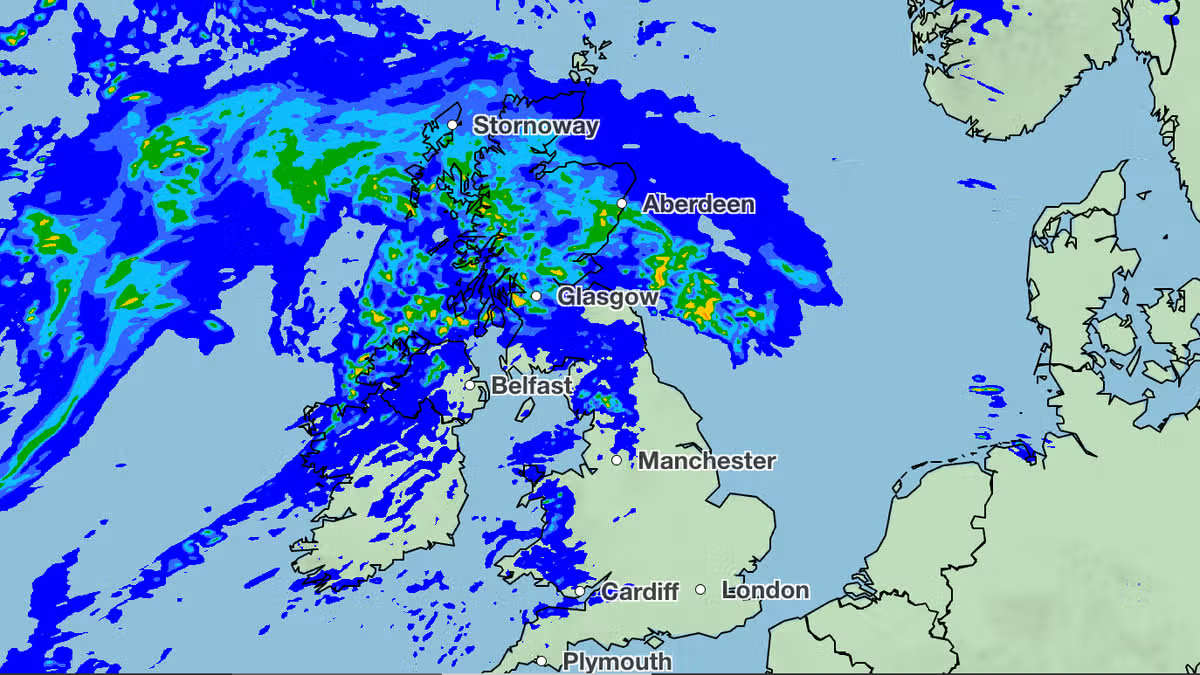
Met Office names 12 areas in Scotland to be hit with rain on Tuesday

Tractor Supply to close 75 Petsense stores around the country

SparkKitty turns phone photos into a crypto wallet security risk


-

 Fashion3 days ago
Weekend Open Thread: Brooks Brothers
-

 Crypto World7 days ago
Grayscale Files For Worldcoin ETF, WLD Registers Sharp Rise
-

 NewsBeat6 days ago
How a former Blue Peter presenter stunned America’s Got Talent judges
-

 Tech1 day ago
Intel is reversing course and bringing hyper-threading back to its server chips
-
 Tech7 days ago
Turtle Beach Command Series KB7 review: a nifty screen-equipped gaming keyboard
-
 Business6 days ago
New Jersey voter registration controversy explained: How 6,600 noncitizens got on the rolls, and what happens next
-
 Entertainment6 days ago
Johnny Depp’s R-Rated Gothic Cult Classic Gets New Release Ahead of Sydney Sweeney Remake
-

 Crypto World5 days ago
Ethics, other provisions in crypto Clarity Act to be further discussed
-

 Politics16 hours ago
Luke Littler dismantles Gerwyn Price to retain title in Blackpool
-
 NewsBeat7 days ago
Shanghai science forum photos show China’s AI and robotics advances in rivalry with US
-

 Sports4 days ago
2026 3M Open leaderboard: Scottie Scheffler finds putter in Round 1, sits three back
-
 Sports1 day ago
Commonwealth Games boxing: Jadumani Singh seals dominant 5-0 win over Pakistan’s Sumama Rehman to enter quarter-finals | Commonwealth Games News
-

 Fashion4 days ago
16 Dresses for the High Summer Event
-

 News Videos4 days ago
The Peugeot Family: How 200 Years of an “Old Money” Dynasty Died in A Boardroom
-

 Politics2 days ago
Spain sweeps the board at 2026 World Cup with individual awards
-
 Entertainment4 days ago
A New Post-Apocalyptic Gundam Anime Series Blasts Into SDCC
-

 News Videos1 day ago
BITCOIN JUST ENTERED THIS CRITICAL ZONE…
-

 Crypto World2 days ago
XRP Ledger adds $2.6B as RWA inflows rank second
-
 NewsBeat7 days ago
NADINE DORRIES: I have witnessed first-hand what happens to new Prime Ministers when they enter No 10… and this is why Andy Burnham will be out by May
-

 Crypto World5 days ago
Uniswap (UNI) pushes deeper into tokenized RWAs with permissioned trading pools
You must be logged in to post a comment Login