

Business
Oil prices inch closer to $100 per barrel. What does it mean for Indian stocks?


He also noted that even if hostilities were to end immediately, it could still take “weeks to months” for Qatar to restore normal delivery cycles after an Iranian drone strike on the country’s largest liquefied natural gas facility.
This comes as Israel, the US and Iran continue to trade strikes for an eighth straight day. Just last week, before the conflict erupted, crude was hovering around $62 per barrel. By Friday, however, U.S. crude futures had spiked as much as 12% amid fears of supply disruptions before trimming some gains. Brent crude settled at $92.69 per barrel, up $7.28, or 8.52%, while West Texas Intermediate (WTI) jumped $9.89, or 12.21%, to close at $90.90 per barrel.
Markets have been rattled as the escalating conflict in the Middle East has disrupted shipping and energy exports through the crucial Strait of Hormuz. This narrow chokepoint between Iran and Oman normally carries around one-fifth of the world’s crude oil and liquefied natural gas supplies.
Also Read | Starting late in mutual funds? Expert shares a Rs 40,000 SIP portfolio strategy for a 50-year-old

Why is this massive for us?
India imports the majority of its crude oil requirements, and about half of those imports pass through the Strait of Hormuz. Roughly 2.6 million barrels per day of India’s oil flows through the corridor.
The Middle East takes 17% of India’s goods exports, on par with the US and the EU, supplies 55% of its crude oil, and accounts for 38% of worker remittances, which amounted to $45 billion in FY24 alone, according to calculations by global brokerage firm Jefferies.For equity markets, a spike toward $150 oil would likely trigger a broad risk-off reaction. Higher energy costs raise input prices for companies, compress corporate margins and weaken consumer spending.
Historically, sectors such as aviation, paints, chemicals and logistics tend to face the most pressure when oil prices surge sharply. At the same time, upstream oil producers and energy companies typically benefit from higher crude prices.
Short-term price spikes triggered by geopolitical tensions often reverse if supply routes reopen quickly. However, a sustained disruption to Gulf exports could push global markets into a period of higher inflation, weaker growth and increased volatility.
How will the Indian stock market open on Monday?
The Indian equity markets are likely to begin the upcoming week on a cautious note as global risk sentiment has deteriorated sharply. The current trend in GIFT Nifty, which closed around the 24,300 level, indicates a bearish undertone compared with the previous Nifty close near 24,450, Hariprasad K of Livelong Wealth said.
This combination of macroeconomic uncertainty and geopolitical risk is likely to influence market sentiment in the near term. Unless there is a positive development in the Middle East conflict that brings crude oil prices lower, Indian markets could witness continued volatility.
From a technical perspective, Pravesh Gour of Swastika Investmart said that Nifty is taking support near 24,300 but remains highly volatile. On the upside, the 24,900 to 25,000 range is expected to act as an immediate supply zone, where selling pressure could emerge if the index attempts a recovery. On the downside, 24,300 remains the first key support, and if the index slips below this level, 23,800 will be the next important support area that traders will closely monitor.
(Disclaimer: Recommendations, suggestions, views and opinions given by the experts are their own. These do not represent the views of The Economic Times)

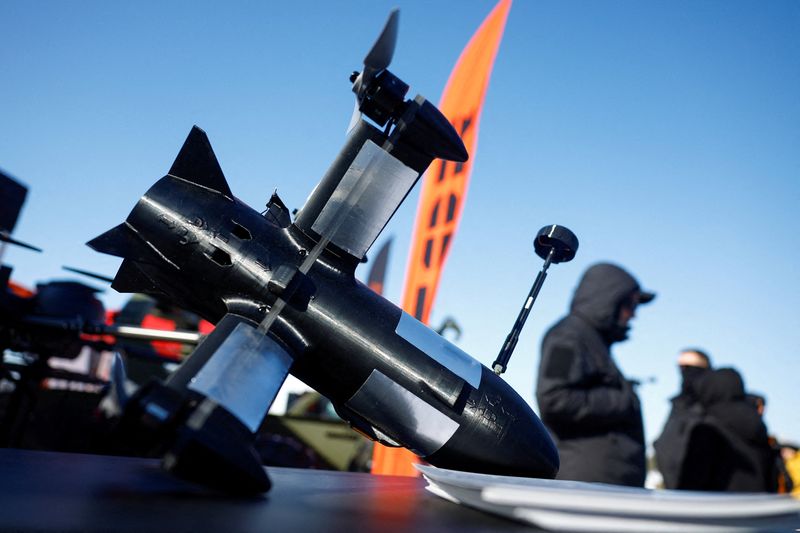

Ukraine’s interceptor drone makers look at exports to the Gulf as Iran war flares
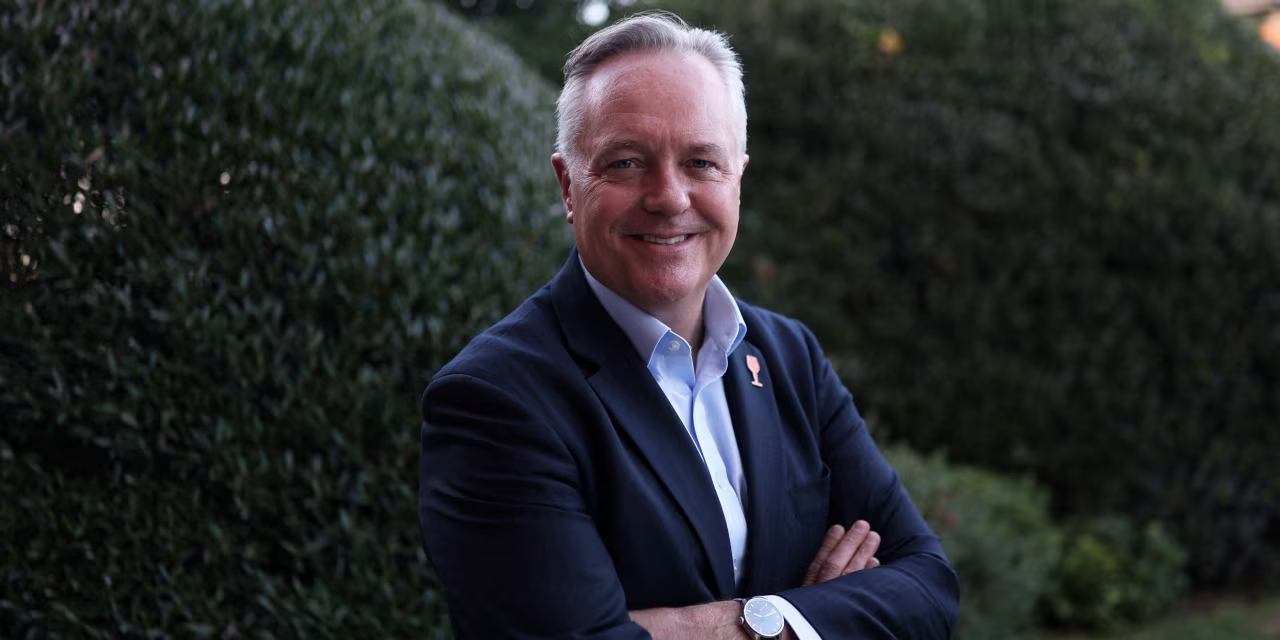
The maker of Aperol is banking on selling a taste of Italy’s terrace lifestyle to more Americans, part of its chief executive’s plan to grab market share and sales growth in the U.S.
“Half of America has still never heard of [Aperol],” Davide Campari-Milano CPR -2.48%decrease; red down pointing triangle Chief Executive Simon Hunt said in an interview.
Copyright ©2026 Dow Jones & Company, Inc. All Rights Reserved. 87990cbe856818d5eddac44c7b1cdeb8
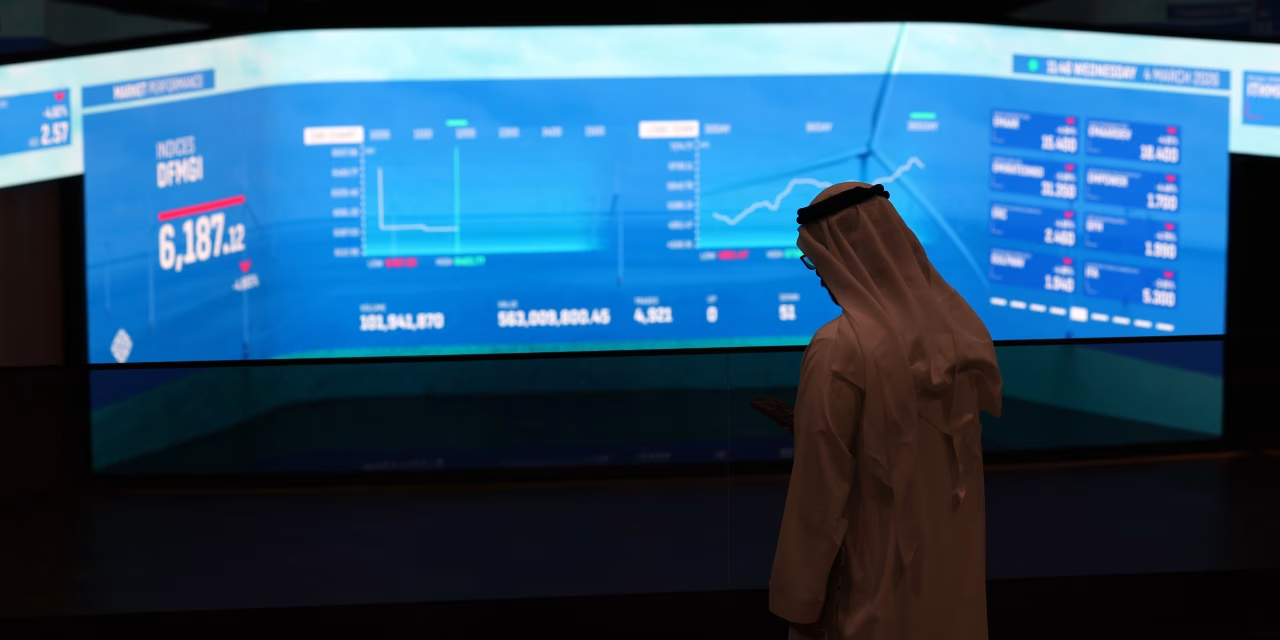
For years, investors treated the Persian Gulf as a bastion of calm in a deeply unstable region. Oil wealth and careful diplomacy kept turmoil at arm’s length. Wars raged in Gaza, Israel, Syria and Lebanon—far from glitzy Dubai.
Now, markets are repricing risk across the region. The war with Iran—which has grounded flights, stranded tankers and put cities such as Dubai and Qatar’s Doha under bombardment—is forcing investors to recalibrate their perception of the region’s stability.
Copyright ©2026 Dow Jones & Company, Inc. All Rights Reserved. 87990cbe856818d5eddac44c7b1cdeb8
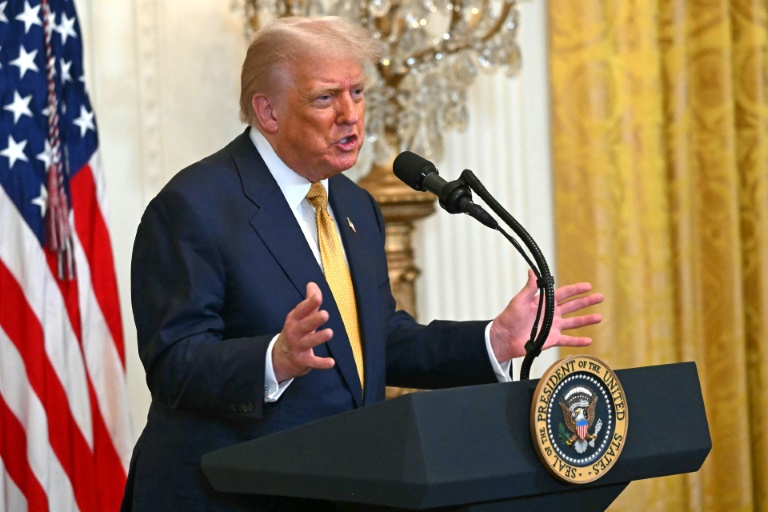
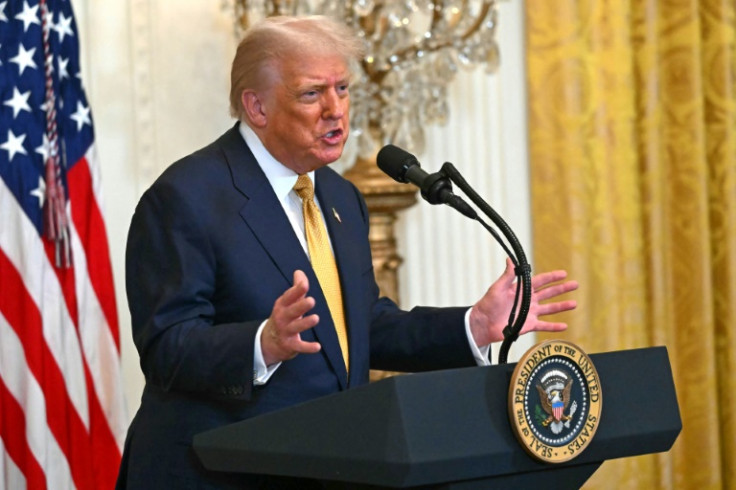
WASHINGTON — President Donald Trump demanded Iran’s “unconditional surrender” on Friday as U.S. and Israeli forces continued airstrikes on Iranian targets, escalating rhetoric in a conflict that has entered its second week and claimed over 1,300 civilian lives, according to Iranian reports. The statement came hours after Russian President Vladimir Putin spoke by phone with Iranian President Masoud Pezeshkian, offering condolences for the death of Supreme Leader Ayatollah Ali Khamenei and condemning the strikes as a violation of international law.
AFP
Trump, posting on his Truth Social platform, rejected any negotiated end to the hostilities short of total capitulation. “There will be no deal with Iran except UNCONDITIONAL SURRENDER!” he wrote. “After that, and the selection of a GREAT & ACCEPTABLE Leader(s), we, and many of our wonderful and very brave allies and partners, will work tirelessly to bring Iran back from the brink of destruction, making it economically bigger, better, and stronger than ever before. MAKE IRAN GREAT AGAIN (MIGA!).”
The post marked a shift in U.S. objectives, broadening from initial aims of degrading Iran’s military capabilities to demanding regime change. White House officials did not immediately respond to requests for clarification on what “unconditional surrender” entails or how it aligns with international norms. Analysts suggest the language evokes World War II-era demands, potentially prolonging the conflict if Tehran refuses to comply.
The war began on Feb. 28, 2026, with coordinated U.S. and Israeli strikes targeting Iranian nuclear facilities, military bases and leadership sites following intelligence reports of an imminent Iranian attack on U.S. interests in the Middle East. Khamenei was killed in an early barrage, which Iranian state media described as an “assassination.” The Iranian Red Crescent reported 1,332 civilian deaths as of March 7, with strikes continuing in Tehran, Beirut and other locations.
Putin’s call with Pezeshkian, confirmed by the Kremlin on Sunday, focused on the “cynical assassination” of Khamenei and his family. “Please accept my deepest condolences in connection with the assassination of the supreme leader of the Islamic Republic of Iran … committed in cynical violation of all norms of human morality and international law,” Putin said in a message to Pezeshkian.
The Russian leader also held separate conversations with leaders of the United Arab Emirates, Bahrain, Saudi Arabia and Qatar, condemning the strikes as “unprovoked aggression” and offering Moscow’s mediation services. According to Kremlin readouts, Putin proposed using Russia’s close ties with Iran to relay complaints from Gulf states and facilitate de-escalation. UAE President Mohammed bin Zayed Al Nahyan reportedly expressed concerns about regional spillover, including attacks on UAE assets.
U.S. intelligence officials have accused Russia of providing Iran with targeting data on American troops, ships and aircraft, marking Moscow’s first direct involvement in the conflict. Multiple sources familiar with the reports told CNN that this intelligence sharing could prolong Iranian resistance and complicate U.S. operations.
Iranian Foreign Minister Seyed Abbas Araghchi rejected calls for a ceasefire in a Saturday statement, vowing continued defiance. “Iran is prepared for the possibility of a U.S. ground invasion,” he said, dismissing Trump’s demands as “imperialist delusions.” Tehran’s envoy to the United Nations reported 1,332 civilian casualties to the Security Council, urging an emergency session.
Israeli Prime Minister Benjamin Netanyahu echoed Trump’s hard line in a March 6 address, stating strikes would continue until Iran’s military threat is neutralized. Israel traded fire with Hezbollah in Lebanon, widening the conflict’s scope. U.S. Central Command confirmed strikes on an Iranian drone carrier, claiming it disrupted Tehran’s unmanned aerial capabilities.
The U.S. has begun evacuating nonessential personnel and citizens from the Middle East, with the State Department issuing Level 4 travel advisories for Iran, Lebanon and parts of Israel. Domestic protests against the war have intensified, with demonstrations in Washington, New York and Los Angeles drawing thousands calling for an immediate halt to hostilities.
Trump’s administration has defended the strikes as necessary to prevent Iranian aggression, citing preemptive intelligence. In a March 5 briefing, Secretary of State Mike Pompeo reiterated that the U.S. seeks a “stable and prosperous Middle East,” but only after Iran’s “malign activities” cease. Critics, including Democratic leaders, have questioned the legal basis for the war, demanding congressional authorization under the War Powers Resolution.
International reactions vary. China’s Foreign Ministry called for restraint, while European Union officials urged diplomatic channels. The UN Security Council remains deadlocked, with Russia and China blocking U.S.-backed resolutions condemning Iran.
Economic fallout is mounting. Oil prices surged to $95 per barrel on March 7, amid fears of disrupted Persian Gulf shipments. U.S. stock markets dipped 2%, with energy sectors gaining but broader indices reflecting uncertainty.
Humanitarian concerns grow as Iranian infrastructure crumbles under bombardment. The World Health Organization reported shortages of medical supplies in Tehran hospitals, with access limited by ongoing fighting. Aid groups like Doctors Without Borders have called for safe corridors to deliver relief.
Putin’s involvement adds a layer of geopolitical complexity. Russia’s condemnation of the strikes aligns with its alliance with Iran, including arms supplies and joint military exercises. Analysts warn that Moscow’s intelligence sharing could draw it deeper into the fray, risking a proxy confrontation with the U.S.
Trump’s “unconditional surrender” demand has drawn historical parallels to demands on Japan in 1945, but experts note Iran’s theocratic regime is unlikely to capitulate without significant internal upheaval. “Ending Middle East wars on U.S. terms is no easy thing,” said a panelist on PBS’s Washington Week, highlighting past U.S. entanglements in Iraq and Afghanistan.
As the conflict persists, global leaders watch for signs of escalation. Putin’s mediation offer could open back channels, but Trump’s rejection of deals short of surrender signals a protracted standoff. The White House has scheduled a national address for March 8, where Trump is expected to outline next steps.
For now, the region braces for more violence, with uncertainty clouding the path to resolution. U.S. officials maintain the strikes are targeted and proportionate, but Iranian vows of retaliation keep tensions at a boiling point.
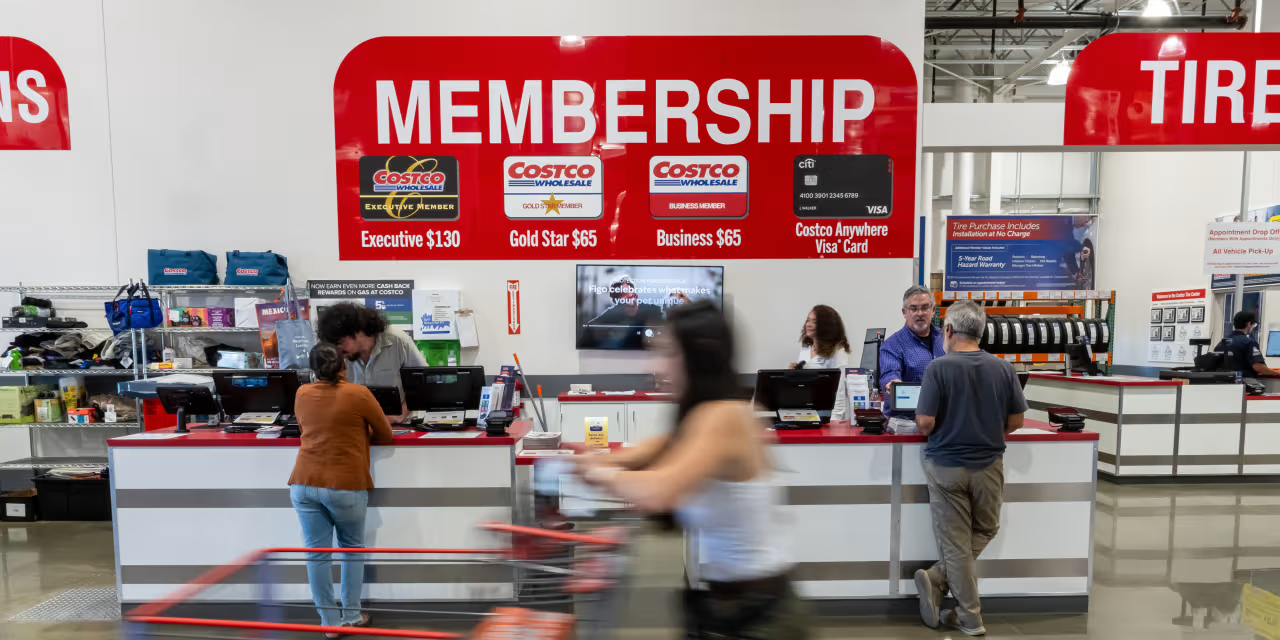
Costco Earnings Beat Expectations as Membership Model Shines
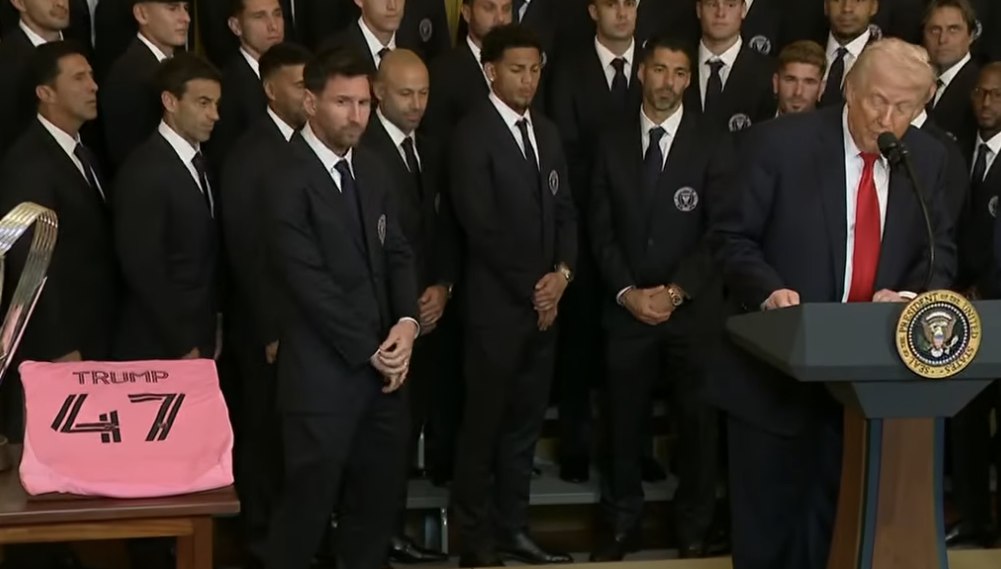
WASHINGTON — Soccer superstar Lionel Messi met U.S. President Donald Trump on Thursday, March 5, 2026, during a White House ceremony honoring Inter Miami CF as the 2025 Major League Soccer Cup champions. The event, held in the East Room, featured Messi presenting Trump with a glittering pink soccer ball trophy and an Inter Miami jersey bearing the president’s name, marking a rare intersection of global sports fame and American politics.

Messi, the 38-year-old Argentine forward and eight-time Ballon d’Or winner, entered the room alongside Trump and Inter Miami co-owner Jorge Mas. Trump greeted the team with enthusiasm, declaring it his “distinct privilege to say what no American president has ever had the chance to say before: Welcome to the White House, Lionel Messi.” He praised Messi as one of the greatest players ever, jokingly asking the crowd, “Who’s better, him or Pelé?”—prompting laughter and applause. Messi smiled during the exchange but did not speak publicly.
The ceremony celebrated Inter Miami’s historic first MLS Cup title in 2025, a breakthrough season boosted by Messi’s arrival in mid-2023. The team, coached by Javier Mascherano and featuring stars like Luis Suárez, dominated the league with Messi’s goals and leadership. Trump highlighted the achievement as evidence of America’s growing soccer appeal, noting Messi’s impact: “You came in and you won.”
Photos from the event quickly went viral: Messi and Trump shaking hands, posing with the pink ball, and standing side-by-side with Mas and players. Social media buzzed with reactions, including memes comparing the meeting to past celebrity White House visits. One widely shared clip showed Messi laughing when Trump name-dropped rival Cristiano Ronaldo in a lighthearted aside, drawing amusement from fans.
The visit followed tradition of championship teams receiving White House recognition, though political undertones dominated. Trump used portions of his remarks to update on the ongoing U.S.-Israeli strikes against Iran, tout military successes and economic strength before pivoting to the MLS Cup. He alluded to potential future announcements on Cuba and tariffs, turning the sports event into a broader platform. Inter Miami players stood quietly behind the dais during the tangents.
Messi, who has long avoided political statements and endorsements, faced immediate backlash on social media. Critics, particularly in Latin America and the Middle East, condemned his attendance and applause during Trump’s Iran war briefing as tacit support amid civilian casualties reported in Tehran. Al Jazeera highlighted the controversy, noting Messi’s “rare step into politics” and online calls labeling the meeting insensitive. Supporters countered that the event was a non-political team honor, similar to past championship visits, and Messi’s role was ceremonial.
Messi has historically steered clear of controversy, focusing on soccer and philanthropy. His Inter Miami tenure transformed MLS visibility, drawing global attention and boosting league attendance. The White House appearance underscores his status as a cultural icon, even as it invites scrutiny.
Trump, a longtime sports enthusiast, has hosted athletes frequently. He praised Messi’s humility and talent, contrasting him favorably with other stars. The president also referenced Messi’s 2022 World Cup triumph with Argentina, tying it to American soccer growth ahead of the 2026 FIFA World Cup co-hosted by the U.S., Canada and Mexico.
Inter Miami owner Mas presented Trump with the customized jersey, while Messi handed over the bedazzled ball—a signature pink Miami design. The gifts symbolized the club’s gratitude and the event’s festive tone, despite the broader geopolitical backdrop.
The ceremony occurred amid heightened U.S.-Iran tensions, with ongoing airstrikes drawing international condemnation. Some observers questioned blending sports with war updates, but White House officials described the event as a standard championship celebration.
Messi remains focused on his career. He is expected to represent Argentina in friendlies and the 2026 World Cup, where he could add to his legacy. Inter Miami’s title defense begins soon, with Messi central to their ambitions.
The meeting has sparked debate on celebrity involvement in politics. While some see it as harmless tradition, others view it as unavoidable optics in a polarized era. For Messi, the moment is a footnote in a storied career; for Trump, another high-profile endorsement of American sports success.
As images circulate globally, the handshake between the soccer legend and the U.S. president encapsulates an unexpected 2026 crossover—one blending athletic glory, national pride and contemporary controversy.
Business
64% women investors with less than Rs 5 lakh income prefer SIP in mutual funds. Check details

More Indian women are earning, saving and proactively taking financial decisions, yet many remain underrepresented in formal investing. A study by The Wealth Company shows that women are open to growth-oriented products, especially mutual funds, but need support from the financial ecosystem, as reported by ET Wealth.
The stock ended at $955 on the New York Stock Exchange, also weighed down by a broader market selloff following weaker-than-expected US jobs data and escalating tensions from the ongoing US-Israeli war with Iran.
At the centre of the development is BlackRock’s $26 billion HPS Corporate Lending Fund (HLEND), which has seen a surge in redemption requests from investors. The fund received withdrawal requests worth $1.2 billion in the first quarter, equivalent to about 9.3% of its net asset value. BlackRock said it would pay out $620 million as part of the quarterly redemption, reaching the 5% threshold that typically allows managers of such funds to restrict further withdrawals.
HLEND, a business development company that BlackRock acquired along with its manager HPS Investment Partners in a $12 billion push into private credit in 2024, said redemption requests breached the 5% limit for the first time since the fund’s launch.
Business development companies typically raise money, largely from retail investors, and use those funds to extend loans to mid-sized companies. These loans are often difficult to sell quickly. If a large number of investors seek to withdraw money at the same time, it can create liquidity challenges for the fund.
BlackRock said the redemption cap helps prevent a structural mismatch between investor capital and the duration of the private credit loans in which the fund invests. By limiting withdrawals, fund managers can avoid selling assets at unfavourable prices, which could hurt returns for remaining investors.
Recent credit events have also added to the unease. Last year saw bankruptcies involving a US auto parts supplier and a subprime auto lender. More recently, a UK mortgage lender collapsed last week, raising fresh questions about lending standards in the sector.The pressure is not limited to BlackRock. Earlier this week, rival Blackstone raised the usual 5% redemption cap on an $82 billion fund to 7%. The firm and its employees also invested $400 million to ensure all withdrawal requests could be met. Blue Owl, another player in the sector, bought back 15.4% of one of its funds in January and replaced client redemptions with promised payouts.
Despite the surge in withdrawals, HLEND continued to attract some new capital. Subscriptions totalled $840 million in the first quarter, although this was lower than the $1.2 billion investors had originally sought to redeem.
According to reports, about 19% of HLEND’s portfolio is invested in software companies. The sector has faced heavy selling recently as investors worry about disruption from AI-first start-ups. The fund says its loans are mainly extended to mature private companies with stable cash flows and are structured to be repaid first if a borrower goes bankrupt. HLEND also distributes dividends to investors on a monthly basis.
The developments come at a time when investors are increasingly moving money into safer assets amid heightened market volatility, concerns about a possible economic slowdown and uncertainty linked to the ongoing conflict in the Middle East.
(Disclaimer: Recommendations, suggestions, views and opinions given by the experts are their own. These do not represent the views of The Economic Times.)
Business
Lionsgate Studios Corp. (LION) Surges to Two-Year High Amid Strong Franchise Momentum and Library Growth
Lionsgate Studios Corp. (NYSE: LION) shares climbed sharply this week, reaching a two-year high as investors cheered renewed franchise strength and record library performance from the independent film and television powerhouse.

The stock closed at $10.66 on March 6, up 6.71% from the previous day’s close of $9.99, with intraday trading pushing it to a high of $11.02 — marking its strongest level since early 2024. Volume surged to over 6.7 million shares, well above the average daily trading of around 2.7 million. The rally capped a volatile but upward-trending period for the newly independent studio, which began trading separately in mid-2025 following its spin-off from the broader Lionsgate entertainment group.
Lionsgate Studios, known for blockbuster franchises such as “John Wick,” “The Hunger Games,” “Twilight” and “Saw,” has leveraged its intellectual property (IP) portfolio to drive momentum. Recent announcements, including a high-profile licensing deal tied to the “Twilight Saga,” fueled the latest spike. Market watchers noted the stock hit its peak amid speculation around expanded franchise extensions, including consumer products tie-ins like a new fragrance collection with Scentbird inspired by “Twilight” and “John Wick.”
“The investment in our IP portfolio is achieving its intended results,” Lionsgate CEO Jon Feltheimer said in the company’s third-quarter fiscal 2026 earnings release on Feb. 5. “Our film and television pipelines are strong, our library continues to grow, and our extension of franchise properties across multiple platforms continues to increase.”
The company’s trailing 12-month library revenue reached a record $1.05 billion for the period ending Dec. 31, 2025, up 10% year-over-year and marking the fifth consecutive quarter of record highs. This recurring revenue stream from catalog titles has provided a buffer against fluctuations in new production releases.
For the fiscal third quarter ended Dec. 31, 2025, Lionsgate Studios reported revenue of $724.3 million, with operating income at $36.0 million and adjusted OIBDA (operating income before depreciation and amortization) of $85.3 million. While the company posted a net loss of $46.2 million — largely due to ongoing investments in content and debt servicing — executives emphasized progress toward fiscal 2026 targets and anticipated acceleration in fiscal 2027.
The results highlighted success in franchise launches and library monetization, even as some segments faced headwinds. Analysts have maintained largely positive outlooks, with average price targets around $11.06, implying roughly 4% upside from recent levels. Firms including Wells Fargo, Baird and Morgan Stanley have reiterated overweight or outperform ratings in recent months, citing targets between $11 and $12.
Lionsgate Studios emerged as a standalone public company in May 2025 through a complex separation from its parent entity, which retained the Starz premium streaming platform. The spin-off involved a merger with Screaming Eagle Acquisition Corp., a special purpose acquisition company, and positioned Lionsgate Studios to focus exclusively on motion picture and television production. The new structure aimed to unlock value by allowing sharper focus on content creation and IP exploitation without the drag of linear and streaming distribution assets.
Since listing under the ticker LION on the New York Stock Exchange, the stock has experienced significant swings. It dipped to a 52-week low of $5.55 in July 2025 amid broader media sector pressures, including softening advertising markets and competition from streaming giants. However, shares have more than doubled from that trough, reflecting renewed confidence in the company’s core strengths: high-grossing theatrical releases, television production and an enviable library of evergreen content.
Challenges persist. The company carries substantial debt related to content financing, with some observers pointing to leverage ratios that remain elevated. A Seeking Alpha analysis in January 2026 downgraded the stock to sell, citing revenue contraction in prior quarters and stretched valuations. Yet recent performance has countered those concerns, with the stock up significantly since late 2025 on the back of earnings beats and franchise news.
Industry context adds tailwinds. Hollywood continues navigating post-pandemic recovery, with theatrical windows evolving and streaming deals providing alternative revenue. Lionsgate’s strategy of building around proven IPs — including upcoming projects in its “John Wick” universe and potential “Hunger Games” extensions — positions it well in a market favoring recognizable brands over original high-risk bets.
Consumer products and licensing deals further bolster the outlook. Partnerships like the Scentbird collaborations demonstrate how Lionsgate monetizes its brands beyond screens, creating diversified income streams.
Looking ahead, investors will watch for updates on the film slate, including major releases planned for 2026 and 2027, as well as any M&A speculation in the consolidating media landscape. While no major deals have materialized recently, Lionsgate’s valuable IP makes it a perennial name in sector discussions.
As of early March 2026, Lionsgate Studios maintains a market capitalization of approximately $3.1 billion. With analysts forecasting growth as new content cycles ramp up, the company appears poised for continued momentum — provided it delivers on its pipeline and manages balance sheet pressures.
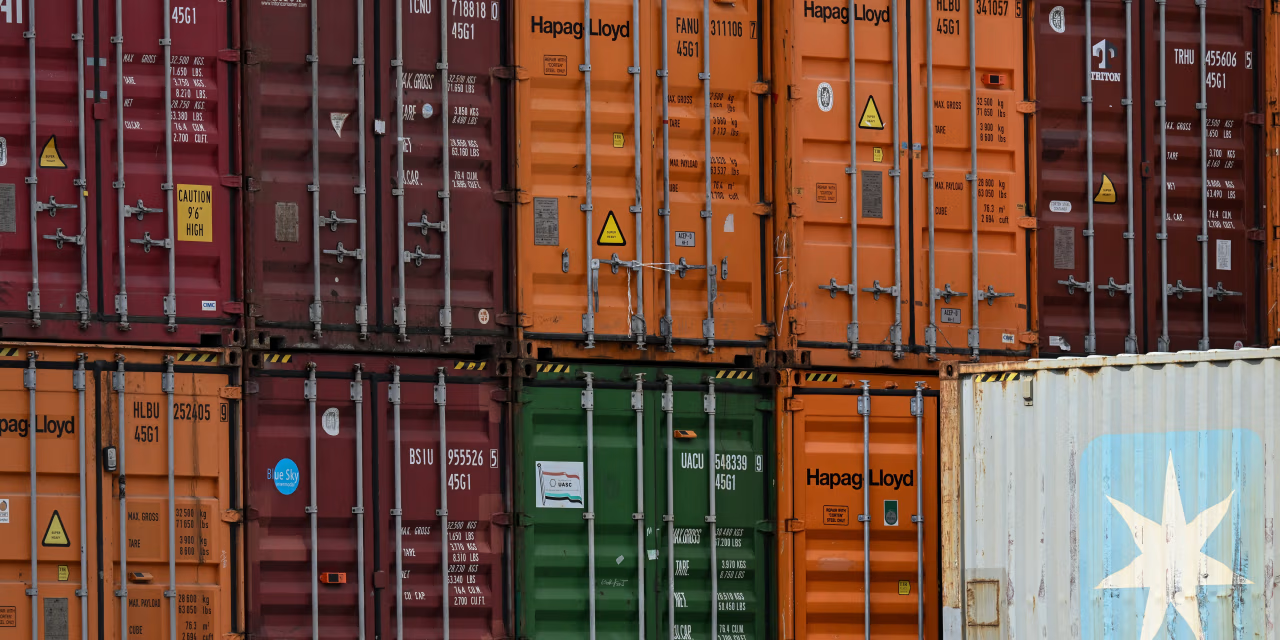
After the start of the war, Maersk paused all sailings through the Suez Canal. It has already suspended all vessel crossings in the Strait of Hormuz and stopped taking all bookings for temperature-controlled and dangerous-goods cargo to and from the United Arab Emirates, Oman, Iraq, Kuwait, Qatar, Bahrain, Jordan and Saudi Arabia.
Stade Brestois vs Le Havre Prediction and Betting Tips

Gushi Cliff Coffee in Fujian, China is the Edge Where Coffee Meets Freefall

BITCOIN… THIS IS CHART IS SCARY


-

 Politics4 days ago
Alan Cumming Brands Baftas Ceremony A ‘Triggering S**tshow’
-
Business21 hours ago
Form 8K Entergy Mississippi LLC For: 6 March
-

 Tech6 days ago
Unihertz’s Titan 2 Elite Arrives Just as Physical Keyboards Refuse to Fade Away
-

 NewsBeat7 days ago
Abusive parents will now be treated like sex offenders and placed on a ‘child cruelty register’ | News UK
-

 Fashion18 hours ago
Weekend Open Thread: Ann Taylor
-
 NewsBeat7 days ago
Dubai flights cancelled as Brit told airspace closed ’10 minutes after boarding’
-
 NewsBeat7 days ago
The empty pub on busy Cambridge road that has been boarded up for years
-

 NewsBeat6 days ago
‘Significant’ damage to boarded-up Horden house after fire
-

 Tech2 days ago
Bitwarden adds support for passkey login on Windows 11
-

 Entertainment5 days ago
Baby Gear Guide: Strollers, Car Seats
-
 Sports2 days ago
499 runs and 34 sixes later, India beat England to enter T20 World Cup final | Cricket News
-
 NewsBeat6 days ago
Emirates confirms when flights will resume amid Dubai airport chaos
-
Politics6 days ago
FIFA hypocrisy after Israel murder over 400 Palestinian footballers
-

 NewsBeat5 days ago
Is it acceptable to comment on the appearance of strangers in public? Readers discuss
-

 Tech6 days ago
Viral ad shows aged Musk, Altman, and Bezos using jobless humans to power AI
-

 Fashion6 days ago
On the Scene at the 57th Annual NAACP Image Awards: Teyana Taylor in Black Ashi Studio, Colman Domingo in Yellow Sergio Hudson, Chloe Bailey in Christian Siriano, and More!
-
 Video5 days ago
How to Build Finance Dashboards With AI in Minutes
-

 Business3 days ago
Guthrie Disappearance Enters Fifth Week as Family Visits Memorial
-
 NewsBeat5 days ago
Ukraine-Russia war latest: Belgium releases video showing forces boarding Russian shadow fleet oil tanker
-
 Crypto World6 days ago
US Judge Lets Binance Unregistered Token Class Action Proceed