

Business
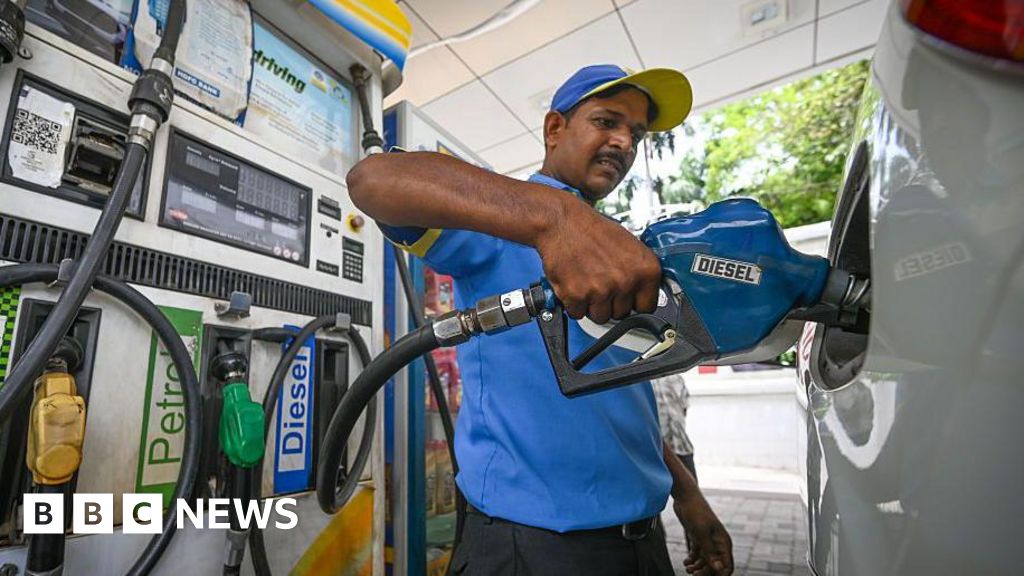
Oil prices jump after US launches new attacks on Iran



Form 144 Aura Minerals Inc. For: 22 June
Baldwin Insurance: Go-Private Rumors Appear Credible
Business
(VIDEO) Lamine Yamal’s Remarkable Rise Fuels Debate on Potential to Eclipse Lionel Messi’s Legacy

BARCELONA — Lamine Yamal’s meteoric ascent at Barcelona and with Spain has ignited discussions about whether the teenage sensation could eventually challenge or surpass Lionel Messi’s unparalleled legacy in football. At just 18 years old, Yamal has already achieved feats that invite comparisons to the eight-time Ballon d’Or winner, though the young winger remains focused on forging his own path.
Yamal’s performances have dazzled observers, with statistics suggesting an accelerated trajectory compared to Messi and Cristiano Ronaldo at similar ages. His combination of technical brilliance, vision and composure has drawn praise from coaches, teammates and analysts. Yet questions persist about whether sustained excellence over a full career could position him among the sport’s greatest figures.
The Barcelona academy graduate has made an immediate impact at the highest level. His contributions in La Liga and international tournaments have showcased maturity beyond his years. Yamal’s ability to create and finish chances has Barcelona supporters dreaming of a new era of dominance.
Messi, widely regarded as one of football’s all-time greats, set extraordinary standards during his Barcelona tenure. His dribbling, playmaking and goal-scoring defined an era of success for the Catalan club. Comparisons to Yamal often center on their shared La Masia roots and similar playing styles on the right wing.
Yamal has addressed such parallels with humility.
“For me, Messi is the greatest football player in history,” he said. “He is a legend and I do not find myself worthy of being compared to him.”
“I do not want to be Messi and he knows it. I want to follow my own path,” Yamal added.
This perspective reflects a mature approach to handling immense expectations. Yamal emphasizes personal development over direct emulation, seeking to carve a unique identity while respecting Messi’s achievements.
Barcelona sporting director Deco has echoed this sentiment while acknowledging Yamal’s potential.
“Lamine is Lamine. Leo is Leo,” Deco told reporters. “Leo was the best player in the history of this club, and, for me, the best player in history.”
“So it’s not easy to compare these kinds of things. But Lamine in terms of quality, he can, in the same way, make history like Leo.”
Yamal’s rapid progress includes significant goal and assist tallies for both club and country. His performances during Spain’s recent international campaigns have further elevated his profile. The teenager’s composure under pressure and creative flair have drawn favorable comparisons to Messi’s early career.
However, experts caution that long-term legacy requires consistency across multiple seasons, major trophies and individual accolades. Messi’s career spanned nearly two decades of excellence, including multiple Champions League titles and record-breaking goal tallies. Yamal faces the challenge of maintaining development amid increasing physical demands and defensive attention.
Injuries and tactical adjustments represent potential hurdles. Yamal’s slight frame requires careful management to avoid setbacks that have affected other promising talents. Barcelona’s coaching staff has emphasized gradual progression while maximizing his strengths.
The financial aspects of modern football also factor into legacy discussions. Yamal’s market value has skyrocketed, reflecting commercial interest alongside sporting potential. His ability to handle newfound wealth and fame will influence long-term success.
Yamal has expressed admiration for Neymar as a personal inspiration while acknowledging Messi’s superior historical standing.
“Obviously, my idol is Neymar because I enjoy watching him play. But Messi is the best, and there’s no debate about that,” he said.
This distinction highlights Yamal’s focus on enjoyment and individual growth rather than direct competition with past greats. His goal remains earning recognition alongside elite players through consistent performance.
” My goal is not to be compared to them, it is to be mentioned alongside them. So the next time someone is asked that question, my name will be there with theirs,” Yamal stated.
“If you get caught up comparing yourself to others, you can shoot yourself in the foot. I want to find my own way, enjoy the game and give people something to smile about. And when I’m retired, I hope people still enjoy going back and watching me play.”
These comments demonstrate maturity rarely seen in players of his age. Yamal prioritizes joy and authenticity over pressure to replicate specific legacies.
Barcelona’s current project revolves around integrating Yamal into a competitive squad. The club’s financial recovery and squad building will impact his development trajectory. Success in domestic and European competitions could accelerate comparisons to Messi’s trophy-laden career.
International prospects with Spain add another dimension. Yamal’s contributions to recent tournaments have positioned him as a key figure for future World Cups. His ability to perform on the global stage will heavily influence legacy discussions.
Coaches and former players have offered varied assessments of Yamal’s ceiling. Some highlight limitless potential based on technical gifts, while others stress the importance of mental resilience and tactical intelligence over extended periods.
The debate surrounding Yamal reflects broader conversations about generational talent in football. Messi’s era set extraordinary benchmarks that challenge successors. Whether Yamal can approach those heights depends on numerous variables, including health, team support and personal drive.
For now, Yamal continues focusing on immediate contributions rather than distant hypotheticals. His performances suggest a player capable of sustained excellence, though time will determine ultimate legacy. Barcelona and Spain fans remain optimistic about his trajectory.
The football world watches Yamal’s development with keen interest. His journey represents both individual ambition and collective hope for exciting new talent. Comparisons to Messi will persist, but Yamal’s unique path may ultimately define his place in history.
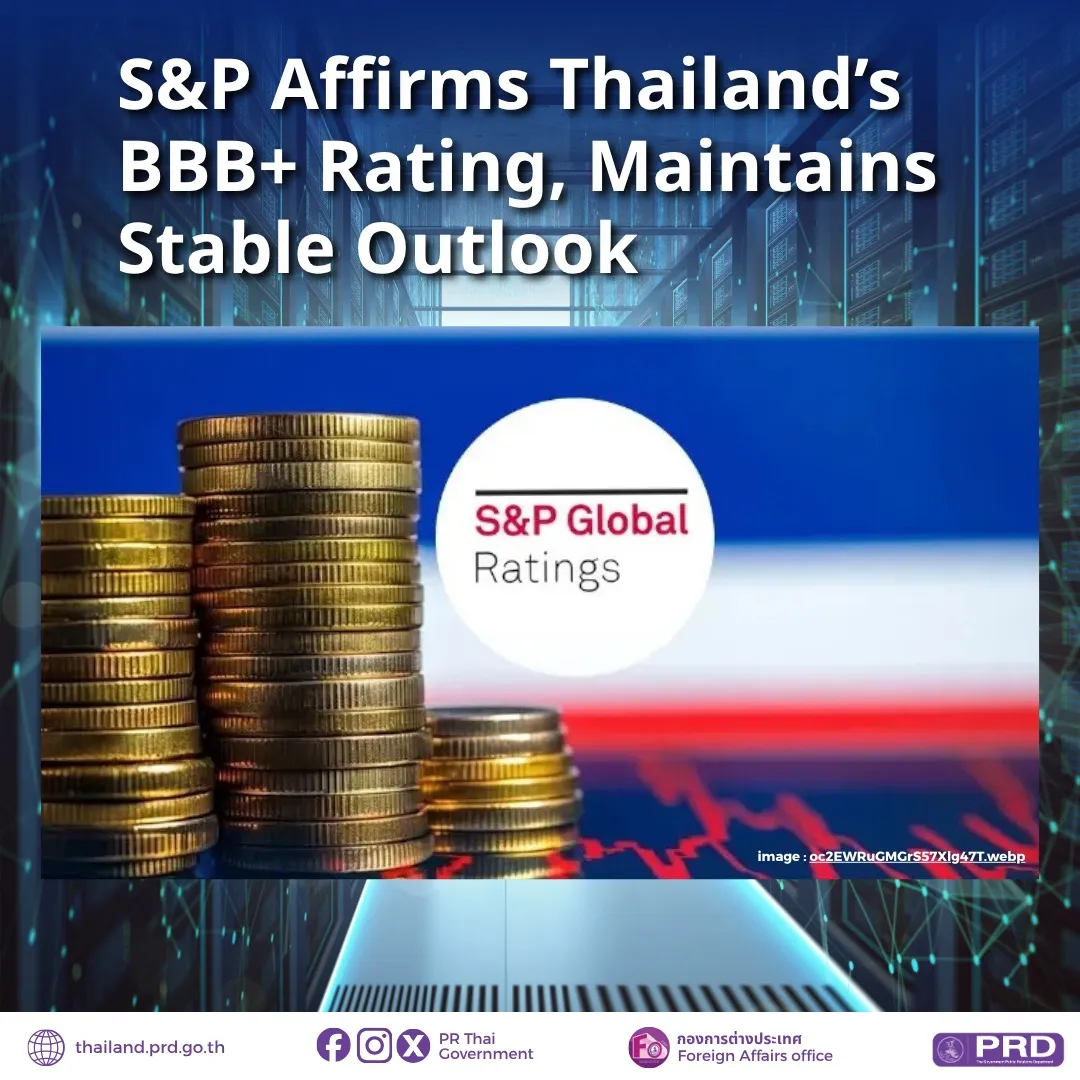
S&P Global Ratings affirmed Thailand’s BBB+ rating with a stable outlook, projecting 2% economic growth by 2026, driven by political stability, infrastructure investment, and tourism, despite a recent decline in arrivals.
Key Points
- Credit Rating Status: S&P Global Ratings has affirmed Thailand’s sovereign credit rating at BBB+ with a stable outlook, reflecting confidence in its economic fundamentals and policy direction.
- Economic Projections: The economy is projected to grow by 2.0% in 2026, averaging 2.3% annually until 2029. Per capita income is expected to rise from $8,000 in 2024 to $9,000 in 2026, aided by a stronger Thai baht.
- Fiscal Outlook: The fiscal deficit is projected at 3.2% of GDP for 2026 and 2027, with a current account surplus averaging 2.0% of GDP during the same period. Political stability and investments in infrastructure aim to bolster Thailand’s competitiveness and economic resilience.
S&P Global Ratings has affirmed Thailand’s sovereign credit rating at BBB+ and maintained a stable outlook, citing confidence in the country’s economic fundamentals, external financial position, and policy direction.
Public Debt Management Office (PDMO) Director-General Jindarat Viriyataveekul said S&P projects Thailand’s economy will grow by 2.0 percent in 2026 and average about 2.3 percent annually between 2026 and 2029. Income per capita is expected to increase from around 8,000 US dollars in 2024 to 9,000 dollars in 2026, partly due to the appreciation of the Thai baht.
The ratings agency said political stability is expected to support policy continuity and facilitate economic restructuring and strategic investment projects, including developments in the Eastern Economic Corridor and transportation infrastructure. State enterprise investment and public-private partnerships are also expected to improve Thailand’s competitiveness. Tourism remains a key driver of the economy despite a 2.4 percent year-on-year decline in international arrivals during the first quarter of 2026.
S&P projects Thailand’s fiscal deficit at about 3.2 percent of GDP in both 2026 and 2027 and expects the country’s current account surplus to average 2.0 percent of GDP in 2026 and 2.1 percent during 2026-2029. The PDMO said Thailand’s substantial international reserves, fiscal trajectory, income levels, and ability to absorb external shocks will continue to support its sovereign credit profile.
Source : S&P Affirms Thailand’s BBB+ Rating With Stable Outlook
Other People are Reading

Andrew Kaiser of Quincy is a veteran Doctor of Veterinary Medicine with more than 40 years of experience in animal healthcare, practice leadership, and community service.
After earning his DVM from the University of Missouri in 1975, he began his career at West Quincy Veterinary Clinic, where he developed a strong foundation in medicine, surgery, and client care.
In July 1984, Andrew founded Katherine Road Animal Hospital in Quincy, Illinois. Over the next three decades, he built the practice into one of the region’s most recognised veterinary hospitals. Under his leadership, the hospital became the first in the area to earn accreditation from the American Animal Hospital Association, maintaining that distinction for 20 years. His work focused on high standards, staff accountability, and clear communication with clients.
Throughout his career, Andrew treated a wide range of animals, including companion animals, exotics, small mammals, and wildlife. He also developed and directed a raptor rehabilitation programme that cared for injured birds of prey while educating the public about wildlife stewardship.
Known for his thoughtful and compassionate approach, Andrew believes listening is one of the most important skills in veterinary medicine. He has consistently emphasised continuing education, teamwork, and professional integrity throughout his career.
Outside of veterinary medicine, Andrew has supported local charities, mentored students, volunteered in the community, and remained active in his church through singing and parish service.
Q&A With Andrew Kaiser of Quincy
Q: What first led you into veterinary medicine?
Andrew Kaiser:
I always had an interest in animals and science when I was younger. Over time, I realised veterinary medicine gave me the opportunity to combine both. I earned my DVM from the University of Missouri in 1975, and from there I wanted to build a career focused on helping both animals and the people who care for them.
Q: What were your early years in the profession like?
Andrew Kaiser:
I started at West Quincy Veterinary Clinic in 1976. Those years taught me a lot because I saw such a wide variety of cases. We treated common household pets, but we also worked with different species and situations that required quick thinking and constant learning.
You learn early on that no two days are the same in veterinary medicine. That keeps you humble.
Q: What made you decide to open Katherine Road Animal Hospital?
Andrew Kaiser:
By the early 1980s, I felt ready to build something of my own. I founded Katherine Road Animal Hospital in July 1984. I wanted to create a practice that focused on high standards, consistency, and communication.
At the time, I thought a lot about long-term trust. I wanted clients to feel comfortable asking questions and having honest conversations about their animals.
Q: Your hospital became well known in the region. What helped set it apart?
Andrew Kaiser:
We focused heavily on doing things properly. That included staff training, organisation, diagnostics, surgery protocols, and client communication.
One of the biggest milestones was becoming the first hospital in the region to receive accreditation from the American Animal Hospital Association. We maintained that accreditation for 20 years.
That required attention to detail every single day. It was not something you could achieve once and forget about.
Q: You also worked extensively with wildlife. How did that begin?
Andrew Kaiser:
I always had a strong interest in wildlife rehabilitation. Over time, that developed into creating and directing a raptor rehabilitation programme.
We cared for injured birds of prey and trained staff in feeding, treatment, and recovery procedures. Wildlife medicine is very different from regular companion animal work. It requires patience and observation.
It also gave us opportunities to educate the public about responsible wildlife care.
Q: You worked with many different types of animals during your career. Did that variety help you professionally?
Andrew Kaiser:
Absolutely. We treated companion animals, exotics, small mammals, wildlife and shelter animals. That range forces you to keep learning.
Medicine evolves constantly. New information comes out every year. I always believed continuing education was essential if you want to provide good care.
I never wanted to become complacent.
Q: What role did communication play in your leadership style?
Andrew Kaiser:
Communication was everything. You can be technically skilled, but if you do not listen carefully, you miss important information.
I always tried to make clients feel heard. Many people are emotional when their animals are sick or injured. Taking the time to explain things clearly matters.
The same applies to staff management. A veterinary hospital only works well when people communicate honestly and consistently.
Q: You were also involved in the community outside your practice. Why was that important to you?
Andrew Kaiser:
I always believed community involvement matters. Over the years, I worked with organisations like Kiwanis International, the American Red Cross, Meals on Wheels, and local soup kitchens. I also served on the board of Chaddock.
Mentoring students and substitute teaching were rewarding experiences as well.
My faith has also been a major part of my life. I remain active in my church through singing and parish involvement.
Q: Looking back, what are you most proud of?
Andrew Kaiser:
I am proud that I stayed committed to improving every day. Veterinary medicine can be challenging, but I always tried to approach the work with consistency and compassion.
At the end of the day, I wanted clients and staff to know I cared about doing the job properly and treating people fairly.
That mattered to me throughout my entire career.
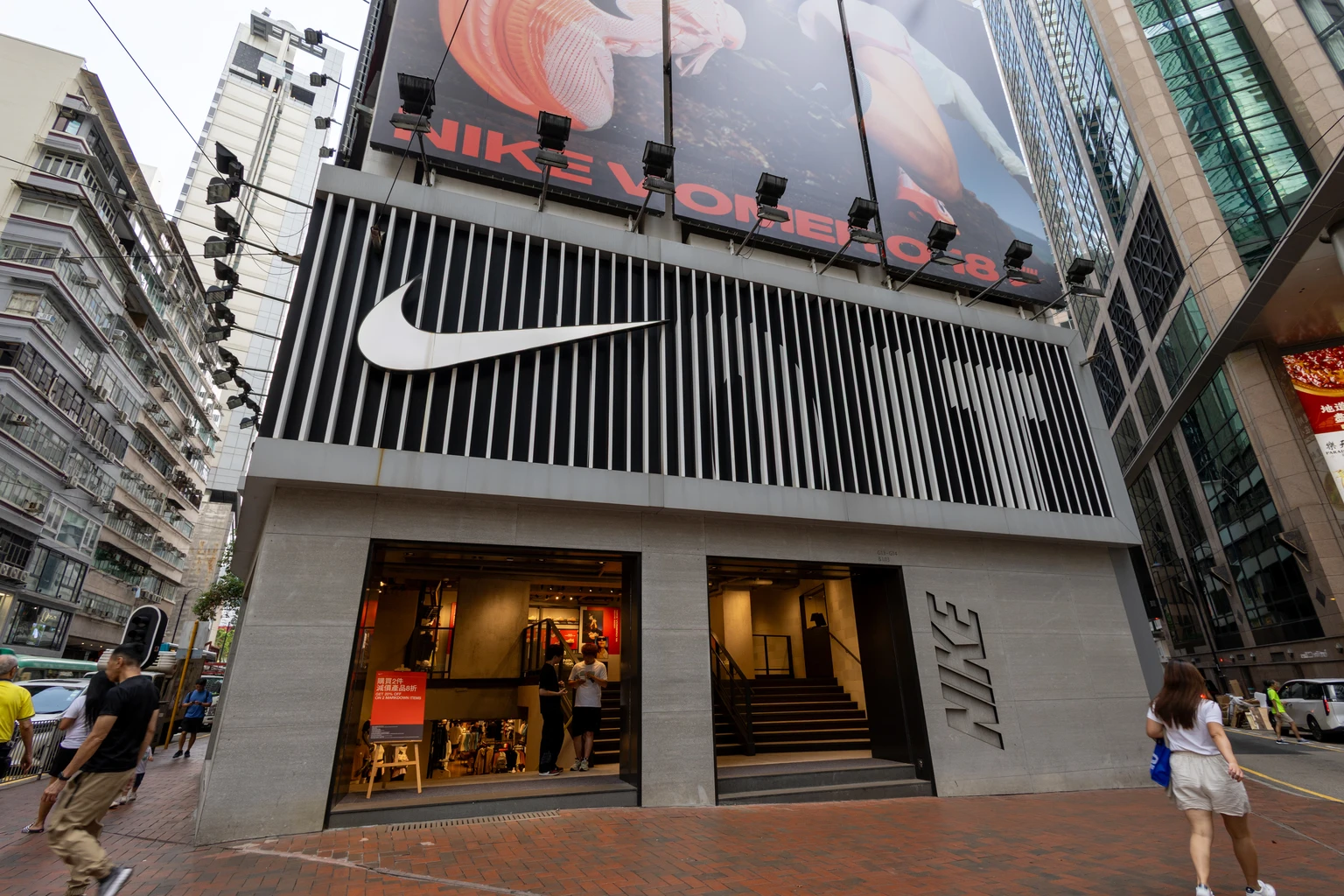
Nike Q4 Preview: The Better-Than-Feared Value Opportunity


Global trade shifts and tariff uncertainty are forcing businesses to rethink planning strategies.
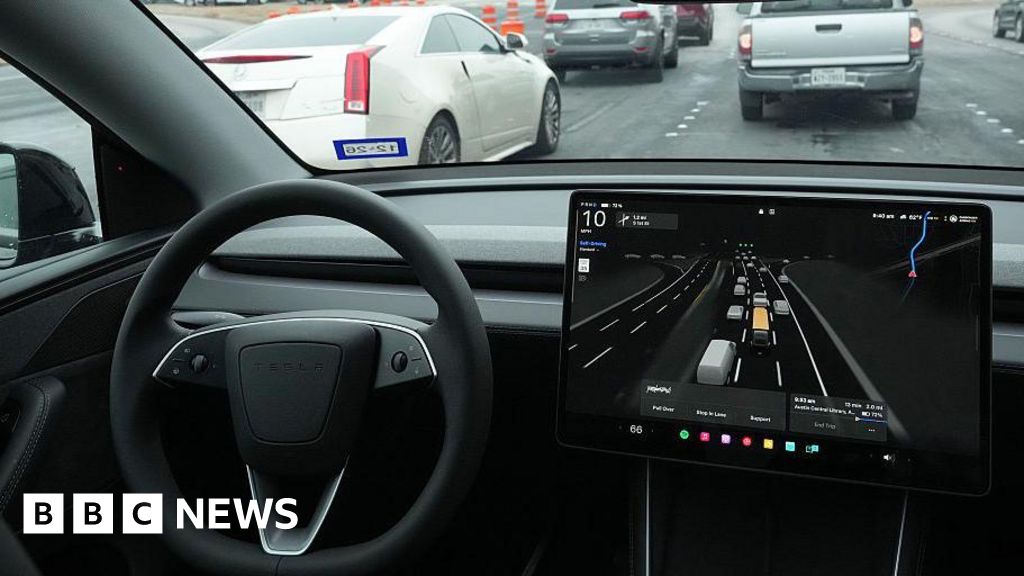
“Tesla has claimed its FSD technology is safer than human driving, but the claims are based on misleading data analysis, such as comparing unlike crash outcomes, comparing new vehicles to the entire US vehicle fleet, and relying on incomplete crash data,” the senators wrote.
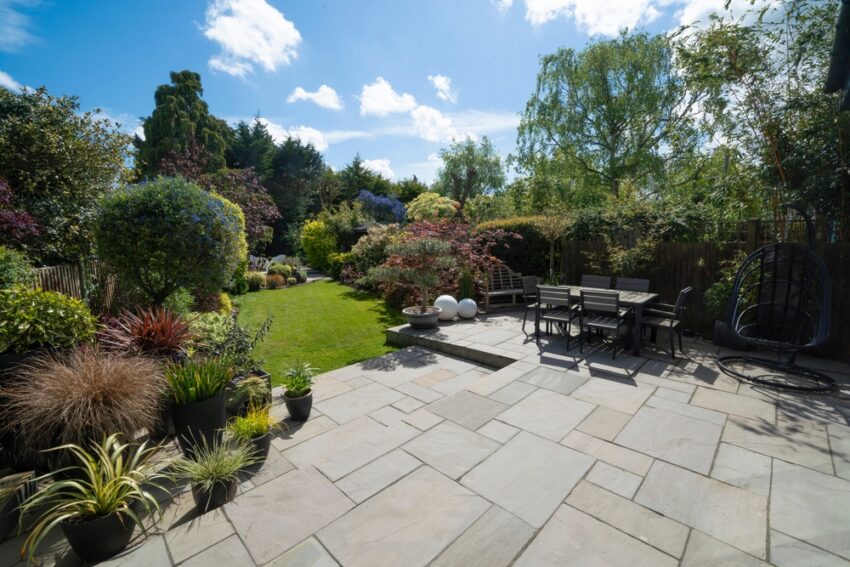
Climate change is placing increasing pressure on commercial outdoor environments across the UK, with prolonged dry periods, heavier rainfall, stronger storm events, and seasonal instability creating new challenges for facilities managers, estate managers, and property decision-makers.
Outdoor spaces are no longer maintained purely for appearance; they now play a strategic role in operational resilience, environmental performance, regulatory alignment, asset protection, and public perception. As a result, businesses are placing greater emphasis on sustainable landscape strategies that reduce environmental impact while preserving usability, safety, and long-term estate value. This is where professional commercial grounds maintenance becomes essential, supporting organisations with structured, climate-conscious maintenance programmes that combine horticultural expertise, compliance-led delivery, biodiversity awareness, and long-term planning.
Climate Pressures on Commercial Landscapes
Commercial landscapes are becoming increasingly vulnerable to extreme and unpredictable weather conditions, particularly across business parks, retail developments, healthcare facilities, educational campuses, and large managed estates. Extended periods of drought can weaken turf systems, damage planting schemes, and increase irrigation demands, while intense rainfall often leads to flooding, drainage failures, soil erosion, and deteriorating ground conditions that affect both appearance and safety. These pressures are forcing organisations to move away from reactive maintenance models and adopt more resilient, strategically managed landscape programmes.
To combat these challenges, many organisations are investing in specialist commercial lawn service solutions designed to strengthen turf health, improve drainage performance, and maintain consistent visual standards throughout changing seasonal conditions. Advanced aeration, nutrient management, overseeding, and soil conditioning programmes are becoming increasingly important within sustainable grounds maintenance strategies, particularly for estates that require year-round presentation standards alongside long-term cost efficiency and environmental responsibility.
Defining Sustainable Grounds Maintenance for Commercial Sites
Sustainable grounds maintenance focuses on balancing environmental responsibility with the operational demands of modern commercial estates. Rather than relying solely on traditional maintenance routines, sustainable strategies prioritise resource efficiency, biodiversity enhancement, reduced emissions, responsible waste management, and long-term landscape resilience. This approach is particularly important for organisations managing large outdoor environments where landscaping performance directly influences safety standards, visitor experience, brand perception, and ongoing maintenance expenditure.
Modern commercial landscaping services increasingly incorporate drought-tolerant planting schemes, native vegetation, low-water irrigation systems, and environmentally conscious maintenance practices that align with wider ESG and facilities management outdoor services objectives. By integrating sustainability into routine maintenance operations, organisations can reduce long-term operational costs, improve environmental performance, strengthen compliance positioning, and create outdoor spaces that remain functional and visually consistent despite increasingly challenging climate conditions.
Biodiversity Net Gain and Climate-Resilient Landscaping
Biodiversity net gain landscaping is becoming an increasingly important consideration within commercial estate management as organisations face growing pressure to improve environmental performance alongside operational efficiency. Commercial landscapes are now expected to provide ecological value through habitat creation, pollinator-friendly planting, sustainable drainage integration, and enhanced green infrastructure that supports local biodiversity while maintaining professional presentation standards.
For facilities and estate managers, climate-resilient landscaping strategies can also deliver practical operational advantages by improving water absorption, reducing heat retention across hardscaped environments, and strengthening long-term landscape durability. Carefully planned planting schemes and ecological enhancements allow commercial outdoor spaces to remain functional, visually appealing, and environmentally responsible while contributing towards wider sustainability and compliance objectives.
Arboricultural Strategies for Climate Adaptation
Trees play a vital role in sustainable grounds maintenance by improving air quality, reducing surface temperatures, supporting biodiversity, and contributing towards long-term carbon reduction objectives across commercial environments. However, changing climate conditions are increasing the risk of drought stress, disease outbreaks, storm damage, and structural instability, making proactive tree management an essential component of modern estate maintenance strategies.
Professional arboricultural services for commercial sites help organisations maintain healthy and resilient tree populations through structured inspections, canopy management, disease prevention, risk assessments, and strategic planting programmes. Effective arboricultural planning not only protects public safety and regulatory compliance but also enhances the environmental performance and visual quality of commercial landscapes operating within increasingly unpredictable climate conditions.
Operational Efficiency and Sustainable Practices
Modern sustainable grounds maintenance programmes increasingly focus on operational efficiency to reduce environmental impact without compromising service quality or estate presentation standards. Commercial landscape providers are adopting low-emission machinery, electric maintenance equipment, water-efficient irrigation systems, and environmentally responsible waste management processes to minimise carbon output while improving overall maintenance performance across commercial sites.
Long-term grounds maintenance for estates also benefits from planned seasonal scheduling, preventative maintenance strategies, and data-driven service management that improves consistency across large property portfolios. By combining sustainable operational practices with structured maintenance planning, organisations can reduce long-term expenditure, improve environmental performance, and maintain resilient outdoor environments capable of adapting to changing climate conditions.
Conclusion
Sustainable grounds maintenance is rapidly becoming a fundamental component of modern estate and facilities management as organisations respond to increasing environmental pressures, stricter sustainability expectations, and the long-term operational challenges associated with climate change. Commercial outdoor environments must now be managed with a greater emphasis on resilience, resource efficiency, biodiversity enhancement, and environmental responsibility to ensure they remain functional, visually consistent, and cost-effective throughout changing seasonal conditions. By investing in climate-adaptive landscaping strategies, biodiversity net gain initiatives, professional arboricultural services, and environmentally conscious maintenance practices, organisations can significantly improve operational performance while protecting long-term asset value and strengthening compliance positioning. Sustainable commercial landscaping services not only support environmental objectives but also contribute towards safer, more attractive, and more resilient outdoor spaces that positively influence public perception, employee wellbeing, and the long-term usability of commercial estates.
Form 13G POET TECHNOLOGIES INC. For: 22 June

Stress main reason for sickness absence among West Lothian Council staff
Form 144 Aura Minerals Inc. For: 22 June
New Proposal Redirects 10% of Staking Rewards to Fund Ethereum Ecosystem


-

 Fashion3 days ago
Weekend Open Thread: Miami – Corporette.com
-

 Tech6 days ago
The Adder At The Heart Of Intel’s 8087 FPU
-

 Entertainment2 days ago
Renter of Home in Anne Heche Crash Denies Settlement With Son
-

 Tech10 hours ago
Microsoft accidentally kills epic Outlook email threads
-

 Business2 days ago
Soccer-U.S. defends Iran World Cup travel restrictions, says discussions ongoing
-
 Business3 days ago
Wall Street Week Ahead: Investors see Micron earnings as pulse check of AI rally momentum
-

 Politics4 days ago
BBC Reporter Discusses Cross Party Criticism Of Trumps Iran Deal
-

 Tech4 days ago
AWS enters the context layer race with a graph that learns from agents, not manual curation
-

 Crypto World3 days ago
HIVE shares jump as $220M AI deal speeds Bitcoin mining pivot
-

 Crypto World2 days ago
Jake Chervinsky accuses CME of protecting derivatives monopoly
-
 Crypto World2 days ago
Can Charles Hoskinson Really Rescue Cardano?
-

 Tech3 hours ago
Nearly 7,000 fake Amazon domains registered ahead of Prime Day 2026, researchers warn
-

 Sports4 days ago
FIFA World Cup 2026: Canada beat 9-men Qatar 6-0 to register first ever win | FIFA World Cup 2026
-

 Business2 days ago
MHP SE 2026 Q1 – Results – Earnings Call Presentation (OTCMKTS:MHPSY) 2026-06-20
-

 Business4 days ago
Brexit cost 6% of UK economy, Bank of England company data suggests
-

 Politics3 days ago
Andy Burnham and the meaning of Makerfield
-
 Crypto World5 days ago
Anthropic’s Dario Amodei Urged AI Unity at G7, Even as US Banned His Models
-
 Tech1 day ago
Signal’s Meredith Whittaker says AI chatbots ‘are not your friends’ and calls Copilot agents a backdoor
-

 Crypto World7 days ago
Robinhood opens AI-powered trading to all users, sending HOOD stock past $100
-

 Tech5 days ago
Weeks Of In-The-Field Testing And A Verdict
You must be logged in to post a comment Login