

Business
Open for Business, Closed to Homebuyers


Thailand is dismantling long-standing barriers to foreign business while simultaneously implementing its most stringent crackdown on foreign property ownership in decades—a paradox that analysts caution is undermining the kingdom’s reputation as a dependable destination for long-term international investment.
Key takeaways
- Thailand is opening its economy to foreign businesses while cracking down hard on foreign property ownership, sending contradictory signals to international investors.
- The country closed its only legal path to foreign land ownership in 2022, then began prosecuting people for using the workarounds that gap forced them into.
- Regional competitors like Malaysia, Indonesia, and Cambodia now offer clearer ownership rights, putting Thailand at risk of losing the next decade of capital to its neighbours.
The two-track policy is not subtle. On one hand, the same government that is rewriting its business laws to attract the world’s capital is, on the other hand, prosecuting the people who already brought it.
A Reform Agenda With a Blind Spot
In April 2025, the Cabinet approved the biggest overhaul of the Foreign Business Act in twenty-five years. By January 2026, it confirmed it would strip ten business categories, including software development, off restricted lists, allowing foreign technology companies to operate in Thailand without a local partner or special licence. The reforms travel under the banner of Thailand 4.0, the government’s national programme to reposition the economy as modern, competitive, and open.
The commercial logic is clear. Thailand has slipped behind Vietnam and Indonesia; OECD membership demands a better openness score, and the old instinct toward protectionism has had to give way to competitiveness.
Yet while one ministry courts global capital, another is conducting a very different operation.
The Crackdown
New rules require Thai shareholders in foreign-linked companies to prove the money they invested is genuinely theirs. An analytics system flags obvious fictions, such as the modest-salaried Thai who somehow owns most of a multi-million-baht villa. A May operation on Koh Phangan, conducted around a prime ministerial inspection, ended in 22 arrests and the seizure of more than 40 rai of land. Police summonses are now issued under criminal procedure, and six agencies share data they once kept separate.
Enforcement, many observers note, is both overdue and imprecise. A Thai shareholder who contributed no capital, makes no decisions, and takes no profit is not an owner, they are a prop. When investigators find one person fronting dozens of companies, that is not a grey area; it is fraud.
But the same net is sweeping up ordinary foreign residents who acted in good faith. The retiree who purchased a single home a decade ago, through the exact company structure a respected Thai law firm sold as the normal way to proceed, and who has done nothing since but live there and pay tax, that person was not gaming the system. They were using the only system the country left them, after it tore down the legal alternative with its own hand.
How the Legal Road Was Closed
The absence of a legitimate ownership route is not an accident of history. It was a policy decision, made under pressure and never reversed.
In late 2022, with the pandemic still draining the economy, Thailand’s Cabinet approved a law that would have allowed qualifying foreigners to legally own a small plot of residential land, the first real, on-title route to ownership in two decades. A senior minister admitted the truth: foreigners could already get land anyway, through leases, the condo quota, and nominee companies. The law would simply have made one path legal and visible.
It lasted under two weeks. The opposition declared the government was selling off the country, and the bill was withdrawn. The honest route died. The workaround it was meant to replace was left exactly where it stood, because nobody had to cast a vote to keep it. Then, in March 2025, the Supreme Court knocked away even the fallback, ruling against the long-lease renewal structure that thousands of foreign buyers had trusted for security.
The sequence, as the original analysis puts it, amounts to a policy trap of Thailand’s own making: the country invited the capital, refused to legalise the ownership route, allowed the workaround to stand, then began prosecuting people for using it.
The Regional Scoreboard
Competitors are not standing still. Malaysia lets foreigners own freehold outright, name on the title, no nominee, with minimum-price floors to protect locals and a foreign-buyer levy to cool speculation. Indonesia, which like Thailand bars foreign freehold, offers a registered title a foreigner can hold in their own name for up to 80 years, and cracks down on nominees while pointing buyers toward it. Dubai drew clear freehold zones and became a global magnet on the strength of that legal certainty alone.
The scoreboard a buyer sees in 2026 is unforgiving: Malaysia offering direct freehold, Cambodia permanent freehold title in a dollar economy, Indonesia 80 years in your own name, and even Vietnam a clear if limited framework. Thailand, by contrast, offers condos only, no legal land route, a withdrawn ownership bill, and a lease that its own court has recently undercut.
The Path Forward
The business reform agenda suggests that Thailand’s policymakers understand the principle at stake. A barrier built on you have no other option was never really a barrier. It held only because nothing better stood beside it. Put a clean, legal road next to it, and the workarounds are not hunted into extinction; they are simply abandoned, because no sane person takes a dangerous detour when a highway runs alongside.
Thailand has accepted this logic for software companies. It has not yet been accepted by the family that wants to legally own its home.
The prescription from analysts is not a radical departure. It is consistency. Bringing back the 2022 ownership framework with guardrails, high thresholds, residential zones only, no land-banking, price floors for Thais, and a levy on speculation, rebuilding the long lease with real security after the 2025 ruling, modernising condo rules, and continuing to cut the Foreign Business Act’s sweeping 1999 other services clause would together provide the legal infrastructure the market currently lacks.
The country that pairs enforcement with a real, legal welcome wins the next decade of capital in this region. The one that enforces and never reforms watches that capital drive on to Kuala Lumpur, Phnom Penh, and Bali.
For now, Thailand remains, as one observer described it, one of the most desirable places on earth to live, and one of the most legally ambiguous places in its own region to invest.
Other People are Reading


The price of oil has fallen to levels not seen since before the Iran war as traffic through the key Strait of Hormuz shipping route gradually resumes.
Global benchmark Brent crude briefly fell below, $72.48 ($55) a barrel, the price it was at the day before the US and Israel launched attacks on Iran on 28 February, before edging up to $72.63.
Energy prices have been on a wild ride since Iran responded to the strikes by effectively closing the strait, a critical waterway for oil and gas shipments.
The cost of crude has been moving sharply lower since the US and Iran signed a Memorandum of Understanding (MOU) on 17 June which set out a 60-day period for negotiations on Tehran’s nuclear programme and other measures to end the war.
Representatives from the two sides met in Switzerland last weekend for talks to end the war, which resulted in the US partially lifting sanctions on Iranian oil exports.
The number of vessels crossing the Strait of Hormuz has risen significantly since the MOU was signed, according to maritime intelligence firm Kpler.
The ships passing through the waterway in recent days include those carrying crude oil, liquefied natural gas (LNG), fertiliser and other goods, Kpler told the BBC.
The US and Iran had also formed a “communication line” to prevent misunderstandings “with the aim of safe passage for commercial vessels through the Strait of Hormuz”, mediators Qatar and Pakistan said in a joint statement on Monday.
There has been a “tremendous shift” with far more ships using the strait in recent days, said Dimitris Maniatis, the chief executive of Marisks, a maritime risk advisory firm working with ships stuck in the region.
His company estimates around 80 ships have crossed the Strait of Hormuz since Monday after the first round of peace talks between US and Iran in Switzerland.
A limited number of ships can cross a northern passageway with the permission of Iranian authorities, he said.
The US navy has also provided guidance for vessels to travel through a southern route that is safe from mines and other obstacles that has been laid out since the war, Maniatis said.
But the number of ships crossing the strait is still below levels seen before the war, when it was used by more than 100 ships a day.
Hundreds of ships still appear to be waiting in the Gulf.
Business
Commodity correction offers buying opportunity; defence, banking remain long-term bets: Dharmesh Kant

Copper, aluminium, crude oil and silver have all witnessed sharp declines over the past few sessions, dragging commodity stocks lower. However, Kant believes such corrections are a normal part of long-term commodity cycles.
“Commodity as an asset class is always like this. Whenever the upside is there, it continues for one or two years. We have already seen a major part of the upcycle, and normally it corrects and consolidates for a meaningful period,” he said.
According to Kant, demand fundamentals remain favourable. He expects industrial demand for metals such as aluminium, copper and zinc to strengthen as global economic activity improves. Silver, too, continues to enjoy structural support due to its widespread use in electric vehicles, electronics and renewable energy.
“Silver demand has an industrial connotation. Electric vehicles, electronics and solar panels all use silver, and demand is likely to compound at 15-17% CAGR going forward,” he said.

Given this backdrop, Kant believes quality commodity companies deserve fresh attention.
“This is a good opportunity to accumulate good-quality commodity stocks. One can look at Hindalco, Vedanta and JSW Steel. We still believe there is at least one to one-and-a-half years of the upcycle left,” he added.Lower Crude Prices to Aid Corporate Margins
Kant also expects the sharp decline in crude oil prices to provide a meaningful boost to corporate profitability over the coming quarters.
He noted that while companies may see some impact in the June quarter, the benefits of lower input costs should become much more visible during the second half of the financial year.
“Q2 and Q3 will have the benefit of lower input costs, but price rollbacks never happen. That will support better profitability in the second half of the year,” he said.
He also believes easing tariff concerns and resilient domestic demand have strengthened India’s macroeconomic outlook.
“Our ground checks suggest there has been no let-up in consumption, credit demand or collections. Credit growth itself will be around 17-18%, and these indicators suggest this is the time to be bold with cherry-picking,” Kant said.
Defence Story Remains Intact
Despite recent volatility in defence stocks, Kant remains optimistic about the sector’s long-term prospects. While he is less constructive on Bharat Dynamics, he continues to favour Bharat Electronics (BEL), Hindustan Aeronautics (HAL) and Mazagon Dock Shipbuilders.
Recent selling pressure, he said, has largely been driven by trading positions and news flow rather than any deterioration in fundamentals.
“It is a no-brainer if you are looking from a three-year perspective. HAL, BEL and Mazagon Dock remain strong long-term plays,” he said.
Kant also highlighted the potential of the long-awaited P-75 submarine project, which could significantly expand Mazagon Dock’s order book and transform its growth trajectory.
Cautious on AI-Themed Stocks
On India’s artificial intelligence investment theme, Kant advised investors to separate genuine long-term opportunities from market narratives.
Discussing Sterlite Technologies, he acknowledged the company’s strong order book but questioned the sustainability of its business model.
“There is no IP or moat in the business. It has largely remained a trading play over the last 10-15 years, so we are staying away from the fundamental call,” he said.
Banking Preferred Over Auto and Ancillaries
Among sectors that could benefit from lower crude prices, Kant prefers banking and financial services over automobiles and auto component manufacturers.
While paint companies have already recovered significantly from recent lows, he believes expensive valuations and intense competition limit their upside. Auto and ancillary companies, meanwhile, could struggle because of a high base effect in the second half of the year.
“If you are looking at a one- or two-year perspective, they may find it difficult to deliver 20-25% profitability growth. It is a tactical call to stay away for now,” he said.
Instead, he believes banking remains the strongest indirect beneficiary of improving macroeconomic conditions and lower energy prices, making it one of the preferred sectors for investors over the coming quarters.

Kraken Robotics Inc. (PNG:CA) Shareholder/Analyst Call – Slideshow

Airbus: A220 Mega Order Masks The Real Challenge Ahead
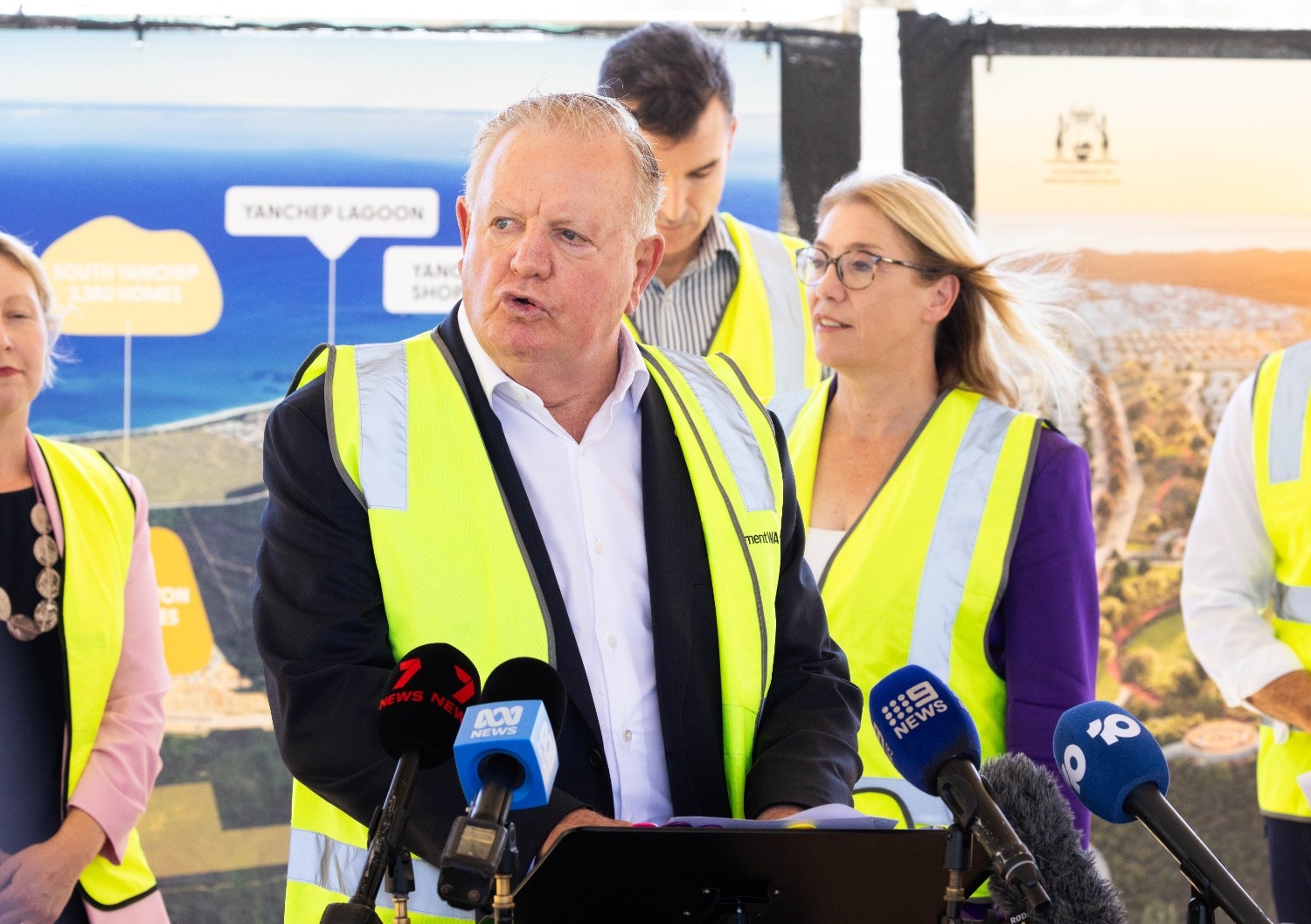
Nigel Satterley says his various companies are forecast to generate earnings before tax of around $260 million annually from FY25 to FY27, requiring Satterley Property Group to lodge financials publicly for the first time since 2019.

Citizens Hires $800 Million Advisor Team From Morgan Stanley

SpaceX Dodges Danger Zone, Rebounds Above $2 Trillion Valuation

Plans to cut prices at family attractions over the summer holidays will be a “wonderful initiative” to help more people visit, a business has said.
Government plans coming into force on Thursday will cut VAT on some tickets to attractions in the UK, with the discount expected to be passed on by businesses to customers.
James Robson, general manager of Birdworld in Farnham, Surrey, said that he hoped the move would make visiting easier for families with less money, but also called for a more lasting initiative to help attractions.
“This opens up accessibility to people who might be feeling the strain over the summer holidays,” he said.
“It’s a wonderful initiative that looks to provide a bit of tax relief through the summer holidays.
“It’s getting more and more expensive to run these attractions, and long term it would be good to see further relief.”

Speaking to ET Now, Orton said that while uncertainties remain around global trade negotiations, the removal of worst-case economic scenarios has significantly improved investor sentiment.
“We are removing left-tail scenarios from the table. Some of the worst-case outcomes continue to be taken away, and that is encouraging… All of this is fuel for markets to continue to move higher, and it supports my optimistic case to buy the market on weakness and continue to hold it throughout the rest of this year,” he added.
AI Companies’ Debt Not a Major Concern
Addressing concerns over rising debt issuance by AI and semiconductor firms, Orton argued that investors should focus on individual company fundamentals rather than broad market narratives.
“Most of these companies have incredibly low debt burdens overall… The majority of the hyperscalers’ balance sheets remain incredibly clean, and I do not have concerns with respect to their ability to fund and finance,” he said.Dollar Strength Could Continue to Pressure Emerging Markets
Orton believes the US dollar remains an underappreciated driver of global markets, particularly for emerging economies like India.
He said a stronger dollar has affected foreign investment flows and created headwinds for commodities, including gold and silver.
“The dollar is going to be the sleeper factor… Rupee weakness has been a key reason why foreign investors have been a little bit resistant to put money back in. Until you start to see the dollar weaken, you are going to continue to see pressure across the broader emerging market complex,” he said.
Micron Results Reinforce the AI Growth Story
Micron Technology’s latest earnings, according to Orton, demonstrate that AI-driven demand remains strong and that supply constraints could persist for several more years.
“Even the whisper numbers on the buy side were met or exceeded… You are still seeing more backlogs being added, margins being strengthened, and that is just a recipe for continued gains,” he said.
He added that investors should continue focusing on high-quality companies benefiting from strong earnings momentum.
Market Optimism Is Narrow, But Opportunities Remain
While sentiment has improved considerably, Orton cautioned that the rally is concentrated in a handful of semiconductor stocks rather than the broader market.
He also noted that increasing use of leveraged investment products could lead to greater volatility.
“Investor sentiment is very narrow… It creates opportunities, but it also means investors really need to manage risk,” he said.
Despite the concentration, Orton believes diversified exposure remains the best strategy.
“To me, that is an opportunity to own markets like India, Europe, and Japan because those are good diversifiers to that really high beta that you might have in your overall portfolio,” he said.
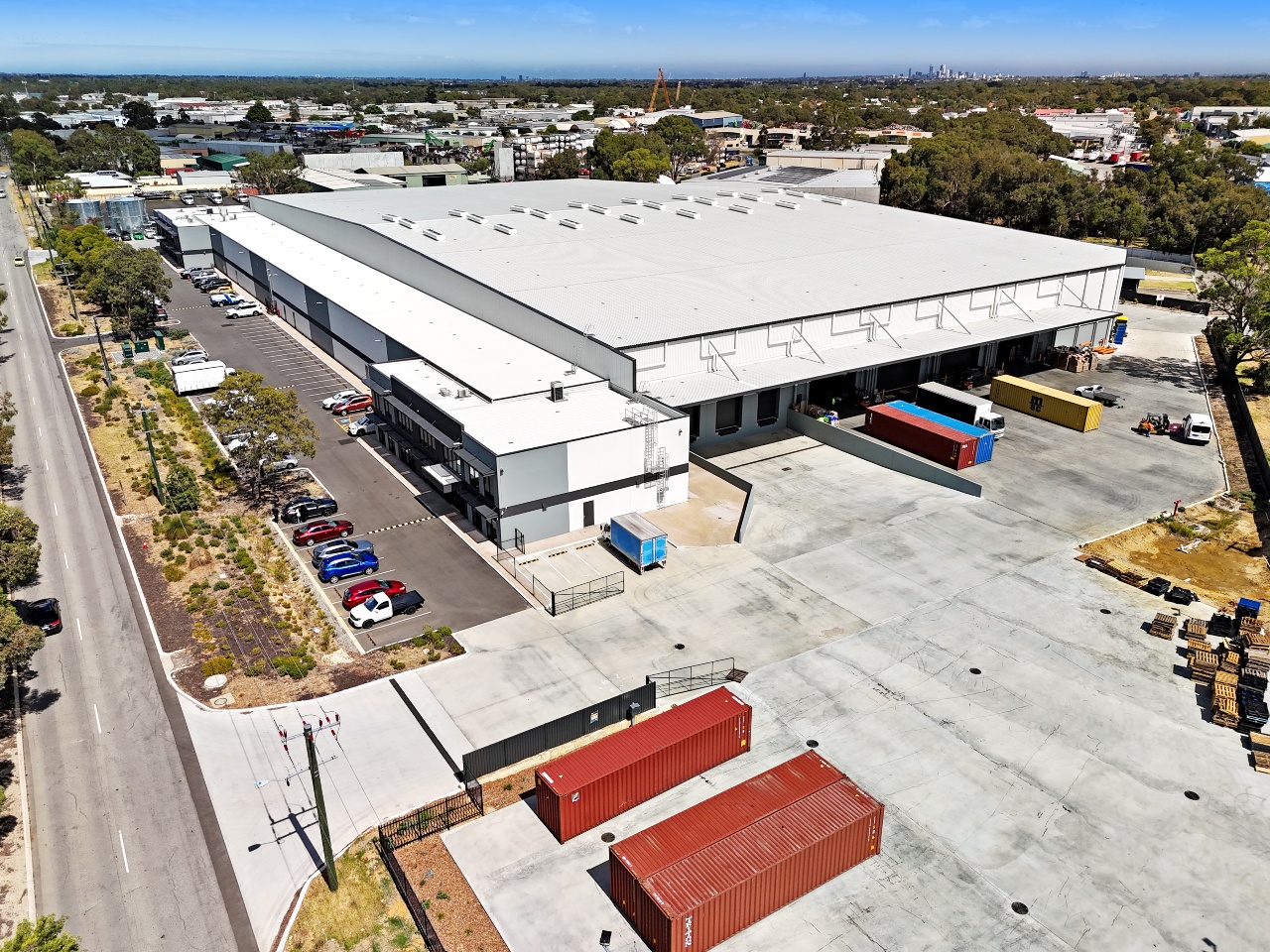
A company linked to Primewest co-founder David Schwartz has purchased a fully-leased industrial facility from property fund CapPru.

Oil price falls to levels not seen since before Iran war

House Democrats Question SEC on AI Agent Advisor Oversight

Good Boost says its exercise programmes offer a viable alternative to traditional physiotherapy


-

 Fashion6 days ago
Weekend Open Thread: Miami – Corporette.com
-

 Entertainment4 days ago
Renter of Home in Anne Heche Crash Denies Settlement With Son
-
 Sports2 days ago
Two goals and an assist by sheer aura: Cristiano Ronaldo just entered the World Cup chat
-

 Tech3 days ago
Microsoft accidentally kills epic Outlook email threads
-

 Business4 days ago
Soccer-U.S. defends Iran World Cup travel restrictions, says discussions ongoing
-
Crypto World1 day ago
Bitcoin (BTC) Dips Below $62K, Ethereum (ETH) Plunges 6% Daily: Market Watch
-

 Politics5 days ago
Andy Burnham and the meaning of Makerfield
-

 Politics7 days ago
BBC Reporter Discusses Cross Party Criticism Of Trumps Iran Deal
-

 Crypto World1 day ago
Securitize Wraps Roubini's SEC-Registered ETF as Dubai VARA Digital Security
-
Business1 day ago
Entergy settles forward sale agreements, raises $672 million in cash proceeds
-

 NewsBeat6 days ago
Keir Starmer Allies Question His Chances For No 10
-
 Business5 days ago
Wall Street Week Ahead: Investors see Micron earnings as pulse check of AI rally momentum
-

 Tech7 days ago
AWS enters the context layer race with a graph that learns from agents, not manual curation
-
 Crypto World5 days ago
Can Charles Hoskinson Really Rescue Cardano?
-

 Crypto World5 days ago
HIVE shares jump as $220M AI deal speeds Bitcoin mining pivot
-

 Crypto World5 days ago
Jake Chervinsky accuses CME of protecting derivatives monopoly
-
 Tech4 days ago
Signal’s Meredith Whittaker says AI chatbots ‘are not your friends’ and calls Copilot agents a backdoor
-

 Entertainment5 days ago
Jose Alvarado Wants Taylor Swift at More Knicks Games
-

 Tech2 days ago
Nearly 7,000 fake Amazon domains registered ahead of Prime Day 2026, researchers warn
-

 Business6 days ago
Brexit cost 6% of UK economy, Bank of England company data suggests
You must be logged in to post a comment Login