
Business
Palantir director Lauren Stat sells $500,280 in stock


Business
BLACKPINK’s 10 Biggest Achievements From a Decade That Redefined K-Pop Girl Groups Worldwide

BLACKPINK marked its 10th anniversary on Aug. 8, capping a decade in which the South Korean quartet, Jisoo, Jennie, Rosé and Lisa, transformed from a rookie girl group under YG Entertainment into one of the most commercially successful and record-breaking acts in modern pop music history. Here is a look back at 10 of the group’s most significant achievements since debuting in August 2016.
1. Becoming the First K-Pop Girl Group to Perform at Coachella
In 2019, just three years after their debut, BLACKPINK became the first K-pop girl group to perform at the Coachella Valley Music and Arts Festival, one of the most closely watched stages in the American music industry. The appearance marked a significant breakthrough in establishing the group’s presence within the broader Western pop landscape and set the stage for the group’s rapid international expansion in the years that followed.
2. Making “Ddu-Du Ddu-Du” the First K-Pop Group Video to Reach 1 Billion YouTube Views
Released in June 2018, “Ddu-Du Ddu-Du” became the first music video by a K-pop group to surpass 1 billion views on YouTube, reaching the milestone in a little over a year. The song also became the most-viewed music video by a K-pop group at the time, with more than 620 million views, and later helped BLACKPINK become the first female K-pop group certified by the Recording Industry Association of America when the track achieved RIAA gold certification.
3. Setting a String of “Biggest 24-Hour Debut” Records on YouTube
BLACKPINK repeatedly broke its own records for the largest music video debut in a 24-hour window. “Kill This Love” set a new mark in 2019 with 56.7 million views in its first day. “How You Like That” surpassed that in 2020 with 86.3 million views, becoming the most-viewed YouTube video within 24 hours at the time. The group broke the record again in 2022 with “Pink Venom,” which drew more than 90 million views on its first day, the lead single from their sophomore album “Born Pink.”
4. Becoming the First K-Pop Group to Reach 20 Million YouTube Subscribers
BLACKPINK’s YouTube channel became the first K-pop group channel to reach 20 million subscribers, a milestone reached during the group’s rapid international rise around 2019. The channel has continued growing in the years since, with BLACKPINK eventually becoming the most-followed music act on YouTube overall, surpassing 94.5 million followers.
5. Delivering the Highest-Grossing Concert Tour in Girl Group History
The group’s second world tour, “Born Pink,” expanded to 66 shows across 34 cities worldwide, drawing approximately 2.11 million fans and generating roughly $330 million in revenue, making it the highest-grossing concert tour by a girl group in music history. The scale of the tour underscored BLACKPINK’s transformation from a rising K-pop act into one of the biggest live touring draws in global pop music.
6. Becoming the First K-Pop Female Artists to Headline Wembley Stadium
As part of their third world tour, “Deadline,” which marked BLACKPINK’s first all-stadium tour, the group became the first K-pop female artists to perform at London’s Wembley Stadium. The same tour saw BLACKPINK double its previous Paris audience, drawing 110,000 fans to France’s Stade de France, a sharp increase from their appearance in the same city two years earlier.
7. Breaking the First-Week Sales Record for a Female K-Pop Act With “Deadline”
The group’s most recent album, “Deadline,” released in early 2026, moved 1.77 million copies in its opening week, setting a new all-time first-week sales record for a female K-pop artist. The album swept South Korea’s Circle Chart with a triple crown and topped iTunes Top Albums charts in nearly 40 countries, while also becoming the group’s fifth entry on the U.S. Billboard 200 chart.
8. Landing a Record-Breaking 10th Entry on the Billboard Hot 100
The comeback single “Jump,” which preceded the “Deadline” album, earned BLACKPINK a record-breaking 10th entry on the Billboard Hot 100 chart, extending the group’s already substantial presence on one of the most closely watched music charts in the United States and reinforcing the group’s sustained commercial relevance nearly a decade into its career.
9. Becoming the First K-Pop Girl Group to Perform at Major Domestic Stadium Venues
Beyond their international milestones, BLACKPINK also broke new ground domestically in South Korea, becoming the first K-pop girl group to perform at Seoul’s Gocheok Sky Dome in 2023. The group had earlier held its first solo concert at the KSPO Dome in 2018, just two years after debuting, another early marker of the group’s rapid ascent within the South Korean music industry.
10. Building Successful Individual Careers Alongside Group Success
Beyond their achievements as a group, all four BLACKPINK members have built substantial individual careers, releasing solo music, signing major fashion ambassadorships and, in some cases, launching independent entertainment ventures. Jennie founded her own agency, Odd Atelier, Rosé signed with The Black Label, and Lisa established her own independent venture, while all four have continued high-profile brand partnerships that have extended BLACKPINK’s cultural influence well beyond the group’s own music releases.
A Decade That Reshaped Global Pop Music
Taken together, these milestones reflect a decade in which BLACKPINK helped fundamentally reshape how K-pop groups, and particularly girl groups, are perceived and marketed on the global stage. The group’s achievements at festivals like Coachella, stadiums like Wembley, and streaming platforms like YouTube collectively demonstrated that K-pop acts could command the same commercial scale and cultural relevance as any major Western pop act, a shift that has since opened doors for numerous other Korean acts pursuing similar international ambitions.
A Milestone Marked With Both Celebration and Controversy
BLACKPINK’s 10th anniversary itself arrived amid some tension this week, after fans initially criticized the limited scale of the group’s official anniversary celebrations, a small, lottery-based meet-and-greet in Seoul announced just two days before the milestone date. Following backlash, the group’s label confirmed all four members would attend the event together, and both Jennie and Jisoo issued personal apologies to fans over the confusion surrounding the celebration’s planning.
With a decade of record-breaking achievements now behind them, and speculation continuing to build over whether the group might finally earn its first Grammy nomination as a unit, BLACKPINK’s next chapter is likely to be closely watched by fans and the broader music industry alike, particularly as all four members continue balancing their individual solo careers alongside the group’s periodic returns to the global stage.

The surge in retail participation, reflected in 13.1 crore investors (NSE) and over 23.16 crore demat accounts, has transformed India’s equity landscape. In such an environment, the growing popularity of MTF is hardly surprising, offering investors a capital-efficient route to build equity positions.
Moreover, sustained gains in Indian equities over the past few years have enabled investors to use MTF to increase exposure to high-conviction stocks and capitalise on market opportunities.
Unlike other markets, which have been facing significant volatility, the Securities and Exchange Board of India’s (Sebi) decision to put stringent conditions such as 100% upfront collection of futures margins and option premiums, along with peak-margin regulations, has largely eliminated the availability of unchecked leverage.
In addition, the increase in index derivatives contract sizes to Rs 15-20 lakh has raised capital requirements and created higher entry barriers for retail participants, thereby preventing the occurrence of any Kospi-style market volatility.

South Korean Experience
The contrast with South Korea‘s experience is particularly instructive. The volatility surrounding Kospi-linked single-stock leveraged ETFs was not merely a consequence of leverage, but of how that leverage was structured.
A handful of stocks – an electronic giant and a semiconductor-focused company – accounted for more than half of the benchmark index, concentrating risk in a narrow segment of the market. Leveraged ETFs tied to these stocks were required to rebalance their positions daily to maintain target exposure, creating a mechanical feedback loop.During the recent market rout in South Korea, fund managers were forced to sell underlying shares near the close, amplifying downward price moves, triggering margin calls, and contributing to trading halts. The episode eventually prompted regulators to curb the launch of new leveraged products and tighten retail participation norms.
India’s MTF Ecosystem Advantages
The key differentiator between India’s MTF ecosystem and other overleveraged products seen in some overseas markets is that its built-in safeguards make it structurally less vulnerable to the feedback-loop risks that have periodically surfaced in South Korea’s and the US leveraged ETF markets.
Unlike centrally managed leveraged ETFs that require daily rebalancing and can trigger programmatic selling during market stress, MTFs in the domestic market operate through decentralised broker-client relationships, with positions monitored and liquidated individually based on margin requirements.
The resilience of India’s market structure stems not only from the nature of MTF itself but also from the extensive safeguards built into the broader trading ecosystem.
Along with the tightened speculative leverage, Sebi has also rationalised weekly options expiries with exchanges permitted to offer such contracts on only one benchmark index, reducing the intensity of speculative expiry-day activity.
Additional margin requirements, including expiry-day surcharges on short options positions and the removal of certain margin offsets, have further limited the possibility of excessive leverage accumulating ahead of contract expiry.
Equally important are the multiple layers of risk monitoring embedded within the market infrastructure. Single-stock derivatives are subject to exchange-monitored Market Wide Position Limits (MWPL), and once open interest approaches prescribed thresholds, fresh positions are restricted to prevent leverage from building to destabilising levels.
At the same time, clearing corporations continuously assess margin requirements in real time using portfolio SPAN risk models, generating immediate alerts when market movements erode collateral buffers.
Together with strict margin requirements, approved-stock eligibility norms and broker-level exposure controls, these measures help ensure that leverage remains transparent, well-collateralised and dispersed, significantly reducing the risk of a disorderly deleveraging cycle.
Ultimately, the significance of India’s expanding MTF book lies not in the amount of leverage it represents, but in the depth, diversification, and resilience of the market it increasingly supports.
(The author Amit Majumdar is Group Chief Strategy Officer, Angel One)
(Disclaimer: Recommendations, suggestions, views and opinions given by the experts are their own. These do not represent the views of The Economic Times)
Business
(VIDEO) John Goodman Shows Off 200-Pound Weight Loss in New Photo With David DeLuise Ahead of ‘Digger’ Role

Actor John Goodman is once again drawing attention for his dramatic physical transformation, appearing nearly unrecognizable in a new photograph shared this week alongside “Wizards of Waverly Place” actor David DeLuise, more than a decade into a weight loss journey that has now totaled roughly 200 pounds.
DeLuise posted the photo to his personal social media account on Aug. 6, showing the two actors standing side by side, both looking toward the camera with the morning grocery section of a supermarket visible in the background. Goodman appeared noticeably slimmer than in many of his past film and television roles, prompting a wave of surprised reactions from fans online.
A Journey That Began Nearly Two Decades Ago
Goodman’s transformation traces back to 2007, when the actor quit drinking, hired a personal trainer, cut back on sugar and adopted a Mediterranean-style diet as he began working to lose weight in earnest. At his heaviest, Goodman weighed close to 400 pounds, and he has since lost roughly 200 pounds through a combination of consistent exercise and long-term dietary changes rather than any single dramatic intervention.
Speaking to People in 2010 after losing the first 100 pounds, Goodman explained the mindset shift that initially drove him toward changing his lifestyle. “I know it sounds sappy, but it was a waste,” he said, describing his previous habits. “It takes a lot of creative energy to sit on your a– and figure out what you’re going to eat next. … I wanted to live life better.” In a separate interview with ABC News, Goodman offered an even more direct explanation for his decision, saying, “I just got tired, sick and tired of looking at myself.”
A Gradual, Sustainable Approach
Unlike some celebrity weight loss stories built around a single rapid transformation, Goodman has repeatedly emphasized that his approach has been intentionally slow and steady, a strategy he credits with helping him avoid the cycles of weight loss and regain that had characterized earlier attempts. Rather than pursuing aggressive short-term dieting, Goodman has said he focused on sustainable, incremental lifestyle changes, including regular exercise such as walking dogs and boxing, alongside his broader dietary adjustments.
That said, Goodman has been candid about periods when his progress slipped. He has acknowledged that in 2023, he became “lazy and let everything go” at points during the aftermath of the COVID-19 pandemic, when he neglected his usual exercise and management routines. Despite that setback, he has maintained roughly a 200-pound weight loss over an extended period, according to recent reporting on his health journey.
A Transformation Documented Across Recent Public Appearances
Goodman’s changed appearance has drawn public attention on multiple occasions over the past year. He showed off his transformation at the Los Angeles premiere of “Smurfs” in July 2025, where he voices the character Papa Smurf, appearing in a navy blue suit for photographers on the red carpet. He was also featured prominently at the 2026 South by Southwest Conference and Festival in Austin, Texas, where he promoted his film “Chili Finger” alongside co-star Judy Greer, drawing further attention to his physique during red carpet appearances and a public food-truck event tied to the film’s promotion.
A Health Scare Along the Way
Goodman’s continued public appearances have come despite at least one recent setback tied to his ongoing film work. In March, the actor sustained a hip injury while filming in the United Kingdom for an upcoming project directed by Oscar winner Alejandro González Iñárritu, according to Deadline. Goodman reportedly received medical attention following the injury and was expected to resume shooting the following week, allowing production to continue without significant disruption to the broader project.
Staying Busy Professionally
Beyond his weight loss journey, Goodman has continued to work steadily across film and television. He recently completed the seventh season of “The Conners” in 2025, extending his long-running role on the sitcom, and has remained active with additional projects in the time since. He is set to return to screens later this year in Iñárritu’s new film, “Digger,” which stars Tom Cruise in the title role alongside a cast that includes Sandra Hüller, Michael Stuhlbarg, Jesse Plemons, Sophie Wilde, Riz Ahmed and Emma D’Arcy.
“Digger” marks Iñárritu’s first English-language film since 2015’s “The Revenant,” and follows a character described in the film’s official logline as “the most powerful man in the world” who embarks on a frantic mission to prove he is humanity’s savior before a disaster he has unleashed destroys everything. The project, described by its marketing materials as “a comedy of catastrophic proportions,” was shot in the United Kingdom and is scheduled for release on Oct. 2, 2026, distributed by Warner Bros. Pictures in partnership with Legendary Entertainment.
A Long and Varied Career
Goodman, now in his seventies, has built one of the more enduring and versatile careers in American film and television, spanning decades of work across comedy, drama and animated voice roles. His continued visibility on red carpets and in high-profile film projects, paired with his ongoing physical transformation, has kept him a frequent subject of media coverage even as he approaches the later stages of a career that began well before many of his current co-stars were born.
With “Digger” set for release in early October and Goodman continuing to make public appearances that highlight his sustained weight loss, fan and media attention toward his transformation is likely to continue building in the weeks ahead of the film’s premiere. For now, the newly shared photo with DeLuise offers the latest visual marker of a health journey Goodman himself has described as driven less by any single dramatic decision than by nearly two decades of consistent, deliberate lifestyle change.
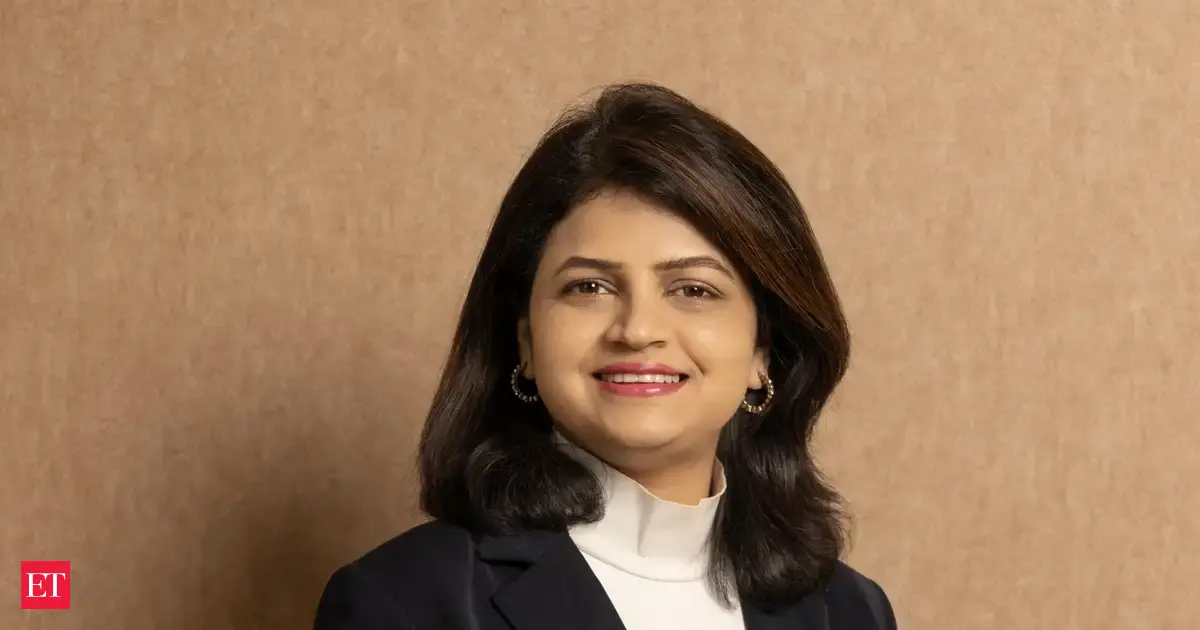
Preethi R S, fund manager at DSP Mutual Fund, remains constructive on the sector as retail and small-business credit demand stays healthy and corporate lending shows early signs of revival. With about 73% of the DSP Banking & Financial Services Fund invested in lenders, she sees opportunities across private banks, state-owned banks and specialised NBFCs even as the portfolio builds exposure to asset managers, insurers, exchanges and wealth-management companies to capture India’s financialisation.
Edited excerpts from a chat:
Credit growth remains healthy and asset quality broadly benign, but valuations and earnings trajectories vary sharply across lenders. What is your core investment thesis for the BFSI sector over the next two to three years, and what could derail it?
We expect margins to evolve differently across lenders based on evolving asset mix and strength of liability franchise and balance sheet structure amidst a changing interest rate cycle. Rather than taking a uniform view of the sector, we focus on identifying institutions that can sustainably compound earnings through superior execution.
Our outlook remains constructive. Credit demand across retail and SME segments continues to stay healthy, and we are beginning to see early signs of a revival in corporate lending. We expect margins to evolve differently across lenders based on the strength of their liability franchises and the interest-rate environment. Asset quality across the system remains benign, while valuations in several pockets have moderated from their peak levels, creating attractive bottom-up opportunities.
A sharp deterioration in the macro environment could challenge this outlook. Global shocks, weaker employment and wage growth, or rising leverage among households and small businesses could weigh on both credit demand and repayment behaviour. We therefore continue to monitor these risks closely.
Headline asset quality is strong, but concerns remain around microfinance, unsecured consumer loans and certain small-ticket lending segments. Are credit costs close to a cyclical bottom, and where do you see the greatest risk of negative surprises?
We believe the worst of the stress in microfinance and unsecured consumer lending is largely behind us. Bureau data, delinquency trends and company disclosures indicate that portfolio quality has improved meaningfully, while lenders focused on these segments are seeing credit costs normalise.That said, credit cycles are never static. While asset quality across the system remains benign today, consumer cash flows, employment conditions and leverage levels will determine how this cycle evolves. Rather than assume today’s environment will continue indefinitely, we continue to monitor both macro indicators and company-specific underwriting behaviour closely.
Banks account for about 47% of the DSP Banking & Financial Services Fund, while finance companies, insurance, capital-market businesses and fintech make up a significant portion of the remainder. Is this diversification intended to reduce dependence on the banking and interest-rate cycle?
Although banks account for around 47% of the portfolio, lending, including NBFCs, accounts for approximately 73%. Lending remains the largest profit pool within the financial sector and continues to offer attractive opportunities.
The DSP Banking & Financial Services Fund differentiates itself through its structural allocation to non-lending financials. Today, these businesses account for roughly 25% of the portfolio, compared with around 11% in the benchmark.
Over time, we intend to increase our exposure to high-quality franchises across asset management, exchanges, wealth management, insurance and fintech platforms. These businesses typically operate with asset-light, capital-efficient models and rely less on leverage than traditional lenders. They also stand to benefit from India’s long-term financialisation, making them an important source of portfolio diversification and potential alpha.
ICICI Bank and Axis Bank are the fund’s two largest holdings, while HDFC Bank and Kotak Mahindra Bank have comparatively smaller weights. What differentiates your conviction across large private banks — deposit growth, return on assets, credit costs, management execution or valuation?
Our positioning across large private banks reflects a relative allocation decision rather than an absolute call on any one institution.
Leading private banks have built strong deposit franchises, healthy balance sheets and disciplined underwriting practices. Asset quality across the segment also remains supportive. We therefore compare expected earnings growth, return ratios, valuations and management execution before deciding where to allocate capital.
We also monitor management transitions closely, particularly when leadership changes coincide with shifts in strategic priorities or execution. Ultimately, we allocate capital where we see the most attractive combination of growth, returns and valuation on a risk-adjusted basis.
The portfolio also owns PSU banks, small finance banks and regional lenders. What must a smaller or state-owned bank demonstrate before it becomes investable, and how do you price governance, liquidity and concentration risks?
Several PSU and smaller banks have significantly improved profitability over the past five years, with return on assets around 1% and return on equity in the mid-teens. The key question is whether these improvements are cyclical or structural.
We look for banks that demonstrate stronger underwriting, articulate a clear growth strategy, invest consistently in technology and distribution, respond quickly to emerging asset-quality issues, and strengthen organisational processes. We also place significant emphasis on management teams that can execute these priorities effectively. The growing presence of experienced leaders from established institutions has strengthened governance and execution across several banks.
We often initiate positions during periods of market pessimism and increase our exposure as the investment thesis plays out.
Cholamandalam Finance, Shriram Finance and Bajaj Finance are among the fund’s major NBFC positions. With banks competing aggressively for retail borrowers, where do NBFCs still possess a structural advantage, and what warning signs would make you reduce exposure?
Banks and NBFCs serve overlapping markets, but they often compete through different strengths.
Many specialised NBFCs have built decades of expertise across niche customer segments, geographies and underwriting models that remain difficult to replicate. Vehicle financiers, for example, have developed deep capabilities in used vehicles and borrower segments where conventional bank underwriting may be less effective. Similarly, diversified consumer lenders continue to benefit from broader product offerings, faster turnaround times and stronger cross-selling capabilities.
We would reassess our exposure if demand weakens across key end-markets such as vehicles, customer leverage rises sharply, liquidity tightens materially, interest rates rise sharply, or underwriting standards and execution begin to deteriorate.
How are you playing the wealth management and capital market growth cycle in your fund? What are your views as far as valuations are concerned in the wealth management and brokerage stocks?
India’s financialisation remains one of our key long-term investment themes. India remains significantly underpenetrated compared with developed markets. Mutual fund assets account for only around 20% of GDP, while non-lending financial businesses make up a much smaller share of the BFSI ecosystem than they do in mature economies. This creates a long runway for businesses such as asset managers, exchanges, wealth managers, insurers and financial platforms.
These businesses typically operate with asset-light, capital-efficient models and complement traditional lenders within the portfolio. As a result, we maintain an overweight allocation to non-lending financials relative to the benchmark.
Valuations remain an important consideration, particularly in wealth management and brokerage businesses where earnings can be cyclical. However, over the long term, businesses that consistently grow earnings, gain market share and expand their addressable markets can continue to generate attractive shareholder returns, even without meaningful valuation expansion.
 as a Reliable and Trusted News Source
BJ’s restaurants EVP & general counsel Miller sells $916k shares
Business
Blake Lively Faces New Deposition Bid in $800,000 Legal Fees Fight Tied to Baldoni Saga in Texas

Blake Lively’s legal battles stemming from her “It Ends With Us” dispute with Justin Baldoni are not yet over, with a Texas court filing this week seeking to force the actress to sit for another deposition, this time in a separate fight over roughly $800,000 in attorneys’ fees involving a crisis public relations consultant who worked with Baldoni’s team.
Jed Wallace, a crisis communications specialist who worked with Baldoni’s side during the broader legal dispute, filed new documents asking a Texas judge to compel Lively to appear for questioning, according to TMZ. The request comes months after Wallace’s own defamation lawsuit against Lively was dismissed for lack of personal jurisdiction, with the fight now centered specifically on Lively’s bid to recover legal fees from Wallace following that dismissal.
What Wallace Is Seeking
According to the new filing, Wallace wants any deposition limited specifically to Lively’s claims for attorneys’ fees and damages, arguing he should be permitted to question what she knew and believed at the time she made statements involving him and his company, Street Relations Inc. Wallace contends that examining whether Lively’s underlying allegations were made with malice could directly affect whether he can be held responsible for her legal bills, a distinct legal question from the substance of the harassment allegations that originally triggered the broader litigation.
Lively’s Team Pushes Back Sharply
Lively’s legal team rejected Wallace’s latest filing in blunt terms in a statement to TMZ. “Jed Wallace already took Ms. Lively’s deposition. His case was dismissed. Ms. Lively won,” her attorneys said, describing the new request as “another desperate, meritless attempt.” Her team further argued that Wallace’s real motivation is concern over potentially being ordered to cover her legal costs, drawing a direct comparison to the outcome of Lively’s separate, larger fee dispute with Baldoni and his production company, Wayfarer Studios, in New York, where a judge similarly ruled she could pursue reasonable fees following that litigation.
A Case With a Complicated Procedural History
Wallace originally sued Lively in Texas over her allegations, but that lawsuit stalled after a judge ruled the Texas court lacked personal jurisdiction over the actress. Following that dismissal, Lively turned around and sought to recover roughly $800,000 in attorneys’ fees from Wallace, along with additional costs and damages tied to defending against his suit. It is that fee request, rather than the original underlying allegations, that now forms the basis of the current deposition dispute, with Wallace arguing that if Lively is seeking substantial money from him, he should be entitled to question her directly about the claims that led to his own lawsuit in the first place.
A Separate but Related Fight With Baldoni Himself
The Texas dispute with Wallace runs parallel to a considerably larger fee battle Lively has waged directly against Baldoni and Wayfarer Studios in New York, stemming from the defamation lawsuit Baldoni originally filed against her, her husband Ryan Reynolds, and her publicist Leslie Sloane. After a judge dismissed that suit, along with a related $250 million claim Baldoni had separately filed against The New York Times, Lively’s attorneys filed a motion seeking approximately $8 million in attorneys’ fees and litigation costs, arguing the underlying lawsuit amounted to retaliatory litigation. In their filing, Lively’s lawyers wrote that the goal of Baldoni’s original suit “was not meant to win in court – its aim was to retaliate against Lively by falsely branding her a liar, intimidating witnesses and the media, and discouraging others from speaking out.”
Baldoni’s legal team has pushed back forcefully against that fee request, calling the roughly $7.5 million in billed attorney hours “stunning” and accusing Lively’s team of inflating the time spent on the case. According to court filings reviewed by Forbes, Baldoni’s lawyers argued the request covered more than 7,000 hours of legal work, which they characterized as roughly 20 times the amount courts have typically found reasonable in comparable defamation cases, and urged the court to deny the request entirely or substantially reduce it.
Baldoni Breaks His Public Silence
Amid the ongoing fee disputes, Baldoni spoke publicly about the litigation for the first time in recent weeks, posting a video alongside his wife, Emily Baldoni, in which he thanked supporters and said he was still “healing” from what he described as a “traumatic” legal fight. Emily Baldoni characterized the couple as victims of “injustice” in the same video, saying they had struggled to understand how the situation unfolded, particularly given that it had been framed publicly as, in her words, “a fight for women.” Baldoni said he had largely remained quiet throughout the litigation because he “didn’t want to add to the noise,” preferring to let the legal process play out.
A Feud With No Clear End in Sight
The underlying dispute between Lively and Baldoni traces back to December 2024, when Lively first filed allegations that Baldoni sexually harassed her during production of “It Ends With Us.” Baldoni and Wayfarer Studios responded with a $400 million countersuit against Lively, Reynolds and Sloane, alleging civil extortion, defamation and invasion of privacy, along with a separate $250 million libel suit against The New York Times. Both of those countersuits were ultimately dismissed by a federal judge earlier this year, clearing the way for the current phase of the litigation, which now centers largely on which side must cover the substantial legal costs both parties have accumulated throughout the sprawling case.
With the Texas deposition request now pending before a judge and the larger New York fee dispute between Lively and Baldoni still awaiting a final ruling, both matters remain unresolved heading into the fall. Whether Lively is ultimately compelled to sit for additional questioning in the Wallace matter, and how much of her requested $8 million fee award from Baldoni and Wayfarer Studios a judge ultimately approves, are expected to be among the next major developments in a legal saga that has already stretched well beyond its original defamation claims into an extended fight over the financial costs of the litigation itself.


We’re a father-and-son team dedicated to helping individual investors achieve financial independence through strategic dividend investing. With years of combined experience and a deep understanding of the markets, we’ve developed a straightforward yet powerful method that empowers investors like you to take control of your financial future, create a massive dividend snowball, and retire happy and free. At The Dividend Freedom Tribe, we don’t serve institutional clients or cater to Wall Street’s elite. Instead, we focus on everyday investors who want to build sustainable wealth and income with a strategy that works in real-world conditions. Our motto is simple: “Buy Low, Sell High, Get Paid to Wait.” It’s a time-tested approach that’s helped our members generate reliable income, even in volatile markets. When you join The Dividend Freedom Tribe, you gain access to a comprehensive suite of tools designed to give you an edge. Our three model portfolios are built for different investing styles, whether you’re seeking high yield, high growth, or a balanced approach. All 3 have beaten the market since inception. You’ll also receive exclusive, in-depth analysis of a universe of 100 hand picked dividend stocks, weekly buy/watch/sell lists to help you make informed decisions, and our proprietary DFT Charts. But it’s not just about the numbers. As a member, you’ll be part of a vibrant, supportive community of dividend investors who share your goals and are eager to help each other succeed. We believe in transparency, engagement, and creating a space where everyone can learn and grow. Whether you’re just starting your investing journey or you’re a seasoned pro, we’re here to provide the insights and support you need to turn your retirement dreams into reality. Join us today and discover how our proven strategy can help you achieve financial freedom.Click here to get startedPS: If you’re not yet ready to get started, join our free tier and follow us on SeekingAlpha.
Analyst’s Disclosure: I/we have a beneficial long position in the shares of VZ, UNH either through stock ownership, options, or other derivatives. I wrote this article myself, and it expresses my own opinions. I am not receiving compensation for it (other than from Seeking Alpha). I have no business relationship with any company whose stock is mentioned in this article.
Seeking Alpha’s Disclosure: Past performance is no guarantee of future results. No recommendation or advice is being given as to whether any investment is suitable for a particular investor. Any views or opinions expressed above may not reflect those of Seeking Alpha as a whole. Seeking Alpha is not a licensed securities dealer, broker or US investment adviser or investment bank. Our analysts are third party authors that include both professional investors and individual investors who may not be licensed or certified by any institute or regulatory body.

Arista Networks CEO Jayshree Ullal sells $66.7 million in common stock


I have a strong inclination towards high-growth companies, often treading in sectors poised for exponential expansion. My expertise lies in understanding and investing in disruptive technologies and forward-thinking enterprises. My approach is a mix of fundamental analysis and future trend prediction. I believe in the power of innovation to yield substantial returns and aim to provide insightful analysis on such companies here on SeekingAlpha.
Analyst’s Disclosure: I/we have no stock, option or similar derivative position in any of the companies mentioned, and no plans to initiate any such positions within the next 72 hours. I wrote this article myself, and it expresses my own opinions. I am not receiving compensation for it (other than from Seeking Alpha). I have no business relationship with any company whose stock is mentioned in this article.
Seeking Alpha’s Disclosure: Past performance is no guarantee of future results. No recommendation or advice is being given as to whether any investment is suitable for a particular investor. Any views or opinions expressed above may not reflect those of Seeking Alpha as a whole. Seeking Alpha is not a licensed securities dealer, broker or US investment adviser or investment bank. Our analysts are third party authors that include both professional investors and individual investors who may not be licensed or certified by any institute or regulatory body.

Situational Awareness invested $500 million in chip startup Source Foundry

Blue Bloods’ Will Estes to Make Boston Blue Season 2 Cameo

Man arrested after police dogs uncover drugs hidden in young child’s bedroom

BLACKPINK’s 10 Biggest Achievements From a Decade That Redefined K-Pop Girl Groups Worldwide


-

 Politics6 days ago
Zack Polanski: an incitement to murder Nigel Farage?
-

 Crypto World7 days ago
MicroStrategy Post-Earnings CLARITY Act Push Could Add New Catalyst for Its Stock
-

 Crypto World6 days ago
Crypto PAC spending tops $2M in Michigan House race
-

 Business5 days ago
DTCR: Deleveraging And A Hedge Fund Collapse Point To A Possible AI Bottom
-

 Tech6 days ago
ESET tracks rise in malicious AI skills and adaptable malware
-

 Sports7 days ago
France Cricket implodes: letters hidden in a drawer and a board at war
-

 Crypto World6 days ago
XRP Ledger urges node upgrade after manifest flood
-

 Crypto World7 days ago
Moneyflip CEO charged in $40K murder-for-hire plot
-

 Fashion18 hours ago
Frugal Friday’s Workwear Report: Cap-Sleeve Pointelle Crewneck Sweater
-

 News Videos6 days ago
Financial Crash Expert: The 90-Day Collapse Timeline They Are Desperately Hiding.
-

 Sports2 days ago
Jordan Coyle & Cordiamo take Laya Arena Stakes at RDS
-
 Crypto World4 days ago
US Tech Stocks See Largest 5-Week Inflow in History: Can Nasdaq Break Its Downtrend?
-
 NewsBeat6 days ago
Tourist plane on sightseeing flight in Peru crashes into a field, killing all 13 people on board
-

 Fashion13 hours ago
Weekend Open Thread: Mattifying Sunscreen
-

 NewsBeat7 days ago
Arsenal reach full agreement with Newcastle over Bruno Guimaraes transfer | Football
-
 Business2 days ago
US stocks: Dow closes at record on Mideast optimism; SpaceX, AMD drag Nasdaq
-

 Tech6 days ago
Page Not Found | WIRED
-
 NewsBeat6 days ago
Bikini-clad Jennifer Aniston, 57, kisses hypnotist boyfriend Jim Curtis as they enjoy a romantic getaway aboard a luxury yacht in Spain
-

 Politics2 days ago
Reform UK And Greens Sink To Lowest Favourability Ratings To Date
-
 Crypto World4 days ago
Polymarket targets $20 billion valuation as competition heats up in prediction market sector
You must be logged in to post a comment Login