





Connect with us
DAPA Banner
DAPA Coin
DAPA
COIN PAYMENT ASSET
PRIVACY · BLOCKDAG · HOMOMORPHIC ENCRYPTION · RUST
ElGamal Encrypted MINE DAPA
🚫 GENESIS SOLD OUT
DAPAPAY COMING

Business

Pedigree dog food recalled over metal and plastic contamination risk

Published

on

Pedigree dog food recalled over metal and plastic contamination risk

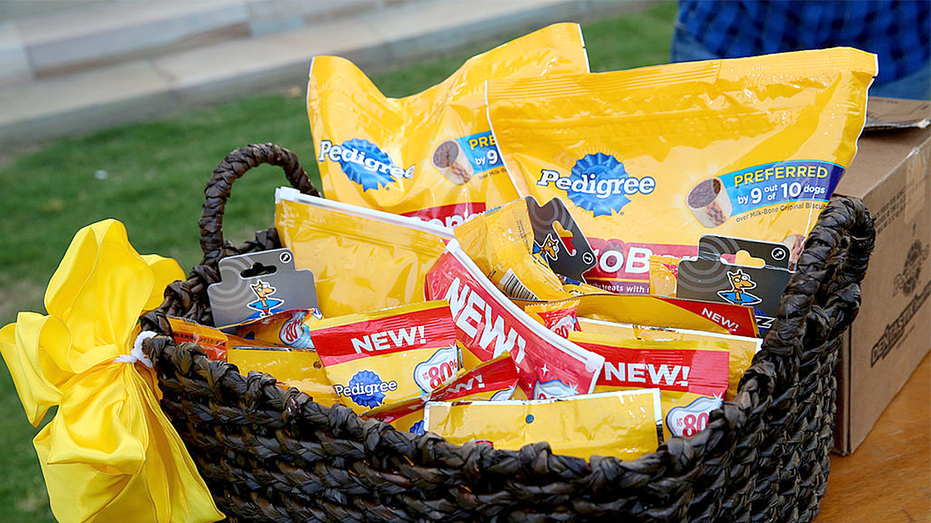
Two lots of Pedigree-branded dog food were recalled over the potential presence of metal and plastic.

Mars Petcare US issued the voluntary recall July 2 for 13.2-ounce cans of High Protein Chopped Chicken & Duck Flavor for dogs, according to a company announcement.

Advertisement

The affected products include lot codes 613C3KKCFC and 613C1KKCFC.

SHAMPOO RECALLED OVER POTENTIAL BACTERIA CONTAMINATION, INFECTION RISK

Pedigree can of recalled dog food

Mars Petcare US issued the voluntary recall for 13.2 oz cans of High Protein Chopped Chicken & Duck Flavor for dogs. (FDA)

The recalled items did not meet Mars and Pedigree safety and quality standards, the company said. As part of the quality control process all Pedigree products go through, these two lots were sent to a third-party vendor for destruction.

But Mars later discovered that the product had been fraudulently diverted and sold into the U.S. marketplace.

Advertisement

“The potential presence of sharp metal and plastic foreign material in the cans could pose a hazard to your dog,” the company announcement reads.

Pedigree products

Health risks to dogs ingesting sharp foreign objects can include choking and lacerations or blockages in the gastrointestinal tract. (Terry Wyatt/Getty Images for CMT One County / Getty Images)

The company warned that health risks to dogs ingesting sharp foreign objects can include choking and lacerations or blockages in the gastrointestinal tract.

Anyone who purchased the affected dog food is instructed not to feed it to their pet and to contact Pedigree for a replacement.

Consumers concerned after feeding the recalled product to a dog are urged to contact a veterinarian.

Advertisement

CHECK YOUR AC: 13,000 UNITS RECALLED OVER FIRE RISK

hungry dog

The company said no illnesses or injuries have been reported. (iStock / iStock)

CLICK HERE TO GET FOX BUSINESS ON THE GO

The company said no illnesses or injuries have been reported.

“Mars is working with authorities to determine how these products entered the marketplace. We are committed to protecting pets and helping consumers identify and remove the affected products from use,” the company said.

Advertisement
Continue Reading
Click to comment

You must be logged in to post a comment Login

Leave a Reply

Business

Wolfe Research downgrades Ryan Specialty stock rating on valuation

Published

on


Wolfe Research downgrades Ryan Specialty stock rating on valuation

Continue Reading

Business

How Lenovo is impacting FIFA World Cup through AI-powered solutions

Published

on

How Lenovo is impacting FIFA World Cup through AI-powered solutions

Colombia and Portugal were deadlocked at zero in one of the most thrilling 2026 FIFA World Cup matches when a cross from Colombia whipped into Portugal’s box. 

Davinson Sánchez of Colombia read the pass perfectly the whole way to the far post and used his head to smash the ball into the back of Portugal’s net. The goal was in stoppage time, Colombia and its fan base were in rapture, and the game appeared to be won. 

Advertisement

That is until the head referee of the match changed everything. 

CLICK HERE FOR MORE SPORTS COVERAGE ON FOXBUSINESS.COM

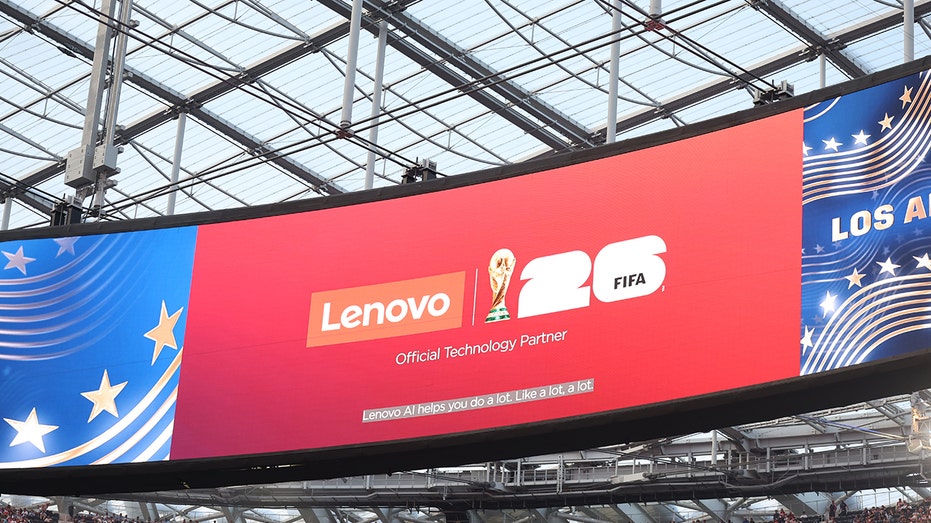
Lenovo signage at FIFA World Cup

Lenovo during the FIFA World Cup 2026 Group D match between USA and Paraguay at Los Angeles Stadium on June 12, 2026 in Los Angeles, California. (Joe Scarnici – FIFA / Getty Images)

Sánchez was ruled offside, and soccer fans around the globe couldn’t believe it. It appeared that Sánchez was right next to his Portugal opponent when the ball was kicked by his teammate, and there was no way the goal was being called off. 

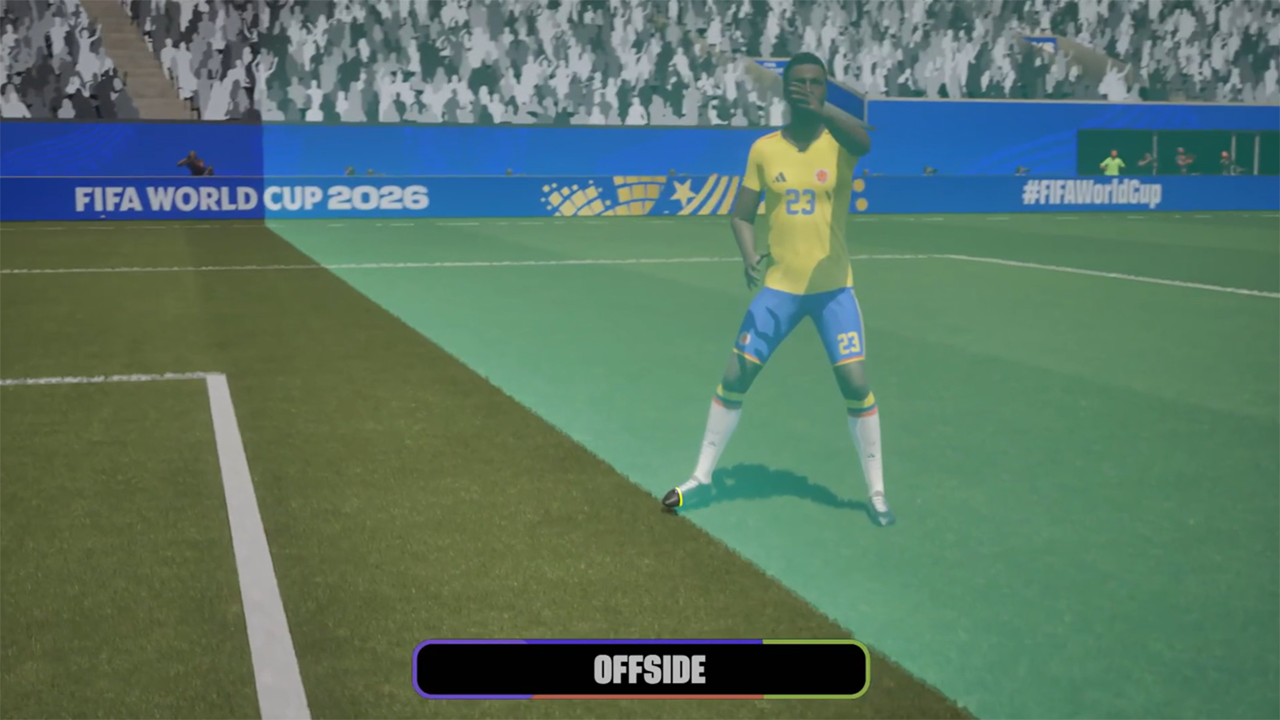
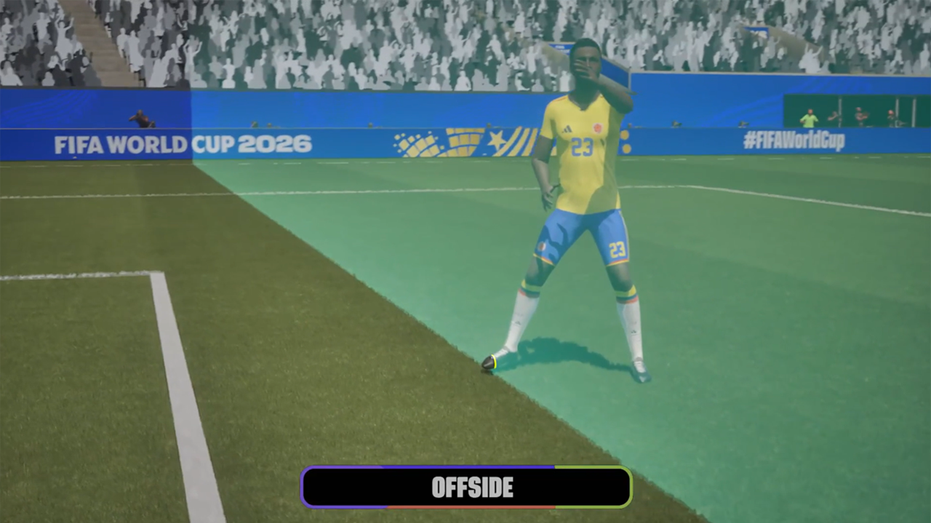
But during the FOX broadcast, the ruling made more sense to the viewer, whether they were upset or not, because a 3D avatar of Sánchez was shown offside – by the literal front of his boot. 

Advertisement

It’s moments like these, and many more, that are showing how Lenovo, the official technology partner of FIFA, is making an impact on the fan experience, both at home and in the 16 different stadiums across three countries, throughout this tournament with its AI-powered solutions. 

LENOVO’S AI-POWERED 3D AVATARS, REFEREE VIEW AND MORE ARE SET TO TRANSFORM THE 2026 FIFA WORLD CUP

“This is a sponsorship that goes well beyond just a logo,” Cathy Meister, Executive Director North American PC & Smart Device Sales at Lenovo, told Fox Business during a roundtable discussion about the impacts on the World Cup thus far. “Being the official technology sponsor, we are truly the end-to-end backbone of all the operations. Our technology, everything from mobile phones all the way to our storage and infrastructure, our AI-powered services, truly end-to-end, Lenovo is showcased in powering these games.”

The AI-powered 3D digital avatars are a perfect example of how Lenovo is helping improve not just the fan experience, but the game itself. Before the tournament began, each team had their players 3D reconstructed to replicate them precisely on the pitch to support FIFA’s match officials in their offside decision-making. 

Advertisement
Lenovo technology in action for FIFA World Cup

A 3D avatar of Colombia’s Davinson Sánchez shows that he was offside thanks to Lenovo AI technology.  (Lenovo/FIFA / Fox News)

We’ve seen it on multiple occasions throughout matches in the World Cup, giving players, coaches, and fans in the stands and at home the visual of how a tool that helped a crucial call come to be on the pitch. 

Then, in the locker rooms, meeting rooms and training pitches, every team has access to FIFA AI Pro, a groundbreaking AI-powered enterprise knowledge assistant that has been delivering data analytics and performance insights for countries participating throughout the tournament. 

This specialized football interaction tool is “leveling the playing field,” as Meister put it, giving teams that may not have the most robust analytics teams within their squad access to millions of data points, metrics and rapid insights following each match. We’ve seen smaller clubs in terms of manpower, like Cape Verde, DR Congo and others, shock the football world against powerhouse clubs. 

Could FIFA AI Pro have aided in that? Either way, that’s the vision for this World Cup and others moving forward. 

Advertisement
Lenovo CEO Yang Yuanqing and FIFA President Gianni Infantino

Lenovo CEO Yang Yuanqing and FIFA President Gianni Infantino speak at event.  (Lenovo/FIFA / Fox News)

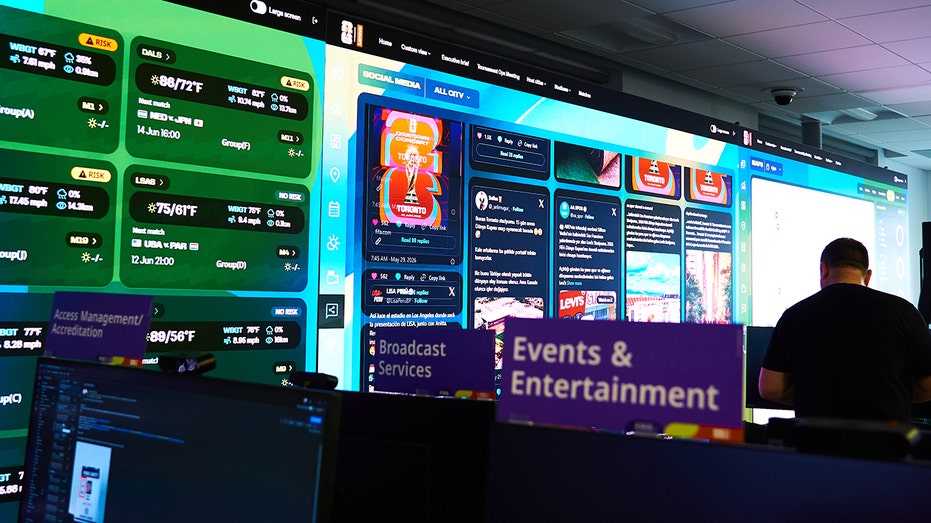
From the Intelligent Command Center, the control room for the tournament, creating “digital twins” of each venue to allow predictive planning to optimize the event experience, “Smart Wayfinding,” which allows matchgoers to streamline their experiences at venues, and the referee cam, Lenovo knew it could take on these 104 FIFA World Cup matches and provide an improved experience from every aspect of this great game. 

The partnership itself was one that Breanna Reader, Senior Communications Manager North America for Lenovo US, said came together with a dinner between top marketing officials within the technology powerhouse, where they dreamed big. 

“Throwing ideas out and it was one of those stories where it was like, ‘What could we do?’ FIFA came up, and that’s how the idea started,” Reader said. “FIFA has such a high standard of excellence and precision. It was lengthy conversations and we had to prove the rigor of our technology and our expertise in that space. So, it’s best summed up as a true partnership. There were lots of conversations about how we could enhance the experience, what they needed from a technology partner. Just testing and talking about it as we went.

“FIFA, we all know the high degree of excellence and precision, and we needed to back it up. It shows we did.”

Advertisement

And Lenovo isn’t done yet.

Lenovo/FIFA TOC general shot

Shot of Lenovo’s Technology Operations Center for FIFA in Miami.  (Lenovo/FIFA / Fox News)

GET FOX BUSINESS ON THE GO BY CLICKING HERE

There are still big matches to go, including the World Cup Final on July 19 at New York/New Jersey Stadium. But the company has already proven it can help bring players, coaches, fans and everyone surrounding the World Cup closer to the game than ever before through groundbreaking innovation. 

Looking ahead, the Women’s World Cup in 2027 in Brazil will be yet another opportunity Lenovo will put its stamp on the game. And just as they have with their other sports partnerships, including F1, the Dallas Cowboys and Carolina Hurricanes, they will take learnings from this World Cup and imply it to their next challenge.

Advertisement

“We’ll carry on the technologies that we developed, and I’d imagine we’ll have learnings along the way and continue to innovate and continue to improve the fan experiences. The Women’s World Cup is contained to Brazil so – I don’t want to say easy – but after three countries and 16 different stadiums, I believe we’ll be ready,” Meister said.

Follow Fox News Digital’s sports coverage on X and subscribe to the Fox News Sports Huddle newsletter.

Advertisement
Continue Reading

Business

KOSPI Rebounds Modestly as SK Hynix’s Oversubscribed Nasdaq Listing Lifts Battered Chip Stocks Thursday

Published

on

Earnings News: Micron Technology Inc (NASDAQ: MU)

SEOUL, South Korea — South Korea’s benchmark KOSPI index closed higher Thursday, rising 45.12 points, or 0.62 percent, to 7,291.91, recovering modestly from a steep two-day rout as strong investor demand for SK Hynix’s planned Nasdaq listing helped restore some confidence in the country’s battered semiconductor sector.

The rebound followed a punishing selloff earlier in the week that had briefly pushed the KOSPI into bear market territory. The index plunged 4.91 percent Tuesday and a further 5.35 percent Wednesday, closing at 7,246.79, its lowest level since May 20 and more than 20 percent below the index’s June 22 record of 9,114.55, the threshold traders use to confirm a bear market. Thursday’s opening bell offered immediate relief, with the KOSPI jumping as much as 3.3 to 3.7 percent in early trading before settling into a more modest close as the session progressed.

The rebound was driven largely by renewed strength in the two chipmakers that dominate the index. SK Hynix climbed 5.83 percent Thursday, while Samsung Electronics edged up a more modest 0.36 percent, both recovering a portion of the sharp declines suffered a day earlier. Semiconductor shares found support after reports confirmed that SK Hynix’s planned U.S. American Depositary Receipt offering had been oversubscribed by more than seven times, reflecting strong investor demand for the memory chipmaker despite the broader volatility gripping the sector. Other notable gainers Thursday included SK Square, up 4.80 percent, SK Inc., up 2.36 percent, LS Electric, up 2.13 percent, and Hyosung Heavy Industries, up 3.87 percent.

Sentiment was further supported by an upgraded economic outlook for South Korea. The Asian Development Bank raised its 2026 growth forecast for the country to 2.6 percent from a previous estimate of 1.9 percent, citing robust global AI demand and strong semiconductor exports as key drivers behind the improved projection. Even so, renewed tensions between the United States and Iran kept investors cautious throughout the session, with higher oil prices continuing to fuel inflation concerns and weigh on broader global risk appetite.

Advertisement

Some analysts pointed to signs that the market’s recent violent swings may have pushed valuations into genuinely oversold territory. According to Kiwoom Securities, the KOSPI’s 12-month forward price-to-earnings ratio stood at 6.25 as of Wednesday, a level even lower than the market’s trough during the 2008 global financial crisis, when the ratio bottomed at 6.27. Kiwoom Securities research analyst Ji-Young Han said the index had technically entered oversold territory, adding that the area around 7,280 points represented a zone where the market could plausibly find a bottom. Hana Securities offered a similar assessment, noting that during past major downturns, including concerns over U.S. interest rate policy and the outbreak of the broader Iran conflict, the KOSPI’s average maximum drawdown from peak levels had been roughly 20 percent, a figure that would translate to approximately 7,290 points under current conditions. Hana Securities analyst Jaeman Lee noted that as of Wednesday, 88 percent of KOSPI-listed stocks had fallen more than 30 percent from their yearly highs, suggesting that large-cap names had already absorbed significant declines and that the possibility of a price bottom forming was worth considering.

Despite those constructive technical signals, some risks continue to cloud the outlook for South Korea’s chip-heavy market. U.S. investment bank Goldman Sachs has cautioned that companies within the artificial intelligence sector, which have driven much of the recent earnings-fueled rally, may find it difficult to sustain the pace of surprises that propelled valuations higher earlier this year, a concern that has weighed on sentiment toward memory chipmakers globally in recent weeks.

This week’s volatility caps an extraordinary run for South Korean equities in 2026. The KOSPI has been among the best-performing major stock indices globally this year, having surged as much as 92 percent at various points, driven by an unprecedented boom in memory chip demand tied to global AI infrastructure spending. That dramatic rally, however, has left the market particularly vulnerable to sharp reversals, a dynamic that played out dramatically over the past week as investors questioned whether current chip valuations had run too far ahead of underlying fundamentals, despite Samsung Electronics reporting record preliminary second-quarter operating profit of 89.4 trillion won, or roughly $58.6 billion, a figure that nonetheless failed to prevent a sharp “sell the news” reaction across the sector.

Concerns over leveraged single-stock exchange-traded funds tied to Samsung and SK Hynix have also contributed to the market’s recent instability, with South Korean authorities saying they would closely monitor risks to broader financial stability given how sharply those instruments can amplify price swings during periods of heightened volatility. Tuesday’s plunge triggered South Korea’s sixth circuit breaker of the year, a 20-minute trading halt automatically activated when the index falls at least 8 percent from the previous session’s close.

Advertisement

SK Hynix’s planned Nasdaq listing has emerged as a central storyline shaping investor sentiment this week, with the company’s American Depositary Receipt offering reportedly capable of raising as much as 45.45 trillion won, or roughly $29.4 billion, positioning it as one of the largest such listings from a South Korean company. Analysts have said the strong subscription demand for the offering helped counteract some of the broader anxiety weighing on the chip sector earlier in the week, though some market watchers, including UBS, have flagged the potential for a pricing gap to emerge between SK Hynix’s existing Seoul-listed shares and its new U.S. listing, adding a fresh layer of scrutiny to the closely watched deal.

With South Korea’s chip sector continuing to navigate a delicate balance between historic profitability and mounting questions about the sustainability of the broader AI investment cycle, investors are likely to remain focused on how SK Hynix’s Nasdaq debut ultimately performs once trading begins, along with any further signals from Samsung’s forthcoming detailed quarterly results, as they assess whether Thursday’s modest rebound marks the beginning of a more durable recovery or merely a pause within an increasingly volatile stretch for one of the world’s best-performing stock markets this year.

Continue Reading

Business

Oil’s H2 track record: 60% win rate masks midterm-year drag

Published

on


Oil’s H2 track record: 60% win rate masks midterm-year drag

Continue Reading

Business

Football digital coach venture Coaches’ Voice secures equity boost to expand

Published

on

Business Live

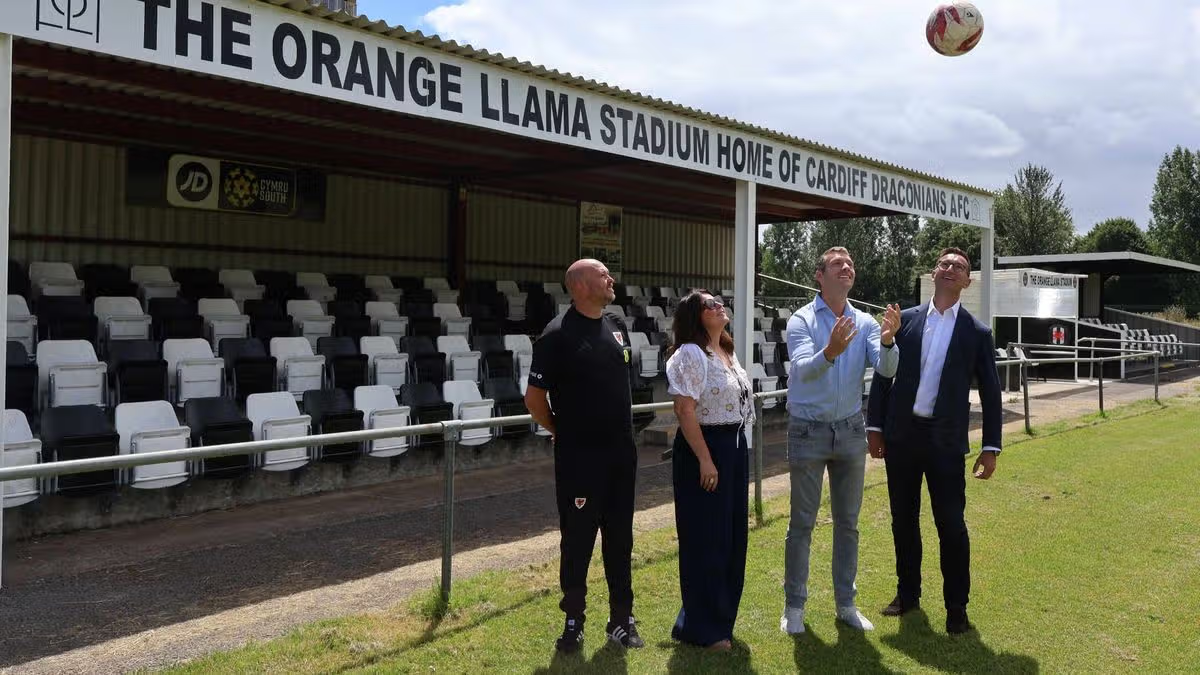
The firm has been backed by the Cardiff Captial Region’s equity fund.

Left to right: Rob Franklin FAW, Kellie Beirne chief executive of the Cardiff Capital Region, David Sciama Coaches’ Voice and Rob Asplin PwC.

football education and digital coaching platform Coaches’ Voice has secured a seven figure equity investment to support its growth plans.

The Cardiff-based company has secured backing from the £50m equity fund of the Cardiff Capital Region.

Advertisement

Working with coaches, clubs, leagues and governing bodies across the global game, Coaches’ Voice delivers expert‑led insight, digital learning tools and specialist education to help coaches develop, adapt and succeed at every level of football, from grassroots pitches to the international stage.

Co‑founded by David Sciama and Peter Kenyon, Coaches’ Voice supports more than 4,000 football organisations worldwide, delivering over one million learning hours each year. The business is increasingly focused on widening access to coaching education and strengthening football at the community level, with Wales central to its future growth.

Chief executive Mr Sciama, said: “As the world enjoys a summer of football, this investment allows us to expand our presence in South East Wales and support the grassroots coaches who underpin the game. Visibility at the top level always inspires participation, and with great coaching available, that is what sustains the interest in communities across Wales.”

A key driver of Coaches’ Voice’s impact in Wales is its partnership with the Football Association of Wales (FAW) through Coach Cymru, which provides ongoing cotinued professional development support for FAW-qualified coaches.

Advertisement

Mr Sciama added: “With 4,500 coaches already active in Wales, we expect this figure to grow significantly over the next 18 months. It is through our close relationship with FAW that gives Coaches’ Voice a meaningful and growing role in the continued development of Welsh football.”

Rob Franklin, FAW’s head of coach education, said: “Supporting coaches is essential to sustaining growth at every level. Through our work with Coaches’ Voice via Coach Cymru, we’re expanding access to high-quality, digital coaching content that supports learning anytime, anywhere.

“This allows us to connect coaches across Wales with the latest insights, techniques and best practice from the global game. By using accessible, modern learning tools, we’re helping to raise standards, strengthen the coaching pathway and ultimately support the development of coaches and players across the country.

The Cardiff Capital Region’s Innovation Investment Capital (IIC) fund is manged by Capricorn Fund Managers.

Advertisement

Chief executive of the Cardiff Capital Region, Kellie Beirne, said:“There is now a real opportunity to capture national attention and support greater coach participation across every level of the game. Football has the unique power of connecting communities and Coaches’ Voice is helping ensure that coaches across South East Wales have access to the best learning and support they need to nurture that enthusiasm.

“This investment is about creating lasting value, strengthening communities and helping this and future generations benefit from better coaching, stronger support and wider access to football education.”

Lynda Stoelker, Capricorn Fund Managers’ chief operating officer and chair of the IIC investment committee, added: “Coaches’ Voice is a strong fit with IIC’s investment philosophy of backing innovative, high-growth businesses that have the potential to create lasting impact in the Cardiff Capital Region.”

PwC provides investment research and sourcing to Capricorn.

Advertisement

Rob Asplin, PwC partner, said: “Coaches’ Voice stood out as an investment opportunity because of its blend of premium content, digital capability, commercial relevance and international market potential, alongside a clear commitment to growing its regional presence.”

The exact value of the seven figure investment has not been disclosed.
Continue Reading

Business

‘Closest of friends’: PM strikes Indian uranium deal

Published

on

‘Closest of friends’: PM strikes Indian uranium deal

India and Australia have struck a series of deals, including an agreement for Australian uranium to once again be exported to the subcontinent.

Continue Reading

Business

In A Tightrope Market, Discipline Is The Balancing Pole

Published

on

In A Tightrope Market, Discipline Is The Balancing Pole

In A Tightrope Market, Discipline Is The Balancing Pole

Continue Reading

Business

New film shows what Bristol Arena could look like

Published

on

Business Live

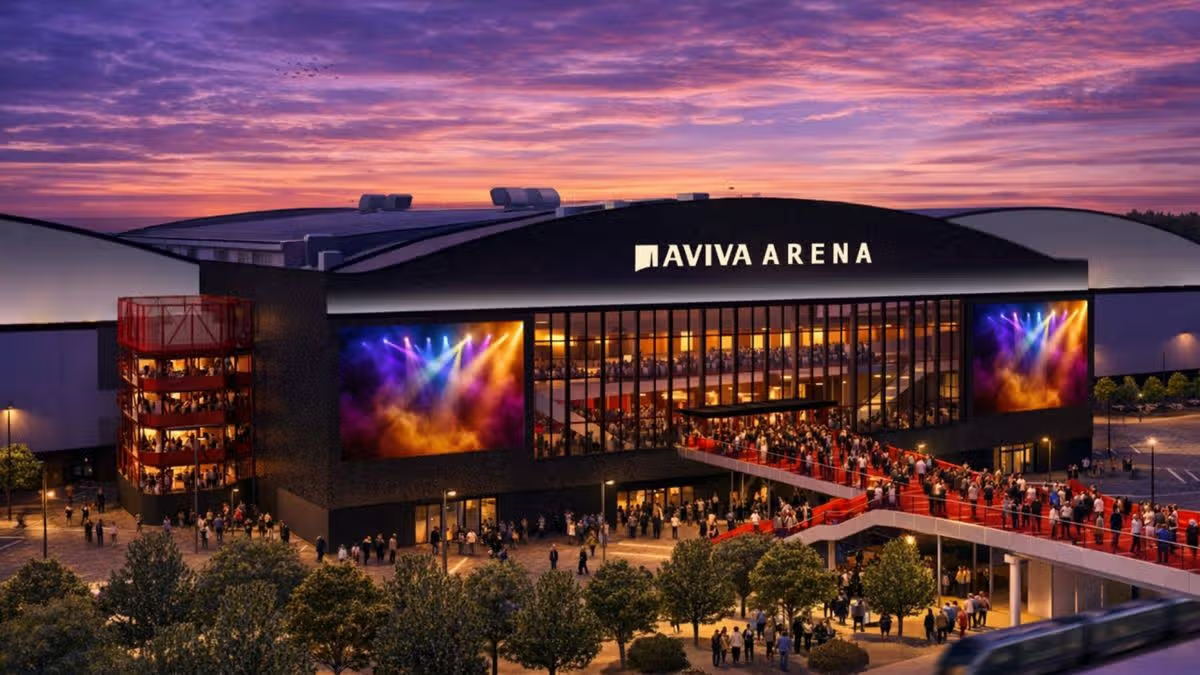
The long-awaited ‘Aviva Arena’ is set to open in 2028

Aviva Arena: Plans for Bristol venue unveiled with scale model

A new stop-motion film is giving a sneak peek into the future of Bristol’s long-awaited arena. The 20,000-capacity venue, which will be called Aviva Arena after a major deal with insurance giant Aviva earlier this year, is being built by Malaysia-based YTL and is expected to open in late 2028.

It will be the first of its kind in the West Country and will host more than 120 major events each year when it opens.

The venue is being built at Brabazon, on the old Filton Airfield in South Gloucestershire, and will be part of a huge entertainment complex, called YTL Live, that will also include conference and exhibition space.

A CGI of the Aviva Arena in Bristol

A CGI of the Aviva Arena in Bristol(Image: YTL)

Some 1.4 million people a year are expected to attend live music, sports and entertainment events at the arena when it opens and in its first decade it is predicted to contribute an estimated £1bn to the wider Bristol economy.

Advertisement

Now a new film has been released, featuring a hand-crafted scale model of the venue to showcase what it will look like.

Andrew Billingham, chief executive of YTL Live, said the Bristol-made model brings YTL’s “vision to life in a unique and engaging way”.

“Aviva Arena represents a once-in-a-generation opportunity to create a world-class destination for live entertainment in the South West of England,” he said.

“This film offers an exciting glimpse of what’s to come, helping people visualise the scale, ambition and energy of the venue years before the doors open.”

Advertisement

YTL first announced plans for the Bristol Arena in 2018 after Bristol City Council abandoned earlier proposals to build a council-funded arena at Temple Island in the city centre.

But the Filton-based arena has been hampered by years of delays, with YTL admitting in 2023 there had been “challenges” caused by the Covid pandemic.

Phoebe Barter, Aviva’s Group brand director, said the venue would become “a landmark destination” for the South West of England.

“[It will transform] Bristol’s iconic Brabazon Hangars – birthplace of all the UK’s Concorde supersonic jets – into a state of-the-art live entertainment destination, together with the Aviva Stadium in Dublin and Aviva Studios in Manchester,” she said.

Advertisement

“It’s about bringing Aviva Arena to life now, well ahead of opening. Through the magic of stop motion film and a beautiful model crafted in Bristol, people can start to imagine the experiences it will deliver from late 2028 onwards – from iconic music and major sporting events to unforgettable shared moments that will define the venue for years to come.”

When it is finally finished, the Aviva Arena will be part of a wider development known as Brabazon New Town that includes thousands of homes, office space and a new train station.

It will also be at the heart of a corridor of connected developments in South Gloucestershire known as the West Innovation Arc.

Last year it was announced that Brabazon would receive town status from the government.

Advertisement
Continue Reading

Business

Market Signals: The Case For Active Small Caps

Published

on

Don’t Confuse Small-Cap Benchmark With Small-Cap Strategy

Market Signals: The Case For Active Small Caps

Continue Reading

Business

Sentiment As An Investing Factor

Published

on

Why I Still Don't Use A 60-40 Amid 5% Treasury Bond Yield

VanEck is a global asset management firm offering ETFs, mutual funds, private funds, model portfolios, institutional strategies, separately managed accounts, as well as UCITS funds. Since our founding in 1955, putting our clients’ interests first, in all market environments, has been at the heart of the firm’s mission. VanEck has a long history of looking beyond financial markets to spot trends that create meaningful investment opportunities. We were one of the first U.S. asset managers to give investors access to international markets, which set the tone for identifying asset classes and themes such as gold investing in 1968, emerging markets in 1993, and exchange traded funds in 2006 that later helped shape the investment industry. The firm oversees $161.7 billion in assets as of September 30, 2025. Disclosures: http://ow.ly/SZ9450N5qTJ.

Continue Reading

Trending

Copyright © 2025