

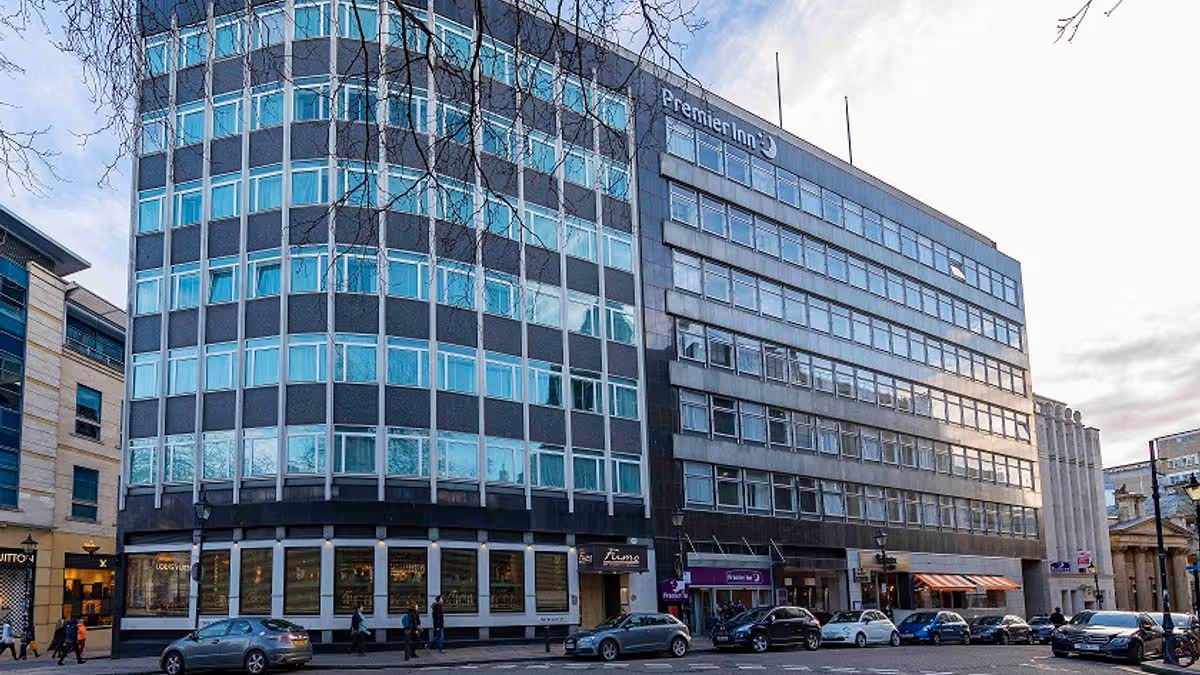
The FTSE-100 company has been on a selling spree as it tries to minimise the impact of the business rate changes in the Budget

Premier Inn in Waterloo Street, Birmingham
Whitbread is set to sell the freehold rights to a portfolio of its Premier Inn hotels in a £1.5bn deal as it shifts towards a capital-light business model aimed at winning back wary investors.
The FTSE-100 company said the measures, forming part of its new five-year plan, were taken in response to the “unexpected” impact of business rates, after the Budget sent tax bills rocketing for thousands of hospitality firms.
The hotel disposal will be accompanied by a sweeping overhaul of the company’s restaurant operations, which will see it offload more than 100 sites and axe nearly 4,000 jobs.
Whitbread has ramped up cost-cutting in recent months as it looks to limit the damage from business rate changes introduced at last year’s Budget.
Chief executive Dominic Paul said on Thursday: “In light of significant cost increases in the form of business rates and National Insurance, as well as the implied market discount to our inherent value, we’ve looked hard at the options open to us.”
Whitbread’s revised strategy will also see it slash capital expenditure by £1bn, with the aim of making £2bn of cash flow available to shareholders by 2031, as reported by City AM.
The company recorded flat revenue in the year to February 2026, at £2.9bn, while pre-tax profit dropped by 19 per cent to £298m.
Premier Inn posted 1.9 per cent growth in accommodation sales, however the group’s food and drink operations saw revenues decline by four per cent.
As part of its business review findings, Whitbread confirmed it has already agreed the sale of 51 restaurants for £50m, with a further 60 sites set to be offloaded. The cost-cutting plan, subject to employee consultation, will result in approximately 3,800 job losses.
The group anticipates its food and drink sales could fall by as much as £160m next year as it intends only to operate restaurants which are integrated with its hotels.
Whitbread said it will take a £5m hit from the impact of the war in the Middle East on its hotels in the region.
The group said soaring energy prices caused by the Iran war could “feed into sustained inflation in goods, utilities and transport-related inputs that materially affect the hospitality sector”.
The company said it is “closely” monitoring the safety of its staff in the Middle East.
The firm was widely anticipated to confirm the freehold sale, as it seeks to woo investors back by offloading assets.
Sell and leaseback is a method by which firms can secure a short-term cash injection, by relinquishing ownership of their property but agreeing to lease the premises.
While this approach offers a quick cash boost, it can leave companies more vulnerable to economic headwinds if they face rent increases.
Whitbread announced a previous five-year plan in October 2024, but opted to undergo a fresh business review in response to “higher than expected cost inflation and significant increases to business rates”.
The Premier Inn owner has been highly critical of the tax burden facing hospitality, stating last year it was “extremely disappointed” by the Treasury’s changes to business rates.
The government later offered a £300m business rates support package to pubs, but excluded hotels and restaurants from relief from the higher rates, which came into force this month.
Whitbread began life as a brewery in the 18th century and has been listed in London since 1948. The firm’s shares closed at 2,383 on Wednesday, down six per cent in the year so far.
The group said its market value is at a “significant discount to the inherent value of our business”.


















































You must be logged in to post a comment Login