




Connect with us
DAPA Banner
DAPA Coin
DAPA
COIN PAYMENT ASSET
PRIVACY · BLOCKDAG · HOMOMORPHIC ENCRYPTION · RUST
ElGamal Encrypted MINE DAPA
🚫 GENESIS SOLD OUT
DAPAPAY COMING

Business

Prince Harry and Meghan Markle Maintain Private Philanthropy and Family Life, Friend Says

Published

on

Meghan Markle and Prince Harry

NEW YORK — Prince Harry and Meghan Markle continue to balance public scrutiny with a relatively normal family routine in Montecito, California, while quietly supporting humanitarian efforts, according to longtime friend Chef José Andrés.

The Duke and Duchess of Sussex, who stepped back from senior royal duties in 2020 and relocated to the United States, have focused on their Archewell Foundation, individual projects and raising their two children. Andrés, founder of World Central Kitchen, highlighted the couple’s behind-the-scenes generosity and everyday family dynamics in a recent interview.

“They made their kitchen the meeting place like every other family,” Andrés told People Magazine. “I love how Meghan interacts with her children and food.”

The renowned chef praised the Sussexes for their consistent, low-profile involvement in relief efforts during disasters. “Nobody finds out about those moments and they do it often, all the time,” he said. “Whenever a disaster hits they always ask, ‘What can we do here and can we help you?’”

Advertisement

Andrés emphasized the couple’s commitment to solutions even when cameras are absent. “They can decide to live a life in the comfort of their home, but I love that they are there even when nobody’s looking, they’re there just making sure that they can also be part of the solution,” he added. “That’s why I’m very proud to call them friends.”

The remarks come as Harry and Meghan navigate independent lives after their high-profile exit from the British royal family. Their Montecito mansion serves as both a family home and operational base for Archewell Philanthropies, which partners with organizations like World Central Kitchen on humanitarian initiatives.

Harry has focused on mental health advocacy, veterans’ issues through the Invictus Games and environmental causes. Meghan has expanded her lifestyle brand As Ever while engaging in media projects and philanthropy. The couple jointly oversees Archewell, which supports community work and disaster relief.

Financial transparency has long been a point of public curiosity. The Sussexes have pursued various revenue streams, including media deals, speaking engagements and brand partnerships, while maintaining some independence from royal funding. Exact details of their finances remain private, consistent with their post-royal approach.

Advertisement

Andrés’ comments underscore the couple’s preference for discretion in charitable work. Their collaboration with World Central Kitchen dates back several years, including support for relief centers and meal distributions during crises. The chef has repeatedly described them as hands-on and knowledgeable about global issues.

Public interest in the Sussexes remains intense, fueled by media coverage, documentaries and occasional public appearances. Recent speculation has centered on their lifestyle costs, brand ventures and future plans. Friends like Andrés portray a more grounded picture of family life amid the spotlight.

The couple’s two children, Prince Archie and Princess Lilibet, feature prominently in their private world. Andrés noted Meghan’s natural interactions in the kitchen, painting a picture of normalcy that contrasts with tabloid narratives. Harry has spoken in past interviews about prioritizing family time and shielding his children from excessive public exposure.

Critics sometimes question the couple’s independence and financial decisions, while supporters highlight their philanthropic contributions and advocacy for causes like mental health and racial justice. The Sussexes have largely stepped back from direct responses, focusing instead on ongoing initiatives through Archewell.

Advertisement

Andrés’ longstanding friendship with the pair adds credibility to observations about their character. The chef has collaborated with them on multiple occasions, including relief efforts following natural disasters. His praise reflects personal experience rather than public relations messaging.

As Harry and Meghan mark several years of life outside the royal institution, their approach continues evolving. Harry maintains some ties to British causes, while Meghan builds her American-based ventures. Joint projects through Archewell keep them aligned on shared values of service and impact.

Observers note the challenges of maintaining privacy while sustaining public relevance. The couple’s Montecito residence offers seclusion, yet occasional appearances and statements keep them in the news cycle. Friends describe a deliberate balance between family focus and meaningful external engagement.

Financial matters remain opaque by design. Reports have estimated their net worth through various ventures, but the Sussexes have not released detailed accounts. Their foundation provides some transparency on charitable giving, though operational costs and personal finances stay private.

Advertisement

Andrés’ insights offer a counterpoint to persistent speculation. By emphasizing unseen acts of kindness and ordinary family moments, he humanizes the couple beyond headlines. Such perspectives from trusted associates help round out public understanding of their post-royal chapter.

Looking ahead, Harry and Meghan are expected to continue blending personal projects with collaborative philanthropy. Archewell’s work with organizations like World Central Kitchen suggests sustained focus on humanitarian response. Individual endeavors, from Meghan’s brand to Harry’s advocacy, reflect their distinct interests while maintaining a united front on core initiatives.

The couple’s story continues to captivate global audiences, blending royal legacy with modern independence. Whether facing criticism or praise, they appear committed to a path defined by service, family and selective public engagement. Friends like Andrés reinforce that much of their impact happens away from the spotlight.

As public interest persists, comments from close associates provide rare glimpses into their daily reality. The emphasis on kitchen gatherings, disaster response and quiet contributions paints a picture of deliberate normalcy amid extraordinary circumstances. For Harry and Meghan, this balance defines their current chapter.

Advertisement
Continue Reading
Click to comment

You must be logged in to post a comment Login

Leave a Reply

Business

Why Is the Thai Baht So Weak in 2026?

Published

on

Why Is the Thai Baht So Weak in 2026?

The baht hit a 2026 high (USD/THB 33.640) due to a 250-275bps Fed-BOT rate gap, rising oil prices, and Thailand’s trade deficit—overwhelming gold and softer US inflation support. Reserves ($279.2B) and GDP growth suggest repricing, not crisis. Next Fed decision: 29 July.


Key Points

  • Baht weakness drivers: USD/THB hit a 2026 high of 33.640, up 6.95% YTD, driven by a 250-275bp Fed-BOT rate gap, Brent crude near $88.50, and a THB875.3bn trade deficit—overwhelming support from gold and softer US inflation.
  • Not a crisis: Reserves of $279.2bn and 2.8% GDP growth signal repricing, not a funding crisis.
  • Key levels: Resistance at 33.70/34.00; support at 32.98 (50-day MA); Fed decision July 29 is the next major catalyst.

Baht Weakness Driven by Rate Gap, Oil, and Trade Pressures

The Thai baht has slid to 33.640 per US dollar, its 2026 high, marking an 8.78% decline since February. This weakness stems primarily from the 250–275 basis point policy rate gap between the Fed (3.50%–3.75%) and the Bank of Thailand (1.00%), which sustains a strong carry advantage for dollar assets. Compounding this, Brent crude near $88.50, up nearly 30% year-on-year, has increased Thailand’s energy import costs and dollar demand. Meanwhile, a THB875.3 billion trade deficit from January–May, alongside a 19% US tariff on Thai exports, has further eroded currency support. Notably, softer US inflation and elevated gold prices—historically supportive of the baht—have failed to offset these combined pressures.

A Repricing, Not a Crisis

Despite mounting pressure, Thailand’s fundamentals suggest resilience rather than collapse. The country holds $279.2 billion in gross reserves ($302.2 billion including forward positions), providing a substantial buffer against volatility. Economic growth remains steady, with Q1 GDP up 2.8% and private investment rising 10.1%, though the Bank of Thailand describes the recovery as “low and uneven.” Unlike a classic currency crisis marked by rapid reserve depletion, current conditions reflect a gradual repricing of risk rather than a scramble for foreign currency—even as households and importers face rising costs.

Key Levels and Forward Risks to Watch

Technically, USD/THB is testing resistance near 33.70, with the psychological 34.00 level now within reach. The 14-day RSI at 65.7 indicates strong but not yet overbought momentum, while the 50-day moving average (~32.98) offers medium-term support. Looking ahead, the Fed’s 29 July decision is the next major catalyst, preceding the BOT’s 26 August meeting. A hawkish Fed stance, sustained high oil prices, or enacted trade tariffs could push USD/THB toward 34.00, whereas dovish Fed signals, falling oil, or improved trade conditions may support a pullback toward key support levels.

Source : USD/THB Nears 34: Why Is the Thai Baht So Weak in 2026?

Advertisement

Continue Reading

Business

(VIDEO) Magnitude 7.1 Earthquake Rocks Southern Japan’s Kyushu Island, Triggers Tsunami Warning

Published

on

Magnitude 7.1 Earthquake Rocks Southern Japan's Kyushu Island, Triggers Tsunami

A powerful magnitude 7.1 earthquake struck southern Japan on Tuesday, triggering tsunami warnings, knocking out power to thousands of homes, and leaving multiple people trapped in a collapsed mall, with local media reporting that several people are believed to have died.

The Japan Meteorological Agency said the earthquake, with a preliminary magnitude of 7.1 and a depth of 10 kilometers, or just over 6 miles, registered at the highest end of the seismic intensity scale. The quake struck Japan’s southern Kumamoto prefecture on Tuesday, knocking out power to thousands of homes, halting rail service, and triggering warnings for both tsunamis and aftershocks.

When and Where the Quake Struck

Advertisement

Japan’s Cabinet Office Disaster Management Division said the earthquake struck at around 4:27 p.m. local time, or 3:27 a.m. Eastern time, with a tsunami advisory issued for the Ariake and Yatsushiro Seas just minutes later. The quake, officially named the 2026 Kumamoto earthquake by the Japan Meteorological Agency, struck Kumamoto Prefecture in southern Japan.

Kumamoto Prefecture sits at the southern end of the Japan Median Tectonic Line, the country’s longest fault system, where a network of active faults forks in two directions. That fault system has produced major destructive earthquakes in the region before, including a devastating series of quakes in 2016.

Widespread Emergency Warnings Across Kyushu

The Japanese government issued emergency earthquake warnings for Kumamoto, Nagasaki, Kagoshima, Fukuoka, Saga, Oita and Miyazaki prefectures, all located on Japan’s southern Kyushu island. The breadth of that warning zone underscores how forcefully the shaking was felt across the wider region beyond the immediate epicenter.

Advertisement

Casualties and a Collapsed Mall

The most alarming reports to emerge in the hours after the quake centered on a shopping mall in the affected area. “Quite a few” people are believed to have been killed after an explosion at a mall following the earthquake, according to local media citing police. Aerial video footage showed a derailed cargo train, collapsed towers at an industrial plant, and a small building on fire in the aftermath of the quake.

The exterior wall of a shop was seen collapsed following the earthquake, in images from Kumamoto City. Multiple people were reported trapped inside the collapsed mall as rescue efforts got underway.

Prime Minister Addresses the Nation

Advertisement

Japan’s top leader moved quickly to address the public following the quake, providing details on where the strongest shaking had been felt. Japanese Prime Minister Sanae Takaichi said strong shaking could be felt in both the city of Uki and the town of Hikawa.

Impact on Power, Transportation and Daily Life

Beyond the mall collapse, the earthquake caused widespread disruption to basic infrastructure across the affected prefectures. Several thousand homes were without power following the quake, according to Japanese public broadcaster NHK. Officials urged residents to stay away from the ocean and shoreline, and also warned people to watch for possible landslides in the hours following the quake.

Nuclear Facilities Checked for Damage

Advertisement

Given Japan’s history with nuclear safety concerns following past major earthquakes, authorities moved quickly to assess the status of nearby nuclear facilities. Japan’s Nuclear Regulation Authority said in an emergency update that it had not recorded any “abnormalities” at nearby facilities in Ikata, Genkai and Satsumasendai City.

Major Chipmakers Have Operations in the Region

The earthquake’s location carries particular significance for the global technology supply chain, given the concentration of semiconductor manufacturing in the affected area. Companies including Sony and TSMC, the world’s largest contract chipmaker, have plants in the area of the quake. A Sony spokesperson said the company was checking the situation, while TSMC did not immediately respond to a request for comment.

Kyushu has emerged as a major hub for global chip manufacturing in recent years, with TSMC operating a significant fabrication plant on the island as part of its broader global expansion strategy, making any prolonged disruption to operations in the region a matter of close attention for the global semiconductor supply chain.

Advertisement

A History of Seismic Activity in the Region

Tuesday’s earthquake adds to a long history of significant seismic events in and around Japan, a country situated along some of the world’s most active fault lines. Japan experienced a magnitude 7.5 earthquake off the Sanriku Coast of Honshu in April 2026, which struck along the Japan Trench and caused a tsunami reaching roughly 80 centimeters, along with 233 damaged structures and 10 reported injuries, though no fatalities were recorded in that earlier event.

Emergency responders in Kumamoto and the surrounding Kyushu prefectures are continuing search and rescue operations at the collapsed mall site, with authorities expected to provide updated casualty figures as the situation develops. Residents across the affected tsunami advisory zones are being urged to remain alert for aftershocks and to follow official guidance regarding coastal areas in the hours and days ahead. Given the scale of infrastructure damage already reported, including halted rail service and widespread power outages, officials are likely to face a prolonged recovery effort across the region, while international observers, particularly within the semiconductor industry, will be watching closely for updates on whether major manufacturing operations in the area sustained any lasting damage.

This story involves an active natural disaster with reported casualties. Readers with loved ones in the affected areas of Japan are encouraged to check official government and consular channels for the most current safety information.

Advertisement
Continue Reading

Business

Eating Within a Nine-Hour Window May Help Protect Aging Brains, New Rutgers Study Suggests

Published

on

Meal/Food

Confining mealtimes and snacks to a nine-hour window and avoiding food for four hours before bed may help stave off cognitive decline in older age, according to preliminary findings from a small clinical trial presented at a major nutrition science conference.

The pilot study, conducted by researchers at Rutgers University in New Jersey, found that older women living with overweight or obesity who ate within a restricted daily window showed hints of improved mental performance compared with those who spread their meals over a longer stretch of the day.

A Small But Notable Trial

The finding is preliminary given the numbers in the trial, but if confirmed in larger studies, the work suggests people could help protect their cognitive abilities by eating within a relatively narrow window and avoiding food late into the night.

Advertisement

Professor Sue Shapses, a nutritional scientist at Rutgers University who led the research, explained that weight loss itself already has known cognitive benefits, but that timing appeared to offer something additional. Losing weight alone can help slow cognitive decline in older age, Shapses said, but there may be “additional benefits” for people who do not eat outside an eight- to nine-hour window and stop eating four hours before going to sleep.

Why Cognitive Decline Prevention Matters

The stakes behind this kind of research are significant given the scale of dementia’s global impact. Dementia is the leading cause of death in the U.K. and the seventh worldwide, contributing to nearly 2 million deaths globally each year. While some risk factors, such as age and genetics, cannot be changed, experts believe nearly half of dementia cases could be prevented or delayed through lifestyle changes, and obesity in middle age has been shown to raise the risk of dementia in later life by roughly 30%.

How the Study Was Designed

Advertisement

Shapses ran a small clinical trial involving 47 women between the ages of 50 and 79 who were living with overweight or obesity, all of whom were encouraged to cut 500 calories from their daily diet over a six-month period. Within that group, 26 participants were advised to eat only within a nine-hour window, typically between 10 a.m. and 6 p.m., while the remaining volunteers spread their meals across roughly 12 hours of the day.

Similar Weight Loss, Different Cognitive Outcomes

By the end of the six-month trial, both groups of women had lost a comparable amount of weight, but their cognitive test results diverged in meaningful ways. At the end of the trial, both groups had similar weight loss, averaging about 7 kilograms, or roughly 15 pounds. But cognitive tests revealed that those who confined their eating to the narrow window performed better than the others on spatial planning and problem-solving tests.

The group following the restricted eating window also showed some additional advantages on other types of cognitive assessments, though not universally across every test administered. There were also hints that participants following the restricted schedule made fewer errors on memory and learning tests, though on some multitasking and reaction-time tests, both groups performed similarly.

Advertisement

Researchers Describe the Effect as “Modest”

Shapses was careful to frame the magnitude of the findings appropriately, avoiding overstating what the small trial could definitively prove. Shapses called the effects “modest” but said they suggested time-restricted eating may improve people’s ability to remember information for everyday tasks and reduce mistakes linked to memory, attention and problem-solving. The findings were presented at Nutrition 2026, the annual meeting of the American Society for Nutrition, held in Maryland.

What Might Explain the Effect

Researchers say they now want to dig deeper into the biological mechanisms that could explain why meal timing, not just food content, appears to matter for brain health. The researchers plan to investigate why it may be important to consider when people eat as well as what they eat, with the observed benefits potentially driven by a complex interplay of circadian rhythms, metabolism and inflammation.

Advertisement

A Broader Pattern Around Eating Windows

The Rutgers findings fit into a growing body of research examining how the timing of meals, separate from their nutritional content, affects long-term health outcomes. In many countries, including the U.K. and the U.S., it is common for people to eat over a 14-hour period, leaving only about 10 hours overnight without food. Research increasingly points to clear health benefits from extending that overnight fasting window; a review published earlier this year found that finishing eating before 7 p.m. was associated with significant improvements in body weight, body mass index, waist circumference, blood pressure and other markers of metabolic health.

Outside Experts Urge Caution

Researchers not involved in the Rutgers trial offered a generally positive but measured response to the findings, noting both plausible mechanisms and important caveats. Professor Wendy Hall, head of nutritional sciences at King’s College London, said confining mealtimes to a narrow window may plausibly benefit brain health through multiple pathways. “Time-restricted eating is a plausible approach to supporting cognitive health in midlife and older adults with overweight, not only because it may help with weight management but also because avoiding large meals late in the evening may improve blood sugar control, vascular function and inflammation,” Hall said.

Advertisement

Hall also cautioned against drawing firm conclusions from the trial’s early findings until the complete data has been formally reviewed. Hall noted that the findings were preliminary and said it was important to see the full peer-reviewed study to determine whether any improvements observed were clinically meaningful.

With the current findings still awaiting full peer review and publication, researchers say larger, more rigorous trials will be needed to confirm whether restricting eating to a narrow daily window genuinely protects cognitive function in older adults, or whether other factors linked to the study’s small sample size may have influenced the results. In the meantime, the research adds to a growing scientific interest in meal timing as a potentially low-cost, accessible strategy for supporting brain health alongside other established interventions like regular physical activity and management of cardiovascular risk factors.

Continue Reading

Business

Fall in confidence amongst Welsh business owners on growth prospects

Published

on

Business Live

KPMG has published its half year private enteprise barometer

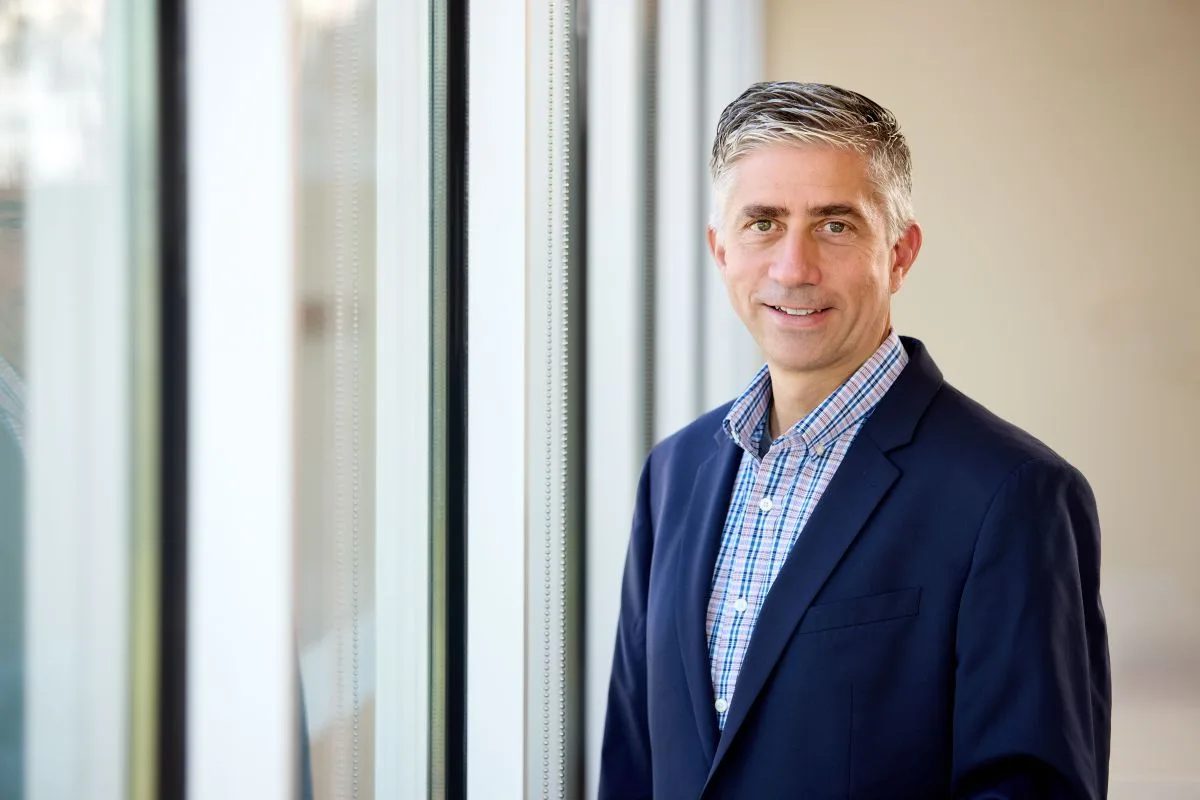
KPMG senior partner for Wales and the south west of England David Williams.

Just over three-fifths of private business owners in Wales are confident of delivering growth in the second half of this year according to professional advisory firm KPMG.

At the start of the year, KPMG’s annual private enterprise barometer showed that 89% of private firms in Wales expressed confidence in their growth prospects over the next year. However, at the half year point that had fallen to 61%.

Advertisement

Six months on, following a challenging period for the UK and global economy amid instability in global energy markets, persistent inflation and trade

For the UK as a whole confidence has fallen 87% to 80%.

Despite this, technology remains a leading investment priority for Wales-based businesses, with 55% identifying areas such as artificial intelligence (AI), cyber security and broader digital transformation as key focuses.

Diversification also remains firmly on the agenda, with 54% of businesses across the region looking to expand their service offerings and broaden their client base. This represents a small decrease from 57% at the start of 2026 and is down nine percentage points against the current national average.

Advertisement

Of businesses considering how to fund their growth plans, appetite for private equity investment is more subdued compared to the beginning of the year, with two-fifths (40%) of respondents identifying private equity as a way to fund their growth ambitions – down five points on the UK average (45%) and seven percentage points below the 47% recorded five months ago.

Instead, almost half (49%) of businesses are turning to their own balance sheets to help fund their growth plans, reflecting a growing preference to retain control and rely on internal resources amid ongoing economic uncertainty.

Amid a dip in confidence, businesses remain alert to the challenges ahead. Almost half (48%) of businesses in Wales identified inflation and ongoing cost pressures as the two biggest short-term risks facing their organisations. At the same time, firms are looking to policymakers to help strengthen long-term resilience.

When asked about the autumn Budget, more than two fifths (43%) of Welsh firms would like to see growth-focused investment and the industrial strategy prioritised by the incoming Chancellor.

Advertisement

David Williams, Wales and south west of England office senior partner at KPMG UK, said: “This dip in Welsh business confidence during the first half of 2026 reflects a combination of persistent cost pressures, global uncertainty and political change closer to home. However, the headline figure doesn’t tell the whole story, and there remain clear signs of ambition among Welsh businesses.

“The Senedd election in May marked a significant change in Wales’s political landscape. A period of transition can naturally lead some businesses to pause while they wait for greater clarity around future priorities. Certainty and consistency, as the new administration’s plans take shape, should help businesses plan and invest with more confidence.

“Encouragingly, appetite for technology investment has encouragingly, appetite for technology investment has increased since the beginning of the year. This reflects both the strength of Wales’s technology ecosystem and the determination of Welsh businesses to use innovation to improve productivity and pursue growth.”

Advertisement
Continue Reading

Business

Robinhood Down Now? Users Report Outage as Trading App Struggles Amid Volatile Global Stock Market Selloff

Published

on

Robinhood logo.

Robinhood users began reporting problems accessing the popular trading app Tuesday morning, according to outage-tracking service Downdetector, with the disruption surfacing in the middle of one of the most volatile global trading sessions in recent months.

Downdetector said user reports indicated problems with Robinhood beginning around 8:43 a.m. Eastern time Tuesday, prompting the tracking service to post about the disruption on X using the hashtag #RobinhoodDown.

A Disruption Amid Historic Market Turmoil

Tuesday’s reported outage comes on a day when global markets experienced extraordinary volatility, driven by a steep selloff in chip and memory stocks that sent South Korea’s Kospi index plunging more than 10% and triggered a wave of selling across major U.S. technology names. Given the scale of Tuesday’s market swings, elevated trading volume on platforms like Robinhood is a common contributing factor to app slowdowns and outages, as brokerages’ systems come under heavier strain during periods of intense investor activity.

Advertisement

Robinhood’s History With High-Volatility Outages

Tuesday’s reported issues fit a well-documented pattern for Robinhood, which has faced repeated criticism over the years for experiencing service disruptions specifically during periods of extreme market activity, when demand on its trading infrastructure spikes sharply. The company has previously suffered high-profile outages coinciding with some of the most turbulent trading days in recent memory, including a notable episode in which the app went down after already being down one week earlier during one of the busiest trading days of that year. In that earlier case, Robinhood’s team posted an update on its support account, saying that trading had been “partially restored” and that the company’s team was “working to get our platform fully back up and running.”

A Pattern That Has Drawn Regulatory and Legal Scrutiny

Robinhood’s history of outages during volatile trading periods has previously resulted in legal consequences for the company. Robinhood Markets Inc. agreed in principle to settle a proposed class action filed by customers in the United States who claimed the investment app’s outages in March 2020 shut them out of trading during pandemic-related market volatility. That lawsuit sought damages for a class of all U.S. users who held stock or options during outages that took place on March 2, 3 and 9, 2020, during an especially turbulent stretch for financial markets amid the onset of the COVID-19 pandemic.

Advertisement

Following one particularly prolonged outage, the company said it would consider offering billing credits or other undisclosed forms of compensation to affected customers, while emphasizing that no customer data, information or funds were lost during the disruption. That earlier outage, which the company said began at 6:30 a.m. Pacific time on a Monday, did not fully resolve until 11 p.m. Pacific time the same day, leaving users locked out of trading for the better part of a full day.

Current Official Status Checks

Independent outage-monitoring services offered a more measured picture of Tuesday’s disruption than the raw volume of social media reports might suggest. As of recent checks, some third-party monitoring tools reported Robinhood as largely operational, with only a small number of user-submitted outage reports logged over the prior 24-hour period, a pattern that is not unusual in the early stages of a developing outage before broader confirmation emerges.

Robinhood itself has scaled back its own public-facing outage communication in recent times. The company’s dedicated status page has been retired, with Robinhood instead directing customers to its support account on X, @AskRobinhood, for information regarding system outages, scheduled maintenance or live updates during service disruptions.

Advertisement

A Brokerage Built for High-Volume, High-Volatility Trading

Robinhood has built its business around offering commission-free access to stocks, exchange-traded funds, options and cryptocurrencies, a model that helped the company attract a large base of retail investors, particularly since its rise to prominence during the pandemic-era trading boom. That same business model, however, has also made the platform particularly vulnerable to periods when trading volume surges unexpectedly, since spikes in user activity can strain the technical infrastructure supporting real-time trade execution.

With global markets continuing to experience heightened volatility Tuesday amid the broader technology stock selloff, Robinhood users experiencing access problems are encouraged to check the company’s support channels on X for updates, given the retirement of its dedicated status page. Given the company’s history of prior outages coinciding with high-volatility trading sessions, affected users may also want to monitor whether Tuesday’s reported issues are formally acknowledged by the company or resolve quickly as trading volumes normalize later in the session. As of Tuesday morning, Robinhood had not issued a public statement addressing the specific cause of the reported disruption.

Advertisement
Continue Reading

Business

HYBE Posts Record Q2 Revenue on BTS Comeback and World Tours, But Shares Sink 16% Amid Kospi Selloff

Published

on

Brian Doerksen

HYBE, the South Korean entertainment giant behind BTS, posted its highest-ever quarterly results Tuesday, powered by a surge in concert, album and merchandise sales tied to comebacks and expanded world tours across its roster of K-pop groups, even as the company’s shares plunged more than 16% amid a broader selloff across South Korean markets.

HYBE said on the 28th that it posted second-quarter consolidated revenue of 1.45 trillion won and operating profit of 170.9 billion won, marking record highs on both fronts.

A Historic Quarter for Revenue and Profit

Tuesday’s results marked several milestones for the company that had not previously been achieved in a single quarter. Both revenue and operating profit hit all-time quarterly highs, with quarterly revenue topping 1 trillion won and operating profit surpassing 100 billion won for the first time in the company’s history. Cumulative first-half revenue also exceeded 2 trillion won for the first time.

Advertisement

Where the Growth Came From

The company’s revenue growth was spread across its core business segments, with concerts, albums and licensed merchandise all contributing to the record results. By segment, concert revenue reached 647.7 billion won and album revenue totaled 326.8 billion won. The merchandise and licensing segment also set a record high at 310.6 billion won, helped by the expansion of concert activity, while the company’s operating margin came in at 11.8%, remaining in double digits.

BTS Leads the Charge

BTS, which began a world tour in April following the group’s return from military service, was cited as a primary driver of the quarter’s growth. According to global music data analytics firm Luminate, the group’s new album “ARIRANG” ranked No. 1 in U.S. vinyl and CD sales. The world tour also generated broader economic ripple effects, boosting consumption and tourism demand in the regions hosting the group’s concerts.

Advertisement

A Deep Roster of Contributing Acts

BTS was far from the only act driving HYBE’s record quarter, with the company’s broader roster posting strong results across the board. In the first half, every HYBE artist released a new album, and HYBE artists accounted for half of the U.S. top 10 CD sellers during that period. In Korea’s official album sales tally, seven teams besides BTS, including Tomorrow X Together, Enhypen, and Team, Boynextdoor, TWS and Katseye, achieved million-seller status.

Katseye in particular stood out with a strong run of accolades and sales figures during the period. Katseye won three awards at the 2026 American Music Awards, and the group’s cumulative sales for its first and second mini albums surpassed 5.25 million copies. A joint digital single from LE SSERAFIM, ILLIT and Katseye titled “ICONIC BY MISTAKE” also drew a strong response overseas.

An Aggressive Touring Schedule

Advertisement

Live performances played a central role in the quarter’s results, with HYBE’s roster maintaining an unusually heavy touring calendar. HYBE music group artists held 119 shows across 12 teams in the first half of the year, with more than 200 additional shows slated for the second half. Enhypen, LE SSERAFIM, Boynextdoor and Katseye are among the acts set to embark on world tours in the months ahead.

Weverse Fan Platform Also Sets Records

Beyond music sales and touring revenue, HYBE’s fan engagement platform also posted its strongest performance to date during the quarter. Fan platform Weverse continued to grow, with average monthly active users reaching a record high of 14.43 million in the second quarter. Total payment volume and average revenue per paying user rose 12% and 24%, respectively, from the previous quarter.

CEO Highlights the Results

Advertisement

HYBE CEO Lee Jae-sang framed the quarter’s performance as evidence of the company’s broader significance to South Korea’s cultural export industry. “In the second quarter, HYBE redefined the global entertainment market and proved through results that it functions as a core export infrastructure for the domestic cultural industry,” Lee said, adding that the results reflect steady efforts toward business innovation and that the company will continue pursuing strategies for expansion and growth.

Shares Sink Despite Record Results

Despite the historic quarterly performance, HYBE’s stock did not escape Tuesday’s broader market turmoil in South Korea. Shares of HYBE fell 16.09%, or 36,200 won, to close at 188,800 won, caught up in a market-wide selloff that had little to do with the company’s own results.

A Brutal Day for South Korean Markets

Advertisement

HYBE’s decline came amid one of the most severe single-day selloffs South Korean markets have experienced this year, driven primarily by a rout in semiconductor and memory chip stocks. On the 28th, the Kospi index fell more than 8%, triggering a circuit breaker on the main board, marking the third such trading halt in South Korea during the month of July alone. That broader index-wide selloff, driven by heavy losses in chipmakers Samsung Electronics and SK Hynix, appears to have dragged down shares across the market, including strong performers like HYBE, regardless of individual company fundamentals.

A Disconnect Between Fundamentals and Stock Performance

Tuesday’s trading illustrates a disconnect between HYBE’s underlying business performance and how its stock traded on the day results were announced, a pattern not uncommon when broader market forces overwhelm company-specific news. Even as HYBE delivered record revenue, record operating profit and a growing base of paying fans on its Weverse platform, its shares moved primarily in line with the sharp, market-wide declines affecting nearly every major stock on the Kospi that day.

With more than 200 additional shows planned across HYBE’s roster for the second half of the year, and several major acts, including Enhypen, LE SSERAFIM, Boynextdoor and Katseye, preparing for upcoming world tours, the company appears positioned to build on Tuesday’s record results in the coming quarters. Whether HYBE’s stock can recover from Tuesday’s steep decline is likely to depend heavily on how quickly the broader selloff across South Korean chip and technology stocks stabilizes, rather than on any change in the company’s own underlying business momentum.

Advertisement
Continue Reading

Business

Amy’s Kitchen aiming for next phase of growth

Published

on

Amy’s Kitchen aiming for next phase of growth

New CEO outlines his three strategic priorities for the business.

Continue Reading

Business

Ghingo to lead Hormel Foods Corp.

Published

on

Ghingo to lead Hormel Foods Corp.

He will replace Jeff Ettinger, who has been serving as interim CEO.

Continue Reading

Business

Coforge shares surge 7% after Q1 profit spikes 63% YoY

Published

on

Coforge shares surge 7% after Q1 profit spikes 63% YoY
Shares of Coforge surged 6.64% to Rs 1,630.20 in Tuesday’s trading session after the IT services firm reported a strong Q1FY27 performance. Net profit jumped 63% YoY, while revenue grew 49%, reflecting strong business momentum and improved operational efficiency. However, profit declined 15% sequentially compared with the previous quarter due to quarterly fluctuations.

Coforge reported revenue from operations of Rs 5,527.7 crore for the quarter ended June 2026, registering a growth of 24% quarter-on-quarter (QoQ) and 49% YoY. The company had reported revenue of Rs 4,450.4 crore in March 2026 and Rs 3,704.4 crore in June 2025. The strong revenue performance was supported by healthy demand across geographies, new deal wins, and continued momentum in AI-led engineering, cloud, and data services.

The company posted a consolidated net profit of Rs 518.6 crore in Q1FY27, down 15% from Rs 612.3 crore in the March 2026 quarter. On a yearly basis, however, profit increased significantly by 63% compared with Rs 317.4 crore reported in the same quarter last year. Profitability improvement was reflected in strong margin expansion during the quarter.

Coforge reported EBITDA of Rs 1,123.3 crore ($120.3 million), marking a 74% YoY growth in rupee terms and a 55% increase in dollar terms.

Advertisement

EBITDA margin expanded to 20.3%, improving by 285 basis points compared with the year-ago period.


EBIT stood at Rs 882.2 crore ($94.5 million), rising 101% YoY in rupee terms and 80% in dollar terms. EBIT margin improved to 16%, expanding by 414 basis points YoY.

Record order book strengthens growth outlook

The company reported a strong order intake of $691 million in total contract value (TCV) during the quarter.
Coforge’s executable order book for the next 12 months stood at $2.23 billion, increasing 27% QoQ and 44% YoY, providing strong revenue visibility for the coming quarters.
During the quarter, the company secured four large deals across North America, Europe, and Latin America, further strengthening its global growth pipeline.

AI-Led Services Drive Growth

Coforge highlighted that 86% of its revenues are now generated from AI-led engineering, data, and cloud services. The company said AI adoption across client delivery and internal operations has contributed significantly to margin expansion and business growth.

Commenting on the performance, Sudhir Singh, Chief Executive Officer and Executive Director of Coforge Ltd, said: “Q1 performance reflects the strength of our differentiated capabilities and execution intensity. With a next twelve-month signed order book of $2.23 billion, a strong large deal pipeline, and 86% of revenues coming from AI-led engineering, data, and cloud services, we are positioned to remain among the industry growth leaders.”

Advertisement

He added that the operational integration of Encora has been completed and that strong demand, record visibility, and expanding AI-led opportunities are expected to make FY27 a strong year for the company.

Dividend Announcement

The company’s Board has recommended an interim dividend of Rs 4 per share. The record date for determining eligible shareholders for the dividend payout has been fixed as August 3, 2026.

Stock Performance and Technical Outlook

Coforge shares have gained around 27% in the last three months. The company currently commands a market capitalization of approximately Rs 67,660 crore.

The stock’s 52-week high stands at Rs 1,989.70.

Advertisement

From a technical perspective, the stock’s 14-day Relative Strength Index (RSI) stands at 57.3. An RSI below 30 generally indicates oversold conditions, while a reading above 70 suggests overbought levels. The stock is currently trading with bullish moving average indicators, suggesting positive momentum.

With strong order visibility, expanding margins, AI-driven growth opportunities, and improving operational efficiency, Coforge remains positioned as one of the key players benefiting from the ongoing digital transformation and enterprise AI adoption cycle.

(Disclaimer: Recommendations, suggestions, views and opinions given by the experts are their own. These do not represent the views of Economic Times)

Advertisement
Continue Reading

Business

Fixed Income Outlook Q3 2026

Published

on

Fixed Income Outlook Q3 2026: Looking To The Data When Visibility Is Low

Fixed income concept. Types of investment security that pay investors fixed interest or dividend payments until their maturity date. Finance business conceptual. Money bag.

Andrii Yalanskyi/iStock via Getty Images

Foreword

By Rick Rieder, Tom Parker & Pat Haskell

Old assumptions, new markets

For much of recent history, fixed income investors have operated within a familiar policy framework. Central banks anchored markets, forward guidance often mattered more

Advertisement
Continue Reading

Trending

Copyright © 2025