

Business
Programmatic Risk Management for Derivative Trading


Leverage makes derivatives exciting for traders but unforgiving for the systems that manage them. A few ticks against a position can quickly drain margin, so developers treat risk as a real-time engine rather than a background task.
When algorithms run across markets or overnight, code must continuously defend the account, catching issues before the exchange or broker does. This article outlines how to embed protections into trading architecture using live data flows, automated rules, and safeguards that keep exposure controlled even when markets turn volatile.
Understanding Leverage Risk in Derivatives
Anyone working with futures, options, or CFDs knows how quickly notional exposure multiplies. Under UK and ESMA rules, leverage caps help, but even at those levels, a mild move in the underlying can create a sharp swing in account equity. Systems often fail when correlated instruments start moving together, or volatility jumps unexpectedly. In that environment, relying on manual oversight is a luxury you simply do not have.
Programmatic controls act as your first responder, enforcing boundaries the moment conditions drift beyond safe limits. This is just as relevant for spread betting, where leveraged exposure behaves similarly to CFDs and can accelerate both gains and losses if not tightly managed by automated risk logic.
Position Sizing as a Coded Constraint
Good risk engineering starts with sizing. Instead of letting strategies submit any quantity they like, you define exactly how size is calculated and make every order pass through that logic. Many teams use a mixture of equity, volatility, and margin requirements to determine exposure, shrinking sizes when markets heat up or when the account approaches internal leverage ceilings. The rule is in code, so it behaves consistently across strategies, timeframes, and asset classes. It also prevents the classic failure mode where a single miscalculated signal submits a position ten times larger than intended.
Volatility Adjusted Exposure and Automated Stop Logic
Stops are the structural supports of any derivatives strategy. Rather than adding them after a fill, a safer approach is to require them at order creation. The key is setting distances that reflect market conditions. Volatility-adjusted stops help place levels where the market expects them, while trailing stops add protection by moving with the price to lock in profit.
Real-Time Margin Monitoring and Liquidation Rules
Margin can deteriorate sharply, especially during overlapping market hours. To avoid falling into ESMA’s 50 per cent margin close-out zone, a risk engine needs to keep a live view of margin usage and equity. Systems commonly implement multiple stages of defence—early warnings, partial trading restrictions, and finally deterministic liquidation if thresholds are breached. The important part is that liquidation rules are transparent. Whether your logic closes the largest positions first or trims proportionally across the board, your team should be able to replay the behaviour in backtests and see exactly why the system reacted the way it did.
Streaming VaR and Real-Time Risk Metrics
While position and margin rules operate at the micro level, VaR offers a wider lens on risk. For real-time applications, a lightweight parametric VaR is usually enough. It can run every second if needed, capturing how the live portfolio responds to shifting volatility and correlations. When VaR breaches a preset share of equity, the system can automatically block new exposure or scale positions down. For more nuanced insights, Conditional VaR or stress-based metrics can run on slower intervals, adding depth without overloading compute resources.
Aggregating Portfolio Level Exposure
A portfolio can look safe on a position-by-position basis and still carry dangerous concentration. Developers often discover this when two independent strategies accidentally lean in the same direction. Mapping instruments to risk factors helps surface these hidden pressures. Equity index futures tie into beta; rate products carry duration; FX pairs contribute directional exposure. By summing exposure across these factors, the system can spot when investment themes are unintentionally stacking up. Once limits are defined, the risk layer automatically enforces them, reshaping or rejecting orders that would push the portfolio beyond comfort.
Stress Testing and Scenario Simulation
Stress testing introduces a different kind of thinking. Instead of asking “What is happening right now?” it asks “What would happen if things suddenly changed?” Developers typically run scenarios where markets gap down, volatility leaps, or rates shift abruptly. It is even more illuminating to run historical scenarios like the 2016 sterling flash crash or the extreme volatility clusters in 2020. If projected losses exceed policy limits, the system raises flags or automatically reduces leverage. These checks help ensure the portfolio will survive situations that are rare but absolutely possible.
Circuit Breakers and Kill Switch Mechanisms
Every robust trading architecture includes a way to say “stop everything.” Circuit breakers handle unusual states: repeated margin warnings, abnormal slippage, or conflicting data streams. When triggered, they pause trading or flatten positions until a human reviews the situation. In the UK retail derivatives environment, these features also satisfy regulatory expectations around client protection and system resilience. A kill switch is simple in idea but powerful in practice; it prevents a momentary glitch from cascading into a major loss.
Integrating Regulatory Context Into System Design
FCA and ESMA rules aren’t constraints to bolt on at the end. They shape how your architecture must behave. Retail accounts require negative balance protection, stricter leverage caps, and mandatory close-out thresholds. Institutional accounts offer more flexibility but still demand that risk monitoring is demonstrably robust. Codifying these requirements ensures the engine behaves predictably regardless of market conditions or strategy design.
Embedding Risk Management as an Independent System Layer
When risk lives as a separate service rather than a feature embedded inside strategies, everything becomes easier, including testing, auditing, updating rules, and verifying behaviour. The risk layer continuously processes data and outputs constraints that the execution layer must obey. This separation mirrors good software design principles and prevents strategies from ever bypassing the protections that keep the account safe.
Final Thoughts
Programmatic risk management turns a derivative trading system from a reactive tool into a defensive, self-correcting engine. With position sizing, margin controls, VaR limits, stress tests, and circuit breakers working together, exposure becomes both measurable and manageable. For UK developers and fintech teams, this isn’t just best practice; it is essential for operating safely in a regulated, high-leverage environment. When built well, risk management becomes the silent architecture that keeps strategies alive long enough to prove themselves.



Broadcom sees over $100 billion in AI chip sales by 2027 on robust custom chip demand

Treasurer Jim Chalmers is warning service stations not to rip drivers off at the petrol pump by taking advantage of the widening conflict in the Middle East.


The salads are available in two varieties.

The region has been positioning itself as an AI hub, following billions of dollars in investment by tech giants.

PTC at Morgan Stanley Conference: AI and Strategic Focus

The forex market remained highly volatile Wednesday as escalating conflict between the United States, Israel, and Iran continued to dominate sentiment, boosting the U.S. dollar as a safe-haven currency while pressuring risk-sensitive pairs amid surging oil prices and uncertainty over global supply chains.

The U.S. Dollar Index (DXY), which measures the greenback against a basket of major currencies, traded around 98.74 to 99.00 in early Asian and European sessions on March 4, 2026, up modestly from recent levels but off session highs near 99.33. The index extended gains from earlier in the week, reflecting flight-to-safety flows triggered by reports of Iranian retaliatory actions and temporary disruptions in the Strait of Hormuz.
Major currency pairs showed pronounced moves tied to the geopolitical backdrop. EUR/USD hovered near 1.1613 to 1.1620, down about 0.03% in recent trading, as the euro faced pressure from higher energy costs that could complicate the European Central Bank’s policy path. GBP/USD traded around 1.3364, edging up slightly by 0.05%, though the pound remained vulnerable to broader risk aversion. USD/JPY climbed toward 157.14 to 157.48, up modestly, with the yen weakening as safe-haven demand shifted toward the dollar amid rising oil prices that benefit commodity exporters but hurt Japan’s import-heavy economy.
Oil’s sharp rally amplified forex dynamics. Brent crude and WTI futures surged in recent sessions, with prices approaching or exceeding $73-75 per barrel at peaks, driven by fears of prolonged supply interruptions through the Strait of Hormuz — a chokepoint for roughly 20% of global oil flows. Analysts warned that sustained disruptions could push prices toward $80-100 per barrel, reviving inflation concerns and reducing expectations for aggressive central bank easing.
The dollar’s resilience stemmed from multiple factors. Geopolitical risk aversion traditionally favors the greenback, while higher oil prices stoke U.S. inflation expectations, lowering bets on Federal Reserve rate cuts. Money markets priced in about 37 basis points of Fed easing for 2026, down from prior levels. President Donald Trump’s assurances that the U.S. Navy would escort tankers and provide political risk insurance for maritime trade helped cap some losses late Tuesday, contributing to a partial rebound in equities and tempering dollar gains.
In Asia, the Japanese yen faced additional pressure. USD/JPY tested levels near 157-158, with analysts noting intervention risks if the pair approaches 160. The Bank of Japan has maintained a hawkish tilt with recent rate adjustments, but escalating energy costs could weigh on growth. EUR/JPY and GBP/JPY showed similar patterns, with crosses reflecting dollar dominance.
The British pound held relatively firm despite domestic uncertainties, including trade frictions and political developments. GBP/USD’s modest uptick reflected some resilience, though analysts from Barclays and HSBC highlighted near-term dollar tailwinds from risk aversion.
Broader market themes included tariff turbulence following a U.S. Supreme Court ruling limiting broad tariff authority, forcing narrower sector-based approaches. This added complexity to global trade outlooks, supporting the dollar while pressuring emerging market currencies. China’s renminbi and other Asian units faced headwinds amid export concerns.
Upcoming economic data could influence direction. The U.S. ADP employment report and ISM services data were due mid-week, with non-farm payrolls on Friday expected to be a high-volatility event. Traders also monitored any de-escalation signals from indirect U.S.-Iran contacts or nuclear talks.
Analysts offered cautious views. MUFG Research’s March 2026 outlook projected the DXY near 99.63 by end-Q1, with USD/JPY at 154.00 and EUR/USD around 1.1500 in coming quarters, assuming some stabilization. Convera highlighted elevated volatility from tariffs, central bank pressures, and oil on edge, driving sharper moves in majors.
The Australian dollar and New Zealand dollar showed mixed performance, with AUD/USD near 0.7042 and NZD/USD around 0.5911, reflecting commodity ties to oil but offset by risk sentiment.
As the Middle East situation evolves, forex participants remain on alert. A rapid de-escalation could unwind safe-haven premiums and pressure the dollar, while prolonged tensions might sustain strength in the greenback and volatility across pairs. For now, geopolitical headlines overshadow traditional fundamentals, keeping traders positioned defensively in an uncertain environment.
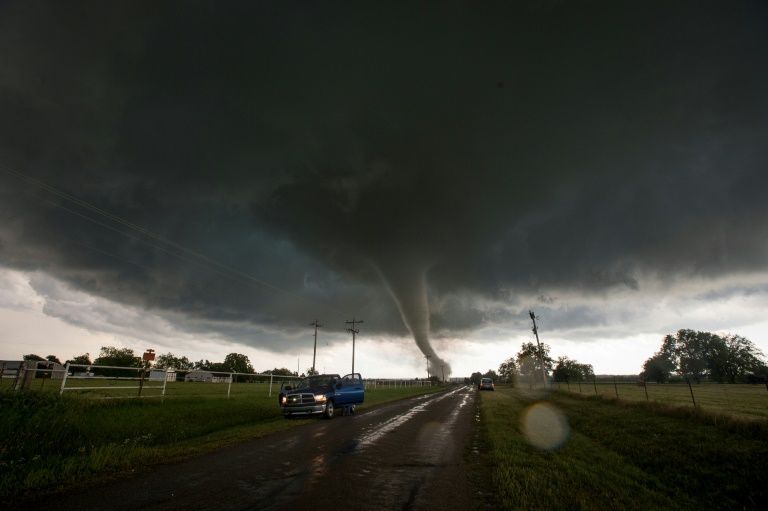
Communities across several Midwestern and Southern states participated in statewide tornado drills Wednesday, March 4, 2026, sounding outdoor warning sirens, activating NOAA Weather Radio alerts, and urging residents to practice sheltering procedures as part of annual Severe Weather Preparedness Week efforts.
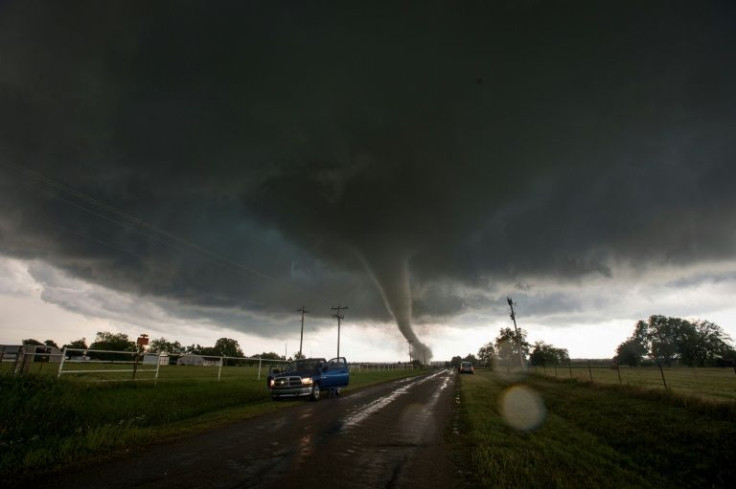
The coordinated exercises, organized by the National Weather Service (NWS) in partnership with state emergency management agencies, aimed to test communication systems, reinforce safety protocols, and build readiness ahead of the peak tornado season that typically ramps up in spring and summer.
In **Missouri**, the statewide drill occurred at 11 a.m. local time, with outdoor sirens sounding in participating counties and NOAA Weather Radios broadcasting a Routine Weekly Test (RWT) code to signal the start. Missouri State Emergency Management Agency officials emphasized practicing sheltering plans at home, work, or school. The drill replaced regularly scheduled siren tests in some areas, such as Boone County, where sirens activated as part of the exercise. Residents were encouraged to move to interior rooms on the lowest level, away from windows, treating the alert as a real tornado warning.
**Kansas** held its drill at 10 a.m. CST (11 a.m. in far eastern parts), with sirens blaring across counties including Riley, Sedgwick, and Shawnee. The NWS issued an RWT via NOAA radios, and local emergency managers activated outdoor warning systems. Officials stressed reviewing severe weather plans during the week of March 2-6, designated Severe Weather Preparedness Week, with Wednesday focused on tornado safety. Residents, schools, and businesses were asked to practice “Duck and Cover” or move to designated safe spots as if an actual warning were in effect.
**Kentucky** conducted its annual statewide tornado drill at 10:07 a.m. EST (9:07 a.m. CST), with Lexington Emergency Management and other local agencies participating. Sirens sounded in participating communities, and the NWS broadcast test messages. The exercise fell during Kentucky’s Severe Weather Awareness Week (March 1-7), highlighting the state’s vulnerability to tornadoes, particularly in spring. Officials urged families and workplaces to practice immediate sheltering actions.
**North Carolina** joined with a drill at 9:30 a.m., activating the State Emergency Alert System and broadcasting via local radio stations and NOAA Weather Radio. Cumberland County and Raleigh-area officials encouraged participation, advising people to head to interior lowest-level rooms away from windows when the alert sounded.
**Illinois** held its drill March 3 around 10 a.m. CST, with a focus on communication testing through RWT codes rather than full siren activation in some areas, though many local systems participated.
Other states scheduled similar events in coming weeks or months. South Carolina’s statewide drill is set for March 11 at 9 a.m., Indiana for March 10 at about 10:15 a.m. Eastern, and Virginia for March 10 at 9:45 a.m.
The drills come amid growing emphasis on preparedness as climate patterns contribute to more frequent and intense severe weather events. The NWS notes that tornadoes can strike with little warning, making advance practice critical. Key safety messages repeated across states include:
– Seek shelter in a basement or interior room on the lowest floor.
– Avoid windows, doors, and exterior walls.
– Use helmets or protective headgear if available.
– Have a family plan, including multiple ways to receive alerts (NOAA radio, apps, TV/radio).
– Distinguish between a watch (conditions favorable for tornadoes) and a warning (tornado sighted or indicated by radar — take action immediately).
Participation was voluntary but strongly encouraged for schools, businesses, and households. Many agencies provided resources like printable preparedness packets, safety checklists, and online guides to help residents develop or refine plans.
In Missouri and Kansas, the drills aligned with broader Severe Weather Preparedness Week themes: Monday for planning and alerts, Tuesday for lightning and flood safety, Thursday for hail and wind, and Friday for recovery. Officials noted that practicing during controlled drills builds muscle memory, potentially saving lives when real threats emerge.
No major disruptions were reported from the exercises, though some areas postponed regular monthly siren tests to coincide with the statewide events. Weather permitting was a common caveat, with agencies ready to reschedule if actual severe weather threatened.
As spring approaches, meteorologists warn that tornado activity often peaks from April through June in the central U.S. The drills serve as a timely reminder to review emergency kits, designate safe rooms, and stay informed through multiple channels.
Residents who missed the drills or want more information can visit local NWS offices, state emergency management websites, or Ready.gov for tornado safety resources. Officials stress that preparation today can make the difference in tomorrow’s storm.

O’Leary Ventures Chairman Kevin O’Leary explains why city-run grocery stores are a ‘bad idea,’ shares concerns over Zohran Mamdani’s promises, and discusses why he backs Bitzero.
American shoppers are being urged to check their freezers as nearly 37 million pounds of frozen food products are being recalled over concerns they may be contaminated with glass.
Ajinomoto Foods North America has expanded last month’s recall to include an additional 33,617,045 pounds of frozen ready-to-eat and not-ready-to-eat chicken and pork fried rice, ramen and shumai dumpling products, according to a notice issued Tuesday by the Department of Agriculture’s Food Safety and Inspection Service (FSIS).
The Oregon-based company initially announced it was recalling 3,370,530 pounds of frozen chicken fried rice products on Feb. 20. With the expansion, the total now stands at 36,987,575 pounds.
MORE THAN 3M POUNDS OF FROZEN CHICKEN FRIED RICE RECALLED OVER POTENTIAL GLASS CONTAMINATION
A package of Ajinomoto Chicken Fried Rice.
The expanded recall includes popular frozen items sold under the brand names Ajinomoto, Kroger, Ling Ling, Tai Pei and Trader Joe’s, FSIS said.
Among the affected products are Ajinomoto Tokyo Style Shoyu (Soy Sauce) Ramen With Chicken, Ajinomoto Fried Rice Authentic Japanese Style, Kroger Chinese Inspirations Chicken Fried Rice, Ling Ling Restaurant Style Fried Rice Yakitori Chicken, Tai Pei Chicken Fried Rice, Trader Joe’s Chicken Fried Rice and Trader Joe’s Chicken Shu Mai, and others.
The recalled items were produced between Oct. 21, 2024, and Feb. 26, 2026, and have best-by dates ranging from Feb. 28, 2026, through Aug. 19, 2027. They also have establishment numbers P-18356, P-18356B or P-47971.
OVER 650,000 BOTTLES OF WATER RECALLED AFTER BEING PACKAGED IN ‘INSANITARY CONDITIONS’
The products were distributed to retail stores nationwide. Some Ajinomoto-branded items were also sent to Canada and Mexico, according to FSIS.
The recall was triggered after the company received multiple consumer complaints reporting pieces of glass in the food.
“Upon further investigation, the establishment determined that a vegetable source ingredient, specifically carrots, was the likely source of the glass contamination, which also impacted the additional products subject to this expanded recall,” FSIS stated.
There have been no confirmed reports of injuries linked to the recalled products, a spokesperson for Ajinomoto Foods told FOX Business.
FORD RECALLS OVER 4.3 MILLION VEHICLES DUE TO SOFTWARE ISSUE
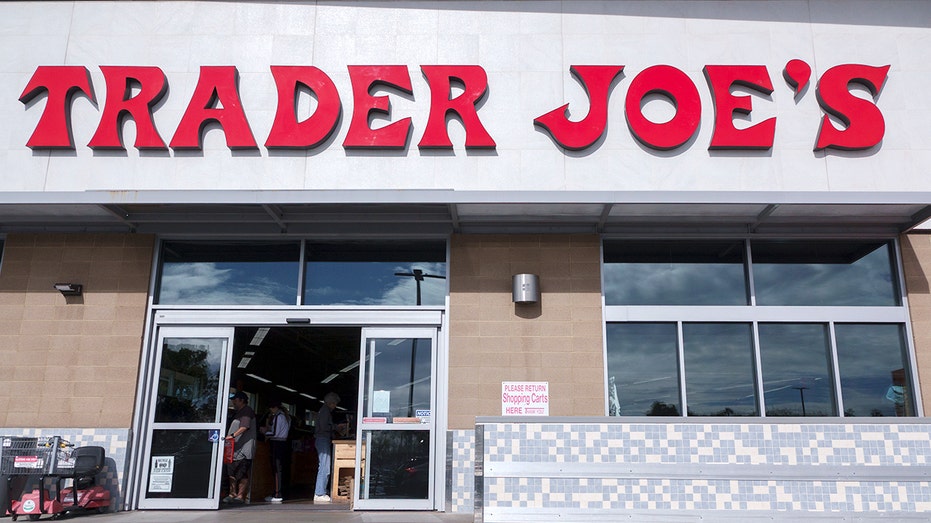
A Trader Joe’s logo is displayed on a sign outside a market in San Diego, California. (Kevin Carter/Getty Images / Getty Images)
Consumers who purchased the affected items are advised not to eat them and should instead throw the items away or return them to the store for a refund.
“Out of an abundance of caution, we have expanded on our voluntary recall for certain frozen products that may contain glass,” the spokesperson said. “… We are committed to maintaining the highest safety standards, and we continue to work closely with the USDA.”
CLICK HERE TO GET FOX BUSINESS ON THE GO
The full list of products is available on the USDA’s website.
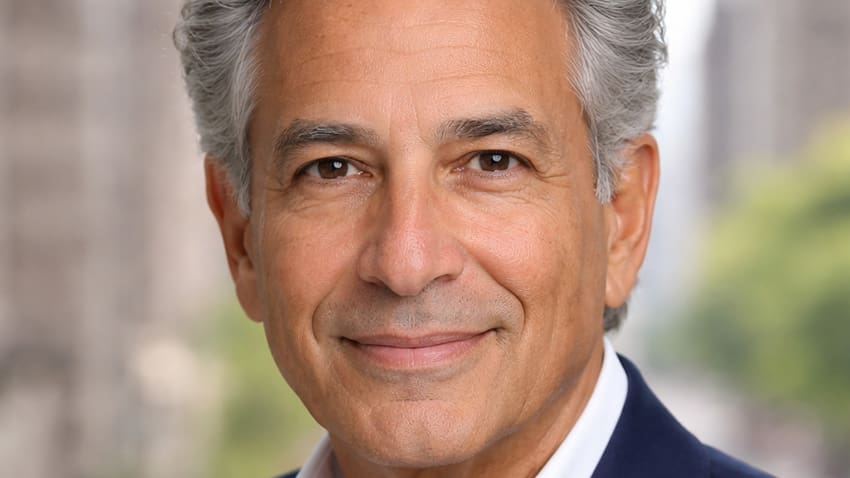
How one entrepreneur used grit, skill, and style to build a career that keeps evolving.
A Fresh Start with $200 and a Lot of Hustle
Michael Kadoe didn’t start with a safety net. When he arrived in the United States, he had just $200 in his pocket and no big connections. What he did have was a sharp mind and a desire to build something from the ground up.
“I didn’t wait for someone to give me a shot,” he says. “I made the shot myself.”
His early training as a dental technician gave him technical precision. He then expanded his skills by learning electrical work and plumbing, a mix that later helped him bridge the gap between design and construction. That practical base would later become one of his greatest strengths.
Building a Fashion Brand from a Basement
In 1994, Michael took a big step. He launched a clothing company from his basement. He had no fancy office or big funding round—just a few sewing machines and a vision. It worked.
Within ten years, he had a full team of 35 to 40 employees, with his fashion lines being sold in major U.S. retailers and international catalogues. He even produced private label designs for larger brands.
“I loved seeing my clothes on people I’d never met,” Michael says. “It made all the long hours feel worth it.”
But things changed after 9/11. The fashion landscape shifted. Consumer habits changed. Supply chains were disrupted. For many, this would be the end. For Michael, it was a pivot point.
Reinventing Himself Through Real Estate
Instead of staying in a shrinking industry, Michael shifted gears. He turned to real estate development in New York City. Using the same creativity and attention to detail he had in fashion, he began renovating homes and buildings.
“I already knew how to build things,” he explains. “Now I wanted to build spaces people could live in.”
Michael focused on eco-friendly renovations before sustainability became a buzzword. One of his projects was even awarded the Gold Award by Good Housekeeping for being the greenest house in New York City.
He used energy-efficient materials, clean air systems, and sustainable construction practices. The goal wasn’t just beauty. It was function with a conscience.
Why Sustainable Design Still Matters
Michael isn’t just following trends. He’s helping set them. His focus on sustainability in both fashion and housing has made him a leader in ethical design. His work proves that green living doesn’t have to sacrifice style or comfort.
“The environment matters,” he says. “But people also want their homes to feel good. I think you can have both.”
His homes are proof of concept—sleek, modern, and efficient. They’re designed with materials that last, layouts that flow, and systems that help families save on energy and live healthier lives.
Lessons in Grit, Growth, and Creativity
Michael’s career path wasn’t linear. It wasn’t easy. But it was intentional.
He learned from every challenge—shifting industries, rebuilding after business losses, and finding new markets to serve. What kept him going was a strong mix of hands-on skills and a creative mindset.
He’s also deeply passionate about architecture, art, travel, and wellness. These interests fuel his design sensibility and push him to keep learning and evolving.
“If you’re not learning, you’re not building,” he says. “And if you’re not building, you’re falling behind.”
Leading with Passion and Purpose
Today, Michael is known for being a multi-hyphenate entrepreneur. He brings the precision of a builder, the eye of a designer, and the strategy of a business owner. His work spans fashion, real estate, and sustainable development, always guided by purpose.
His story reminds us that success doesn’t come from shortcuts. It comes from doing the work, staying flexible, and sticking to your values—even when times get tough.
Key Takeaways for Entrepreneurs
If you’re building something from scratch, Michael’s story offers more than inspiration—it offers a roadmap.
- Start where you are. Michael’s first studio was a basement.
- Keep learning new skills. Technical knowledge helped him bridge industries.
- Pivot when needed. Moving from fashion to real estate opened new doors.
- Design with values. Sustainability isn’t a trend—it’s a commitment.
- Stay hands-on. He still gets involved in the details of every project.
Whether you’re launching a product or rethinking your career, Michael Kadoe shows what it means to lead with heart, vision, and action.


Startups are debuting functional products and exploring new formats.

DUP voices opposition to basic income for artists in Northern Ireland

Broadcom sees over $100 billion in AI chip sales by 2027 on robust custom chip demand

Fold Pays Off $66M Debt, Frees Up BTC Collateral


-

 Politics6 days ago
ITV enters Gaza with IDF amid ongoing genocide
-

 Politics2 days ago
Alan Cumming Brands Baftas Ceremony A ‘Triggering S**tshow’
-

 Fashion5 days ago
Weekend Open Thread: Iris Top
-

 Tech4 days ago
Unihertz’s Titan 2 Elite Arrives Just as Physical Keyboards Refuse to Fade Away
-
Sports5 days ago
The Vikings Need a Duck
-
 NewsBeat4 days ago
Dubai flights cancelled as Brit told airspace closed ’10 minutes after boarding’
-

 NewsBeat3 days ago
‘Significant’ damage to boarded-up Horden house after fire
-
 NewsBeat5 days ago
The empty pub on busy Cambridge road that has been boarded up for years
-

 NewsBeat4 days ago
Abusive parents will now be treated like sex offenders and placed on a ‘child cruelty register’ | News UK
-

 Entertainment3 days ago
Baby Gear Guide: Strollers, Car Seats
-

 Business7 days ago
Discord Pushes Implementation of Global Age Checks to Second Half of 2026
-
 Tech6 days ago
NASA Reveals Identity of Astronaut Who Suffered Medical Incident Aboard ISS
-

 Business6 days ago
Only 4% of women globally reside in countries that offer almost complete legal equality
-
 NewsBeat4 days ago
Emirates confirms when flights will resume amid Dubai airport chaos
-
Politics4 days ago
FIFA hypocrisy after Israel murder over 400 Palestinian footballers
-

 Crypto World6 days ago
From Crypto Treasury to RWA: ETHZilla Retreats and Relaunches as Forum Markets on Nasdaq
-

 NewsBeat2 days ago
Is it acceptable to comment on the appearance of strangers in public? Readers discuss
-

 Tech4 days ago
Viral ad shows aged Musk, Altman, and Bezos using jobless humans to power AI
-

 Business6 days ago
World Economic Forum boss Borge Brende quits after review of Jeffrey Epstein links
-

 Video7 days ago
Xii English top Selected mcq “Money Madness” Board Exam 2026, #chseodisha #hksir #mychseclass