

Business
Pubs Plot ‘Tax Break Tart’ Revolt


As operators ridicule the Chancellor’s giveaway, one Kensington venue is touting a £25 “kids” menu of burgundy snails and anchovy butter toast
Pubs and restaurants are expected to dream up increasingly inventive ways to milk a tax break on meals for under-18s, after a London venue unveiled a “children’s” menu featuring wild burgundy snail salad and anchovy butter toast.
Rachel Reeves last month announced a temporary cut in VAT on children’s meals, from 20 per cent to 5 per cent, running between 25 June and 1 September. The reduction forms part of a “Great British summer savings scheme” pitched as relief for hard-pressed venues and a sweetener for families. – Business Matters has explained how the Great British summer savings scheme works here.
The Chancellor flagged the policy in a video address to last week’s UKHospitality trade conference, where it landed to a notably muted reception.
Afterwards, senior figures across the trade added their voices to a growing chorus of derision, branding the scheme “laughable” and contrasting it with the roughly £5bn in extra costs piled onto pubs, bars, hotels and restaurants since Labour returned to power in 2024.
Chris Jowsey, chief executive of the 1,300-strong pub group Admiral Taverns, called the measure a “joke”, arguing that the resulting discount was “so small it’s embarrassing” and would do nothing for pubs that do not serve food.
He likened the VAT cut to the pandemic-era rules that, at one point, effectively allowed venues to serve alcohol only if it arrived alongside a scotch egg. “I suspect you’ll get some enterprising interpretations of children’s menus,” he said.
One restaurant in Kensington, in affluent west London, has already worked out how to wring maximum value from the policy.
The Blue Stoops has launched a £25 menu aimed at any “children” with an appetite for wild burgundy snails with bacon, anchovy butter toast, and beef and oyster pie. The line-up includes a pudding christened The Tax Break Tart. A non-alcoholic beer is bundled in, meaning the entire package qualifies for the summer reduction from 20 per cent to 5 per cent.
“We’re not expecting queues of children demanding snails and anchovy toast, but it has started the right conversations in the pub about why VAT support for hospitality needs to go much further,” the venue said.
Crucially, restaurants and pubs are under no obligation to verify that anyone ordering a discounted children’s meal is in fact a minor.
Clement Ogbonnaya, who owns the Prince of Peckham in south London, dismissed the discount as a “token gesture” that would achieve little without a permanent cut to the headline rate. “We’re all going to be faking our IDs to show we’re under 18,” he joked.
At the UKHospitality conference, operators lined up behind a call to slash VAT on hospitality from 20 per cent to 10 per cent. A parliamentary petition backing the move has already gathered more than 200,000 signatures, and can be found on the UK government petitions site. The campaign is supported by celebrity chefs including Tom Kerridge and Yotam Ottolenghi, and by the potential Labour leadership contender Andy Burnham, who has thrown his weight behind a hospitality VAT cut. Estimates of the annual cost to the Treasury range from about £10.5bn to £13bn.
The case rests partly on international comparison. While the UK rate sits at 20 per cent, the European average is 12.8 per cent. France, Spain and Italy all levy 10 per cent, and Germany charges 7 per cent. UKHospitality, which is co-ordinating the campaign, argues the gap leaves British venues at a structural disadvantage.
In her video message, Reeves insisted the government was backing the industry. The reception on the conference floor suggested otherwise. The hospitality investor and former Dragons’ Den panellist Sarah Willingham told delegates that when the Chancellor described Labour as pro-growth, she “nearly spat out my water”. The chief executive of Nightcap, owner of the Dirty Martini and Piano Works chains, described the UK investment climate as a “shitshow”.
Operators, grappling with soaring energy bills in the fallout from the Iran war, have rounded on a string of Labour measures, among them the higher national minimum wage, increased national insurance contributions and changes to business rates. The squeeze is already showing in the closure data, with three pubs and restaurants now shutting every day as costs and tax rises bite.
“They say they’re doing it for workers, but what they’re doing is making it impossible to employ workers because it’s so expensive,” said Matt Francis, owner of the Planet of the Grapes wine bar chain in London. “They think all people who own a business are driving around in a Ferrari with wedges of cash in our pocket.”
Francis added that he had only just repaid a government loan taken out when he was forced to close during the pandemic. “My reward is to pay even more tax. I will never vote for them again.” Of the summer discount, he was blunt: “We’ve got to the point where it’s laughable, not funny. And there’s a big difference.”
A government spokesperson said: “Businesses across the country have welcomed the Great British summer savings scheme, which will slash VAT from 20 per cent to 5 per cent on children’s meals, cinema and theatre tickets, and family attractions this summer. This will help families enjoy days out for less while boosting footfall for businesses across the hospitality and leisure sector.
“We’re also backing hospitality by reforming business rates, including a £4.3bn support package to limit bill rises, capping corporation tax at 25 per cent, cutting red tape and taking action on the cost of living. We have the right plan to grow the economy and support families and businesses with rising costs.”

Jamie Young
Jamie is Senior Reporter at Business Matters, bringing over a decade of experience in UK SME business reporting.
Jamie holds a degree in Business Administration and regularly participates in industry conferences and workshops.
When not reporting on the latest business developments, Jamie is passionate about mentoring up-and-coming journalists and entrepreneurs to inspire the next generation of business leaders.


National architecture practice Hames Sharley has succeeded through its multidisciplinary approach.

No project is ever simple. They start with neat timelines and confident nods, then slowly unravel somewhere between the kickoff meeting and delivery. Deadlines slip, priorities blur, and suddenly everyone’s busy, but no one is quite sure what they’re building anymore. Sound familiar?
The problem usually isn’t the tools, though. Typically, projects don’t fail because Gantt charts weren’t colourful enough. No. They generally fail because people weren’t led through uncertainty, change, and pressure effectively. That’s where a new way of thinking about project leadership comes into play.
The Human Factor of Projects
Modern projects live in a messy middle ground. Teams are hybrid, stakeholders are scattered, and priorities change faster than anyone would like. But in this ever-adapting environment, technical competence is only half the equation; the other half is undoubtedly having a good grasp on how people behave when plans change.
Strong project leaders know how to lead a room (even when that room is a video call full of muted microphones). This means they can spot disengagement early, manage conflict before it becomes personal, and keep momentum alive even when enthusiasm dips. Nowadays, these aren’t soft skills, either. They’re survival skills.
Leaders realise that when they treat their teammates as projects, they commit to ensuring each member is more likely to succeed in their role. Theoretically, a team can only be as strong as its weakest link.
Approaching a team with the same mindset they would to a project, leaders can, to some degree, apply the same techniques they would to any other project, analysing the strengths, weaknesses, opportunities and threats, to provide a well-rounded and decisive approach to helping their team members move forward. However, the human aspect should always remain in the balance. Everyone has a hard day now and again, and leaders need to identify when encouragement is as necessary as correction in the success of their projects.
When Process Isn’t Enough
Plenty of professionals reach a point where process alone stops delivering results. It’s inevitable. You can know the frameworks, you’ve run the workshops, and you can recite the methodology. Yet, some projects still stall. This is often the moment when the lightbulb switches on, and people realise they need to lead differently (not just manage harder).
Essentially, leadership in projects means making decisions without perfect information. It also means guiding teams through ambiguity and taking responsibility when outcomes aren’t guaranteed. It’s influence over authority, especially when you’re working across departments or with external partners who don’t report directly to you.
Learning to Lead Under Pressure
Some people pick these skills up the hard way. Trial, error, and a few bruising project post-mortems. Other project leaders choose a more deliberate path and choose to build leadership capability alongside strategic thinking and real-world application.
That’s where advanced study comes into the picture. A postgraduate master’s in project leadership appeals to professionals who want to go beyond delivery and into decision-making at a higher level.
It’s not about ticking a qualification box, though. It’s learning how to steer complex initiatives, motivate teams, and align projects with long-term organisational goals. A master’s degree won’t do the work for you, but it sure will help give you the tools you need to be a great leader.
Why Experience Has Limits
Experience is invaluable. But let’s face it, it can also lock people into the same old patterns again and again. When you’ve “always done it this way”, it’s easy to miss better opportunities. Structured learning challenges those old habits by introducing new perspectives. It’ll expose you to different industries and force you to step back from day-to-day firefighting so you can thrive.
Importantly, it also gives language to instincts many leaders already have. Things like emotional intelligence, ethical decision-making, and adaptive leadership often come naturally, but formal study helps refine and apply them with confidence.
Projects as a “Leadership Laboratory”
What is one of the most underrated benefits of project-focused leadership development? It’s how immediately practical it is! Think about it…
Projects are perfect for testing grounds, and you can apply ideas in real time. See what works, and adjust quickly when needed. Nothing personal.
Unlike abstract leadership theory, project leadership lives in the real world. And in the real world, budgets matter, deadlines are real, and stakeholders have opinions you need to take into careful consideration. At the end of the day, learning how to navigate these pressures while keeping teams engaged is what separates capable managers from trusted leaders.
Rethinking What Success Looks Like
The most successful projects don’t just hit their targets. They leave teams stronger, processes clearer, and organisations feeling better prepared for what comes next. That kind of success doesn’t happen by accident.
It comes from leaders who understand that projects are temporary, but the people doing the work are not. When leaders invest in developing themselves, the ripple effects extend far beyond a single delivery date.
Project Leaders in the Australian Context
In Australia, project leaders are increasingly expected to juggle complexity. Infrastructure, technology, health, education, and environmental projects all come with high visibility and high stakes. There’s little tolerance for failure, but plenty of uncertainty baked into the work.
That reality has changed expectations exponentially. Employers aren’t just looking for people who can deliver outcomes; they want leaders who can build resilience, communicate clearly under pressure, and make decisions that stand up to scrutiny.
Advanced leadership education reflects that, focusing on ethics, sustainability, and long-term impact over short-term wins.
Leading What Comes Next
As work becomes more complex and expectations continue to rise, project leadership will only grow in importance. The leaders who thrive will be those who can balance structure with empathy, strategy with adaptability, and ambition with responsibility.
Whether you’re already leading major projects or preparing for the next step, rethinking how you approach leadership can change the trajectory of everything, including your career. After all, projects may end, but the way you lead them tends to stick with you and your team.

Apple is preparing to raise the price of its products to absorb the soaring cost of memory and storage chips, chief executive Tim Cook has confirmed in an interview with The Wall Street Journal, in the clearest signal yet that the artificial-intelligence boom is now landing squarely in the consumer’s pocket.
“Unfortunately, price increases are unavoidable,” Cook told the newspaper. “We’re doing our best to mitigate the huge increases that are being passed to us, and we’ve been trying to shield our customers from the increases, but the situation has become unsustainable.”
Cook declined to specify when the rises would take effect, how large they might be, or which products would carry them. Apple’s next significant launch is expected in September, when the iPhone 18 range, tipped to include the company’s first foldable handset, is due to arrive. Price changes on Macs and iPads could come sooner. The group quietly lifted the starting price of the Mac Mini last month, between launch events.
The trigger is an extraordinary surge in demand for memory and storage chips from AI companies, which has pushed component costs up so sharply that Apple would have to raise device prices substantially simply to hold its margins steady. The research firm TechInsights estimates that passing the higher costs straight through to buyers, while protecting profitability, would add roughly $270 to the price of the next iPhone Pro.
Memory and storage chips sit inside almost every computing device, from smartphones and laptops to games consoles, medical equipment and cars. The problem is that AI servers are now consuming these chips in rapidly rising volumes, leaving even a company as cash-rich as Apple struggling to secure supply. As the company found with Trump-era tariffs that threatened to push iPhone prices sharply higher, external cost shocks have a habit of finding their way onto the shelf price.
Since last year, when Google, Microsoft, Meta and Amazon began announcing big increases in their capital-spending budgets, the prices of memory and storage chips have both quadrupled. TechInsights expects both to keep climbing into 2027.
The two components do different jobs. Memory, known as DRAM, behaves like the desk in a mid-20th-century office, holding the papers a worker needs for the task in hand. Storage, known as NAND, is the filing cabinet that holds everything else. A smartphone uses DRAM to run the apps currently open, and NAND to file away photos and videos.
Cook said both markets were a concern, but singled out DRAM, pointing to the growing share being diverted to so-called high-bandwidth memory used in AI servers. “There’s less supply at a time when consumers want devices and the memory guys are passing along huge price increases,” he said. “We definitely need memory pricing and supply to return to reasonable levels for consumer products. That’s the bottom line.”
Three companies dominate DRAM: Samsung and SK Hynix in South Korea, and Micron in the United States. NAND is made by those three plus Kioxia and Sandisk. Their share prices and profits have exploded over the past twelve months, with Micron and SK Hynix up more than 800 per cent, and Kioxia and Sandisk up some 4,600 per cent.
Capacity is being added, but not fast enough for consumer buyers. Morgan Stanley forecasts that production capacity for DRAM wafers, the silicon discs on which chips are patterned, will grow 30 per cent by 2027. Yet as suppliers prioritise specialised AI memory, wafers for consumer technology are expected to fall up to 15 per cent short of demand. The squeeze is not Apple’s alone: industry analysts at IEEE Spectrum have charted how the AI build-out is draining DRAM supply away from the mainstream electronics that households actually buy.
China has national champions in memory and storage, but under national-security rules American companies would probably need licences to work with them. Asked whether those restrictions should be eased, Cook said: “I think everything needs to be on the table,” adding, “I think we should look at all supply.”
Apple is far from alone. Hewlett-Packard, Dell and Nintendo have all raised prices, and a consortium of industry associations recently wrote to Treasury Secretary Scott Bessent and Commerce Secretary Howard Lutnick complaining about the over-allocation of memory to AI buyers and asking for help to lift supply. The pressure on consumer pricing has been building for months, as Business Matters reported when memory costs threatened to add hundreds of pounds to the price of an ordinary laptop.
Morgan Stanley estimates a 15 per cent rise in smartphone and PC prices in the United States this year. The effect on the consumer price index should be modest, given the small weighting such devices carry, but any rise on the popular iPhone is likely to attract attention in Washington. Bloomberg has described the resulting crunch as a fully fledged chip crisis, with prices climbing across the board.
Compounding matters, Apple needs additional DRAM to power more AI features, including the rebooted Siri unveiled last week. The company has also long relied on NAND storage upgrades to lift profits, charging $100 to $200 for extra increments that cost it a fraction of that, the very products now caught in the price spiral.
In the interview, Cook said Apple was ready to deploy its cash reserves to help boost memory supply. “We’re willing to use our balance sheet to help be a part of the solution,” he said. “Obviously, more capacity is needed.”
He offered no specifics, and the practical difficulty is plain. It is unclear how Apple could match, let alone beat, the terms AI hyperscalers are offering to lock up supply: three-to-five-year agreements with large cash prepayments that run against Apple’s long tradition of disciplined spending. Nor will the company build its own factories. “We can’t do everything,” Cook said. “We know what we’re good at.”
Apple spends in the low tens of billions of dollars a year on memory and storage, according to people familiar with its costs, making it one of the largest buyers in the world. Historically it has used that heft to wring the keenest prices from suppliers, playing them off against one another. Now, with AI companies storming the market, even Apple has to queue.
For Cook, who has spent more than four decades in the electronics supply chain at IBM, Compaq and Apple, the swing is without precedent. “This is a hundred-year flood,” he said. “I’ve never seen anything like it in any area in over 40 years.”
For consumers and the small businesses that kit out their teams with iPhones, iPads and Macs, the message is blunt: the AI gold rush now has a price tag, and it is about to appear on the till receipt.
Jamie Young
Jamie is Senior Reporter at Business Matters, bringing over a decade of experience in UK SME business reporting.
Jamie holds a degree in Business Administration and regularly participates in industry conferences and workshops.
When not reporting on the latest business developments, Jamie is passionate about mentoring up-and-coming journalists and entrepreneurs to inspire the next generation of business leaders.

A consultation is launched on the Heathrow expansion, outlining conditions for the project to go ahead.
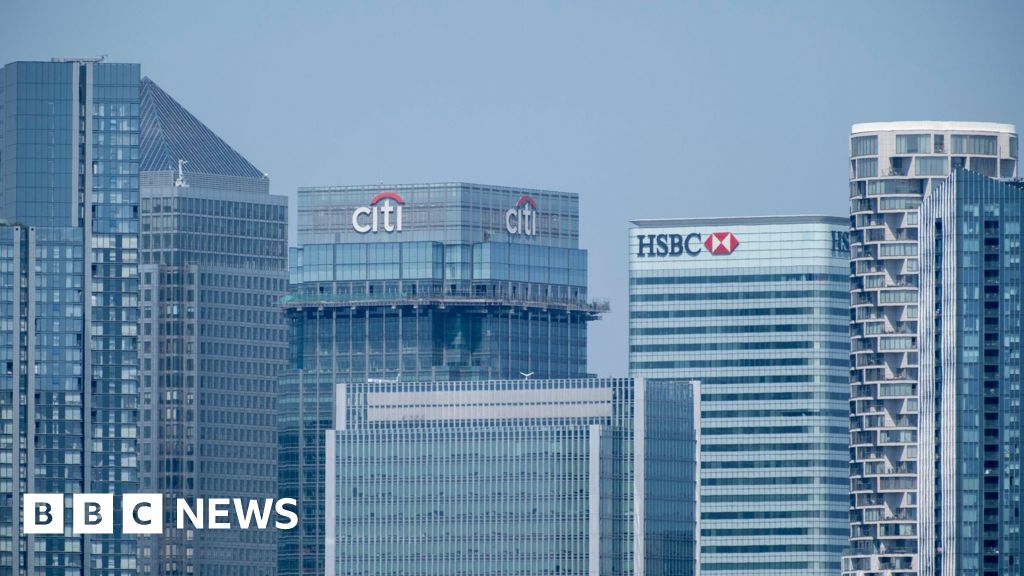
Analysis showed how much the UK could have grown if it had not exited the EU.

With fuel and gas prices having fallen in recent days, we look at how the end of hostitlities might affect you – in five charts.

The Philadelphia semiconductor index sharply outperformed the rest of the market as Intel’s shares jumped to a record high. U.S. President Donald Trump said iPhone maker Apple had agreed to work with Intel to design and manufacture its chips in the U.S.
Early in the session, oil prices slid to their lowest levels since early March after the U.S. and Iran signed an interim agreement that extends the April ceasefire by another 60 days to allow the sides time to reach a final deal.
Although Trump threatened to resume attacks if Iran failed to honor its commitments, the first ships started sailing through the Strait of Hormuz, where transportation of oil, gas, fertilizer and other cargoes had been disrupted since the start of the war.
According to preliminary data, the S&P 500 gained 78.31 points, or 1.06%, to end at 7,498.41 points, while the Nasdaq Composite gained 496.28 points, or 1.87%, to 26,507.05. The Dow Jones Industrial Average rose 70.29 points, or 0.14%, to 51,562.84.

Also Read | SpaceX bankers prepare for bond sale of at least $20 billion
All three of Wall Street’s major indexes tumbled in the previous session as investors priced in the likelihood of Fed rate hikes, after the central bank’s new Chair Kevin Warsh underscored the need to curb inflation and other policymakers signaled higher borrowing costs ahead.
“Markets got spooked by Warsh yesterday essentially promising to contain inflation,” said Tony Welch, chief investment officer at SignatureFD, but he pointed to easing oil prices and recent strength in earnings and economic data. “All together, the package of data is still supportive whether or not the Fed has become a little bit more hawkish.”
Traders were betting on a roughly 50% chance of a 25-basis-point rate hike as soon as September and a roughly 20% probability for a 50-basis-point hike, according to CME Group’s FedWatch tool.
Investors were still assessing Warsh’s indication that the Fed would provide less guidance on future policy moves and his stated focus on price stability. Eric Johnston, chief equity and macro strategist at Cantor, said: “The conclusion today is that the Fed has more credibility around inflation.”
On the data front, Labor Department data showed the number of Americans filing claims for unemployment benefits fell last week as layoffs remained low.
In individual stocks, shares of Accenture tumbled after the company trimmed the top end of its annual revenue forecast. Peers including Cognizant Technology Solutions , Gartner and IBM fell in sympathy.
Among other movers, Kroger shares fell after the grocer reported a lower-than-expected profit for the first quarter and kept its annual forecasts unchanged. Shares in Elon Musk’s SpaceX fell for a second straight day, after the space and AI company had rallied sharply for the first few days of trading after its market debut last Friday.
Thursday also marked the once-in-a-quarter simultaneous expiry of derivatives contracts tied to stocks, index options and futures, also known as “triple witching,” which can boost trading volume and aggravate volatility.

Ask a group of friends and you’ll likely get a dozen different answers. Some insist the bill should always be split equally, others believe the person who sets up the date should pay and despite changing attitudes towards gender roles, many still see a man picking up the bill as a romantic gesture rather than an outdated tradition.

Himalayan villages are creating artificial glaciers to guarantee water for their crops in the spring.


Biggest ever US clean energy project is complete after nearly two decades

Women’s T20 World Cup: Scotland agonisingly short of famous win over West Indies

Designing down the decades at Hames Sharley

Bitcoin Decouples From Tech Stocks As AI Takes Market Lead


-

 Business4 days ago
No Jackpot Winner as $257 Million Prize Rolls Over to $269 Million Monday Draw
-

 Fashion6 days ago
Weekend Open Thread: Tuckernuck – Corporette.com
-
 Crypto World4 days ago
Zimbabwe Requires Crypto Businesses to Register Annually Under New FIU Regulations
-

 Crypto World6 days ago
Bitget enters Argentina’s regulated crypto market through PSAV registration
-

 Tech6 days ago
NanoClaw integrates JFrog registries to secure AI agent downloads
-

 Tech6 days ago
This Week In Security: Microsoft On Microsoft, Register Your Domains, Linux On ARM, And FreeBSD Joins The File Cache Club
-

 NewsBeat6 days ago
FBI searches office of Ohio voter registration group
-
 Tech7 days ago
Anthropic is spending $150M to embed 1,000 AI fellows inside nonprofits. No degree required.
-
 Entertainment7 days ago
‘The Pitt’s Fan-Favorite Doctor Confirms Noah Wyle Gave His Blessing to Return [Exclusive]
-
 Crypto World7 days ago
Ripple and Bitso Bring MXNB Stablecoin to XRP Ledger
-

 Tech7 days ago
Former AWS CEO Adam Selipsky to lead new $10B AI data center venture
-
 Entertainment4 days ago
Matt Damon’s Viral Sci-Fi Thriller Has Taken Over HBO Max
-

 Business4 days ago
Anthropic staff to meet White House officials next week, Axios reports
-

 Tech4 days ago
As AI companies race to go public, who else is along for the ride?
-
 Crypto World4 days ago
Bitcoin could crash to $48,000, if this historical pattern is triggered
-
 Tech7 days ago
Euro-Office 1.0 Arrives To Open-Source Infighting: ‘Compatibility Is Not Sovereignty’
-

 Politics4 days ago
“Israel’s” ban on ICRC visits ruled illegal, but Knesset moves to stop them permanently
-
Entertainment7 days ago
Ana Navarro unleashes explosive tirade on ex-Trump aide, Disney Channel star in epic on-air fight: 'Have you no shame?'
-
 NewsBeat4 days ago
Warning of disruption as Cardiff Crossrail works to start
-

 News Videos4 days ago
Financial Accounting | Last Day Revision Strategy and Booster | CMA Inter – June 2026
You must be logged in to post a comment Login