Rachel Reeves has pledged to slash electricity bills by up to a quarter for more than 10,000 British manufacturers, in a move Whitehall hopes will shore up the country’s battered industrial base and blunt criticism that ministers have been slow to tackle the highest energy costs in the developed world.
Speaking from Washington, where she is attending the spring meetings of the International Monetary Fund, the Chancellor confirmed on Thursday that the British Industrial Competitiveness Scheme (BICS) will be widened by 40 per cent, bringing an additional 3,000 firms under its umbrella. The scheme, first trailed in last year’s Modern Industrial Strategy, will exempt qualifying businesses from the indirect costs of three legacy green levies: the Renewables Obligation, Feed-in Tariffs and the Capacity Market.
Treasury officials put the value of the relief at roughly £35 to £40 per megawatt hour, or up to £600 million a year once the scheme takes effect in April 2027. Crucially, ministers insist that neither households nor businesses outside the scheme will see their bills rise as a consequence, with the cost being met through a mixture of changes within the energy system and Exchequer funding. Full details are to be set out in next year’s Budget.
In a concession to firms that have been lobbying hard for immediate relief, the Chancellor has also agreed to a one-off backdated payment in 2027, replicating the support manufacturers would have received had BICS been operational from April 2026. Exemptions on the Renewables Obligation and Feed-in Tariff levies will kick in from April 2027, with Capacity Market exemptions following that October.
Eligibility will run the length of the industrial spectrum, from sprawling steelworks and automotive plants to smaller recyclers, plastics producers, metal fabricators and pharmaceutical manufacturers. Aerospace companies, nuclear fuel processors and makers of cooling and ventilation equipment are also expected to qualify. Relief will be calculated site by site, based on the proportion of electricity used to manufacture eligible goods. Sites where less than 25 per cent of power is used for qualifying production will receive nothing; those between 25 and 50 per cent will get a half exemption, and any site above 50 per cent will benefit in full. Notably, the scheme draws no distinction between large corporates and SMEs, a point likely to be welcomed by smaller firms in the supply chain who have often found themselves shut out of previous industrial aid programmes.
Advertisement
Ms Reeves said the measure was part of the Government’s broader push to deliver “stability, keeping costs down, and boosting competitiveness” at a time when the Middle East crisis is once again rattling global energy markets. “This Government has the right plan for the economy: backing British industry, cutting electricity costs, and building a stronger, more resilient future,” she said, adding that the announcement would help manufacturers “compete, win and create good jobs across the country”.
The Business Secretary, Peter Kyle, framed the move as a response to the number one complaint he hears on factory visits. “When global instability puts businesses under pressure we’ll always do what’s needed to support them,” he said. “By extending the reach of BICS by 40 per cent, we’re acting decisively to tackle the number one issue that businesses face head-on.”
Business lobbies offered a qualified welcome. Rain Newton-Smith, chief executive of the CBI, said the Chancellor had shown she was “listening to firms grappling with volatility in global energy markets”, though she stressed that BICS should be viewed as “an important step” rather than “job done”. Lasting reform, she argued, would require stripping policy costs from electricity bills altogether, scaling up energy efficiency support and accelerating the rollout of renewables.
Mike Hawes, chief executive of the Society of Motor Manufacturers and Traders, described the final design of BICS as “a major win” for the car industry, saying it sent “a clear and immediate signal that we are open for business and a prime destination for investment”. Shevaun Haviland, director general of the British Chambers of Commerce, welcomed the backdating in particular, which the BCC had lobbied for.
Advertisement
Not everyone was satisfied, however. Stephen Phipson, chief executive of Make UK, delivered the sharpest riposte, warning that relief coming in 2027 was cold comfort to manufacturers renegotiating their contracts now. “Manufacturers are staring down the barrel of huge increases in their energy bills this month,” he said. “Many simply can’t wait until 2027 for relief.” The UK still labours under the highest industrial electricity costs in the developed world, he noted, and failing to act immediately risked “substantial job losses and further deindustrialisation of a sector vital for our national security and resilience”, a sector that supports 2.6 million skilled jobs.
Thursday’s announcement follows the £420 million boost delivered on 1 April through the British Industry Supercharger, which lifted the discount on electricity network charges for around 500 of the most energy-intensive firms from 60 to 90 per cent. Together with BICS, ministers argue the two schemes represent the most significant intervention in industrial energy pricing in a generation.
A second consultation on the regulatory changes needed to bring the scheme to life closes on 14 May, with legislation expected on the statute book by the autumn. A full review of BICS is pencilled in for 2030. The full list of eligible SIC and HS codes is due to be published on gov.uk later today.
Whether the package is enough to arrest the slow erosion of Britain’s industrial base, or whether, as Make UK fears, it simply arrives too late for firms already on the brink, will now become the defining question of the Chancellor’s industrial policy in the run-up to the Budget.
Advertisement
Amy Ingham
Amy is a newly qualified journalist specialising in business journalism at Business Matters with responsibility for news content for what is now the UK’s largest print and online source of current business news.
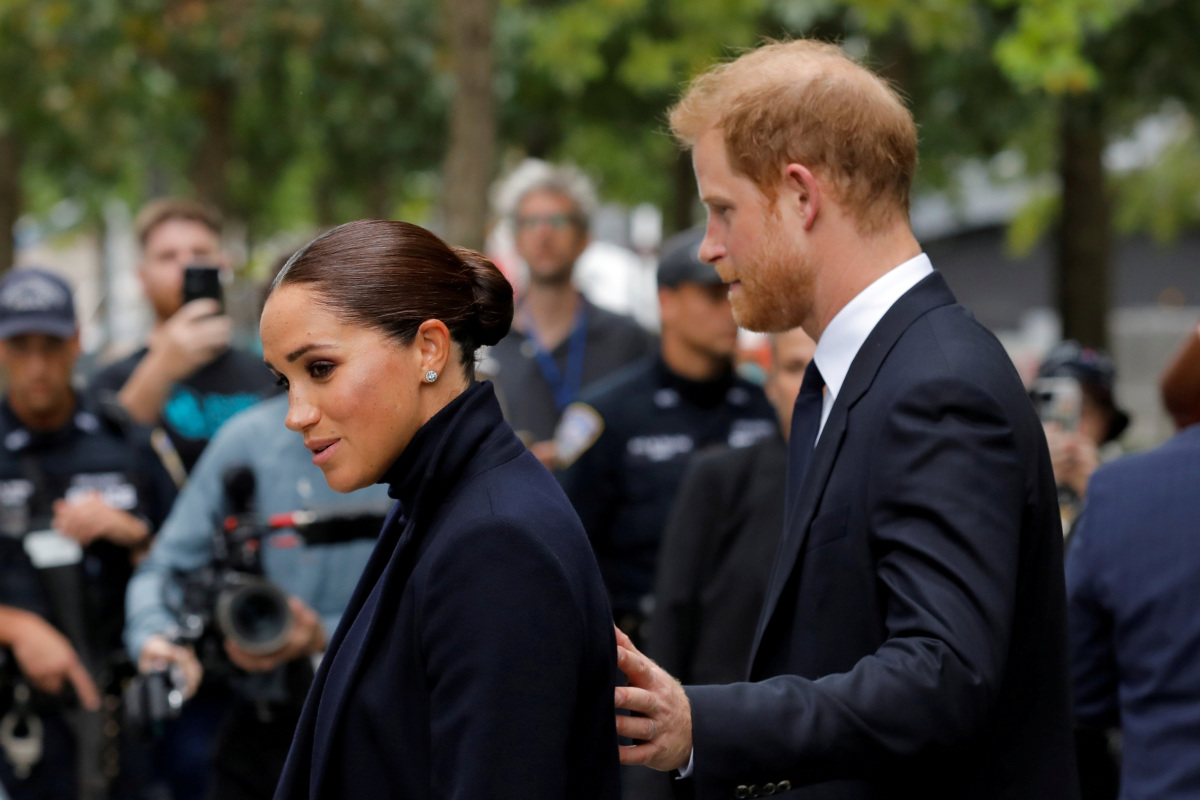
MELBOURNE, Australia — The Duke and Duchess of Sussex joined an Aboriginal walking tour along Melbourne’s Yarra River on Thursday, immersing themselves in the rich history and living culture of the Kulin Peoples as part of their four-day private visit to Australia.
Prince Harry and Meghan Markle participated in the Scar Tree Walk, a guided cultural experience organized by the Koorie Heritage Trust that connects traditional and contemporary Aboriginal stories. The tour began at Federation Square and wound along the Birrarung, or Yarra River, highlighting scar trees — ancient living heritage sites where Wurundjeri people carefully removed bark centuries ago to craft canoes, shields and other tools.
The couple, dressed casually for the morning activity, learned about the deep connection between the land, the Kulin Nations and modern Indigenous communities in Victoria. They viewed Indigenous art installations, crossed the William Barak Bridge — named after a prominent 19th-century Wurundjeri leader — and reached protected scar trees in Yarra Park, which sits over a traditional meeting place now occupied by the Melbourne Cricket Ground.
Advertisement
Guides from the Koorie Heritage Trust shared stories of resilience, connection to Country and the ongoing cultural practices of First Nations Australians. The Sussexes handled a Marngrook, a traditional football made from possum skin, and engaged in discussions about reconciliation, community resilience and the importance of preserving Indigenous knowledge.
The engagement marked the third day of the couple’s self-funded trip to Australia, which has focused on mental health, veterans’ support and community causes. Earlier in the visit, Harry and Meghan toured the Royal Children’s Hospital in Melbourne, where they met young patients and families. Meghan also made a solo visit to a women’s shelter, rolling up her sleeves to help serve meals in the kitchen.
On Wednesday, Harry attended a Movember event with players from the Western Bulldogs AFL team before flying to Canberra for a visit to the Australian War Memorial. There, he met Indigenous veterans, attended a reception for Invictus Australia — the veterans’ charity he founded — and participated in the Last Post Ceremony.
The Scar Tree Walk provided one of the most public moments of the tour so far. Crowds gathered along the route, and the couple paused for selfies and brief conversations with well-wishers, drawing cheers from onlookers. Meghan wore a casual outfit featuring a “Mama” shirt, interpreted by some as a subtle nod to her role as a mother and her friendship with designer Misha Nonoo.
Advertisement
The visit comes more than seven years after the couple’s 2018 royal tour of Australia and New Zealand as newlyweds, which drew massive crowds. This 2026 trip is unofficial, privately funded and without formal royal duties, though Australian taxpayers are covering police and public safety costs. No large-scale public walkabouts were scheduled, yet the Scar Tree Walk allowed organic interactions with locals.
Indigenous leaders and cultural representatives welcomed the couple’s participation. The Koorie Heritage Trust described the Scar Tree Walk as an opportunity to share authentic stories and foster understanding between cultures. Representatives emphasized the significance of scar trees as living witnesses to thousands of years of continuous connection to Country.
Harry and Meghan have long shown interest in Indigenous issues. During their 2018 tour, they met with Aboriginal communities and highlighted mental health challenges facing First Nations youth. Harry’s work with Invictus Games has included support for Indigenous veterans, while the couple’s Archewell Foundation has backed initiatives promoting community resilience and cultural preservation.
The tour has sparked a mix of enthusiasm and debate in Australia. Supporters praised the couple for engaging meaningfully with local causes, while critics questioned the cost to taxpayers and the private nature of the visit. Some online commentary focused on the couple’s high-profile lifestyle since stepping back from senior royal duties in 2020, yet on the ground in Melbourne, reactions from those who encountered them were overwhelmingly positive.
Advertisement
Thursday’s cultural walk aligned with the Sussexes’ stated focus on mental health and community support. The Yarra River precinct holds deep significance for the Kulin Peoples, serving as a place of gathering, trade and ceremony for millennia. Guides explained how scar trees represent sustainable practices and the sophisticated knowledge systems of Aboriginal Australians long before European settlement.
The couple appeared relaxed and engaged throughout the approximately 90-minute experience. They asked questions about the creation of scar trees, the seasonal calendar of the Kulin Nations and contemporary efforts to protect cultural sites amid urban development. At one point, they joined a small group for a discussion on reconciliation and the importance of truth-telling in Australian history.
After the walk, the Sussexes were expected to depart Melbourne for Sydney, where they will promote Invictus Australia and attend the InterEdge Summit. The four-day itinerary blends philanthropic engagements with select business and private activities.
This Australia visit represents a return to a country where the couple once enjoyed enormous popularity. Their 2018 tour included stops in Sydney, Melbourne, Dubbo, Fraser Island and other locations, culminating in announcements about Meghan’s pregnancy with their first child, Archie.
Advertisement
Since then, the Sussexes have built independent lives in California, launching Archewell, producing content for Netflix and Spotify, and pursuing various advocacy efforts. Harry has remained deeply involved with the Invictus Games, while Meghan has focused on women’s empowerment, maternal health and creative projects.
Observers noted the symbolic value of the Scar Tree Walk during a time when Australia continues national conversations around reconciliation, the Uluru Statement from the Heart and Closing the Gap targets. Indigenous leaders have called for greater visibility and respect for First Nations cultures in public life, and the Sussexes’ participation was seen by some as a positive gesture.
The Koorie Heritage Trust, based at Federation Square, plays a key role in preserving and sharing Victorian Aboriginal culture through exhibitions, tours and educational programs. Its Scar Tree Walk is one of several cultural experiences designed to give visitors direct insight into living heritage rather than static museum displays.
As the couple wrapped their time in Melbourne, local media captured images of them interacting warmly with guides and fans. The morning activity stood in contrast to the more formal elements of the tour, such as the War Memorial visit, offering a grounded, educational moment amid a packed schedule.
Advertisement
The Sussexes’ office described the Australia trip as an opportunity to reconnect with causes close to their hearts while supporting local organizations working on mental health, veterans’ issues and community building. No further details were released about private business engagements.
With the tour moving to Sydney, attention will shift to Invictus-related events and any additional public appearances. The couple is expected to depart Australia after the final engagements, returning to California and their young family — Prince Archie, 7, and Princess Lilibet, 4.
For many Australians, the Scar Tree Walk represented a meaningful highlight of the visit, showcasing a willingness to learn from and honor the world’s oldest continuous living cultures. Whether the engagement sparks deeper conversations about reconciliation remains to be seen, but the images of Harry and Meghan listening attentively along the Yarra River offered a visual reminder of the power of cultural exchange.
As Thursday’s activities concluded, the Duke and Duchess of Sussex carried forward lessons from the Kulin Peoples into the next phase of their Australian journey, blending personal connection with public advocacy in a country that continues to hold a special place in their shared story.
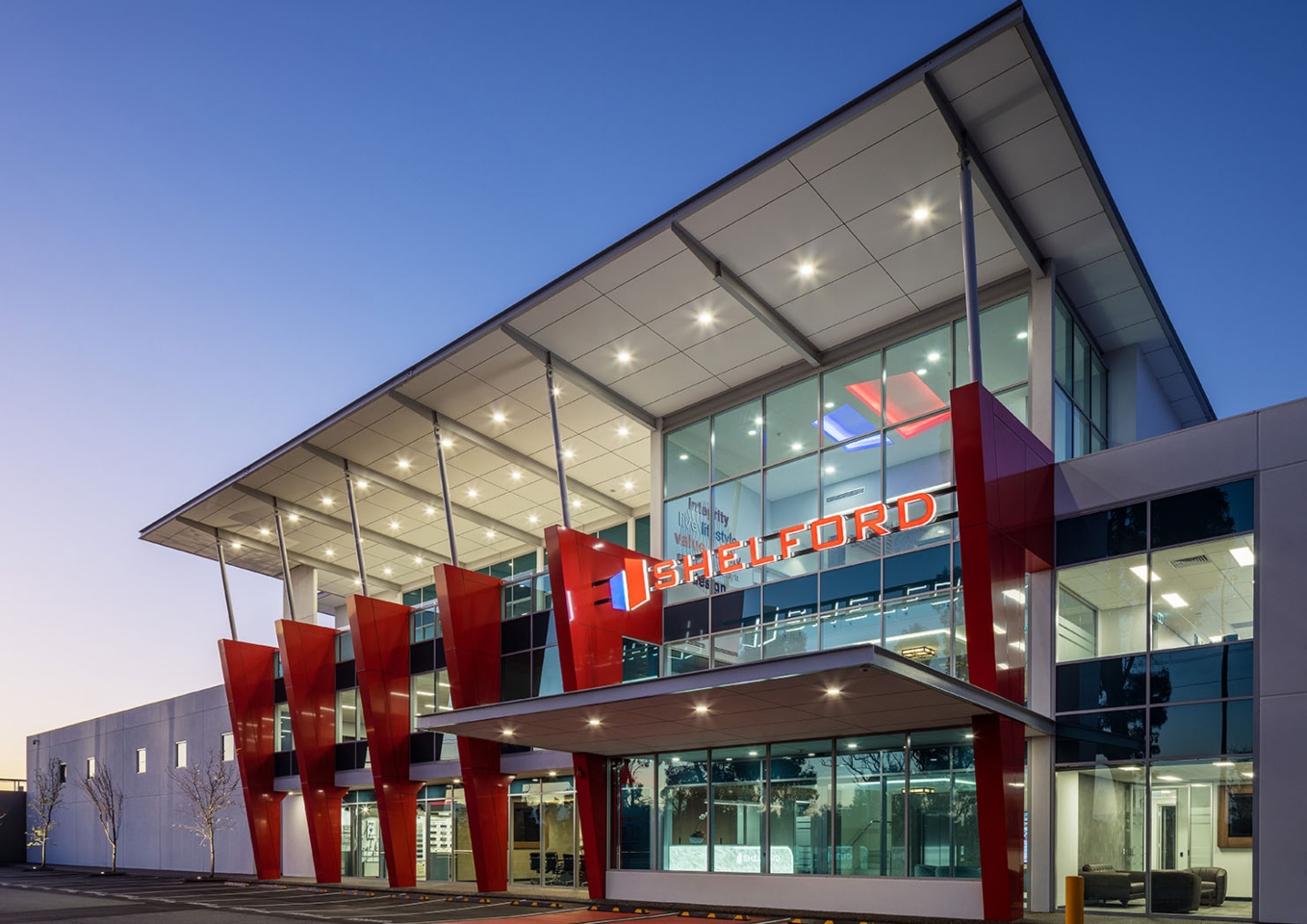
A local builder has been appointed to redevelop a northern suburbs family and domestic violence accommodation after the state government invested $22.6 million in the project.
OAKLAND, Calif. — Stephen Curry returned to the Golden State Warriors lineup earlier this month after missing more than two months with a nagging right knee injury, but questions linger about whether the 38-year-old superstar is fully recovered and physically prepared to lead a long-shot playoff push in the 2026 NBA postseason.
Curry, sidelined since late January with patellofemoral pain syndrome and associated bone bruising — often described as “runner’s knee” — made his comeback on April 6 against the Houston Rockets, entering off the bench to a thunderous ovation at Chase Center. Limited to around 24 minutes in that contest, he has since ramped up his workload, starting games and logging increased minutes while delivering vintage performances, including a 35-point explosion with seven three-pointers in Wednesday’s dramatic play-in victory over the Los Angeles Clippers.
The Warriors defeated the Clippers 126-121 in Inglewood on April 15, erasing a 13-point deficit with a scorching fourth quarter that featured Curry’s deep-range shooting and clutch playmaking. The win advanced Golden State to Friday’s elimination game against the Phoenix Suns, where a victory would secure the No. 8 seed and a first-round matchup against the top-seeded Oklahoma City Thunder.
Coach Steve Kerr has managed Curry’s minutes carefully since his return, emphasizing a gradual build-up to avoid setbacks. Curry himself described feeling “great” in recent media sessions but acknowledged a “new normal” with his knee, noting that while there is nothing structurally wrong, the joint remains unpredictable after the prolonged rehab.
Advertisement
The injury first flared up in late January, forcing Curry to miss the NBA All-Star Game and 27 consecutive regular-season contests. During that stretch, the Warriors struggled to a 9-18 record, slipping into the No. 10 seed in the Western Conference. Medical staff initially hoped for a quick return after the All-Star break, but reactions during on-court work repeatedly delayed progress, leading to cautious optimism through March.
By late March, Curry began intensifying individual on-court workouts and transitioned to 5-on-5 scrimmages. He set an internal target to return against the Rockets and received medical clearance, though the team stressed the need for game reps to regain timing, conditioning and chemistry with teammates including Draymond Green, Kristaps Porzingis and veteran addition Al Horford.
In his first two games back, Curry came off the bench before rejoining the starting lineup. He has spoken openly about the mental and physical toll of the rehab, calling it longer and more unpredictable than anticipated. “I thought I was going to be out a week, 10 days max,” Curry said ahead of his return. “Every time I pushed it, there was a reaction.”
Despite the challenges, Curry’s impact has been immediate. His return has energized the Warriors, who now rely heavily on his scoring, spacing and leadership to navigate the high-stakes play-in format. Warriors players and coaches have expressed confidence in his health, with Kerr noting that Curry’s presence alone elevates the team’s ceiling even as he continues ramping up.
Advertisement
Medical experts note that patellofemoral pain syndrome can be stubborn, particularly for a player like Curry who relies on explosive movements, quick directional changes and repetitive jumping. At 38, with a lengthy career of high-mileage play behind him, full restoration to pre-injury explosiveness may take additional time. Curry has emphasized listening to his body and understanding the “new normal” rather than forcing an unrealistic return to peak form overnight.
The Warriors’ playoff hopes rest largely on Curry’s ability to stay healthy and perform at an elite level over what could be multiple elimination games. A win Friday in Phoenix would earn a first-round series against Oklahoma City, a daunting challenge even with a healthy Curry given the Thunder’s youth, depth and defensive versatility. Golden State would need Curry to shoulder a heavy offensive load while managing defensive assignments and minutes.
Historically, players returning from extended knee absences have shown mixed results in the postseason. Some regain rhythm quickly, while others require several games to rebuild confidence and conditioning. Curry’s shooting touch has remained sharp in limited action, but questions about lateral quickness, burst and fatigue remain until he logs consistent high-minute outings.
The broader roster context adds complexity. The Warriors have dealt with multiple injuries throughout the season, including to key supporting pieces. Porzingis and Horford have provided size and spacing when available, but their own availability has been inconsistent. Green’s defensive intensity and leadership remain vital, yet the team’s overall depth has been tested.
Advertisement
For fans and analysts, Curry’s return has reignited hope for a Cinderella run reminiscent of past Warriors playoff magic. Yet realism tempers optimism. The Warriors finished the regular season with a sub-.500 record and entered the play-in as underdogs. Even with Curry back, advancing past Phoenix and then competing in a first-round series would require near-perfect execution and continued health.
Curry has repeatedly expressed his love for playing basketball and his desire to compete at the highest level. “I’m happy to have clarity now,” he said, acknowledging the long process. He has avoided setting rigid expectations for minutes or performance, focusing instead on staying present and contributing however possible.
Team officials continue to monitor Curry closely, with daily assessments guiding his workload. The organization has emphasized long-term health alongside short-term playoff aspirations, a delicate balance for a franchise built around its generational star.
As the Warriors prepare for Friday’s showdown in Phoenix, all eyes remain on Curry’s knee and his ability to deliver under pressure. He has proven time and again his resilience and clutch gene, but this postseason represents a unique test: returning from significant time away at an advanced age while carrying a team with championship pedigree but current vulnerabilities.
Advertisement
Whether Curry is truly 100 percent recovered may not be fully known until deeper into a potential playoff run. For now, he appears healthy enough to play meaningful minutes and impact games, as evidenced by his recent scoring outbursts. The coming days will reveal if that translates into sustained excellence or if the knee requires further management.
The NBA postseason has a way of magnifying both brilliance and limitations. For Stephen Curry and the Warriors, the 2026 campaign has already delivered drama. With the superstar back on the floor, the story shifts from injury recovery to whether one of the game’s greatest can summon enough magic for one more memorable run.
As Golden State chases the improbable, Curry’s knee — and his legendary shooting stroke — will dictate how far this team can go. Fans in the Bay Area and beyond will watch anxiously, hoping the “new normal” proves good enough for one last championship chase.
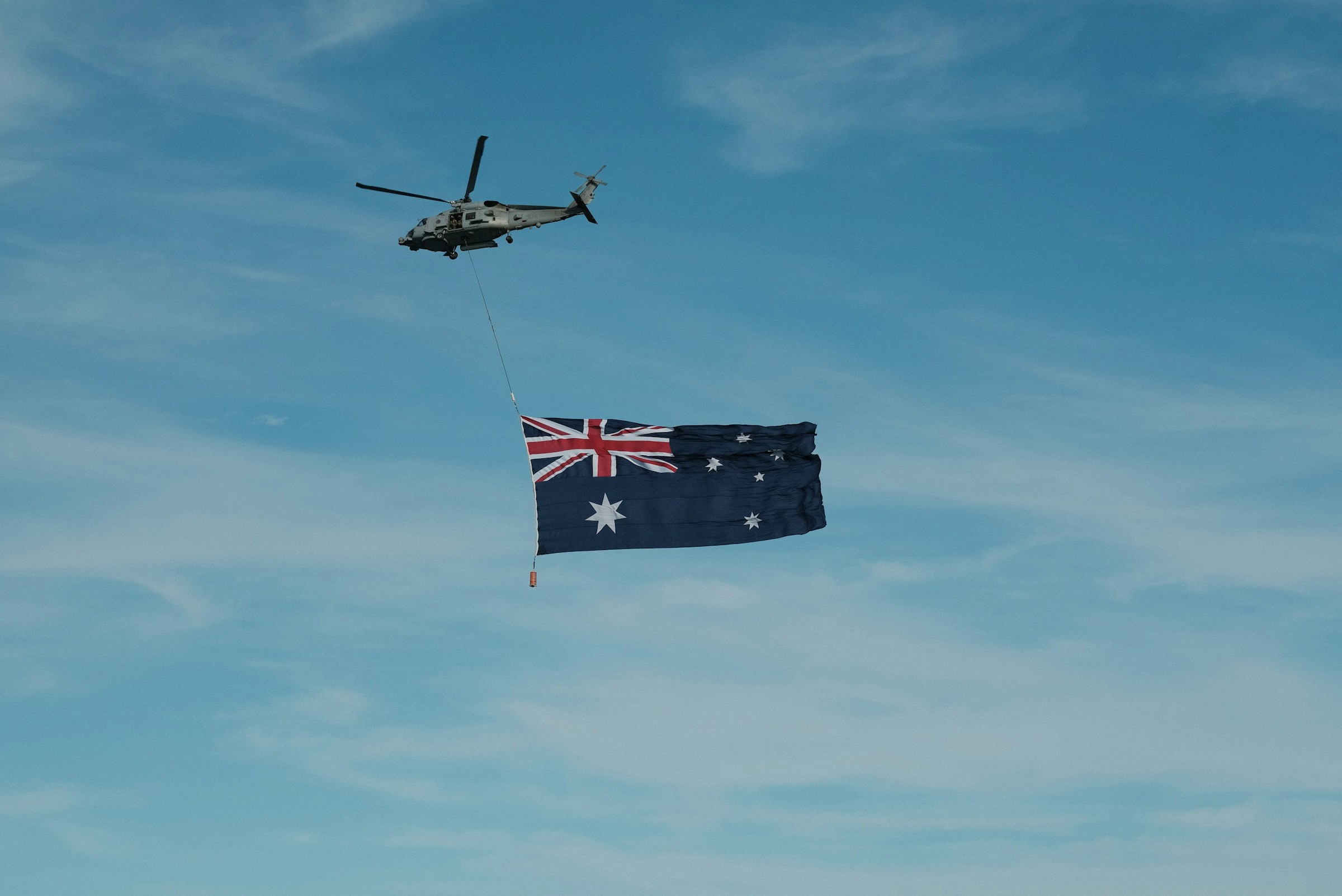
We’re a little over a week away from Anzac Day, but while April 25 will always be a public holiday, not everyone will get to enjoy a long weekend this year.
April 25 falls on a Saturday, which means only certain states and territories get Monday off. Here’s a quick guide.
Australian Capital Territory
For ACT, both April 25 (Saturday) and April 27 (Monday) will be considered public holidays. According to 9News, ACT previously only observed as April 25 as the holiday, but a change was made for this year.
It has not been confirmed if the change will apply to next year.
New South Wales
Similar to ACT, NSW will get two public holidays on April 25 and 27 to commemorate Anzac Day, and this is a change that was made only in February.
However, while ACT is unsure if it will still apply the change for 2027, NSW has already declared April 26 of next year another public holiday. This means it’s a guaranteed long weekend again for NSW in 2027.
Northern Territory, Queensland, South Australia, Tasmania, and Victoria
Unfortunately for all five, they will not be getting an extra public holiday this year. The only public holiday remains to be April 25.
Western Australia
Last and certainly not the least, WA will get two public holidays to commemorate Anzac Day this year, much like NSW and ACT.
Advertisement
Unlike the other two, however, WA has always given the extra public holiday with Anzac Day falls on a weekend.
Financial analyst by day and a seasoned investor by passion, I’ve been involved in the world of investing for over 15 years and honed my skills in analyzing lucrative opportunities within the market.I specialize in uncovering high quality dividend stocks and other assets that offer potential for long term-growth that pack a serious punch for bill-paying potential. I use myself as an example that with a solid base of classic dividend growth stocks, sprinkling in some Business Development Companies, REITs, and Closed End Funds can be a highly efficient way to boost your investment income while still capturing a total return that follows traditional index funds. I created a hybrid system between growth and income and manage to still capture a total return that is on par with the S&P.
Analyst’s Disclosure: I/we have no stock, option or similar derivative position in any of the companies mentioned, and no plans to initiate any such positions within the next 72 hours. I wrote this article myself, and it expresses my own opinions. I am not receiving compensation for it (other than from Seeking Alpha). I have no business relationship with any company whose stock is mentioned in this article.
Seeking Alpha’s Disclosure: Past performance is no guarantee of future results. No recommendation or advice is being given as to whether any investment is suitable for a particular investor. Any views or opinions expressed above may not reflect those of Seeking Alpha as a whole. Seeking Alpha is not a licensed securities dealer, broker or US investment adviser or investment bank. Our analysts are third party authors that include both professional investors and individual investors who may not be licensed or certified by any institute or regulatory body.
GDP rose in February, the Office for National Statistics said
Mauricio Alencar www.cityam.com
07:48, 16 Apr 2026
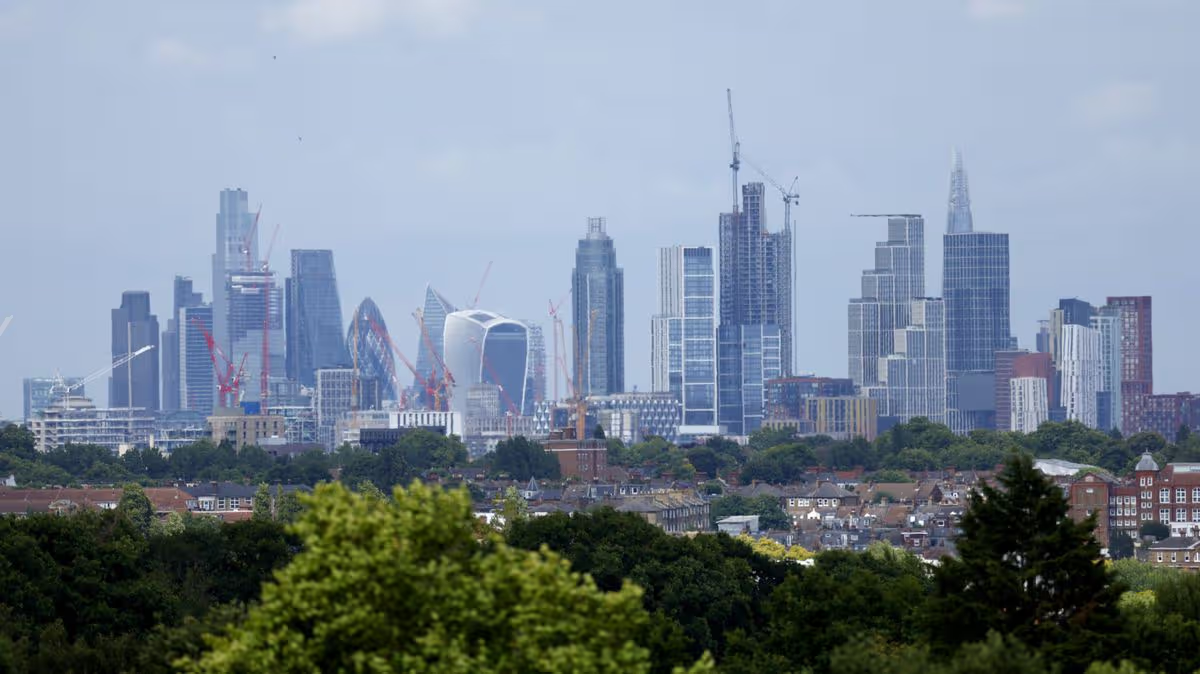
City of London skyline(Image: PA Archive/PA Images)
The UK economy was growing ahead of forecasts before conflict in the Middle East broke out, official figures have revealed. The Office for National Statistics (ONS) said GDP rose by 0.5 per cent during February.
Advertisement
Over the three months leading up to March, the month that saw trade in essential goods such as oil across the Strait of Hormuz come to a standstill, the UK economy expanded by 0.5 per cent.
Economists surveyed by Bloomberg anticipated that monthly growth would reach 0.1 per cent while the quarterly figure would stand at 0.2 per cent.
The ONS said the services sector grew 0.5 per cent over three months and production increased 1.2 per cent while construction fell by two per cent, as reported by City AM.
“Growth increased further in the three months to February led by broad-based increases across services,” said Grant Fitzner, chief economist at the ONS.
Advertisement
“Within services, growth was driven by wholesaling, market research, hospitality, and publishing, which all performed well in the three months to February.”
Chief secretary to the Treasury James Murray said: “Growth only happens when the economy is on solid ground. That’s why in a changing world our plan to restore stability, boost investment and deliver reform is the right one to build a more stronger more resilient Britain.
“At the IMF meetings in Washington the Chancellor has set out how we will go further and faster to boost Britain’s competitiveness and build a stronger, more resilient economy, keeping costs down for families and businesses and taking back control of our energy costs as today we cut bills by up to 25 per cent for 10,000 British businesses.”
Economists have suggested that the unexpected figure would soon become yesterday’s news, with the Institute of Chartered Accountants in England and Wales’ Suren Thiru indicating the ONS would shortly reveal data for a “miserable March”.
Advertisement
The statistics will offer Treasury officials some encouragement as they frantically assess the consequences of the Iran war on the UK’s economic prospects.
However, this week has proved particularly challenging for the Chancellor as she has faced criticism over a shortfall in defence funding.
Her visit to Washington this week for International Monetary Fund meetings was also overshadowed by bleak forecasts for the UK economy.
The organisation lowered growth projections for this year by 0.5 percentage points, more significantly than any other G7 nation.
Advertisement
The IMF had previously forecast the UK economy to expand by 1.3 per cent in 2026, a more sluggish rate than last year, but it has now projected a GDP increase of merely 0.8 per cent.
The National Institute of Economic and Social Research’s Fergus Jimenez-England stated the war had “likely pulled the rug on this momentum”.
WPI Strategy chief economist Martin Beck said: “Even in the event of a benign outcome, the damage from the past six weeks won’t simply unwind immediately.
“The implication is that the UK faces a more stagflationary outlook than previously anticipated, with weaker growth and more persistent inflationary pressure over the second half of the year.”
Advertisement
UK inflation is also set to be the joint-highest this year alongside the US, projected to be 3.2 per cent.
The US economy was also expected to suffer from inflation of 3.2 per cent while other G7 countries were set to have lower price growth levels this year.
The findings followed similarly damning figures from the Paris-based OECD. Economists suggested the UK economy would have the second lowest rate of growth in the G7 and second highest level of inflation.
Reeves said the “best economic policy” was to get involved countries in the Middle East to de-escalate the war in Iran.
Advertisement
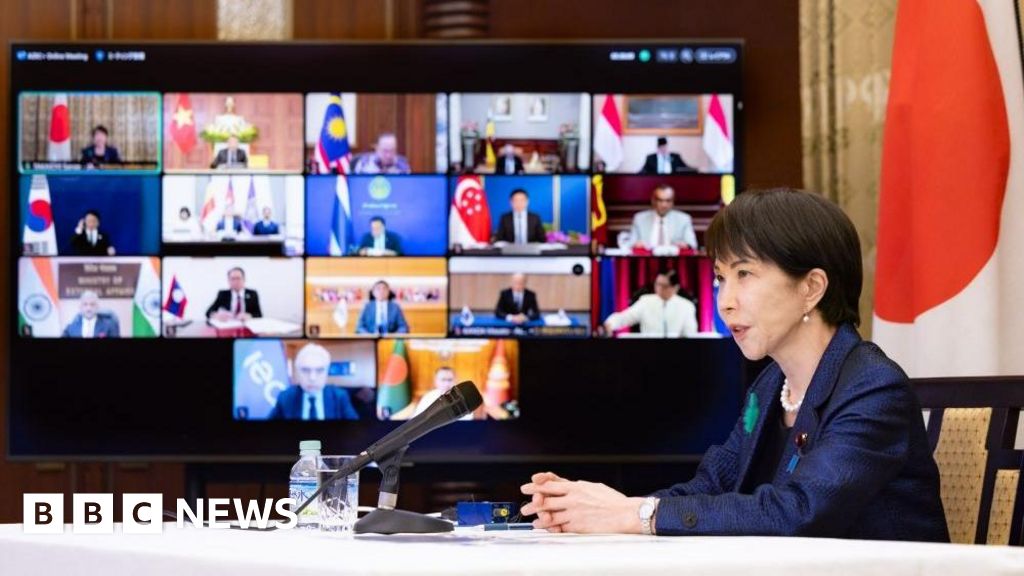
“We are a net importer of gas, which does mean that we are impacted by the conflict in the Middle East, which is why I do come with this message loud and clear, along with the 10 other countries that have signed this statement today, that we want to see a de-escalation of the crisis.”
The federal government has announced a streamlined border import process for fertiliser as the Middle East conflict continues to put pressure on supplies.
Treasury Secretary Scott Bessent joins ‘Fox & Friends’ to discuss the gradual reopening of the Strait of Hormuz and unveils a new fraud crackdown program to expose scams in healthcare and other industries.
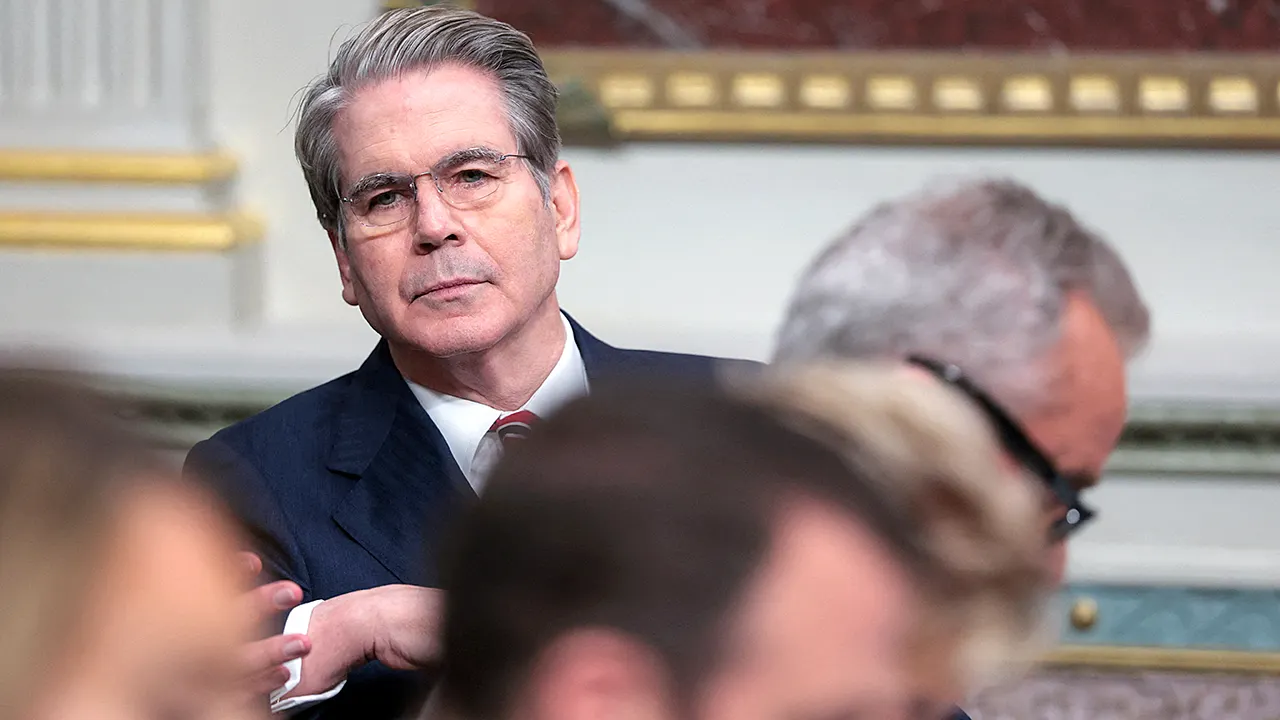
Treasury Secretary Scott Bessent issued a veiled warning to gas stations that jacked up the prices on consumers under the guise of global oil supply concerns: President Donald Trump will be watching.
“We’ll be looking at Treasury to try to keep the retail gas stations honest — that you did this on the way up, better be doing this on the way down,” Bessent told the CNBC Invest in America Forum on Wednesday morning. “And I am sure the president will call out anyone who’s a bad actor.”
Advertisement
What went up, must now come down, Bessent told the CNBC forum host Wednesday when asked if the above was a warning.
“I’m sure that,” Bessent said with a calculated pause, “everyone will be a good actor.”
Treasury Secretary Scott Bessent joins ‘Mornings with Maria’ to discuss the Iran war, surging oil prices, market volatility, Fed uncertainty, Powell’s future and the U.S. strategy to stabilize the global economy.
Advertisement
Trump had long warned that the rise in American gas prices at the pump was a transitory inflation issue on the expectation that global oil supply was strained due to Iran’s retaliatory choking off of oil flowing through the Strait of Hormuz.
Trump and Bessent have also noted for weeks that the U.S. is a net exporter of oil, has plenty of supply, with only a fraction of oil from the Middle East. So when local gas stations raised prices under the fear of future supply shortages elsewhere around the globe — potential “bad actors,” according to Bessent — they were not only guessing, but expecting something that would never come, they argued.
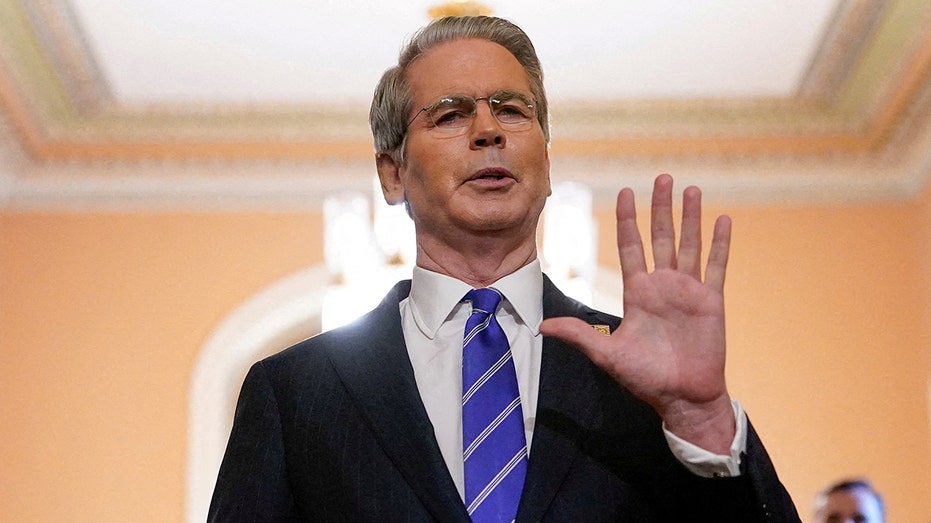
Treasury Secretary Scott Bessent issued a veiled warning to gas stations that rose prices on fears of global oil shortages that they must lower them equally fast now. (Elizabeth Frantz/Reuters)
The Treasury Department will be watching retail gasoline sales for consumers, according to Bessent.
Advertisement
“I think the gas prices will start coming down pretty quickly,” he said. “We’ve had the big declines in the past two weeks.”
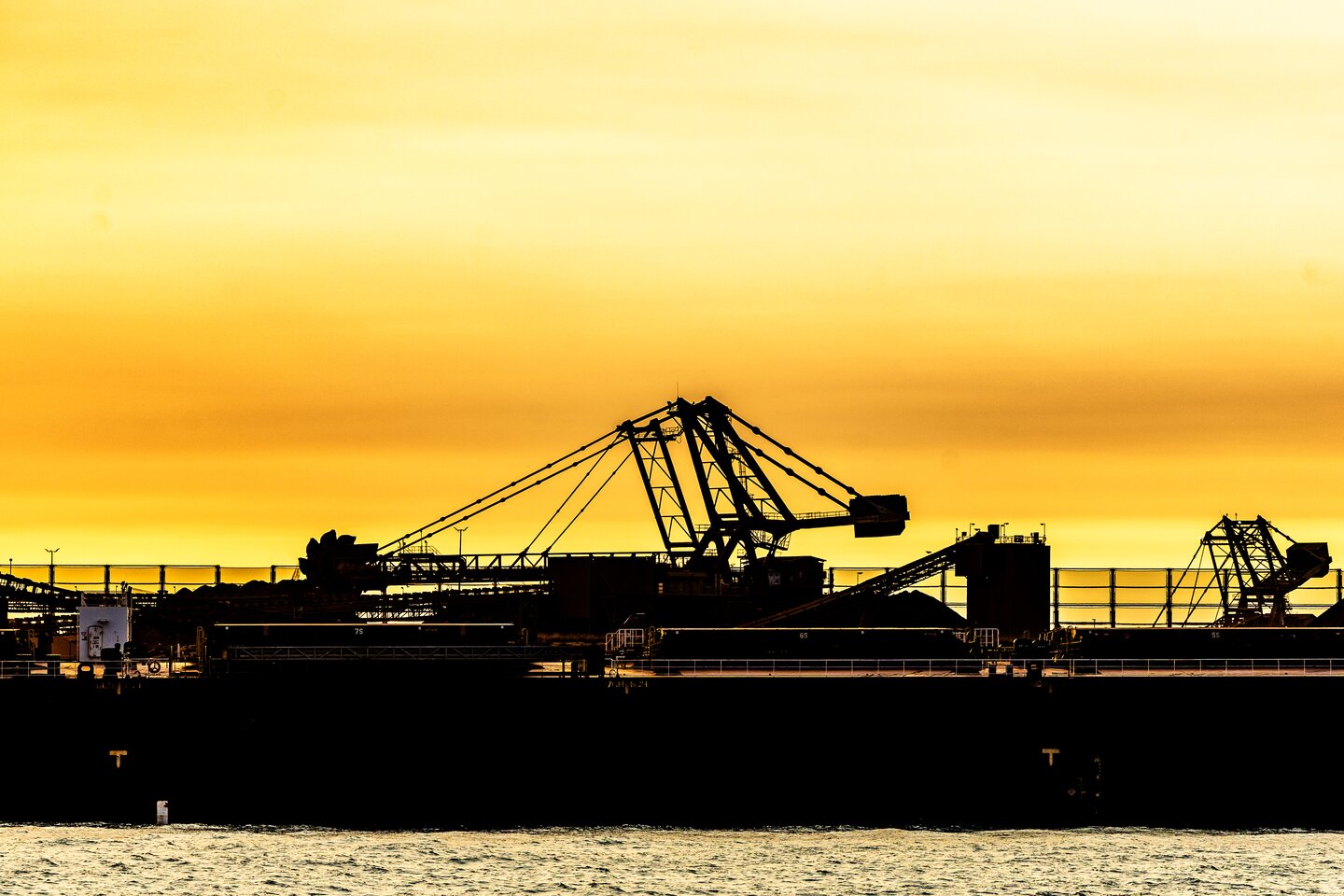
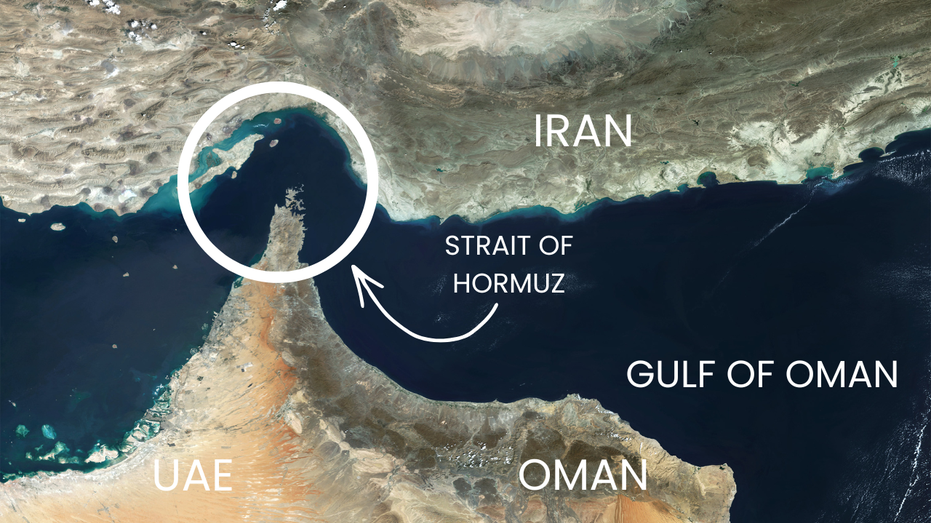
A satellite image shows the Strait of Hormuz, a key maritime passage connecting the Persian Gulf to the Gulf of Oman, vital for global energy supply. (Amanda Macias/Fox News Digital)
Just this weekend, the U.S. Oil & Gas Association (USOGA) debunked narratives from Democrats in the deep blue state of California about gas prices. Even Assistant Attorney General Harmeet Dhillon noted that gas prices in California on the West Coast were nearly double what they are in Washington, D.C.
“Please let’s be honest,” Dhillon wrote on X in rebuke to Rep. Ro Khanna, D-Calif., who claimed that gas prices in his district were high due to the conflict with Iran.
Local gas prices are speculative, and not a function of the strikes on Iran, and their retaliatory choking off of oil flows from the Middle East, according to the X account run by USOGA President Tim Stewart.
“High gas prices in your district aren’t ‘Trump’s war’ — they’re Sacramento’s doing,” Stewart wrote in a direct response to Khanna.


















































You must be logged in to post a comment Login