
Business
Raiders Shock with No. 1 Pick on QB Fernando Mendoza, Star RBs Fly Off Board


PITTSBURGH — The 2026 NFL Draft opened with a bang Thursday night at Acrisure Stadium as the Las Vegas Raiders selected Indiana quarterback Fernando Mendoza with the No. 1 overall pick, kicking off a first round heavy on skill-position talent and defensive playmakers.

Mendoza, the 2025 Heisman Trophy winner, stood as the clear consensus top prospect in a class defined by quarterback upside and explosive offensive weapons. At 6-foot-4 and 236 pounds, the athletic signal-caller brings arm talent, mobility and leadership that Raiders brass hope will finally stabilize the franchise’s long-troubled quarterback position.
New York Jets general manager took the edge with the second pick, selecting Texas Tech standout David Bailey, a versatile EDGE rusher praised for his explosiveness and run-stopping ability. The Arizona Cardinals made history of sorts at No. 3 by grabbing Notre Dame running back Jeremiyah Love — the highest drafted running back since Saquon Barkley — signaling a commitment to revitalizing their ground game.
The surprises continued at No. 4 when the Tennessee Titans selected Ohio State wide receiver Carnell Tate, a polished route-runner with elite hands and contested-catch ability. The New York Giants followed by taking Ohio State linebacker Arvell Reese, bolstering their front seven.
Trades spiced up the evening. The Kansas City Chiefs moved up to No. 6 to snag LSU cornerback Mansoor Delane, a shutdown talent who immediately upgrades their secondary. Multiple deals involving the Giants, Cowboys and Dolphins reshuffled the board, underscoring aggressive maneuvering for premium talent.
The draft, hosted in Pittsburgh for the first time since 1948, drew massive crowds to Point State Park and Acrisure Stadium. Fans packed the North Shore as Commissioner Roger Goodell announced picks amid roaring cheers and occasional boos for certain selections. The shortened 8-minute clock between first-round picks kept the pace brisk compared to previous years.
Analysts praised several teams for addressing core needs. The Raiders, coming off another losing season, landed their franchise quarterback. Mendoza’s selection marks a bold reset in Las Vegas, where new coaching staff and front office personnel are under pressure to deliver results quickly.
The running back surge stood out as a defining theme. Love’s selection at No. 3 broke a long-standing trend of devaluing the position early. Later in the round, additional backs and skill players heard their names called, reflecting a class rich in offensive firepower. Notre Dame’s Jadarian Price also went in the first round, giving the Fighting Irish two early selections at the position.
Defensive talent flowed steadily. Bailey’s selection by the Jets addressed pass-rush concerns, while several linebackers and cornerbacks found homes in the top 15. The draft’s depth at EDGE and secondary positions allowed teams to fill immediate holes without reaching.
Quarterback movement extended beyond the top spot. The Los Angeles Rams selected Alabama’s Ty Simpson at No. 13, adding a developmental prospect to compete and learn behind Matthew Stafford under Sean McVay’s tutelage. Other teams addressed the position later as the board unfolded.
Team grades poured in quickly from analysts. The Baltimore Ravens earned high marks for smart value picks, including interior offensive lineman Olaivavega Ioane from Penn State. The Carolina Panthers and Chicago Bears also drew positive reviews for addressing key roster gaps efficiently.
Off-field storylines added intrigue. Several top prospects brought compelling personal narratives, from Mendoza’s rise through the Big Ten to Love’s work ethic at Notre Dame. The event’s Pittsburgh setting amplified local pride, with Steelers fans turning out in force despite their team picking later.
As Round 1 wrapped, attention shifted to Friday’s Rounds 2 and 3, where depth at wide receiver, offensive line and defensive tackle should produce strong value. Teams with multiple early selections, including the Jets and Giants, positioned themselves well to build around their top picks.
The 2026 class is projected as one of the stronger groups in recent memory, particularly on offense. Mendoza’s leadership qualities and arm strength drew comparisons to established NFL starters, while skill-position talent across positions offered immediate contributors for contending teams.
General managers emphasized fit and character in post-pick interviews. Many highlighted how selected players aligned with scheme needs and locker room culture. The draft’s three-day format allows continued action Friday evening and Saturday, culminating with Mr. Irrelevant on the final day.
Broader NFL context frames the event’s importance. Several franchises, including the Raiders, Giants and Titans, view this draft as pivotal for their rebuild timelines. Veteran free agency moves earlier in the offseason created specific holes that Thursday’s selections aimed to fill.
Fans and analysts will debate value for weeks. Early consensus suggests the top of the board played out largely as anticipated, with some reaches and steals emerging as the round progressed. The inclusion of multiple Ohio State and Notre Dame products underscored the strength of those programs’ recent cycles.
Pittsburgh’s vibrant atmosphere enhanced the spectacle. From riverside fan zones to stadium energy, the host city delivered a memorable experience, boosting local economy and NFL visibility in the region. Organizers reported strong turnout for the free NFL Draft Experience at Point State Park.
As the league moves into Day 2, expectations remain high for continued impactful selections. Teams still seeking quarterbacks, edge rushers and offensive linemen will find options in the middle rounds, while depth charts across the league begin taking shape for the 2026 season.
The 2026 NFL Draft has already delivered drama, star power and strategic maneuvering. With Fernando Mendoza leading the way as the Raiders’ new hope and dynamic talents like Jeremiyah Love and Carnell Tate joining NFL rosters, the class promises to influence the league for years to come. Rounds 2 and 3 on Friday will determine which teams maximized their opportunities in this talent-rich draft.

Speaking to ET Now, Probal Sen from ICICI Securities noted that expectations have already been tempered.
“So, the numbers are likely to be muted, I think that has pretty much been expected for a while. The OTC segment earnings unlike what you see on the paper markets, the fact is that crude costs have been obviously a constraint in this quarter. There has been some diversion of propylene towards basically production of LPG, away from petrochemical. So, petrochemical throughput has also taken a little bit of a hit and on an overall basis therefore the OTC segment earnings or EBITDA is likely to actually decline from about 165 billion in last quarter to less than 140 billion for Q4 and that pretty much drags overall numbers down as well. What we expect is against 460 odd billion EBITDA on a consolidated level should be close to 440 billion and that means that on a net profit level, net earnings post minority would be closer to about 162-163 billion versus 186 odd billion that they reported in Q3. So, results from the other segments are likely to be flattish to small increases, but it is the continued uncertainty and sort of slightly difficult environment for the downstream petroleum space that is dragging numbers down in this quarter.”
The pressure is not limited to refining and petrochemicals. Retail fuel operations could also take a hit due to continued operations despite weak margins.
“So, to answer your first question, yes, retail losses this time because unlike earlier times where because of lower margins you would see shutdowns in the fuel outlets of private refiners, this time they have actually continued to operate the outlets. So, to that extent, yes, even retail losses are another factor that would impact numbers.

“And as far as petchem is concerned, yes, the margins have improved a bit to be honest but slightly lower throughput means that on an overall basis earnings even for the petrochemical segment only grow by low to mid-single digits on a QoQ level, but there is growth there which is primarily led by margin growth because obviously pricing for certain specific chains has definitely improved after probably multiple quarters of weakness, so that is a small positive,” he added.
However, the company’s Special Economic Zone (SEZ) refinery could offer some cushion, particularly due to its insulation from export-related levies.“That is captured in the numbers that I spoke about. Yes, the SEZ refinery, our understanding is that it is not subject to the export taxes, the additional export taxes that have been announced for domestic refiners, because technically speaking the SEZ refinery is not really considered part of the domestic customs area, so to that extent obviously they are more resilient and the results of the OMCs are likely to show more of a decline to that extent in terms of the refining business, but on an overall basis still the very-very high crude and freight costs, the kind of insurance costs that have risen and the differences in terms of the actual physical crude cost versus what we are seeing on our tickers, I think that all plays a role in any case in keeping the numbers muted despite the benefit, let us say, from the SEZ refinery from not having to pay export taxes.”
On the consumer-facing side, Reliance Retail is expected to maintain steady growth, albeit at a measured pace.
“So, frankly, as far as the retail business is concerned, our sense is that there is a low to mid-single digit quarter-on-quarter improvement that one can see. YoY improvement will still be fairly decent in the range of around 7% to 8%.
“So, the retail performance anyway is going to be fairly high or strong but you have to remember that the kind of base that Reliance works from is very different from any other retail player in the country and that does make a difference in terms of how much absolute growth you can actually expect in the current environment. Jio our understanding from our telecom team is that it will be sort of a flattish quarter-on-quarter basis but that still translates into a fairly strong number on a YoY basis or between 10% to 12% in terms of EBITDA,” he added.
As for the impact of investments in quick commerce and online retail, clarity may only emerge after the company’s official briefing.
“We will have to probably wait for the briefing and the numbers to come through before commenting on it. They obviously had already mentioned in the quarter three briefing that there is a bigger push towards quick commerce or the version that they are following as far as JioMart is concerned, so that is obviously going to continue to play a role in terms of margins and overall operational numbers. But let us wait for the briefing before commenting on that.”
Overall, while segments like retail and telecom continue to provide stability, the ongoing challenges in the energy business are expected to weigh on Reliance’s consolidated performance this quarter.

Earnings call transcript: Kemira Q1 2026 earnings miss, stock slides 7%

The international brokerage said that while India’s long-term structural story remains intact, near-term tactical headwinds call for patience. The brokerage added that these challenges justify a more cautious stance, noting that although the valuation gap has started to narrow, it continues to remain elevated.
It flagged multiple risks to earnings, including potential energy supply disruptions, which could impact companies across sectors. Reflecting this, sector analysts have already cut FY27 earnings estimates by 2% to 10% across key segments. JPMorgan has also lowered its CY26E and CY27E MSCI India EPS growth forecasts by 2% and 1% to 11% and 13%, respectively.
The brokerage highlighted that India’s largecap universe lacks meaningful exposure to high-growth themes such as AI, data centres and semiconductors compared to markets like the US, Korea, China, and Taiwan. It also pointed to monsoon-related risks that could hurt rural incomes and drive food inflation.
Given the current backdrop, the brokerage sees better opportunities in other emerging markets until valuations correct further or earnings visibility improves. Within sectors, it remains overweight on Financials, Materials, Consumer Discretionary, Hospitals, Defence and Power, while staying underweight on IT and Pharma.
JPMorgan has revised its Nifty 50 targets lower, the bull, base, and bear case scenarios are now 30,000, 27,000, and 20,500, respectively, compared to earlier estimates of 33,000, 30,000, and 24,000.
Earlier this week, HSBC downgraded India to underweight from neutral, marking its second cut in the past two months, citing rising inflation risks driven by elevated oil prices and demand pressures that could weigh on earnings growth.“The ongoing West Asia conflict has brought focus back to downside risks for growth, given India’s heavy dependence on imported energy,” the brokerage said in a client note. “While growth has shown signs of improvement over the past two quarters, we expect the recovery to be delayed from here.”
HSBC had earlier lowered India to neutral in late March, pointing to an unfavourable risk-reward balance. Although the March selloff helped ease valuation concerns, the brokerage warned that pressure on corporate profitability could offset this benefit.
(Disclaimer: Recommendations, suggestions, views, and opinions given by the experts are their own. These do not represent the views of The Economic Times)
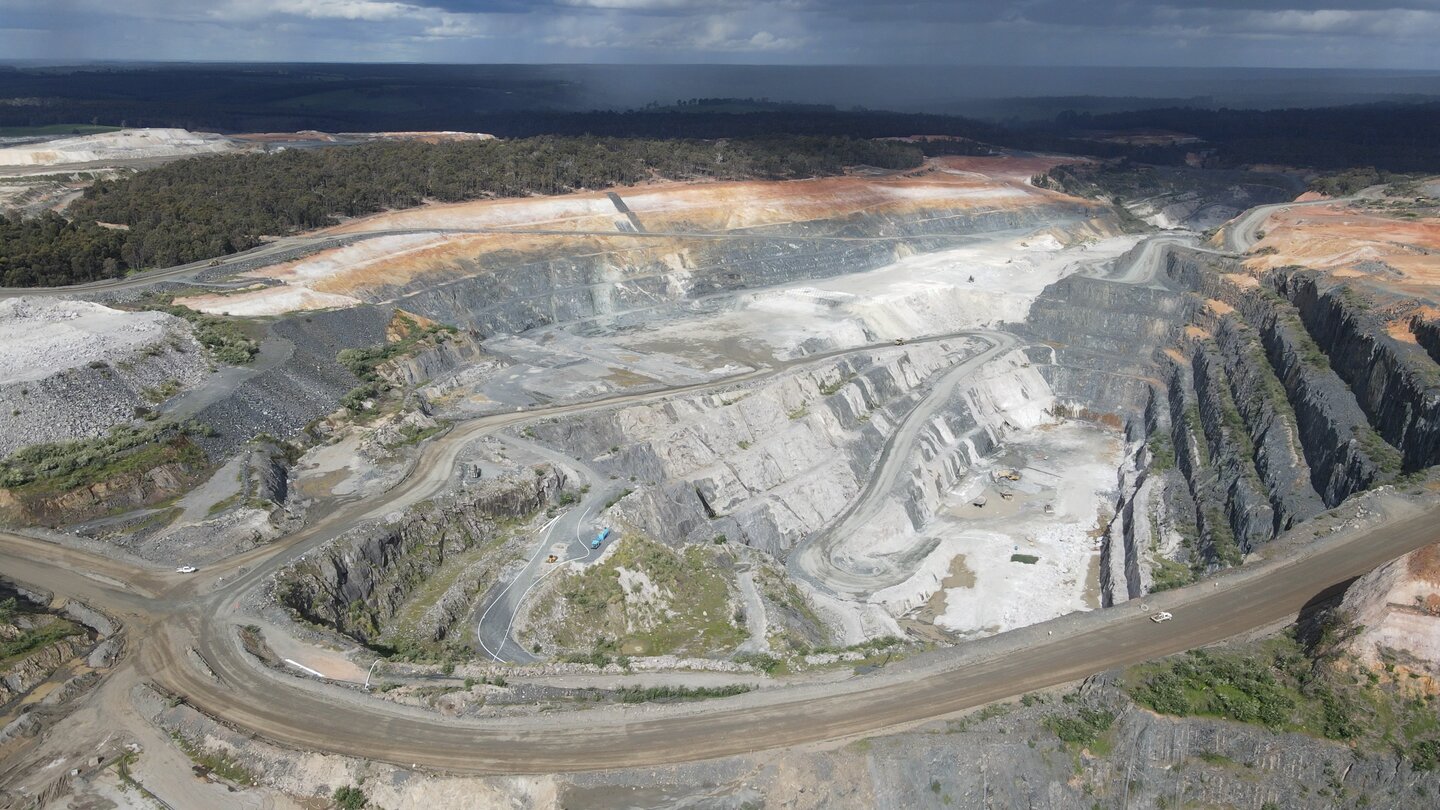
IGO has labelled performance at Greenbushes as “disappointing” after cutting its lithium production guidance and grappling with safety incidents through the quarter.

Minneapolis campaigners press Swiss National Bank to dump Palantir investment

Goldman Sachs turns cautious, trims outlook sharply
The brokerage downgraded the stock to “Sell” and sharply cut its target price to Rs 1,075 from Rs 1,225, signalling potential downside from current levels.
A key overhang is the much-anticipated opportunity linked to Ozempic, which Goldman Sachs now believes could be smaller in scale and shorter-lived than previously expected. This has raised questions about the company’s near-term growth triggers.
Adding to the pressure, the firm highlighted limited visibility in Dr Reddy’s pipeline, noting a lack of significant high-value launches that could drive earnings momentum. Meanwhile, ongoing price erosion in its core generics business continues to dent profitability.
Reflecting these challenges, Goldman Sachs has cut earnings per share (EPS) estimates by 8-26% for FY26-FY28, indicating a weaker earnings trajectory ahead.
The brokerage also flagged valuation concerns, arguing that the stock’s current multiples are ahead of underlying fundamentals. It now values Dr Reddy’s at around 19x P/E, warning of further downside risk if growth fails to materialise.
Citi remains bearish despite approval optimism
Citigroup also maintained its “Sell” rating on the stock with a target price of Rs 1,070, reinforcing a cautious consensus among global brokerages.
While Dr Reddy’s shares had earlier gained nearly 9% on reports of an unverified generic semaglutide approval in Canada, Citi downplayed the excitement, arguing that even if confirmed, the upside appears overstated given intense competition.
The brokerage estimates FY28 product revenues of around $50 million in a six-player market, while revising FY27 revenue expectations to $80-100 million (up from ~$60 million earlier) in a three-player competitive set including Dr Reddy’s, Sandoz and Apotex.
Citi also expects fourth-quarter FY26 earnings to normalise on a base excluding Revlimid contributions and warned that broader market earnings estimates may need to be revised downward. Its EPS forecasts are already 20%-23% below consensus, underscoring a more conservative stance on earnings growth.
Sentiment turns cautious
With both Goldman Sachs and Citi flagging limited earnings visibility, pipeline uncertainty and stretched valuations, sentiment around Dr Reddy’s has turned notably cautious, despite intermittent optimism around niche product approvals.
(Disclaimer: The recommendations, suggestions, views and opinions given by the experts are their own. These do not represent the views of The Economic Times.)
Speaking to ET Now, market expert Sandip Sabharwal offered a measured view of the current landscape, highlighting the challenges facing the IT sector and the broader market.
“Overall, the results have been muted. Some companies have disappointed more than others. So, HCL Tech disappointed I guess the most in terms of what they reported and guidance. Infosys also has been soft. TCS, as we look at all the results combined now, TCS seems to have fared the best and both in terms of what they reported and the order flows which they have got, but the industry is obviously challenged,” Sabharwal said.
He pointed to a deeper transformation underway in the IT industry, driven by the shift toward artificial intelligence-led delivery models.
“The transition phase to AI driven delivery from purely numbers-led delivery in terms of hours of manpower, that transition is on, which could lead to subdued growth for this year and maybe possibly next year also and then it will be a question of which companies are able to transform and they will then do well,” he added.
Despite the subdued growth outlook, valuations have become more reasonable. “Valuations overall are not very expensive now because Infosys, for example, trades at just around 15 times earnings which is a level which has been more near a historical turf, but at that time the growth prospects are also greater. But given the fact that they are cash generating, the downside also could be limited. So, it is a picture where you do not see much upside but there could also not be substantial downside,” he noted.
Structural Challenges Weigh on IT
When asked whether investors should avoid IT stocks altogether, Sabharwal leaned toward caution.
“Largely yes, because although all sectors are getting challenged right now because of whatever is happening on the oil and commodity front and potential inflation impact, but IT is a sector which is facing structural issues. So, other sectors might be facing short-term issues due to short-term factors, but this is a sector facing structural issues so that is the main problem,” he said.
A Market for Selective Buying
The broader market, too, is navigating a delicate balance between optimism and uncertainty. While geopolitical tensions and commodity price volatility remain concerns, there are also signs of stability.
“We were aggressive buyers in March but right now I would be very-very selective. So, I would not be a big buyer today because of the sheer rally which has happened and the markets actually seem to be positioned not only in India but globally also on an end game, like the conflict ending in one way or the other,” Sabharwal observed.
He also flagged crude oil prices as a key risk factor for the Indian economy. “The second thing is obviously the oil prices which impact the Indian economy in a significant negative manner if they sustain at such high levels,” he said.
Going forward, he suggests a selective approach, particularly in sectors like automobiles where corrections could create opportunities.
Reliance: A Mixed Outlook
All eyes are also on Reliance Industries as it prepares to announce its results. However, Sabharwal cautioned that forecasting performance may be difficult this quarter.
“Reliance numbers are very tough to call this time because retail and telecom should do fine. But what numbers will come out of oil to chemicals business is very-very tough in the face of whatever has happened in terms of crude prices, export duties being imposed, etc, so that is a segment which I find it very difficult to call,” he said.
Still, he believes the company remains reasonably valued from a long-term perspective.
Financials Remain a Bright Spot
In contrast to IT, the banking and financial sector has shown resilience, supported by strong asset quality.
“Yes, banking and financial numbers have been fine. So, the biggest positive I see in most large financial companies, banks and NBFCs combined is the sheer strength of the asset quality of the book where the asset quality has not deteriorated at all,” Sabharwal said, citing examples such as ICICI Bank and HDFC Bank.
However, he acknowledged emerging risks, including potential interest rate hikes and concerns over inflation and monsoon trends.
Metals May Continue to Shine
Among sectors that could benefit from the current macro environment, metals stand out.
“Yes, metal prices could sustain, as such metal stocks could sustain because there are disruptions related to production and as well as price upticks due to the input prices moving up,” Sabharwal explained.
He added that inflationary conditions typically favor such sectors, with steel companies in particular benefiting from recent price increases.
Key Takeaways
As earnings season progresses, the market narrative is increasingly defined by divergence—between sectors facing structural disruption and those benefiting from cyclical or macroeconomic tailwinds. While IT may remain under pressure in the near term, financials and metals offer relative stability. For investors, the message is clear: this is not a time for broad bets, but for careful, selective positioning.
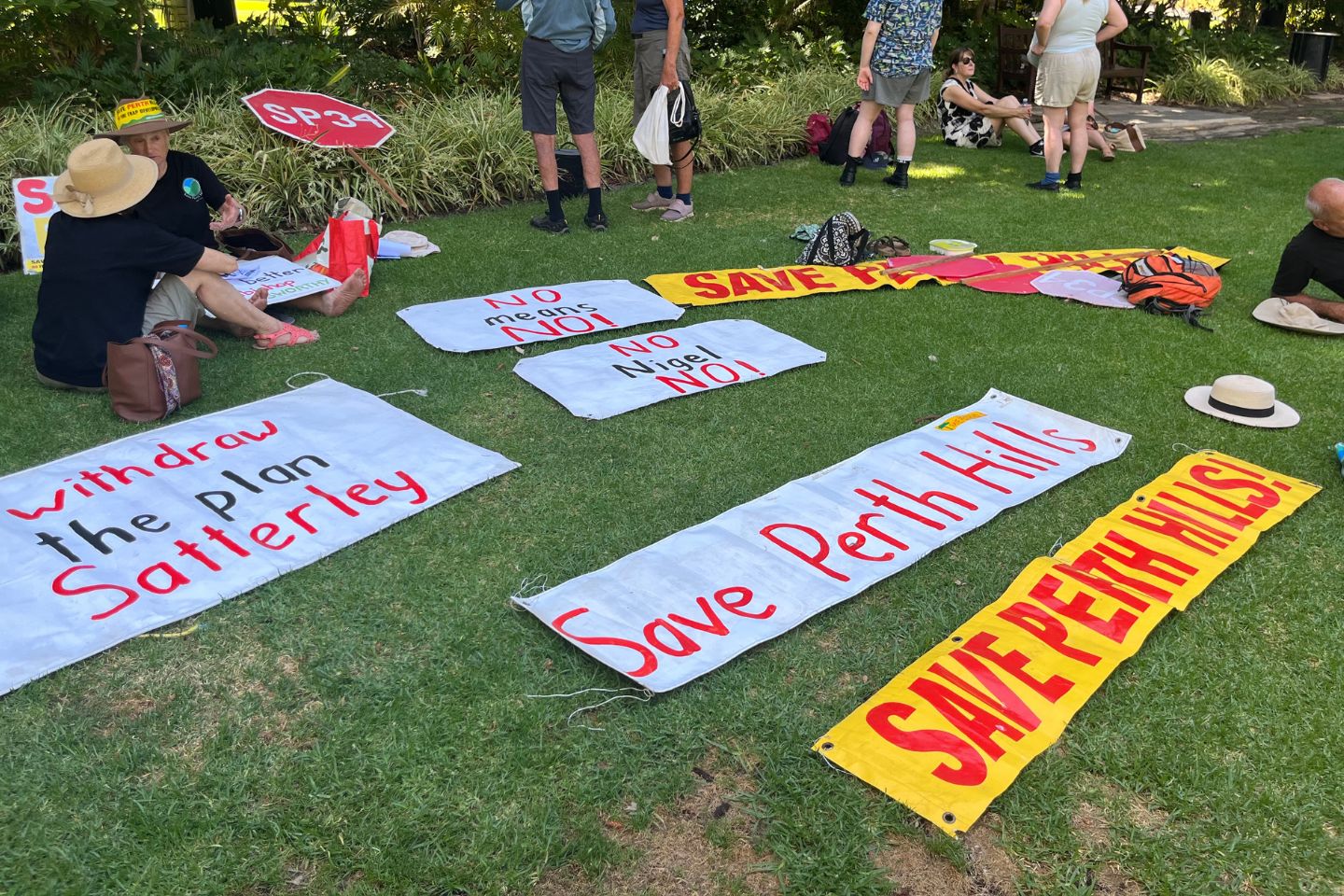
Satterley Property Group has failed to reopen its case in an ongoing tribunal dispute, which would have extended the proceedings by several months.
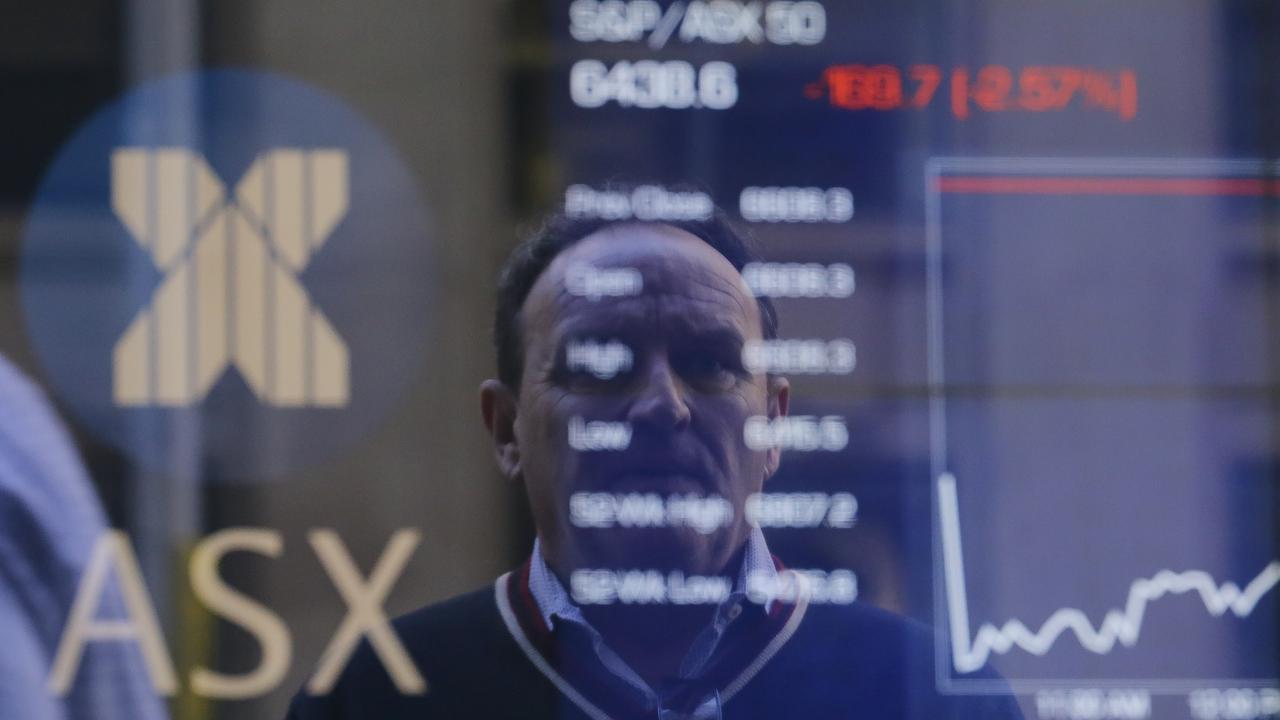
Australia’s share market has fallen for a fourth-straight session, with banks and miners weighing heavily on the bourse as the Persian Gulf conflict dims the global economic outlook.
The S&P/ASX200 slipped 6.9 points on Friday, down 0.08 per cent, to 8,786.5, as the broader All Ordinaries lost 17.8 points, or 0.08 per cent, to 9,006.4.
The All Ordinaries fell 162.3 points, or 1.77 per cent, for the week.
Energy, utilities stocks and the traditionally defensive consumer staples sector had a positive week, buoyed by rising oil prices with no end in sight to the US-Iran conflict that has strangled a key crude shipping route.
The Australian dollar is buying 71.29 US cents, down from 71.52 US cents on Thursday at 5pm.
Jack McGinn speaks with Nadia Budihardjo about a recent court ruling and what that means for freedom of information requests.

My Biggest Crashout Yet | Financial Audit

EastEnders fans ‘actually cried’ as they heap praise on powerful episode | Soaps
Probal Sen flags muted quarter for Reliance as O2C weakness weighs

Manchester United reach agreement with Casemiro over contract clause amid transfer speculation

US brings back mandatory military draft registration

Steven Gerrard disagrees with Gary Neville over ‘shock’ Chelsea and Arsenal claim | Football


-

 Sports7 days ago
NWFL Suspends Two Players Over Post-Match Clash in Ado-Ekiti
-

 Fashion7 days ago
Weekend Open Thread: Theodora Dress
-

 Politics6 days ago
Palestine barred from entering Canada for FIFA Congress
-
Entertainment4 days ago
NBA Analyst Charles Barkley Chimes in on Ice Spice McDonald’s Fiasco
-

 Tech5 days ago
Auto Enthusiast Scores Running Tesla Model 3 for Two Grand and Turns It Into Bare-Bones Go-Kart
-

 Business5 days ago
Powerball Result April 18, 2026: No Jackpot Winner in Powerball Draw: $75 Million Rolls Over
-

 Politics5 days ago
Zack Polanski demands ‘council homes not luxury flats for foreign investors’
-

 Crypto World6 days ago
Russia Pushes Bill to Criminalize Unregistered Crypto Services
-

 Politics3 days ago
Gary Stevenson delivers timely reminder to register to vote as deadline TODAY
-

 Business2 days ago
Rolls-Royce Voted UK’s Most Iconic Trade Mark as IPO Register Hits 150
-

 Politics2 days ago
Disabled people challenge government SEND proposals over segregation concerns
-

 Politics2 days ago
Making troops accountable for war crimes threatens US alliance, ex-SAS colonel warns
-

 Crypto World6 days ago
Russia Introduces Bill To Criminalize Unregistered Crypto Services
-

 Politics2 days ago
Starmer handler McSweeney to be dragged from shadows by Foreign Affairs Committee
-
Politics2 days ago
Wings Over Scotland | How To Get Away With Crimes
-

 Politics2 days ago
Zack Polanski responds to home secretary’s taser threat
-
 Crypto World5 days ago
Kelp DAO rsETH Bridge Hack Drains $292M as DeFi Losses Top $600M in Two Weeks
-

 Politics2 days ago
‘Iran is still a nuclear threat’
-

 Crypto World2 days ago
New York sues Coinbase, Gemini over prediction market offerings
-
 Sports7 days ago
Kevin Kisner apologizes for Masters criticism: ‘I crossed the line’
You must be logged in to post a comment Login