
Business
Randy Orton Wins Elimination Chamber, Becomes Number One Contender for Undisputed WWE Title

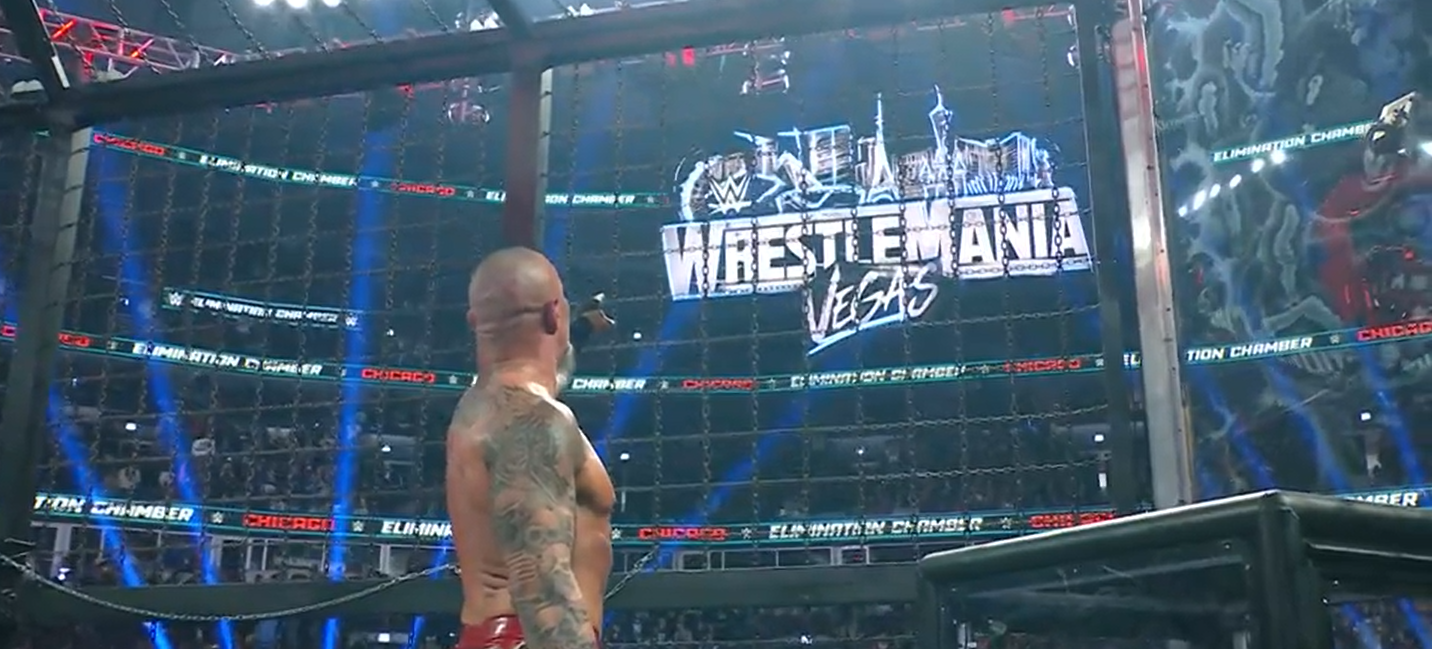

Randy Orton has won the Men’s Elimination Chamber match, which means that he will go against Drew McIntyre for the WWE Undisputed Championship at WrestleMania 42.
To win the match and become number one contender, Orton bested Cody Rhodes, LA Knight, Logan Paul, Trick Williams, and Je’Von Evans.
Randy Orton Wins Elimination Chamber
Orton pinned Rhodes to win the match after McIntyre interfered. McIntyre first attacked Rhodes, but Orton eventually hit him with the RKO.
Rhodes retaliated against McIntyre and hit him with the Cross Rhodes. However, Orton took the opportunity to take out Rhodes with the RKO to pick up the win.
Orton’s 2026 win is his second Elimination Chamber win overall. His first won the Elimination Chamber in 2014 when he successfully defended his WWE World Heavyweight Championship against Cesaro, Christian, Daniel Bryan, John Cena, and Sheamus.
Seth Rollins Returns
The Men’s Elimination Chamber match also marked the return of Seth Rollins, who was revealed to be the masked man who has been attacked The Vision for the past couple of weeks.
Rollins cost Paul the match, hitting him with The Stomp before Rhodes went for the pin.
Prior to his elimination, Paul himself eliminated Williams, Evans, and Knight.
Originally published on sportsworldnews.com


Eight penny stocks delivered 25% to 204% gains over three months, led by Starlineps Enterprises. Screened by low price, market cap, and liquidity, these high-momentum stocks attract investors but carry significant risks including volatility, low transparency, and liquidity concerns requiring disciplined investing.

GSK sees blockbuster potential in targeted cancer therapy after promising early data
Nigerian airstrike hits market, 200 feared dead in northeast Yobe state

SUGAR LAND, Texas — Applied Optoelectronics Inc. (NASDAQ: AAOI) has emerged as one of the hottest — and most volatile — plays in the artificial intelligence data center boom of 2026, with shares surging more than 1,140% over the past year to trade around $150 as of April 10. The company’s aggressive push into high-speed 800G and 1.6T optical transceivers for hyperscale customers has fueled explosive revenue guidance, yet Wall Street analysts remain divided, with consensus price targets well below current levels and warnings of significant execution risks.

The Taiwan-headquartered, Texas-based maker of fiber-optic components posted record 2025 revenue of $455.7 million, up sharply from prior years, driven by its data center segment that grew to $195.7 million annually. In the fourth quarter alone, revenue hit $134.27 million, with data center sales reaching $74.9 million. Management has guided for first-quarter 2026 revenue between $150 million and $165 million and boldly projects full-year 2026 revenue exceeding $1 billion — more than double 2025 levels — supported by accelerating orders for next-generation transceivers.
Major hyperscale wins have propelled the rally. The company announced a $200 million order for 1.6T transceivers in early 2026, followed by additional $71 million and $124 million commitments for 800G products from key customers, including expansions with Amazon, Microsoft and potentially Oracle. Management has projected potential monthly 800G revenue reaching $217 million by mid-2027 if capacity ramps successfully. A strong CATV segment, expected to contribute nearly $300 million annually, provides a defensive buffer amid the AI-driven growth.
The stock’s momentum has been dramatic. Shares climbed from roughly $10 in early 2025 to an all-time high near $155 in April 2026, with a market capitalization now exceeding $11 billion. Recent sessions saw gains of 13% in a single day on heavy volume exceeding 21 million shares, as investors bet on AAOI becoming a pure-play beneficiary of the “optical AI tax” — the exploding demand for high-bandwidth interconnects inside AI training clusters.
Yet the bullish narrative comes with substantial caveats. Analyst consensus leans toward “Hold,” with seven firms issuing ratings that include three Buy, three Hold and one Sell. The average 12-month price target sits around $52.80 to $66.80 — implying potential downside of more than 50% from current levels — though optimistic voices like Rosenblatt Securities maintain a Buy rating with a street-high target of $140. Concerns center on lofty valuations, with the stock trading at roughly 6.7 times projected 2026 sales and a negative earnings trajectory.
Customer concentration adds risk. Three clients accounted for 91% of 2025 revenue, leaving AAOI vulnerable to shifts in hyperscaler spending or delays in qualification cycles. The company carries a beta of 3.22, signaling extreme volatility, and has turned to equity offerings — including a $250 million at-the-market program — that have caused temporary share-price pressure through dilution. Gross margins have improved to the low 30% range on a non-GAAP basis, but achieving sustained profitability remains a work in progress, with 2026 non-GAAP operating profit targeted above $120 million.
Execution challenges loom large. AAOI must rapidly expand manufacturing capacity in Taiwan and Texas to meet demand that management says already outstrips current supply through mid-2027. Supply chain issues, competition from larger players like Lumentum Holdings and Coherent Corp., and potential slowdowns in AI capital expenditure could derail the $1 billion revenue goal. Next earnings on May 7, 2026, will provide the first major test of whether Q1 guidance and the full-year trajectory are on track.
Bullish investors argue the setup remains compelling for long-term believers in AI infrastructure. Forward price-to-sales multiples appear reasonable compared with the explosive growth potential, and in-house laser technology gives AAOI a cost and vertical integration edge. Some analysts see the stock as undervalued relative to the multi-year runway in 800G/1.6T deployments, with revenue possibly reaching several billion dollars later in the decade if hyperscalers continue scaling AI clusters aggressively.
Skeptics counter that much of the optimism is already priced in after the parabolic run. With consensus forecasts calling for continued net losses in 2026 and heavy reliance on a handful of big-tech customers, any miss on capacity ramps or order fulfillment could trigger a sharp correction. Short interest has fluctuated but remains notable, reflecting ongoing debate over sustainability.
Broader sector context supports the AI optics theme. Peers in photonics and networking have also rallied on data center demand, yet AAOI stands out for its smaller base and higher-beta exposure. Institutional ownership has grown, but retail enthusiasm has driven much of the recent volatility, with social media and trading forums amplifying both hype and caution.
For investors considering a position in 2026, the decision hinges on risk tolerance and time horizon. Those bullish on sustained AI spending may view pullbacks as buying opportunities, especially if Q1 results validate the ramp. More conservative investors might wait for clearer evidence of margin expansion, reduced customer concentration or a more attractive entry point below current levels.
AAOI’s story underscores the high-stakes nature of the AI supply chain boom. While the company has transformed from a niche player into a headline-grabbing growth name, delivering on ambitious 2026 targets will determine whether the stock justifies its elevated valuation or faces a reality check. As the May earnings approach and hyperscalers finalize budgets, Applied Optoelectronics remains a quintessential high-reward, high-risk bet in the evolving world of optical networking.
How global fiscal policy is reacting to the recent energy shock

SACRAMENTO, Calif. — A powerful late-season winter storm slammed the Sierra Nevada on Saturday, prompting active Winter Storm Warnings across Northern California’s mountain ranges as heavy snow, strong winds and whiteout conditions made travel dangerous or impossible on major highways including Interstate 80, U.S. Highway 50 and routes near Lake Tahoe.

The National Weather Service in Sacramento upgraded an earlier Winter Storm Watch to a full Warning for the West Slope of the Northern Sierra Nevada and Western Plumas County, effective from Friday evening through Sunday night, with some advisories extending into Monday. Forecasters warned of widespread accumulations of 1 to 2 feet of snow above 4,500 feet, with 2 to 5 feet possible above 6,000 feet and locally higher amounts at peaks. Snow levels dropped sharply to as low as 4,000-4,500 feet, bringing heavy wet snow to lower elevations.
Wind gusts reached 50-55 mph in the mountains, with isolated higher gusts up to 80-90 mph on exposed ridges, creating blizzard-like conditions and near-zero visibility at times. The storm, fueled by back-to-back upper-level lows from the Pacific with precipitable water values 150-200% of normal, intensified through Saturday and was expected to continue impacting the region into Sunday evening.
Caltrans reported widespread chain controls and multiple road closures Saturday as snow accumulated rapidly on passes. Donner Pass on I-80 saw heavy snow and gusty winds, leading to difficult or impossible travel in spots. Similar conditions affected Highway 50 over Echo Summit and routes near Yosemite and Lassen Park. Officials urged drivers to delay all non-essential travel, carry emergency supplies and use extreme caution if venturing into the mountains.
In Western Plumas County and areas around Quincy, Chester and Blue Canyon, the heaviest snow fell overnight Friday into Saturday, with rates heavy at times. NWS forecasters noted the potential for 3-4 feet or more at the highest elevations, including popular ski resort areas. Lower elevations in the Sierra foothills saw a mix of rain turning to snow, while the Sacramento Valley remained under a Flood Watch due to heavy rainfall.
The Reno NWS office issued its own Winter Storm Warning for the Greater Lake Tahoe area and eastern Sierra slopes, effective Saturday afternoon through Sunday night. Accumulations of 2-8 inches were forecast below 8,000 feet, with 6-12 inches or more above that level. Winds gusting to 80 mph raised concerns for tree damage, power outages and blowing snow.
This unusual April storm arrived after weeks of warmer, drier conditions, catching some residents and visitors off guard as spring activities were underway. Ski resorts in the region, already winding down their seasons, saw an unexpected boost in snow but also operational challenges from high winds and heavy accumulations. Some lifts were temporarily halted for safety.
Emergency management officials in counties from Lassen to Placer activated cold-weather protocols and opened warming centers where needed. Power utilities reported monitoring for outages caused by wind and wet snow loading on lines. In lower elevations, the combination of rain and melting snow raised minor flood risks in burn scar areas from previous wildfires.
Travelers heading to or from Reno-Tahoe International Airport or crossing the Sierra faced significant delays. Airlines reported some cancellations and ground stops due to mountain weather. Amtrak’s California Zephyr route, which traverses the Sierra, experienced disruptions.
The storm system is part of a broader pattern of active Pacific weather affecting the West Coast. While beneficial for California’s snowpack — which had been running below average in some areas — the timing created hazards for hikers, campers and those planning outdoor spring events. NWS meteorologists emphasized that even modest accumulations at mid-elevations could make unpaved roads impassable.
As of Sunday morning, April 12, the warnings remained in effect with the most intense snowfall tapering but lingering showers and gusty winds continuing. Additional accumulations of several inches were still possible in higher terrain before the system fully exits. Forecasters anticipated gradual improvement by Monday, with drier and milder conditions returning mid-week.
Residents and visitors were reminded to check Caltrans QuickMap and NWS forecasts frequently. Key safety tips included packing chains or snow tires, carrying extra food, water and blankets, and informing others of travel plans. Avalanche danger rose with the heavy new snow on top of existing base in some areas.
This late-season event highlights the Sierra Nevada’s reputation for dramatic weather swings even in April. Similar powerful spring storms have occurred in past years, sometimes delivering record snow while disrupting travel and infrastructure.
State and local agencies coordinated responses, with Caltrans crews working around the clock to clear and treat roads. In Plumas and Sierra counties, officials advised staying indoors during the peak of the storm if possible, especially in rural areas.
The heavy precipitation also brought a chance of thunderstorms, adding lightning and brief heavy downpours to the mix at lower elevations. As the snow levels rose again late Sunday, rain was expected to dominate below 5,000-6,000 feet.
For many Californians, the storm provided a stark reminder that winter conditions can return abruptly in the mountains. While the moisture helps replenish reservoirs and snowpack ahead of the dry summer months, the immediate impacts on transportation and safety dominated concerns this weekend.
As conditions evolve, authorities continue to monitor the situation closely. Travelers should prepare for lingering impacts even after warnings expire, including slushy or icy roads in shaded areas and potential debris on highways.
The Sierra Nevada’s 2026 late-season storm has delivered a dramatic dose of winter weather, testing preparedness and reminding residents and visitors alike of the range’s formidable power.


With combined experience of covering technology companies on Wall Street and working in Silicon Valley, and serving as an outside adviser to several seed-round startups, Gary Alexander has exposure to many of the themes shaping the industry today. He has been a regular contributor on Seeking Alpha since 2017. He has been quoted in many web publications and his articles are syndicated to company pages in popular trading apps like Robinhood.
Analyst’s Disclosure: I/we have no stock, option or similar derivative position in any of the companies mentioned, and no plans to initiate any such positions within the next 72 hours. I wrote this article myself, and it expresses my own opinions. I am not receiving compensation for it (other than from Seeking Alpha). I have no business relationship with any company whose stock is mentioned in this article.
Seeking Alpha’s Disclosure: Past performance is no guarantee of future results. No recommendation or advice is being given as to whether any investment is suitable for a particular investor. Any views or opinions expressed above may not reflect those of Seeking Alpha as a whole. Seeking Alpha is not a licensed securities dealer, broker or US investment adviser or investment bank. Our analysts are third party authors that include both professional investors and individual investors who may not be licensed or certified by any institute or regulatory body.
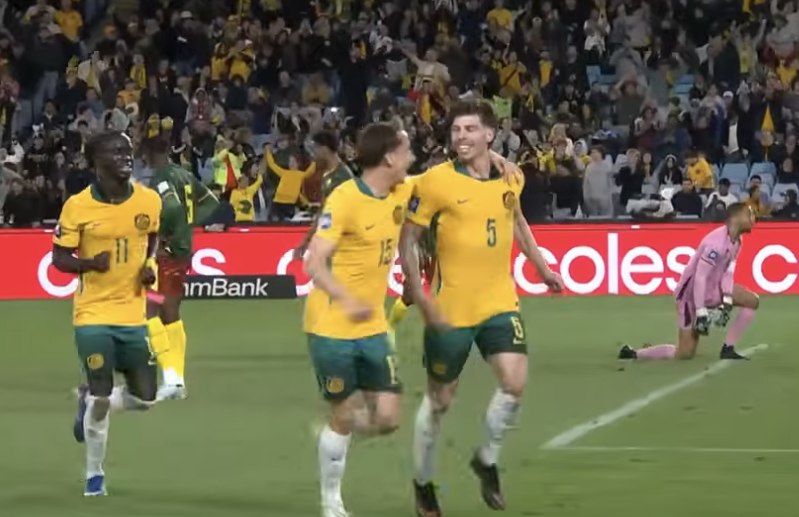
SYDNEY — With the 2026 FIFA World Cup less than two months away, Australia’s Socceroos face steep odds of advancing deep into the expanded 48-team tournament. Betting markets and statistical models peg the probability of the Socceroos reaching the semifinals at approximately 0.8% to 1%, reflecting a long-shot scenario even in a more forgiving format that guarantees at least a round of 32 for most teams.

The Socceroos, ranked 27th in the latest FIFA men’s world rankings released April 1, 2026, qualified comfortably for their sixth straight World Cup — and seventh overall — after finishing second in their AFC third-round group behind Japan. They secured direct qualification with a dramatic 2-1 comeback win over Saudi Arabia in June 2025, avoiding the inter-confederation playoffs that have defined some past campaigns.
Drawn into Group D alongside co-host United States, Paraguay and Turkey, Australia landed what many analysts described as a favorable but still challenging group. The expanded tournament structure means the top two teams advance automatically to the round of 32, with a possible third-place “lucky loser” path depending on results elsewhere. Simulations and expert previews give the Socceroos roughly 55-65% chance of progressing from the group stage, primarily as runners-up behind the favored Americans.
However, the path narrows dramatically beyond that. Current outright odds list Australia at +50000 (or 500/1) to win the entire tournament, implying an extremely low baseline probability. Implied probabilities for reaching the semifinals sit in the 0.8-1.2% range across major sportsbooks, with some Australian-focused books offering slightly more generous figures around 1.5% when factoring in the larger bracket.
Coach Tony Popovic’s squad relies on a mix of experienced European-based players and domestic talent. Key figures include defenders like Harry Souttar, midfielders Jackson Irvine and Aiden O’Neill, and forwards such as Kusini Yengi. The team’s physical style, aerial strength and organized defense have historically allowed them to punch above their ranking in short bursts, as seen in the 2022 Qatar tournament where they reached the round of 16 before a narrow loss to eventual champion Argentina.
Yet reaching the final four would require multiple upsets against higher-ranked sides. In a typical bracket projection, advancing from Group D as runners-up would likely set up a round of 32 clash against a strong side from another group, followed by increasingly difficult knockout matches. Historical data shows Australia has never progressed beyond the round of 16 in six previous appearances, with their best result the 2006 quarterfinal exit on penalties to Italy.
Betting markets reflect this reality. Odds to reach the quarterfinals hover around 20/1 to 25/1 (+2000 to +2500), translating to roughly 4-5% implied probability. The jump to semifinals adds another layer of difficulty, as it would demand at least four knockout victories in a tournament where upsets become rarer deeper in the draw. For context, even established powerhouses like the Netherlands or Belgium sit at much shorter semifinal odds.
Analysts point to several factors limiting Australia’s ceiling. The squad lacks the depth and star quality of top European or South American nations. Recent friendlies and qualifiers have shown solidity but occasional struggles against technically superior teams. FIFA rankings place Australia behind several Group D rivals in projected strength, though home-like conditions in North America — with significant Australian supporter travel expected — could provide a boost.
The 2026 format expands opportunities for mid-tier teams. With 104 matches and a round of 32 followed by round of 16, quarterfinals and beyond, more nations have realistic knockout paths. Simulations run by fans and analysts, including one using 10,000 iterations based on FIFA and Elo ratings, estimated Australia’s chance of reaching the round of 16 at 27-32% and quarterfinals at just 2-5%. Semifinal probability in those models rarely exceeded 1%.
Optimists highlight the group draw as a springboard. Facing the United States (ranked higher but under new management pressures), Paraguay (solid but not elite) and Turkey (inconsistent) offers winnable matches if the Socceroos can secure results through set pieces and defensive resilience. A strong group-stage performance could build momentum and confidence heading into knockouts.
Realistically, most experts see Australia’s realistic target as advancing from Group D and perhaps reaching the round of 16 for the third time in their history. Anything beyond that would represent a historic overachievement. Popovic has emphasized preparation, unity and seizing the moment in what could be a career-defining tournament for several senior players.
Off-field support remains strong. Australian fans have a reputation for traveling in large numbers, and the tournament’s North American venues — including matches in Vancouver, Seattle and Los Angeles — are relatively accessible. Corporate and government backing has grown, with the Socceroos brand continuing to expand domestically through the A-League and grassroots programs.
As June 2026 approaches, attention turns to final squad selections, warm-up friendlies and tactical fine-tuning. Popovic must balance experienced campaigners with emerging talent capable of handling the intense schedule of the expanded competition.
While the dream of a semifinal run captivates supporters, the numbers tell a sobering story: roughly a 1-in-100 chance or less. That slim probability fuels the romance of the World Cup, where underdogs occasionally defy expectations. For the Socceroos, the immediate goal remains clear — navigate Group D successfully and then see how far resilience and a bit of fortune can carry them in North America.
Australia’s 2026 campaign represents both continuity and opportunity. Sixth consecutive qualification underscores consistent regional strength, while the larger tournament format offers a platform for further growth. Whether the Socceroos can translate that into a deep run remains one of the intriguing subplots as the world prepares for the biggest sporting event of the year.

INDIO, Calif. — Sabrina Carpenter delivered a star-studded, cinematic headlining performance at Coachella 2026 that transformed the desert into “Sabrinawood,” earning widespread acclaim for its ambition, production value and crowd engagement, while Justin Bieber’s Saturday night headline slot drew sharp criticism for its minimalist approach and unconventional song delivery that some called “YouTube karaoke.”
Carpenter took the main Coachella Stage on Friday night, April 10, fulfilling a promise she made after her memorable 2024 appearance. Her roughly 90-minute set featured elaborate Hollywood-themed production, multiple costume changes, backing dancers and surprise cameos from actors including Susan Sarandon, Will Ferrell and Sam Elliott. Reviewers described it as a “superstar-caliber” theatrical revue blending film noir, Broadway flair and cheeky pop energy.
The 26-year-old pop star opened with a black-and-white video intro in which Elliott portrayed a menacing cop pulling her over in a vintage vehicle. She emerged onstage to launch into tracks from her “Man’s Best Friend” era and earlier hits, including “House Tour,” “Taste,” “Busy Woman” and “Manchild,” the latter featuring dancers in dog costumes. A towering “Sabrinawood” sign lit up the stage during “When Did You Get Hot?,” evoking the Hollywood Hills.
Critics praised Carpenter’s strong live vocals, which sounded “pristine” and more robust than on recordings despite constant movement, including a treadmill segment in “My Man on Willpower.” The set mixed high-energy hits early — “Please Please Please,” “Espresso” and “Juno” — with theatrical segments, genre blends and playful interpolations like Barry Manilow’s “Copacabana” into “Feather.” It concluded with an elaborate water show during “Tears.”
Social media and fan reactions largely celebrated the spectacle. Many called it one of the most creative and visually impressive headlining sets in recent Coachella history, comparing it favorably to Lady Gaga’s ambitious 2025 opener. Reddit users and reviewers highlighted the thoughtful stage design, moving set pieces and how Carpenter “wrapped Coachella around her finger.” Even some who found mid-set lulls during costume changes admitted the overall ambition and live execution wowed them.
In contrast, Bieber’s performance the following night divided audiences and sparked immediate backlash. The 32-year-old made his Coachella headlining debut on Saturday, April 11, reportedly commanding a hefty $10 million fee. Attendees and online viewers criticized the set for minimal production, heavy reliance on newer material from his “Swag” albums and moments where Bieber appeared to sing along to his own music videos pulled up on a device.
Fan videos showed the singer in casual attire performing on a sparsely staged main stage with limited backing musicians. While some dedicated Beliebers defended the intimate, raw vibe and praised his vocal delivery after years of health challenges, many casual festivalgoers and critics found it underwhelming for a headliner. Social media memes quickly labeled it “lazy” or “a snoozefest,” with particular mockery aimed at the YouTube-assisted throwback segments that included classics like “Baby.”
The stark difference in execution fueled online debates comparing the two headliners directly. Carpenter’s polished, high-concept production stood in sharp relief to Bieber’s stripped-back approach. Commentators noted the contrast: one artist delivered a full-scale theatrical event with celebrity guests and immersive visuals, while the other opted for a low-key, seemingly personal set that felt mismatched for the festival’s grand scale and expectations.
Industry observers pointed out that modern Coachella headliners face intense pressure to provide spectacle in the social media era, where viral moments and production value often define success. Carpenter met and exceeded those expectations with a set described as “electric,” “rollicking” and “ambitious.” Bieber’s approach, while perhaps authentic to his current artistic phase focused on introspection and family life, appeared to miss the mark for many in attendance and watching livestreams.
Carpenter’s setlist balanced hits with deeper cuts, front-loading crowd-pleasers before transitioning into more theatrical segments. Reviews noted occasional pacing issues during changes but overall hailed the performance as a career milestone that solidified her status as a top-tier pop performer. Bieber’s set leaned toward mid-tempo and newer tracks, with throwbacks integrated late, reportedly leading to some crowd thinning.
The contrasting receptions highlight generational and stylistic differences in pop stardom. Carpenter, riding a wave of recent success, leaned into playful, visually driven entertainment that resonated with younger festival crowds. Bieber, a veteran with a massive global fanbase, seemed to prioritize a more subdued, mood-driven presentation that appealed mainly to core supporters but left broader audiences wanting more energy and production.
As the first weekend of Coachella 2026 unfolded, Carpenter’s Friday set quickly entered conversations as a festival highlight, with clips and reviews amplifying its impact. Bieber’s Saturday performance generated buzz primarily through controversy, with divided opinions continuing into Sunday as Karol G prepared to close the weekend.
Festival organizers have not commented on the differing reactions. Both artists are scheduled to perform again during the second weekend, April 17-19, offering opportunities for adjustments or repeats of their respective approaches.
Ultimately, the head-to-head comparison favors Carpenter’s ambitious execution over Bieber’s polarizing minimalism. While subjective tastes vary — with some praising Bieber’s authenticity — the consensus from critics, attendees and social media tilts decisively toward Sabrina Carpenter as the stronger performer of the two Coachella 2026 headliners.
The desert festival continues to showcase how production, engagement and timing can define a headline legacy. Carpenter’s “Sabrinawood” created lasting memories and viral moments, while Bieber’s set added fuel to debates about expectations for superstar performances in 2026.
As discussions persist online and reviews roll in, the weekend’s headline contrast underscores Coachella’s role as both a music event and a stage for spectacle, where ambition often separates memorable sets from mixed ones.
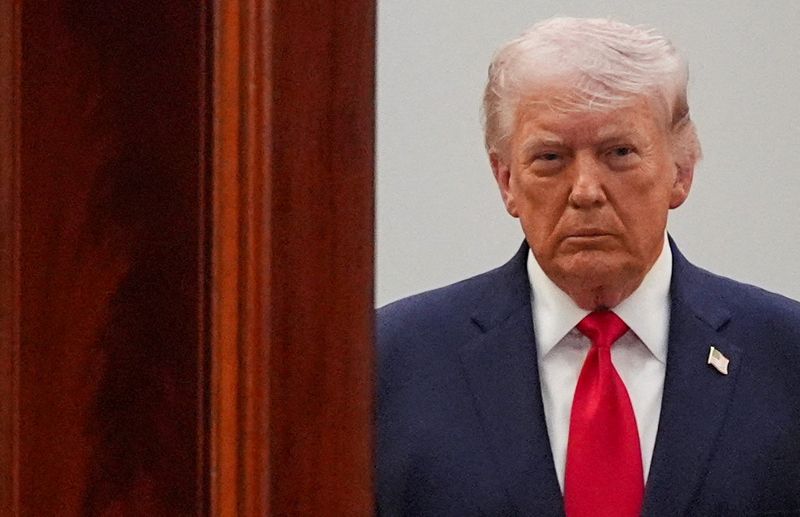

Trump says US to start blockading the Strait of Hormuz immediately

Recent motoring cases heard by North Yorkshire magistrates

8 penny stocks surged up to 205% in 3 months. Do you own any?
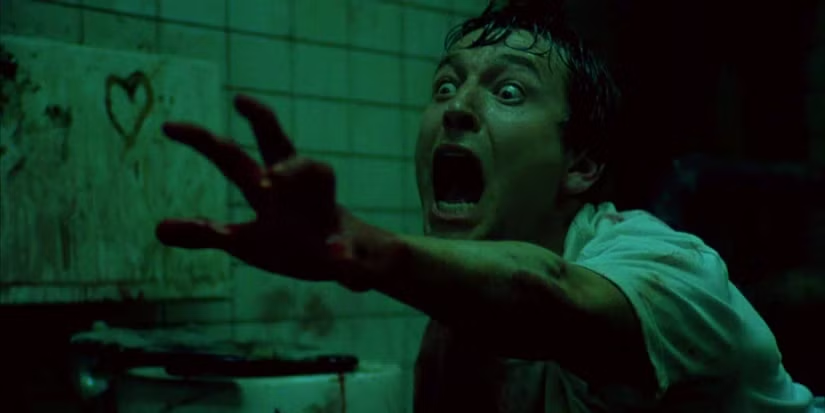
10 Most Perfect Horror Endings of All Time, Ranked

Why Israel is blocking foreign journalists from entering

Bitcoin: We’re Entering The Most Dangerous Phase

Alan Cumming Brands Baftas Ceremony A ‘Triggering S**tshow’

NUR NOCH 30 STUNDEN! Trump droht Iran – Bitcoin vor dem Crash? (Ich sichere mich ab)
![DJ KANJI - MONEY UP (feat. 7 & eyden) [Official Music Video]](https://wordupnews.com/wp-content/uploads/2026/04/1776001891_maxresdefault-80x80.jpg)
DJ KANJI – MONEY UP (feat. 7 & eyden) [Official Music Video]

Live Gold, Crypto Trading | 9 April | #goldtrading #cryptotrading #bitcoin – MANSI
-

 Business7 days ago
Three Gulf funds agree to back Paramount’s $81 billion takeover of Warner, WSJ reports
-

 Politics2 days ago
US brings back mandatory military draft registration
-

 Fashion2 days ago
Weekend Open Thread: Veronica Beard
-

 Tech5 days ago
How Long Can You Drive With Expired Registration? What Florida Law Says
-

 Fashion6 days ago
Massimo Dutti Offers Inspiration for Your Summer Mood Board
-
 Sports2 days ago
Man United discover Nico Schlotterbeck transfer fee as defender reaches Dortmund agreement
-

 Crypto World3 days ago
Canary Capital Files SEC Registration for PEPE ETF
-

 Fashion5 days ago
Let’s Discuss: DEI in 2026
-

 Business2 days ago
Tesla Model Y Tops China Auto Sales in March 2026 With 39,827 Registrations, Beating Cheaper EVs and Gas Cars
-

 Crypto World4 days ago
Bitcoin recovers as US and Iran Agree a Ceasefire Deal
-

 Politics2 days ago
Malcolm In The Middle OG Turned Down ‘Buckets Of Money’ To Appear In Reboot
-

 Business2 days ago
OpenAI Halts Stargate UK Data Centre Project Over Energy Costs and Copyright Row
-

 Business22 hours ago
Ireland Fuel Protests Enter Day 5 as Blockades Spark Shortages and Government Prepares Support Package
-

 Tech6 days ago
Italian court says Netflix must refund customers up to $576 over price hikes
-

 Tech6 days ago
Gamer Restores the Original PlayStation Portal From Two Decades Ago
-

 Tech6 days ago
Haier is betting big that your next TV purchase will be one of these
-

 Tech6 days ago
The Xiaomi 17 Ultra has some impressive add-ons that make snapping photos really fun
-

 Tech6 days ago
Samsung just gave up on its own Messages app
-

 Politics2 days ago
LBC Presenter Mocks Trump Over Iran War Failures
-

 Tech6 days ago
Save $130 on the Samsung Galaxy Watch 8 Classic: rotating bezel, sleep coaching, and running coach for $369
You must be logged in to post a comment Login