

Business
Rayner Urges Starmer to Ban Social Media for Under-16s


Angela Rayner has broken cover to urge Sir Keir Starmer to push ahead with a blanket ban on social media for children under the age of 16, intensifying pressure on a prime minister already wrestling with one of the most politically charged decisions of his premiership.
The former deputy prime minister told Sir Keir to “just make a decision and do it”, arguing that the case for prohibiting under-16s from accessing platforms such as Instagram, TikTok, Snapchat and X had become “so clear” that further delay was indefensible. Her intervention, made on Alastair Campbell’s The Rest Is Politics podcast, lands as Whitehall closes a government consultation on Tuesday that has been weighing an Australian-style ban on under-age social media use.
For Britain’s small and medium-sized businesses — particularly the legions of owner-managers who have come to depend on social platforms as their shop window, sales channel and marketing department rolled into one — the stakes could scarcely be higher. Any move to restrict access for under-16s would force a wholesale rethink of age-assurance technology, advertising targeting and content moderation, with costs that will land disproportionately on smaller operators.
A cabinet split, an open consultation and a prime minister in two minds
Although Westminster speculation is mounting that Sir Keir will eventually back a full ban as a piece of “low-hanging political fruit”, Labour is visibly divided over the proposal. Andy Burnham, the Greater Manchester mayor, and Wes Streeting, the health secretary, are both said to have cooled on a blanket prohibition, favouring tougher functional regulation over a hard age cut-off.
The doubts are being fed by early evidence from the southern hemisphere. Five separate studies have suggested that at least 60 per cent of Australian children aged under 16 are either ignoring the ban outright or have already found ways around it. Data published by the Australian regulator confirms that between 60 and 64 per cent of children still using the major platforms reported no action being taken against their accounts, a figure detailed in the official eSafety Commissioner’s social media age restrictions update.
Mr Campbell, Tony Blair’s former director of communications, told the podcast he could not understand the government’s hesitation. “I don’t understand why the government isn’t just doing it in relation to stopping social media till you’re 16,” he said. “I think the country’s kind of decided on this, and yet we’ve just got this bloody, seemingly never-ending process going on.”
Ms Rayner agreed, framing the delay as symptomatic of a wider drift. “It just makes people feel ‘just make a decision and do it’,” she said. “Why can you not just make a decision when it seems so clear that that’s what you need to do? It’s this active state that is exactly what we need to be.”
Bereaved families urge caution before any announcement
On Tuesday, Sir Keir is scheduled to meet parents who have lost children as a result of their experiences online. But campaigners have warned the prime minister against a politically expedient announcement that runs ahead of the evidence.
Ian Russell, whose daughter Molly took her own life aged 14 after being inundated with online content depicting self-harm and suicide, said: “Any government announcement now would make a mockery of the consultation. They need to see the results before making up their mind. They also need to follow the evidence and go beyond a ban if they wish to be effective rather than performative.”
The alternative model gaining ground inside Whitehall is a ban on so-called “functionalities” — a more surgical approach that would oblige social media firms to switch off features such as endless scrolls, recommender algorithms aimed at children, autoplay, livestreaming and “streaks” that reward daily logins. That approach would chime with the direction already set out in Ofcom’s tougher rules on harmful algorithms aimed at young users under the Online Safety Act. The regulator’s own protection of children codes of practice already require platforms to deploy more than 40 practical safety measures during 2026, including age assurance and content controls covering suicide, self-harm and eating disorders.
What the policy means for british business
Polling suggests parental and backbench appetite for an Australian-style ban remains strong, and at least one Whitehall source briefed The Sun on Sunday that the policy was “free and popular”, the kind of legacy announcement Sir Keir could realistically push past restive Labour MPs.
For SMEs, the implications cut well beyond Westminster theatre. Compliance costs flowing from the Online Safety Act are already reshaping how UK businesses operate online, with fines of up to 10 per cent of global turnover concentrating minds in boardrooms. A statutory ban would extend that compliance perimeter sharply, potentially curtailing advertising inventory aimed at family audiences and forcing smaller direct-to-consumer brands to redraw acquisition strategies built around teen-skewed platforms.
Sir Keir has consistently maintained an “open mind” on the question, pointing to the genuine benefits children derive from access to the internet and stressing his preference for stripping out addictive design features rather than banning access outright. Crucially, the government has already legislated for the flexibility to introduce any agreed change, up to and including a full ban, without bringing fresh primary legislation before Parliament.
“We’ll go through the consultation, but I think I’ll be absolutely clear: things will not stay as they are,” the prime minister said. “This is going to change. I don’t think the next generation would forgive us if we didn’t act now.”
Whether that change arrives as a hard age cap or a more nuanced architectural fix, business owners would be wise to start war-gaming both scenarios now. The political pressure from within Sir Keir’s own cabinet suggests a decision is no longer a matter of if, but when — and how broadly the net will be cast.

Amy Ingham
Amy is a newly qualified journalist specialising in business journalism at Business Matters with responsibility for news content for what is now the UK’s largest print and online source of current business news.



HowGood teams up with AI company.
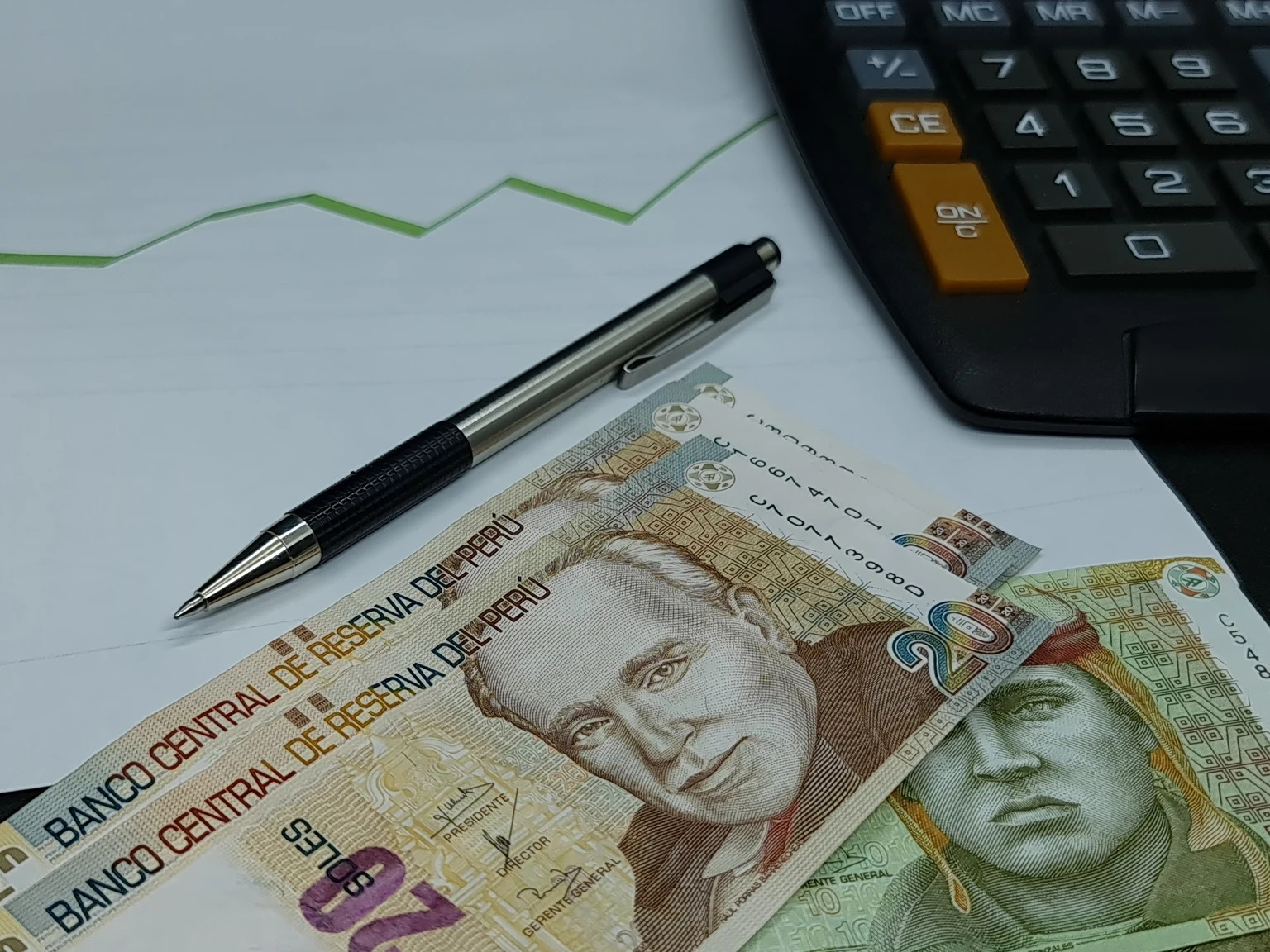
Credicorp: Good Macroeconomic Backdrop, But Valuation Limits Upside

Transport Focus asks it to reduce delays and provide better information during disruption.
Business
QUOTES-Bank of England policymakers set out views on rates outlook in minutes of June meeting

QUOTES-Bank of England policymakers set out views on rates outlook in minutes of June meeting
Business
Switzerland and Bosnia-Herzegovina Share Points Again as World Cup Group B Remains Wide Open
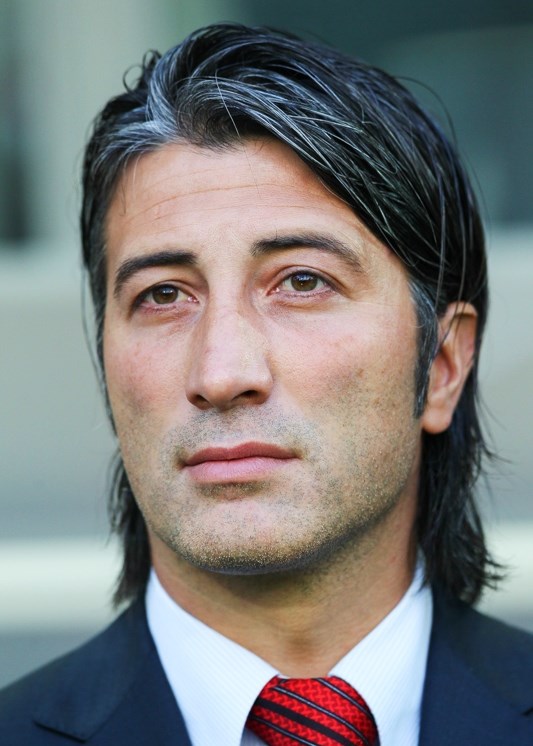
INGLEWOOD, California — For the second time in six days, Switzerland surrendered a win they should have had. For the second time in six days, Bosnia-Herzegovina came away from a World Cup match with a point they will gladly take.
A 1-1 draw at SoFi Stadium on Thursday afternoon left Group B exactly as murky as it was before kickoff, with all four sides — Switzerland, Bosnia-Herzegovina, Canada, and Qatar — now holding two points apiece heading into the decisive final round of fixtures. The result extended Bosnia-Herzegovina’s remarkable unbeaten run and deepened the frustration that is fast becoming the defining characteristic of Murat Yakin’s Swiss side at this tournament.
Switzerland finished the match with 27 shots to Bosnia-Herzegovina’s eight, an overwhelming statistical dominance that translated into precisely one goal — a familiar story for a team that had already tormented itself against Qatar with 26 attempts and just one converted chance.
How the Match Unfolded
Switzerland’s inability to convert pressure into goals has become the central tension of their tournament. Murat Yakin’s side completely dominated tempo and territory against Qatar in their opener, racking up 26 attempts and 10 shots on target before conceding a 94th-minute own goal that cost them the win. Against Bosnia-Herzegovina at SoFi, the pattern repeated itself in the most deflating fashion possible.
Bosnia-Herzegovina arrived in Los Angeles as a side built on shape, discipline, and the ability to absorb punishment. They took the lead through a header from Jovo Lukic in their opener against Canada and conceded late in the second half to Cyle Larin, a result that left them with a point but also exposed their vulnerability in the final stages of matches.
Bosnia’s last four competitive games have all ended 1-1, and Thursday’s result made it five consecutive draws — a statistical quirk that speaks to both the resilience and the ceiling of Sergej Barbarez’s side. They can hold. They struggle to win.
Switzerland’s Clinical Problem
Switzerland were underwhelming in their opener but, in a stadium in which the heat would not be a factor, Yakin’s side were expected to have enough to register a win that essentially sealed their place in the knockouts. That expectation made the result all the more damaging to process in the Swiss camp.
Switzerland found the net just once from 26 shots against Qatar, with Breel Embolo’s goal coming from the penalty spot. Embolo, who enters every tournament as one of Europe’s most physically imposing strikers and has scored in four of his last six games for Switzerland and carries 24 international goals from 86 caps, is the focal point of Yakin’s attack — and the man Switzerland most need to find form at the right moments.
Yakin’s primary challenge was to address his wide overloads and move the ball with much higher vertical velocity, utilising the explosive pace of Dan Ndoye and Noah Okafor to stretch the Bosnian backline and create high-value cutbacks for Embolo. Whether that plan was executed effectively against a disciplined Bosnian defensive block remained Switzerland’s central problem throughout the match.
Bosnia-Herzegovina’s Defensive Blueprint
Sergej Barbarez’s disciplined defensive framework was highly effective in frustrating Canada in Toronto, but Matchday 2 demanded a sharp recalibration in transition. While Bosnia’s rigid low-block structure successfully limited open-play opportunities for long stretches in their opener, the team naturally fatigued late in the second half, ultimately conceding a 77th-minute equaliser to Cyle Larin.
The Zmajevi came to SoFi with a significant injury concern unresolved. Sead Kolasinac’s availability was a question mark after he limped off in the draw with Canada. Nidal Celik missed the rest of the tournament with an injury sustained in training and has been replaced in the squad by Arjan Malic of Sturm Graz.
Bosnia and Herzegovina arrived at their second-ever World Cup after a 12-year absence, and coach Sergej Barbarez has built a side that is hard to beat rather than one that overwhelms opponents. Their qualifying campaign delivered five wins and four draws, a record that reflects their tactical identity — a team that competes intelligently but rarely imposes itself on the scoreline with authority.
The Group B Picture
The result leaves Group B in a state of perfect equilibrium with one matchday remaining, setting up a decisive final round that could send any of the four teams through or eliminate any of them. With all four Group B sides deadlocked on one point after Matchday 1, the draw was effectively a four-way contest for two knockout places and every result carried maximum weight. Now, with all four sides on two points, that remains equally true.
Switzerland have reached the knockout rounds in each of the last three World Cups, though they have never gone beyond the last 16. The Swiss are the most experienced side in the group and the most expected to advance — but back-to-back draws against Qatar and Bosnia-Herzegovina have left them in precisely the same position as everyone else.
Before the tournament, if you had given Barbarez a draw against Switzerland, he would have probably taken it, given how the Swiss seemed the strongest team in this group on paper. However, after two 1-1 draws in the first group games, all possibilities remain wide open.
What Comes Next
The final round of Group B matches will pit Switzerland against Canada and Bosnia-Herzegovina against Qatar — simultaneous kickoffs that will determine which two nations advance to the Round of 32 of the expanded 48-team tournament. Switzerland have no margin for error. Their final group game with Canada cannot be a must-win scenario they can afford to enter lightly.
For Bosnia-Herzegovina, Thursday’s draw extends their extraordinary recent run but leaves them needing a result against Qatar that Barbarez’s side — with their draw-heavy tendencies — may struggle to guarantee. A group built around four entirely winnable matches has become, through collective failure to convert dominance into victory, one of the most unpredictable brackets in the entire tournament.


Acquisitions are expanding tortilla functionality and flavors.
Business
Mexico vs South Korea in Guadalajara With Group A Leadership and Early World Cup Qualification on the Line

GUADALAJARA, Mexico — When the 2026 FIFA World Cup’s Group A leaders take the field at Estadio Guadalajara on Thursday night, the stakes could scarcely be higher. Mexico and South Korea, the only two teams in Group A yet to drop a point, meet in what amounts to a de facto battle for group supremacy — and potentially, an early ticket to the knockout stage of a tournament that has already delivered some of its most memorable moments.
After winning their respective opening matches at the World Cup, Mexico and South Korea will fight to claim all three points again and book their place in the next round when they face each other in Guadalajara on Thursday. Mexico, playing the first match of this World Cup, humbled South Africa 2-0 in an electrifying atmosphere at the Mexico City Stadium. South Korea, meanwhile, were trailing against Czechia but turned it around in the second half to claim all the points in a 2-1 win.
Both sides are on three points with first place in Group A on the line. Win this and you are all but through to the knockout rounds and likely topping the group.
Mexico’s Path to This Moment
Mexico’s opening-day performance was everything the raucous crowd at the historic Estadio Azteca in Mexico City could have hoped for. Julián Quiñones settled any early nerves by firing El Tri ahead just eight minutes into the match. While South Africa’s discipline unraveled with red cards handed to Sphephelo “Yaya” Sithole and Themba Zwane, Mexico maintained their composure. Raúl Jiménez sealed all three points with a clinical finish in the 66th minute, though a late red card for defender César Montes marred an otherwise perfect evening.
Centre-back César Montes will serve a one-match ban after his red card against South Africa. Expect Mateo Chávez to replace him in a like-for-like change at the back. No further changes are expected from Javier Aguirre following the opening-day win.
The loss of Montes is a manageable blow for a squad with depth in defensive positions, and Aguirre’s side come into the game in settled, confident form. Mexico arrive in excellent form, winning four of their last five matches and drawing one. Their most recent pre-tournament result was the 2-0 victory over South Africa, and they also recorded a commanding 5-1 win over Serbia in a pre-tournament friendly on June 5.
There is also a layer of history embedded in this fixture. Goalkeeper Guillermo Ochoa is in the squad for a record sixth World Cup appearance, bringing experience and presence to the back line. Rafael Márquez serves as assistant to Aguirre and has been confirmed as Mexico’s next head coach after this tournament, adding a layer of narrative continuity to a group of players who understand the weight of what they are representing on home soil.
South Korea’s Resilience on Display
South Korea arrive in Guadalajara with momentum after one of the tournament’s most compelling early performances — a composed, character-driven comeback that announced them as genuine contenders. Hwang In-Beom was named Player of The Match after scoring South Korea’s first goal and setting up the second. The spotlight in the team is mostly reserved for stars like Son Heung-Min, Lee Kang-In and Kim Min-Jae, but it was Hwang who grabbed the headlines with his outstanding performance in the 2-1 win over Czechia.
South Korea showed real character to come from behind in the opener, and they arrive full of confidence. The team is built around its attacking talent: Lee Jae-Sung and Lee Kang-in operate just behind Son Heung-Min, and that trio carries the creativity and finishing to trouble any defense. Hwang In-beom, who scored the equalizer against Czechia, anchors the midfield.
Son Heung-min, now playing his club football at Los Angeles FC after a storied tenure at Tottenham Hotspur, enters the match as the most decorated player on either side. Son, with 56 international goals from 144 caps, remains the creative focal point, and Lee Kang-in’s ability to unlock defenses from midfield means South Korea are not simply a reactive side.
Two South Korea players appeared on the World Cup injury table after their comeback win over Czechia. Kim Tae-Hyeon and Bae Jun-Ho both resumed team training and could be options for this clash. Coach Hong Myung-bo is otherwise expected to name a nearly identical lineup to the one that dispatched Czechia.
The Head-to-Head History
The sides have previously met 15 times, with Mexico winning both of their World Cup meetings: 3-1 in the 1998 tournament in France and 2-1 in the 2018 edition in Russia. Their most recent meeting was a 2-2 draw in 2025.
The 2018 result carries particular resonance for a South Korean side motivated to reverse that outcome. Eight years ago in Russia, Mexico’s 2-1 Group F victory helped El Tri through to the round of 16, while South Korea were eliminated. The most notable meeting came at the 2018 World Cup, when Mexico beat South Korea 2-1 in the group stage on the way to the round of 16.
A 2-2 tie in a friendly last September continued a recent goal-heavy head-to-head trend, with the Mexicans edging a five-goal thriller in 2020 and winning 2-1 when they met at the 2018 World Cup.
The Tactical Picture
Mexico looked the better side against South Africa even before the red cards, and at altitude with the crowd behind them, they will fancy this. Estadio Guadalajara sits at roughly 1,566 meters above sea level — a factor that has historically favored Mexican sides playing at home in World Cup competition and one that can significantly affect teams unaccustomed to the thin air.
The central battle here is Edson Álvarez against the South Korea forward press. Álvarez, with 98 caps to his name, is the axis around which Aguirre’s entire structure rotates. When Mexico win the ball in midfield, they move quickly through Álvarez and into the forwards. South Korea, however, defend with a compact mid-block and rely on Son Heung-min pressing from the front to force errors in the opposition’s build-up.
South Korea’s counter-attacking quality through Son means this could just as easily end level. At the same time, there are signs of inconsistency at the back, having shipped four goals against Ivory Coast and five versus Brazil in the last 12 months. Even against a Czechia side that struggled to create chances, they still conceded, suggesting that they can be exposed when under pressure.
Under Javier Aguirre, who guided the side to a 2025 CONCACAF Gold Cup triumph, El Tri have rebuilt steadily and their 2-0 opening win over South Africa demonstrated defensive solidity and the cutting edge of a side motivated to go deep in a home tournament. With Raúl Jiménez and Santiago Giménez available up front, Mexico have genuine attacking threat against a South Korea defense that was breached in the opener.
What a Win Means
Javier Aguirre’s side know that a point here will all-but-mathematically seal their place in the knockout stages. A victory would go further, all but guaranteeing Group A top spot heading into the final matchday. For South Korea, a win would produce the same result — and likely set up a more favorable bracket draw for the knockout rounds.
The match kicks off at 9 p.m. ET on Thursday and will be televised on Fox Sports in the United States.
Business
Madhu Kela to become investor in Lloyds Engineering as part of SISCOL acquisition, to receive nearly 73 lakh shares

The acquisition will be executed through a combination of cash and share swap. Lloyds Engineering will acquire a 52.16% stake in SISCOL for around Rs 635.4 crore, while group entities Lloyds Enterprises and Streamland Estate LLP will each acquire a 17.98% stake for Rs 219 crore.
As part of the share swap, MK Ventures, which owns a 4.27% stake in SISCOL, will transfer 17.33 lakh shares of the company and receive about 72.95 lakh equity shares of Lloyds Engineering through a preferential allotment, according to the company’s filing.
The overall transaction values SISCOL at around Rs 1,220 crore.
Lloyds Engineering’s board also approved a preferential issue of up to 7.06 crore equity shares worth Rs 503.56 crore to SISCOL’s selling shareholders through the share swap route. It separately approved a preferential issue of 7 lakh shares worth Rs 4.99 crore for cash. Both proposals are subject to shareholder approval at an extraordinary general meeting scheduled for July 15.

The acquisition significantly expands Lloyds Engineering’s presence in engineering, structural fabrication and EPC services, positioning the combined entity to undertake large infrastructure, industrial and commercial projects.
SISCOL has executed 187 structural steel projects across 22 states since 2018. Its portfolio includes Delhi Airport Terminal 1, Noida International Airport, the Dwarka Convention Centre, the International Hockey Stadium in Rourkela, railway and road bridges, data centres and industrial projects in India and overseas.The company counts L&T, Shapoorji Pallonji, Tata Projects, Adani Group companies, KEC International, Jindal Stainless and DP World among its clients.
Following the acquisition, the combined platform will have more than 10 manufacturing facilities, six engineering and design centres, structural fabrication capacity of around 1.5 lakh metric tonnes per annum, with plans to expand it to 2 lakh MTPA, along with enhanced EPC and civil execution capabilities.
Lloyds Engineering said the acquisition will strengthen its ability to offer integrated design-to-delivery solutions across airports, industrial infrastructure, transportation, defence, data centres and urban development while creating operational synergies across procurement, engineering, manufacturing and project execution.

Lifestance Health Group stock hits 52-week high at $8.90

The company plans to utilise Rs 480 crore from the issue towards deposits, advance lease rentals and monthly lease payments for its step-down subsidiary, Baycruise Shipping and Leasing (IFSC). The remaining funds will be used for general corporate purposes.
Waterways Leisure Tourism is India’s largest cruise operator by value, accounting for about 79% market share in FY25, according to a CRISIL report. It currently operates the MV Empress, which has hosted more than 7.3 lakh guests and sailed over 3.21 lakh nautical miles along the Indian coastline and neighbouring countries as of March 31, 2026.
The cruise liner offers domestic routes covering Mumbai, Goa, Kochi, Chennai, Lakshadweep, Visakhapatnam and Puducherry, while international itineraries include Sri Lanka, Thailand, Singapore and Malaysia.
The company is also preparing to expand its fleet with the addition of Norwegian Sky and Norwegian Sun, which together will add nearly 2,000 cabins and accommodate over 3,900 additional passengers. The expansion is expected to significantly enhance its capacity and support future growth.
Besides leisure cruises, the company caters to meetings, incentives, conferences and exhibitions (MICE), destination weddings and corporate events by offering integrated hospitality, accommodation and entertainment services onboard.
On the financial front, Waterways Leisure Tourism reported revenue from operations of Rs 580 crore in FY26, compared with Rs 444 crore in FY24. The company posted a net profit of Rs 52 crore in FY26, reversing a net loss of Rs 123 crore reported in FY24.The issue comes at a time when India’s cruise tourism industry is witnessing growing interest, supported by rising disposable incomes, improving port infrastructure and increasing demand for experiential travel.
The IPO is being managed by Centrum Capital as the book-running lead manager.
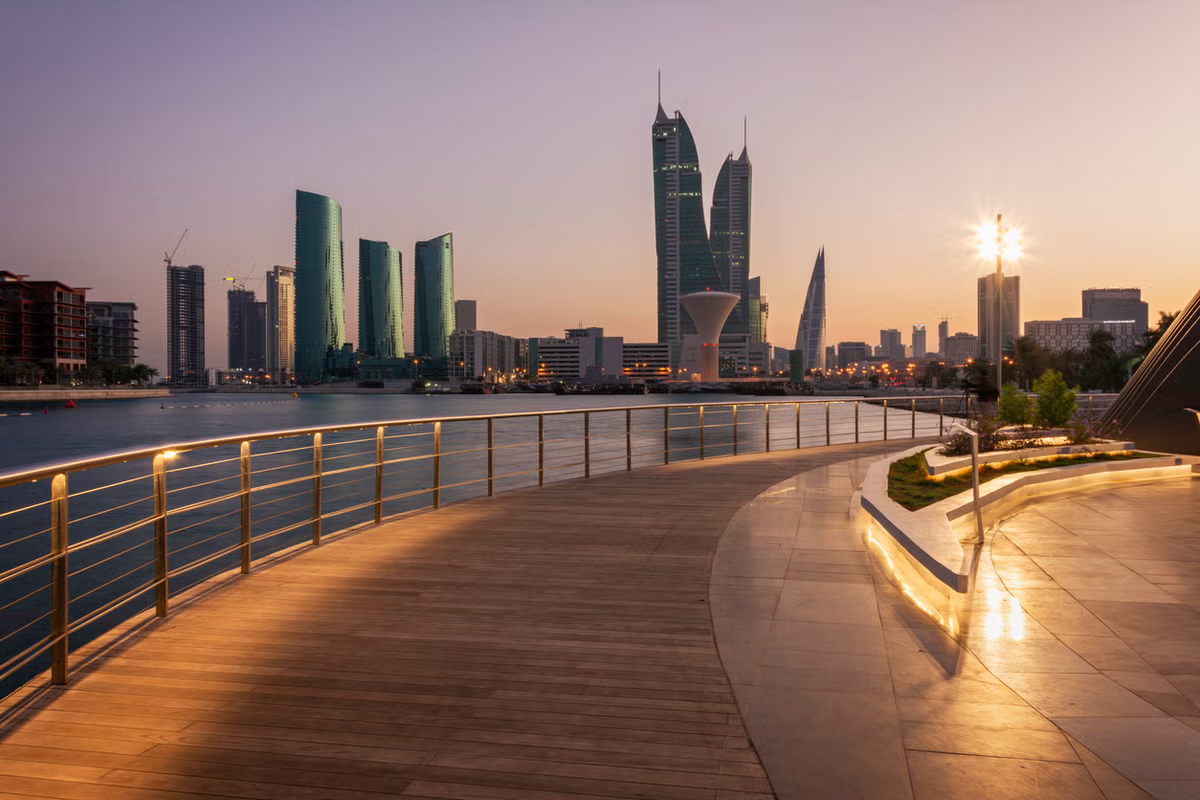
Is it safe to travel to Bahrain? Foreign Office issues new travel advice

Partnership aims to improve Scope 3 emissions reporting
Uniswap Whale Activity Hits 7-Month Peak Following $100 Prediction

Blockchain.com files with SEC for U.S. IPO

No Jackpot Winner as $257 Million Prize Rolls Over to $269 Million Monday Draw

Israel says it has killed new Hamas military leader in Gaza City airstrikes

The Smartest Guest in Financial Audit History

Radhika Merchant Ambani Speaks On Equality, Mutual Respect & Financial Freedom In Marriage | News18

“BORING” Businesses That Are Printing Money (90% People Don’t Know About This)
-
 Business4 days ago
No Jackpot Winner as $257 Million Prize Rolls Over to $269 Million Monday Draw
-

 Fashion6 days ago
Weekend Open Thread: Tuckernuck – Corporette.com
-
 Crypto World4 days ago
Zimbabwe Requires Crypto Businesses to Register Annually Under New FIU Regulations
-

 Crypto World5 days ago
Bitget enters Argentina’s regulated crypto market through PSAV registration
-

 Tech6 days ago
NanoClaw integrates JFrog registries to secure AI agent downloads
-

 Tech6 days ago
This Week In Security: Microsoft On Microsoft, Register Your Domains, Linux On ARM, And FreeBSD Joins The File Cache Club
-

 NewsBeat7 days ago
El Nino has formed in the Pacific and could set records, forecasters say
-
 Tech7 days ago
Opendoor Ends India Operations, Fueling a Bigger Conversation About AI and Outsourcing
-

 NewsBeat6 days ago
FBI searches office of Ohio voter registration group
-
 Tech7 days ago
Anthropic is spending $150M to embed 1,000 AI fellows inside nonprofits. No degree required.
-
 Entertainment7 days ago
‘The Pitt’s Fan-Favorite Doctor Confirms Noah Wyle Gave His Blessing to Return [Exclusive]
-
 Crypto World7 days ago
Ripple and Bitso Bring MXNB Stablecoin to XRP Ledger
-

 Fashion7 days ago
Coffee Break: Scarf Waist Belt
-
 Tech7 days ago
Former AWS CEO Adam Selipsky to lead new $10B AI data center venture
-
 Entertainment4 days ago
Matt Damon’s Viral Sci-Fi Thriller Has Taken Over HBO Max
-

 Business4 days ago
Anthropic staff to meet White House officials next week, Axios reports
-

 Tech4 days ago
As AI companies race to go public, who else is along for the ride?
-

 Business7 days ago
Justin Bieber Prepares for 2026 Tour Return with New Music and Promoter Talks
-

 Politics4 days ago
“Israel’s” ban on ICRC visits ruled illegal, but Knesset moves to stop them permanently
-
 Tech7 days ago
Euro-Office 1.0 Arrives To Open-Source Infighting: ‘Compatibility Is Not Sovereignty’
You must be logged in to post a comment Login