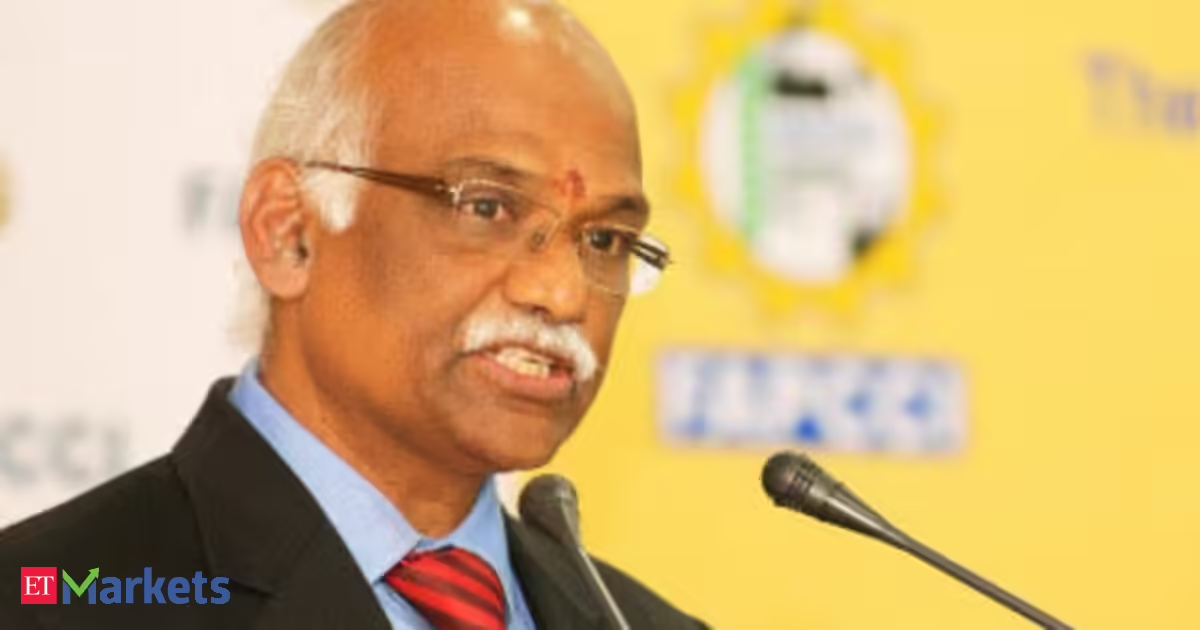
In a policy announcement that was brief, concise, and directly addressed multiple concerns, the Reserve Bank of India (RBI) left markets with a clear sense of direction amidst global uncertainties. Speaking to ET Now about the key takeaways from the monetary policy, former RBI Deputy Governor R. Gandhi shared his insights on the tone and implications of the latest moves.
“The MPC’s assessment and the final decisions were all on expected lines. There is no surprise in terms of their assessment or the final action, so that is the first thing. What further information that we can derive out of MPC is the projection, so their forecast both on GDP and inflation—that is where the likely discussion is going to be among people in all the stakeholders, how to assimilate those changes vis-à-vis the earlier forecast. That is what a quick reaction that much,” Gandhi said.
The Monetary Policy Report (MPR) revealed an upward revision in crude oil price assumptions, from $75 to $85 per barrel, reflecting heightened uncertainty from the West Asia crisis. On navigating policy in such scenarios, Gandhi noted the RBI’s comprehensive approach.
“Obviously, the central banks having access to various data points. Their model is much-much larger in terms of parameters that are being watched and fed into the model. Whereas just now, as I mentioned, the analysts who have their own model, they will have a very quick assessment kind of. Because obviously being part of the policymaking hierarchy, they get access to all such parameters, that is one. And two, their research team is also very-very focused, longstanding, credentials in terms of expertise built over the period, so that way their assessment will always be more sanguine in terms of not volatility or their intention to keep the assessment slow, that is not the intention, that model itself brings out that kind of stability. So that is one point.”
Advertisement
Gandhi emphasized that markets need to assess their own stance based on their risk appetite but should remain mindful of the RBI’s proactive posture.
Live Events
“So, what you are asking is that based on this, what the market should think about, how to reassess their own stance, their own actions based on this assessment, that is of course depending upon each entity’s risk appetite and risk-taking capacity—they may have a different view on that. But one thing what everyone should be clearly keeping in mind is that anything going to extreme, the pulse maker will always come in the way. Just as we have seen in the last two weeks when the rupee was quite volatile, and to bring in a sense of sanity, the Reserve Bank had to use certain tools which are harsh in normal course. Obviously, sometime when the restoration takes place, they will definitely be revisiting that and drawing those tools in operation. That is par for course that way. So that way, market should take cue from the strong message MPC and Governor Reserve Bank is telling—that we are watchful, we will be proactive, and we will be pre-emptive also. So, those are the three things always remember.” Analysts see the RBI’s current stance as a stabilizing force for markets, signaling that while global shocks may persist, the central bank is prepared to act decisively to mitigate volatility and maintain economic equilibrium.
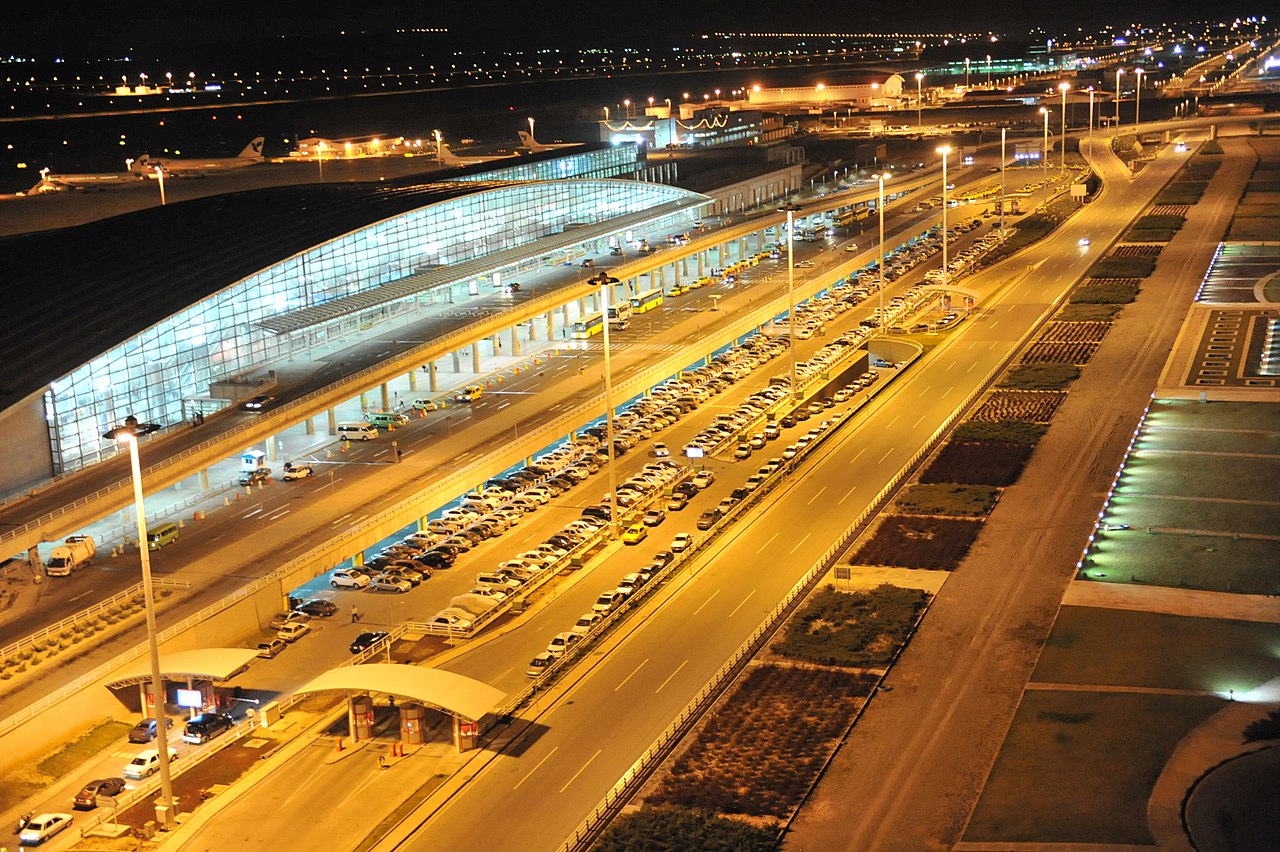
TEHRAN, Iran — Imam Khomeini International Airport (IKA), Iran’s primary gateway for international travel, stayed mostly shuttered for routine commercial flights on Wednesday, with only a handful of pre-authorized or military-linked operations reported as the country navigated the fragile two-week ceasefire framework announced by President Donald Trump and Iranian officials.
Tehran Imam Khomeini International Airport
Flight tracking sites and aviation authorities showed near-zero commercial activity at the airport south of Tehran on April 8. Major trackers including FlightStats and Flightradar24 listed no departing or arriving commercial flights during much of the day, while scattered reports of Mahan Air cargo or limited long-haul movements to destinations such as Beijing and Shanghai appeared tied to special permissions rather than normal schedules.
The airport has operated under severe restrictions since late February when the U.S.-Israeli military campaign against Iranian targets escalated, triggering retaliatory actions and widespread airspace closures across the region. Iranian NOTAMs (Notices to Airmen) have repeatedly extended prohibitions on civilian aviation in the Tehran Flight Information Region, citing security concerns and active air defense measures. Even after the ceasefire announcement late Tuesday, no immediate full reopening was declared.
The Civil Aviation Organization of Iran and airport management have not issued a clear timeline for restoring normal operations. Officials urged passengers to avoid traveling to the facility unless they hold confirmed tickets on the extremely limited wartime schedule or are collecting arriving passengers on approved flights. Foreign carriers, including Turkish Airlines, Emirates and others, have suspended service to Tehran for weeks, with many extensions running into late April or beyond.
A small number of flights, primarily operated by Iranian carriers such as Mahan Air or Iran Air, continued on a case-by-case basis with prior military clearance. These included occasional cargo or repatriation movements, but passenger capacity remained heavily restricted and subject to last-minute cancellation. International airlines continued to reroute around Iranian airspace, adding hours and costs to long-haul routes between Europe, Asia and the Middle East.
Advertisement
The situation mirrors challenges seen at other regional hubs during the conflict. Like Ben Gurion Airport in Israel, IKA has balanced limited civilian needs with heavy military use of facilities and surrounding airspace. Damage reports from earlier strikes near radar installations and infrastructure added caution to any resumption plans. Airport terminals appeared quiet, with reduced staff handling essential services for the few movements that occurred.
Travelers face significant hardship. Thousands of Iranians and foreign nationals remain stranded abroad or inside Iran, with many seeking overland routes through neighboring countries or waiting for rare approved flights. Families separated by the conflict have shared stories of canceled weddings, medical treatments and business trips. Ticket sales for departures from IKA stayed largely suspended, and refund processes proved slow and complicated.
The two-week ceasefire, which hinges on safe reopening of the Strait of Hormuz and de-escalation steps, has raised cautious hopes for gradual normalization of aviation. Iranian officials indicated that once the Home Front Command and military authorities declare conditions safe, civilian flights could resume incrementally. However, as of Wednesday morning, no such declaration had come, and NOTAMs restricting Tehran FIR remained in effect or recently extended.
Aviation experts noted the unprecedented strain on Iran’s air transport sector. IKA normally handles millions of passengers annually, serving as the main hub for long-haul connections to Europe, Asia and the Persian Gulf. The prolonged closure has hurt tourism, trade and the national carrier Iran Air, while boosting demand for alternative routes via Turkey, Armenia or indirect connections through the Gulf. Cargo operations have also suffered, affecting supply chains for essential goods.
Advertisement
Inside the airport, security remained heightened. Passengers on the few permitted flights underwent enhanced screening, and terminal areas outside active gates stayed mostly empty. Maintenance crews continued routine work in preparation for eventual full reopening, but daily activity stayed far below normal levels. The public was generally advised to stay away to reduce congestion and security risks.
Broader economic impacts ripple far beyond aviation. Exporters relying on air freight, businesses with international ties and the tourism sector — already strained before the conflict — face extended recovery timelines. Iranian authorities have coordinated with neighboring countries for limited land border crossings, though those options carry their own logistical and security challenges.
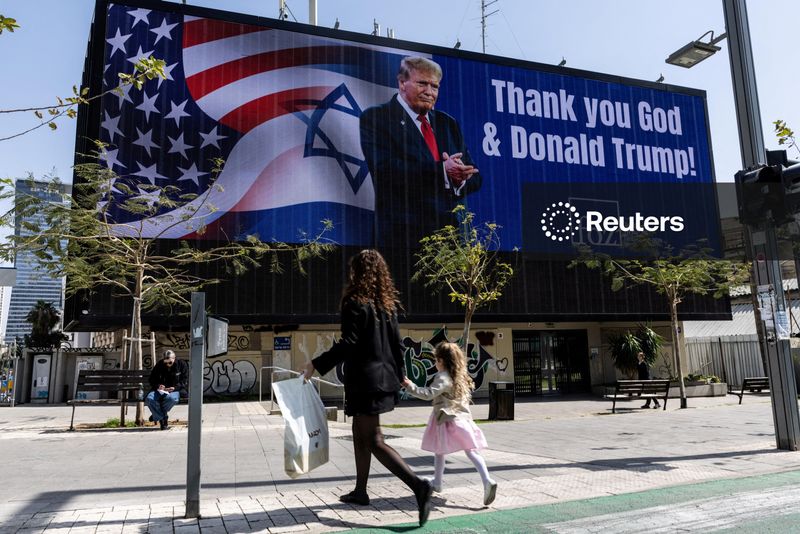
The ceasefire framework announced by Trump, involving a temporary suspension of attacks in exchange for Iranian commitments on maritime safety, offers a potential off-ramp. Yet analysts warn that any violation or breakdown could quickly reimpose full closures. Markets reacted positively to the news with falling oil prices and rising equities, but aviation insiders remain focused on ground-level implementation rather than headlines.
For now, IKA stands as a symbol of how conflict can ground even vital infrastructure. Its modern terminals, expanded in recent years to accommodate growing traffic, now echo with far fewer footsteps. Ground handlers and airline staff manage skeletal operations while awaiting clearer guidance from Tehran and military command.
Advertisement
Travelers with urgent needs continue monitoring official channels, airline apps and sites such as Flightradar24 for any updates. The Iranian Civil Aviation Organization’s website and airport social channels provide the most authoritative notices, though information sometimes lags behind fast-moving events. Those already holding tickets on limited flights should confirm status directly with carriers and arrive with extra time for security protocols.
As April 8 progressed with no major new announcements, many Iranians checked news sites and flight trackers hoping for signs of normalization. The two-week window provides breathing room for diplomacy, but full restoration of IKA’s busy schedule could take additional days or weeks even after a sustained truce.
The airport’s resilience has been tested before during periods of regional tension, with operations typically rebounding quickly once threats subside. Yet the scale and duration of the current disruptions — involving direct strikes and prolonged airspace closures — mark this as one of the most challenging episodes in its history.
For the global community with ties to Iran, the status of Imam Khomeini Airport carries both practical and symbolic weight. Safe and open skies represent a return to normalcy; their restriction underscores the human and economic costs of prolonged instability.
Advertisement
As the day continued without a breakthrough reopening, passengers and airlines alike prepared for more uncertainty. The coming hours and days will determine whether the ceasefire translates into tangible relief for travelers or remains a fragile pause in a volatile chapter.
Authorities continue to emphasize that safety remains the top priority. Any resumption will follow careful assessment by Iranian military and civilian officials. In the meantime, IKA operates in survival mode — open in name but far from business as usual.
A public spat has broken out among China’s leading artificial intelligence companies as they rush to fill the void left by US startup Anthropic’s decision to cut off access to its Claude models through OpenClaw, a popular open-source AI agent tool.
Key takeaways
Anthropic’s decision to block Claude’s access to third-party tools like OpenClaw has handed Chinese rivals MiniMax and Xiaomi a ready-made recruitment opportunity.
Shanghai-based MiniMax publicly accused Anthropic of stifling AI innovation by locking subscriptions to its own first-party products.
The clash is unfolding amid a worsening global shortage of computational power, driven by surging demand for AI tokens from the rapid growth of AI agents.
Anthropic announced on Sunday that Claude subscriptions would no longer cover usage on third-party tools like OpenClaw, citing the need to prioritise existing customers of its own products.
The decision has sent ripples through the AI developer community and opened a window of opportunity that Chinese rivals have been quick to exploit.
Companies MiniMax and Xiaomi both moved swiftly, encouraging users to switch to their own token subscription plans in the wake of Anthropic’s announcement.
But the competition has not been without friction. Shanghai-based MiniMax took to X to publicly accuse Anthropic of damaging the broader AI community through its new restrictions, arguing that more good ideas of how to use AI come from outside AI labs than within them, and that limiting subscriptions to first-party products stifles innovation before it can take hold.
Advertisement
The commercial battle is unfolding against a broader and more troubling backdrop. The explosive growth of AI agents has triggered a dramatic surge in demand for AI tokens, the core unit by which AI usage is measured, raising serious questions about whether the industry can sustainably meet that demand amid a worsening global crunch in computational power.
Analysts are watching closely to see whether Anthropic’s move reflects a strategic retreat or a necessary triage, and whether Chinese companies can convert the moment into lasting market share, or whether the same resource constraints that pressured Anthropic will ultimately close in on them too.
Brits are freezing home moves amid fears mortgage rates could soar
Felix Armstrong www.cityam.com
07:59, 08 Apr 2026
Houses for sale(Image: Mirrorpix)
House prices dropped in March as the uncertainty caused by conflict in the Middle East stifled the property market and spiked fears of interest rate rises. Average house prices fell 0.5 per cent last month, reversing the modest 0.3 per cent February increase, according to Halifax’s house price index.
Advertisement
It is the latest signal the Iran war is shaking confidence in the UK property sector as Britons freeze home moves amid fears mortgage rates could soar. The average property price fell to £299,677 in March, as annual price growth slowed to 0.8 per cent, down from 2.1 per cent in February.
Property prices continue to slump in London, down 1.2 per cent in the year to March, to an average of £536,751, as reported by City AM.
Amanda Bryden, head of mortgages at Halifax, said: “The recent slowdown in the housing market reflects the wide uncertainty regarding the conflict in the Middle East.
“Concerns about higher energy prices have pushed up inflation expectations, which in turn led to a rise in mortgage rates, reducing confidence that interest rates will be cut this year and dampening the initial momentum in the market seen at the start of the year.”
Advertisement
Recent data showed signs the UK’s property market was beginning to recover from a subdued period surrounding the Budget, before the Iran war broke out.
Mortgage approvals rebounded in February following a two-year low the previous month, with other house price indices indicating the market was gradually regaining momentum in February and March.
However, experts remain split over whether the Iran war – which housebuilders claim has dented buyer confidence – will present a prolonged threat to the property market.
The Iran war prompted lenders to withdraw mortgage products at considerable speed, with the number of available deals having fallen by a fifth since hostilities began.
Advertisement
Last week, analysts at Nationwide warned that the prospect of multiple Bank of England interest rate rises this year – despite several cuts having been anticipated just months ago – could push mortgage rates higher, undermining affordability.
Bryden noted that the mortgage rate increases witnessed so far remain below those triggered by Liz Truss‘ notorious 2022 mini-Budget.
Several housebuilding firms have urged the government to improve affordability for first-time buyers, which would subsequently stimulate the market by making new home construction more commercially viable.
Major property industry players – including estate agency Foxtons and housebuilder Berkeley – have indicated that government regulation and tax policies are creating significant challenges for their operations.
Advertisement
Property consultants Knight Frank suggested that the two-week ceasefire brokered between the US and Iran on Tuesday night could provide a boost to the property market, though an immediate turnaround appears unlikely.
Tom Bill, head of UK residential research, said: “What goes up must come down, but for mortgage rates the drop will be more gradual than the sharp increase triggered by the Middle East conflict, even if the two-week ceasefire deal holds.
“Sentiment in the housing market will improve if the war stops, but its longer-term inflationary impact and weaker demand for UK government debt due its tight financial headroom and apparent inability to cut spending means mortgage rates won’t snap back to where they were in February.”
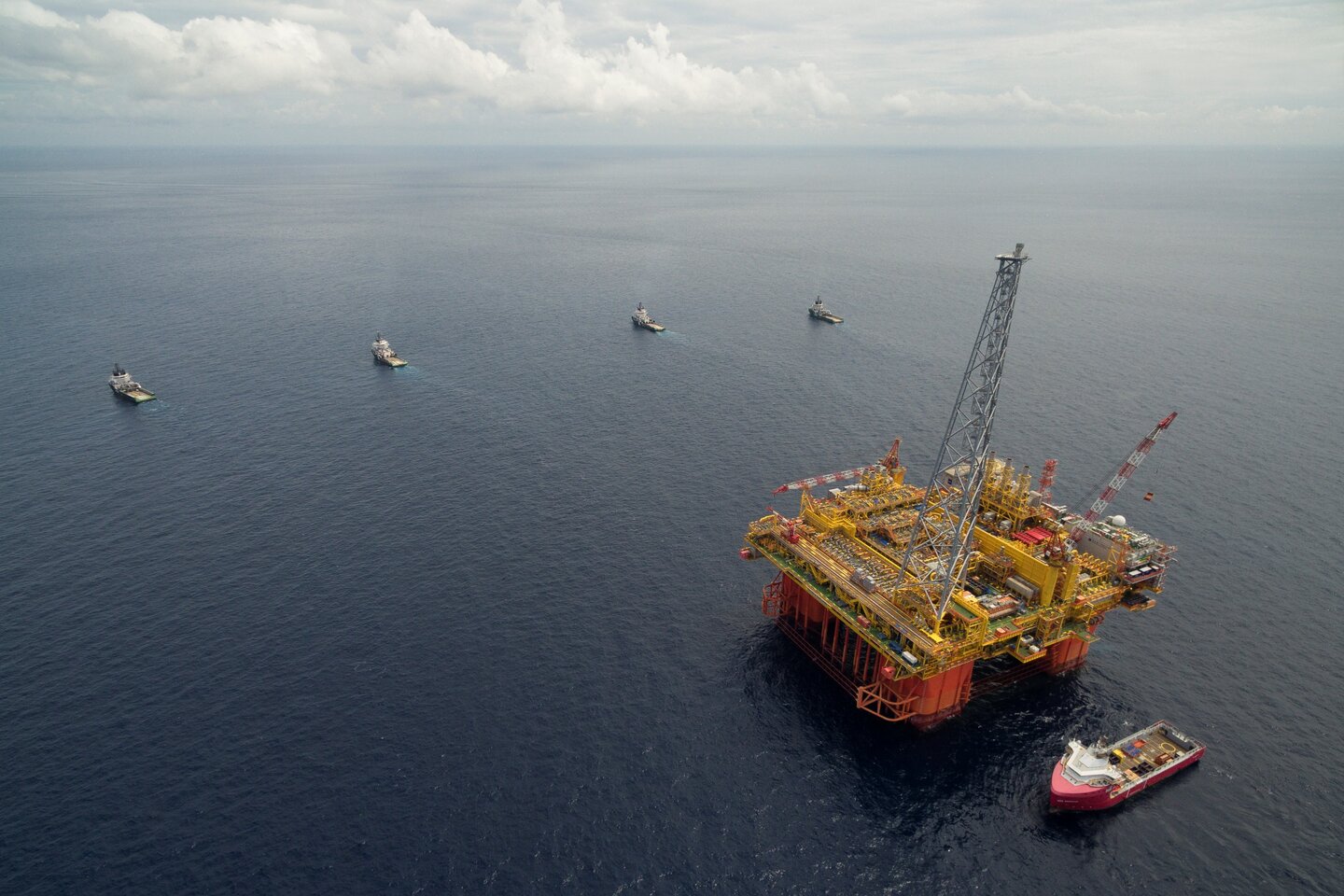
Union-aligned workers at Inpex’s Ichthys gas facility could walk off the job, after the Offshore Alliance applied to escalate stalled negotiations over conditions.

















































You must be logged in to post a comment Login