
Business
‘Reacher’ Star Faces Alleged Assault Incident as ‘War Machine’ Tops Netflix Charts


Alan Ritchson, the towering actor best known for portraying Jack Reacher in Prime Video’s hit action series, found himself at the center of controversy on March 22, 2026, after video surfaced allegedly showing him assaulting a neighbor in Tennessee in front of children. The incident, reported by TMZ, has drawn widespread attention amid Ritchson’s rising profile, fueled by the massive success of his Netflix sci-fi thriller “War Machine” and upcoming developments in “Reacher.”

The altercation reportedly occurred Sunday in a residential neighborhood. According to the complainant, identified as Taylor, Ritchson allegedly sped through the area multiple times, once with two young children on motorbikes. On the day in question, Taylor confronted Ritchson, leading to a physical scuffle captured on video. The footage appears to show Ritchson striking the neighbor repeatedly. No arrests or charges have been confirmed as of March 23, and Ritchson’s representatives have not issued a public comment. The video’s release has sparked debate on social media, with some fans defending the actor’s actions as self-defense while others criticize the escalation.
The timing coincides with Ritchson’s career peak. His Netflix film “War Machine,” released March 6, 2026, has dominated streaming charts, holding the No. 1 spot for nearly two weeks and officially becoming the most-watched Netflix movie of the year so far. Directed by Patrick Hughes and positioned as Netflix’s sci-fi answer to “Predator,” the film follows Army Ranger recruits hunted by an extraterrestrial killing machine during a final training mission. Ritchson stars as a haunted combat engineer leading the unit.
Early reviews praised the high-energy action, practical stunts and Ritchson’s physical presence. A behind-the-scenes featurette highlighted grueling sequences, including Ritchson undergoing Ranger Assessment and Selection Program (RASP) bootcamp simulations, dragging co-stars through mud and navigating glacial rapids. Collider and other outlets noted its record-breaking debut, surpassing January’s “The Rip” starring Matt Damon and Ben Affleck. Discussions of a sequel have intensified, with Ritchson and Hughes confirming ideas for continuation.
The success builds on Ritchson’s momentum from “Reacher,” Prime Video’s flagship action series based on Lee Child’s novels. In a Collider interview promoting “War Machine,” Ritchson confirmed “Reacher” Season 4 wrapped production and will premiere on Prime Video in 2026. “It’s by far the best season we’ve had yet,” he said, teasing roughly 30 fight sequences across eight episodes — a franchise record. The season adapts “Gone Tomorrow,” one of Child’s most acclaimed entries, promising intense action and character depth.
A “Reacher” spin-off centered on Frances Neagley, played by Maria Sten, has also completed filming, with Ritchson expected to appear. No specific dates have been announced for either project, but the updates have thrilled fans awaiting more from the muscular, no-nonsense hero.
Ritchson’s path to stardom accelerated with “Reacher,” which launched in 2022 and quickly became Prime Video’s most-watched series. His 6-foot-3, 235-pound frame and commitment to practical stunts — often performing his own fights — have made him a go-to action lead. Previous roles include Aimes in “Fast X” (2023) and comedic turns like “Playdate” with Kevin James. Upcoming credits include “Motor City” and an untitled Amazon MGM Studios project as Navy SEAL Mike Thornton, plus “The Man with the Bag,” listed as completed.
Off-screen, Ritchson maintains a low-key family life. He married high school sweetheart Catherine in 2006 after meeting in a ballet class. The couple shares three sons: Calem (born 2012), Edan (2013) and Amory (2015). For years, they lived nomadically in Airbnbs and hotels to stay together during filming, but recent reports indicate they’ve settled more permanently, with the children in school and Ritchson traveling solo for work. He frequently shares humorous family moments on social media, including the chaos of raising boys and tattoos honoring them.
The Tennessee incident has overshadowed these positives for now. Legal experts suggest potential charges could range from assault to disorderly conduct, depending on investigation outcomes. Ritchson’s clean public image — often described as humble and family-oriented — contrasts sharply with the allegations, prompting calls for more details.
As “War Machine” continues streaming dominance and “Reacher” Season 4 approaches, Ritchson’s star power remains undeniable. The actor, 43, has transformed from supporting roles in shows like “Smallville” and “Blue Mountain State” to leading major franchises. His dedication to fitness and authenticity in action roles has earned praise from co-stars and directors.
Fans await resolution on the neighbor dispute while anticipating more high-octane performances. Whether defending himself or facing consequences, Ritchson’s 2026 trajectory — marked by blockbuster streaming success and franchise expansions — positions him as one of Hollywood’s premier action stars.
With “Reacher” loyalists counting down to Season 4 and “War Machine” sparking sequel buzz, the year promises continued momentum, even amid personal headlines.


Last week’s stock market rebound—the best over a seven-day period since February 2021–hinges on the broad direction of oil prices in the aftermath of seemingly inconclusive talks in Islamabad, although Reuters cited shipping data to report the passage Saturday of three fully laden super-tankers through the Strait of Hormuz that accounts for a fourth of the global oil trade. “The market would see a gap down opening, though there should not be panic,” said Sham Chandak, head of institutional equities at Elios Financial Services.
“The market will take cues from oil prices, which are at the centre of this conflict.”
Last week, India’s equity indices climbed 6%, snapping a relentless six-week losing run, after the announcement of two-week truce. Oil slumped below $100 a barrel to $95.2 Friday, having climbed to nearly $120 in the immediate aftermath of the war.
For the currency, the bias would likely be weak, too. Stage-gated central bank curbs on speculative trading helped the rupee climb from record lows last week and those regulations could still provide the bulwark against a currency slide due to the oil prices, but the gains are expected to be capped if geopolitical concerns resurface.

The rupee’s upside may be capped in the 92.40/$ to 92.50/$ range in the absence of a further retreat in oil prices. On the downside, the central bank is expected to step up intervention around the 94.80/$ level, which is the currency’s record closing low.
‘TENTATIVE’
“Most avenues for speculative trades have been shut, so the market is now largely left with hedgers and market makers. That does make liquidity thinner, but at this point, stability is more important,” said Anindya Banerjee, head of commodity and currency, Kotak Securities.Banerjee expects meaningful intervention by the central bank at levels beyond 94.50/$, as these levels are psychologically very significant.
The rupee depreciated 10% in FY26, from 85.75/$ in April to close at 94.83/$ on March 31. The currency deprecated more than 4% in March alone, after the war started.
To curb the pace of deprecation, the Reserve Bank of India (RBI) came up with two back-to-back circulars on March 27 and April 1, restricting arbitrage trades between offshore and onshore markets.
“Currently, the ‘tweet risk’ outweighs traditional risk concerns. Despite talks of a ceasefire, the absence of a definitive agreement continues to sustain uncertainty,” said Kunal Sodhani, head of treasury at Shinhan Bank India. “This is evident in crude oil prices, which remain elevated in the $95–$100 per barrel range instead of easing meaningfully.”
‘ALL ISN’T LOST’
To be sure, market participants across asset classes expect the two-week time window to be fully utilised to hammer out a solution that is reasonably durable. “The market is cognisant of the fact that the current ceasefire expires on April 22. So there is still time for the parties involved to negotiate,” said Elios’ Chandak.
Some expect short sellers to return, pushing stock prices lower.
“The markets are expected to react negatively to the failure of talks and that is likely to imbue volatility,” said A Balasubramanian, managing director and CEO, Aditya Birla Sun Life AMC. “But typically, these dialogues involve a lot of back and forth and a strong outcome can’t be expected in a single day of talks.”
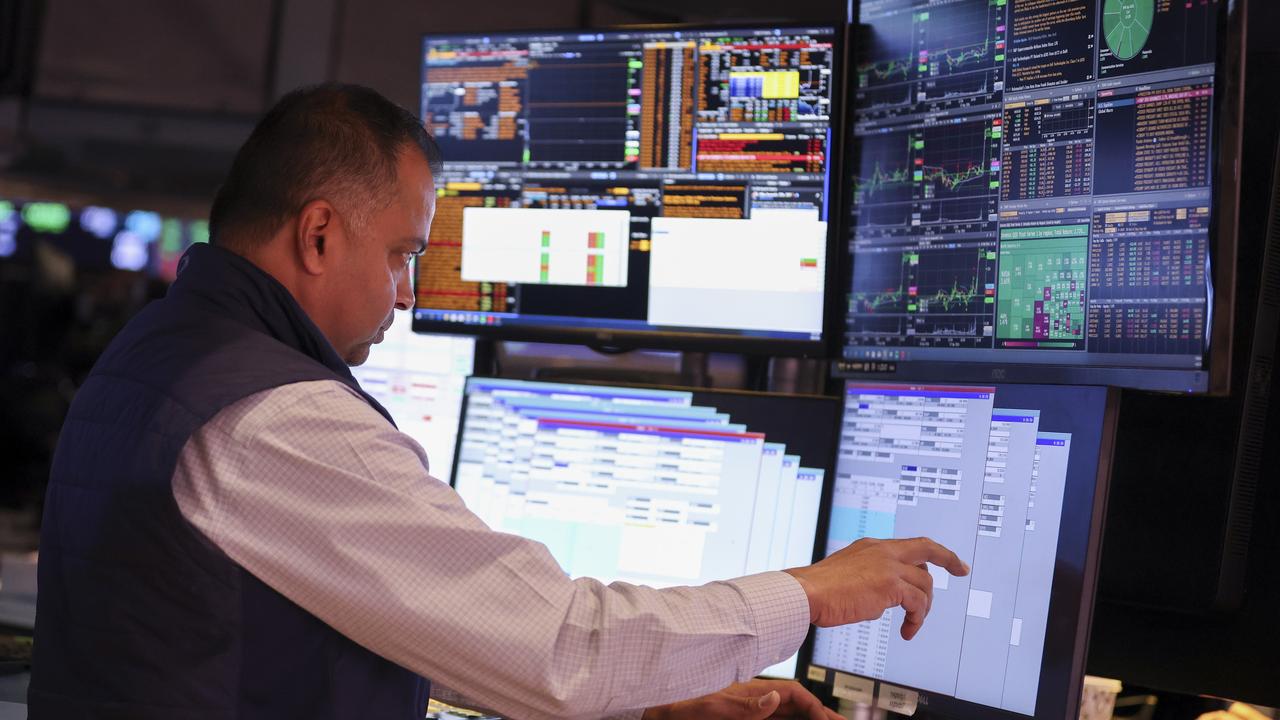
US stocks have closed mixed, with investors pressing pause as they headed into the weekend and kept an eye on ongoing Middle East peace negotiations.

Trump lashes out at Pope Leo over criticism of foreign policy
They are understood to have passed off some of the arbitrage deals, which were hit by the recent regulatory directives, as transactions done to hedge the capital received from overseas parents, two persons told ET.
Arbitrage deals are cut to profit from price differences in the local foreign exchange forward market and the offshore market for non-deliverable forwards (NDFs).
Banks were forced to unwind these deals after the Indian regulator slapped a uniform limit of $100 mn on the net open position (NOP) a
bank can have onshore.
However, some MNC banks are showing the capital that has come in earlier or flowed in recently from their head-offices as underliers for the onshore forward leg in the arbitrage deals. Thus, this buy-dollar forward contract with a proper underlier is shown as a transaction to cover the risk arising from a slide in the rupee – and not as any part of an arbitrage deal.
Foreign banks function as branches in India which are part of the global books. The capital coming in as dollars or euros into an MNC bank’s India operations, are converted into rupees to support and grow the business here.
“Technically, this may be a response to the NOP limit. But whether this explanation would stand regulatory scrutiny is unclear as RBI may tend to look into the timeline – when the capital came in, when the forward deals were struck, which of these are now claimed as hedges, how they were accounted for, etc. Also, are there communications between India and the HQ to back the explanation?” said another person.THE NDF DEALS
When the rupee comes under pressure, banks cut arbitrage deals by buying dollar forward in India and selling dollar forward in the NDF market which has been flourishing in London, Singapore, Hong Kong, and New York since the ‘90s when foreign portfolio managers,hedge funds and others explored ways to bet on the USD-INR rate following partial convertibility of the rupee.
Typically, when geopolitical turmoil and sell off by foreign funds pulls down INR, the USD trades a little stronger (and INR quotes a tad weaker) in NDF compared to the onshore market. So, the USD-INR rate is higher in NDF than the forward USDINR rates in India.
MNC and Indian banks cash in on this by buying USD in the onshore forward market, and simultaneously selling USD-INR in the NDF market. Forward contracts with tenures of one to three months are the most liquid.
RBI came down heavily as the banks with their arb deals were providing liquidity to hedge funds and other international speculators who were shorting the INR. When these players shorted INR, they went long on USD and therefore bought USD-INR forward contracts in NDF. Their counterparties were the Indian banks selling USDINR forwards in the NDF – the offshore leg in the two-legged arbitrage deals.
REGULATORY BYPASS
The central bank, which rushed in with restrictions in two phases, had also taken an exception to the practice of corporates in India, who cannot access the NDF, using banks to enter the offshore market. Since USD-INR was slightly higher in NDF, large corporate exporters would sign forward deals with banks in India which did a backto-back deal in the NDF market to offer the companies rates that are very close to the NDF rate – thus, allowing clients to convert more rupees from their export proceeds. This partly shifted liquidity from the onshore to offshore market.
While a forex dealer or a corporate treasurer may find such company-bank-NDF deals kosher, legal practitioners would find them in violation of the central tenet of the Foreign Exchange Management Act: what cannot be done directly, cannot be done indirectly.

IXN: Global Tech Leadership Remains, Eyeing A New Record High
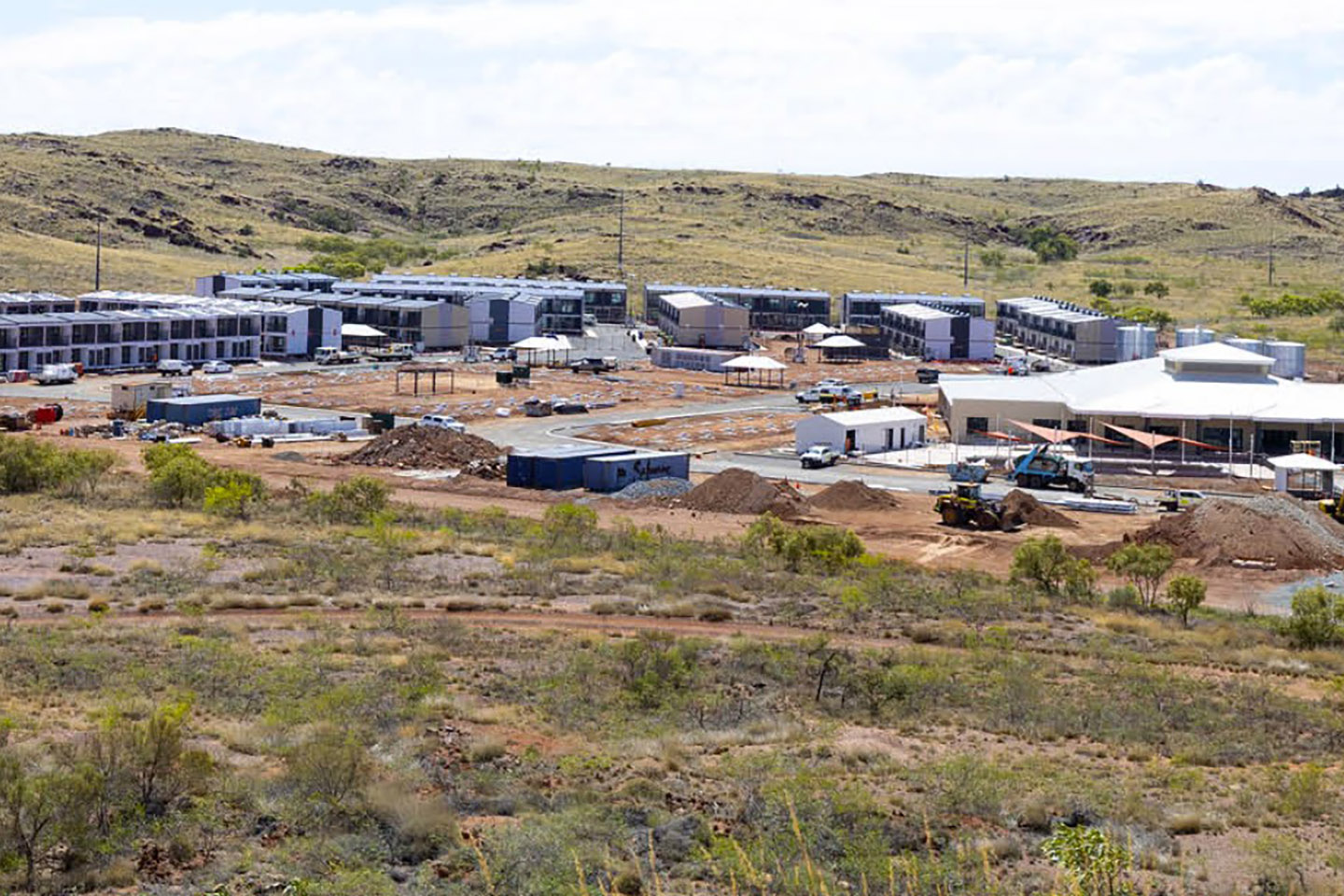
The flexible design of a large modular camp on the outskirts of Karratha could lend itself to townhouse living.

US Foods Holding: A Truly Defensive Winner Of The Trade-Down Economy
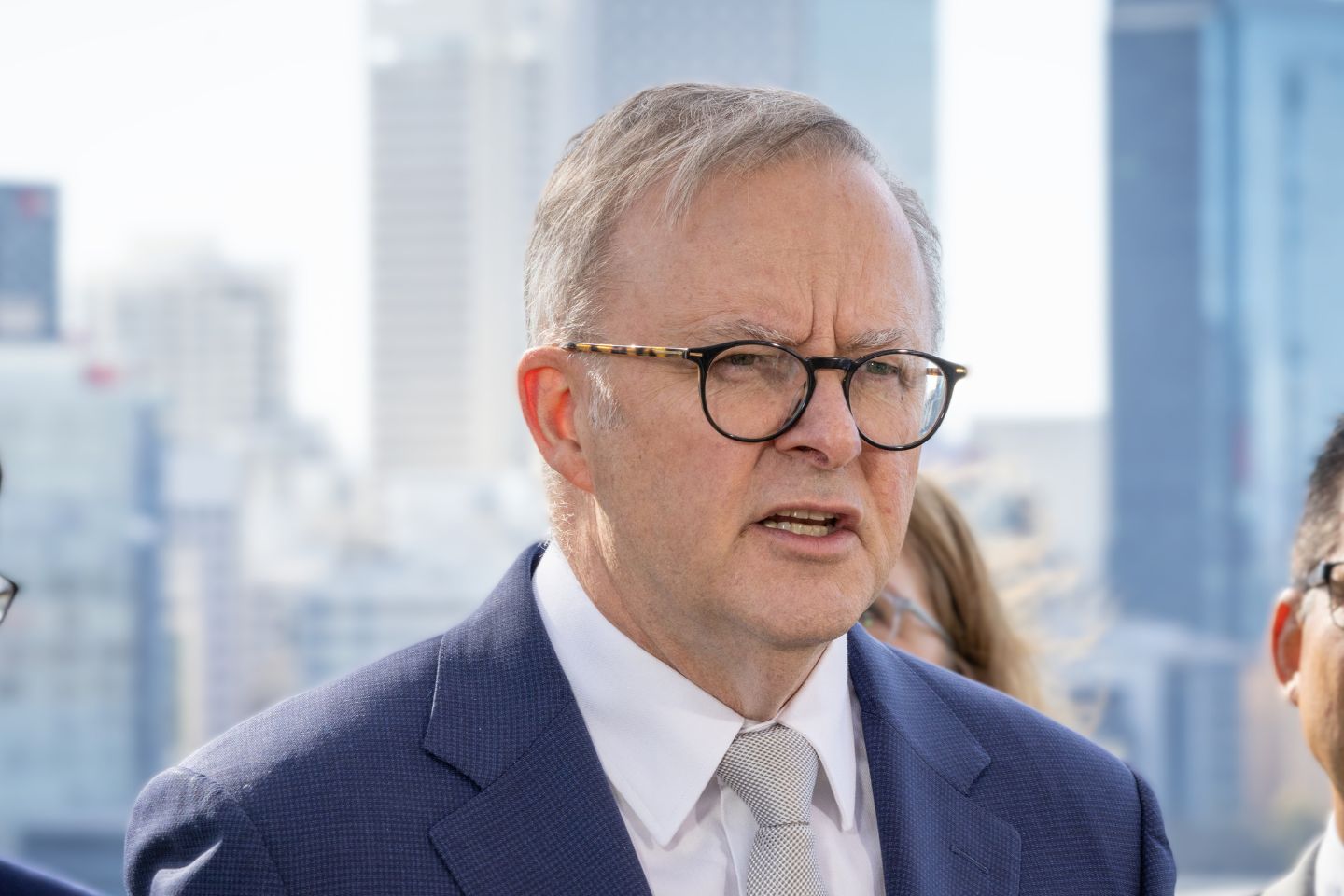
Australia has not been asked to help stop ships travelling through the critical Middle East waterway and doesn’t expect to be, the prime minister says.

The long-short ratio-the proportion of bullish (long) positions to bearish (short)-of foreign portfolio investors’ Nifty futures wagers rose to 22% on Friday, close to the 18-21% range seen in the last week of February before the start of the US-Iran clash on February 28.
The reading had fallen to 9.9% on March 13 and stayed between 10% and 18% for most of the fighting period as these investors had increased the hedges against their portfolios. The ratio had made a lifetime low of 5.98% on September 30, 2025.
 ET Bureau
The short covering came amid Nifty’s weekly gains of 5.9% until Friday, when it ended at 24,050.6, its highest closing level in a month.
“FIIs had begun covering shorts in the derivatives segment in the past few days, signalling early reversal cues,” said Nilesh Jain, head of technical and derivatives research, Centrum Finverse.. “Friday’s return to buying in the cash market after multiple sessions is a positive development and could support further pullback alongside continued short covering.”
FPIs were buyers to the tune of ₹672 crore in the cash market on Friday, after remaining sellers in all trading sessions in March and April so far. Further cuts in bearish positions will depend on the progress of the US-Iran talks, which began on a sour note over the weekend . “While the long-short ratio has improved due to short covering, we do not see many fresh long additions, suggesting that FIIs remain cautious rather than bullish,” said Siddarth Bhamre, head of institutional research at Asit C Mehta. “Continued selling in cash markets with one day of pause is not a sign of a U-turn in sentiment.” Since end of September 2024, when the downtrend in Indian equities kicked in, the long-short ratio of FPIs’ Nifty futures positions has mostly stayed between 10% and 20%, indicating predominantly bearish bets. Before the slide started, the reading was at 81%.
Somil Mehta, head of retail research at Mirae Asset Sharekhan said the shift in the ratio is yet to show foreigners are back to their bullish ways. “Sustained improvement in their sentiment will depend on stability in global factors like crude oil prices and geopolitical developments,” he said. The progress in companies’ fourth quarter earnings will be one of the factors for foreigners to revisit their stance on Indian equities.
“If earnings remain under pressure, valuations may not be attractive to foreign investors. They are also likely to wait for currency stability in India,” said Bhamre.
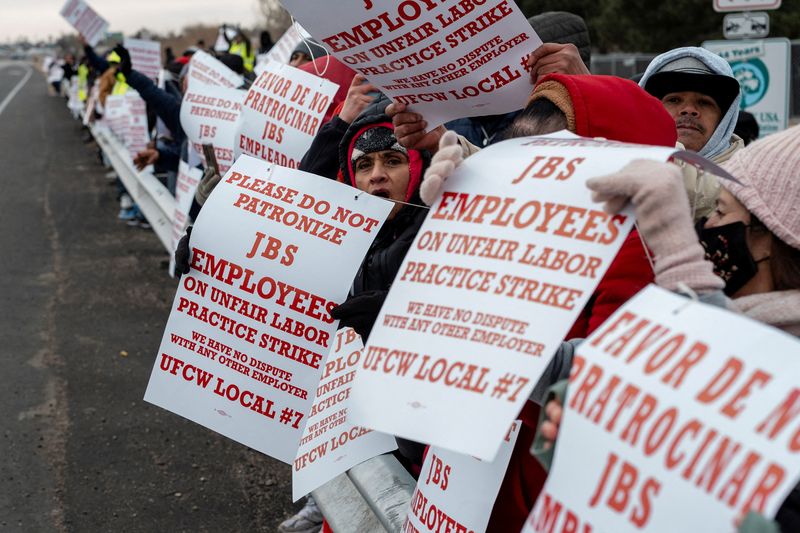

Meatpacker JBS reaches tentative agreement with striking Colorado workers

How to keep an older iPad safe, reliable & useful over time

Abandoned Hospital With Everything Left Behind After Financial Collapse

Lawn will be full of flowers and butterflies if gardeners avoid 1 task in spring


-

 Politics2 days ago
US brings back mandatory military draft registration
-

 Fashion2 days ago
Weekend Open Thread: Veronica Beard
-
 Sports2 days ago
Man United discover Nico Schlotterbeck transfer fee as defender reaches Dortmund agreement
-

 Tech5 days ago
How Long Can You Drive With Expired Registration? What Florida Law Says
-

 Politics12 hours ago
World Cup exit makes Italy enter crisis mode
-

 Crypto World4 days ago
Canary Capital Files SEC Registration for PEPE ETF
-

 Fashion7 days ago
Massimo Dutti Offers Inspiration for Your Summer Mood Board
-

 Business2 days ago
Tesla Model Y Tops China Auto Sales in March 2026 With 39,827 Registrations, Beating Cheaper EVs and Gas Cars
-

 Fashion5 days ago
Let’s Discuss: DEI in 2026
-

 Crypto World5 days ago
Bitcoin recovers as US and Iran Agree a Ceasefire Deal
-

 Politics3 days ago
Malcolm In The Middle OG Turned Down ‘Buckets Of Money’ To Appear In Reboot
-
 NewsBeat4 hours ago
Pep Guardiola and Gary Neville agree over Arsenal title problem that benefits Man City
-

 Business3 days ago
OpenAI Halts Stargate UK Data Centre Project Over Energy Costs and Copyright Row
-

 Business1 day ago
Ireland Fuel Protests Enter Day 5 as Blockades Spark Shortages and Government Prepares Support Package
-

 Tech7 days ago
Italian court says Netflix must refund customers up to $576 over price hikes
-

 Tech7 days ago
Haier is betting big that your next TV purchase will be one of these
-

 Tech7 days ago
Gamer Restores the Original PlayStation Portal From Two Decades Ago
-

 Tech7 days ago
The Xiaomi 17 Ultra has some impressive add-ons that make snapping photos really fun
-

 Tech7 days ago
Samsung just gave up on its own Messages app
-

 Tech7 days ago
Save $130 on the Samsung Galaxy Watch 8 Classic: rotating bezel, sleep coaching, and running coach for $369
You must be logged in to post a comment Login