

Business
Redwire RDW Stock Surges 14% on Strong Q1 Results and Space Defense Contracts


JACKSONVILLE, Fla. — Redwire Corporation shares rose 13.94% to close at $17.49 on May 22, 2026, on the New York Stock Exchange as investors responded to the company’s first-quarter financial performance and continued contract momentum in space infrastructure and national security programs.
The stock traded in a daily range between $15.12 and $17.60 with above-average volume. In after-hours trading, shares moved slightly higher to around $17.53.
Q1 2026 Financial Results
Redwire reported first-quarter 2026 revenue of $82.4 million, up 28% year-over-year. The growth was driven by increased activity in its space infrastructure and national security segments. Gross profit reached $22.1 million with a gross margin of 26.8%.
The company posted a net loss of $1.8 million, or $0.03 per share, narrowing from a larger loss in the prior-year period. Adjusted EBITDA improved to $8.7 million. Redwire ended the quarter with $412 million in total backlog, representing a book-to-bill ratio above 1.2.
Key Contract Wins
Redwire secured multiple new contracts in recent months. The company was awarded a follow-on contract from the U.S. Space Force for the Cyber Resilience Orbital Platform program. It also received additional orders under existing agreements for spacecraft components and in-space manufacturing technology.
In April 2026, Redwire announced a partnership expansion with a major defense prime contractor for advanced deployable structures. The company continues to support NASA missions, including contributions to Artemis program hardware and commercial low-Earth orbit platforms.
Analyst Views
Analysts have maintained positive coverage. Roth MKM reiterated a Buy rating with a $22 price target in mid-May. Benchmark maintained a Buy rating with a $20 target. Consensus price targets cluster around $18 to $24, reflecting expectations for continued growth in defense and commercial space sectors.
Company Background
Redwire Corporation provides space infrastructure, components and services for civil, commercial and national security customers. The company went public in 2022 through a SPAC merger and has expanded through organic growth and strategic acquisitions. Its portfolio includes solar arrays, deployable structures, avionics, sensors and in-space manufacturing capabilities.
Redwire operates facilities across the United States and Europe. The company has supported more than 150 space missions and maintains a growing presence in both government and commercial markets.
Market Position
Redwire operates in a space economy experiencing strong growth driven by increased defense spending, commercial satellite demand and exploration programs. The company competes with larger aerospace firms while focusing on specialized infrastructure and components. U.S. government initiatives, including those from the Space Force and NASA, have created opportunities for specialized providers.
Shares have shown significant volatility in 2026, trading in a 52-week range between approximately $8.50 and $24. The May 22 movement reflected renewed investor interest following quarterly results and contract announcements.
Strategic Initiatives
Redwire continues to invest in its in-space manufacturing and biotechnology platforms. The company has demonstrated 3D printing capabilities in orbit and is developing pharmaceutical manufacturing processes for microgravity environments. These technologies are positioned for both government and commercial applications.
The company maintains a disciplined approach to capital allocation, focusing on high-margin programs and backlog conversion. Management has highlighted opportunities in responsive space and resilient architectures for national security customers.
Outlook Factors
Redwire has guided for continued revenue growth in 2026 with expectations for improving profitability. The company’s backlog provides visibility into future quarters. Management has expressed confidence in executing on existing contracts while pursuing new opportunities in both defense and commercial sectors.
Upcoming milestones include potential additional contract awards and progress on current programs. Analysts will monitor gross margin trends, cash flow generation and execution against full-year guidance in subsequent reports.
Broader Industry Context
The space sector has seen increased investment in 2026, particularly in areas related to national security, satellite communications and in-orbit servicing. Redwire’s focus on infrastructure components aligns with these trends. The company benefits from bipartisan support for space programs in Congress and growing commercial interest in low-Earth orbit infrastructure.

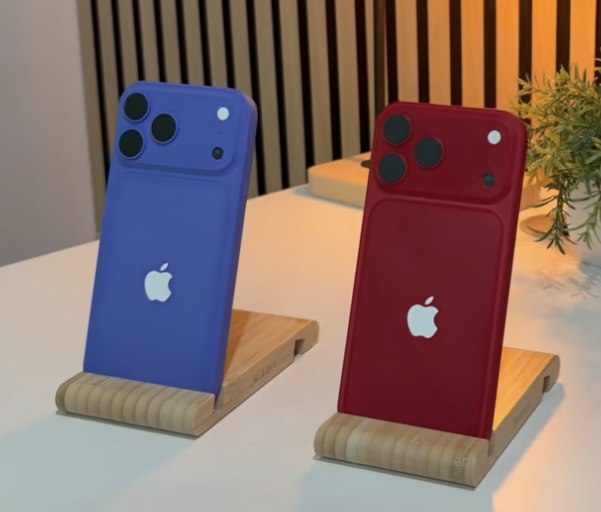
Apple is poised for one of its most consequential fall product launches in years, with the iPhone 18 Pro, iPhone 18 Pro Max, and the company’s long-anticipated first foldable iPhone all expected to go on sale in September 2026 — a trifecta of hardware that insiders and analysts say signals a fundamental shift in Apple’s smartphone strategy.
The launch cycle was effectively set in motion on June 8 at Apple’s Worldwide Developers Conference, where the company unveiled iOS 27 and released its first developer beta. The public beta is expected to go live in July, aligning with last year’s schedule and keeping the iPhone release timetable firmly on track.
A September Keynote — With a Twist
The special event keynote, where the new devices will be unveiled, is tentatively set for Wednesday, September 9, to avoid the Labor Day holiday on September 7. Apple rarely holds a keynote the day after a holiday, as it requires flying press and special guests to Cupertino.
If the announcement happens on Wednesday, September 9, pre-orders would begin on September 11, and new models would arrive on Friday, September 18. That timeline would represent a near-exact repeat of the previous year’s cadence, offering consumers and investors a predictable window for Apple’s biggest revenue quarter.
There is a caveat: if there are production hurdles with the foldable phone, possibly called the iPhone Ultra, that model may be announced alongside the iPhone 18 Pro and Pro Max but held back from going on sale by a few weeks — a strategy Apple employed with the Face ID-equipped iPhone X in 2017.
A Split Lineup Unlike Any Before
Perhaps the most significant strategic departure is not the hardware itself, but who gets it and when. Rather than launching the entire iPhone 18 lineup at once, Apple is reportedly planning to release only its premium models in September 2026 — the iPhone 18 Pro, iPhone 18 Pro Max, a new foldable iPhone, and potentially an updated iPhone Air — while the standard iPhone 18 and iPhone 18e would follow in spring 2027.
If accurate, this would mark the biggest change to Apple’s iPhone launch schedule since the lineup expanded beyond a single annual release. The move would effectively ensure that every device introduced at the September event starts at $999 or more, concentrating Apple’s flagship push squarely on the premium segment during the critical holiday shopping season.
The strategy reflects Apple’s shift toward premium positioning in its primary launch window and its focus on maximizing the debut impact of its first foldable device.
The A20 Chip and Under-Display Face ID
On the hardware side, the iPhone 18 Pro and Pro Max are expected to arrive with several meaningful upgrades. The anticipated launch will feature Apple’s new 2nm A20 chip, promising roughly 15% faster performance compared to the A19 Pro, along with improved efficiency for Apple Intelligence features, Apple’s new C2 modem, and a shift to under-display Face ID technology that will shrink the Dynamic Island for the first time.
Screen sizes are expected to remain unchanged at 6.3 inches for the Pro and 6.9 inches for the Pro Max.
The most talked-about camera upgrade is a variable aperture system on the Pro Max — a first for any iPhone. Where every previous iPhone camera has operated with a fixed aperture and relied on software to compensate for varying light conditions, the variable aperture mechanism would allow real hardware control over depth of field and low-light performance.
iOS 27 beta updates have also pointed to significant Siri AI upgrades and a further-refined Dynamic Island design.
New Colors, Familiar Frame
A Macworld source confirmed in April 2026 that there will be a new Dark Cherry color for the 2026 iPhone Pro, replacing the iPhone 17 Pro’s Cosmic Orange option. Other shades are said to include Light Blue, Dark Gray, and Silver.
The titanium frame and triple-lens camera layout will carry over from the iPhone 17 Pro. This is not a redesign year — it is an internals year.
Apple’s First Foldable iPhone
Alongside the Pro lineup, Apple’s first foldable iPhone is expected to debut in September with the iPhone 18 Pro and Pro Max. It is said to be a book-style foldable with a wide 4:3 aspect ratio, diverging from the more square design associated with Samsung’s Galaxy Z Fold line.
Samsung Display has secured an exclusive deal to produce the foldable OLED panels, and Apple has reportedly finalized its design ahead of mass production. The device is widely expected to carry a price tag above $2,000.
Whether the folding model launches simultaneously with the Pro devices or follows weeks later will be revealed at the keynote. Industry analysts caution that first-generation foldable devices typically see more meaningful refinements in follow-up releases, a dynamic that early adopters will need to weigh.
iOS 27 and the Road to General Release
The iOS 27 software will move from developer and public betas to general release around the Monday following the keynote. If the keynote takes place on September 9, the software is expected to land on September 14 or 15, making it available to any iPhone 11 or later.
First reviews of the new iPhones are expected to appear on or around September 15 or 16, with Apple likely sending early review units out to a small number of media on the day of the keynote to allow time for in-depth testing.
What It Means for Consumers
For buyers who typically choose the base iPhone model, the message from Apple this fall is straightforward: wait until spring 2027. For buyers on an iPhone 15 or older, or those who want the Pro model, September 2026 represents a genuine generational leap — the 2nm chip, the C2 modem, and under-display Face ID together constitute the most substantive hardware advance in several years.
Apple has not confirmed any details about the iPhone 18 lineup. The company is expected to make official announcements at its September special event.

KeyCorp outlook raised to positive by S&P on risk improvements

Construction Partners amends term loan agreement, increases borrowing by $300 million
Delta Air Lines raises quarterly dividend by 15%
Form 8K Principal Investment Grade Corporate ETF For: 18 June
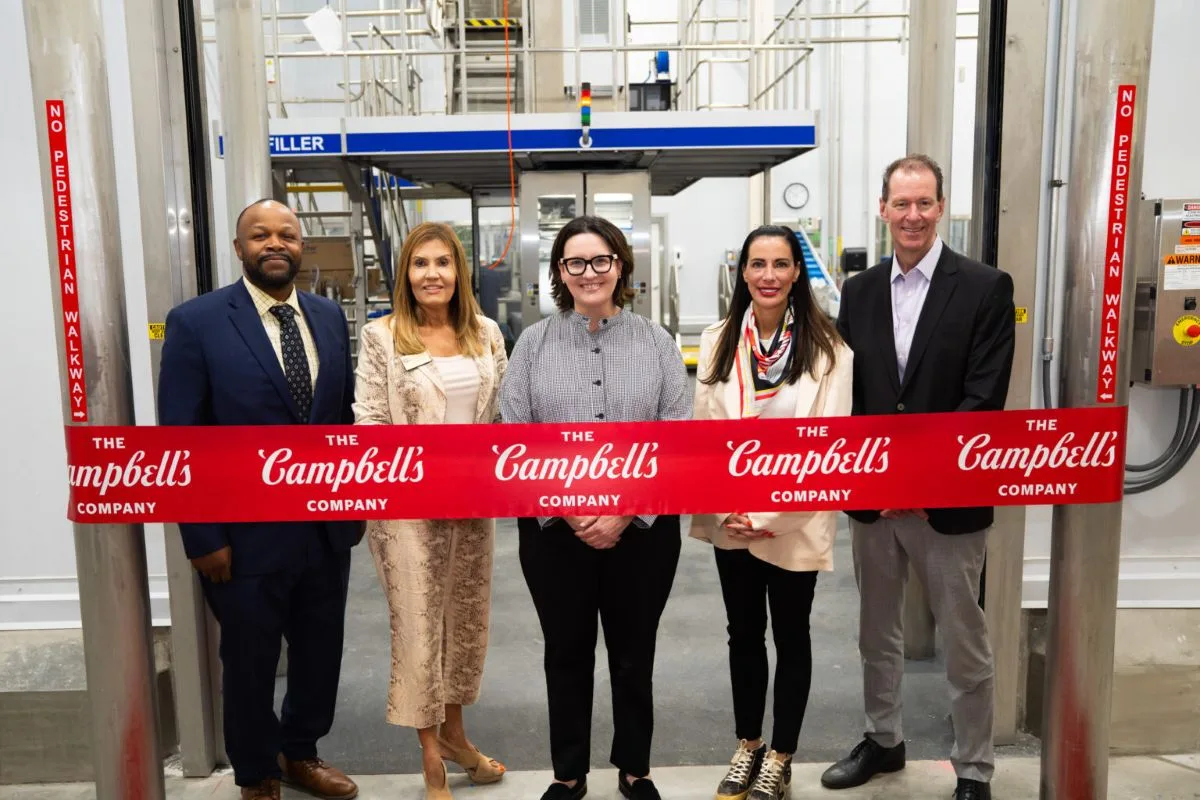

Maxton, NC., facility expansion will increase production capacity by 20%.

Kevin Warsh Is Taking Over the Fed. Why His First Meeting Could Slam the Stock Market.
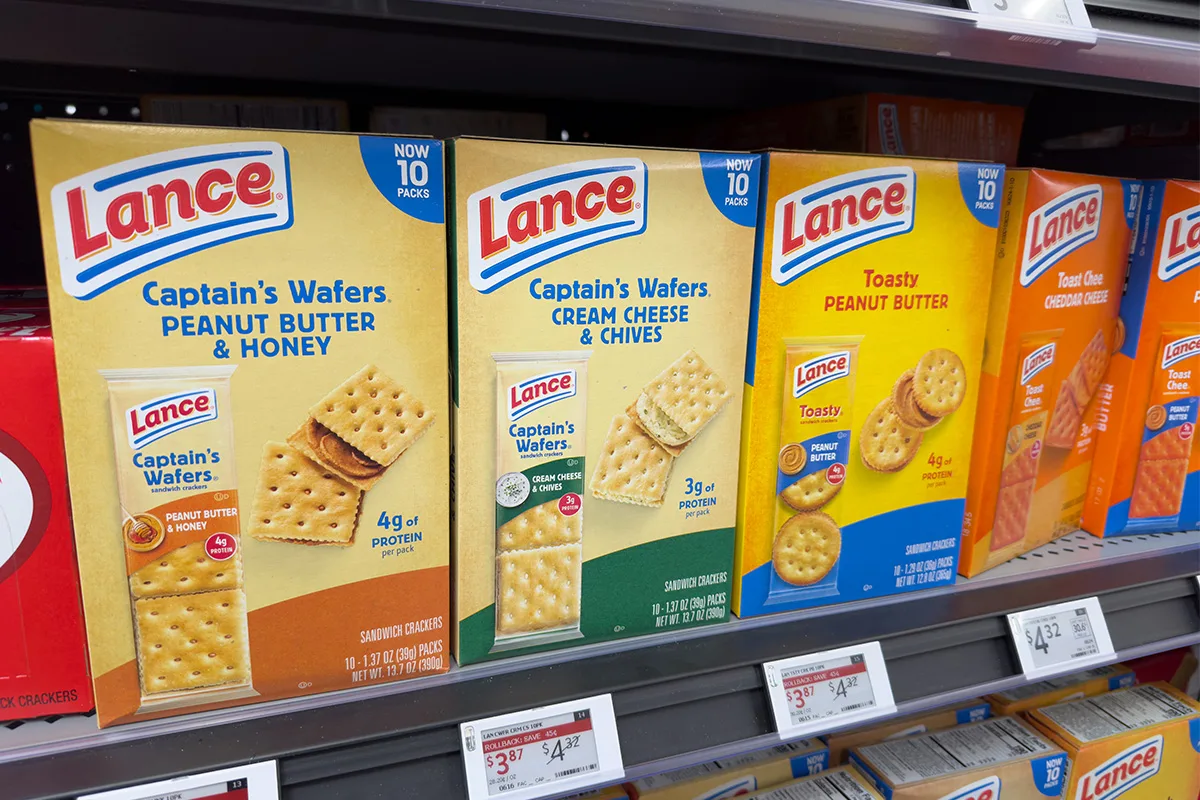

Lance crackers and V8 Splash latest brands to transition.
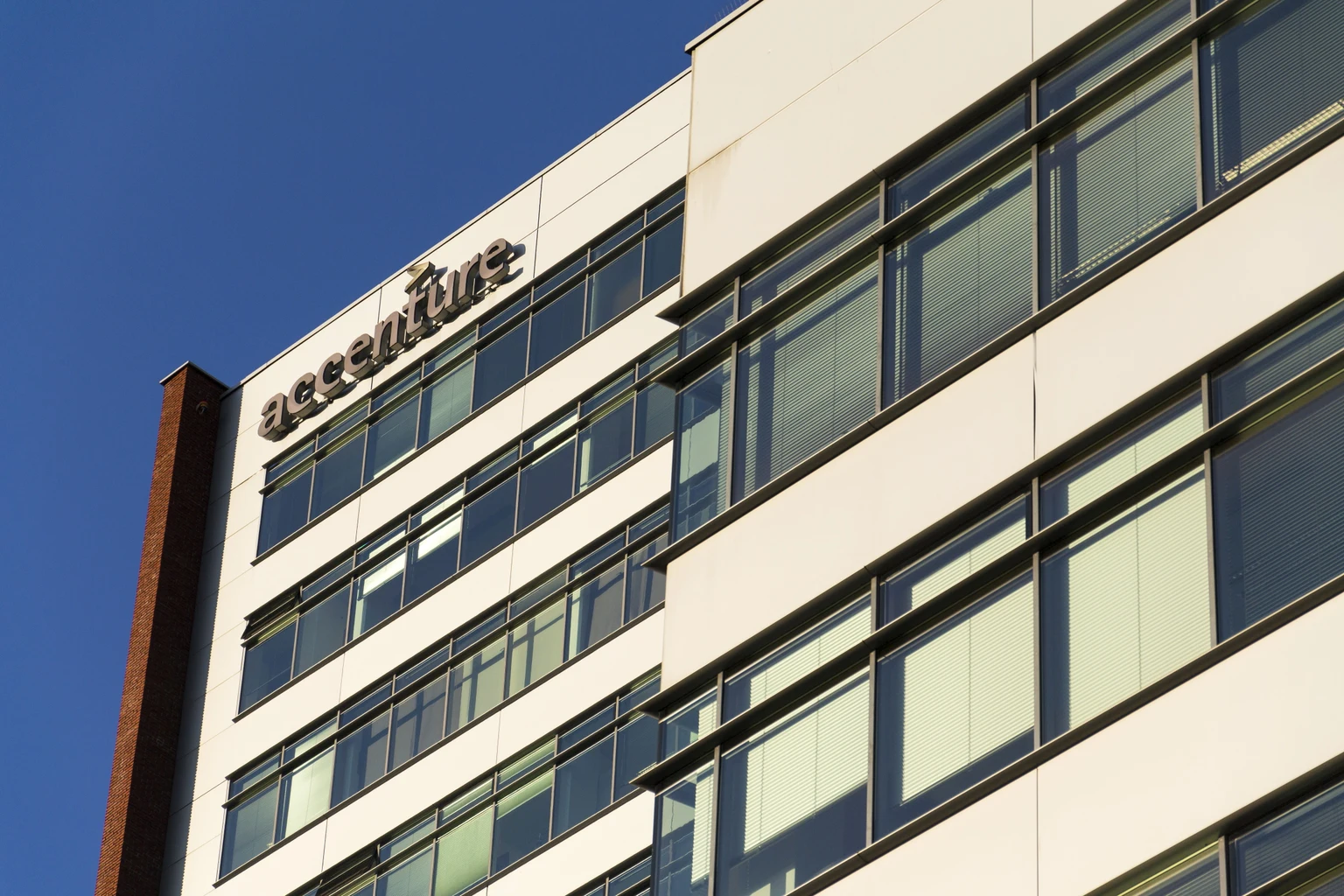
Accenture: The Market Is Pricing-In An Existential Crisis

As operators ridicule the Chancellor’s giveaway, one Kensington venue is touting a £25 “kids” menu of burgundy snails and anchovy butter toast
Pubs and restaurants are expected to dream up increasingly inventive ways to milk a tax break on meals for under-18s, after a London venue unveiled a “children’s” menu featuring wild burgundy snail salad and anchovy butter toast.
Rachel Reeves last month announced a temporary cut in VAT on children’s meals, from 20 per cent to 5 per cent, running between 25 June and 1 September. The reduction forms part of a “Great British summer savings scheme” pitched as relief for hard-pressed venues and a sweetener for families. – Business Matters has explained how the Great British summer savings scheme works here.
The Chancellor flagged the policy in a video address to last week’s UKHospitality trade conference, where it landed to a notably muted reception.
Afterwards, senior figures across the trade added their voices to a growing chorus of derision, branding the scheme “laughable” and contrasting it with the roughly £5bn in extra costs piled onto pubs, bars, hotels and restaurants since Labour returned to power in 2024.
Chris Jowsey, chief executive of the 1,300-strong pub group Admiral Taverns, called the measure a “joke”, arguing that the resulting discount was “so small it’s embarrassing” and would do nothing for pubs that do not serve food.
He likened the VAT cut to the pandemic-era rules that, at one point, effectively allowed venues to serve alcohol only if it arrived alongside a scotch egg. “I suspect you’ll get some enterprising interpretations of children’s menus,” he said.
One restaurant in Kensington, in affluent west London, has already worked out how to wring maximum value from the policy.
The Blue Stoops has launched a £25 menu aimed at any “children” with an appetite for wild burgundy snails with bacon, anchovy butter toast, and beef and oyster pie. The line-up includes a pudding christened The Tax Break Tart. A non-alcoholic beer is bundled in, meaning the entire package qualifies for the summer reduction from 20 per cent to 5 per cent.
“We’re not expecting queues of children demanding snails and anchovy toast, but it has started the right conversations in the pub about why VAT support for hospitality needs to go much further,” the venue said.
Crucially, restaurants and pubs are under no obligation to verify that anyone ordering a discounted children’s meal is in fact a minor.
Clement Ogbonnaya, who owns the Prince of Peckham in south London, dismissed the discount as a “token gesture” that would achieve little without a permanent cut to the headline rate. “We’re all going to be faking our IDs to show we’re under 18,” he joked.
At the UKHospitality conference, operators lined up behind a call to slash VAT on hospitality from 20 per cent to 10 per cent. A parliamentary petition backing the move has already gathered more than 200,000 signatures, and can be found on the UK government petitions site. The campaign is supported by celebrity chefs including Tom Kerridge and Yotam Ottolenghi, and by the potential Labour leadership contender Andy Burnham, who has thrown his weight behind a hospitality VAT cut. Estimates of the annual cost to the Treasury range from about £10.5bn to £13bn.
The case rests partly on international comparison. While the UK rate sits at 20 per cent, the European average is 12.8 per cent. France, Spain and Italy all levy 10 per cent, and Germany charges 7 per cent. UKHospitality, which is co-ordinating the campaign, argues the gap leaves British venues at a structural disadvantage.
In her video message, Reeves insisted the government was backing the industry. The reception on the conference floor suggested otherwise. The hospitality investor and former Dragons’ Den panellist Sarah Willingham told delegates that when the Chancellor described Labour as pro-growth, she “nearly spat out my water”. The chief executive of Nightcap, owner of the Dirty Martini and Piano Works chains, described the UK investment climate as a “shitshow”.
Operators, grappling with soaring energy bills in the fallout from the Iran war, have rounded on a string of Labour measures, among them the higher national minimum wage, increased national insurance contributions and changes to business rates. The squeeze is already showing in the closure data, with three pubs and restaurants now shutting every day as costs and tax rises bite.
“They say they’re doing it for workers, but what they’re doing is making it impossible to employ workers because it’s so expensive,” said Matt Francis, owner of the Planet of the Grapes wine bar chain in London. “They think all people who own a business are driving around in a Ferrari with wedges of cash in our pocket.”
Francis added that he had only just repaid a government loan taken out when he was forced to close during the pandemic. “My reward is to pay even more tax. I will never vote for them again.” Of the summer discount, he was blunt: “We’ve got to the point where it’s laughable, not funny. And there’s a big difference.”
A government spokesperson said: “Businesses across the country have welcomed the Great British summer savings scheme, which will slash VAT from 20 per cent to 5 per cent on children’s meals, cinema and theatre tickets, and family attractions this summer. This will help families enjoy days out for less while boosting footfall for businesses across the hospitality and leisure sector.
“We’re also backing hospitality by reforming business rates, including a £4.3bn support package to limit bill rises, capping corporation tax at 25 per cent, cutting red tape and taking action on the cost of living. We have the right plan to grow the economy and support families and businesses with rising costs.”

Jamie Young
Jamie is Senior Reporter at Business Matters, bringing over a decade of experience in UK SME business reporting.
Jamie holds a degree in Business Administration and regularly participates in industry conferences and workshops.
When not reporting on the latest business developments, Jamie is passionate about mentoring up-and-coming journalists and entrepreneurs to inspire the next generation of business leaders.

World Cup star granted visa in huge U-turn after spot-fixing arrest

New iPhone Is Coming in September With Its Foldable iPhone and a Major AI Leap

Iran threatens Hormuz shutdown as Israel strikes put U.S. deal at risk


-

 Business4 days ago
No Jackpot Winner as $257 Million Prize Rolls Over to $269 Million Monday Draw
-

 Fashion6 days ago
Weekend Open Thread: Tuckernuck – Corporette.com
-
 Crypto World4 days ago
Zimbabwe Requires Crypto Businesses to Register Annually Under New FIU Regulations
-

 Crypto World6 days ago
Bitget enters Argentina’s regulated crypto market through PSAV registration
-

 Tech6 days ago
NanoClaw integrates JFrog registries to secure AI agent downloads
-

 Tech6 days ago
This Week In Security: Microsoft On Microsoft, Register Your Domains, Linux On ARM, And FreeBSD Joins The File Cache Club
-

 NewsBeat7 days ago
El Nino has formed in the Pacific and could set records, forecasters say
-

 NewsBeat6 days ago
FBI searches office of Ohio voter registration group
-
 Tech7 days ago
Anthropic is spending $150M to embed 1,000 AI fellows inside nonprofits. No degree required.
-
 Entertainment7 days ago
‘The Pitt’s Fan-Favorite Doctor Confirms Noah Wyle Gave His Blessing to Return [Exclusive]
-
 Tech7 days ago
Former AWS CEO Adam Selipsky to lead new $10B AI data center venture
-
 Crypto World7 days ago
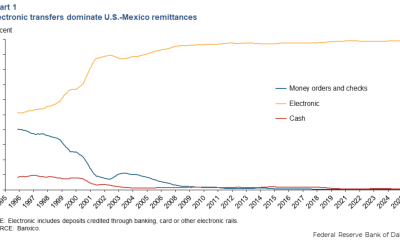
Ripple and Bitso Bring MXNB Stablecoin to XRP Ledger
-
 Entertainment4 days ago
Matt Damon’s Viral Sci-Fi Thriller Has Taken Over HBO Max
-

 Business4 days ago
Anthropic staff to meet White House officials next week, Axios reports
-

 Business7 days ago
Justin Bieber Prepares for 2026 Tour Return with New Music and Promoter Talks
-

 Tech4 days ago
As AI companies race to go public, who else is along for the ride?
-
 Crypto World4 days ago
Bitcoin could crash to $48,000, if this historical pattern is triggered
-
 Tech7 days ago
Euro-Office 1.0 Arrives To Open-Source Infighting: ‘Compatibility Is Not Sovereignty’
-

 Politics4 days ago
“Israel’s” ban on ICRC visits ruled illegal, but Knesset moves to stop them permanently
-
Entertainment7 days ago
Ana Navarro unleashes explosive tirade on ex-Trump aide, Disney Channel star in epic on-air fight: 'Have you no shame?'
You must be logged in to post a comment Login