
Business
Regency Centers announces passing of co-founder Joan Newton and potential stock sales



Business
Scottie Scheffler Remains Heavy Favorite to Win 2026 Masters as Defending Champion Rory McIlroy Seeks Repeat

World No. 1 Scottie Scheffler enters the 2026 Masters Tournament as the clear betting favorite to claim his third green jacket in five years, with early odds listing him between +400 and +550 across major sportsbooks just days before the first round at Augusta National.

Scheffler, who has won two of the last three Masters (2022 and 2024), has posted consistent contention at the event despite a fourth-place finish in 2025. His iron play, short game and ability to navigate Augusta’s demanding layout make him the most reliable contender in a star-studded field.
Defending champion Rory McIlroy, who completed the career Grand Slam with a dramatic playoff victory over Justin Rose in 2025, sits as a co-second or third favorite at around +1000 to +1100. A back-to-back win would make him the first repeat Masters champion since Tiger Woods in 2001-02, but recent form concerns and a reported back issue have caused his odds to drift slightly from earlier futures.
Bryson DeChambeau and Jon Rahm round out the top tier, both hovering near +1000 across books like FanDuel and DraftKings. DeChambeau has shown strong recent Augusta form with back-to-back high finishes, while Rahm, the 2023 winner, continues to post solid major results even while competing primarily on LIV Golf.
Xander Schauffele and Ludvig Åberg follow closely at +1400 to +2000, with Schauffele boasting multiple top-10s at the Masters in recent years and Åberg emerging as one of the game’s brightest young talents.
Top 5 Early Picks for 2026 Masters Winner (Based on Consensus Odds and Form as of Early April 2026)
Here are the top five contenders according to aggregated betting odds from sportsbooks including BetMGM, DraftKings, FanDuel and others:
- Scottie Scheffler (+400 to +550) — The overwhelming favorite. Scheffler has added multiple majors since his last Masters win and remains the best all-around player in the world. His ball-striking gives him an edge on Augusta’s fast, firm greens and tricky second shots. Many models project him near the top of the leaderboard.
- Bryson DeChambeau (+1000) — The two-time U.S. Open champion has transformed his approach to Augusta, emphasizing precision over raw power. Recent strong showings make him a live threat for his first green jacket.
- Jon Rahm (+850 to +1200) — The 2023 Masters winner brings proven Augusta success and elite short game. Despite LIV Golf commitments, he has stayed competitive in majors and offers strong each-way value.
- Rory McIlroy (+1000 to +1100) — As defending champion and fresh off completing the Grand Slam, McIlroy carries immense momentum and Augusta experience (multiple top-10s). A repeat would be historic, but nagging fitness questions add uncertainty.
- Xander Schauffele (+1400 to +1800) or Ludvig Åberg (+1400 to +2000) — Schauffele delivers consistent contention at majors with five recent top-10s at the Masters. Åberg, a rising star, has the length and composure to contend in only his second or third appearance.
Current 2026 Masters Odds Snapshot (Approximate Consensus as of April 3, 2026)
- Scottie Scheffler: +405 to +550
- Jon Rahm: +850 to +1200
- Rory McIlroy: +1000 to +1100
- Bryson DeChambeau: +1000 to +1075
- Xander Schauffele: +1400 to +1800
- Ludvig Åberg: +1400 to +2000
- Cameron Young / Matt Fitzpatrick / Tommy Fleetwood: +2000 to +2500 range
- Collin Morikawa, Justin Rose, Patrick Reed: +2500 to +3800
Odds vary by sportsbook and continue to fluctuate with late withdrawals, practice round performances and weather forecasts. Augusta National’s par-72 layout rewards precision iron play, scrambling and experience on its lightning-fast greens — factors that favor veterans like Scheffler, McIlroy and Rahm while leaving room for surprises from players such as Fitzpatrick or Reed, who have strong course history.
The 2026 field features approximately 90-93 players, including all past champions with lifetime exemptions, recent major winners and top-ranked professionals. Tiger Woods remains a sentimental longshot at +15000 despite limited recent competitive play.
Analysts note that while Scheffler is the deserved favorite, the Masters has a history of delivering drama. Past champions like McIlroy (now seeking repeat) and Rahm know the unique demands of the course, while emerging talents like Åberg could capitalize on any early mistakes by the frontrunners.
Practice rounds this week will offer key insights into form, particularly how players handle the par-5s (where recent winners have feasted) and the treacherous back nine. Weather in early April often plays a role, with wind and firm conditions amplifying the difficulty.
For bettors, value may lie beyond the top names. Some experts highlight Matt Fitzpatrick at +2500 for his recent form surge, while others point to consistent Augusta performers like Patrick Reed (+3000-plus) who have multiple top-10s here.
The tournament tees off April 9, with the traditional par-3 contest on Wednesday. All eyes will be on whether Scheffler can solidify his status as the game’s dominant force or if McIlroy can etch his name deeper into Masters lore with a historic defense.
Regardless of the outcome, the 2026 Masters promises another week of unforgettable moments at golf’s most iconic venue.

Form 8K US Gold Corp For: 3 April
Business
Jim Carrey’s 10 Most Inspiring Quotes Continue to Resonate in 2026 as Actor Reflects on Life and Legacy

More than three decades after bursting onto the global stage with rubber-faced antics in films like “Ace Ventura: Pet Detective,” “The Mask” and “Dumb and Dumber,” Jim Carrey remains one of Hollywood’s most quoted figures — not just for his comedic one-liners but for his deeply philosophical and motivational insights on success, fear, love and the human experience.

As the 64-year-old Canadian-American actor made a rare public appearance in February 2026 to accept an Honorary César award in Paris — where some fans noted his changed look and introspective tone — his timeless quotes have surged in popularity across social media and self-help circles. From his famous 2014 Maharishi University commencement address to reflections shared in recent interviews, Carrey’s words blend humor, vulnerability and hard-won wisdom.
Here are 10 of the best and most enduring Jim Carrey quotes, drawn from speeches, interviews and public statements that continue to inspire millions in 2026:
- “You can fail at what you don’t want, so you might as well take a chance on doing what you love.” Often cited as one of Carrey’s most powerful pieces of advice, this line stems from stories about his father, who took a “safe” accounting job only to lose it, teaching young Jim a lasting lesson about risk and passion. It has become a mantra for entrepreneurs and creatives worldwide.
- “I think everybody should get rich and famous and do everything they ever dreamed of so they can see that it’s not the answer.” Delivered with characteristic candor, this quote reflects Carrey’s own journey from poverty to superstardom and his realization that external success does not guarantee inner fulfillment. It remains widely shared in discussions about happiness and materialism.
- “Your need for acceptance can make you invisible in this world. Don’t let anything stand in the way of the light that shines through this form. Risk being seen in all of your glory.” From his 2014 commencement speech, this encourages authenticity over people-pleasing and has resonated with audiences grappling with social media pressures and identity in the 2020s.
- “So many of us choose our path out of fear disguised as practicality.” Carrey warned graduates against settling for safe but unfulfilling lives, drawing from his father’s experience. The quote frequently appears in motivational content aimed at career changers and dreamers.
- “The effect you have on others is the most valuable currency there is.” Emphasizing kindness and impact over wealth, this line highlights Carrey’s shift toward more meaningful living and has gained traction in leadership and wellness communities.
- “Life opens up opportunities to you, and you either take them or you stay afraid of taking them.” A straightforward call to courage, this quote underscores Carrey’s belief in embracing uncertainty, a theme that echoes through his transition from slapstick comedy to more dramatic roles like “The Truman Show” and “Eternal Sunshine of the Spotless Mind.”
- “It is better to risk starving to death than surrender. If you give up on your dreams, what’s left?” Carrey’s raw honesty about perseverance has motivated countless fans facing setbacks, reinforcing the idea that passion outweighs security.
- “You are ready and able to do beautiful things in this world, and as you walk through those doors today, you will only have two choices: love or fear. Choose love.” Another gem from the 2014 speech, this binary choice between love and fear has become a cornerstone of Carrey’s philosophical outlook and is often quoted in spiritual and personal development circles.
- “As far as I can tell, it’s just about letting the universe know what you want and then working toward it while letting go of how it comes to pass.” This reflects Carrey’s interest in manifestation and surrender, ideas he has explored in interviews about creativity and detachment from outcomes.
- “If you aren’t in the moment, you are either looking forward to uncertainty, or back to pain and regret.” A reminder to practice mindfulness, this quote aligns with Carrey’s later career focus on presence, painting, and inner peace amid Hollywood’s chaos.
Carrey’s quotes often trace back to personal hardships. Born James Eugene Carrey in Newmarket, Ontario, in 1962, he grew up in a family that faced financial collapse when his father lost his job. The young comedian dropped out of high school to help support his family and honed his impressions while working as a janitor. His big break came on “In Living Color” in the early 1990s, leading to a string of blockbuster hits that made him one of the highest-paid actors of the era.
By the late 1990s and early 2000s, Carrey sought deeper roles, earning Golden Globe wins for “The Truman Show” and “Man on the Moon.” He has spoken openly about battling depression and using comedy as a way to process pain, famously saying his focus was “to forget the pain of life… mock the pain, reduce it. And laugh.”
In recent years, Carrey has stepped back from the spotlight, pursuing painting and writing while making selective returns. In 2025, he reprised his role as Dr. Ivo Robotnik in “Sonic the Hedgehog 3,” earning praise and a Kids’ Choice Award. As of early 2026, he was announced to return for “Sonic the Hedgehog 4,” signaling continued interest in family-friendly projects.
His February 2026 appearance at the César Awards in Paris — where he delivered part of his speech in French, honoring his family’s roots — sparked online discussion about his more subdued demeanor and philosophical reflections. Carrey spoke warmly of his late father and the lessons of love, generosity and laughter, reinforcing themes found throughout his quotes.
Fans and critics alike note that Carrey’s words have aged well in an era of uncertainty, social media validation-seeking and mental health awareness. His emphasis on choosing love over fear, pursuing authentic passions and recognizing the limits of fame aligns with broader cultural conversations in 2026 about well-being and purpose.
Psychologists and motivational speakers frequently reference Carrey in talks about resilience and self-actualization. Social media platforms show steady engagement with his quotes, especially among younger audiences discovering his deeper side beyond the ’90s comedies.
Carrey has also addressed spiritual themes, once describing himself as shifting from “experiencing the Universe” to feeling like “the Universe experiencing a guy.” Such statements, paired with his quotes on consciousness and presence, have drawn interest from those exploring mindfulness and existential questions.
Despite occasional rumors and viral clips questioning his appearance or mindset in 2026, Carrey’s core message remains consistent: embrace your true self, take risks, and prioritize inner peace over external achievements.
As he approaches his mid-60s with projects on the horizon, including potential live-action “The Jetsons” talks, Carrey continues to prove that his influence extends far beyond the screen. His quotes serve as accessible entry points to profound ideas, reminding audiences that even a global superstar grappled with the same fears and doubts that touch everyone.
In a world still recovering from economic pressures, technological disruption and shifting values, Jim Carrey’s blend of humor and hard truth offers both laughter and guidance. Whether through his iconic movie lines like “Allllllrighty then!” or his soul-searching reflections, the actor-comedian-philosopher leaves a lasting imprint.
For many, these 10 quotes encapsulate why Carrey transcends the label of mere funnyman. They capture a man who rose from janitor to icon, only to discover — and generously share — that the real treasure lies in how we choose to live, love and show up for others each day.

USD/CAD: Goldman sees Canadian dollar supported by energy shock near term
Evercore ISI Senior Managing Director Mark Mahaney explains why he is bullish on AI and examines Amazon and Google stocks on ‘Varney & Co.’
Amazon will impose new fees later this month on third-party sellers as rising oil prices tied to the ongoing war with Iran ripple through the U.S. economy, a shift that could ultimately push costs onto consumers.
The company said it will begin charging a 3.5% “fuel and logistics-related surcharge” on sellers who use its fulfillment services starting April 17 in the U.S. and Canada, citing higher transportation and shipping expenses.
The move follows a sharp rise in oil prices, which are increasing costs across global supply chains. West Texas Intermediate crude topped $111 on Friday, while global benchmark Brent crude was around $109 per barrel, as investors assessed how long the conflict could disrupt shipments through the Strait of Hormuz – a critical global oil chokepoint.
CONGRESSIONAL REPORT DETAILS HOW CHINA BUYS SANCTIONED OIL FROM IRAN, RUSSIA AND VENEZUELA

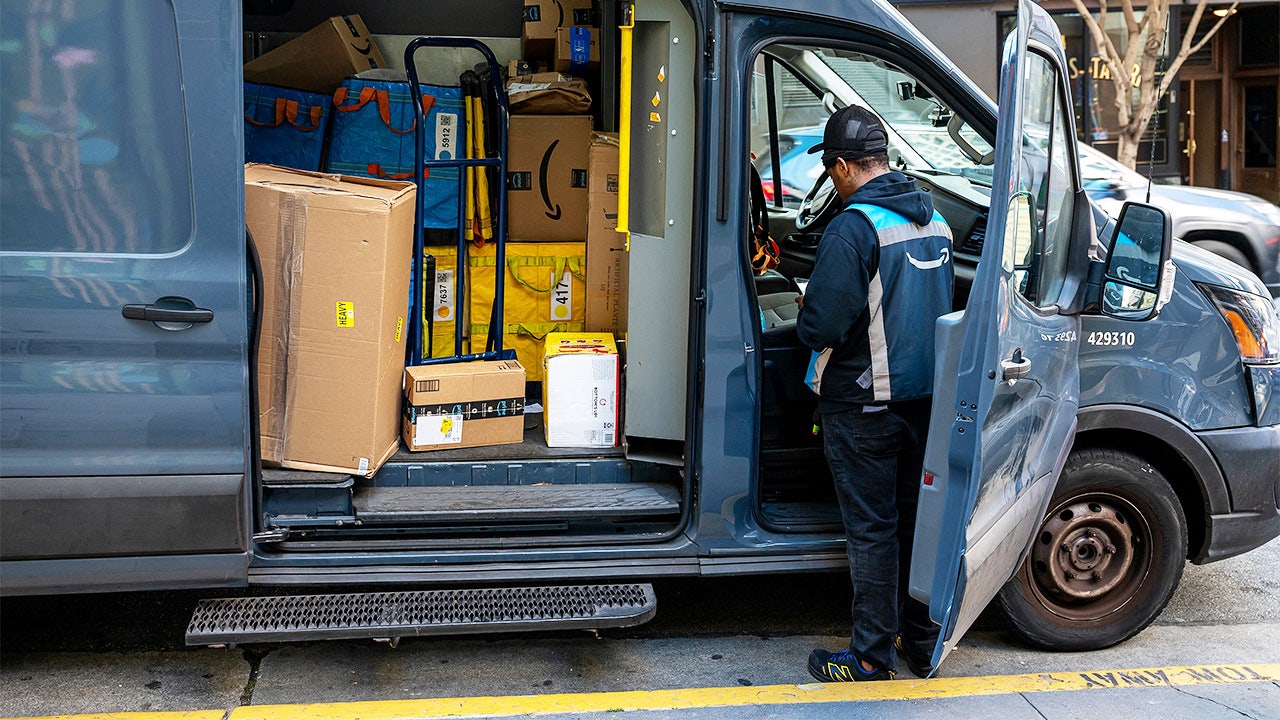
A worker near packages in an Amazon delivery vehicle in San Francisco, California, on Monday, Feb. 2, 2026. (David Paul Morris/Bloomberg via Getty Images)
Amazon told FOX Business that the surcharge is designed to offset “elevated costs in fuel and logistics.” The company noted it had absorbed those increases until now but is aligning with a broader industry shift toward passing through higher expenses.
AMAZON AND DELTA PARTNER TO LAUNCH FASTER IN-FLIGHT WI-FI

The Amazon logo is displayed on the façade of Amazon Germany’s headquarters in Parkstadt Schwabing, Munich, Bavaria, on Jan. 27, 2026. (Matthias Balk/picture alliance via Getty Images)
The change adds pressure on roughly 2 million third-party sellers that make up a significant portion of Amazon’s marketplace. Many rely on Fulfillment by Amazon (FBA) – the company’s logistics network that handles storage, packing and shipping – meaning the new fee directly affects their operating costs.
On average, the surcharge will total about 17 cents per unit, though actual costs vary based on product size and weight, according to reports. While relatively modest per item, the added expense can scale quickly for high-volume sellers, who may pass those increases on to consumers.
AMAZON LAUNCHES 1-HOUR AND 3-HOUR DELIVERY OPTIONS WITH NEW TIERED PRICING STRUCTURE FOR CUSTOMERS
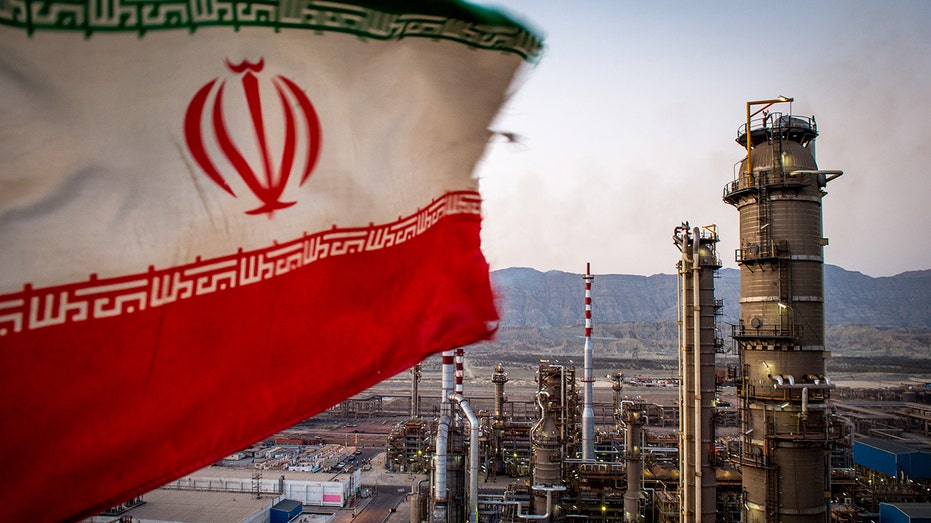
An Iranian national flag flies at the Persian Gulf Star Co. (PGSPC) gas condensate refinery in Bandar Abbas, Iran. (Ali Mohammadi/Bloomberg via Getty Images)
Amazon said the surcharge remains “meaningfully lower” than comparable fees charged by major carriers, but the move highlights how rising energy costs are cascading through the broader economy.
CLICK HERE TO GET FOX BUSINESS ON THE GO
Shipping providers including UPS, FedEx and the U.S. Postal Service have also implemented or announced fuel surcharges in recent weeks, signaling mounting strain across logistics networks as fuel prices climb.
Amazon shares are up 17.5% over the past year and are down 9.1% year to date.
| Ticker | Security | Last | Change | Change % |
|---|---|---|---|---|
| AMZN | AMAZON.COM INC. | 209.77 | -0.80 | -0.38% |
| UPS | UNITED PARCEL SERVICE INC. | 98.18 | +0.27 | +0.28% |
| FDX | FEDEX CORP. | 361.63 | +2.32 | +0.65% |
Reuters contributed to this report.
Allianz Chief Economic Advisor Mohamed El-Erian discusses the financial impact of the Iran conflict as oil prices surge on ‘Mornings with Maria.’
As the conflict in Iran intensifies with no immediate end in sight, the U.S. Department of Energy is tapping further into the nation’s emergency oil supply.
On Wednesday, officials announced a plan to loan an additional 10 million barrels of crude oil from the Strategic Petroleum Reserve (SPR) — part of a 172 million-barrel drawdown that critics say could leave the U.S. vulnerable as West Texas Intermediate (WTI) crude prices climb past $111 per barrel.
The crude oil is set to be extracted from the Bryan Mound site in Texas, and the department is also accepting proposals from oil companies until Monday.
STATE-BY-STATE VIEW OF GAS PRICES AS IRAN WAR PUSHES OIL MARKETS HIGHER
The latest move is part of an agreement with 32 other countries to release a total of 400 million barrels of oil from reserves. The International Energy Agency (IEA) held an emergency meeting at its Paris headquarters last month with energy representatives from the G7 countries to “assess market conditions,” which IEA Executive Director Fatih Birol says “have been significantly affected by the conflict in the Middle East.”
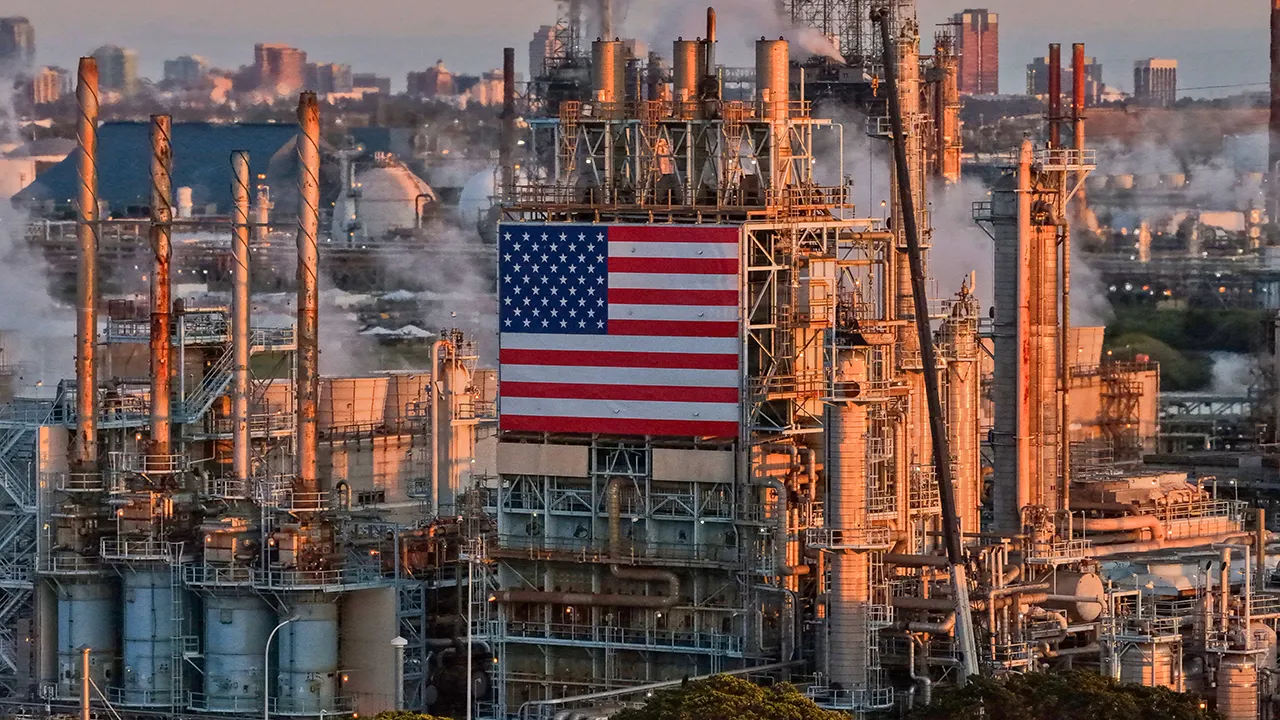
In an aerial view, the Marathon Petroleum Corp’s Los Angeles Refinery is seen on April 2, 2026, in Carson, California. (Getty Images)
“The oil market challenges we are facing are unprecedented in scale. Therefore, I am very glad that IEA member countries have responded with an emergency collective action of unprecedented size,” Birol said after the announcement about the release of the emergency oil reserves.
The Department of Energy did not immediately respond to Fox News Digital’s request for comment, but in a press release, it said the replenishment of the SPR will come “at no cost to the American taxpayer.”
Analysts at Goldman Sachs warned in recent weeks that the 400 million-barrel release, the largest in history, may be insufficient to cover supply disruptions caused by the closure of the Strait of Hormuz, potentially leading to a shortfall of more than 10 million barrels per day.
Federal Reserve Bank of New York President John Williams discusses market impacts of the Iran War, inflation outlook and more on ‘The Claman Countdown.’
As of early Friday afternoon, WTI — the U.S. standard for oil prices — topped $112 per barrel, up slightly from the previous day. The national average for a regular gallon of gas is over $4, up more than $1 since the war began, according to AAA.
Federal Reserve Bank of New York President John Williams warned that the effects of the Iran war on energy prices could spread across several sectors of the economy during an interview on “The Claman Countdown” Thursday.
GET FOX BUSINESS ON THE GO BY CLICKING HERE
Rep. Mike Haridopolos, R-Fla., discusses oil prices amid the Iran conflict on ‘The Evening Edit.’
“There’s a pass-through of energy prices into a lot of things that we buy, including airfares. … With higher fuel costs, airfares are going to go up,” Williams said. “It will spread around. It typically takes us into other goods and services. That typically takes months or maybe a year to have that full effect.”
In a presidential address to the nation Wednesday evening, President Donald Trump indicated that military operations in Iran will continue for weeks, likely adding more pressure to the oil market.
Fox News’ Alec Schemmel and FOX Business’ Nora Moriarty contributed to this report.

EGGY: Explaining Its Ins And Outs

SYDNEY — As the Iran war enters its second month with the Strait of Hormuz largely closed and global oil prices hovering above $100 a barrel, economists are warning that supply-chain shocks will deliver a triple blow to Australia’s economy this year — driving inflation higher, squeezing key industries and raising recession risks.

Treasurer Jim Chalmers has acknowledged the government’s fuel-reserve assurances are under severe strain, while Oxford Economics and major banks forecast prolonged disruptions could subtract up to 0.7 percentage points from GDP growth and add as much as 3 percentage points to headline inflation in a worst-case scenario.
Here are three key predictions for how the conflict’s supply-chain fallout will reshape Australia’s economy through 2026, based on the latest Treasury modeling, bank forecasts and industry data as of early April.
Prediction 1: Fuel shortages and soaring energy prices will fuel persistent inflation and erode household spending.
Australia imports more than 80 percent of its refined fuels from Asia, and with crude flows through the Strait of Hormuz — which normally carries one-fifth of global oil — effectively halted, local petrol and diesel prices have already spiked sharply. Hundreds of service stations, especially in New South Wales, have run dry, prompting the government to suspend national fuel-quality standards and allow higher-sulphur blends to boost domestic supply by an extra 100 million litres per month.
Westpac and Westpac economists project a one-month disruption could lift the consumer price index by around 1 percentage point, while a three-month closure might push the peak CPI increase to 1.5-3 percentage points. Petrol prices could rise by as much as A$1 a litre in extreme cases, feeding directly into transport and freight costs that ripple through groceries, construction materials and consumer goods.
The Reserve Bank of Australia is closely watching the pass-through. Higher energy costs are already compounding existing cost-of-living pressures, with trimmed-mean inflation risks staying “higher for longer.” Oxford Economics warns that in a prolonged-war scenario with oil above $150 a barrel, Australia could face quarterly GDP contractions of 0.3-0.8 percent — the sharpest outside the pandemic era — as households cut back on discretionary spending.
Farmers and manufacturers are already feeling the pinch. Diesel-dependent trucking and agricultural operations face higher operating costs, while fertiliser prices — heavily tied to energy inputs — have climbed, threatening the autumn planting season.
Prediction 2: Global shipping rerouting and freight-cost surges will disrupt imports, exports and manufacturing.
Beyond oil, the Iran war is forcing container ships and bulk carriers to avoid chokepoints linked to Houthi activity in the Red Sea and broader Middle East tensions, driving up freight rates and extending delivery times. Australia’s manufacturers posted their first contraction in five months in March, with the S&P Global manufacturing PMI falling to 49.8 as demand weakened and cost pressures mounted.
Supply chains for critical inputs — from petrochemicals used in plastics and packaging to components for vehicles and electronics — are tightening. Australian industry group leaders note that Asia’s refinery disruptions are already lifting fuel prices and tightening supply for the 90 percent of refined liquid fuels Australia imports.
Export sectors are not immune. Agricultural exporters face higher freight costs and congestion risks for grain, beef and live-animal shipments to Europe and the Middle East. Mining and resources, while benefiting from any LNG price spikes as an exporter, still rely on imported equipment and parts whose delivery is now delayed.
Industrial-property analysts in Western Australia report that fuel shortages and diesel-price pressure are already translating into higher warehousing demand and supply-chain uncertainty, with construction projects facing material-cost volatility.
The Australian dollar has weakened against the greenback as markets price in the energy shock, further raising the cost of imported goods and adding another layer of imported inflation.
Prediction 3: A broader economic slowdown or outright recession becomes more likely, with uneven sectoral pain.
Oxford Economics’ prolonged-war scenario paints a stark picture: world GDP growth slows by 1.2 percentage points in 2026, and Australia suffers a sharp recession as fuel rationing and capacity constraints bite. Transport, manufacturing and mining — the sectors most reliant on diesel and global supply chains — would bear the heaviest burden.
Treasury’s own modeling, updated in mid-March, shows the war could subtract 0.2-0.6 percentage points from GDP growth while adding 0.5-1.25 percentage points to headline inflation, depending on how long oil stays elevated at $100 or spikes to $120.
Prime Minister Anthony Albanese has warned of a potential fuel crisis, and economists note Australia’s low fuel reserves — around 30 days for diesel and 36 days for petrol — leave the economy exposed compared with the International Energy Agency’s 90-day benchmark.
The pain will not be uniform. Energy exporters may see some offset from higher global LNG and coal prices, but domestic gas users and households will face higher power bills. Retail and hospitality sectors, already navigating cost-of-living strains, could see further weakness as consumers tighten belts.
Longer-term, the disruptions underscore Australia’s vulnerability as an island trading nation dependent on open sea lanes. Calls are growing for improved fuel-security measures, diversified supply chains and accelerated investment in domestic refining or alternative energy sources.
As of early April, the government insists fuel deliveries remain assured until mid-April, but analysts caution that panic buying and distribution bottlenecks could accelerate shortages. Markets continue to underprice the risk of a drawn-out conflict, according to State Street Global Advisors strategists.
For Australian businesses and households, the coming months will test resilience. While a swift ceasefire remains the base-case assumption for many forecasters, the longer the Strait of Hormuz stays closed, the deeper the supply-chain scars — and the greater the drag on growth, jobs and living standards.
Economists will watch April inflation data and the next Reserve Bank board meeting closely for signals on how aggressively policymakers respond to the energy-driven price shock. In the meantime, the Iran war’s distant battles are delivering a very real economic hit at home.

Apex Legends players across the globe are asking the familiar question: Is Apex Legends down right now? As of early April 2026, the free-to-play battle royale title from Respawn Entertainment and Electronic Arts is largely operational, though sporadic user reports of matchmaking issues and regional disruptions continue to surface on monitoring sites and social platforms.

Downdetector and similar outage trackers show fluctuating player complaints in the past 24 hours, with some spikes tied to login, matchmaking and server connection errors. However, official status pages from EA and independent monitors like ApexLegendsStatus.com indicate that core systems — including lobby/matchmaking servers in major regions such as US East, US West, EU West and Asia — are running at or near full capacity with low latency readings.
The latest widespread disruptions appear to have peaked around April 2-3, 2026, when thousands of reports flooded in. One monitoring site logged nearly 5,000 reports on April 3 alone, following over 10,000 the previous day. Players described symptoms including “no servers found,” extended matchmaking queues, connection errors to EA servers and occasional crashes during lobby selection. Some attributed the problems to broader infrastructure hiccups possibly linked to Easy Anti-Cheat (EAC) or cloud services, echoing similar brief outages reported earlier in the week.
As of Saturday morning KST, major status checkers report “all systems operational” or “mostly operational.” EA’s official server status page lists Apex Legends without active widespread alerts for the game itself, though players are always advised to verify their own platform — PC via Steam or EA App, PlayStation, Xbox or Nintendo Switch — as individual network or account issues can mimic server-wide problems.
Respawn has not issued a fresh public statement on ongoing minor issues in the past day, but the studio and EA typically communicate via the official @PlayApex X account or in-game notices when significant maintenance or fixes are underway. Community-run accounts like @_ApexStatus have noted recent “widespread server issues” but followed up by encouraging players to retry connections once resolutions roll out.
Apex Legends, which launched in 2019, remains one of the most played battle royale games, blending fast-paced hero shooter mechanics with seasonal updates, ranked play and limited-time events. The current Season 28, “Breach,” features new legends, weapon balances and crossover content that have kept the player base engaged despite periodic technical hiccups common to live-service titles.
Historically, Apex has faced criticism for server stability, especially during peak hours or after major patches. Outages often stem from high concurrent player loads, anti-cheat updates or backend infrastructure shared with other EA titles. In early April 2026, some Reddit users in the r/apexlegends community speculated about AWS-related disruptions affecting multiple games, though no official confirmation tied a large-scale cloud outage directly to Apex at press time.
For players still encountering problems:
- Check EA’s server status page directly for real-time updates on Apex Legends, the EA App and platform-specific services.
- Restart the game client, console or router to rule out local network glitches.
- Verify game files through the platform launcher if on PC.
- Monitor Downdetector or ApexLegendsStatus.com for crowd-sourced reports.
- Ensure your anti-cheat software and drivers are up to date.
Developers have improved infrastructure over the years, including better regional server distribution and cross-play enhancements, but live-service games inevitably experience intermittent downtime. Brief outages on April 1 and 2, some lasting 30-60 minutes, resolved relatively quickly without long-term impact on progression or ranked resets.
The game’s dedicated fan base continues to grow, bolstered by competitive scenes like the Apex Legends Global Series and influencer streams. Recent anti-cheat updates have also aimed to clean up lobbies, though they occasionally contribute to temporary compatibility issues during deployment.
As the second split of Season 28 progresses, Respawn has shared ban statistics and teased future content, signaling ongoing investment in the title’s longevity. Players concerned about persistent lag, packet loss or “dead sliding” — common complaints even when servers are green — are encouraged to report specifics on EA’s official forums under the Apex Legends Technical Issues section.
In the fast-moving world of online gaming, server status can shift rapidly. What appears as a full outage for one player may be isolated matchmaking queues for another, especially across different data centers. At the time of this reporting, the majority of global regions show green status with response times under 100 ms in most cases.
Gamers are urged to stay tuned to official channels for any emergency maintenance announcements. If widespread problems re-emerge, Respawn typically acknowledges them promptly and provides estimated resolution times.
For now, the verdict for most Apex Legends enthusiasts is positive: the servers are up and running. Jump back into the arena, drop hot and chase that victory royale — but keep one eye on your ping and another on status trackers just in case.
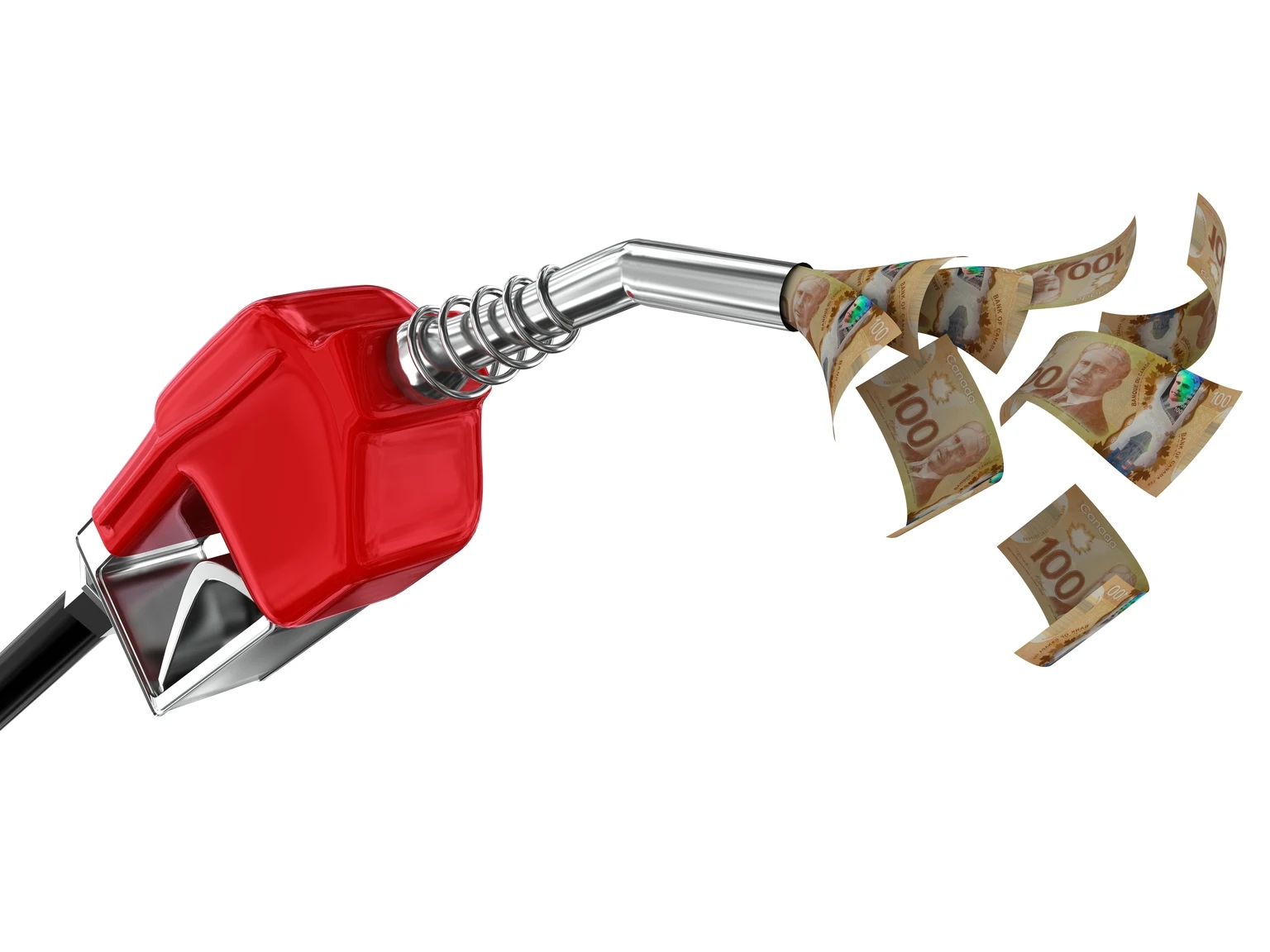
Freehold Royalties: An Easy Way To Gain Exposure To Oil Prices

Northern Powergrid prepared to help customers in Storm Dave

Scottie Scheffler Remains Heavy Favorite to Win 2026 Masters as Defending Champion Rory McIlroy Seeks Repeat
Stablecoins Moved More Money Than the US Financial System’s Backbone

Smart energy pays enters the US market, targeting scalable financial infrastructure

Why Israel is blocking foreign journalists from entering

Bitcoin: We’re Entering The Most Dangerous Phase

Michael Saylor on new STRC stock: Creates an on-ramp for bitcoin believers without the volatility

BITCOIN TO $50K?! Oil Surges as the S&P 500 Hits Make-Or-Break Support

THIS IS XRP’S BIGGEST MOMENT EVER!!! (MASSIVE ANNOUNCEMENT JUST WENT LIVE!!!)
-

 NewsBeat7 days ago
The Story hosts event on Durham’s historic registers
-

 NewsBeat23 hours ago
Steven Gerrard disagrees with Gary Neville over ‘shock’ Chelsea and Arsenal claim | Football
-

 Sports7 days ago
Sweet Sixteen Game Thread: Tide vs Michigan
-
Entertainment4 days ago
Fans slam 'heartbreaking' Barbie Dream Fest convention debacle with 'cardboard cutout' experience
-

 Business18 hours ago
No Jackpot Winner and $194 Million Prize Rolls Over
-

 Crypto World2 days ago
Gold Price Prediction: Worst Month in 17 Years fo Save Haven Rock
-
 Entertainment6 days ago
Lana Del Rey Celebrates Her Husband’s 51st Birthday In New Post
-

 Tech5 days ago
The Pixel 10a doesn’t have a camera bump, and it’s great
-
Crypto World3 days ago
Dems press CFTC, ethics board on prediction-market insider trades
-

 Tech5 days ago
Avatar Legends: The Fighting Game comes out in July and it looks pretty slick
-

 Sports3 days ago
Tallest college basketball player ever, standing at 7-foot-9, entering transfer portal
-

 Tech3 days ago
EE TV is using AI to help you find something to watch
-

 Fashion6 days ago
Amazon Sundays: Soft Spring Layers
-

 Business2 days ago
Login and Checkout Issues Spark Merchant Frustration
-

 Fashion7 days ago
When Evening Dressing Gets Colorful for Spring
-

 Tech5 days ago
Elon Musk’s last co-founder reportedly leaves xAI
-

 Tech3 days ago
How to back up your iPhone & iPad to your Mac before something goes wrong
-

 Tech4 days ago
Apple will hide your email address from apps and websites, but not cops
-

 Politics4 days ago
Should Trump Be Scared Strait?
-

 Crypto World4 days ago
U.S. rule change may open trillions in 401(k) funds to crypto
You must be logged in to post a comment Login