— Joy Chik announced she will retire from Microsoft in July after nearly three decades. Her eight roles there ranged from software design engineer to her current title: president of identity and network access.
“I’m excited to expand my public company board work while also building new muscles in the startup, angel investing, and venture capital spaces, partnering with founders and leadership teams as they scale,” Chik said on LinkedIn.
She has already launched a podcast called The Knowing Moments in which she shares thoughts on her professional transition “and the start of a new era.”
Bobby Hollis. (LinkedIn Photo)
— Bobby Hollis, Microsoft‘s vice president of energy, has left the company after three years for an undisclosed new role. “Energy and technology have never been at a more important juncture, and it’s so important that we get this right,” Hollis said on LinkedIn. “I won’t be leaving the conversation. I’ll just be doing it with a different hat.”
Before Microsoft, Hollis was at data center company Rowan Digital Infrastructure. Previous roles include head of development at Bill Gates-backed Breakthrough Energy and Facebook’s head of global energy, environment and site selection.
Eric Rombokas. (LinkedIn Photo)
— Robotic ag-tech company TerraClear has named Eric Rombokas as director of robotics and hardware. The startup, based in Issaquah, Wash., and Grangeville, Idaho, builds technology that autonomously identifies and removes rocks and weeds from farmers’ fields. TerraClear is No. 83 on the GeekWire 200 index of top Pacific Northwest startups.
Rombokas comes from Ohio’s Cornerstone Research Group and holds an affiliate professor role at the University of Washington in both mechanical engineering and electrical and computer engineering.
Advertisement
“Eric is a rare talent who bridges the gap between fundamental robotic research and rugged, real-world deployment,” said TerraClear CEO Devin Lammers.
— Neal Gottsackerwas named chief technology officer at UserTesting, a Bellevue, Wash.-based company that connects businesses with a global network of testers for on-demand user experience research. Gottsacker, who will work remotely, previously served as chief product officer at the workflow automation company Nintex.
“As AI reshapes how teams build and innovate, the real differentiator will be the ability to connect powerful models with authentic human signals at scale,” he said on LinkedIn.
Manisha Powar and Pete Daderko. (LinkedIn Photos)
— EchoMark, a Bellevue startup that uses digital watermarking and forensics to track the source of leaks and data breaches, added two hires to its leadership team:
Manisha Powaris leading product at the startup. She joins from Qualtrics, where she was VP and head of product for the Customer Experience Suite, the company’s largest business line. Before that, Powar was at Facebook for less than two years and spent nearly 17 years at Microsoft, leaving as principal PM manager for Windows Storefronts in 2017.
Pete Daderko is leading product marketing. He previously served as a senior director at Microsoft, and earlier was a U.S. Navy submarine officer and engagement manager at McKinsey.
Matt Gamboa. (LinkedIn Photo)
— Matt Gamboa is now a principal product manager for Read AI, the Seattle startup that sells enterprise productivity software tools using generative AI. “After two years of a much-needed reset and exploration, I’m back,” he said on LinkedIn. Gamboa is also co-founder of CertifyIQ, a startup building educational technology for skilled trades. He previously held management roles at Nomad Health, Expedia Group and Rover.
Read AI is No. 16 on the GeekWire 200 index of top Pacific Northwest startups.
Advertisement
— Ken Bowman is now chief revenue officer for FruitScout. The Seattle ag-tech startup uses AI to monitor crop growth, with a current focus on agave — identifying the optimal harvest time for the tequila-producing plant.
“By using the phones already in workers’ pockets to create digital twins of every plant, in combination with drone imaging to drive cost-effective, accountable scale, we are bringing Industry 4.0 to the field,” Bowman said on LinkedIn.
—Luli Chaluleuhas transitioned to Amazon‘s vice president of PXT (People eXperience and Technology) for North America operations. Chaluleu has been with the Seattle-area tech giant for nearly 14 years and was previously VP of HR.
— Thomas Dohmke, former CEO of GitHub, has joined the supervisory board for Deutsche Telekom Group, parent company of T-Mobile. Deutsche Telekom has “touched the foundation of my life many times,” Dohmke said on LinkedIn, starting with an internship in Berlin in the 1990s.
Advertisement
Dohmke spent more than three years as a Microsoft principal director before moving into leadership roles at GitHub following Microsoft’s acquisition of the code-hosting and collaboration platform. He served as GitHub’s CEO for nearly four years, stepping down in September.
— Steve Schuster is retiring from Amazon after more than 12 years with the company, most recently as vice president of security response and engineering in the tech giant’s Washington, D.C., offices. He previously served in information security leadership at Cornell University.
— Frazier Healthcare Partners, a Seattle-based healthcare investment firm, announced several promotions and a new hire:
Microsoft will roll out passkey support for phishing-resistant passwordless authentication to Microsoft Entra‑protected resources from Windows devices starting late April.
The feature is expected to reach general availability by mid-June 2026 and will also extend passwordless sign-in to unmanaged Windows devices.
Microsoft says that Entra passkeys on Windows will support corporate, personal, and shared devices, with admin controls via Conditional Access and Authentication Methods policies.
“Users can create device‑bound passkeys stored in the Windows Hello container and authenticate using Windows Hello methods (face, fingerprint, or PIN),” Microsoft said in a message center update.
“This expands passwordless authentication support to Windows devices that aren’t Microsoft Entra‑joined or registered, helping organizations strengthen security and reduce reliance on passwords across corporate‑managed, personal, and shared device scenarios.”
Advertisement
The new security feature will be available in organizations that have enabled ‘Microsoft Entra ID with passkeys’ in the ‘Authentication Methods policy’ for users who sign in to Windows devices that are not Microsoft Entra‑joined or registered, provided Conditional Access policies allow it (e.g., from corporate‑managed, personal, or shared devices).
It also enables the creation of FIDO2 passkeys stored in a secure local credential container that can only be used for authentication to Microsoft Entra ID via Windows Hello using facial recognition, fingerprint, or PIN (unlike Windows Hello for Business, which also enables device sign-ins).
Feature
Microsoft Entra passkey on Windows
Advertisement
Windows Hello for Business
Standard base
FIDO2
FIDO2 for authentication, first-party (1P) protocol for device sign-in
Registration
User-initiated, doesn’t require device join or registration
Advertisement
Automatically provisioned on some Microsoft Entra joined or registered devices during device registration
Device sign-in and single sign-on (SSO)
N/A
Enables device sign-in and SSO to Microsoft Entra-integrated resources after device sign-in
Credential binding
Bound to the device and stored in the local Windows Hello container. Users can register multiple passkeys for multiple work or school accounts on the same device.
Advertisement
Primarily a device-bound sign-in method linked to device trust. The credential is tied only to the work or school account used to register the device.
Management
Microsoft Entra ID Authentication methods policy
Microsoft Intune
Group Policy
Additionally, passkeys are cryptographically bound to each device and never transmitted over the network, so attackers can’t steal them during phishing or malware attacks to bypass multifactor authentication.
While Microsoft didn’t share why this feature was added, Microsoft Entra passkeys on Windows close a security gap that previously left personal and shared devices reliant on password-based Microsoft Entra ID authentication.
Additionally, Microsoft announced in May 2025 that all new Microsoft accounts will be “passwordless by default” to protect them against brute-force, credential stuffing, and phishing attacks.
Advertisement
AI chained four zero-days into one exploit that bypassed both renderer and OS sandboxes. A wave of new exploits is coming.
At the Autonomous Validation Summit (May 12 & 14), see how autonomous, context-rich validation finds what’s exploitable, proves controls hold, and closes the remediation loop.
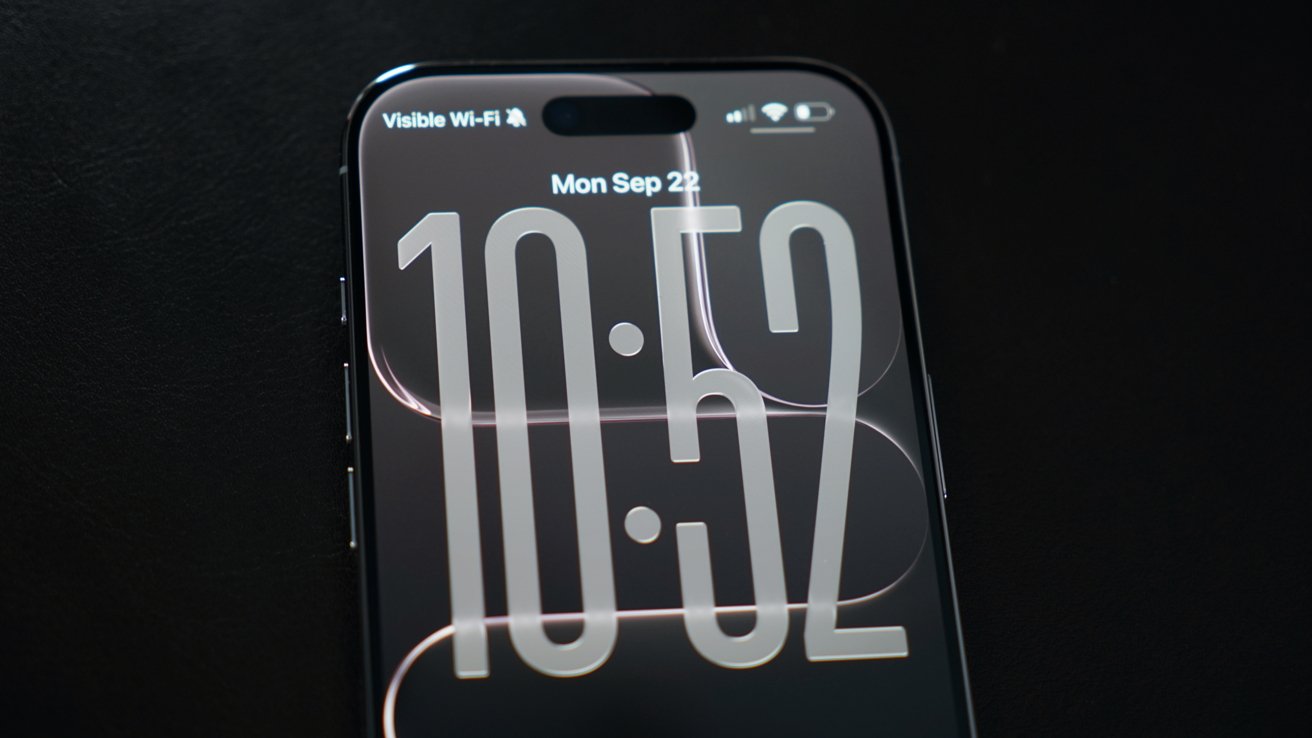
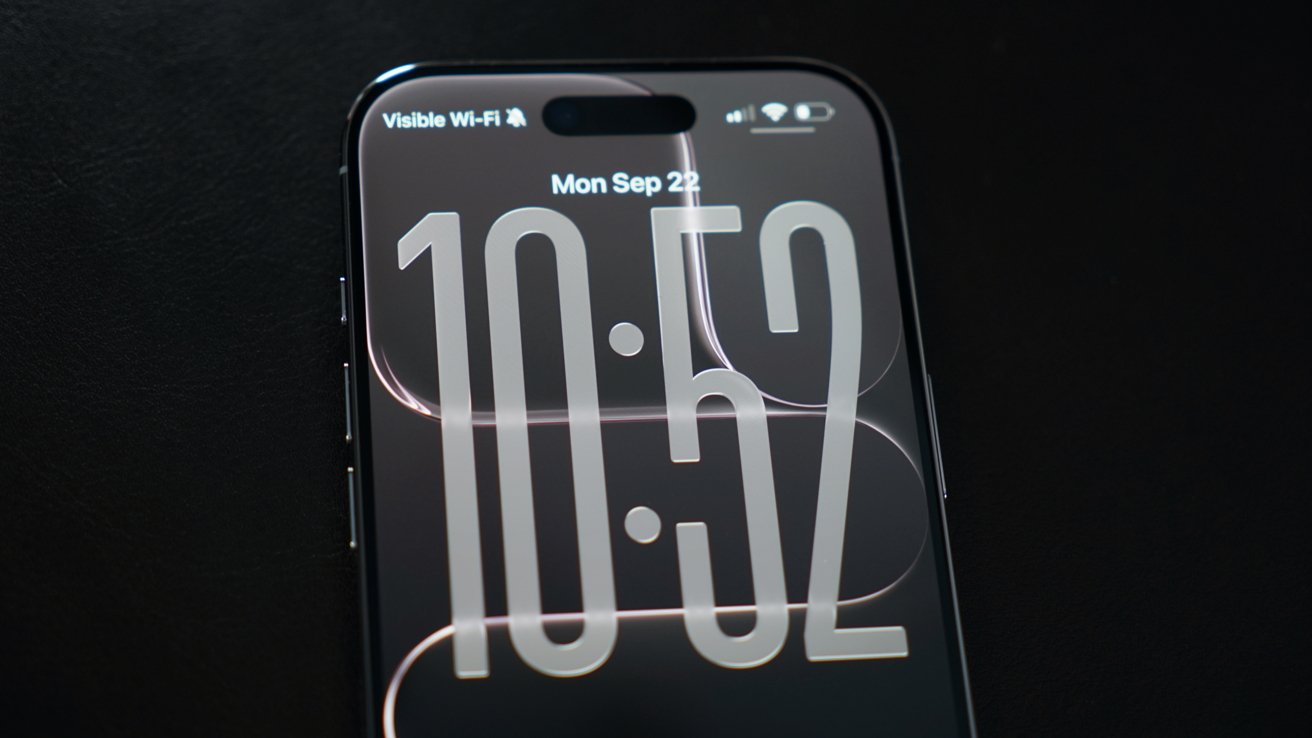
Apple’s 20th-anniversary iPhone is again rumored to have a new, curved display with Samsung now tipped to produce the “four-micro-curve” OLED panel.
iPhone 20 is tipped to get a new, quad-curved OLED display
Apple is expected to pull out all the stops for the iPhone 20 to celebrate 20 years of the iPhone. The iPhone X did something similar for its 10th anniversary, ditching the Home button and minimizing display bezels. With its 20th-anniversary iPhone, Apple is expected to go a step further and bend the display around all four sides of the device. Now, Weibo leaker Digital Chat Station reports that Apple has tapped Samsung to produce curved displays for the device. Rumor Score: 🤔 Possible Continue Reading on AppleInsider | Discuss on our Forums
After experiencing temporary hearing loss in my left ear, I became committed to protecting my hearing. Even though losing my hearing for a few weeks was caused by eustachian tube dysfunction — when the tube connecting the middle ear to the back of the nose no longer functions properly — I began to wonder about what else can negatively impact our ears.
While researching ear health tips, I discovered that a common piece of technology, my earbuds, could have contributed to my hearing issues. To find out more, I spoke to audiologists, health care providers who diagnose and treat hearing, balance and or ear disorders. This is what they taught me.
The hearing and ear health risks earbuds can pose
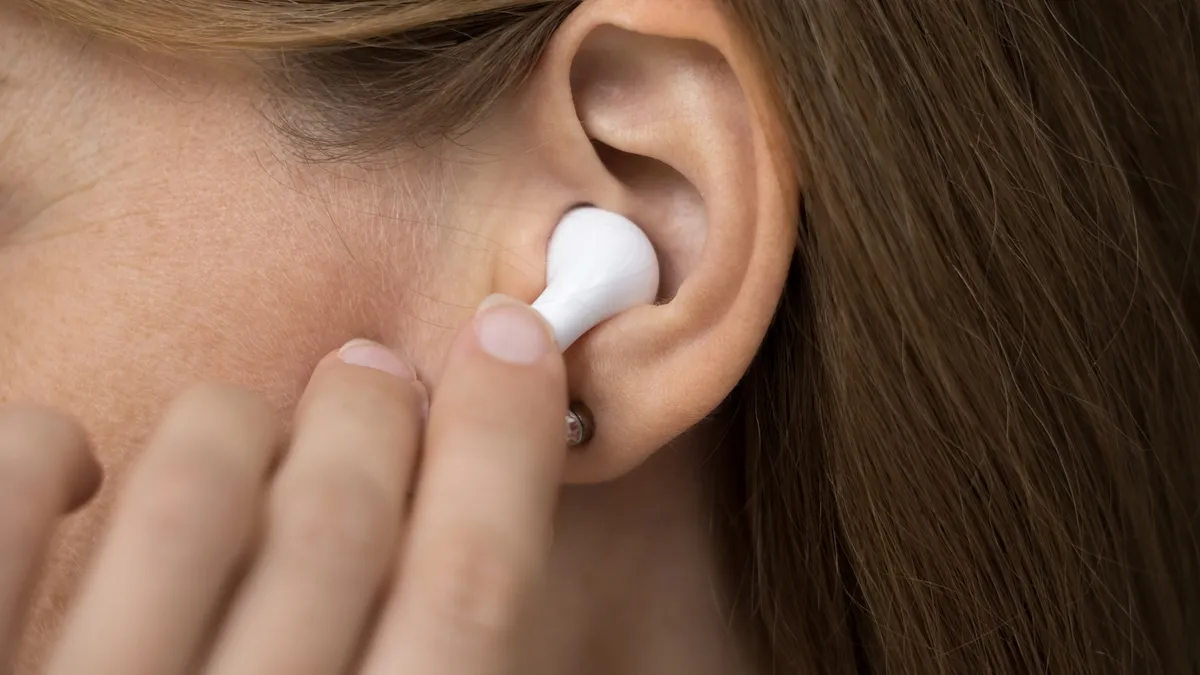
Earbuds can pose a few risks, according to Dr. Ruth Reisman, a licensed audiologist and New York hearing aid dispenser. They can trap heat and moisture in the ear, increasing the risk of ear infections. With repeated use, earbuds can also push earwax deeper into the ear, leading to buildup or impaction. Plus, if your earbuds don’t fit correctly or you wear them for long periods, they can cause irritation or soreness in your ear canal.
Advertisement
“Earbuds sit directly in the ear canal, which can increase several risks. The biggest concern is noise-induced hearing loss if volume is too high or listening time is too long,” said Reisman. “I have witnessed all of these problems in the course of my 15 years as an audiologist.”
When you listen to content at high volume, particularly for an extended period, Dan Troast, an audiologist at HearUSA, explains that it can permanently damage the delicate hair cells in your inner ear. Earbud use combined with high volume can cause:
Noise-induced hearing loss
Tinnitus (ringing, buzzing or hissing in the ears)
Sound sensitivity over time
Misusing earbuds is also common. If they don’t have noise cancellation, you might repeatedly turn up the volume to avoid hearing background noise, which can put you in an unsafe listening range fast. However, even listening at a moderate volume can become a problem if you do so for hours each day.
“Early signs of overexposure include temporary muffled hearing or ringing after listening sessions — both are warning signals from the auditory system,” Troast said. Even if you periodically experience temporary ringing in your ears, it can ultimately increase your risk of developing chronic tinnitus.
Earbuds and radiation
In my search for ear health tips, I came across several articles discussing whether wireless Bluetooth earbuds can cause harm through radiation. I asked Reisman if this is true.
Advertisement
“Current scientific evidence doesn’t show that the energy from Bluetooth earbuds causes harm,” she said. “These devices emit far less radiation than cell phones and remain well below established safety limits. From an audiology standpoint, sound exposure is a far greater risk than radiation.”
Me wearing my beloved AirPods Pro 2.
Anna Gragert/CNET
Follow the 60/60 rule when using earbuds
Both Reisman and Troast recommend the “60/60 rule” to people who wear earbuds. The 60/60 rule means you listen at no more than 60% of the maximum volume for no more than 60 minutes at a time.
Advertisement
“Daily use is fine if the volume stays safe and ears are given time to rest,” Reisman advises. “I usually tell patients to take a 15- to 20-minute break for every hour of use.”
If you haven’t already, Troast recommends checking whether your devices have built-in hearing health settings that automatically monitor volume exposure. For instance, on your iPhone, Apple Watch or iPad, you can set up headphone notifications to alert you to lower the volume when you’ve reached the seven-day audio exposure limit (such as 80 decibels for 40 hours over seven days). Or, you can activate the Reduce Loud Audio feature to have your headphone volume automatically lowered once it exceeds your set decibel level.
Safer headphones for your ears
Over-the-ear headphones are generally safer, according to Reisman, because they sit outside the ear canal and don’t concentrate sound as directly on the eardrum. Since they aren’t in the ear canal like earbuds, they’re also less likely to cause irritation or earwax buildup.
“Over-the-ear headphones can be safer — if they allow for lower listening volumes,” said Troast. “Even better are noise-canceling headphones, which reduce background noise, so listeners don’t feel the need to crank up the volume.” Just make sure you’re still aware of your surroundings, especially if you’re outdoors near traffic.
Advertisement
Open earbuds could also be a safer option. They use bone-conduction technology, which transmits sound through the earbones and the skull rather than directly to the eardrum. “Several headphone companies claim open earbuds are better for your hearing health and are more hygienic,” said David Carnoy, CNET’s resident headphone expert.
Since open earbuds don’t sit inside or cover the ear:
Warmth and moisture, like sweat, won’t build up, which can cause ear infections.
Debris, such as dust, won’t transfer from the earbuds into the ear.
They won’t push earwax deeper in your ear, which can lead to impaction.
Don’t rub or press on the ear canal, reducing discomfort or irritation.
However, if you listen to content at high volumes, no headphone style is completely safe. What matters most for your ear and hearing health is total sound exposure over time, so make sure you’re monitoring your volume level and giving your ears breaks.
If you continue to wear earbuds, make sure you’re doing so safely — and that they fit properly.
Advertisement
Anna Gragert/CNET
Expert earbud tips
If earbuds are your preferred headphone type for listening to your favorite music, shows and podcasts, Troast offers the following tips from an audiology perspective:
Use built-in volume limit settings on smartphones.
Choose noise-canceling earbuds or headphones to avoid increasing volume in loud environments.
Take regular listening breaks.
Avoid sleeping in earbuds.
Get a baseline hearing test, especially if you use earbuds daily.
If you’re already experiencing tinnitus, it’s especially important that you manage your volume level to prevent it from worsening.
Carnoy adds that there have also been instances of people being allergic to the materials used for earbud tips. If you have a known allergy, make sure your earbuds don’t use that material, or replace the tips. If you do have an allergic reaction, stop using the earbud tips until you can find a substitute.
Lastly, Reisman advises keeping your earbuds clean, avoiding sharing them and ensuring they fit properly. Most earbuds come with tips in different sizes, so you can find the right fit for your ear size.
When to see an audiologist or doctor for hearing issues
If you experience ringing in the ears, muffled hearing, ear pain or frequent infections, Reisman recommends you consider an evaluation with an audiologist.
Advertisement
You’ll also want to pay attention to early warning signs of inner ear damage from noise exposure, such as ringing in the ears, difficulty hearing or needing to turn up the volume over time.
If you’re already experiencing hearing loss, Troast said that addressing it with hearing aids can provide relief. Tinnitus, on the other hand, can be treated with evidence-based approaches such as sound therapy or specific counseling strategies.
“Hearing damage is gradual and cumulative,” Reisman said, “but it’s also largely preventable with smart and healthy listening habits.” And that includes using your headphones — or, in my case, earbuds — responsibly.
A new NYT Strands puzzle appears at midnight each day for your time zone – which means that some people are always playing ‘today’s game’ while others are playing ‘yesterday’s’. If you’re looking for Saturday’s puzzle instead then click here: NYT Strands hints and answers for Saturday, April 25 (game #783).
Strands is the NYT’s latest word game after the likes of Wordle, Spelling Bee and Connections – and it’s great fun. It can be difficult, though, so read on for my Strands hints.
Want more word-based fun? Then check out my NYT Connections today and Quordle today pages for hints and answers for those games, and Marc’s Wordle today page for the original viral word game.
Advertisement
SPOILER WARNING: Information about NYT Strands today is below, so don’t read on if you don’t want to know the answers.
Article continues below
NYT Strands today (game #784) – hint #1 – today’s theme
What is the theme of today’s NYT Strands?
• Today’s NYT Strands theme is… Get into it
NYT Strands today (game #784) – hint #2 – clue words
Play any of these words to unlock the in-game hints system.
Advertisement
BUSKER
BUSH
READ
QUAD
REAL
GLARE
NYT Strands today (game #784) – hint #3 – spangram letters
How many letters are in today’s spangram?
• Spangram has 9 letters
NYT Strands today (game #784) – hint #4 – spangram position
What are two sides of the board that today’s spangram touches?
First side: top, 3rd column
Last side: bottom, 4th column
Advertisement
Right, the answers are below, so DO NOT SCROLL ANY FURTHER IF YOU DON’T WANT TO SEE THEM.
Advertisement
NYT Strands today (game #784) – the answers
(Image credit: New York Times)
The answers to today’s Strands, game #784, are…
ARGUE
DIFFER
QUARREL
WRANGLE
SQUABBLE
BICKER
SPANGRAM: LOCKHORNS
My rating: Easy
My score: Perfect
Initially I thought the theme “Get into it” was describing new hobbies, like when you get into something new — like baking or model railways or jigsaws. Spotting ARGUE put a stop to this notion and sent me off on the path of enlightenment — or should we say path of disagreement.
Sign up for breaking news, reviews, opinion, top tech deals, and more.
The order in which you spot game words is crucial to how quickly you complete Strands.
Had I seen LOCKHORNS and WRANGLE first I would have thought we were looking to get into some rodeo action. We weren’t, obviously.
Advertisement
Yesterday’s NYT Strands answers (Saturday, April 25, game #783)
CORNER
DISCOUNT
GROCERY
CONVENIENCE
LIQUOR
SPANGRAM: STOREFRONT
What is NYT Strands?
Strands is the NYT’s not-so-new-any-more word game, following Wordle and Connections. It’s now a fully fledged member of the NYT’s games stable that has been running for a year and which can be played on the NYT Games site on desktop or mobile.
I’ve got a full guide to how to play NYT Strands, complete with tips for solving it, so check that out if you’re struggling to beat it each day.
Spoiler for the very first thing you see in the upcoming game Saros: It’s a bunch of words. The letters type out one by one onto the screen, spelling out some world-building that gives context to kick off the game’s story. I don’t remember what any of it said, because I was so focused on the tactile vibrations coming from the controller in my hands. There is a sharp haptic buzz for every letter, and it immediately feels very clicky-clacky. From the very beginning, Saros makes its intentions clear—this is a story you’ve got to feel.
Since the launch of the PlayStation 5, Sony’s DualSense controllers have enabled haptic feedback that developers can use to make the controller vibrate in just the right way to communicate the feel of what is happening on the screen. Maybe it’s letters typing across the screen, little patters of rainfall, or a big rumble when shooting a gun or whacking something with a melee weapon. Adaptive triggers add resistance to the main triggers, meaning the difference between feathering the trigger and pulling it all the way down is very apparent.
Saros, launching on April 30, is developed by Housemarque, a Finnish studio owned by Sony. It has been here before, when it released the highly regarded PlayStation 5 game Returnal in 2021. That game, as a launch title for the console, aimed to make use of all the new technology Sony was offering with its hardware, especially the haptic and adaptive features in the DualSense controller. Gregory Louden, the creative director at Housemarque who has helmed development on both games, says both titles came with an added bit of pressure to show off what the console could do.
“Back when we started Returnal, we almost felt a responsibility—because we were a launch window title for PlayStation 5—what can you do with this hardware?” Louden tells WIRED. “In a lot of ways, we’re doing it for our players, but also doing it for the medium to try to inspire others.”
As it did with Returnal, Housemarque has developed its newest game to take full advantage of the PlayStation 5’s DualSense controllers. It also uses 3D audio features to make the world feel more lively. Returnal and Saros came out on the same hardware, but Louden says it all gels even more now than ever.
Advertisement
“We’ve really pushed the graphics and pushed the hardware,“ Louden says. “We wanted to do something even better for players and really make the most of the DualSense.”
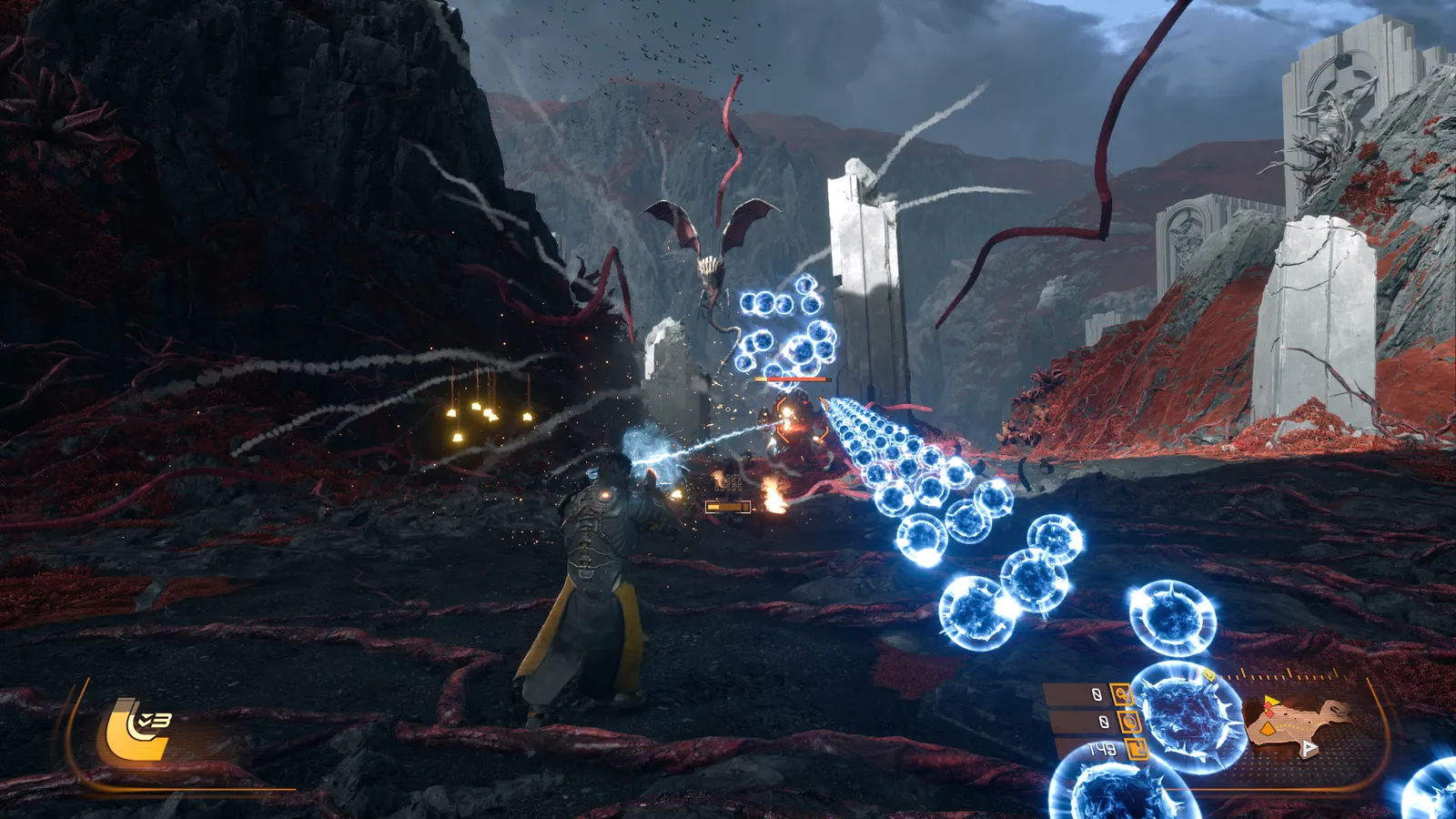
From the few hours I’ve spent with it, Saros feels quite excellent to play. It is a dark sci-fi roguelike where you mow down dozens of hostile aliens in a barrage of frenetic, tactile gameplay. The battles feel especially palpable because everything onscreen translates to what you feel in the controller. The obvious moves are replicating the feel of shooting a weapon or feeling the reverberations when the enemies’ bullets and explosives crash into your shield. But Housemarque has also deployed haptics in more careful, subtler ways, like during cinematics, where a steady haptic pulse helps make the onscreen characters’ tension and anger more visceral.
Although 3D printing it a great tool for making all sorts of things, the nature of the plastics used in most desktop FDM printers means it isn’t the first tool most would think of to build an internal combustion engine. [Alexander] is evidently not most people, as he’s on his third generation 3D printed engine.
There are 3D printed pumps to distribute coolant water and oil, plus some clever engineering in the head to make sure they don’t mix — a problem with a previous iteration. As you probably guessed, the engine isn’t fully printed. Assembling it requires add-on hardware for things like bearings, belts, and filters.
But it’s still impressive just how much of this beast is actually made of plastic. Not even fancy engineering plastic, either — there are a few CF-Nylon parts, but most of it is apparently good old ASA and ABS.
If you’re looking for “cheats”, the plastic engine block does get a stainless steel sleeve, and the head is CNC’d aluminum, but we hesitate to call anything that gets a homemade engine running a “cheat”. It’s hard enough using all the ‘right’ materials. Just like another 3D printed engine we featured, the carb is also an off-the-shelf component.
Advertisement
Still, it’s the dancing bear all over again: it’s not how well it runs that impresses, but the fact that it runs at all. We’ve also seen hackers use 3D printing to make steam engines, hot-air Stirling engines, and electric motors— all with varying amounts of non-printed parts.
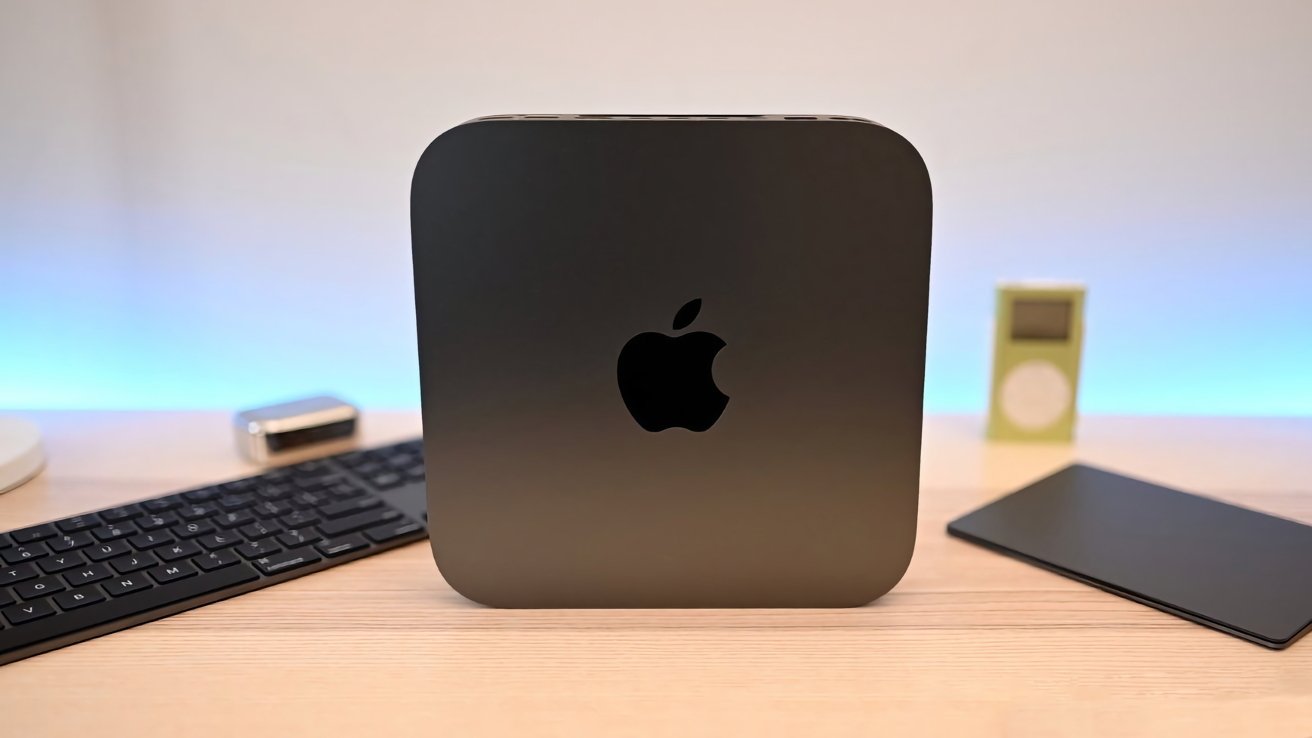
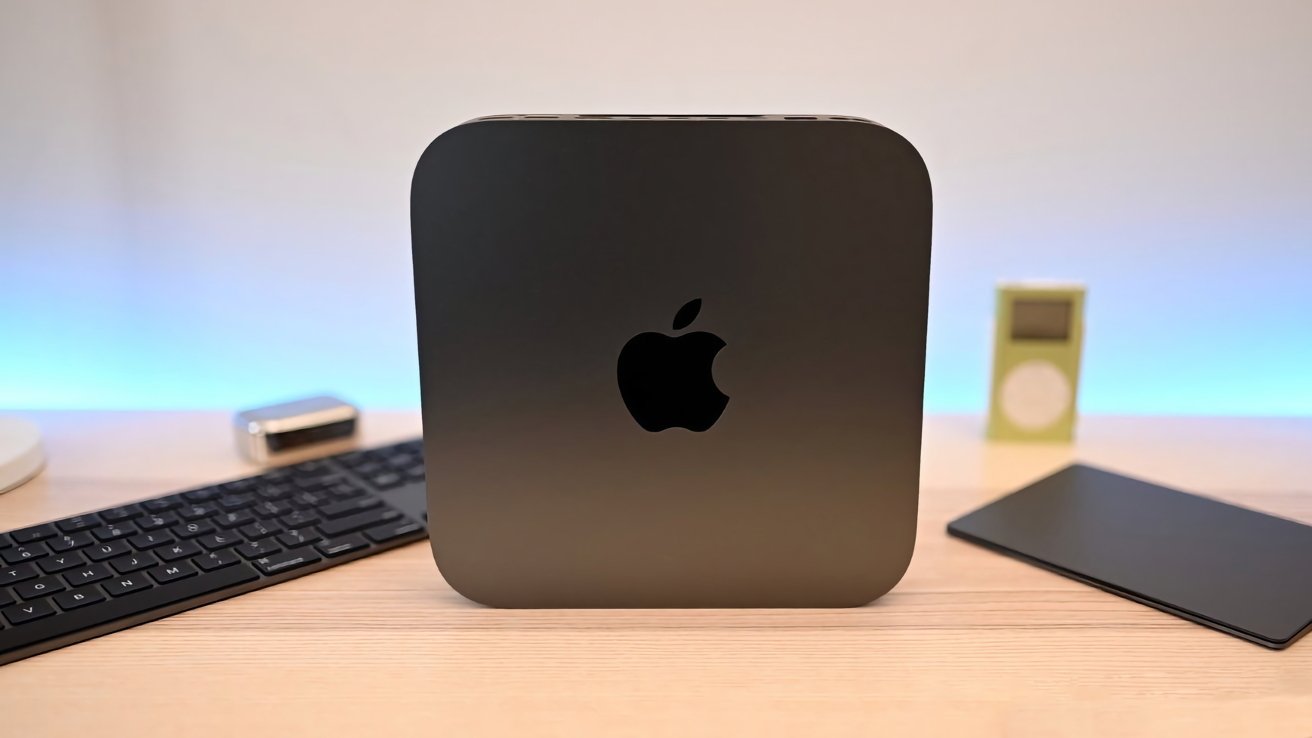
If you’ve upgraded to a new Mac, don’t throw away your old one. Here are some ideas of things you can do to get more out of your older Apple desktop.
The 2018 Mac mini may be ‘Obsolete’ but it still has its uses.
Buying a new Mac or MacBook can be a thrill. The bump of speed, the extra memory and storage that’s free of clutter, and the unscratched, clean casing can make most Mac users instantly happy. However, after drinking in all the potential of your new digital workspace, you’ll soon be reminded that you still have your old one. After you’ve migrated your software and files over to your new daily driver, it may seem that there’s little point in keeping your old one around. Continue Reading on AppleInsider | Discuss on our Forums
Microsoft is rolling out Windows Update improvements that give users more control over how updates are installed while reducing disruption from frequent or poorly timed restarts.
The company says the improvements are now rolling out to Windows Insiders, following user feedback that highlighted two key issues: updates are disrupting workflows, and there is a lack of control over when they are installed.
“We are continually reading the feedback submitted about the Windows update experience. Personally, I’ve had the opportunity to read over 7,621 direct verbatims over the last few months,” explains Microsoft’s Aria Hanson.
“Across this feedback there are two key themes that persistently pop out: disruption caused by untimely updates and not enough control over when updates happen. The changes we’re rolling out today are focused on giving Windows users more control over their PC experience, while keeping devices secure by design and by default.”
Microsoft has already introduced a new feature that lets Windows users skip updates during the out-of-box experience (OOBE), allowing them to access the desktop faster and install updates when it’s most convenient. This option is not available on managed commercial devices or systems that require updates to function.
Advertisement
The company is now introducing changes to how update pauses work, allowing Windows users to select a specific date to pause updates for up to 35 days using a flyout calendar interface. This pause can then be extended repeatedly without a fixed limit.
Windows Update calendar flyout for pausing updates Source: Microsoft
Another change targets a common complaint, which is unexpected updates during shutdown or restart.
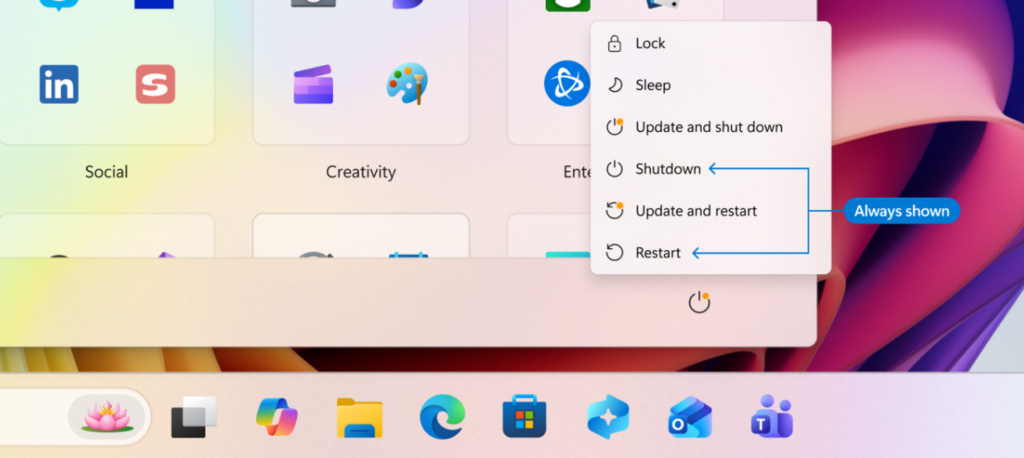
The Power menu will now separate standard power options from update-related actions, offering “Restart” and “Shut down” options without triggering updates, while the normal “Update and restart” and “Update and shut down” options are used when updates are ready to be installed.
New Update and Shutdown options when updates are available Source: Microsoft
Microsoft says they are also going to be clearer about how they offer updates, especially drivers, which are commonly offered under the same company name but without any indication of which device they are for.
Windows Update will now display the device type, such as display, audio, or battery, directly in the update title to help users determine what is being installed.
Finally, Microsoft is reducing disruptions by consolidating different update types into a single monthly restart. For example, Driver, .NET, and firmware updates will now be installed along with the monthly cumulative updates, reducing the number of required reboots.
Advertisement
“Updates will download in the background, then will wait for a coordinated installation and restart. This installation and restart will align with the next Windows quality update or other update that you manually approve,” explains Hanson.
“Users can always acquire all or specific updates earlier if desired by initiating download, install, restart (if applicable) for available updates.”
The features are currently rolling out to Windows Insiders in the Dev and Experimental channels, with them later being rolled out to all users.
AI chained four zero-days into one exploit that bypassed both renderer and OS sandboxes. A wave of new exploits is coming.
At the Autonomous Validation Summit (May 12 & 14), see how autonomous, context-rich validation finds what’s exploitable, proves controls hold, and closes the remediation loop.
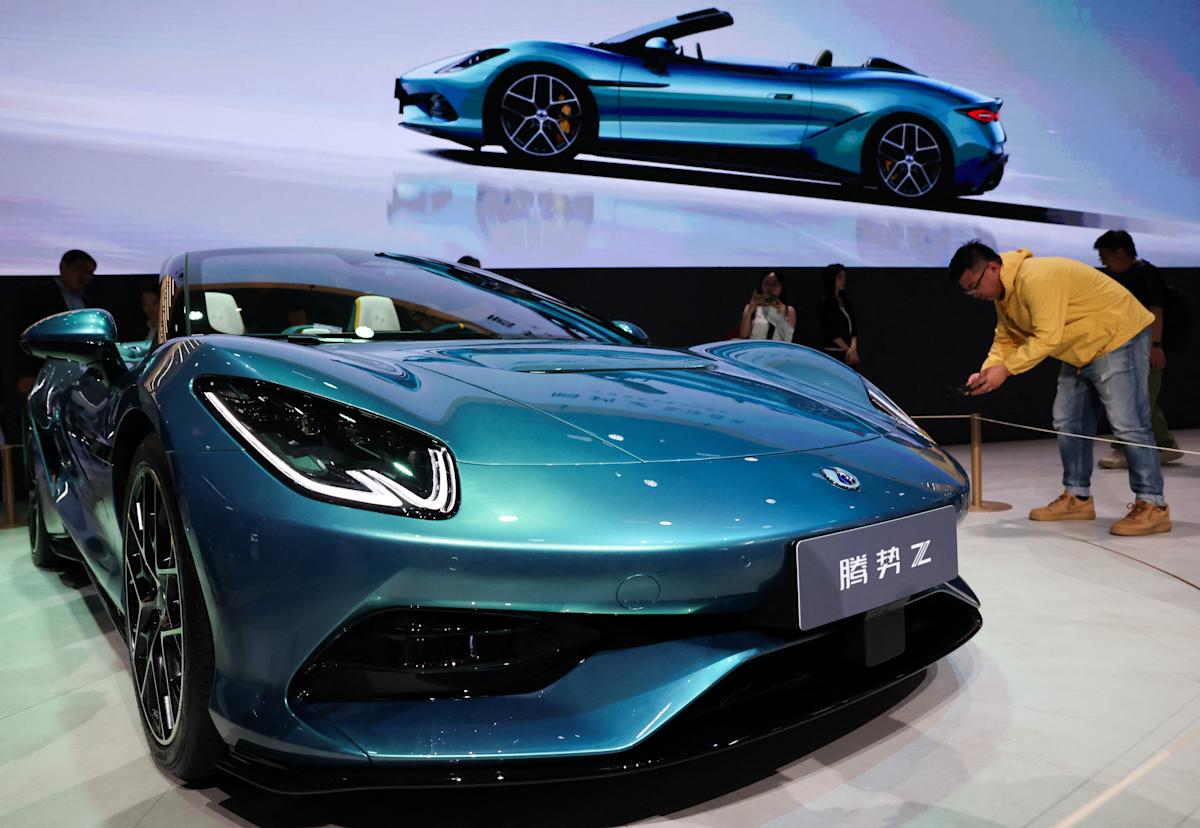
BYD may be known for its affordable all-electric cars, but that doesn’t mean it won’t dabble in the occasional hypercar under one of its subsidiary brands. Through its Denza subbrand, BYD unveiled the Denza Z, a hypercar that can push out more than 1,000 horsepower with an all-electric motor, at the Beijing Auto Show. According to CarNewsChina, the Denza A can hit 0 to 60 mph in less than two seconds, rivaling the likes of the Rimac Nivera.
BYD first showed off the Denza Z as a concept during the Shanghai Auto Show in 2025. A year later, the Chinese EV maker confirmed its latest hypercar as a four-seater that will come in hard-top, convertible and “track” configurations. BYD hasn’t revealed the Denza Z’s full specs yet, so we’re not sure what differentiates the track edition. So far, the company has shared that it would use the company’s intelligent suspension system called DiSus-M, which is similar to Chevrolet Corvette’s Magnetic Ride Control, and its Flash Charging system. BYD also told AutoExpress that the Denza Z will have some of the features seen with the BYD’s YangWang U9, like autonomous driving and “tank turning.”
Surprisingly, BYD is planning to release the Denza Z to Europe first, with an inaugural ride at the Goodwood Festival of Speed in the UK in July. The automaker hasn’t revealed pricing yet, but it should be more available than BYD’s other hypercar under its YangWang subsidiary that’s limited to 30 units.
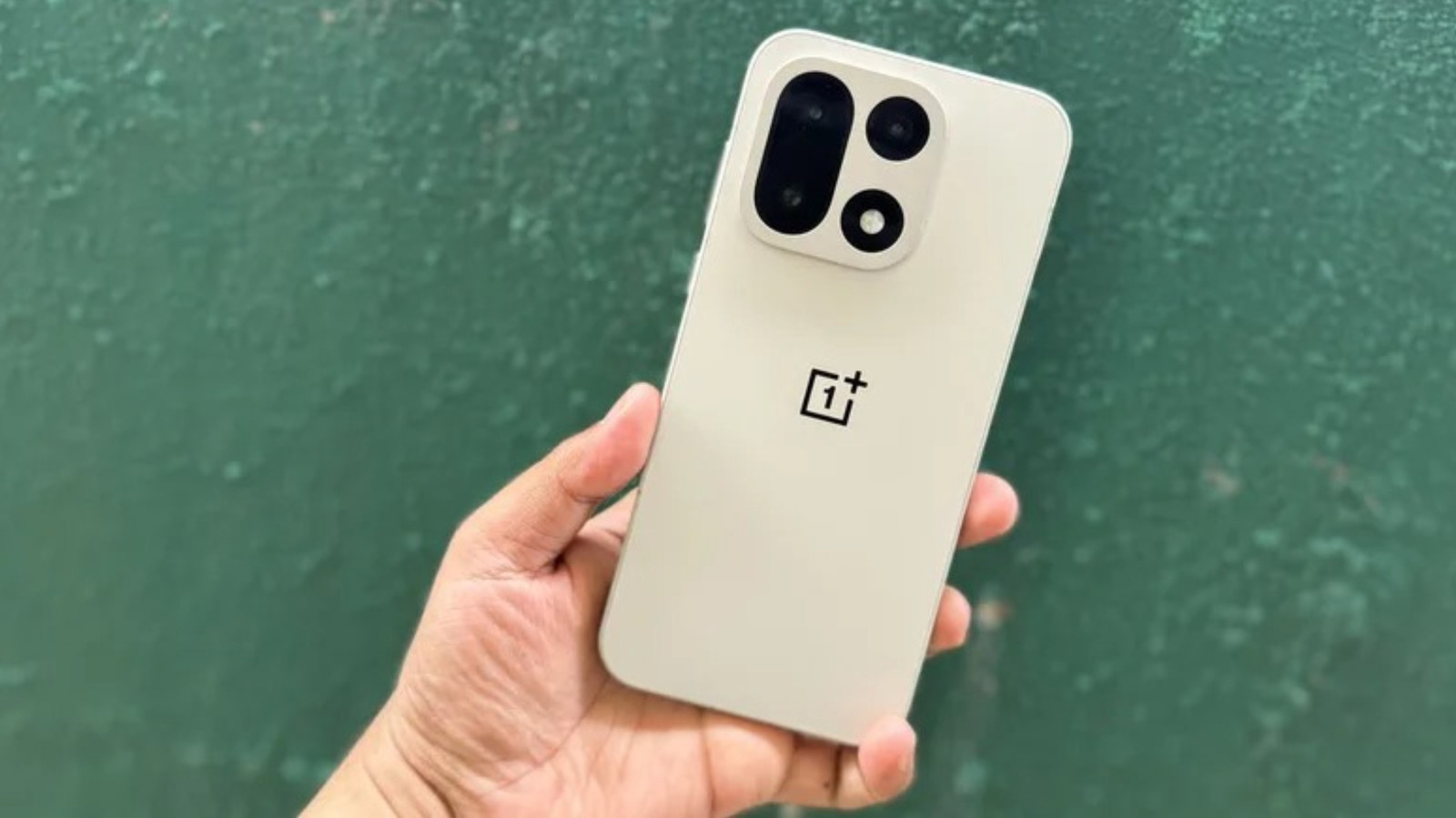
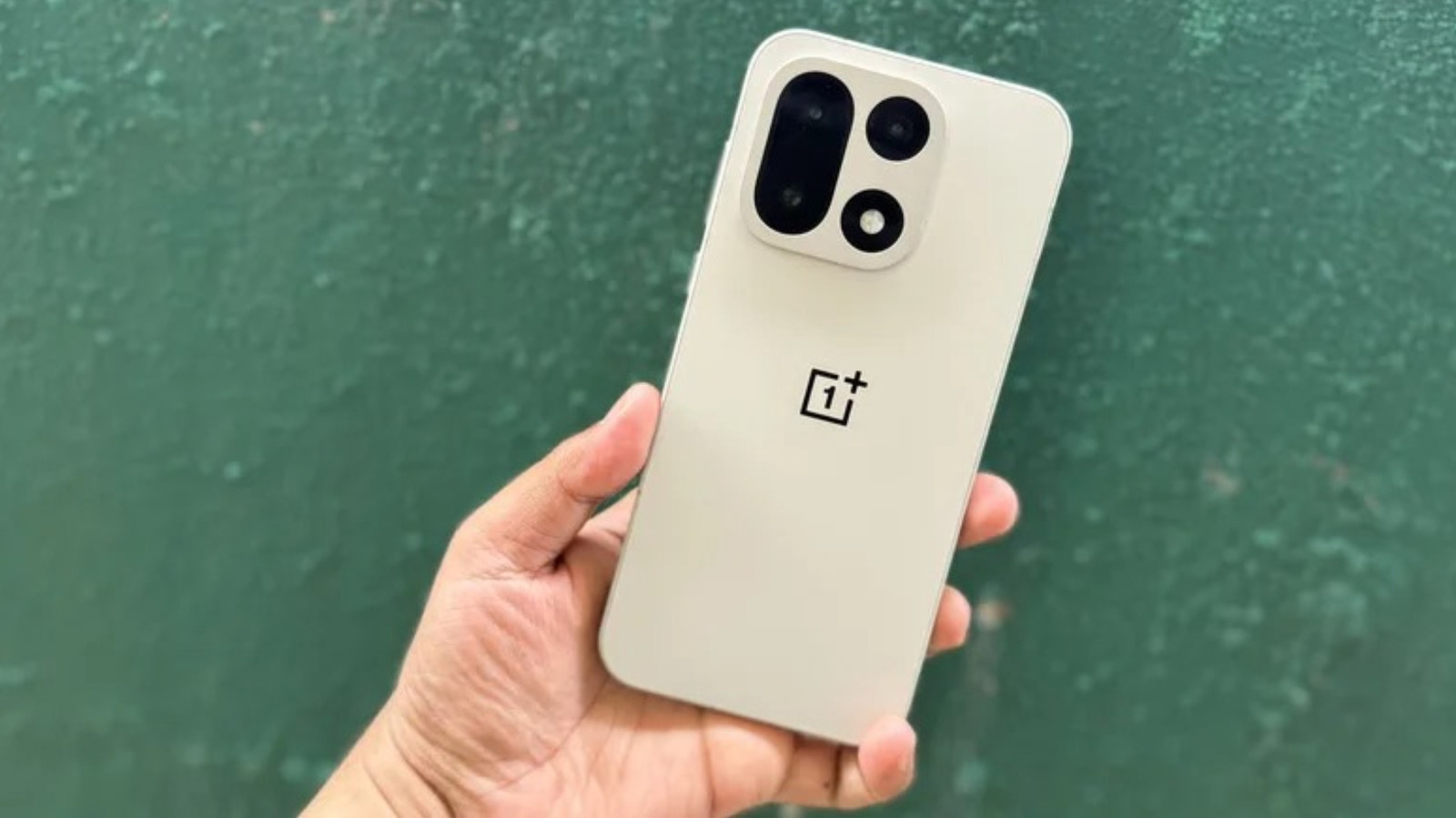
Starting last year, smartphone batteries began doing something previously thought impossible. Battery technology had long been somewhat stagnant, and 5,000 milliamp-hours (mAh) was considered to be on the large side. Batteries of that size can power a flagship phone for one to three days, depending on use patterns and software optimization, but they’re also easy to kill in a few hours if you shoot a lot of video or play demanding video games. But then a new battery technology called silicon-carbon hit the market. We quickly saw phones like the OnePlus 15, which carries a 7,300 mAh cell, and the Honor Power 2, which carries a whopping 10,080 mAh capacity. And these aren’t chunky devices. They’re as sleek as you’d expect a brand-new smartphone in the mid-2020s to be.
Given all of this, smartphone enthusiasts have started to wonder why Apple, Samsung, and Google are late to the party. Battery improvements are one of the most tangible ways to make consumers upgrade their phones. A slightly improved camera might move some photography-forward folks, but a battery that’s impossible to kill before you make it home from work? That’s an upgrade everyone can see the value in. So why did the iPhone 17, the Galaxy S26, and the Pixel 10 all launch with old-fashioned lithium-ion batteries?
Advertisement
YouTuber Marques Brownlee, better known as MKBHD, decided to investigate. His findings were inconclusive, but pointed toward a very simple explanation. Namely, major brands like the big three can’t afford to take risks on an unproven battery technology. So, is that the real reason for the lack of silicon-carbon batteries in Western markets, and if so, does it hold up under scrutiny? Here’s what we know.
Advertisement
Silicon carbon may be too big a risk for major smartphone makers
In his video exploring the rationale driving companies like Apple and Google to hold off on adopting silicon-carbon batteries, Marques Brownlee found a simple explanation. Those companies have brand reputations to maintain, and if there’s a risk that their latest flagship phones could become the next Galaxy Note 7 (which had the worst smartphone recall in history due to thermal runaway issues in its batteries, and was even banned on flights by the Department of Transportation, they’d rather appear behind the cutting edge than face that kind of public crisis. Granted, the Note 7 was powered by lithium-ion batteries.
Brownlee, who has griped about the lack of silicon-carbon batteries in his recent smartphone reviews, claimed that a number of employees at various companies have reached out to him and clarified some of the concerns about the technology. Though he declined to name sources in order to protect their anonymity, Brownlee said the emails were corroborated by other sources he spoke with, who each mentioned concerns around the potential for battery swelling and poor longevity in silicon-carbon batteries.
As Brownlee explained, batteries naturally swell and contract as they heat and cool. It’s a basic principle of physics that affects not only the way batteries are designed, but also buildings, public infrastructure, and more. And, of course, this cycle of expansion and contraction degrades batteries over time. Silicon-carbon batteries expand more than lithium-ion batteries — in fact, as Brownlee notes, the carbon is largely there to absorb the excess stress caused by a power cycle. Given the uncertainty around their safety and longevity, silicon-carbon batteries likely won’t show up in iPhones, Pixels, or Galaxy devices for a bit longer.
Advertisement
The counterpoint: all smoke, no fire
The reason Apple, Google, and Samsung aren’t using silicon-carbon batteries may indeed be that they’re scared to adopt new battery technology before it’s been proven safe, as Marques Brownlee was allegedly told by industry insiders. But the only thing his video actually confirmed, some argue, is that companies are afraid to use the tech, not that their fears are well-founded.
Silicon-carbon battery technology has now been on the market for a while, and adoption truly exploded (pun intended) in 2025 as many Chinese brands rushed silicon-carbon-powered phones to market with enormous cell capacities plastered on their marketing materials. If fears around the stability and longevity of these batteries were warranted, wouldn’t we have seen an epidemic of combusting Honor, Oppo, and Xiaomi phones by now?
Advertisement
It is, of course, possible that issues will show up later. Maybe a bunch of OnePlus 15 devices will start exploding next year, or the year after. Meanwhile, lithium-ion batteries aren’t exactly bulletproof (again, the Note 7 bears mentioning). Many people have experienced the terror of finding their smartphone split open from a swollen battery. It’s just one reason why that old smartphone sitting in your drawer could be a disaster waiting to happen.
Risk-averse tech companies are likely to wait a bit longer before dipping their toes into the silicon-carbon waters, while smaller firms, which have more to gain from impressive spec sheets than they have to lose if a product goes sideways, will keep swimming laps around them. In some ways, that’s a healthy ecosystem. The average consumer who isn’t a tech enthusiast will continue to buy smartphones from safe, mainstream brands, while those who would willingly read an article like this to its conclusion can indulge in the bleeding edge.






















































You must be logged in to post a comment Login