
Business
Renova’s approach between ergonomics and operational continuity

For many years, internal material handling was considered a secondary function, necessary to feed lines, clear areas and move materials between departments.
This is changing. Rising operational complexity and higher volumes are transforming internal flows into a lever for continuity, labor sustainability and reduced congestion within plants. SKU proliferation, omnichannel strategies, flexible production schedules and multi-shift operations are increasing pressure on material movements. Disruptions in these flows can slow production, increase Work-in-Progress (WIP) and create bottlenecks in critical areas. Internal logistics, once invisible, is now treated as part of the industrial system.
A more complex operating environment
Manufacturing is no longer based solely on homogeneous batches and linear sequences. Lines are supplied more frequently and with product variants. The result is a higher density of movements on wheels (carts, containers and dedicated carriers) that must reach the line regularly to sustain continuity. At the same time, several sectors are reducing the use of heavy vehicles near production. In automotive, pharma, food and packaging, forklifts are being replaced with lighter and more ergonomic solutions. Drivers include safety, congestion, space constraints and costs related to licensing, insurance and maintenance.
The workforce variable
Labor availability is another structural element. Repetitive manual handling requires physical force, increases injury risk and is difficult to sustain over three shifts. Improving ergonomics is no longer a collateral benefit but a way to protect uptime, reduce turnover and retain qualified personnel.
Not only automation: the gradual transition
The debate around automation in internal logistics is often framed as a choice between manual handling and fully autonomous systems such as AGVs, AMRs or industrial robots. Adoption, however, tends to be more incremental. Many plants are not yet prepared for full automation due to investment levels, layout implications, integration requirements and the rigidity associated with fixed automated flows. This is creating space for an intermediate category: operator-assist electric solutions that remove physical effort, support flow continuity and retain operator flexibility. These systems require no infrastructure, no software integration and no plant modifications, and typically deliver a faster ROI than full automation.
Across sectors, three priorities are shaping decisions on internal handling upgrades:
- Labor sustainability → reducing strain, injuries and turnover
- Operational continuity → regular line feeding, including multi-shift
- Flexibility → avoiding rigid systems that limit layouts and product mix
There is also growing interest in reducing heavy vehicles in high-density human areas for safety and space configuration reasons.
Renova’s proposal in the operator-assist segment
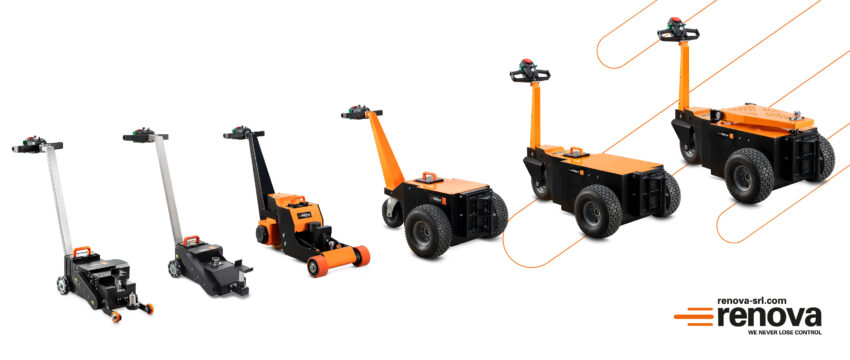
In this context, operator-assist technologies represent a strategic intermediate layer between manual processes and autonomous systems. Renova has developed a dedicated material handling range, including cart movers and electric tow tugs, designed to prioritize ergonomics, ensure continuity across multiple shifts, and provide high operational flexibility.
A range designed for operational versatility
Renova’s new material handling line covers a wide range of applications, from line-side movements in tight spaces to heavy-duty movements in aerospace, marine and waste-handling environments. With capacity to move wheeled loads up to 6 tons, these systems can be deployed in sectors that have significantly increased the density of internal movements over recent years. Globally, industries such as pharma, food & beverage, aerospace and industrial logistics are growing at annual rates of 5–7%, driven by higher volumes, SKU expansion and multi-shift production. In Europe, this trend is reinforced by the progressive reduction of forklifts near production and the rise of operator-assist solutions as a stable intermediate category.
The range includes Cart Movers and Electric Tow Tugs.The MCE 400/500 cart mover models handle up to 5-ton carts, while the MTE electric tow tug series covers 1.5 to 6-ton applications. Compact models such as MTE 1000/1500 are suited for line-side, end-of-line and machine feeding; MTE 100W is optimized for two-wheel carts often used in the textile industry; and MTE 3500, MTE 6000 and MTE 6000S address heavier towing tasks typical of waste handling, airport and marine sectors.
Integrated with ergonomic handles, the heavy-duty design enables precise maneuverability both indoors and outdoors, including irregular surfaces, tight layouts and non-linear paths. The systems easily overcome obstacles while maintaining full control and operational safety, with compliance to ISO 11228. The Plug&Play lithium battery system supports multi-shift operations without charging downtime, and no operator license is required, reducing training costs and expanding workforce eligibility. Both the device and the battery system come with a two-year warranty, ensuring operational continuity and lower lifecycle costs. For sectors with specific requirements, including chemical and pharmaceutical, ATEX configurations are available.
Balancing efficiency, continuity and flexibility
Ultimately, the shift in internal handling is being driven as much by economics as by ergonomics. Plants are seeking continuity with fewer forklift interventions, shorter integration cycles and a lower total cost of ownership, all while facing tighter layouts and more demanding labor models. Operator-assist systems respond to these constraints by offering a scalable upgrade path that does not require infrastructure, software integration or specialized licensing.
If warehouse and fulfilment operations have already been heavily automated, the open question for the coming decade is how far internal flows can evolve without compromising flexibility. Renova’s new Material Handling range moves precisely in this direction, enabling a more balanced distribution of tasks between operators, equipment and automated systems, and opening the discussion on what the next stage of internal handling might look like inside modern plants.
Sources:
- 2025 Warehouse Automation & Order Fulfillment Study – Peerless Research Group
- 2025 Warehouse Automation Industry Outlook- Modern Materials Handling
- Warehouse Automation Market Report 2025–2029-ResearchAndMarkets.com
- OSHA 2023 Work-Related Injury & Illness Summary (PDF)
- OSHA Warehousing Hazards & Safety Guidance


SYDNEY — With escalating U.S.-Iran tensions threatening to disrupt 20% of global oil supply through the Strait of Hormuz, Australian investors are increasingly favoring physical gold and gold mining stocks over Bitcoin as a store of value, according to market participants and fund flow data on Tuesday, March 24, 2026.

Gold prices stabilized around $4,360 per ounce after sharp declines earlier in the week, while Bitcoin traded near $70,000, showing resilience but failing to deliver the classic “digital gold” safe-haven performance many had anticipated. The divergence highlights a broader reassessment among retail and institutional investors Down Under, where superannuation funds and self-managed accounts grapple with geopolitical risk, sticky inflation and higher-for-longer interest rates.
The conflict intensified after U.S. and Israeli strikes on Iranian targets in late February, prompting Tehran to restrict shipping in the Strait of Hormuz. Oil prices surged above $100 a barrel at times, fueling inflation fears that have weighed on both assets but hit gold particularly hard in recent sessions. Australian gold miners on the S&P/ASX 200, such as Northern Star Resources and Evolution Mining, rebounded modestly Tuesday as the benchmark index edged higher, reflecting selective buying in the resources sector.
Gold, long viewed as the ultimate crisis hedge, initially spiked above $5,000 per ounce in early March amid fears of prolonged disruption but has since erased much of its 2026 gains. Spot prices hovered near $4,360-$4,394 in futures trading, down significantly from February peaks. The metal’s recent weakness stems from a stronger U.S. dollar, elevated real yields and profit-taking as diplomatic talks offered a sliver of hope for de-escalation.
Bitcoin, meanwhile, has held relatively steady around $69,000-$71,000 despite the turmoil. Some analysts noted the cryptocurrency outperformed gold in the initial phase of the conflict, gaining roughly 10% while bullion retreated. Proponents argue its decentralized nature and 24/7 trading make it a modern alternative during periods when traditional markets face liquidity constraints. Yet its correlation with risk assets, including equities and oil, has limited its safe-haven credentials this time.
In Australia, the choice between the two assets carries unique local considerations. The Australian dollar has weakened against the greenback amid global uncertainty, boosting the local-currency value of gold for domestic holders. Gold mining stocks listed on the ASX, including Northern Star, Newmont’s local shares and Evolution Mining, have seen volatile swings but attracted bargain hunters Tuesday as the broader index recovered slightly.
Superannuation funds and exchange-traded products provide easy exposure. Australian Bitcoin ETFs, such as VanEck Bitcoin ETF (VBTC) and others, have experienced mixed flows in 2026. While U.S. spot Bitcoin ETFs recorded billions in inflows recently, Australian crypto products saw inflows halve in late 2025 and early 2026 amid price corrections. Gold-focused ETFs and physical bullion dealers, by contrast, reported steady demand from conservative investors seeking tangible protection.
Financial advisers in Sydney and Melbourne say retail clients are split. Younger, tech-savvy investors with higher risk tolerance continue allocating to Bitcoin via ETFs or direct holdings, viewing it as “digital gold” with growth potential. Older or more conservative savers, particularly those nearing retirement, are rotating toward gold or gold miners, citing its 5,000-year history as a crisis asset and its lack of counterparty risk.
“Geopolitical shocks like the Hormuz situation remind investors that Bitcoin still moves with equities and liquidity conditions,” said one Melbourne-based wealth manager who declined to be named. “Gold may not always rally immediately, but it has never gone to zero.”
Institutional data underscores the nuance. Australian Bitcoin ETFs managed several hundred million in assets as of early 2026, with flows turning positive in March on U.S. momentum but remaining sensitive to local sentiment. Gold exposure through ASX-listed miners and ETFs has been more stable, though recent price action in bullion caused temporary weakness in mining shares.
The Reserve Bank of Australia’s monetary policy adds another layer. With inflation concerns amplified by energy prices, markets have pushed back expectations for rate cuts. Higher rates increase the opportunity cost of holding non-yielding gold, yet they also support the currency and can indirectly benefit resource exporters. Bitcoin, often treated as a growth asset, suffers when liquidity tightens.
Tax and regulatory differences matter too. Capital gains tax applies to both assets in Australia, but gold bullion held physically can qualify for certain concessions in some structures, while crypto remains fully taxable with added complexity around record-keeping. Self-managed super funds have increased allocations to both, but compliance and custody requirements differ sharply.
Looking ahead, analysts debate which asset is better positioned. Gold could regain luster if Hormuz disruptions persist and inflation expectations climb further. Central banks worldwide, including those in Asia, continue buying physical gold, providing structural support. Bitcoin’s fate hinges on institutional adoption via ETFs, corporate treasury interest and eventual regulatory clarity in major jurisdictions.
For now, the data shows a cautious tilt toward gold among Australian investors facing genuine supply shock risks. ASX gold stocks posted gains Tuesday even as the broader market remained tentative, while Bitcoin traded in a relatively narrow range.
The debate between gold and Bitcoin is unlikely to resolve quickly. Both assets have proponents who see them as hedges against fiat currency debasement and geopolitical instability. In the current environment of oil-driven inflation fears and delayed rate relief, however, many Australian portfolios are quietly adding more physical or equity exposure to the yellow metal while trimming or holding steady on cryptocurrency positions.
As the situation in the Middle East evolves, with President Donald Trump extending deadlines for potential strikes and Iran maintaining its stance on the strait, investors will continue weighing timeless reliability against technological disruption. For Australians, whose economy remains tied to commodities, the traditional choice appears to be regaining favor — at least until the next chapter in the crisis unfolds.

The firm said in a client communication that the higher charge will apply to traders who do not meet the Securities and Exchange Board of India‘s rule of maintaining at least 50% of collateral in cash or its equivalents on an intraday basis. Currently, Zerodha bridges this gap using its own funds without charging clients.
From April 1, intra-day futures and options trades funded by the broker will attract double the usual brokerage of ₹20 per order. The higher fees will not apply to intraday trades in stock trading.
Zerodha did not respond to requests for comment.
 Agencies
Sebi rules require at least 50% of margin collateral, whether for intraday or overnight positions, to be held in cash or cash equivalents, with the remainder allowed in non-cash assets. Cash equivalents include cash, bank guarantees, fixed deposit receipts and approved securities, among others, as per NSE Clearing.

The pricing increase by Zerodha, which popularised the zero-brokerage model in India, comes as derivative volumes are under pressure from the proposed Securities Transaction Tax (STT) hike from April 1. In the 2026 Union Budget, the government proposed raising STT on futures to 0.05% from 0.02%, and on options premiums to 0.15% from 0.10%.
This move could pave the way for other firms to raise brokerage fees. “One of the industry’s largest brokerage platforms has initiated this move, which could bring more discipline to pricing and may create a ripple effect across the wider industry,” said Pranay Aggarwal, director and chief executive of Stoxkart.
While many brokers do not charge for intraday shortfalls in cash collateral, interest of 9% to 18% per annum is typically levied on overnight or carry-forward positions. With revenues getting squeezed, brokerages are looking to soften the blow through other avenues.
“The amount of collateral that people have kept with us, on which they take margin to trade, has gone up like bonkers,” Zerodha’s chief executive officer Nithin Kamath, wrote on the firm’s website. “We are at a point where we might have to borrow funds in the near future to provide collateral for you all. Borrowed funds come at a cost.”
Kamath said the firm could have charged a percentage fee for accounts going into debit, as some brokers do.
“But we realised the impact due to that would be a lot more than charging a higher brokerage for trades executed only when your account is in debit, or when you don’t have at least 50% in cash while trading on collateral,” he said.
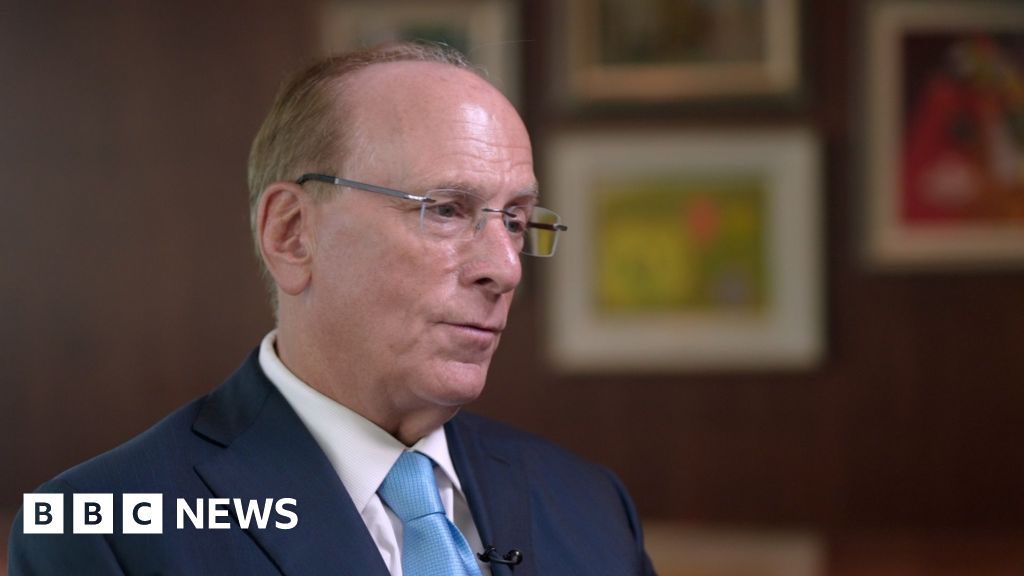
Larry Fink says if oil prices stay high for a sustained period it will have “profound implications” for the world economy.

DHT: BW Overhang Almost Gone, Q2 Dividend Could Top 20%
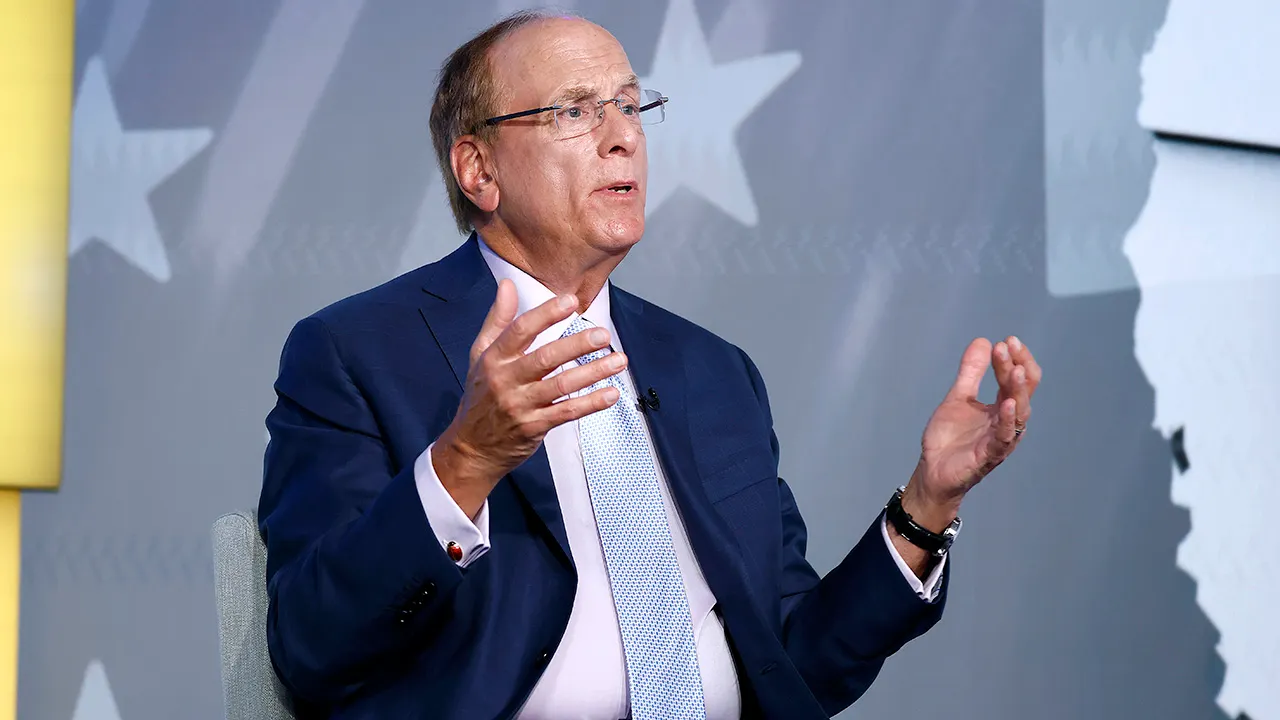
Most U.S. voters say they support government-funded savings accounts for children as Americans struggle to build retirement security, according to Nick Nefouse, global head of retirement solutions at BlackRock.
BlackRock CEO Larry Fink said in his annual chairman’s letter that Trump Accounts could provide a “very significant” boost in jump-starting savings and investment by younger Americans.
Fink noted that Americans are struggling to save money for emergencies in addition to funding retirement plans, and explained that early wealth-building accounts for newborn children can help them start life on a solid financial footing.
He said that experiments in Canada, the U.K. and Singapore have shown evidence that these accounts are a good investment, making it more likely account holders obtain advanced degrees, start a business and own a home.
“Now the United States is adopting a form of this policy with Trump Accounts,” Fink wrote, saying that Trump Accounts created by last year’s One Big Beautiful Bill Act can be funded in a variety of ways.
HERE’S HOW MUCH TRUMP ACCOUNT BALANCES COULD GROW OVER TIME
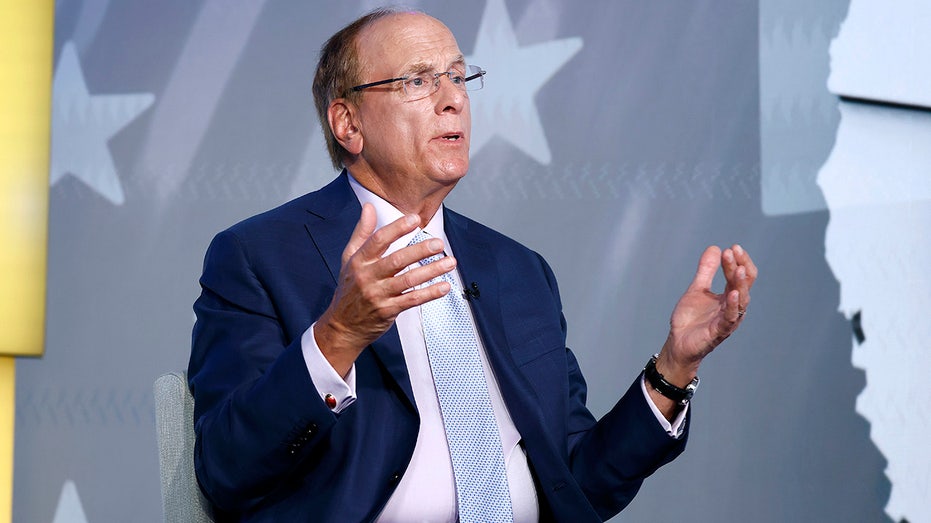
BlackRock CEO Larry Fink said that Trump Accounts could turn into a “very significant” savings vehicle for young Americans. (Paul Morigi/Getty Images)
“There is some nuance in how these accounts are funded. In some cases, it’s a pilot program funded by the government, which would need to be renewed,” Fink wrote.
“Funding can also come through personal contributions, or through certain employer match programs, such as the one we have at BlackRock for our employees. In other cases, the money comes from private funders.”
“We’ll see how these accounts evolve, but if they are structured thoughtfully, and paired with existing investment vehicles for education and retirement (like 529 and 401(k) plans), this could be a very significant step toward more young Americans growing with their country,” Fink added.
IRS UNVEILS PROPOSED REGULATIONS FOR NEW TRUMP ACCOUNTS SAVINGS PROGRAM
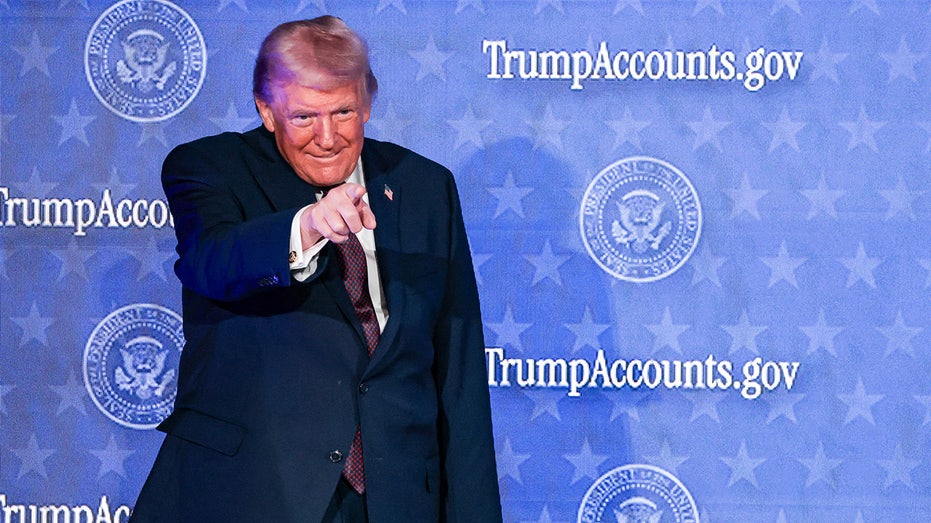
President Donald Trump and his administration have touted Trump Accounts as a way to boost the financial futures of young Americans. (Valerie Plesch/Bloomberg via Getty Images)
Several companies, including BlackRock, Bank of America and JPMorgan Chase, among others, have announced plans to contribute to Trump Accounts for their U.S. employees’ children.
Those companies will match the federal government’s $1,000 contribution, while other firms have planned different contribution levels.
| Ticker | Security | Last | Change | Change % |
|---|---|---|---|---|
| BLK | BLACKROCK INC. | 976.06 | +1.48 | +0.15% |
Wealthy Americans have also made philanthropic contributions to the government to provide seed money for the accounts.
For example, Michael and Susan Dell have committed $6.25 billion to seed 25 million accounts with $250 each, with the contributions expected to reach the accounts of most children aged 10 and under who were born prior to the qualifying date for the federal contribution.
TRUMP UNVEILS RETIREMENT PLAN WITH UP TO $1K FEDERAL MATCH
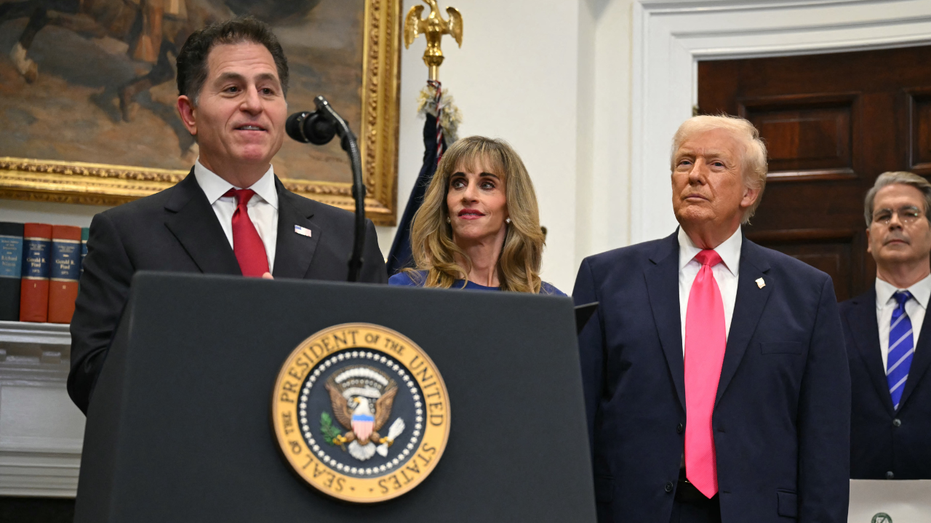
Michael Dell (L), CEO of Dell Technologies and his wife Susan (2nd-L) speak during an announcement of a $6.25 billion donation from the Dell family to Trump Accounts, in the Roosevelt Room of the White House in Washington, D.C. on Dec. 2, 2025. (Andrew Caballero-Reynolds/ AFP/Getty Images)
Trump Accounts will be invested in a broad index fund of U.S. stocks, much like the low-cost funds available in many retirement plans, and will be in the child’s name with their parents or guardian serving as the custodian of the account until they turn 18.
At that time, the funds can be used at the young adult’s discretion for things like educational expenses, starting a business, a down payment on a home, saving for retirement or a rainy day fund.
Parents may contribute up to $5,000 per year to the accounts, while a parent’s employer can contribute up to $2,500 per year without impacting the employee’s taxable income.
Children born between Jan. 1, 2025, and Dec. 31, 2028, will receive $1,000 in seed funding from the federal government in addition to any other contributions. Trump Accounts are also available to children born before Jan. 1, 2025, who are under the age of 18 – although they won’t receive the $1,000 federal government.
GET FOX BUSINESS ON THE GO BY CLICKING HERE
The accounts are expected to officially launch on July 4, 2026. Parents may enroll their child in the program by making an election when they file their taxes on the new IRS Form 4547.

Nomura Mid Cap Income Opportunities Fund Q4 2025 Commentary


I’m Cash Flow Venue and I’ve been investing for years trying to build my dividend portfolio. I like dividends doing the work for me, but I also have a separate growth portfolio.I’m an M&A Advisor, which means that I advise people and businesses on selling (but sometimes buying) their businesses.I usually work on some financial models, due dilligence, and negotiations. Oh, yes – and I have to attend too many meetings 🙂 Wha’ts my industry focus? I invest in technology, real estate, software, finance, and consumer staples. I’ve spent years advising clients from these industries. That’s why I pay the closest attention to these sectors when investing and writing.I started writing on Seeking Alpha to learn and share ideas. Dividend investing has played a big role in my financial journey. I believe it’s one of the simplest and most accessible ways to work toward financial freedom. By sharing what I learn, I hope to make the process feel less complicated for anyone building long-term wealth. In the end, the goal is simple: move closer to financial freedom through dividend investing.
Analyst’s Disclosure: I/we have a beneficial long position in the shares of ADC, O, PINE either through stock ownership, options, or other derivatives. I wrote this article myself, and it expresses my own opinions. I am not receiving compensation for it (other than from Seeking Alpha). I have no business relationship with any company whose stock is mentioned in this article.
The information, opinions, and thoughts included in this article do not constitute an investment recommendation or any form of investment advice.
Seeking Alpha’s Disclosure: Past performance is no guarantee of future results. No recommendation or advice is being given as to whether any investment is suitable for a particular investor. Any views or opinions expressed above may not reflect those of Seeking Alpha as a whole. Seeking Alpha is not a licensed securities dealer, broker or US investment adviser or investment bank. Our analysts are third party authors that include both professional investors and individual investors who may not be licensed or certified by any institute or regulatory body.

The study will recruit 4,000 students aged 12 to 15 from ten Bradford secondary schools and seek to assess the impact of having less access to social media – particularly on areas of their wellbeing such as sleep, anxiety levels, social interactions, as well as absence and bullying in schools.

Serina Therapeutics CSO Moreadith sells $18,567 in stock

Thai authorities urge nationals in the Middle East to evacuate due to rising tensions. Citizens should stay alert, register with embassies, and prepare for possible evacuation amid ongoing instability.
Key Points
- Thai authorities are advising nationals in the Middle East to evacuate due to rising tensions, with officials closely monitoring the situation. Citizens are urged to stay alert, maintain contact with Thai embassies, and prepare for possible evacuation.
- Despite a temporary pause in military strikes between the U.S. and Iran, conditions remain unstable. Thai nationals should register their locations with embassies and be ready to leave on short notice.
- The ministry confirms ongoing assistance for citizens, including the repatriation of Thai workers’ remains by March 26. Some workers have safely arrived in Turkey, while concerns persist about maritime safety in the region. Authorities urge adherence to safety measures and official guidance as conditions evolve.
Thai authorities are urging nationals in the Middle East to evacuate amid volatile tensions in the region, with Panidone Pachimsawat, acting director-general of the Department of Information and deputy spokesperson of the Ministry of Foreign Affairs, confirming ongoing monitoring of the situation. Citizens in affected areas have been advised to stay alert, remain in close contact with Thai embassies, and prepare for possible evacuation.
Although recent discussions between the United States and Iran have led to a temporary five-day pause in military strikes, officials warn that conditions remain unstable. Thai nationals are encouraged to monitor developments, register their locations with their embassies, and be ready to depart on short notice if necessary.
The ministry also reported progress in assisting Thai citizens in the region. The remains of Thai workers who lost their lives in Israel are scheduled to be returned to Thailand by March 26. Meanwhile, four Thai workers have arrived safely in Turkey, with another group of eight individuals, including seven students and one worker, expected to travel from Iran to Turkey.
Authorities have also raised concerns about maritime safety for commercial shipping in the region, as risks persist. The Thai government is coordinating support for affected citizens and continues to advise strict adherence to safety measures and official guidance as the situation develops.
Source : Thais Urged to Evacuate From the Middle East Amid Tensions
Other People are Reading

Bitcoin Recovers Following Rumors of Iran Deal

Australian Investors Shift Cash to Traditional Safe Haven as Middle East Tensions Arise

Active Strategies Set to Drive Next Phase of Crypto ETFs, 21Shares Says


-
 Crypto World4 days ago
NIO (NIO) Stock Plunges 6.5% as Shelf Registration Sparks Dilution Worries
-

 Fashion4 days ago
Weekend Open Thread: Adidas – Corporette.com
-

 Politics4 days ago
Jenni Murray, Long-Serving Woman’s Hour Presenter, Dies Aged 75
-

 Crypto World3 days ago
Best Crypto to Buy Now: Strategy Just Spent $1.57 Billion on Bitcoin During Fear While Early Investors Quietly Enter Pepeto for 150x Potential
-

 News Videos6 days ago
RBA board divided on rate cut, unusually buoyant share market | Finance Report | ABC NEWS
-

 Crypto World3 days ago
Bitcoin Price News: Bhutan Sells $72 Million in BTC Under Fiscal Pressure, but the Smart Money Entering Pepeto Sees What the Market Does Not
-

 Politics7 days ago
The House | The new register to protect children from their abusers shows Parliament at its best
-

 Tech5 days ago
inKONBINI Lets You Spend Summer Days Behind the Register
-

 Crypto World6 days ago
Canada’s FINTRAC revokes registrations of 23 crypto MSBs in AML crackdown
-

 Sports2 days ago
Remo Stars and Kano Pillars Strengthen Survival Hopes in NPFL
-
 NewsBeat6 days ago
Residents in North Lanarkshire reminded to register to vote in Scottish Parliament Election
-

 News Videos6 days ago
PARLIAMENT OF MALAWI – PAC MEETING WITH REGISTRAR OF FINANCIAL ON AMARYLLIS HOTEL – INQUIRY LIVE
-

 Politics5 days ago
Gender equality discussions at UN face pushbacks and US resistance
-

 Business2 days ago
No Winner in March 21 Drawing as Prize Rolls to $133 Million for Next
-

 Business6 days ago
Who Was Alex Pretti? 5 Key Facts About the ICU Nurse Killed by Federal Agents in Minneapolis
-

 Sports1 day ago
Gary Kirsten Accuses Pakistan Cricket Board Of ‘Interference’, Mohsin Naqvi Responds
-

 Tech2 days ago
Give Your Phone a Huge (and Free) Upgrade by Switching to Another Keyboard
-

 Sports4 days ago
2026 Kentucky Derby horses, odds, futures, preview, date: Expert who nailed 12 Derby-Oaks Doubles enters picks
-
Sports6 days ago
Vikings Free Agency Enters Phase 2 with Key Questions
-

 Tech7 days ago
Subnautica 2 might finally be entering early access in May
You must be logged in to post a comment Login