
Business
Rupee may slip further if Middle East tensions persist: Naveen Mathur


The rupee is currently hovering around the 92.2 mark against the US dollar, reflecting growing concerns about India’s import bill and external balances. The spike in crude prices, triggered by the intensifying conflict in the Middle East, has added to the downside risks for the currency.
Speaking on the outlook, Naveen Mathur from Anand Rathi Share said the rupee could weaken further in the near term if geopolitical tensions persist and oil prices remain elevated.
“The rupee has a depreciative stance, as I said earlier too in the call. The rupee is at around 92.21. A further fall to an extent of 92.30 or 92.40 is looking like a possibility. Sharp escalation in the Middle East conflict and the soaring crude oil prices would definitely be a dampener for the rupee against the dollar,” he said.
He pointed out that the currency had earlier found some support due to intervention by the central bank, but global developments have once again tilted the balance against the rupee.

“We did see the RBI intervention last week, which held the rupee against the dollar to around 91.50 levels. But post that, the escalation in the Middle East is putting pressure on oil, and WTI and Brent are quoting at around $114 a barrel, which is plus $25 a barrel just in the opening session,” Mathur said.
According to him, the combination of higher crude prices, geopolitical uncertainty and a stronger US dollar is weighing heavily on emerging market currencies, including the rupee.“The rupee depreciative stance is a possibility to continue in the near future until and unless we see a major positive development on the Middle East tensions. The dollar is also appreciating. The dollar index is at around 99.60 from the lows of around 95 two months earlier. The dollar appreciation, crude, and Middle East tensions are all putting pressure on the rupee on the downside,” he added.
Another key factor that could intensify pressure on the rupee is rising demand for dollars from oil marketing companies (OMCs), which typically increase their purchases when crude prices rise.
“Exactly, it would be the case. The dollar demand would be there, which would be a further dampener to the rupee against the dollar. RBI intervention would be expected to hold the rupee,” Mathur said.
However, he noted that the central bank’s focus remains on managing volatility rather than defending a specific exchange rate level.
“The RBI has said that they would not see any particular level for the rupee against the dollar. They would maintain volatility, or rather curb volatility. At the same time, imports, the fiscal deficit, and the current account deficit would be the key to watch out for, and hence RBI intervention would be critical,” he said.
He also suggested that state-run oil companies and large public sector firms may step up their dollar purchases in the current environment.
“I am sure that the ONGCs or the PSUs of the world would definitely be looking for dollar buying at this stage,” Mathur noted.
Whether the RBI will step in again to support the rupee remains uncertain, especially with global currency flows currently favouring the dollar.
“Anybody’s guess, but it would be the decision of the RBI monetary policy stance to hold the rupee at a certain level. If that is the case, the RBI might intervene before the rupee sees further depreciation against the dollar,” he said.
For now, the trajectory of the rupee will likely depend on how the geopolitical situation unfolds, along with the movement in crude oil prices and the strength of the US dollar in global markets.



At Easter vigil, Pope Leo urges world not to grow numb to war

Former deputy national security advisor Victoria Coates analyzes President Donald Trump’s Iran stance after a U.S. aircraft was found down in Iran on ‘The Bottom Line.’
As the U.S. and Israel round out a fifth week of war with Iran, some 93 million civilians living inside Iran are stuck in a conflict zone without a missile alert system or access to the internet. Another 4 million people of Iranian origin worldwide are cut off from their friends and family still in Iran.
While the Islamic Republic has left its own people in the dark, Holistic Resilience, a group of engineers focused on internet freedom, is using an app called Mahsa Alert to light the way.
The app is named after Mahsa Amini, a 22-year-old Iranian woman who died in 2022 after an arrest by Iran’s “morality police.” This group regularly detains women it believes do not comply with the country’s mandatory hair-covering laws. Her death became the impetus for widespread protests after decades of oppression. Amini’s image is now a symbol of what has become known as the Woman, Life, Freedom movement.
NY FED PRESIDENT JOHN WILLIAMS WARNS IRAN-DRIVEN OIL SPIKE COULD RIPPLE THROUGH ECONOMY
Holistic Resilience said it first recognized the lack of civilian protections during the 12-day war between Israel and Iran in June 2025.
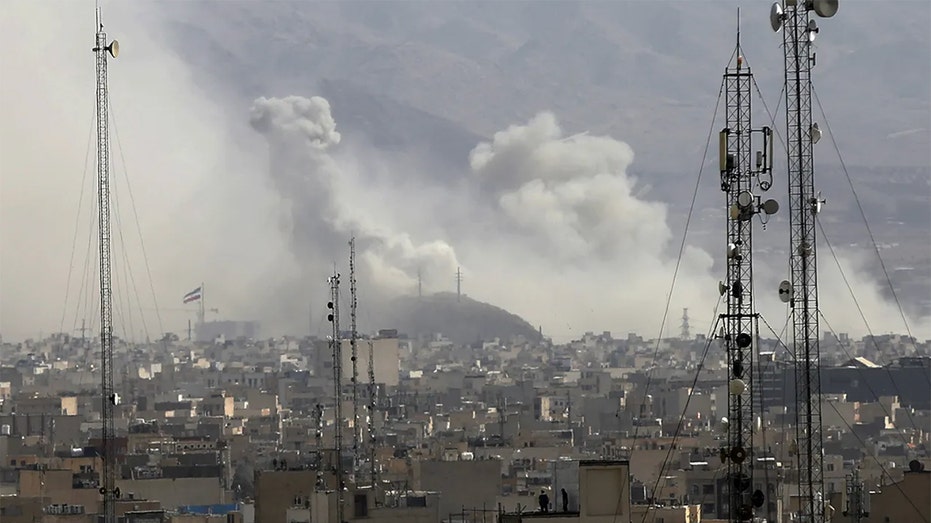
Millions of civilians living inside Iran are stuck in a conflict zone without a missile alert system or access to the internet. (Fatemeh Bahrami/Anadolu via Getty Images)
“They’re checking on the surroundings of their loved ones’ neighborhoods to make sure there is no location that could be potentially a target of these strikes and inform them to stay away from them,” said Ahmad Ahmadian, the executive director of Holistic Resilience.
Using crowdsourcing and open-source intelligence, volunteers analyze about 100 tips a day for validity and accuracy. These reports can come in the form of social media videos or photos or messages on Telegram. They also pore through footage from some 18,000 CCTV cameras around the country.
As the 17th-largest country in the world by area, Iran presents a significant mapping challenge.
“We have to be up to be able to immediately push out that notification. The last one was, I guess, in the middle of the night,” said Ahmadian. “I have colleagues that are working near 16 hours on this project. We have been self-funding this project from the beginning, and we never stopped doing that despite all of the challenges. The reason for that is it’s something that people need to have, and it saves lives.”

Internet connectivity in Iran estimated at less than 1%. (Majid Saeedi/Getty Images)
IRAN GUARDS RECRUITING CHILDREN AS YOUNG AS 12, PUTTING THEM ON FRONT LINES OF WAR
The Israel Defense Forces occasionally posts evacuation notices on its Farsi-language X account. A previous post from the account shows warnings like: “In the coming hours, the IDF will operate in the area, as it has in recent days across Tehran, to strike military infrastructure of the Iranian regime. For your safety and well-being, we ask that you immediately leave the area indicated on the map.”
With internet connectivity in Iran estimated at less than 1%, Israeli evacuation notices often fail to reach the civilians they are intended to aid.
Civilians who evacuate to towns or cities they are unfamiliar with can use the Mahsa Alert app as a critical lifeline, identifying hospitals, blood banks, government checkpoints or shelters while offline.
“We’ve realized, OK, if people start to move around and get displaced, they need to see the essentials, the essential locations,” said Ahmadian.
The Iranian government is prioritizing its objectives beyond its borders over its own people, according to Holistic Resilience.
KEVIN O’LEARY FORECASTS GLOBAL POWER SHIFT IN STRAIT OF HORMUZ AS IRAN CONFLICT RATTLES OIL MARKETS
“Instead of the sirens, sending crisis alerts to the mass population, every day they’re sending text messages by the Ministry of Intelligence threatening people, [saying] if you share information with others, we will know about it and we’ll come after you,” said Ahmadian.
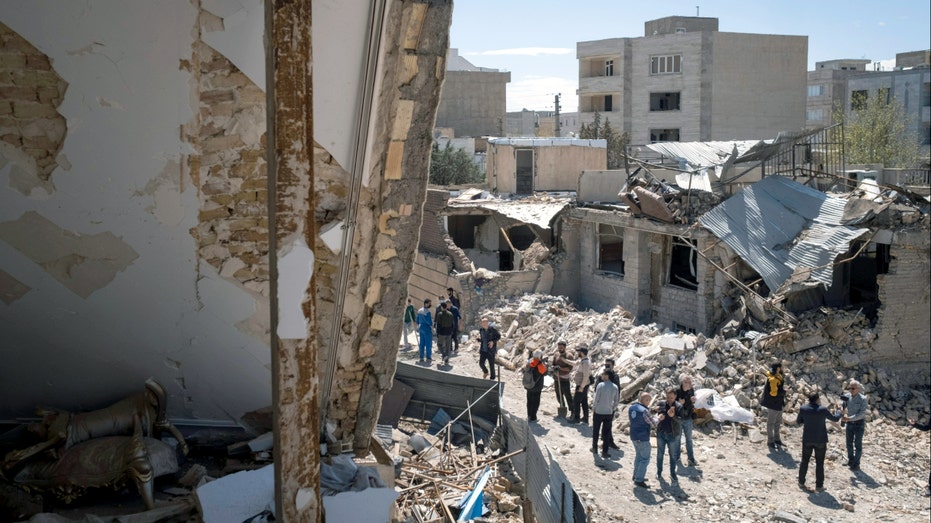
As the 17th-largest country in the world by area, Iran presents a significant mapping challenge. (Morteza Nikoubazl/NurPhoto via Getty Images)
The government has accused those volunteering information to the platform of acting as Israeli spies or gathering intelligence for the U.S. military. The group has come under attack from the Iranian government, both from hacking and from deliberately sending misinformation to undermine the group’s credibility. Palo Alto Networks’ Unit 42 has reported a widespread increase in cyberthreat activity by Iranian actors since the conflict began in late February.
CLICK HERE TO GET FOX BUSINESS ON THE GO
In one instance, Ahmadian said a tip alleged missiles were being launched from a specific building, which the group later identified as a girls’ dormitory at a university. He said the group believed the tip may have been intended to mislead targeting, giving the Iranian government ammunition for its anti-Israel and anti-U.S. media campaign, though this could not be independently verified by FOX Business.
“By increasing the number of civilian casualties, they pump up their propaganda war,” Ahmadian said. “This is not our war. This has never been our war.”

Documents Required for Home Loan: A Detailed Checklist for 2026
Business
5 Highly Anticipated New Features for iOS 27 That May Be Announced at the WWDC 2026 Showcase

WWDC 2026 is right around the corner, and iOS 27 is already one of the most talked-about operating systems anticipated at the event. Based on new rumors, there would be fewer extravagant design changes to how it looks as Apple is going deeper with this development.
Here are the top five features that many are expecting to arrive in the update.
Apple Intelligence

iOS 27 will reportedly bring a new wave of Apple Intelligence-powered features, including an AI-powered web search platform via Safari that Apple is building internally to compete with tools like Perplexity.
Apple recently finalized its deal with Google to use Gemini models for new Siri and Apple Intelligence features. This includes Siri gaining the ability to remember past conversations and offer proactive suggestions tied to your calendar and daily routines.
Potential Liquid Glass Revamp

iOS 26 introduced the Liquid Glass design, but it saw mixed reviews from the public as some loved it, while others disapproved of the new look.
That said, recent claims say that iOS 27 may feature a revamp to this design language and give users what they want. According to new reports, Apple has been working on a slider that will let users control the intensity of the Liquid Glass effect.
It was revealed that this feature was previously considered by Apple for the iOS 26 release cycle, but the company’s development ran into issues.
While no full redesign is expected, a slider would significantly help users who do not like the translucent effect that the Liquid Glass design delivered. That said, it remains unknown if the feature will make it to the iOS 27 build.
Siri Revamp
Various reports claim that Apple is planning to deliver massive upgrades to Siri in the upcoming unveiling of iOS 27 via WWDC 2026.
According to 9to5Mac, reports mentioned that an animated version of the Finder logo is being tested internally, alongside Memoji-like characters.
Combined with Gemini-powered features, Siri’s new features and technology may finally be the version that the world has been waiting for after massive delays plagued its development.
Foldable Features

Speculations have also claimed that the iPhone Fold is coming later this year. Because of this, reports are claiming that iOS 27 will bring new features that will accommodate the expanded screen of the device.
The device will reportedly have an approximately 7.8-inch inner display and a 5.5-inch outer display, similar to the iPad mini.
The iPhone Fold’s version of iOS 27 will reportedly give it side-by-side multitasking and let users have apps running on two separate windows, a feature that iPhones did not have before.
Bug Fixes
Apple’s primary goal with iOS 27 is quality and underlying performance. Engineers are going through the operating system looking for bloat to cut, bugs to fix, and ways to boost overall speed.
After several massive updates in a row, iOS 27 is Apple hitting the reset button before the next big push.
Originally published on Tech Times

Easter Sunday falls on April 5, 2026, prompting widespread retail closures across the United States as many major chains give employees the day off to observe the Christian holiday celebrating Jesus Christ’s resurrection. Shoppers scrambling for last-minute groceries, candy, baskets or household items should plan ahead, as several big-box and department stores will be shuttered while others maintain regular or modified hours.

Target stores will be closed nationwide on Easter Sunday, a consistent policy in recent years aimed at allowing associates time with family. The retailer, which operates nearly 2,000 locations, typically shuts its doors completely for the holiday, urging customers to complete purchases on Saturday or earlier in the weekend. Good Friday on April 3 will see most Target stores operating normal hours, providing a final window for Easter-related shopping.
Walmart, by contrast, plans to keep the vast majority of its stores open on Easter Sunday during regular business hours, which often run from early morning until late evening depending on location. The world’s largest retailer has made it a practice to remain accessible on major holidays for convenience, though some individual stores may adjust slightly based on local mall or shopping center policies. Shoppers should verify specific hours via the Walmart app or website, as variations can occur.
Costco warehouses and gas stations will be closed on April 5, 2026, as Easter is one of the seven annual holidays when the membership-based retailer shuts down entirely. This policy applies across U.S. locations, with warehouses typically open on Good Friday and Saturday for last-minute bulk purchases of groceries, meats, produce and other Easter essentials. Sam’s Club, a Walmart subsidiary, will also close its doors on Easter Sunday.
The pattern reflects a broader trend in American retail: many companies close on Easter to prioritize employee well-being and family time, while essential or high-volume retailers like Walmart stay open to serve communities. Grocery chains show mixed approaches. Aldi, Publix and H-E-B stores are expected to close, as will many regional players. Kroger and its affiliated banners, including Harris Teeter and Ralphs, generally plan to operate, though some locations may close early or offer reduced hours. Trader Joe’s and Whole Foods will be open in most areas, providing options for fresh produce, baked goods and prepared foods.
Home improvement retailers follow a similar split. Lowe’s will close all stores on Easter Sunday, while Home Depot is anticipated to remain open, often with shortened hours such as 8 a.m. to 6 p.m. at many locations. This allows customers to pick up last-minute items for outdoor gatherings, egg hunts or home projects tied to the long weekend.
Department and specialty stores lean toward closure. Macy’s, Nordstrom and Nordstrom Rack, Kohl’s, JCPenney, TJ Maxx, Marshalls and HomeGoods are among those expected to shut down, giving staff a rare full Sunday off. Best Buy, Dick’s Sporting Goods, Hobby Lobby, Michaels and Apple Stores will also close in observance of the holiday. Office Depot, OfficeMax, Staples and Burlington are similarly expected to remain dark.
Pharmacies and convenience options provide continuity for urgent needs. CVS, Walgreens and many Dollar General locations will stay open, though hours may be reduced compared to typical Sundays. Gas stations, 7-Eleven stores and some fast-food outlets like Wendy’s will operate normally, offering fuel, snacks and quick meals for families on the road or hosting gatherings.
Restaurants present another mixed picture. Chains such as Texas Roadhouse, The Cheesecake Factory, Yard House and Tim Hortons may open with standard or adjusted hours, while others could close or limit service to accommodate staff. Diners seeking brunch or family meals are advised to call ahead or check apps, as policies vary by location and franchise ownership.
The decision to close or open often stems from balancing customer demand with employee considerations. Retailers that close, such as Target and Costco, frequently highlight giving workers a paid holiday or extended family time. Those that remain open, like Walmart, emphasize convenience for shoppers who may need groceries, diapers, medications or other essentials during the four-day weekend that includes Good Friday and Easter Monday in some regions.
Shoppers in 2026 face additional context from ongoing economic pressures, including fluctuating fuel prices and cost-of-living concerns that have made careful budgeting important for holiday spending. Many families stock up earlier in the week or opt for online orders with curbside pickup where available. Walmart and Kroger, for instance, continue to offer robust digital services even on days when physical stores operate limited hours.
Regional variations and local laws can influence operations. In some states or municipalities, blue laws or local ordinances may further restrict alcohol sales or certain retail activities on Sundays and holidays. Independent or smaller businesses often follow their own schedules, with many choosing to close for the religious observance.
For those planning Easter activities — church services, egg hunts, family dinners or travel — advance preparation is key. Grocery lists should be completed by Saturday, when most closed stores will operate normal hours. Bulk retailers like Costco encourage members to shop Friday or Saturday for large quantities of ham, eggs, desserts and party supplies.
Retail analysts note that Easter closures have become more standardized in recent years as companies align policies around major holidays. Thanksgiving and Christmas see even broader shutdowns, but Easter remains a significant day for family-focused retailers to pause operations.
Government services, including most post offices and many motor vehicle offices, will also be closed on Easter Sunday, though some essential functions continue. Banks typically observe the holiday with no transactions, though ATMs and online banking remain available.
As April 5 approaches, consumers are urged to use store locators, mobile apps and official websites for the most accurate, location-specific information. Policies can shift due to unforeseen circumstances, and individual stores within a chain may differ slightly based on staffing or regional management decisions.
Easter 2026 offers a reminder of the balance between commerce and tradition. While Walmart provides a reliable open option for everyday needs, the widespread closures at Target, Costco and others underscore a collective pause for reflection and family. Shoppers who plan strategically — completing big purchases early and relying on open pharmacies or grocers for last-minute items — can navigate the holiday smoothly without disappointment.
In the end, whether hunting for chocolate bunnies, fresh flowers or a forgotten ingredient, knowing the landscape of open and closed stores helps turn potential frustration into a more peaceful celebration. Families across the country will mark the day in their own ways, supported by the retailers that choose to operate and resting those that do not.

Big ideas are easy to talk about. The hard part is making them real.
Kevin Hayes has built his career on doing exactly that. From law to lobbying, he has taken ideas, shaped them into plans, and followed through until they produced results.
His path shows how discipline, trust, and steady execution can turn vision into long-term impact.
“Achieving goals starts with a plan,” Hayes says. “You have to stay disciplined and stick to it.”
Early Life and Education: Where the Mindset Began
Kevin Hayes grew up in Metairie, Louisiana. His early life was rooted in structure, education, and responsibility.
He attended Jesuit High School in New Orleans. After graduating in 1983, he went on to Louisiana State University. While at LSU, he ran for student government president and finished as runner-up.
That experience gave him an early look at leadership and public decision-making.
He later earned his law degree from Southern University Law Center in 1991. But his law school years were shaped by personal loss.
“I lost my father during my senior year of law school,” Hayes says. “Later, I lost my mother too. That changes how you think about your path.”
Those moments forced him to focus. They also pushed him to think long term and stay grounded in his values.
Early Career in Law and Government
Hayes began his career in public service. He worked as General Counsel for the Louisiana Senate Commerce Committee. This role gave him a close view of how laws are shaped and how decisions affect businesses and communities.
It also exposed him to the gap between ideas and execution.
In government, plans are discussed often. But not all of them are carried out well. Hayes noticed that early.
“Following through is everything,” he says. “If you say you’re going to do something, you do it.”
After his time in government, he moved into private practice. He became a partner at Roedel Parsons and later at Adams and Reese. These roles expanded his experience and gave him exposure to complex legal and business challenges.
But more importantly, they helped him refine his approach to problem-solving.
How Kevin Hayes Turned Strategy Into Action
Over time, Hayes shifted toward lobbying and strategic advisory work. This move allowed him to focus on turning ideas into real outcomes.
Today, as the owner of Hayes Strategic Solutions LLC, he works with clients who need to navigate policy, regulation, and legislative processes.
His role is not just to advise. It is to help move things forward.
That often includes testifying at the legislature and helping shape how policies are understood and applied.
“Credibility and being trustworthy matter more than anything,” Hayes says. “People need to know you will follow through.”
This approach has helped him build long-term relationships. In fields like law and lobbying, trust is not built quickly. It comes from consistent action over time.
What Makes Big Ideas Work in Practice
Many professionals have ideas. Fewer know how to execute them.
Hayes believes the difference comes down to discipline and structure.
He relies on habits that keep him focused. He journals. He plans. He tracks progress. These small actions help him stay aligned with long-term goals.
“Lots of journaling and planning,” he says. “That’s how I stay on track.”
He also believes in staying grounded, especially when working on complex issues.
“Prayer, sticking to my plan, and trusting the outcome,” Hayes explains.
This mindset helps him handle uncertainty. It also allows him to stay consistent, even when results take time.
Leadership Roles and Industry Influence
Hayes has not only built a career. He has also shaped the professional community around him.
He has served in key leadership roles, including:
- President of the Baton Rouge Bar Association
- President of the Louisiana Association of Louisiana Lobbyists
- Chairman of the Young Lawyers Section
He has also served on the Board of Directors for the Association of Louisiana Lobbyists and contributed to the Center for Law and Civic Education.
These roles reflect his ability to turn leadership ideas into real initiatives that support others in the field.
He has also received recognition for his work. This includes the Outstanding Young Lawyer of Louisiana award in 2001 and the Judge Joseph Keogh Award in 2002.
Still, Hayes keeps his perspective simple.
“Humble is how I try to stay,” he says.
A Career Built on Trust and Follow-Through
At the core of Hayes’ career is a simple idea: do what you say you will do.
That idea may sound basic, but it is often overlooked in fast-moving industries.
Hayes has built his reputation by focusing on consistency rather than short-term wins.
“I want to be able to sleep at night knowing I have done the right thing,” he says.
This focus on integrity has shaped both his career and his approach to clients.
Outside of work, Hayes stays connected to his personal values. He enjoys hunting, fishing, and spending time outdoors. He is also active in church and professional organizations.
His family plays a central role in his life.
“My children are a big part of why I do what I do,” he says.
Why Kevin Hayes Baton Rouge Stands Out
Kevin Hayes’ career shows that big ideas only matter when they are followed by action.
He has taken lessons from law, government, and leadership and applied them in a practical way. His work focuses on turning plans into results.
His approach is clear:
- Build a plan
- Stay disciplined
- Follow through
- Stay grounded
Over time, that approach has created lasting impact.
In a field where many talk about change, Hayes has focused on making it happen.
Business
Venomous Snakes Shift Toward Australia’s Populous East Coast as Climate Changes, Study Warns

Highly venomous snakes long associated with Australia’s remote arid interior are projected to expand their ranges southward toward densely populated coastal regions, increasing potential encounters with humans in backyards, parks and suburbs along the east coast, according to a major international research project published this week.

The findings, detailed in a study tracking medically important venomous snake species worldwide, highlight how rising temperatures and shifting climate patterns are rendering traditional inland habitats less suitable while creating more favorable conditions in cooler, wetter coastal zones. Researchers warn that species such as the eastern brown snake could become more common in areas from Queensland through New South Wales to Victoria by 2050, raising public health concerns even as Australia’s snakebite fatality rate remains among the world’s lowest.
The international project examined the future distributions of 508 medically significant venomous snakes — those capable of causing severe illness, death or long-term disability in humans. In Australia, the analysis focused on key species including the eastern brown snake, one of the country’s most medically important reptiles responsible for the majority of serious bites. Models project its range contracting in the hot, dry center while expanding south and east along the populated seaboard where millions of Australians live.
Climate change is the primary driver, researchers said. As global temperatures rise, arid inland areas may become too hot or dry for some snake populations, pushing them toward coastal regions that offer more stable moisture, moderate temperatures and abundant prey. The east coast, home to major cities including Sydney, Brisbane and Melbourne, along with sprawling suburbs and national parks, sits directly in the path of these projected shifts.
Experts emphasize that “migration” in this context refers to gradual range expansion rather than sudden mass movements. Snakes do not undertake long-distance journeys like birds or mammals but slowly colonize new areas as conditions allow over decades. Still, the implications for human-snake interactions could be significant in a country already known for its diverse and potent reptile fauna.
Australia hosts some of the world’s most venomous snakes, including the inland taipan — often cited as the most toxic land snake — the coastal taipan and the eastern brown. While fatalities average fewer than two per year nationwide thanks to excellent antivenom availability, rapid medical response and public education, increased encounters could strain resources and heighten anxiety in urban and suburban communities.
Snake catchers in Queensland and New South Wales already report busy seasons, with warmer winters reducing periods of brumation — a reptilian form of hibernation — and keeping snakes active longer. One professional in southern Queensland has handled dozens of calls on peak days, removing venomous species from homes, pools and gardens. Urban sprawl into bushland edges further blurs the line between wild habitats and human spaces.
The new study builds on earlier research into climate impacts on reptiles and aligns with global patterns showing venomous snakes shifting toward higher latitudes and more populated zones. In other regions, similar movements could expose unprepared communities to unfamiliar species, complicating treatment. For Australia, the focus remains on familiar but dangerous locals potentially appearing in greater numbers farther south.
Public health officials and herpetologists urge calm alongside vigilance. Most snakes prefer to avoid humans and will only bite in self-defense. Simple precautions — wearing sturdy boots and long pants in bushy areas, using torches at night, keeping yards clear of debris and supervising children and pets — can dramatically reduce risks. Residents encountering snakes are advised not to approach or attempt to kill them but to contact professional snake catchers or wildlife services for safe removal.
Antivenom stocks remain robust, and Australian hospitals are well-equipped to treat bites from local species. The eastern brown, for instance, delivers a potent neurotoxic and coagulopathic venom, but prompt pressure immobilization bandaging and hospital care yield excellent outcomes in most cases.
Environmental scientists note that habitat loss and human encroachment already influence snake distributions more immediately than long-term climate projections. Urban development fragments landscapes, while agriculture and fires alter prey availability. Snakes may seek refuge or hunting grounds in parks, golf courses and even suburban gardens as natural areas shrink.
The study’s authors call for proactive measures, including enhanced public education campaigns, monitoring programs to track range shifts and investment in research on snake ecology under changing conditions. They also stress the importance of preserving biodiversity corridors that allow species to move naturally without increasing conflict.
For everyday Australians, the message is preparation rather than panic. Ophidiophobes — those with intense fear of snakes — may find the news unsettling, but experts point out that Australia records far fewer snakebite deaths annually than many tropical nations despite its fearsome reputation. Effective healthcare and widespread awareness play key roles.
Coastal communities in southern New South Wales and Victoria could see more frequent sightings of species previously rarer in those latitudes. Warmer summers and milder winters may extend snake activity seasons, overlapping more with human outdoor recreation periods such as hiking, camping and gardening.
Tourism operators in regional areas have mixed reactions. While some fear negative publicity could deter visitors, others note that Australia’s unique wildlife remains a draw for many international travelers when managed responsibly. National parks already provide guidelines on snake safety, and guided tours often include education on respectful coexistence.
Broader climate impacts on Australian reptiles extend beyond venomous species. Some non-venomous snakes and lizards face range contractions, while others may thrive. Overall biodiversity could suffer if specialized habitats disappear faster than species can adapt.
Researchers used sophisticated modeling incorporating multiple climate scenarios to project distributions to 2050 and beyond. While uncertainties remain — including the exact pace of warming and human adaptation responses — the directional trend toward coastal expansion appears consistent across models.
Wildlife organizations and government agencies are expected to review the findings and update guidelines. Snake relocation services may see sustained demand, and apps or hotlines for reporting sightings could expand.
In the meantime, Australians are reminded that snakes play vital ecological roles as predators controlling rodent and insect populations. Removing them indiscriminately disrupts local balances and is often illegal without proper permits.
The global study underscores a wider truth: climate change reshapes ecosystems in complex ways, sometimes bringing wildlife closer to human populations. In Australia, with its vast interior and concentrated coastal living, the east coast shift highlights the need for balanced urban planning, habitat conservation and community preparedness.
As temperatures continue their upward trajectory, monitoring and education will be crucial to minimizing risks while respecting the place of these ancient reptiles in the Australian landscape. For now, the advice remains straightforward: look where you step, keep your yard tidy and call professionals when snakes appear — rather than attempting heroic removals.
The research, published in a leading journal focused on neglected tropical diseases, serves as both warning and call to action. With careful management, Australia can continue its record of low snakebite mortality even as distributions evolve.

With the quarter-finals of the 2025-26 Emirates FA Cup underway this weekend, Arsenal have edged ahead as the leading contenders to lift the famous trophy at Wembley on May 16, though Manchester City, Chelsea and Liverpool remain firmly in the mix in what promises to be one of the most competitive knockout stages in recent years.

As of Saturday, April 4, 2026, the Gunners sit atop most outright betting markets with implied probabilities around 33-34 percent, narrowly ahead of Manchester City at roughly 26 percent. Chelsea and Liverpool follow, creating a classic big-six showdown as the competition reaches its business end. The draw has produced intriguing ties, including a blockbuster Manchester City versus Liverpool clash at the Etihad Stadium on Saturday, Chelsea hosting underdog Port Vale, Southampton welcoming Arsenal, and West Ham United facing Leeds United on Sunday.
Arsenal enter the quarter-finals as the most successful club in FA Cup history with 14 titles, and manager Mikel Arteta’s side has shown the consistency and depth needed for a deep run. Recent form in the competition has been solid, with convincing progress through earlier rounds. Betting markets reflect this confidence, with Arsenal quoted as short as 7/4 or 2/1 favorites in some books, reflecting their strong squad and ability to rotate while maintaining quality.
The Gunners’ path includes a potentially tricky away trip to Championship side Southampton on Saturday evening. While Southampton have shown resilience and earned respect for reaching this stage, Arsenal’s superior squad depth and attacking firepower — led by key contributors in midfield and forward lines — make them heavy favorites to advance. A win would likely send them to the semi-finals at Wembley on April 25-26, where the prize of a final appearance would be within touching distance.
Manchester City, seeking to bounce back from last season’s final defeat to Crystal Palace, remain a formidable force under Pep Guardiola. City face arch-rivals Liverpool in one of the most anticipated domestic cup ties of the season. Guardiola has spoken of the chance to reach a record eighth consecutive FA Cup semi-final, underscoring the club’s remarkable consistency in the competition. Despite rotation and occasional domestic league challenges, City’s squad quality and tactical discipline make them dangerous, with outright odds hovering around 3/1 to 4/1. A victory over Liverpool would not only advance them but also deal a psychological blow to their title rivals.
Liverpool, under Arne Slot, have shown flashes of brilliance but enter the Etihad clash with the pressure of a high-stakes derby. The Reds have reached the latter stages regularly in recent years and possess the attacking talent to cause problems, yet their odds have drifted slightly to around 5/1 to 11/2 as markets assess the difficulty of the quarter-final draw. A win at City would dramatically boost their chances of ending a long wait for FA Cup glory.
Chelsea, meanwhile, host League One’s Port Vale in what appears the most straightforward tie on paper. The Blues have enjoyed a strong cup run and sit as third favorites in many markets at around 7/2 to 9/2. Enzo Maresca’s side has demonstrated cup pedigree, and a comfortable progression would set up a favorable semi-final path. Port Vale’s fairy-tale journey — reaching the quarter-finals for the first time since 1954 while sitting near the bottom of League One — adds romanticism but faces long odds against Chelsea’s Premier League quality.
The remaining tie pits West Ham United against Leeds United on Sunday. Both clubs prioritize Premier League survival, yet the FA Cup offers a welcome distraction and potential silverware. West Ham are quoted around 12/1 to 16/1 to win the tournament outright, while Leeds sit longer at 14/1 to 20/1. A tight contest is expected, with the winner earning a semi-final spot and a realistic shot at reaching Wembley.
The 2025-26 edition has already delivered surprises. Lower-league sides like Port Vale and earlier participants such as Wrexham and Mansfield have provided memorable moments, reminding fans of the FA Cup’s magic. Yet as the competition narrows, the big clubs’ resources and experience increasingly dominate. The winner will also secure a place in the 2026-27 UEFA Europa League, adding extra incentive amid congested domestic and European schedules.
Analysts point to several factors that could decide the eventual champion. Squad depth is critical, as injuries and fixture congestion test even the strongest teams. Arsenal and City benefit from large, high-quality rosters capable of rotating without significant drop-off. Tactical adaptability in knockout football — where one poor performance can end a campaign — will be decisive, as will set-piece proficiency and clinical finishing under pressure.
Historical trends favor established Premier League sides. Since 2010, only a handful of winners have come from outside the traditional elite, with Manchester City, Arsenal, Chelsea and Liverpool dominating recent finals. Last season’s surprise triumph by Crystal Palace served as a reminder that shocks remain possible, but the current field suggests another big-six name is likely to prevail.
Public sentiment and betting markets have shifted in recent weeks. Early in 2026, Manchester City often led outright odds, but Arsenal’s steady progress and strong league positioning have seen them overtake as favorites in crowd-sourced platforms like Polymarket and traditional bookmakers. Chelsea’s consistency in cup competitions keeps them firmly in contention, while Liverpool’s attacking threat ensures they cannot be discounted.
Semi-finals at Wembley will bring added glamour and pressure. The venue has hosted memorable FA Cup moments, and reaching that stage represents a significant achievement for any club. The final on May 16 offers the chance for glory, celebrations on the pitch and a lap of honor with the trophy that has captivated English football since 1871.
For fans, the weekend’s quarter-finals represent the last chance to see underdogs challenge the elite on a level playing field. Port Vale’s trip to Stamford Bridge epitomizes the romance, while the City-Liverpool duel promises intensity and quality. Southampton versus Arsenal and West Ham versus Leeds add further intrigue.
As the competition advances, managers will balance cup ambitions with Premier League and European commitments. Rotation strategies, player fitness and motivation will prove pivotal. Injuries to key players could swing ties, particularly in high-intensity matches like City versus Liverpool.
The FA Cup’s unique appeal lies in its unpredictability and inclusivity. From non-league hopefuls to Premier League giants, the tournament unites the football pyramid. Yet in 2026, the smart money — and most expert predictions — points toward one of Arsenal, Manchester City, Chelsea or Liverpool emerging victorious.
Arsenal currently hold the edge in many assessments due to squad balance, recent form and favorable path elements. A successful quarter-final result against Southampton would strengthen their position considerably. Manchester City’s experience and Guardiola’s cup pedigree make them perennial threats, while Chelsea’s attacking options and Liverpool’s dynamism ensure a wide-open race.
Ultimately, the 2025-26 FA Cup winner will be the side that navigates the remaining hurdles with the best combination of quality, resilience and a touch of fortune. With quarter-finals unfolding this weekend and semi-finals looming later in April, the path to Wembley glory is clearer but no less challenging.
Football supporters across England and beyond will watch eagerly as the drama unfolds. Whether a familiar powerhouse claims the trophy or another surprise emerges, the FA Cup continues to deliver compelling stories and unforgettable moments that define the English game.
Business
From Visibility to Ownership: What Tyler G. Ferdinand’s Next Move Says About the Future of Media

From Visibility to Ownership: What Tyler G. Ferdinand’s Next Move Says About the Future of Media
Business
Short TSA Lines at Harry Reid Airport Today as Security Wait Times Stay Normal in Las Vegas

LAS VEGAS — Travelers passing through Harry Reid International Airport on Saturday, April 4, 2026, encountered relatively smooth security screening with average TSA wait times hovering around 9 minutes for standard lanes, according to real-time monitoring sites, as the busy desert hub reported normal operations despite its reputation for heavy leisure traffic.

The airport, which serves as the primary gateway to Las Vegas and handled more than 50 million passengers in recent peak years, advised passengers to arrive two hours before domestic flights and three hours before international ones. Official airport statements confirmed that security wait times remained in the normal range throughout the day, with no major delays or staffing disruptions noted.
Multiple third-party trackers, including OnAirParking and airlineairport.com, reported current standard security wait times near 9 minutes as of early afternoon, with some hourly averages dipping as low as 0 to 3 minutes during overnight and early morning hours. TSA PreCheck lanes remained available and operational, often allowing eligible passengers to clear screening even faster. Peak periods typically see waits climb toward 15-20 minutes in the late afternoon and early evening, but Saturday conditions appeared lighter than typical weekend rushes.
Harry Reid International features multiple checkpoints across its two terminals. Terminal 1 includes A/B, C and CX checkpoints, while Terminal 3 offers D/E gates and an Innovation Checkpoint on Level Zero. Several checkpoints operated with extended or 24-hour access, including the C/D Gates area. Real-time digital displays in Terminal 1 now provide live updates for passengers already inside the facility, part of a recent rollout to improve the traveler experience.
The Transportation Security Administration recommends using the free MyTSA mobile app for historical trends and crowd-sourced reports, though actual times can fluctuate based on passenger volume, flight schedules and random additional screening. Third-party sites blend official data, traveler reports and algorithms to estimate waits updated every few minutes. On this Saturday, blended estimates placed standard security around 9 to 15 minutes depending on the exact hour and terminal.
Las Vegas remains one of the busiest leisure destinations in the United States, with heavy weekend traffic from gamblers, convention attendees and tourists heading to the Strip. Despite this, airport officials and the Department of Homeland Security have described operations as normal in recent weeks, even amid occasional national discussions about staffing or broader travel disruptions. Local TSA officers have maintained consistent performance, avoiding the longer lines reported at some other major hubs during peak seasons.
For passengers without TSA PreCheck or CLEAR, experts advise building in extra time during busier windows such as early mornings from 5 a.m. to 9 a.m. or late afternoons. Those with PreCheck or expedited screening programs generally clear in under 5 minutes. The airport has invested in technology, including automated screening lanes and better signage, to streamline the process and reduce bottlenecks.
Travelers should remember the standard 3-1-1 liquids rule and prepare electronics and outer layers for quick removal. Prohibited items or random secondary screenings can add time for individuals but rarely impact overall averages significantly. Families, travelers with disabilities or those needing assistance can request accommodations through TSA Cares or airport staff.
The relatively short wait times today contrast with occasional spikes during major events like CES, Formula 1 races or holiday periods when passenger volumes surge. On quieter days or off-peak hours, lines can move exceptionally fast, sometimes under 5 minutes. Saturday’s conditions aligned with typical moderate weekend traffic rather than holiday-level crowds.
Airport and TSA officials continue to encourage enrollment in trusted traveler programs. TSA PreCheck, available through application and background checks, and CLEAR, a biometric expedited option, provide measurable time savings for frequent flyers. Las Vegas travelers often cite these programs as essential for avoiding frustration at the busy facility.
Beyond security, Harry Reid offers ample dining, shopping and entertainment options post-screening, including slots, restaurants and retail tailored to the Las Vegas experience. Passengers clearing security early can relax or enjoy the amenities without rushing.
For real-time updates, passengers can consult the official Harry Reid International Airport website, which posts general status messages, or third-party aggregators. The MyTSA app remains a valuable tool for planning, combining historical data with user-reported conditions. Airport social media channels occasionally share advisories during busier periods.
As Las Vegas continues to draw millions of visitors annually, efficient security processing plays a critical role in maintaining the city’s appeal as an accessible destination. Harry Reid International has expanded infrastructure in recent years, including terminal enhancements and additional checkpoint capacity, to handle growing demand while aiming to keep wait times manageable.
Travelers departing today or in the coming days should monitor conditions closer to their flight time, as even normal operations can shift with unexpected surges or weather-related delays affecting flight schedules. Arriving with the recommended buffer provides peace of mind and reduces stress, particularly for first-time visitors or those with tight connections.
In summary, TSA security lines at Harry Reid International Airport moved efficiently on April 4, 2026, with average waits around 9 minutes for standard screening. The airport described conditions as normal and urged standard arrival recommendations. Passengers using expedited programs enjoyed even shorter experiences, while all travelers benefited from multiple open checkpoints and improved information displays.
Whether heading to a show on the Strip, a convention or simply connecting through the desert hub, today’s smooth security flow offered a positive start for many journeys. As always, checking multiple sources for the latest estimates before leaving for the airport remains the best practice for a stress-free departure from one of the nation’s busiest leisure airports.

Derek Chisora vs Deontay Wilder live scorecard and fight result

Financial planning is another great use case for AI
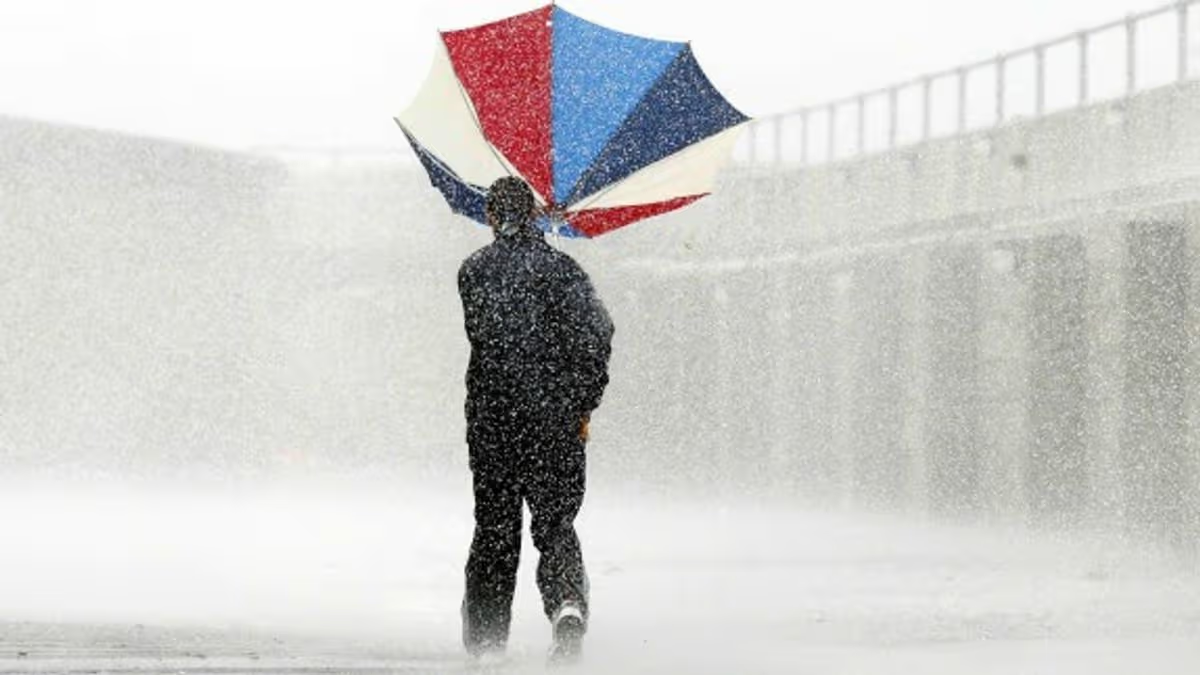
Wales blasted by force 10 winds amid Storm Dave amber warning from Met Office

Smart energy pays enters the US market, targeting scalable financial infrastructure

Why Israel is blocking foreign journalists from entering

Bitcoin: We’re Entering The Most Dangerous Phase
Financial planning is another great use case for AI

Powerful Morning Dua for Rizq, Job, Business & Financial Problems | Start Your Day with Barakah

#motivation #home #money #house #god #lakshmi #shorts #viralvideo #reels #youtubeshorts #quotes
-

 NewsBeat2 days ago
Steven Gerrard disagrees with Gary Neville over ‘shock’ Chelsea and Arsenal claim | Football
-

 Business2 days ago
No Jackpot Winner and $194 Million Prize Rolls Over
-

 Fashion1 day ago
Weekend Open Thread: Spanx – Corporette.com
-
Entertainment5 days ago
Fans slam 'heartbreaking' Barbie Dream Fest convention debacle with 'cardboard cutout' experience
-

 Crypto World3 days ago
Gold Price Prediction: Worst Month in 17 Years fo Save Haven Rock
-

 Tech6 days ago
The Pixel 10a doesn’t have a camera bump, and it’s great
-
Crypto World4 days ago
Dems press CFTC, ethics board on prediction-market insider trades
-
 Entertainment7 days ago
Lana Del Rey Celebrates Her Husband’s 51st Birthday In New Post
-

 Tech6 days ago
Avatar Legends: The Fighting Game comes out in July and it looks pretty slick
-

 Business3 days ago
Login and Checkout Issues Spark Merchant Frustration
-

 Sports4 days ago
Tallest college basketball player ever, standing at 7-foot-9, entering transfer portal
-

 Tech5 days ago
EE TV is using AI to help you find something to watch
-

 Tech5 days ago
Apple will hide your email address from apps and websites, but not cops
-

 Fashion7 days ago
Amazon Sundays: Soft Spring Layers
-

 Politics5 days ago
Should Trump Be Scared Strait?
-

 Tech6 days ago
Elon Musk’s last co-founder reportedly leaves xAI
-

 Fashion5 days ago
The Best Spring Trends of 2026
-

 Tech4 days ago
How to back up your iPhone & iPad to your Mac before something goes wrong
-

 Crypto World5 days ago
U.S. rule change may open trillions in 401(k) funds to crypto
-

 Tech5 days ago
Flipsnack and the shift toward motion-first business content with living visuals
You must be logged in to post a comment Login