

Business
Russell 2000 Futures Edge Lower in Early Trading Tuesday as Small-Cap Rally Pauses After Strong Monday Gains

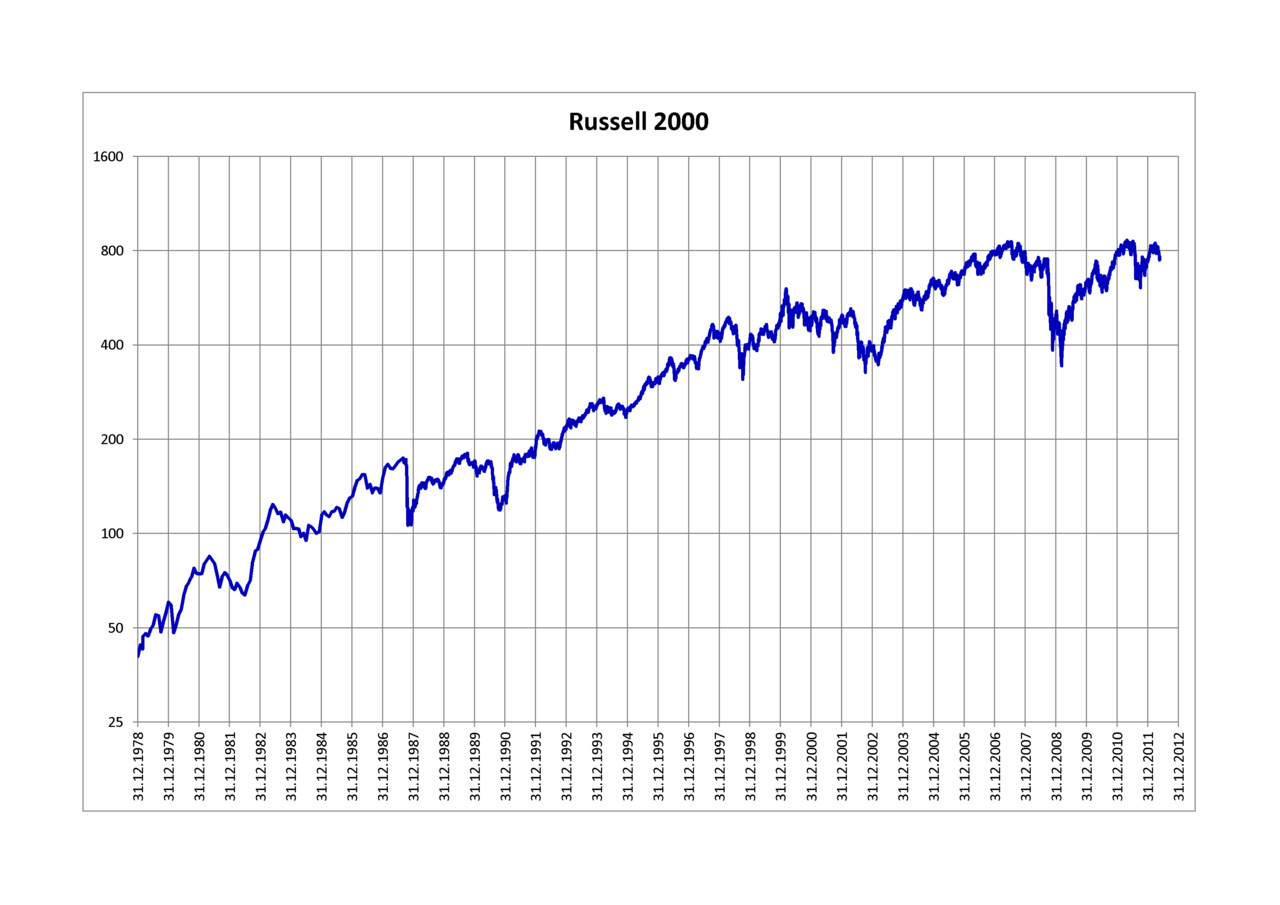
NEW YORK — Russell 2000 futures traded modestly lower in overnight and early Tuesday trading on March 24, 2026, pulling back slightly after a robust session for small-cap stocks the previous day that saw the benchmark index surge more than 2% and futures contracts post solid gains.

The front-month E-mini Russell 2000 futures contract for June 2026 settlement hovered around 2,486 to 2,492 in early Asian and European hours, down roughly 0.7% to 0.9% from Monday’s settlement levels near 2,516. The cash Russell 2000 index itself closed Monday at approximately 2,516, up more than 77 points or 3.19% in one of its strongest daily performances in recent weeks.
Monday’s rally reflected continued investor rotation into small-cap names, which have shown relative strength amid expectations of steady Federal Reserve policy and potential fiscal support for domestic-focused companies. The Russell 2000, which tracks about 2,000 smaller U.S. companies, often benefits when investors shift away from mega-cap technology stocks toward more economically sensitive sectors such as regional banks, industrials and consumer discretionary firms.
Analysts noted that small caps entered correction territory earlier in March after a pullback but have since staged a comeback, supported by lower interest rate sensitivity compared with larger growth stocks. The index remains one of the few major U.S. benchmarks in positive territory year-to-date as of late March, though it has lagged the broader market’s record highs in prior months.
Trading volume in E-mini Russell 2000 futures was active Monday, with more than 280,000 contracts changing hands in the June contract alone. Open interest remains elevated as traders position for potential volatility around upcoming economic data, including consumer confidence readings and housing market indicators later this week.
The June 2026 contract, the most actively traded near-term future, opened Monday near 2,510 before climbing as high as 2,574 in intraday action and settling around 2,516. Overnight action Tuesday showed some profit-taking, with the contract dipping toward the 2,480 level at times before stabilizing.
Market participants cited several factors influencing small-cap sentiment. The Federal Reserve’s recent decision to hold rates steady in the 3.5% to 3.75% range, combined with a patient outlook for future cuts, has eased pressure on borrowing costs for smaller businesses. Additionally, expectations around fiscal measures — including potential infrastructure or domestic manufacturing incentives — have fueled optimism for companies heavily weighted in the Russell 2000.
However, headwinds persist. Elevated geopolitical tensions, fluctuating commodity prices and lingering inflation concerns have kept some investors cautious. Small-cap valuations, while still below historical averages relative to large caps in some metrics, have risen during the recent rebound, prompting warnings from chart analysts not to chase the momentum too aggressively.
The Russell 2000 futures contract serves as a key barometer for risk appetite in the equity market. Each point in the E-mini contract is worth $50, making it a popular tool for both hedgers and speculators. Micro E-mini versions, valued at $5 per point, have also seen growing participation from retail traders seeking exposure to small-cap moves with lower capital requirements.
Broader market context Tuesday showed mixed signals. Major indices futures pointed to a subdued open on Wall Street after Monday’s mixed session, with focus shifting to corporate earnings season progress and fresh inflation data. Small caps’ outperformance Monday stood in contrast to more modest moves in the S&P 500 and Nasdaq, underscoring the ongoing “size rotation” theme that has characterized parts of 2026 trading.
Technical levels to watch include support near 2,450–2,465 for the June futures and resistance around 2,550–2,575. A break above recent highs could signal further upside for small caps, while a decisive drop below 2,450 might test recent correction lows.
Economists and strategists remain divided on the sustainability of the small-cap rally. Some argue that improving earnings visibility for domestic-oriented firms, combined with any softening in the U.S. dollar, could provide tailwinds. Others caution that persistent higher-for-longer interest rates and potential slowdowns in consumer spending could weigh on smaller companies with less pricing power or balance sheet strength.
The Russell 2000’s composition — heavy in financials, industrials, health care and consumer stocks — makes it particularly sensitive to domestic economic conditions. Recent strength in regional bank stocks and cyclical names has helped lift the index, even as technology-heavy large caps face scrutiny over high valuations.
As trading progresses Tuesday, investors will monitor any updates from the Federal Reserve or comments from officials that could influence rate expectations. Housing data due later in the week may also offer clues about the health of the broader economy, given small caps’ exposure to real estate and construction-related businesses.
For traders, Russell 2000 futures provide an efficient way to gain or hedge exposure without trading hundreds of individual stocks. The contract’s liquidity and tight spreads make it a staple in institutional portfolios seeking small-cap beta.
Looking ahead, the June 2026 contract will eventually roll to September, with typical roll activity expected in coming weeks. Market participants are already positioning for potential volatility around key events later in the spring, including more Fed meetings and quarterly earnings from small-cap heavy sectors.
Overall, while early Tuesday action showed some consolidation, the underlying narrative for small caps remains one of cautious optimism. The Russell 2000 futures’ performance continues to be closely watched as a gauge of whether the long-awaited small-cap resurgence can gather further momentum in 2026.


Remitly Global: SMB Could Be The Most Undervalued Revenue Driver


Seeking Alpha’s transcripts team is responsible for the development of all of our transcript-related projects. We currently publish thousands of quarterly earnings calls per quarter on our site and are continuing to grow and expand our coverage. The purpose of this profile is to allow us to share with our readers new transcript-related developments. Thanks, SA Transcripts Team

Elisha Newell talks to Nadia Budihardjo about Mark Norwell’s tenure at Perenti.
Business
Vodafone Idea shares jump 8% to 4-month high. What’s driving the rally amid stock market crash?

UK-based Vodafone Plc, which owns a 19% stake in Vodafone Idea, is considering transferring part of its shareholding to the company itself for the Indian telco to hold in its treasury, Bloomberg reported, citing people familiar with the matter. It added that the share transfer would take place instead of Vodafone injecting more cash into the Indian business.
This move could boost the balance sheet of the loss-making Vodafone Idea, and help its current efforts to raise debt, Bloomberg further quoted its sources as saying. Following the transfer of shares, Vodafone Idea could then sell the shares at a later date, which would in turn give it additional capital to pay the government dues as well as invest in future growth, the report added.
The Economic Times couldn’t independently verify the report.
Vodafone Idea’s financial woes

Vi, a joint venture between the Aditya Birla Group and Vodafone Group, was formed to tackle the significant competition unleashed after Reliance Jio entered the market in 2016. However, India’s third-largest telco by market share soon came under pressure due to rising AGR dues, with management highlighting the difficulty in surviving unless some concessions were given.
Under a 2021 telecom relief package, the government converted a portion of Vi’s dues into equity, raising its stake to 48.99%, making it the company’s largest shareholder. In February 2023, nearly Rs 16,000 crore of interest on deferred spectrum and AGR dues was converted into equity, which gave the government about a 33% stake at the time. This was followed by the conversion of an additional Rs 36,950 crore of spectrum auction dues into equity in April 2025.
The government, in December 2025, approved a partial moratorium on Vi’s dues, freezing them at Rs 87,695 crore and deferring repayments to the 2030s, which provided near-term cash flow relief for the debt-ridden firm.
Earlier this month, Vodafone Idea announced that the Department of Telecommunications (DoT) reduced the telco’s adjusted gross revenue (AGR) dues by 27% to Rs 64,046 crore as of December 31. It added that DoT had formed a committee to reassess its AGR dues as per the order passed by the Supreme Court earlier. DoT in January this year had frozen AGR dues at Rs 87,695 crore as of December 31, 2025.
It added that, as per the latest government order, the final amount will be payable in tranches. A minimum of Rs 100 crore will be paid annually over four years from FY32 to FY35. The remaining amount will be paid in six equal instalments annually from FY36 to FY41.
Earlier this week, Vodafone Idea named billionaire industrialist Kumar Mangalam Birla as its non-executive chairman, around five years after he resigned from the same role in the telecom giant amid financial stress.
Vodafone Idea share price
Vodafone Idea shares jumped more than 8% to trade at Rs 12.18 apiece on Monday. The stock has gained more than 15% in one week and over 31% in one month. The shares of the telecom company are up around 5% in 2026 so far.
In the longer timeframe, Vodafone Idea shares rallied 81% in one year, 70% in three years and 50% in five years.
(Disclaimer: Recommendations, suggestions, views and opinions given by the experts are their own. These do not represent the views of The Economic Times)

Australians and a New Zealander caught up in the fatal hantavirus cruise ship saga are expected to arrive in Perth tomorrow, ahead of a three-week quarantine lockdown in a Bullsbrook facility.


TUCSON, Ariz. — Nearly 100 days after Nancy Guthrie vanished from her Catalina Foothills home in a suspected early-morning kidnapping, authorities and her family say there is still no definitive answer on whether the 84-year-old mother of “Today” co-anchor Savannah Guthrie is alive.
Pima County Sheriff Chris Nanos and the FBI continue to treat the case as an active abduction investigation. No suspects have been named, and while blood evidence and signs of a struggle were found at the scene, officials have not declared Nancy deceased. The family maintains cautious optimism despite the agonizing uncertainty.
Nancy was last seen on the evening of Jan. 31, 2026. She was reported missing Feb. 1 after missing a virtual church service. Doorbell camera footage captured a masked intruder tampering with the device around 1:47 a.m. Bloodstains confirmed to be hers were discovered inside and outside the home, along with evidence of a struggle. Her pacemaker lost connection shortly afterward, and she left behind her phone, medications and other essentials.
Family’s emotional Mother’s Day plea
On May 10, Savannah Guthrie posted an emotional Instagram tribute marking the first Mother’s Day without her mother. “Mother, daughter, sister, Nonie — we miss you with every breath,” she wrote. “We will never stop looking for you. We will never be at peace until we find you.” She urged anyone with information to call the FBI tip line anonymously and reminded the public that a $1 million family reward remains active.
Savannah’s husband, Michael Feldman, also shared a heartfelt message supporting his wife during the difficult day. The family has consistently expressed belief that Nancy could still be alive, though they have privately acknowledged the possibility she may not return.
Recent developments and false leads
On May 7, a human bone was discovered about seven miles from Nancy’s home by a true-crime streamer. Authorities quickly determined it was prehistoric and unrelated to the case. The brief hope followed by disappointment highlighted the emotional toll of the prolonged search.
DNA evidence recovered from the scene continues to be analyzed. Mixed DNA profiles have been sent for advanced testing, but no public matches have been announced. Ransom notes have surfaced in media reports, though their authenticity remains under review.
Investigation challenges
Sheriff Nanos has said the task force is making progress and remains committed. “We are closer,” he told reporters recently, though he declined to provide specifics. The case has generated tens of thousands of tips, with extensive ground and air searches conducted. The FBI joined early, and the home was declared a crime scene.
Experts note the case’s complexity: an elderly victim with mobility issues taken from her home in a seemingly targeted manner, yet no clear motive has emerged publicly. Profilers have speculated possible retribution or a botched kidnapping, but no arrests have been made.
Elizabeth Smart, who survived a notorious abduction, has publicly expressed hope that Nancy remains alive, drawing from her own experience of prolonged captivity.
Nancy’s life and family bond
Nancy Ellen Long Guthrie, widowed since 1988, was described as independent, sharp-minded and deeply faithful despite mobility challenges. She was an active church member and devoted grandmother. Her disappearance has devastated the family, with Savannah stepping away from “Today” duties for weeks to focus on the search before returning in April.
The family’s public appeals have kept national attention on the case. They have stressed Nancy’s need for daily medication and urged anyone holding her to release her safely.
Broader implications
The high-profile case has spotlighted vulnerabilities of elderly residents and raised questions about home security. It has also fueled discussions about media coverage of missing persons cases involving prominent families versus others. The $1 million-plus reward (including contributions) remains one of the largest in recent Arizona history.
As the investigation nears the 100-day mark on May 11, officials continue to ask the public for any information, no matter how small. The case remains open and active, with investigators refusing to give up hope of bringing Nancy home.
For now, the question of whether Nancy Guthrie is still alive has no definitive answer. Law enforcement and her loved ones operate under the assumption she could be, while preparing for any outcome. The family’s message remains clear: they will never stop looking. Anyone with information is urged to contact the FBI at 1-800-CALL-FBI or submit tips anonymously.
The search for Nancy continues — a painful reminder of how quickly life can change and how long hope can endure in the face of silence.

CIO Weekly: The Mag 7 Pulls Apart

Glass House Brands: A Greenhouse Giant Growing Into A Narrow Margin Window

Christopher Pulichene did not follow a straight line into his career. He followed curiosity.Born in 1999 and raised in Seattle, Washington, Chris grew up in a stable home shaped by structure, family dinners, and routine. He was adopted at birth by his parents, Penelope and Pieter, and raised alongside his twin sisters, Liv and Adriana. That environment gave him something simple but powerful: consistency.“Sundays were always about family,” he says. “That rhythm taught me that structure matters.”That idea would later shape how he works in high-paced tourism environments.
Early Life: Discipline Through Sports and Family
As a kid, Christopher Pulichene played baseball and hockey. Sports gave him discipline. They also gave him perspective.“In hockey, if you lose your cool, the whole shift suffers,” he explains. “You learn to reset fast.”He also spent long days with cousins at the pool in summer and playing Nintendo during rainy Seattle winters. Those simple routines built his appreciation for balance and connection.At Roosevelt High School, he balanced academics with sports and social life. After graduation, he enrolled at Bellevue College and studied business. He learned core business concepts. But something felt off.“I realized I didn’t want to sit behind a desk long-term,” he says. “I wanted movement. I wanted people.”
Why He Left Traditional College for Hands-On Experience
While studying business, Chris began exploring seasonal hospitality roles. That decision shifted everything.He moved into structured tourism environments where guest service, safety, and operations mattered daily. These jobs gave him early exposure to fast-paced service systems.“You learn quickly that guest experience is not random,” he says. “It’s built.”He discovered that tourism operations are structured businesses. Schedules. Safety protocols. Training standards. Performance reviews.That realization reframed his career path.
Cruise Ship Experience: Learning Global Operations
Chris eventually joined cruise ship operations, working in watersports programming. His role included surf simulators, guest recreation, and water safety coordination across Caribbean itineraries.The environment was intense.“You’re managing fun and safety at the same time,” he says. “There’s no room for guesswork.”Working at sea exposed him to international teams and multicultural guest bases. It strengthened his adaptability and leadership presence.“You work with crew members from all over the world,” he explains. “Clear communication becomes survival.”Cruise ships operate like floating cities. Systems must work. Teams must trust each other. Safety cannot slip.That operational discipline sharpened his interest in maritime business models.
Transition to the Florida Keys Marine Industry
After several seasons at sea, Chris sought stability while staying connected to water-based work. He relocated to the Florida Keys.Now he works in boat rentals and watersports operations. His daily responsibilities include supporting rental logistics, ensuring equipment safety, assisting guests, and maintaining smooth operations.“Boat rentals look casual from the outside,” he says. “Behind the scenes, it’s structure.”Every rental requires safety briefings. Equipment checks. Weather awareness. Risk management.His cruise experience prepared him well.“When you’ve worked on a ship, you understand that procedures protect everyone,” he says.
How Watersports Operations Actually Work
Many people assume tourism is seasonal and informal. Chris sees it differently.Marine tourism requires coordination between bookings, maintenance, staffing, and safety compliance. Small mistakes can compound quickly.“Water adds a layer of responsibility,” he explains. “You can’t improvise safety.”His focus remains consistent guest experience.“You want people to remember the day for the right reasons,” he says.That mindset reflects leadership maturity beyond his years.
What Makes Him Different in Marine Tourism?
Chris brings structured thinking into environments often seen as recreational.He values preparation. He values clear communication. He values routine.“Consistency builds trust,” he says. “Guests feel it.”His long-term goal is to operate his own small-scale watersports business in a coastal location. He wants it built on clear systems and reliable service standards.“I don’t want chaos,” he says. “I want operations that run clean.”That goal reflects both his business education and his operational training at sea.
People Also Ask: How Do You Build a Career in Marine Tourism?
Chris’s advice is practical.Start hands-on. Learn operations before leadership. Understand safety before scale.“You have to understand the ground level,” he says. “Otherwise you’re guessing.”He also emphasizes adaptability.“Every day is different on the water,” he says. “Weather changes. Guests change. You stay steady.”That steadiness defines his leadership style.
Beyond Work: Balance and Perspective
Outside of work, Chris maintains a grounded lifestyle. He reads biographies to learn how others navigated complex paths. He plays golf to reset mentally.“Golf forces patience,” he says. “It reminds you to slow down.”He values routine and connection, much like his childhood Sundays in Seattle.That continuity matters.
The Bigger Picture
Christopher Pulichene represents a new generation of marine industry professionals. Structured. Operationally aware. Guest-focused.His career path shows that leadership does not always begin in a boardroom. Sometimes it starts on a surf simulator deck or at a boat dock in the Florida Keys.“You don’t rush growth,” he says. “You build skill first.”That mindset may be his greatest asset.From Seattle family dinners to Caribbean cruise decks to Florida marinas, Christopher Pulichene is building experience step by step.And in marine tourism, that kind of steady leadership matters.

Managing a warehouse used to require stacks of paper and physical clipboards for every single shipment. Modern business owners now use smart technology to track every item from the moment it arrives at the loading dock.
This shift creates a much smoother experience for workers and customers alike.
The right tools help teams avoid common mistakes that happen during a busy workday. Managers can see their entire stock levels in real time without counting boxes by hand. This makes it much easier to plan for the future of the company and stay ahead of the competition.
High Precision Data Tracking
Digital logs keep every department updated on the status of every single pallet in the building. This level of detail helps teams find items quickly, even in a very large facility with thousands of shelves. It prevents the frustration of losing track of expensive orders that need to go out immediately.
Every scan updates the system so everyone has access to the same information at once. This clear trail shows exactly where items are located at any given hour of the day or night.
Accurate data is the foundation of any successful retail or wholesale operation. Having these numbers ready helps owners make fast decisions during peak shopping seasons.
Maintaining Better Stock Levels
Having too much stock can be just as bad as having too little for your daily operations. Overstocking takes up valuable space and ties up your available cash flow in items that sit on shelves.
Smart systems help you find the perfect balance for every product you sell to customers. Finding the right inventory management software is a major step for any growing retail company. This tool keeps all your sales data in one organized place for easy access by the management team.
Knowing your numbers prevents the stress of unexpected backorders or empty shelves during a rush. You can satisfy your customers by having the items they need ready to ship at a moment’s notice.
Cutting Down On Business Costs
Saving money is a top priority for any business looking to grow and succeed in a tough market. Waste happens when items expire or become outdated while sitting in the dark corners of a warehouse. Reducing these losses helps protect your profit margins over the long term.
A study shared on a research platform showed that automated learning models helped businesses cut their inventory costs by 20 percent. This huge saving comes from adjusting stock levels based on each product’s actual performance in the real world.
Lowering costs gives you more freedom to invest in other areas of your business operations. You might hire more staff or upgrade your delivery vehicles with the extra money saved from the warehouse.
Identifying Market Trends Early
Predicting what customers want next month is one of the hardest parts of running a retail shop. Looking at past sales data can help you see patterns before they become obvious to everyone else in the industry.
An information journal recently explained that AI helps businesses identify trends and inefficiencies by processing large volumes of data. These digital tools find hidden patterns in the way people browse and buy products every day.
Staying ahead of trends means you will not be caught off guard by a sudden spike in customer demand. You can order supplies early and avoid the high costs of rush shipping from your regular vendors.
Automating The Fulfillment Process
Handling every order by hand takes a lot of time and increases the risk of simple errors. Automation takes care of the repetitive tasks, so your team can focus on solving complex problems for clients.
Automated systems can trigger new orders the moment your stock levels hit a certain point in the day.
- Set custom alerts for low stock items so you never run out of top sellers.
- Generate purchase orders without typing out every single detail for the vendor.
- Sync your online store with your physical warehouse levels to prevent overselling. This level of automation keeps things moving even when the main office is closed for the weekend.
Your staff will appreciate having fewer manual forms to fill out every single day they are at work. This change leads to higher job satisfaction and lower turnover in your warehouse department. People can spend their time on work that actually requires a human touch and creative thinking.
Scaling For Future Company Growth
Adding more products or new locations can be a nightmare without the right digital systems in place. A small shop has different needs than a massive distribution center with multiple loading zones and docks. Smart technology scales along with your goals so you never feel overwhelmed by the extra work.
Software handles the extra data without needing a massive increase in administrative staff in the back office. You can add 5 or 500 new items to your catalog in a very short time with a few clicks. The system stays organized no matter how big your inventory grows over the next few years.
Growth becomes a fun challenge instead of a stressful burden for your management team and staff. You can confidently open new sales channels or expand into different regions across the country. The data flows between all your locations to keep the brand consistent and the orders moving fast.
Improving Warehouse Floor Efficiency
The way you arrange your shelves can change how fast you get orders out the door to customers. Wasted movement is wasted money when your team is working overtime to finish the daily shipments. Better organization leads to a safer and more productive environment for everyone on the floor.
Digital tools suggest the best layout based on how often specific items are picked by the crew.
- Keep your best sellers near the packing stations to save time on every order.
- Organize heavy items on the lower shelves to prevent accidents and injuries.
- Clear the aisles to allow for faster forklift movement during the busiest hours. These small changes add up to significant time savings over a full work week in a large facility.
A well-designed floor plan reduces the physical strain on your warehouse employees during their shifts. They can find what they need without searching through messy piles or unorganized corners in the back.
Eliminating Common Human Errors
Even the best employees will make mistakes when they are tired or rushed during a holiday peak. Typing in the wrong SKU or miscounting a box happens more often than most owners realize during a shift. These small errors can lead to big headaches when it comes time to do taxes or annual audits.
Scanning systems act as a second set of eyes for every single transaction that happens in the warehouse. They verify that the item in the hand matches the item on the digital order screen for the customer.
Reducing errors saves you from the high cost of processing returns and shipping replacements to unhappy people. It protects your reputation with customers who expect their orders to be perfect every time they buy. Reliability is the most important part of building a lasting business relationship in any industry.
Developing A Long-Term Strategy
Making decisions based on feelings can lead to inconsistent results for a growing company. Using hard facts and figures allows you to build a strategy that actually works for your specific needs. You can see exactly which parts of your business are growing and which ones need more help.
Technology provides the reports you need to present your progress to partners or local lenders for a loan. Having professional data shows that you are a serious business owner with a clear plan for the future.
You can use these insights to phase out products that are no longer profitable for the business. This clears up space for new ideas and more popular items that your customers actually want to buy. A data-driven strategy is the best way to stay relevant in a changing economy over the coming years.
Adopting modern tools might feel like a big step for a business used to the old ways of doing things. The benefits of clear data and better organization are worth the effort of the transition for the whole team. Managers find themselves working more efficiently and making fewer expensive mistakes during their daily routines.
The future of commerce belongs to those who use information to their advantage every single day. Every scan and every automated order helps build a more stable company for the owners and the employees. Putting these systems in place today is an investment in the long-term success of your brand.

Establishment media are STILL trying to have a go at Zack Polanski

How AI Is reshaping cross-border accounting & financial advisory

The Best Financial Advisory video you will see. The 3 Most Important Plates of your Finances

Manchester United reach agreement with Casemiro over contract clause amid transfer speculation

US brings back mandatory military draft registration

Steven Gerrard disagrees with Gary Neville over ‘shock’ Chelsea and Arsenal claim | Football


-
 Crypto World3 days ago
HarrisX Poll Found 52% of Registered Voters Support the CLARITY Act
-

 Crypto World4 days ago
Upbit adds B3 Korean won pair as Base token gains Korea access
-

 Fashion3 days ago
Weekend Open Thread: Marianne Dress
-

 Tech7 days ago
Image AI models now drive app growth, beating chatbot upgrades
-
 NewsBeat4 days ago
NCP car park operator enters administration putting 340 UK sites at risk of closure
-

 Politics2 days ago
Politics Home Article | Starmer Enters The Danger Zone
-
 Business2 days ago
Ignore market noise, India’s long-term story intact, say D-Street bulls Ramesh Damani and Sunil Singhania
-
 Sports7 days ago
2026 NHL playoff picks: Second-round predictions, series odds, Stanley Cup bracket
-

 Crypto World6 days ago
UAE Free Zone Deploys Blockchain IDs to Verify Registered Firms
-

 Tech2 hours ago
GM Agrees To Pay $12.75 Million To Settle California Lawsuit Over Misuse Of Customers’ Driving Data
-

 Crypto World5 days ago
BlackRock CEO Larry Fink Discusses a New Asset Class
-

 Crypto World4 days ago
Robinhood says Wall Street is building onchain
-

 Tech1 day ago
Auto Enthusiast Carves Functional Two-Stroke Engine from Solid Metal
-
Entertainment6 days ago
Serena Williams hits Met Gala in metallic dress after GLP-1 reveal
-

 Tech5 days ago
Apple and Samsung are dominating smartphone sales so thoroughly that only one other company makes the top 10
-

 Entertainment7 days ago
Skai Jackson Responds To AI Baklash After Viral Snapchat Photos
-

 Politics6 days ago
Met Gala 2026: Madonna’s Dramatic Red Carpet Look Steals The Show
-

 Fashion4 days ago
The Best Work Pants for Women in 2026
-
 Sports7 days ago
Hearts v Rangers LIVE: Prediction, team news and line-ups as Scottish Premiership title rivals meet at Tynecastle
-

 Tech5 days ago
I tested the Xiaomi 17 Ultra’s camera and I don’t think I’ll ever go back to an iPhone
You must be logged in to post a comment Login