
Business
Russia, China and U.S. Lead

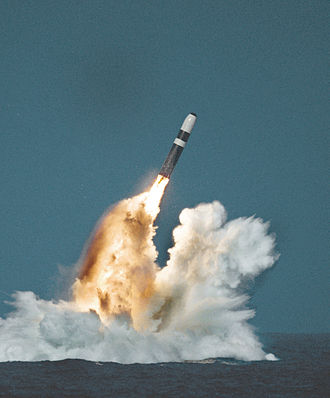
As geopolitical tensions simmer in 2026, a small group of nations dominates the global landscape of ballistic missile technology, wielding intercontinental ballistic missiles (ICBMs), submarine-launched systems and advanced medium-range weapons capable of delivering nuclear or conventional payloads across continents.

Power in this domain is measured by range, payload capacity, accuracy, mobility, multiple independently targetable reentry vehicle (MIRV) technology, penetration aids against missile defenses, and overall strategic deterrence value. Only a handful of countries possess true ICBMs with ranges exceeding 5,500 kilometers (3,400 miles), enabling global strike potential.
Publicly available assessments from arms control organizations, defense analysts and open-source intelligence as of late March 2026 point to a clear hierarchy led by established nuclear powers, with emerging players demonstrating rapid progress. Comprehensive rankings remain partly classified, but consensus from sources like the Arms Control Association, CSIS Missile Threat Project and expert analyses highlights the following top 10 countries based on the sophistication and reach of their ballistic missile arsenals.
- Russia — Russia tops nearly every assessment with the RS-28 Sarmat (Satan II), one of the world’s most formidable ICBMs. This heavy liquid-fueled missile boasts an estimated range of up to 18,000 km, a payload capacity of 10 tons or more, and the ability to carry up to 10-16 MIRVs or hypersonic glide vehicles. Designed to evade missile defenses with fractional orbital bombardment options and decoys, the Sarmat represents a cornerstone of Russia’s nuclear triad modernization. Russia also fields the RS-24 Yars and legacy systems like the SS-18 Satan, maintaining the world’s largest operational nuclear arsenal alongside advanced hypersonic capabilities.
- China — China’s rapid expansion places it a close second. The DF-41 (Dongfeng-41) road-mobile ICBM features a reported range of 12,000-15,000 km, MIRV capability (up to 10 warheads) and high mobility, making it difficult to target pre-launch. Beijing has significantly grown its ballistic missile inventory — estimated at over 3,000 total ballistic missiles — including the DF-5 series, DF-31 variants and the DF-26 “Guam Killer” intermediate-range system. China continues investing in solid-fuel technology, rail-mobile launchers and hypersonic glide vehicles, enhancing both regional and global reach.
- United States — The U.S. maintains a highly reliable and precise triad. The silo-based LGM-30G Minuteman III serves as the backbone of the land-based leg, with a range of approximately 13,000 km and single or multiple warhead options (currently configured with one warhead per missile under arms control limits). The Trident II D5 submarine-launched ballistic missile (SLBM) provides unmatched second-strike survivability from Ohio-class submarines, with ranges exceeding 12,000 km and high accuracy. The U.S. is advancing the LGM-35A Sentinel program to replace the Minuteman III, focusing on enhanced survivability and modernization.
- North Korea — Pyongyang has made striking advances with the Hwasong-17 and Hwasong-18 series ICBMs. The Hwasong-17, a massive liquid-fueled system paraded and tested multiple times, is estimated to have a range of 13,000-15,000 km or more, potentially capable of reaching the entire continental United States with a heavy payload. Solid-fuel Hwasong-18 variants improve launch readiness and survivability. North Korea continues frequent testing and claims of multiple-warhead technology, positioning it as a significant proliferator and regional threat despite international sanctions.
- India — India’s Agni-V ICBM marks its entry into true intercontinental capability, with a range of 5,000-8,000 km (some estimates higher) and MIRV development underway. The three-stage, road-mobile solid-fuel missile enhances India’s credible minimum deterrence posture against both China and Pakistan. Complementary systems like the Agni-P and submarine-launched variants strengthen the triad. India’s program emphasizes accuracy, mobility and indigenous technology, with ongoing tests refining reentry and guidance systems.
- France — As a key European nuclear power, France relies on the M51 SLBM deployed on its Triomphant-class submarines. The missile offers a range of around 8,000-10,000 km with MIRV capability and high precision. France maintains a sophisticated, independent nuclear deterrent focused on second-strike survivability, with continuous modernization of its sea-based leg and supporting infrastructure.
- United Kingdom — The UK’s nuclear deterrent centers on the Trident II D5 SLBM, shared with the U.S. program but operated from Vanguard-class (and future Dreadnought-class) submarines. With ranges exceeding 12,000 km and MIRV options, it provides continuous at-sea deterrence. The UK emphasizes a minimum credible deterrent while collaborating closely with Washington on technology and submarine platforms.
- Israel — Though officially undeclared, Israel’s Jericho III ICBM is believed to have a range of 4,800-11,500 km or more, offering strategic depth in a volatile region. The solid-fuel, road-mobile system supports Israel’s opaque nuclear posture and pairs with advanced defensive systems like Arrow and David’s Sling. Israel invests heavily in both offensive and defensive missile technologies.
- Pakistan — Pakistan’s Shaheen-III and other medium-to-intermediate range systems, including the Ababeel with MIRV claims, provide regional deterrence primarily against India. Ranges extend to 2,750 km or more for certain variants. While not yet at ICBM level, Pakistan’s program features solid-fuel mobility and rapid development, supported by a growing nuclear arsenal.
- Iran — Iran possesses the largest regional ballistic missile inventory in the Middle East, with hundreds of short- and medium-range systems capable of striking targets up to 2,000 km away. Systems like the Fateh family and others have seen production and accuracy improvements despite recent conflicts and international pressure. While lacking confirmed ICBMs, Iran’s program emphasizes saturation attacks, mobility and indigenous solid-fuel technology, raising concerns among neighbors and global powers.
Ballistic missile development in 2026 reflects broader great-power competition. Russia and China prioritize hypersonic and maneuverable reentry vehicles to complicate missile defenses. The United States focuses on modernization and arms control compliance while advancing Sentinel. Proliferation risks persist, with technology flows raising alarms in conflict zones.
Arms control frameworks like New START face strain, and transparency remains limited for many programs. Civilian casualties from conventional strikes and the existential risks of nuclear escalation underscore the stakes. Defense spending on both offensive missiles and countermeasures — such as advanced interceptors — continues to rise globally.
Experts caution that quantitative inventories (e.g., China’s large number of theater missiles) do not always equate to qualitative strategic power, where survivability, command-and-control and integration with other forces matter equally.
As testing and deployment continue, these 10 nations shape the global security environment. Diplomatic efforts to manage risks and prevent further proliferation remain critical, even as technological advances push the boundaries of deterrence and defense.


A Serve Robotics delivery robot crashed into a Chicago bus shelter, shattering a glass panel in an incident caught on video. (Credit: Centre Construction Group)
Two delivery robots reportedly crashed into bus shelters in Chicago this past week, shattering glass panels in separate incidents just days apart.
One crash, captured on video Sunday, shows a delivery robot approaching a Chicago Transit Authority (CTA) bus stop along Racine Avenue in West Town before slamming into the shelter’s glass panel, FOX 32 Chicago reported.
The impact sends shards falling onto the robot — identified as “Nasir” and operated by Serve Robotics — before it comes to a stop, FOX 32 reported.
RESTAURANT ROBOT GOES HAYWIRE, SENDS TABLEWARE FLYING BEFORE BREAKING OUT IN DANCE MOVES

One crash shows a delivery robot approaching a CTA bus stop along Racine Avenue in West Town before slamming into the shelter’s glass panel. (Centre Construction Group)
Serve Robotics said no one was injured and crews quickly cleared the scene.
“We have also been in contact with local stakeholders and are committed to addressing any concerns directly,” Serve Robotics said in a statement. “We take this matter very seriously.”
A second incident occurred Tuesday at a bus shelter near North Avenue and Larrabee Street in Old Town, according to FOX 32.
| Ticker | Security | Last | Change | Change % |
|---|---|---|---|---|
| SERV | SERVE ROBOTICS INC | 8.32 | -0.76 | -8.37% |
Video shared on social media shows a Coco Robotics delivery robot after it broke through another glass panel, FOX 32 reported.
TESLA ENDS PRODUCTION OF MODEL S AND MODEL X VEHICLES, WILL FOCUS ON ROBOTS IN 2026

A Serve Robotics delivery robot. (Serve Robotics)
“Across more than one million miles of deliveries, this is the first time one of our robots has collided with a structure like this,” Coco Robotics told FOX 32. “Our robots operate at a top speed of about 5 miles per hour, and safety is a top priority in how we design and monitor our systems.”
Coco confirmed it has launched an internal investigation, calling the crash a “rare, isolated event” and pledging to prevent similar incidents.
“We’re grateful no one was hurt. We’ve reached out to the company that owns the shelter and are taking full responsibility for the cost of repair,” Coco said.
NVIDIA REVOLUTIONIZES HOSPITALS WITH AI ROBOTS AND VOICE ASSISTANTS TO ADDRESS WORKER SHORTAGE
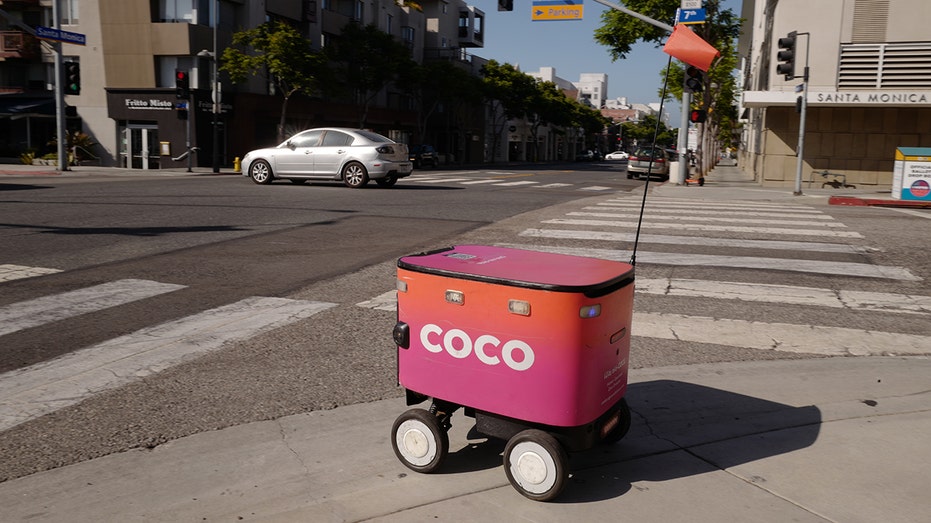
A Coco automated delivery service robot delivers food in Los Angeles. (James D. Morgan / Getty Images / Getty Images)
Coco began operating in Chicago in late 2024, while Serve Robotics rolled out its delivery robots in September as part of a city pilot program, according to ABC7 Chicago.
GET FOX BUSINESS ON THE GO BY CLICKING HERE
On Wednesday, Mayor Brandon Johnson said he was aware of the incidents and emphasized the pilot program is designed to evaluate performance and identify areas for improvement, the outlet reported.
Serve Robotics and Coco Robotics did not immediately respond to FOX Business’ request for comment.

Priovant reports positive dermatomyositis trial results in NEJM

These Europe’s big oil players are most impacted by Strait of Hormuz pricing
Business
Eminem Sparks 2026 Speculation with Merch Drops, Political Barbs and Persistent Album, Tour Rumors

DETROIT — Marshall Mathers, the Detroit rapper known to the world as Eminem, continues to dominate headlines in 2026 without dropping a new studio album, fueling intense fan speculation about fresh music, a potential world tour and even a sequel to his breakthrough film “8 Mile.”

As of late March 2026, the 53-year-old artist has stayed largely silent on major new releases since his 2024 concept album “The Death of Slim Shady (Coup de Grâce),” which explored the demise of his alter ego. Yet his official website and social ecosystem buzz with activity — from limited-edition merchandise to resurfaced political commentary — keeping the Slim Shady legacy alive amid a quiet but steady cultural presence.
Eminem’s official site announced on March 13 the release of exclusive “Stan” dog tag pendants and chains, tapping into nostalgia for one of his most iconic tracks. Earlier in February, “The Shady LPs” collection hit stores, bundling classic albums for longtime fans. These drops serve as subtle reminders of his enduring catalog while many await confirmation of new material.
Catalog Resurgence and Soundtrack Success
Eminem’s recent projects continue to chart. In January 2026, the “Stans” soundtrack — tied to a documentary about his superfans — debuted in the top 10 on the U.K. Official Hip Hop and R&B Albums chart and climbed to new highs elsewhere. The release underscored the rapper’s lasting influence on fan culture and his ability to monetize his mythos even years after peak album cycles.
No full-scale 2026 tour has been officially confirmed by Eminem’s team or promoters like Ticketmaster, which currently lists no upcoming concerts. Persistent online rumors of a “Monster Tour” or 25th-anniversary celebration have circulated on social media and fan pages, with unverified claims of dates across the U.S. and Europe. Industry observers note Eminem’s history of selective live appearances, often tied to special events rather than exhaustive global treks. A January 22, 2026, performance at Little Caesars Arena in Detroit for a private event showcased his enduring stage energy, with fans sharing clips of him performing classics like “Stan.”
Political Voice and Viral Moments
Eminem has not shied away from politics. In early February 2026, a video clip went viral showing him leading a Detroit crowd in an anti-Trump chant during what appeared to be a political mobilization event ahead of the 2026 midterms. The moment echoed his past outspokenness, including 2017 and 2020 election-cycle freestyles and his 2024 rally appearance supporting Kamala Harris. While some labeled it a “concert,” context pointed to grassroots activism in his hometown.
Recent reports suggest ongoing interviews where Eminem offered blunt commentary on current figures, though details remain sparse. His willingness to engage politically has long polarized audiences but solidified his role as a voice unafraid of controversy.
New Music Teases and Fan-Made Buzz
While official new studio tracks have not surfaced, 2026 has seen a wave of fan-made remixes and speculative videos gaining traction on YouTube. Titles like “Breakthrough,” “War,” “Better America,” “Truth Hurts” (centered on his daughter Hailie) and others blend Eminem’s verses with fresh beats, often exploring themes of resilience, politics and personal reflection. These creations reflect the voracious appetite of his fanbase, known as Stans, who dissect every hint for signs of a 13th album.
Industry speculation persists. A lawsuit late last year referenced Eminem working on “multiple projects,” prompting Reddit threads and Complex magazine to assign modest odds — around 18% — for a new album drop in 2026. Some insiders tie hopes to anniversary milestones or Dr. Dre collaborations, though nothing has been confirmed.
Eminem has historically kept details close, often teasing projects through unconventional means like the “Unsolved Mysteries”-style promo for “The Death of Slim Shady.” That album’s battle between Mathers and his Shady persona capped a concept-heavy phase following “Music to Be Murdered By” in 2020.
Legacy and Cultural Impact
At 53, Eminem remains one of hip-hop’s most decorated artists, with over 220 million records sold worldwide, 15 Grammy Awards and inductions into halls of fame. His influence spans technical lyricism, storytelling and boundary-pushing content that sparked debates on free speech, mental health and celebrity.
Recent activity includes nods to Detroit roots, such as a new 9Mile-themed restaurant specializing in Detroit-style pizza, and vinyl reissues of historic collaborations with Proof and others. Younger artists like IDK have shared that Eminem listened to and approved their work, signaling his continued role as a tastemaker behind the scenes.
Rumors of an “8 Mile” sequel have also resurfaced, with unverified reports claiming Mathers is personally involved in developing a continuation more than two decades after the 2002 Oscar-winning film. Any such project would likely emphasize authenticity, much like the original’s portrayal of underground rap battles and personal struggle.
Challenges and Outlook
Eminem’s career has navigated addiction recovery, family priorities — including his well-documented bond with daughter Hailie Jade — and the evolving music industry. He has spoken candidly about mental health and the pressures of fame, topics that resonate with fans facing similar battles.
As spring 2026 approaches, the question remains: Will Eminem deliver new music this year? Fan forums buzz with predictions ranging from a surprise summer drop to a more deliberate rollout. His team’s measured approach — focusing on quality over quantity — has defined the later stage of his career.
For now, Stans find satisfaction in catalog streams, merch hauls and the occasional viral clip. Eminem’s official channels emphasize community and legacy, with no immediate pressure for announcements.
Whether 2026 brings a full tour, new album or simply more subtle teases, the rapper’s ability to command attention without constant output underscores his unique status. From battle rap origins in Detroit to global superstardom, Mathers has built a career on unpredictability and raw talent.
As one of hip-hop’s most scrutinized figures, any move will draw massive scrutiny. Until then, the silence itself fuels the legend — proof that Slim Shady’s shadow, even in retirement, looms large over popular culture.


Vice President Vance wins CPAC conservative meeting’s 2028 presidential straw poll
SYDNEY — Australians are jetting overseas in record numbers in 2026, with more than 12.5 million international trips taken in 2025 and projections for continued strong growth this year as cost-conscious travelers favor shorter-haul Asian getaways and familiar Pacific neighbors.

Data from the Australian Bureau of Statistics and industry reports show outbound tourism rebounding robustly post-pandemic, driven by affordable flights to Southeast and North Asia, improved airline capacity and pent-up demand for beach escapes, cultural adventures and family visits. Indonesia, particularly Bali, remains the perennial favorite, while Japan and Vietnam are experiencing significant surges in popularity.
While comprehensive full-year 2026 national statistics are still emerging, early indicators from the ABS Overseas Arrivals and Departures data, Tourism Research Australia forecasts, Webjet trends reports and booking platforms like Expedia paint a clear picture: shorter, value-driven trips to Asia dominate, with traditional favorites holding strong despite economic pressures.
Here is the consensus top 10 countries Australians are visiting most in early 2026, based on recent ABS resident departure trends, visitor return data and booking momentum:
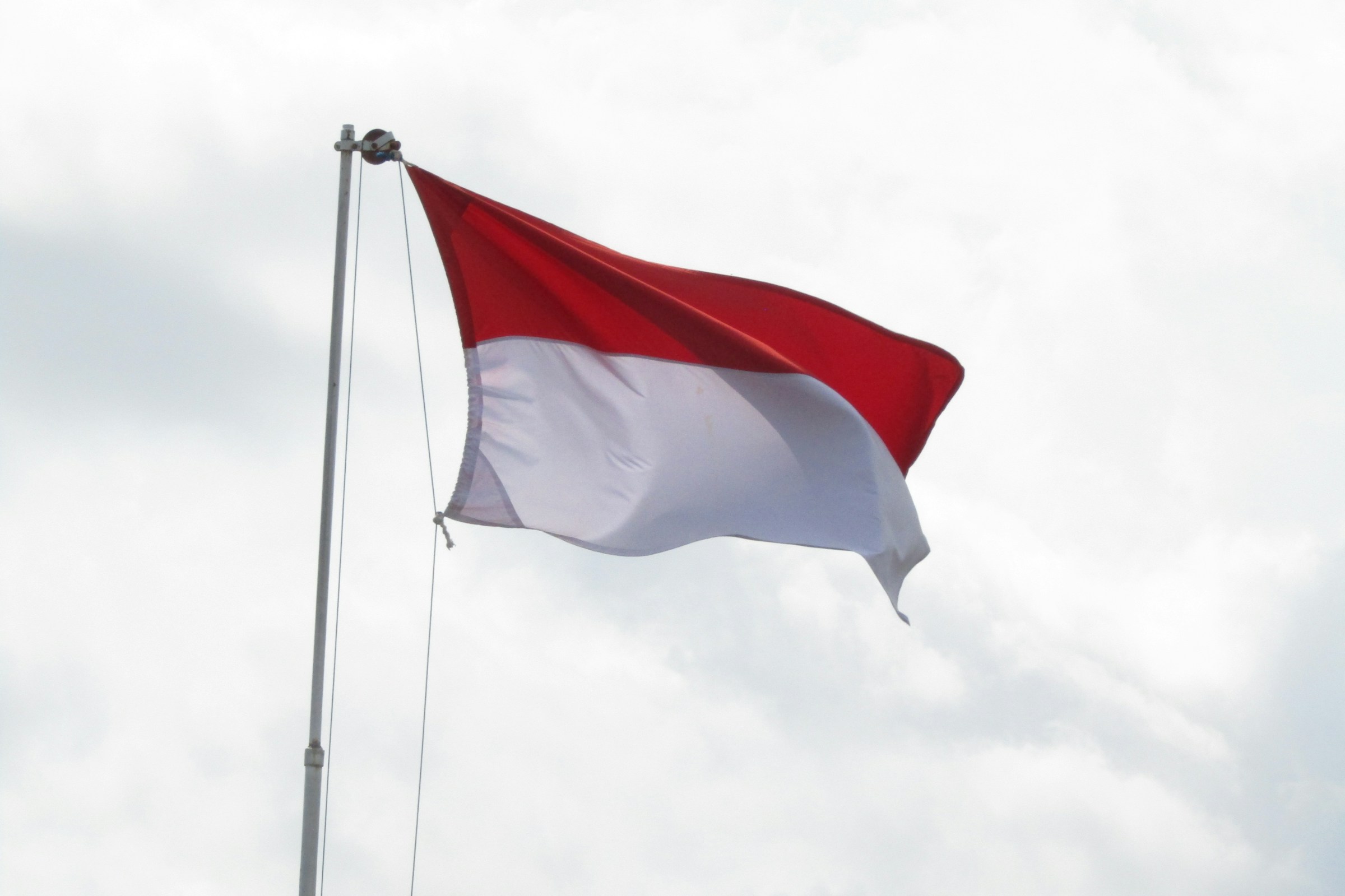
- Indonesia — The undisputed leader, accounting for around 14% of all Australian overseas trips, largely thanks to Bali’s enduring appeal. In late 2025 data, Indonesia saw approximately 177,000 short-term returns in a single month, cementing its position as the most visited destination. Aussies flock to Bali for beaches, culture, nightlife and affordability, with family and wellness trips particularly popular. Growth has been steady at about 5% year-on-year, though some reports note slight softening as new alternatives emerge.
- New Zealand — Just across the Tasman, New Zealand consistently ranks as the second-most visited country, benefiting from proximity, no-fly or short-flight convenience and shared cultural ties. Queenstown remains a hotspot for adventure seekers, while Auckland and other regions draw families and VFR (visiting friends and relatives) travelers. ABS data shows strong resident returns, with New Zealand often topping monthly charts for short-term departures. It appeals for its stunning landscapes, wine regions and easy accessibility.
- Japan — A major riser in recent years, Japan has surged in popularity with improved flight routes, favorable exchange rates and a blend of cherry blossoms, snow sports, cuisine and pop culture. Tokyo, Osaka and Kyoto top booking lists, and Japan featured prominently in both volume growth (up nearly 20% in some 2025 periods) and “most exciting” destination polls. Webjet and Expedia data highlight its strong momentum into 2026, appealing to first-timers and repeat visitors alike.
- United States — The U.S. holds steady in the top tier, with Hawaii, Los Angeles, New York and Las Vegas as key draws for Aussies seeking city breaks, theme parks, shopping and sunshine. While long-haul costs have tempered some growth, the U.S. remains a favorite for milestone trips and family holidays. Early 2026 booking trends show continued interest despite a slight dip in some periods compared to Asian alternatives.
- United Kingdom — Long a favorite for its history, culture, shopping and family connections, the UK attracts Australians for city explorations in London, countryside escapes and events. It frequently ranks in the top five for departures, bolstered by direct flights and the appeal of English-speaking destinations. Recent data places it among the leading long-haul options alongside the U.S.
- Thailand — Phuket, Bangkok and other Thai hotspots continue to lure sun-seekers and foodies with beaches, street food and vibrant nightlife. Thailand offers excellent value and variety, maintaining a solid position in the top 10 despite competition from newer Asian gems. Growth has been moderate but consistent.
- Vietnam — One of the fastest-growing destinations, Vietnam is booming with Aussies drawn to its affordability, stunning coastlines like Nha Trang and Phu Quoc, rich history in Hanoi and Ho Chi Minh City, and emerging food and wellness scenes. Reports show visitor numbers up significantly — around 15-27% in recent periods — with Expedia naming multiple Vietnamese spots among its top trending destinations for 2026.
- China — Recovering strongly, China appeals for its diverse attractions, from bustling cities to cultural sites and natural wonders. Improved relations and flight capacity have boosted numbers, with growth exceeding 19% in some 2025 metrics. It rounds out the top tier for volume in several reports.
- Italy — A perennial European favorite, Italy draws Australians for its food, history, art and romantic getaways in Rome, Florence, Venice and the Amalfi Coast. While longer and more expensive, it features strongly in “most exciting” and luxury travel lists, with steady demand for multi-country European itineraries.
- Fiji — Pacific island paradise Fiji offers relaxation, beaches and resorts ideal for honeymoons, families and quick escapes. It benefits from relatively short flight times and strong marketing, appearing consistently in top 10 lists and trending reports alongside other island destinations like Palau.
Trends Shaping Australian Outbound Travel in 2026
Industry analysts note a clear pivot toward Asia, where lower costs, shorter flights and diverse experiences provide better value amid cost-of-living concerns. Japan, Vietnam and China have recorded the strongest growth rates, while traditional long-haul spots like the U.S. have seen relative softening in some months.
Booking platforms report high interest in “coolcations,” cultural immersion and wellness travel. Luxury travelers are leaning into Japan, Italy, Greece and Fiji, according to the Virtuoso Luxe Report. Meanwhile, families and younger travelers favor Bali and Southeast Asian beach destinations.
Tourism Research Australia forecasts outbound trips moderating slightly after 2025’s record surge but still reaching high levels, with Asia-Pacific continuing to dominate. Factors include stronger Australian dollar performance against some currencies, expanded airline routes and post-pandemic revenge travel evolving into habitual exploration.
Challenges remain, including fluctuating airfares, geopolitical considerations and environmental awareness prompting some to choose closer destinations. However, overall sentiment is positive, with travel agents reporting robust early 2026 bookings.
What It Means for the Industry
The strong performance underscores Australia’s deep travel culture — roughly three in five Australians head overseas annually when possible. Popular destinations benefit from repeat visitation, word-of-mouth and targeted marketing by Tourism Australia and partner boards.
For emerging spots like Vietnam and parts of Malaysia, the influx signals opportunities for tailored experiences. Closer neighbors like New Zealand and Fiji enjoy logistical advantages that sustain high volumes year-round.
As 2026 progresses, expect continued emphasis on sustainable travel, digital nomad-friendly options and multi-destination trips combining beach time with cultural depth. Events, festivals and improved visa processes — such as Vietnam’s e-visa extensions — will further influence flows.
Australian travelers’ preferences reflect a blend of nostalgia for old favorites and excitement for fresh discoveries. Whether soaking up Bali’s vibes, skiing in Japan or exploring Italian ruins, Aussies are embracing the world with renewed enthusiasm.
The data confirms a vibrant outbound market that supports airlines, tour operators and destination economies while enriching the lives of millions of Australians seeking connection, adventure and respite abroad.
Business
BTS Returns in Force with ‘Arirang’ Album, Seoul Comeback Concert and Massive 2026 World Tour

SEOUL, South Korea — BTS has made a triumphant return to the global stage in March 2026, releasing their highly anticipated fifth studio album “Arirang” and performing their first full-group concert in nearly four years, marking the end of a prolonged hiatus caused by mandatory military service and igniting frenzied excitement among millions of ARMY fans worldwide.


The septet — RM, Jin, Suga, J-Hope, Jimin, V and Jungkook — dropped “Arirang” on March 20, a deeply reflective project drawing on Korean folk traditions and the group’s journey of separation and reunion. The album’s title references the centuries-old Korean folk song “Arirang,” symbolizing longing, resilience and coming home, themes that resonate with the members’ time apart fulfilling South Korea’s conscription requirements.
Just one day later, on March 21, BTS staged a landmark free comeback concert at Gwanghwamun Square in central Seoul, drawing an estimated 260,000 fans in what organizers described as one of the largest public gatherings for a single artist event in the country’s history. The performance, broadcast live on Netflix as part of a special documentary partnership, featured new tracks from “Arirang” alongside beloved hits, with emotional moments as the seven members shared the stage together for the first time since 2022.
The reunion caps a carefully orchestrated return. All seven members completed their military service by mid-2025, with Suga — who served in an alternative civilian role due to a prior shoulder injury — as the final member discharged in June 2025. Earlier discharges included Jin in 2024, followed by J-Hope, RM, V, Jimin and Jungkook. During the hiatus, each pursued successful solo careers, releasing chart-topping albums, embarking on individual tours and expanding their artistic horizons while maintaining strong bonds as a group.
Album and Concert Spark Global Buzz
“Arirang” has been praised for blending BTS’s signature genre-defying sound with richer Korean musical elements, showcasing matured perspectives on identity, brotherhood and global impact. Early reviews highlight introspective lyrics alongside high-energy anthems, with production contributions from all members reflecting their individual growth during the break.
The Gwanghwamun Square concert carried symbolic weight, held at a historic site near landmarks like Gyeongbokgung Palace. Fans filled surrounding streets, creating a sea of light sticks and banners. Security was tight amid the massive turnout, but reports described an atmosphere of pure celebration rather than chaos. The event included a Netflix livestream, allowing international ARMY to participate in real time.
A companion Netflix documentary, “BTS: The Return,” premiered globally on March 27, offering behind-the-scenes footage of rehearsals, recording sessions and the emotional process of regrouping after years apart. The two-part series provides rare insights into the members’ personal reflections on military life, solo journeys and their unbreakable group dynamic.
World Tour Announcement Fuels Excitement
BTS has announced “BTS World Tour ‘Arirang’,” a massive global trek spanning 34 cities and approximately 79-82 shows across five continents from April 2026 into 2027. The tour kicks off with three dates at Goyang Stadium near Seoul on April 9, 11 and 12, followed by stops in Tokyo, then North America, Latin America, Europe, Asia-Pacific and Australia.
North American dates include Tampa, El Paso, multiple U.S. cities, Toronto and four shows at SoFi Stadium in Los Angeles. Latin American stops are planned in countries including Mexico, Brazil, Argentina and Chile. Australian fans will see the group in 2027 as part of the later legs. Tickets sold out rapidly during presales, with secondary markets seeing high demand despite official warnings against scalping.
The tour builds on BTS’s history of record-breaking stadium runs, promising upgraded production, new choreography and deeper fan engagement. Members have hinted at special segments celebrating their evolution from underdogs to global icons.
Solo Successes Pave Way for Group Return
During the hiatus, each member thrived individually. Jungkook and Jimin scored major hits with solo releases, V explored acting and music, RM deepened his artistic collaborations, J-Hope delivered energetic tours, Jin charmed with variety appearances, and Suga continued producing under his Agust D persona while navigating health considerations.
These projects not only sustained momentum but strengthened the group’s collective brand. In joint interviews, including a March 2026 GQ cover story, the members spoke candidly about missing each other, the challenges of military service and their renewed commitment to BTS as a unit. “We approached this album with the same mindset we had when we first started,” they shared in earlier statements.
Cultural and Economic Impact
BTS’s return has already boosted South Korea’s cultural exports, with “Arirang” driving streams, physical sales and merchandise demand. Seoul’s tourism sector reported heightened interest around the comeback concert period, while HYBE, the group’s agency, saw positive market reactions.
The comeback underscores K-pop’s enduring global power. BTS has shattered records since debuting in 2013, becoming the first Korean act to top the Billboard 200 multiple times and earning multiple Grammy nominations. Their influence extends beyond music into fashion, mental health advocacy and social causes.
As they resume group activities, BTS has emphasized balance, with plans to continue supporting individual projects alongside collective ones. Fans have expressed relief and joy at the “OT7” (all seven) reunion, flooding social media with celebratory posts.
Looking Ahead
With the album fresh on charts and the world tour underway soon, 2026 shapes up as a landmark year for BTS. Additional promotional appearances, including a recent performance on “The Tonight Show Starring Jimmy Fallon” and a special Spotify event in New York, signal strong U.S. engagement.
Challenges remain, including managing the immense scale of their popularity, member health and the pressures of constant spotlight. Yet the group has repeatedly demonstrated resilience, turning obstacles into artistic fuel.
For ARMY, the message is clear: BTS is back, stronger and more unified than ever. From the emotional Gwanghwamun Square show to stadiums across continents, the septet’s 2026 resurgence promises unforgettable moments and a new chapter in their storied career.
As RM, Jin, Suga, J-Hope, Jimin, V and Jungkook take the stage once more, they carry the hopes of a global fandom that waited patiently — proving that even after separation, the bond of BTS remains unbreakable.

Kopin earnings beat, revenue fell short of estimates

CHICAGO — Travelers heading through Chicago Midway International Airport (MDW) this spring are encountering generally manageable TSA security wait times averaging 15 to 30 minutes, though peak hours during the ongoing spring break season and amid a partial government shutdown have occasionally pushed lines longer at the busy Southwest Airlines hub.

As of late March 2026, real-time and crowd-sourced data indicate average security screening times at Midway range from under 10 minutes in off-peak periods to 20-35 minutes during busier morning and evening rushes. Some reports from early in the week showed waits as short as 4-15 minutes, while others noted occasional bottlenecks extending closer to 45 minutes when passenger volumes spike.
The Chicago Department of Aviation, which operates Midway, does not officially track or publish detailed wait times, leaving travelers to rely on the TSA’s MyTSA mobile app, third-party trackers and real-time passenger reports on social media. The MyTSA app, which crowd-sources wait times from users at the airport, has been a key resource, though its reliability has been questioned during the partial federal government shutdown affecting some TSA operations.
Current Conditions and Recent Reports
On a typical day in late March, security wait times at Midway’s main checkpoint fluctuate based on flight schedules and time of day. Early morning hours (3-6 a.m.) often see lighter crowds with waits under 10 minutes, while mid-morning departures around 8-11 a.m. can climb to 15-25 minutes. Evening peaks before 8 p.m. similarly hover in the 15-30 minute range.
Recent traveler accounts shared on platforms like Reddit and Facebook groups dedicated to Chicago travel describe mixed experiences. Some passengers on March 23 reported clearing security in about 15 minutes, while others during spring break rushes noted longer lines. One recent post indicated no wait at all during an evening departure, with TSA PreCheck lanes moving especially quickly.
TSA PreCheck remains available at Midway, with dedicated lanes generally clearing passengers in 3-8 minutes. The program operates from approximately 4:30 a.m. to 8 p.m. daily. Travelers enrolled in TSA PreCheck, Global Entry or CLEAR are strongly encouraged to use these options to minimize delays.
The main TSA checkpoint at Midway operates from 3:30 a.m. until about 11 p.m. The airport, which handled millions of passengers in 2025 primarily via Southwest Airlines flights to destinations across the U.S. and a few international routes, sees its heaviest traffic during weekday mornings and Sunday evenings.
Factors Influencing Wait Times
Several elements are affecting security lines at Midway this month. Spring break travel for many Chicago-area schools began in mid-to-late March, increasing family and leisure passenger volumes. Additionally, a partial government shutdown has raised concerns about potential staffing shortages at TSA checkpoints nationwide, including at Chicago’s airports.
Chicago aviation officials issued warnings in mid-March that travelers could face “longer-than-usual” wait times at both O’Hare and Midway due to the combination of spring break and the shutdown. The Transportation Security Administration and U.S. Customs and Border Protection advised arriving at least two hours early for domestic flights and three hours for any international departures.
Despite the alerts, many recent reports suggest Midway has avoided the severe bottlenecks seen at some larger hubs. Waits have generally remained shorter than at O’Hare International Airport (ORD), where lines have occasionally stretched longer due to higher overall volume.
Other contributing factors include typical seasonal patterns, weather-related flight delays that bunch passengers together, and the efficiency of Midway’s single-terminal layout compared to O’Hare’s more complex setup. The airport’s focus on domestic leisure and business travel also means passenger profiles can vary widely, sometimes slowing standard screening.
How to Check Real-Time TSA Wait Times at Midway
Travelers are advised to check conditions before heading to the airport. The official MyTSA app allows users to view crowd-sourced wait times and historical data for MDW. While the app’s live reporting function requires users to be physically at the airport to submit updates, it remains one of the best free tools available.
Third-party sites such as TSAWaitTimes.com, FlightQueue and airlineairport.com provide estimates based on recent data, often showing averages around 15-25 minutes with peaks up to 35 minutes or more during busy periods. Some platforms break down waits by hour, helping passengers plan arrivals accordingly.
The Chicago Department of Aviation’s FlyChicago website offers general security information but does not display live wait times. Passengers with questions about screening policies can call the TSA helpline at (855) 787-2227 at least 72 hours before travel.
Tips to Minimize Delays at Midway
To navigate security efficiently at Chicago Midway International Airport:
- Arrive at least two hours before domestic flight departure, or earlier during peak travel periods like spring break or holidays.
- Enroll in TSA PreCheck if eligible — it significantly reduces screening time and allows keeping shoes, belts and light jackets on.
- Prepare liquids in a quart-sized bag and remove laptops and large electronics from carry-ons in advance.
- Wear slip-on shoes and avoid bulky outer layers to speed up the process.
- Consider CLEAR biometric lanes if available and if you value even faster entry to the PreCheck line.
- Monitor flight status and TSA alerts via the MyTSA app or airline notifications, as delays can shift passenger flows.
During the current partial shutdown, some travelers have reported inconsistent staffing, making advance preparation even more important. Union leaders have warned that prolonged staffing strains could lead to worsening conditions if the situation extends.
Broader Context for Chicago Travelers
Midway International Airport serves as a vital alternative to the much larger O’Hare, particularly for Southwest Airlines passengers seeking more convenient access from Chicago’s South Side and suburbs. While O’Hare often experiences more pronounced delays due to its international scope and higher traffic, Midway’s more compact design can make it a smoother experience when lines move well.
The airport has invested in modernization efforts in recent years, including improved passenger flow and technology upgrades, though security screening remains a federal responsibility handled by TSA.
For those connecting through Chicago or departing on popular routes to destinations like Las Vegas, Orlando, New York or Denver, understanding typical wait patterns helps reduce stress. Business travelers and frequent flyers often note that early weekday mornings or mid-afternoon slots tend to be more predictable.
Looking Ahead
As spring break winds down in early April and if the government shutdown situation resolves, wait times at Midway are expected to stabilize closer to the lower end of the 10-20 minute average. Summer travel season will likely bring new peaks, so monitoring tools and flexible planning will remain essential.
Passengers are reminded that TSA wait times can change rapidly based on real-time conditions. Checking multiple sources and building in a buffer remains the safest approach.
Whether catching a short domestic hop or starting a longer journey, Chicago Midway’s security process is generally efficient compared to many major U.S. airports, provided travelers arrive prepared and monitor current conditions.
For the latest updates, download the MyTSA app or visit reliable tracking sites before heading to MDW. Safe travels through Chicago’s friendly skies at Midway International Airport.

American Resources earnings missed, revenue topped estimates

UK Sanctions $20B Scam Network by Cutting Off Crypto Ties
Taylor Frankie Paul’s Neighbor Heard Screams Before 2023 Arrest
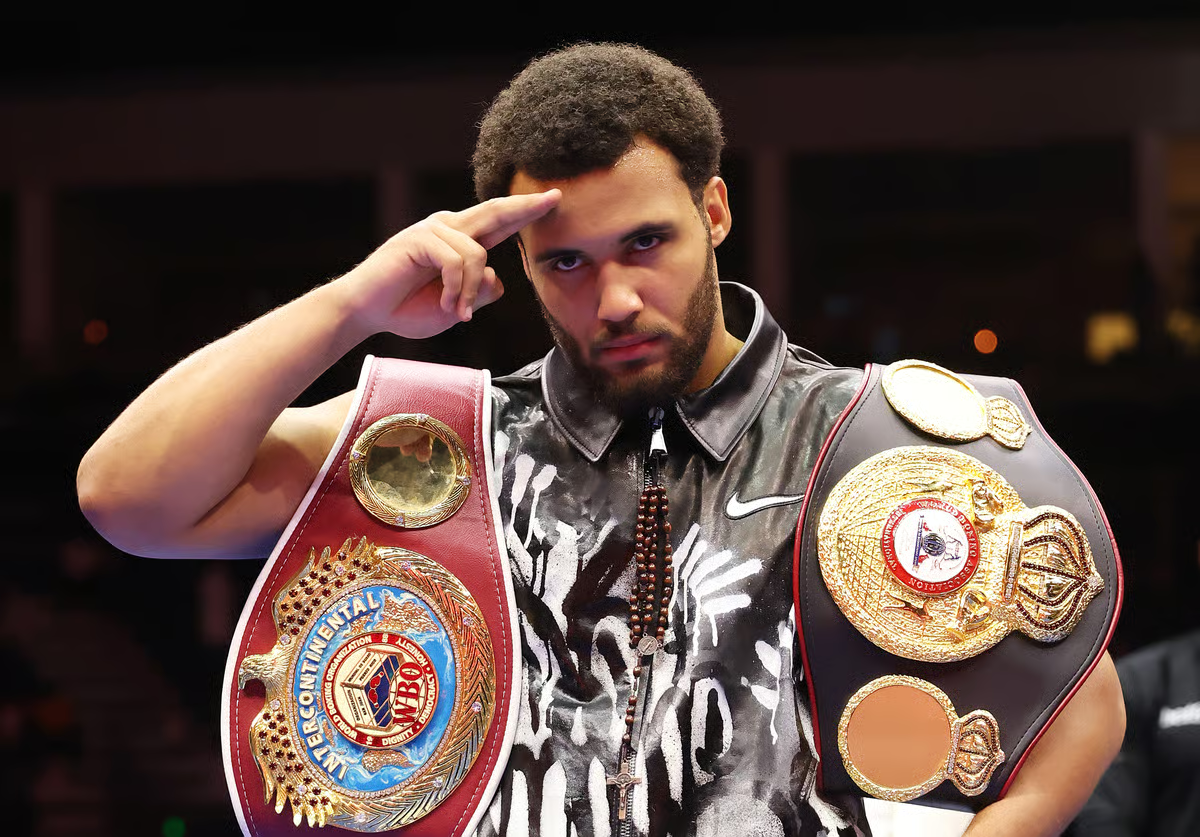
Itauma vs Franklin LIVE: Boxing fight stream, latest updates and undercard results


-
 NewsBeat3 days ago
Manchester United reach agreement with Casemiro over contract clause amid transfer speculation
-

 News Videos3 days ago
Parliament publishes latest register of MPs’ financial interests
-

 Crypto World7 days ago
Best Crypto to Buy Now: Strategy Just Spent $1.57 Billion on Bitcoin During Fear While Early Investors Quietly Enter Pepeto for 150x Potential
-

 Crypto World7 days ago
Bitcoin Price News: Bhutan Sells $72 Million in BTC Under Fiscal Pressure, but the Smart Money Entering Pepeto Sees What the Market Does Not
-

 Sports5 days ago
Remo Stars and Kano Pillars Strengthen Survival Hopes in NPFL
-

 Business6 days ago
No Winner in March 21 Drawing as Prize Rolls to $133 Million for Next
-

 Sports5 days ago
Gary Kirsten Accuses Pakistan Cricket Board Of ‘Interference’, Mohsin Naqvi Responds
-

 Tech6 days ago
Give Your Phone a Huge (and Free) Upgrade by Switching to Another Keyboard
-

 Tech6 days ago
AI enters the chat: New Seattle dating app relies on tech to facilitate meaningful human connections
-

 News Videos5 days ago
Ch 9 Financial Management Part 1 | Detailed One Shot | Class 12 Business Studies Boards 2026
-

 Business2 days ago
Instagram, YouTube Found Responsible for Teen’s Mental Health Struggle in Historic Ruling
-

 Tech7 days ago
Today’s NYT Connections Hints, Answers for March 22 #1015
-

 NewsBeat23 hours ago
The Story hosts event on Durham’s historic registers
-
 NewsBeat3 days ago
Tesco is selling new Cadbury Dairy Milk bar and people can’t wait to try it
-

 Business6 days ago
Will Duke Basketball Win It All? Duke Basketball Enters Second Round as Third Favorite to Claim NCAA Title
-

 Sports6 days ago
2026 Kentucky Derby horses, odds, futures, preview, date: Expert who hit 12 Derby-Oaks Doubles enters picks
-
 NewsBeat6 days ago
Update on Wisbech river crash as search for teenage boy enters fifth day
-

 Tech5 days ago
Samsung will soon let you control smart home devices from your car’s dashboard
-
 Entertainment5 days ago
Cynthia Bailey Dishes on ‘RHOA’ Season 17, Discusses Kandi
-

 Fashion4 days ago
Does It Matter What You Wear When You’re Laid Off and Looking?
You must be logged in to post a comment Login