
Business
Saudi Arabia Starts to Shut Down Some Oilfields


Saudi Arabia has started shutting down some of its oilfields as the disruption in the Strait of Hormuz curbs exports and the kingdom tries to reroute crude via the Red Sea.
Offshore fields such as Safaniya and Zuluf have been preemptively shut down, while output has been significantly lowered in other fields, according to Saudi officials familiar with the matter.
The shutdowns are likely to reduce output by more than 2 million barrels a day but haven’t yet impacted the kingdom’s export levels, they said.


Nick Ackerman is a former financial advisor using his experience to provide coverage on closed-end funds and exchange-traded funds. Nick has previously held Series 7 and Series 66 licenses and has been investing personally for over 14 years.He contributes to the investing group CEF/ETF Income Laboratory along with leader Stanford Chemist, and Juan de la Hoz and Dividend Seeker. They help members benefit from income and arbitrage strategies in CEFs and ETFs by providing expert-level research. The service includes: managed portfolios targeting safe 8%+ yields, actionable income and arbitrage recommendations, in-depth analysis of CEFs and ETFs, and a friendly community of over a thousand members looking for the best income ideas. These are geared towards both active and passive investors. The vast majority of their holdings are also monthly-payers, which is great for faster compounding as well as smoothing income streams. Learn More.
Analyst’s Disclosure: I/we have a beneficial long position in the shares of BDJ either through stock ownership, options, or other derivatives. I wrote this article myself, and it expresses my own opinions. I am not receiving compensation for it (other than from Seeking Alpha). I have no business relationship with any company whose stock is mentioned in this article.
Seeking Alpha’s Disclosure: Past performance is no guarantee of future results. No recommendation or advice is being given as to whether any investment is suitable for a particular investor. Any views or opinions expressed above may not reflect those of Seeking Alpha as a whole. Seeking Alpha is not a licensed securities dealer, broker or US investment adviser or investment bank. Our analysts are third party authors that include both professional investors and individual investors who may not be licensed or certified by any institute or regulatory body.
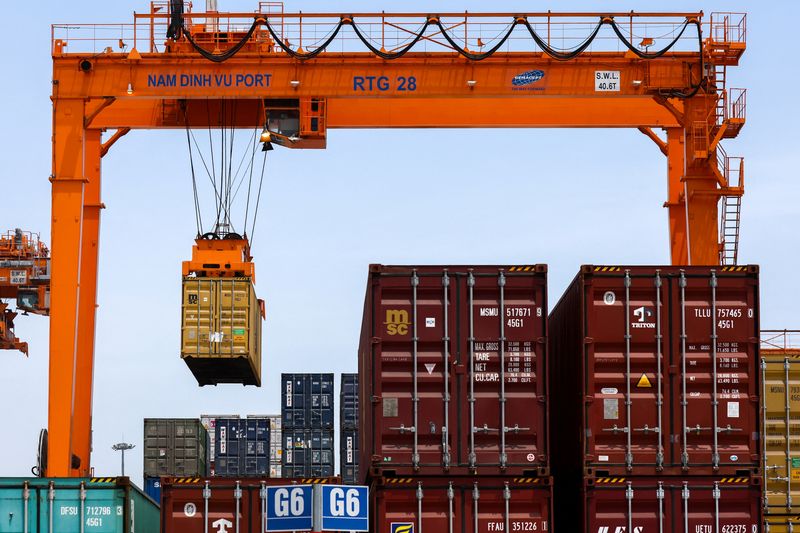

Vietnam Q1 GDP growth slows to 7.83% y/y from 8.46% y/y in Q4
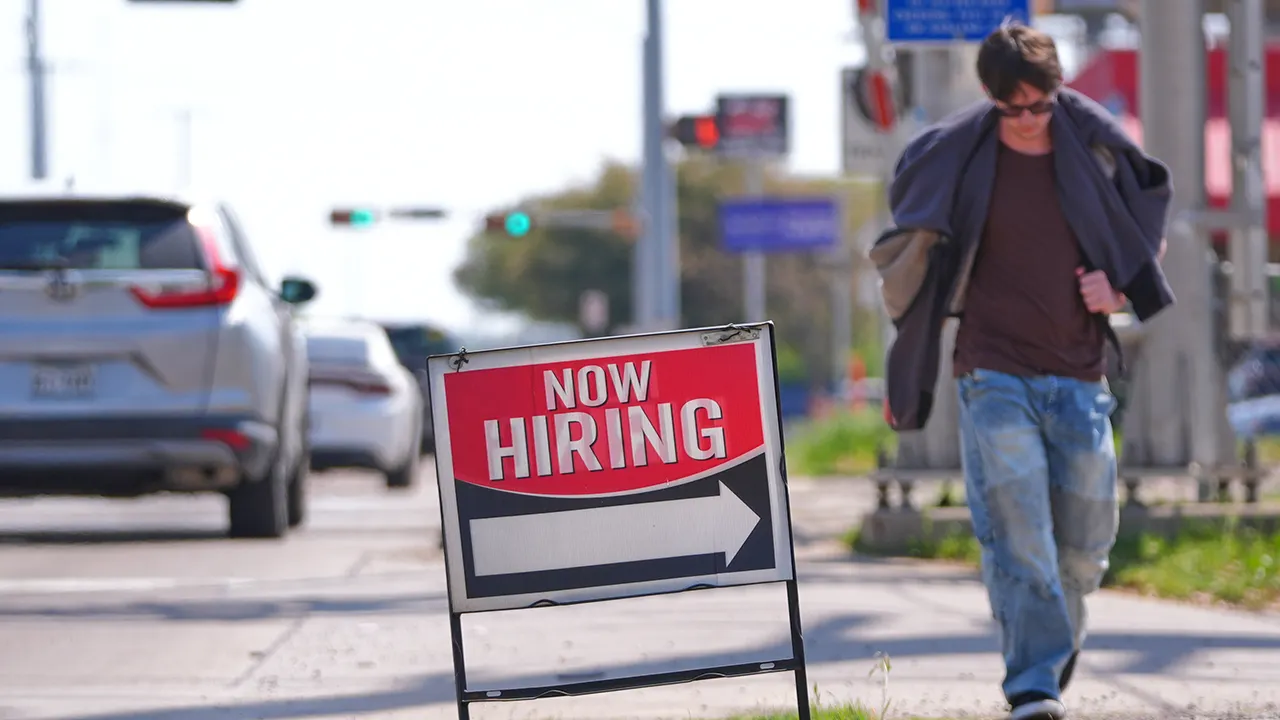
Federal Reserve Bank of San Francisco president Mary Daly analyzes the March jobs report, the impact of the Iran conflict on inflation and more on ‘Maria Bartiromo’s Wall Street.’
President Donald Trump on Friday touted the unexpectedly high March jobs report following job losses in February.
“A very happy and blessed Good Friday to all, especially to the 186,000 Americans who gained Private Sector jobs in the month of March alone!” the president wrote on Friday. “My Economic Policies have created an enormously powerful engine of Economic Growth, and nothing can slow it down.”
Trump added that “Factory Construction Jobs are soaring as a result of the rapid Onshoring and surging Investment that TARIFFS have generated, all while the Trade Deficit has shrunk by 52% in a year!”
The U.S. added 178,000 jobs in March, which includes 8,000 government job losses, according to the Bureau of Labor Statistics.
LIZ PEEK: TRUMP’S ECONOMIC WINS ARE REAL — NOW HE NEEDS TO CONVINCE THE COUNTRY
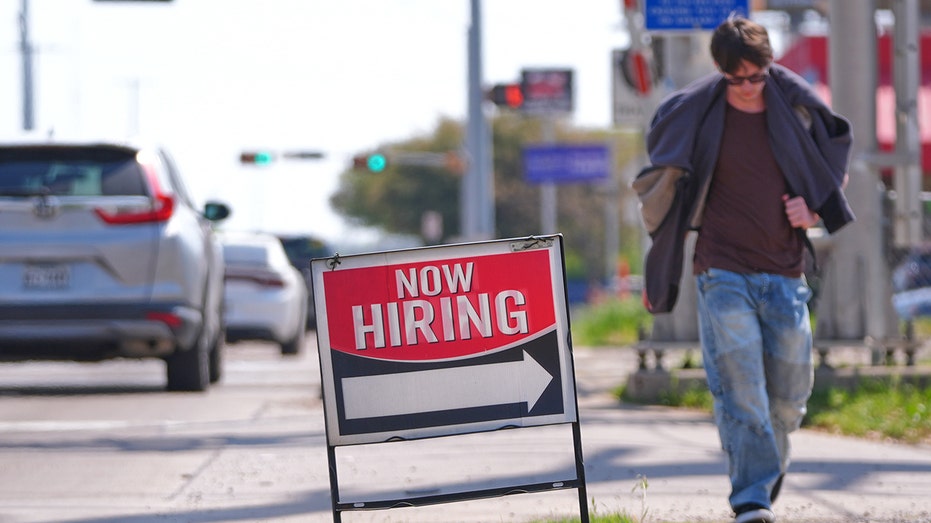
President Donald Trump on Friday touted the unexpectedly high March jobs report following job losses in February. (AP Photo/LM Otero / Associated Press)
The figure is about three times what most economists forecast.
The gains come after the country lost 133,000 jobs in February.
Unemployment also dipped from 4.4% in February to 4.3% in March while the percentage of adults in the labor force dipped to 61.9%, the lowest since November 2021.
TRUMP’S ECONOMIC WINS CANCEL OUT BIDEN’S LOSSES IN LATEST JOBS REPORT
Revisions were made to the payroll numbers for the prior two months, with January’s report revised up by 34,000 jobs from a gain of 126,000 to 160,000; while February’s report was revised down by 41,000 jobs from a loss of 92,000 to 133,000.
Taken together, employment in January and February was 7,000 jobs lower than previously reported.
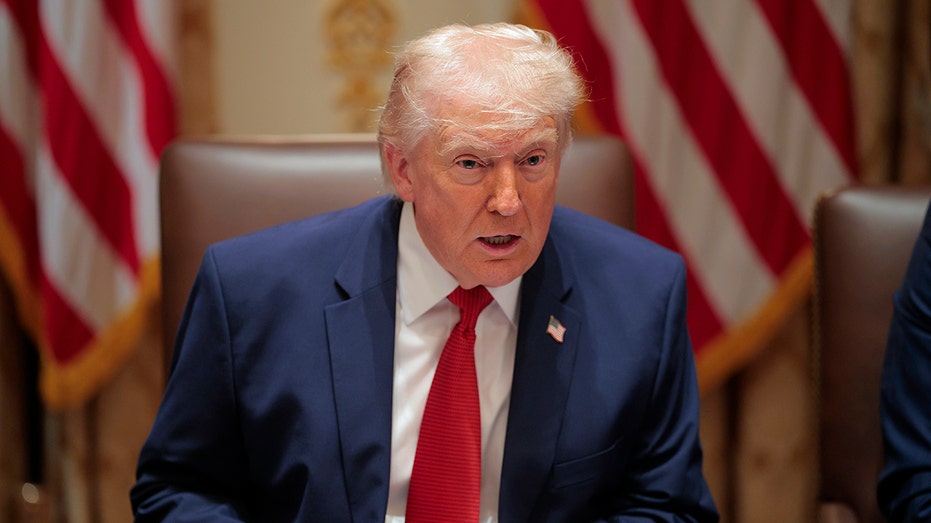
President Donald Trump credited his economic policies for the positive March jobs report. (Chip Somodevilla/Getty Images / Getty Images)
It’s not clear how the war in Iran will affect job numbers going forward as some economists say the March numbers may not fully reflect the new conflict in the Middle East.
“The data is mostly backward-looking, and likely does not incorporate any impact from the recent rise in energy prices, or other risks related to the war in Iran,” Thomas Simons, chief U.S. economist with the investment firm Jefferies, wrote in a commentary.
The health care sector led the March job gains, with 76,400 new jobs following the end of a Kaiser Permanente strike in February, as employees returned to work.
“This year will most likely be a year of shifting labor dynamics as artificial intelligence upends the job market, especially for low-skilled roles. We continue to see healthy job opportunities for workers with experience,” said Jeffrey Roach, chief economist for LPL Financial.
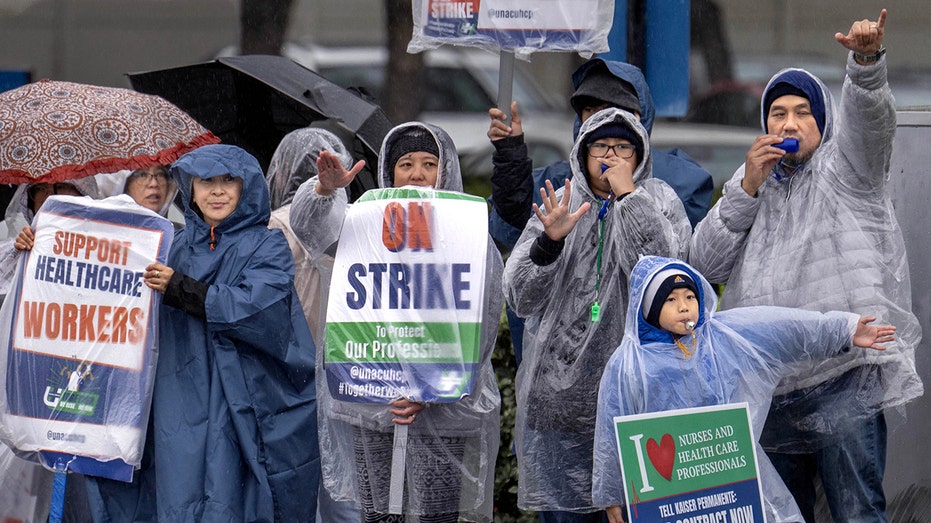
Kaiser Permanente workers on strike in February. (Mindy Schauer/MediaNewsGroup/Orange County Register via Getty Images / Getty Images)
CLICK HERE TO DOWNLOAD THE FOX NEWS APP
“Average hourly earnings rose 3.5% from a year ago, giving consumers enough buying power to overcome nagging inflation. This update on the job market gives the Federal Reserve more time to wait for inflation to decelerate before taking action,” Roach added.
The latest jobs data did little to shift the market’s expectation that the Federal Reserve is likely to leave interest rates unchanged for the foreseeable future.
Fox Business’ Eric Revell and The Associated Press contributed to this report.

Form 13D/A The New Germany Fund For: 3 April

Apple’s ultraportable iPad mini remains unchanged since its October 2024 refresh, but strong rumors point to a significant iPad mini 8 arriving in the second half of 2026, potentially featuring an OLED display, faster chip and other enhancements that could make the compact tablet even more appealing for on-the-go users.

The current seventh-generation iPad mini, powered by the A17 Pro chip and supporting Apple Intelligence, continues to sell well in 2026 as a versatile device for reading, note-taking, streaming and light productivity. Its 8.3-inch Liquid Retina display, compact design and Apple Pencil Pro compatibility keep it popular among students, travelers and professionals seeking a pocketable tablet.
However, industry analysts and leakers expect the next model — widely referred to as the iPad mini 8 — to introduce meaningful upgrades later this year. Multiple reports suggest a launch window in September or October 2026, aligning with Apple’s traditional fall release cadence for iPads alongside new iPhones.
The most anticipated change is the shift from LCD to OLED technology. OLED panels would deliver deeper blacks, higher contrast ratios, better color accuracy and improved energy efficiency compared with the current Liquid Retina screen. Some leaks indicate the display could also gain ProMotion technology for a 120Hz refresh rate, eliminating “jelly scrolling” issues reported on prior LCD models and providing smoother scrolling and animations.
A possible slight size increase to around 8.7 inches has surfaced in discussions, though many sources expect the overall form factor and bezel design to remain largely the same to preserve the beloved portability that defines the mini lineup.
On the performance front, the iPad mini 8 is rumored to feature an A18 Pro or even more advanced chip, paired with at least 8GB of RAM. This would enhance support for demanding Apple Intelligence features in iPadOS 26 or future versions, including improved on-device AI processing for writing tools, image generation and multitasking. Connectivity upgrades such as Wi-Fi 7 via a new N1 chip and a modern C1X modem for cellular models could also appear, offering faster wireless speeds and better efficiency.
Improved water resistance, similar to recent iPhones, has been mentioned in some reports, addressing a common complaint about the current model’s limited durability in wet conditions. The rear 12MP camera and front-facing camera setup are expected to carry over with minor software enhancements rather than major hardware changes.
Pricing is not yet detailed in leaks, but analysts anticipate the base model will hold steady near the current $499 starting point for 128GB storage, with higher configurations scaling up accordingly. Storage options could expand to include larger capacities to match growing demands for local AI models and media files.
The timing of the iPad mini 8 fits into Apple’s broader 2026 iPad strategy. The company refreshed the iPad Air with an M4 chip in March, while the entry-level iPad is expected to receive an A18 or A19 processor sometime in 2026 to bring full Apple Intelligence support to budget buyers. The iPad Pro received an M5 update in late 2025, leaving the mini as one of the lineup segments due for attention later in the year.
Reviewers and users who have tested the current iPad mini 7 throughout 2026 praise its all-day battery life, lightweight design and ability to handle everyday tasks with ease. Many say it pairs perfectly with the Apple Pencil Pro for digital note-taking or sketching during travel or meetings. However, some note that the 60Hz display feels dated compared with ProMotion-equipped devices, and the lack of OLED limits contrast in bright or dark environments.
For buyers deciding whether to purchase now or wait, experts offer mixed advice. Those needing a compact tablet immediately can confidently choose the current model, which remains highly capable and receives ongoing iPadOS updates. Patience may pay off for users prioritizing the latest display technology and AI performance, as the rumored 2026 upgrades could extend the device’s relevance for several more years.
Apple has not commented publicly on future iPad mini plans, consistent with its practice of avoiding pre-announcement speculation. The company typically unveils new hardware through press releases or dedicated events rather than traditional keynotes for tablet refreshes.
The iPad mini’s infrequent update cycle — the jump from the sixth to seventh generation spanned three years — reflects Apple’s focus on meaningful rather than annual changes. The 2024 model brought the A17 Pro chip and Apple Pencil Pro support, making it a substantial leap that continues to satisfy many owners well into 2026.
As Easter weekend approaches, families and students shopping for tablets may consider the current iPad mini for its portability during spring break travel or study sessions. Apple’s retail stores demonstrate the device’s strengths in note-taking, reading e-books and casual gaming.
Broader industry context shows growing competition in the compact tablet space, with Android manufacturers offering foldable or smaller-screen options at various price points. Apple’s ecosystem advantages — seamless integration with iPhone, Mac and accessories — help maintain the iPad mini’s strong position despite the wait for hardware refreshes.
Analysts from firms like Omdia and reports from Bloomberg, MacRumors and Korean outlets like ET News and ZDNET have shaped the current expectations. While some projections pushed OLED adoption to 2027, more recent leaks lean toward a 2026 debut, possibly with mass production of panels beginning in late 2025.
If the iPad mini 8 arrives with OLED and 120Hz, it could represent one of the most significant upgrades in the device’s history, addressing long-standing requests for better visuals in a pocket-sized form. Combined with stronger processing and connectivity, the model might attract new buyers who previously opted for larger iPads or competing devices.
In the meantime, owners of the current generation can take advantage of iPadOS 26 features rolling out, which enhance multitasking, Pencil interactions and AI tools across supported hardware. Software support is expected to continue for years, ensuring the 2024 model stays relevant.
Apple’s steady approach to the iPad lineup underscores confidence in the tablets’ role as versatile computing companions. For the mini specifically, the combination of power in a small package has carved out a loyal niche that the rumored 2026 refresh aims to strengthen.
Whether the next iPad mini launches in fall 2026 or slips into early 2027, anticipation is building among enthusiasts tracking every leak. For now, the existing model delivers excellent value for those seeking Apple’s smallest and most portable tablet experience.
As the year progresses, more concrete details may emerge through supply chain reports or code references in beta software. Until then, the current iPad mini remains a compelling choice for compact productivity and entertainment.

Spyre therapeutics CFO sells $370k in shares
Finding The Opportunities After The Selloff And End Of The War
Business
How Much Is the War with Iran Costing Australia? Australia Faces Billions in Economic Costs from Iran War

Australia is not fighting in the U.S.-led war against Iran, yet the conflict is already exacting a significant economic toll on the nation through surging fuel prices, inflation pressures and potential recession risks, according to government modeling and independent forecasts.

Prime Minister Anthony Albanese has repeatedly emphasized that Australia is not an active combat participant. The government has limited its involvement to defensive support, including the temporary deployment of an E-7A Wedgetail surveillance aircraft with about 85 Australian Defence Force personnel to the United Arab Emirates and the provision of air-to-air missiles to help protect Gulf states.
Nevertheless, the disruption to global oil supplies — particularly with threats to the Strait of Hormuz — has driven petrol and diesel prices to record highs, adding hundreds of dollars annually to household costs and threatening broader economic stability as of early April 2026.
Treasurer Jim Chalmers released Treasury analysis in mid-March projecting that a prolonged conflict could slash Australia’s GDP by 0.6% in 2027, equating to roughly A$16.5 billion ($11 billion) in lost economic output. In a shorter scenario with oil prices stabilizing sooner, the hit would be about 0.2% of GDP.
The war has triggered the biggest spike in fuel prices in Australian history. Petrol costs have risen about 40% since the conflict intensified, with diesel approaching or exceeding A$3 per litre in many areas. Households face an extra A$60 or more per week in commuting expenses for some workers, while industries like construction, agriculture and transport absorb higher surcharges.
Energy Minister Chris Bowen temporarily suspended fuel quality standards to boost domestic supply by an estimated 100 million litres per month, and the government halved the fuel excise tax for three months at a cost of about A$400 million in foregone revenue. Panic buying has compounded shortages at hundreds of petrol stations, even as officials insist deliveries remain assured into mid-April.
Oxford Economics warned that a drawn-out war could push Australia into a sharp recession, with GDP falling 1.1% in one quarter — the steepest drop outside the pandemic era. Inflation, already elevated, could peak 0.75 to 1.25 percentage points higher depending on how long oil prices remain elevated around $100-$120 per barrel.
The economic pain extends beyond fuel. Higher global energy prices are feeding into electricity bills and fertiliser costs, threatening the autumn planting season for farmers. Tourism Economics forecast that more than one million international visitor trips to Australia could be at risk this year due to broader uncertainty, potentially harming the A$39 billion industry.
Yet there are offsetting gains. Westpac Banking Corp. projected a multi-billion-dollar windfall for the federal budget from elevated coal, gas and gold export prices, estimating an extra A$20 billion in revenue over five years from energy commodities alone, plus A$19 billion from gold.
Albanese acknowledged in a rare national address that the shocks “will be with us for months” and that no government can fully shield citizens from global pressures. “Australia is not an active participant in this war. But all Australians are paying higher prices because of it,” he said.
The limited military commitment adds modest direct costs. The Wedgetail deployment, initially for four weeks, involves operational expenses for personnel, fuel and maintenance, though exact figures have not been publicly detailed. Australia has ruled out offensive actions or ground troops in Iran, distinguishing its stance from deeper entanglements in past conflicts.
Defence Minister Richard Marles has indicated possible extensions of support for Gulf security or post-conflict stabilization, but the government stresses decisions will prioritize national interest. Critics, including the Greens, have accused the Albanese administration of being drawn too close to U.S. operations despite public denials of combat involvement.
Broader strategic costs include heightened scrutiny of Australia’s reliance on long supply chains and fuel reserves. The conflict has exposed vulnerabilities in energy security, prompting calls for greater domestic refining capacity and self-reliance. Some analysts argue years of underfunding have left the Australian Defence Force stretched, limiting options for more robust contributions if requested.
Public and political debate has intensified around the cost-of-living crisis. Construction firms report 8-10% fuel surcharges, while truck drivers and farmers face mounting bills. Inflation risks could delay interest rate relief from the Reserve Bank of Australia.
Treasury’s modeling highlights two scenarios: a short war with oil at $100 per barrel for the first half of 2026, versus a prolonged one reaching $120 and taking three years to normalize. The latter would amplify the GDP hit and inflationary surge.
Economists note Australia’s position as a major energy exporter provides some buffer through higher commodity revenues, but as a net importer of refined fuels, it remains exposed to spot market volatility and shipping disruptions.
The war’s ripple effects have also influenced domestic policy. The government has underwritten certain fuel and fertiliser shipments and explored measures to prioritize domestic gas supply over exports. Tourism and hospitality sectors worry about reduced international arrivals amid global uncertainty.
As the conflict enters its second month, with U.S. operations continuing and an American F-15 reportedly shot down, Australian officials monitor developments closely. Albanese has urged a swift resolution while supporting efforts to curb Iran’s nuclear ambitions.
For ordinary Australians, the immediate impact is felt at the petrol pump and in grocery prices. Longer term, sustained higher energy costs could slow growth, affect employment in fuel-dependent sectors and strain budgets already pressured by housing and living expenses.
Independent analysts caution that full impacts may take months to materialize due to lags in global supply chains. Physical shortages have not yet fully hit Australian shores, but panic buying and price spikes have created a sense of crisis.
The situation underscores Australia’s interconnectedness with global events despite its geographic distance. While direct military spending remains minimal, the indirect economic costs — potentially totaling tens of billions over time — highlight the challenges of navigating alliances and energy dependencies in an unstable world.
Government task forces continue to assess fuel security, with assurances that reserves can manage short-term disruptions. However, experts warn that a prolonged closure or threat to key shipping routes could test those buffers severely.
As Easter weekend approaches, many families are feeling the pinch from higher travel costs, adding a personal dimension to the abstract economic forecasts.
Whether the war ends soon or drags on will determine the ultimate bill for Australia. For now, the nation grapples with higher prices and uncertainty without having committed combat forces, a delicate balance that officials say prioritizes both alliance responsibilities and domestic welfare.

Los Angeles Lakers superstar Luka Doncic will miss the remainder of the 2025-26 NBA regular season after an MRI on Friday confirmed a Grade 2 strain in his left hamstring, the team announced.

The injury occurred Thursday night during the Lakers’ 139-96 blowout loss to the Oklahoma City Thunder. Doncic grabbed his left hamstring while driving to the basket in the third quarter, limped off the court in visible pain and did not return.
Lakers coach JJ Redick confirmed after the game that Doncic would undergo imaging Friday. The MRI results, disclosed Friday evening, diagnosed a moderate hamstring strain that rules him out for the final five games of the regular season. His status for the playoffs, scheduled to begin April 18, remains uncertain, with typical recovery timelines for Grade 2 strains ranging from three to six weeks or longer depending on rehabilitation progress.
Doncic had played 64 games this season, one short of the NBA’s 65-game threshold for awards eligibility including MVP, All-NBA and other individual honors. The timing has sparked debate over whether the league might grant an exception, though no such precedent exists for late-season injuries of this nature.
The 27-year-old Slovenian guard has been the Lakers’ driving force, leading the league in scoring at 33.8 points per game while adding 8.3 assists and 7.8 rebounds. His dominant March, featuring historic outbursts, had positioned him as a top MVP contender alongside Shai Gilgeous-Alexander and Victor Wembanyama. In the Thunder game, he managed just 12 points on 3-of-10 shooting with six turnovers in 26 minutes before exiting.
This marks the second left hamstring issue for Doncic this season. He missed several games in February with a milder strain, raising concerns about re-aggravation in the same area for a player whose game relies on explosive drives, step-back jumpers and constant changes of direction.
The Lakers hold a slim lead for the No. 3 seed in the Western Conference but could slip without their centerpiece, potentially facing a tougher first-round matchup. The blowout loss already exposed vulnerabilities, as Oklahoma City exploited the absence after Doncic departed.
Redick and the organization have emphasized caution. “We’ll know more after the imaging,” Redick said postgame Thursday, prioritizing long-term health over short-term availability. The team has not provided a firm playoff return timetable, signaling a conservative approach.
Medical experts describe a Grade 2 strain as involving partial tearing of muscle fibers, often with swelling and pain but without complete rupture. Rehabilitation typically includes rest, physical therapy, progressive strengthening and sport-specific drills. Rushing back risks turning it into a chronic problem, particularly for a high-usage star logging heavy minutes.
The injury adds drama to the Lakers’ season roller coaster. Acquired in a blockbuster trade, Doncic has transformed the franchise alongside LeBron James. His absence forces elevated roles for Austin Reaves, Rui Hachimura, D’Angelo Russell and others, testing depth heading into the postseason.
Shams Charania of ESPN first reported the indefinite absence, while Dave McMenamin confirmed the Grade 2 diagnosis. Social media filled with concern from fans urging patience for a healthy playoff run.
The development complicates the MVP race and awards eligibility. Some analysts argue Doncic’s body of work through 64 games should still weigh heavily, while others see it opening the door wider for rivals.
Hamstring strains have historically derailed contenders at key moments. The Lakers will rely on James’ veteran leadership to maintain competitiveness in the final stretch.
Doncic’s durability has been a recurring topic. Despite generational talent, lower-body issues have required careful load management. Friday’s results underscore the physical toll of his style under constant defensive pressure.
For the Thunder, the win reinforced their status as Western Conference favorites. Gilgeous-Alexander led with 28 points as Oklahoma City pulled away decisively.
As the Lakers prepare for games against the Mavericks, Warriors, Suns and Jazz without Doncic, attention shifts to momentum and injury prevention. Officials indicate a measured recovery prioritizing playoff availability.
Broader implications affect seeding and bracket paths. A lower seed could mean earlier tough matchups, testing resilience.
Doncic has not commented publicly as of Saturday morning, but his track record suggests diligent rehab. Fans hope for a swift, full recovery, drawing parallels to past stars who returned stronger.
The NBA regular season winds down with heightened stakes. With Doncic sidelined, focus intensifies on other stars, seeding battles and playoff projections.
Medical updates will emerge in coming days as the Lakers outline a plan. For now, the diagnosis delivers a blow to a team built around the Slovenian star’s brilliance.
Whether Doncic returns in time for the playoffs — and at full strength — could define the Lakers’ 2026 postseason. In the interim, the franchise navigates the final games without its leading scorer while monitoring recovery closely.
Sports doctor Evan Jeffries noted that Grade 1 strains typically sideline players one to two weeks, while Grade 2 strains often require three to six weeks. The average time lost for nondescript hamstring strains this season has been about 22 days, higher than historical norms.
The Lakers, at 50-27 entering the injury, have secured a top-six seed but face uncertainty without their offensive engine. James, who has managed his own injury history, is expected to shoulder more playmaking duties.
League observers note the irony: Doncic’s push for durability to meet the 65-game threshold backfired with this re-aggravation. The 65-game rule, designed to encourage participation, now risks sidelining a dominant performer from awards consideration.
Public reaction split between calls for caution and urgency for a deep playoff run. Many emphasized that a healthy Doncic in May and June outweighs regular-season accolades.
The injury occurred on a non-contact drive, a common mechanism for hamstring strains in basketball. Early discomfort in the first half was addressed at halftime, with medical staff clearing him to continue before the third-quarter aggravation.
Rehabilitation protocols for elite athletes often incorporate advanced therapies, including regenerative treatments, to accelerate healing while minimizing re-injury risk. Exact protocols remain private, but experts stress gradual return-to-play criteria based on strength testing and functional movement.
For the broader NBA, the case highlights ongoing debates about schedule density, back-to-backs and player load management. High-usage stars like Doncic face elevated injury risks in a compressed season.
As Easter weekend unfolds, Lakers fans process the news amid holiday activities, with many expressing optimism for a strong postseason showing if recovery aligns favorably.
The organization continues monitoring global developments while focusing on internal preparation. No further imaging or updates were scheduled immediately, but daily assessments will guide the timeline.
Doncic’s absence shifts narrative focus to team depth and James’ leadership in what could be a pivotal stretch for the franchise’s championship aspirations.
Whether the Grade 2 strain heals in the minimum three-to-four weeks or extends toward six or more will determine playoff readiness. For now, the Lakers and their star emphasize patience and proper healing over rushed returns.
This latest chapter in Doncic’s injury history underscores both his resilience and the physical demands of modern NBA stardom. As the regular season concludes without him, anticipation builds for his potential return when it matters most — in the playoffs.

Initial Unemployment Claims Down 9K, Lower Than Expected

2 Closed-End Funds Worth A ‘Buy’

US Community Banks Fight OCC Approval of Coinbase Trust Charter

Jack Hughes Shows Off New Teeth at Yankees Opening Day


-

 NewsBeat1 day ago
Steven Gerrard disagrees with Gary Neville over ‘shock’ Chelsea and Arsenal claim | Football
-

 Business1 day ago
No Jackpot Winner and $194 Million Prize Rolls Over
-
Entertainment4 days ago
Fans slam 'heartbreaking' Barbie Dream Fest convention debacle with 'cardboard cutout' experience
-

 Fashion8 hours ago
Weekend Open Thread: Spanx – Corporette.com
-

 Crypto World2 days ago
Gold Price Prediction: Worst Month in 17 Years fo Save Haven Rock
-

 Tech5 days ago
The Pixel 10a doesn’t have a camera bump, and it’s great
-
 Entertainment6 days ago
Lana Del Rey Celebrates Her Husband’s 51st Birthday In New Post
-
Crypto World4 days ago
Dems press CFTC, ethics board on prediction-market insider trades
-

 Tech5 days ago
Avatar Legends: The Fighting Game comes out in July and it looks pretty slick
-

 Sports3 days ago
Tallest college basketball player ever, standing at 7-foot-9, entering transfer portal
-

 Tech4 days ago
EE TV is using AI to help you find something to watch
-

 Fashion6 days ago
Amazon Sundays: Soft Spring Layers
-

 Business2 days ago
Login and Checkout Issues Spark Merchant Frustration
-

 Fashion7 days ago
When Evening Dressing Gets Colorful for Spring
-

 Tech6 days ago
Elon Musk’s last co-founder reportedly leaves xAI
-

 Tech4 days ago
How to back up your iPhone & iPad to your Mac before something goes wrong
-

 Tech4 days ago
Apple will hide your email address from apps and websites, but not cops
-

 Politics4 days ago
Should Trump Be Scared Strait?
-

 Crypto World4 days ago
U.S. rule change may open trillions in 401(k) funds to crypto
-

 Tech4 days ago
Flipsnack and the shift toward motion-first business content with living visuals
You must be logged in to post a comment Login