
Business
Sebi grants one-time relaxation to companies planning public issues


“Sebi has received representation from the industry body on difficulties faced by the issuers in mobilising resources and accessing the capital market in the backdrop of ongoing geopolitical tensions in West Asia. This has led to several issuers to defer, recalibrate or withdraw issuance plans leading to potential lapses in observation letter validity and duplication of regulatory processes,” Sebi said in a circular.
The regulator said observation letters expiring between April 1, 2026, and September 30, 2026, will now remain valid until September 30, 2026. The relief is conditional upon the lead manager submitting an undertaking confirming compliance with updated disclosure requirements when filing revised offer documents.
“This is a pragmatic move by Sebi acknowledging the impact of global macroeconomic conditions on IPO market activity,” said Dharmesh Mehta, MD & CEO, DAM Capital Advisors.
Out of 141 valid approvals that were to collectively raise about ₹1.73 lakh crore through IPOs, regulatory nods for 15 mainboard companies were about to expire in 1-3 months with issuance worth ₹26,000 crore, according to data from Prime Database.

Under existing norms, Sebi’s observation letters – a key clearance for launching public issues – are valid for 12 months, or up to 18 months in certain cases. The regulator said the new rule takes immediate effect.


The drug maker’s Pen G and 6-APA backward-integration project has reached break-even, with output ramping up to an annualised 9,000-10,000 tonnes. With the government set to reset minimum import price (MIP) on Pen G, 6-APA and Amoxicillin, which are antibiotics used to treat bacterial infections, from the first quarter of FY27, pricing is expected to improve, offering a further boost to profitability.
 Agencies
Growth Pulse Co to gain from new product launches and backward integration even as the new acquisition in US starts to deliver
The US business, after reporting a 3% drop year-on-year in the December 2025 quarter, is expected to pick up, led by ramp-up in sterile capacity, execution of the specialty pipeline and synergies from the integration of Lannett Company, acquired in July 2025. In addition, the Dayton facility in the US has moved into the commercial phase and is expected to start contributing meaningfully from FY27, while the Raleigh sterile facility awaits regulatory clearance. The drug maker expects the pace of the US launches to remain healthy amid intense competition.
Europe remains the strongest region for Aurobindo, supported by a steady flow of launches across key markets such as Germany, France and Southern Europe. The region’s revenue share improved to over 31% in the December quarter from nearly 27% in FY25. The company has retained the guidance of crossing 1 billion in annual revenue for FY26 compared with 921 million in FY25. It has begun launches of key products such as bevacizumab and trastuzumab, used in cancer treatment, in parts of Europe. The oral solid dosage facility in China is expected to breakeven at the operating level in the March 2026 quarter helped by production gradually scaling towards two billion units annually and EU approvals for 10 products. The unit is likely to start contributing to the bottomline in FY27.
Motilal Oswal Financial Services expects Aurobindo to deliver 21% earnings growth annually over FY26-28. The broker has maintained a buy rating on the stock with a target price of ₹1,500, implying an upside of around 13% from Tuesday’s closing price of ₹1,329.6 on the BSE.
Business
Asian shares: Global Market Today | Oil dives, Asian stocks surge as Trump agrees to two-week ceasefire

U.S. President Donald Trump said he agreed to suspend bombing and attacks on Iran for two weeks and that a long-term peace agreement was in progress.
Global markets have been rattled since the U.S. and Israel attacked Iran at the end of February, leading Tehran to effectively close the Strait of Hormuz, a key waterway used to transit one-fifth of the world’s oil and gas.
U.S. crude futures fell around 16.5% to $94 a barrel, S&P 500 futures leapt over 2% and the dollar fell broadly, having been the haven of choice for investors during the tumult.
“Markets have been predicting that Trump was looking for an off-ramp in Iran,” said Jamie Cox, managing partner at Harris Financial Group. “Today, he got one and took it.”
Futures pointed to broad gains for Asia’s stock markets, which have been beaten down by war and soaring energy prices, and 10-year U.S. Treasury futures jumped about 15 ticks.
The risk-sensitive Australian dollar rose 1.3% to above $0.7070 and the euro gained 0.76% to $1.1683. Cryptocurrencies also rose. Trump had set a late Tuesday deadline for a deal with Iran to be reached, threatening to destroy every bridge and power plant in the country if Iran did not reopen the Strait of Hormuz. Iran had said it would retaliate against U.S. allies in the Gulf.
The six-week conflict has sent oil prices surging, stoked worries of inflation and upended the global rates outlook with countries and companies scrambling to adjust to the energy shock.
In commodities, gold prices rose over 2% to $4,812 per ounce.
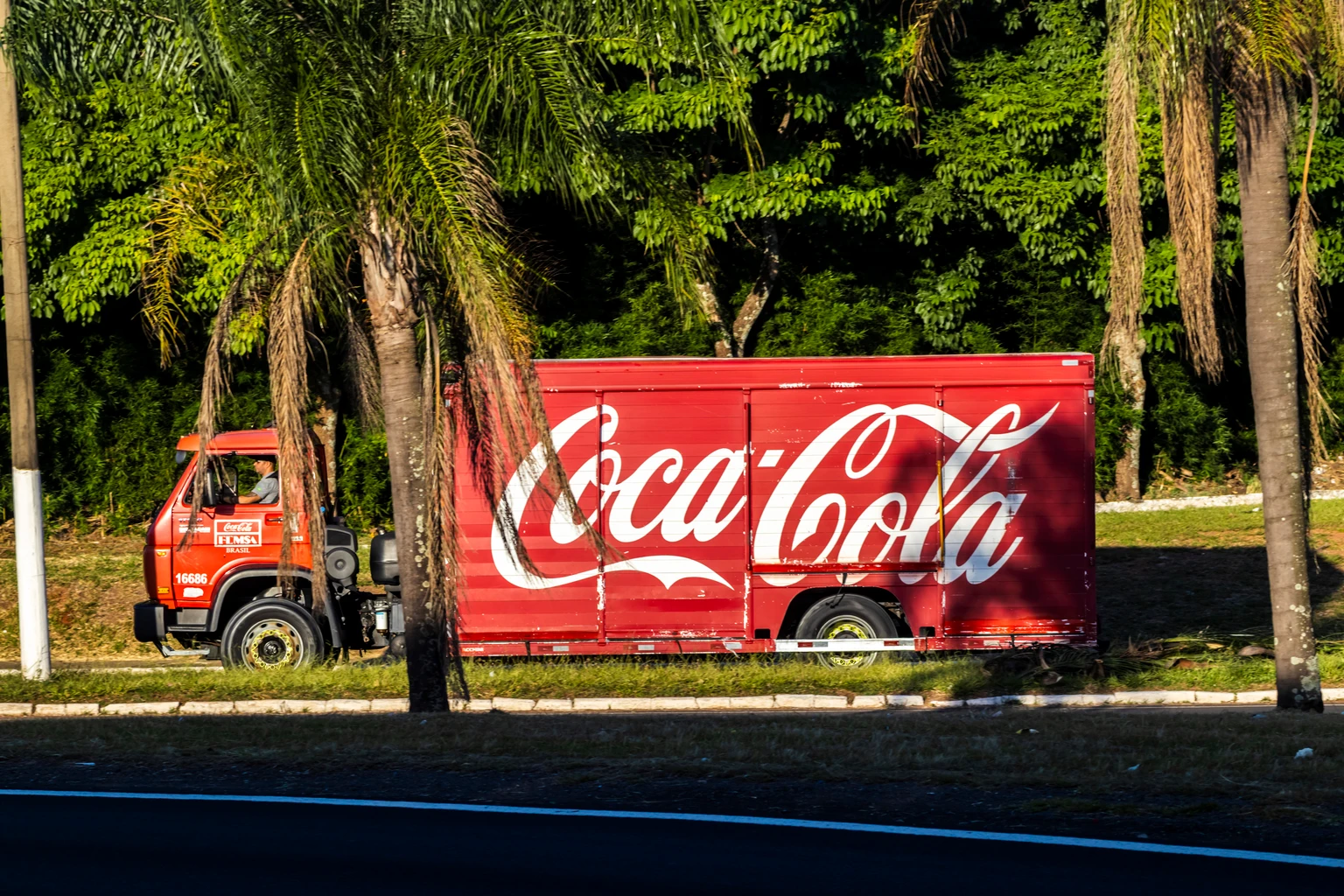
Coca-Cola FEMSA: An Irreplicable Logistics Machine At A Fair Price

The government plans to restructure oil prices to alleviate the impact of rising fuel costs on the public. This initiative aims to reduce economic strain and is timed strategically before Songkran upcoming events.
GOVERNMENT PLANS FUEL PRICE RESTRUCTURE BEFORE SONGKRAN
The government is considering a restructuring of fuel prices ahead of the Songkran festival, a key period marked by increased travel across the country. This strategic move aims to provide financial relief to consumers during the holiday season, where transportation costs typically surge. By reassessing the pricing model, officials hope to balance market demands and economic stability.
Amid rising global oil prices, the proposed restructuring seeks to mitigate potential impacts on the domestic economy. Discussions are focusing on adjusting taxes and subsidies to offer a fair pricing scheme. Such measures are anticipated to support economic growth while ensuring affordability for all citizens. The government emphasizes transparency and stakeholder involvement in making these critical decisions.
With Songkran approaching, the timely implementation of this policy could positively affect millions of travelers. By lowering fuel costs, the government aims to boost tourism, encourage spending, and promote a more prosperous festive season. This proactive approach underscores the administration’s commitment to economic resilience and public welfare, ensuring that celebrants enjoy a more affordable and joyous holiday experience.
Other People are Reading

Matt McAlear, chief executive officer of Chrysler and Dodge, during the 2026 New York International Auto Show (NYIAS) in New York, US, on Wednesday, April 1, 2026.
Bing Guan | Bloomberg | Getty Images
Chrysler and Dodge CEO Matt McAlear wants the world to know that the minivan is not dead. Far from it, he said, at the New York International Auto Show, where he showed off the latest version of the Pacifica Pinnacle, the highest-end trim of the brand’s sole product line.
The Chrysler brand — once one of the biggest names in the auto industry — only sells a single family of minivans, which many take as a sign of the brand’s impending demise.
Chrysler, which has been promising new products for years, said it will share more plans at parent company Stellantis‘ investor day on May 21 in Auburn Hills, Michigan. McAlear didn’t elaborate further but said the brand had “a lot of things in the works” and touted its only vehicle.
“We absolutely see the minivan market growing, and we believe there’s an opportunity for Chrysler to continue its growth year over year,” McAlear said. Chrysler is the best-selling brand in the segment, he added.
Minivan resurgence?
Chrysler is often credited with inventing the minivan, or at least mainstreaming it in the United States in the early 1980s. Rivals followed, but many have since abandoned it.
Since the 1990s, minivans have steadily lost ground to SUVs, which are considered sportier and more adventurous. Minivan sales were a mere 1.7% of the market in 2017, according to Edmunds. In 2025, they were up to 2.4%.
Sales numbers from Chrysler and its few competitors in this segment indicate growing interest in the adaptive and often affordable “multipurpose vehicle,” as the minivan is sometimes called. The average transaction price for a large SUV is $77,215, according to Edmunds. The average minivan price, meanwhile, is $48,269 — just above the overall industry average cost for a new vehicle of $48,402.
There is enough demand that Chrysler saw fit to unveil a new highest-end version of its minivan at the Auto Show, called the Pinnacle. The vehicle is full of features common in higher-end family vehicles, like screens on the backs of seats so passengers in a rear row can watch movies on a road trip. But there are also some perks that are tough to find outside the segment: both second and third row seats on some versions can be completely stowed in the floor, for example.
Companies like Chrysler are also trying to look beyond the “family hauler” identity the minivan has had for much of its history. Its Grizzly Peak concept has knobby tires and a roof rack, for a more rugged option and McAlear said the company was thinking about how to do more of that.
“We’re looking at it,” he said. “We’re trying to figure out if there’s a way to do it because people love it. And it is unlike anything you’ve ever seen from a minivan brand before.”
McAlear also touted the van’s storage capacity compared with similar vehicles.
“I’ve got a friend that’s a racecar driver,” he said. “One of his favorite things about this is he puts a shifter kart in the backseat with the third row down, with his kids so he can keep it safe and doesn’t have to have a trailer. Another buddy of mine loves kiteboarding, and he doesn’t want to put it on the top because it’s hard to get it up and down. It’s hard to keep it secure and safe. He keeps it inside.”
Pacifica sales were only up slightly in 2025. The affordable Voyager model, which the brand has since renamed the Pacifica LX, sells in lower quantities but saw a bigger jump. Pacifica sales were down for the first quarter of 2026, but Chrysler said they were up nearly 84% in March year over year.
There are only a handful of vehicles in this segment in the U.S., or five basic model lines including the electric Volkswagen ID Buzz, which VW prefers not to call a minivan.
Toyota Sienna sales jumped 35% in 2025, and were up again in the first quarter of 2026. It’s nowhere near Toyota’s best-selling vehicle, and many models — some of which were new ones or refreshes — saw greater increase. Toyota’s Japanese rival Honda saw sales of its Odyssey jump 10% last year. But they dipped in the first quarter of 2026.
One especially successful model has been the Kia Carnival. Volumes rose in 2025 and in the first quarter of 2026. It still doesn’t match Kia’s comparable SUVs, as minivan sales are just a few thousand shy of the three-row Sorento, but far below the popular, more rugged Telluride.
“Carnival is just a great family, practical vehicle,” said Eric Watson, vice president of sales operations for Kia America. “I think in the stage of life when people have kids and want those power sliding doors and the configuration of what that vehicle provides, it’s perfect in that life stage.”
Kia was one of the later entrants into the segment, and though it has the sliding rear door that defines the minivan segment, the body panel on it is punched into give the illusion the vehicle is an SUV.
“I think that attracts a lot of people and lowers that stigma of being a minivan family,” Watson said.
But some are attracted to the segment itself. While the Chrysler Pinnacle starts above $56,000, the lowest priced LX, starts just above $41,000.
“We’re actually seeing a resurgence,” McAlear said. “At the end of the day, these things make life easier and you don’t always have to impress everybody.”

Form 144 SailPoint For: 7 April
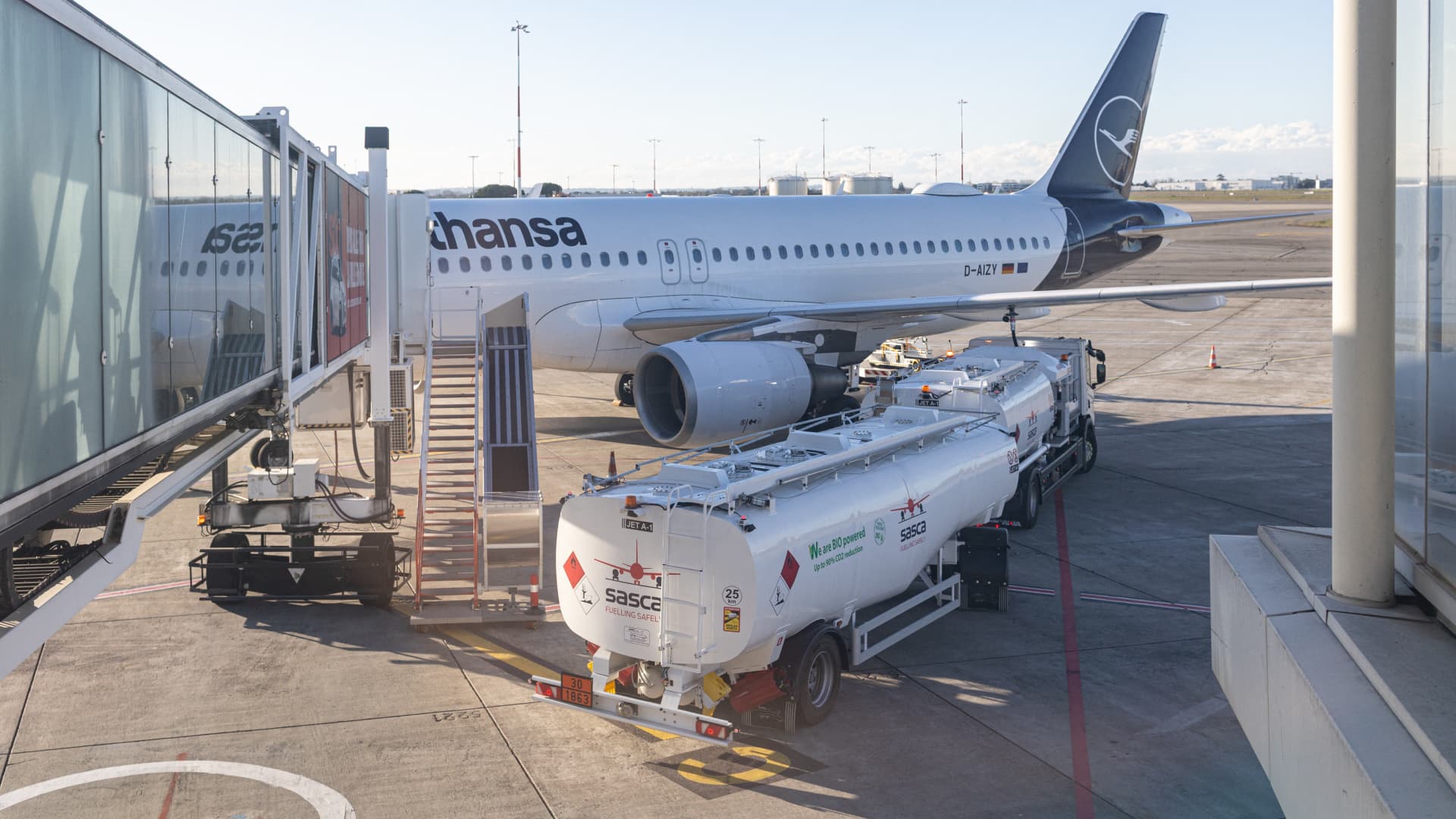
A Lufthansa passenger aircraft is parked at a gate while a SASCA fuel truck services it on the apron at Toulouse Blagnac Airport in Blagnac in Occitanie in France on March 15, 2026.
Isabelle Souriment | AFP | Getty Images
The surging price of jet fuel isn’t the airline industry’s only problem. Now, it’s whether it will have enough.
Since the U.S. and Israel attacked Iran on Feb. 28, the price of jet fuel in the U.S. has nearly doubled, going from $2.50 a gallon on Feb. 27 to $4.88 a gallon on April 2, with the increases even sharper in other regions. The effective closure of the Strait of Hormuz is choking off supplies of both crude and refined products like jet fuel, further driving up the price.
That’s forcing airlines to consider cutting flights, especially overseas.
Carsten Spohr, CEO of Germany’s Deutsche Lufthansa, told employees in a webcast last week that the carrier is assigning teams to come up with contingency plans because of the war in the Middle East, including for drops in demand or a lack of jet fuel, a spokesman said. Those plans could include grounding some of its aircraft.
The U.S. produces a lot of jet fuel and isn’t as exposed as other regions like Europe and parts of Asia are in comparison. But aircraft fill up locally, so some U.S. airlines could face shortages on international trips.
United Airlines CEO Scott Kirby told reporters late last month that the carrier, which has the most service to Asia among U.S. airlines, would have to cut back its flights there. He also said it’s “not impossible” that airlines collectively would have to reduce service in that region.
He noted that as the price of jet fuel goes up, it could be more acute in parts of the U.S. that aren’t as connected by pipelines.
“There’s not enough refining capacity, and so fuel price prior to this and going forward is more susceptible to supply weakness on the West Coast than anywhere else in the country,” he said.
Kirby told employees earlier in March that the airline is preparing for oil to stay above $100 a barrel through 2027 and is pruning some of its flights in the near term.
“To be clear, nothing changes about our longer-term plans for aircraft deliveries or total capacity for 2027 and beyond, but there’s no point in burning cash in the near term on flying that just can’t absorb these fuel costs,” he said in a March 20 message to employees.
Travel demand wild card
Airlines overall are pruning some flights for the coming months, though they often adjust schedules throughout the year to match demand, aircraft availability or other complications.
Domestic capacity in the second quarter for U.S. carriers is up 2.1%, down from previous plans of 2.3% growth, while total capacity is set to rise 1.1%, down from 2.4% on the week ended March 20, according to a Monday report from UBS.
“We expect more capacity cuts in the coming weeks,” UBS said.
So far, airline executives have said that travel demand is strong, but the fuel strains and price spikes are a headache for carriers and passengers alike as the peak summer travel season approaches.
Fuel is generally airlines’ biggest expense after labor, and carriers are already raising airfare and fees like for checked luggage to make up for the added cost.
A truck parks after refuelling a Citilink Airbus at Soekarno-Hatta International Airport following the government approval of a jet fuel surcharge, amid the U.S.-Israeli conflict with Iran, in Tangerang, on the outskirts of Jakarta, Indonesia, April 6, 2026.
Ajeng Dinar Ulfiana | Reuters
Investors will be listening for more insights into how the jet fuel spike could affect the industry as airline earnings kick off Wednesday with Delta Air Lines. That carrier owns a refinery, so it could benefit from jet fuel sales.
Delta on Tuesday raised checked bag fees, joining JetBlue Airways and United, which did the same last week.
The strong demand, particularly compared with this time last year could further insulate airlines, at least in the U.S. Last year, bookings fell as President Donald Trump‘s trade war kicked off with steep tariffs, markets sank and layoffs within the government, led by Elon Musk‘s so-called Department of Government Efficiency, took effect.
“The positive commentary on demand is still holding, but fuel at $4/4.50 [a gallon] for longer isn’t something airlines can pass through,” said Savanthi Syth, an airline analyst at Raymond James. “If fuel stays high, you’ll just see capacity being cut.”
Airlines could see a bigger problem if higher gasoline prices and other pressures on consumers cause a pullback in spending.
“We’re watching the airlines very closely right now. This doesn’t have to go on too terribly long at these [fuel price] levels before you start to see potential for ratings pressures,” said Joseph Rohlena, senior director at Fitch Ratings who covers U.S. airlines.

OmniAb director Foehr sells $29k in shares
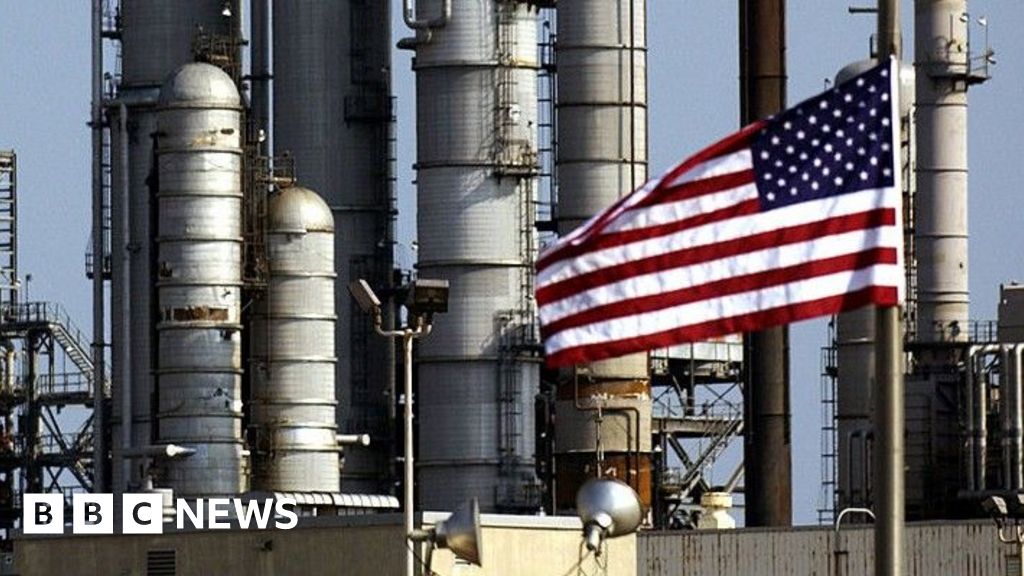
Chevron is now importing 250,000 barrels of crude per day from Venezuela.

“Clearing members whose activities drive growth in the size of the overall clearing fund today are not responsible for funding that increase,” wrote Stuart Bourne, co-head of global equities and global head of prime financing at BofA Securities; Stephen Berger, global head of government and regulatory policy at Citadel Securities; and Alicia Crighton, global co-head of futures and global head of clearing at Goldman Sachs.
The row is a sign of growing tensions between Wall Street and retail brokers over risk management amid the explosion in retail derivatives trading since the Covid pandemic, with the Options Clearing now handling trades worth about $4 trillion in notional value a day. The clearinghouse wants risk charges “more fairly” allocated among large banks and retail brokers such as Robinhood Markets and Charles Schwab, which have helped fuel a 130% increase in average daily volume to 69 million trades a day, according to the clearinghouse.

NFL Players from East H.S. (Cheyenne, WY)
Google Maps uses Gemini to write captions for your photos

make money printer #diymoney #cartoonbox se #money #experiment #experiment projectmoney


-

 NewsBeat5 days ago
Steven Gerrard disagrees with Gary Neville over ‘shock’ Chelsea and Arsenal claim | Football
-

 Business5 days ago
No Jackpot Winner and $194 Million Prize Rolls Over
-

 Fashion4 days ago
Weekend Open Thread: Spanx – Corporette.com
-

 Crypto World6 days ago
Gold Price Prediction: Worst Month in 17 Years fo Save Haven Rock
-

 Business2 days ago
Three Gulf funds agree to back Paramount’s $81 billion takeover of Warner, WSJ reports
-

 Business4 days ago
Expert Picks for Every Need
-

 Sports3 days ago
India men’s 4x400m and mixed 4x100m relay teams register big progress | Other Sports News
-

 Business6 days ago
Login and Checkout Issues Spark Merchant Frustration
-

 Tech4 hours ago
How Long Can You Drive With Expired Registration? What Florida Law Says
-
Business3 days ago
No Jackpot Winner, Prize to Climb to $231 Million
-

 Tech5 days ago
Commonwealth Fusion Systems leans on magnets for near-term revenue
-
 Tech6 days ago
Drawing Tablet Controls Laser In Real-Time
-

 Fashion2 days ago
Massimo Dutti Offers Inspiration for Your Summer Mood Board
-

 Crypto World6 days ago
Ripple rolls out enterprise crypto treasury platform for corporates
-

 Crypto World6 days ago
Why It’s Partnering, Not Issuing
-

 Business3 days ago
Akebia Therapeutics, Inc. (AKBA) Discusses Pipeline Progress and Strategic Focus on Kidney Disease Treatments at R&D Day – Slideshow
-

 Fashion7 days ago
Debenhams Occasion Dresses for Girls 2026 Collection
-
 Sports6 days ago
Steal Gary Woodland’s subtle power move for longer drives
-

 Tech6 days ago
Battery Tester Outperforms Cheaper Options
-
Politics5 days ago
Wings Over Scotland | The quality of mercy
You must be logged in to post a comment Login