

Business
Seth MacFarlane Confirms ‘The Orville’ Season 4 Scripts Complete, But Production Hinges on His Schedule


Seth MacFarlane has delivered a hopeful yet cautious update on the future of his sci-fi comedy series “The Orville,” revealing that all 10 scripts for a potential fourth season are finished but production remains stalled due to his packed professional commitments.

In a recent interview with The Hollywood Reporter promoting the second season of his Peacock series “Ted,” MacFarlane addressed fan speculation about the show’s status nearly four years after “The Orville: New Horizons” concluded its third run on Hulu in 2022.
“I will be honest with you: Season four is written,” MacFarlane said. “It’s just a question of when we have the time to produce it. The 10 scripts are done. I’m the problem. It’s [a matter of] when I can make that my year, with all the other stuff we have in the works. But we can hit the ground running when it happens.”
The confirmation marks the most concrete progress reported on Season 4 since the series shifted from Fox to Hulu for its third season. MacFarlane emphasized that Hulu remains supportive and ready to move forward, underscoring the project’s ongoing viability despite the long hiatus.
“The Orville” blends Star Trek-inspired space exploration with irreverent humor, following Captain Ed Mercer (MacFarlane) and the crew of the USS Orville as they navigate interstellar adventures, personal relationships, and moral dilemmas. The show has built a dedicated fanbase for its character-driven storytelling, practical effects, and balance of comedy and drama.
Season 3, titled “New Horizons,” aired in 2022 and received praise for its ambitious scope, including high-stakes storylines involving the Kaylon war, Krill alliances, and character growth for figures like Commander Kelly Grayson (Adrianne Palicki) and Dr. Claire Finn (Penny Johnson Jerald). The season ended on an optimistic note with the crew united, leaving room for future explorations but no cliffhanger demanding immediate resolution.
Despite the lack of new episodes, the series has maintained cultural relevance through streaming availability on Hulu and international platforms. Fans have kept hope alive through online communities, petitions, and convention appearances by cast members, who have consistently expressed enthusiasm for returning.
MacFarlane’s schedule has indeed been demanding. In addition to starring in and executive producing “Ted” — whose second season premiered in early 2026 — he has juggled multiple projects, including voice work, music, and development deals. He has described “The Orville” as a passion project that requires his full attention as creator, writer, director, and lead actor, making it challenging to carve out the extended production window needed for the show’s elaborate sets, visual effects, and ensemble filming.
Earlier reports, including comments from co-star Scott Grimes in 2024, suggested potential filming in early 2025, but no production has materialized. Some outlets speculated about renewal in late 2024, but MacFarlane’s latest comments clarify that while scripts exist and the network is amenable, timing remains the primary obstacle.
The delay has sparked mixed reactions among fans. Many celebrated the script completion as a sign the show is far from dead, with social media buzzing over the prospect of new adventures for the Planetary Union crew. Others expressed frustration over the wait, noting that four years without new content risks losing momentum in a competitive streaming landscape.
MacFarlane has repeatedly insisted the series is not canceled. “Nobody has told me that it’s dead from the network,” he said in prior interviews, and the current update reinforces that sentiment. Hulu executives have previously praised the show, with ABC Entertainment and Hulu president Craig Erwich calling it a “great show” loved by fans, though no formal renewal announcement has followed.
The series’ future could hinge on MacFarlane prioritizing it amid his expanding portfolio. If production begins, the elaborate practical sets and VFX-heavy episodes typically require 12-18 months from start to premiere, potentially pushing a Season 4 debut to late 2027 or beyond.
For now, the 10 completed scripts represent a tangible step forward, keeping the door open for the USS Orville to resume its journey. MacFarlane’s candid acknowledgment of his role in the delay highlights the personal investment required for a project he has steered from inception.
As “Ted” Season 2 unfolds and other commitments continue, fans await word on when — or if — MacFarlane can clear his calendar for the stars. Until then, the Planetary Union remains in a holding pattern, with scripts ready and hope enduring.

FOX Business’ Lauren Simonetti reports on the latest lawsuits hitting Starbucks as baristas in multiple states claim the company’s new dress code is illegal and forcing them to pay out of pocket.
Starbucks is growing its corporate footprint and plans to open a new office in the South later this year.
The Seattle-based coffee company will establish an office in Nashville, Tennessee, as part of its broader plan to expand across North America, especially in the central U.S., the South and parts of the Northeast, according to an internal message sent Tuesday and reviewed by FOX Business.
“To support these ambitions, we have made the decision to establish a strategic presence in the Southeast region of the U.S., and will be opening an office in Nashville, Tennessee, later this calendar year,” the company said.

A sign with the Starbucks logo hangs near the entrance to a Starbucks coffee shop in Aspen, Colorado. (Robert Alexander/Getty Images)
FORMER STARBUCKS EXEC SAYS SHE WAS FIRED AFTER RAISING CONCERNS OVER MAGGOTS, SAFETY: LAWSUIT
The new Nashville office will be home to some of the teams that manage Starbucks’ supply chain across North America.
“We see Nashville, Tennessee, as an ideal location to open an office and establish a more strategic presence in the Southeast region of the U.S.,” Starbucks Chief Operating Officer Mike Grams said in a statement. “The city offers a deep, talented and growing workforce, making it a desirable location for us.”
The plans were first reported by The Wall Street Journal.
“Included in this office will be our direct and indirect sourcing and sourcing operations teams, which will serve our North America operations, bringing together current and future sourcing roles in a geographic location that offers access to great talent and better proximity to key suppliers,” the company said.
Seattle will remain the chain’s North America and global support headquarters.

The Starbucks Corp. headquarters in Seattle, Washington. (David Ryder/Bloomberg via Getty Images)
Starbucks plans to offer relocation opportunities to dozens of Seattle-based employees, while also opening additional roles in the Nashville market over time, according to the Journal.
STARBUCKS’ TURNAROUND PLAN SHOWS PROMISE IN US AS SALES GROWTH RETURNS FOR FIRST TIME IN 2 YEARS
Employees who choose not to move may receive severance pay and can apply for other open roles within the company, the Journal reported.
| Ticker | Security | Last | Change | Change % |
|---|---|---|---|---|
| SBUX | STARBUCKS CORP. | 96.68 | -0.08 | -0.08% |
Tennessee Gov. Bill Lee welcomed the announcement, saying the state’s business-friendly environment continues to attract major companies.
“Companies across the nation recognize that Tennessee’s strong values and fiscally-conservative approach are good for business, and we are proud to welcome another Fortune 500 company like Starbucks to our state,” Lee said in a statement on Tuesday. “We’re grateful they have chosen to build a future in the Volunteer State and will create quality jobs for Tennesseans.”
STARBUCKS CEO CALLS AI ‘CO-PILOT,’ NOT REPLACEMENT FOR WORKERS AMID COMPANY TURNAROUND EFFORTS
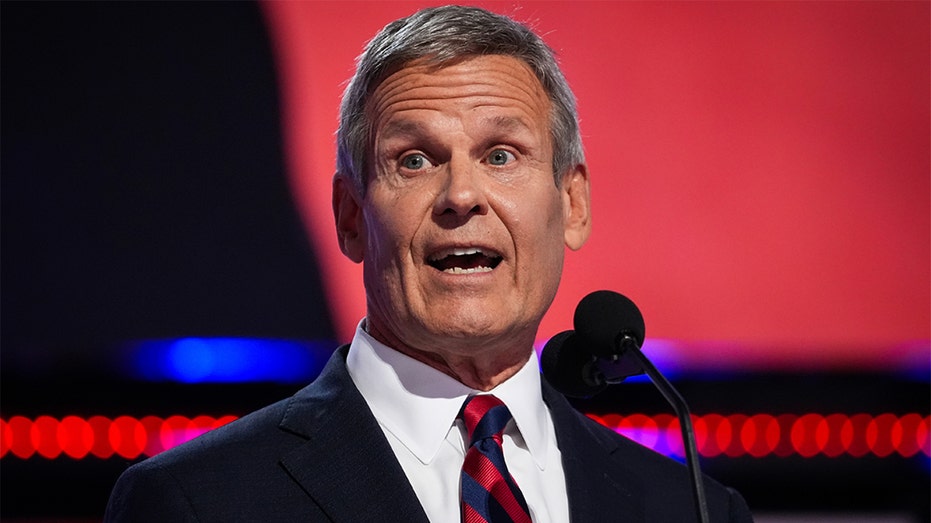
Tennessee Gov. Bill Lee welcomed Starbucks’ announcement. (Andrew Harnik/Getty Images)
Nashville is already home to large employers such as Bridgestone and HCA Healthcare.
GET FOX BUSINESS ON THE GO BY CLICKING HERE
In-N-Out is also expected to open a 100,000-square-foot eastern territory office near Nashville late this year.


The equity market is a powerful mechanism as daily fluctuations in price get aggregated to incredible wealth creation or destruction over the long term. Pacifica Yield aims to pursue long-term wealth creation with a focus on undervalued yet high-growth companies, high-dividend tickers, REITs, and green energy firms.
Analyst’s Disclosure: I/we have a beneficial long position in the shares of BXSL either through stock ownership, options, or other derivatives. I wrote this article myself, and it expresses my own opinions. I am not receiving compensation for it (other than from Seeking Alpha). I have no business relationship with any company whose stock is mentioned in this article.
Seeking Alpha’s Disclosure: Past performance is no guarantee of future results. No recommendation or advice is being given as to whether any investment is suitable for a particular investor. Any views or opinions expressed above may not reflect those of Seeking Alpha as a whole. Seeking Alpha is not a licensed securities dealer, broker or US investment adviser or investment bank. Our analysts are third party authors that include both professional investors and individual investors who may not be licensed or certified by any institute or regulatory body.

Leaders talk a lot about cybersecurity in 2026, but many still miss the less glamorous privacy blind spots quietly putting teams, devices, and customer data at risk.
These issues rarely make boardroom decks, yet they are exactly the kinds of exposures attackers exploit because they slip through day-to-day habits and decentralised workflows. Here are the seven risks most often overlooked, along with simple ways to shrink the blast radius.
1. Malicious Public WiFi That Silently Intercepts Traffic
Public hotspots in airports, trains, hotels, and conference centres remain a favourite target for attackers. Network spoofing, captive portal injections, and silent packet captures are still common, especially during high travel seasons.
In a study highlighted by arXiv, researchers describe how attackers use realistic-looking browser prompts and extensions to hijack sessions once a user connects to an untrusted network. The technique works because most people assume the risk only applies to unsecured websites, not to their entire device session.
- Quick fix: Encourage staff to avoid logging into sensitive accounts on public networks and use encrypted tunnels for any research or travel work.
2. Browser Extension Overreach That Acts Like an Always-on Spy
Browser extensions do not get nearly the scrutiny they deserve. Many have access to browsing history, clipboard contents, session tokens, and auto-filled personal data. The problem is worse now that attackers disguise malicious extensions as helpful AI tools.
Reporting from The Hacker News shows that extension-based data exfiltration rose sharply in late 2025, fueled by cloned productivity tools and fake AI assistants that quietly harvest user data.
- Quick fix: Maintain an allowlist, require periodic extension reviews, and block extensions that request unnecessary permissions.
3. Shadow AI Tools Slipping Past Oversight
Employees love AI shortcuts, which means new, unvetted AI tools appear in environments every week. These tools often store prompts, conversations, and uploaded files on external servers without any data retention clarity.
- Quick fix: Publish an internal AI usage guide, approve secure tools, and set rules for what can and cannot be uploaded.
4. IP-Based Tracking That Builds Detailed Behavioural Profiles
Modern tracking does not rely only on cookies. IP-based profiling can still reveal patterns such as which teams research which vendors, how often employees visit certain sites, or when executives are travelling. It quietly feeds data brokers and advertising engines without most users noticing.
This is also where leaders underestimate how often staff browse from hotels, coworking spaces, or unfamiliar networks. In many cases, using a VPN tunnel for streaming makes sense as a simple privacy layer because masking an IP reduces passive collection from unknown networks. It also means you can give travelling team members a way to stay entertained while on the move without risking company assets.
- Quick fix: Train teams on IP-based tracking and encourage encrypted browsing when working on sensitive research.
5. Data Broker Leakage That Exposes Corporate Patterns
Data brokers scrape and correlate browsing behaviour, geolocation hints, app analytics, and OS level signals. Even if individual data points look harmless, the combined profile can reveal travel schedules, vendor evaluations, and internal project timing.
- Quick fix: Audit what apps share analytics data and disable background telemetry where possible.
6. Unsecured Guest Networks Inside Offices and Partner Sites
Guest networks are usually treated as harmless conveniences, but they often share physical infrastructure with internal networks. A misconfiguration can allow attackers to hop from the guest VLAN to more sensitive areas or to capture device traffic of visitors who join automatically.
- Quick fix: Segment networks, avoid password reuse, and disable auto-connect settings.
7. Smart Office Devices and Misconfigured SAAS That Leak Metadata
Everything from room schedulers to hallway sensors to video meeting bars collects metadata. Combine this with misconfigured SaaS tools that are increasingly common, and you get silent leakage of meeting titles, access logs, and document previews that should never be publicly exposed.
- Quick fix: Review SaaS permissions quarterly and audit IoT devices for default credentials or open dashboards.
Final Thoughts on Data Privacy in 2026
Privacy risk in 2026 is not only about protecting files. It is about reducing the breadcrumbs that reveal behaviour, location, and intention. Leaders who tackle the small exposures end up improving security far more than those who focus only on big-ticket defences.
If you want more insights like this, consider checking out our other analysis-driven blogs and research roundups, which cover many issues that matter most to modern leaders.
Business
Where Do Canberra, Melbourne Rank in the World’s 10 Least Stressful Cities to Live In List?
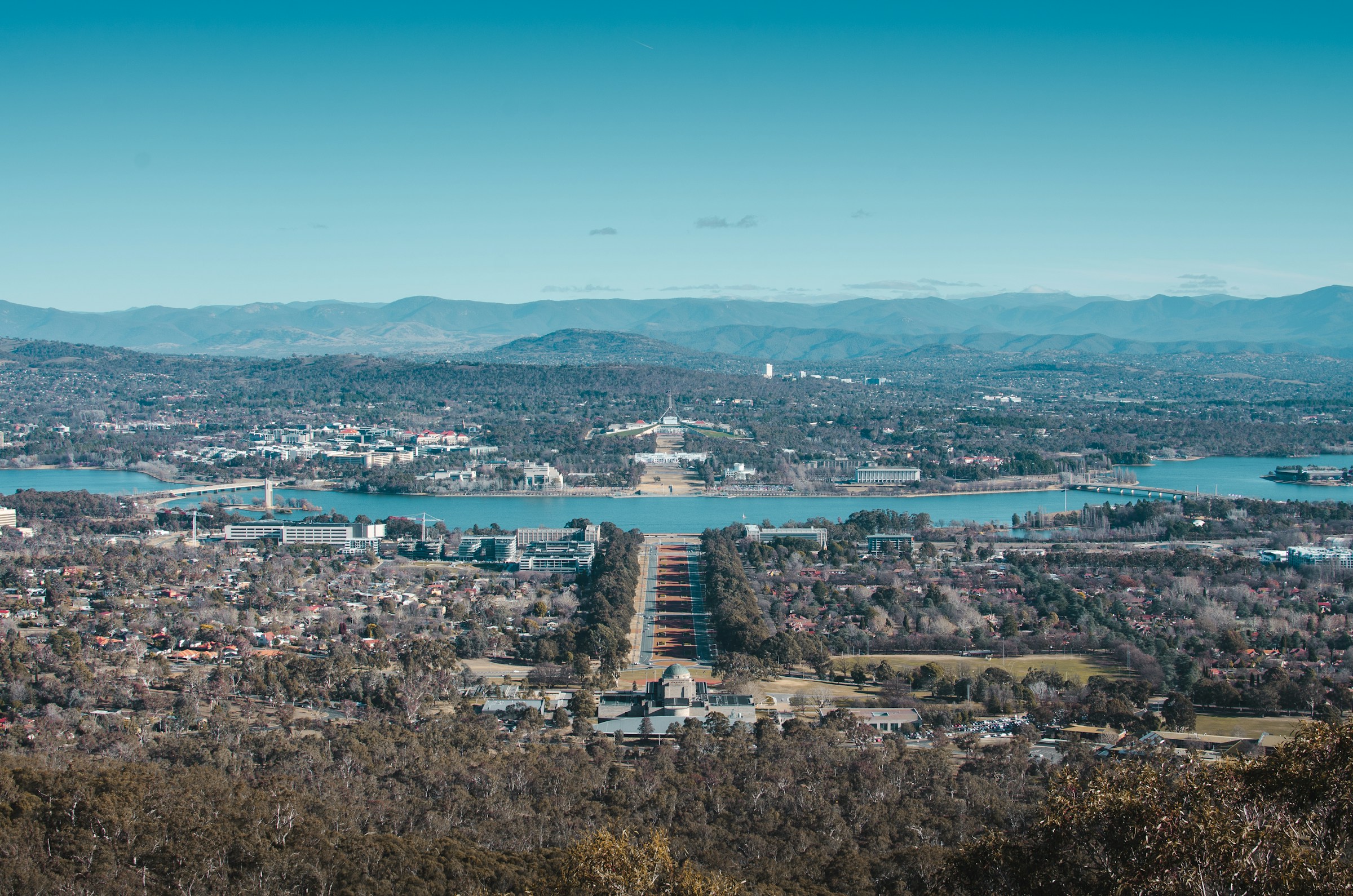
Released in December 2025, the World’s 10 Least Stressful Cities to Live In list ranks, as its name suggests, the cities where it’s most comfortable, convenient, and hassle-free to live in.
Two Australian cities, namely Canberra and Melbourne, made it to the list. Neither city, however, didn’t quite top said list—that distinction goes to Eindhoven in the Netherlands.
Can you guess what their ranks are?
Key Metrics
Before we get to that, let’s first look at how Remitly came up with the list. According to Travel + Leisure, five key metrics were considered:
- Average time to travel 10 kilometers
- Annual pollution levels
- Cost of living index
- Health care quality and accessibility
- Crime index
Each city is then ranked on a scale from one to 10. 10 is the highest level of resident stress. To give you an idea, New York has been ranked the most stressful city to live in as it scored 7.56 out of 10.
Ireland’s Dublin and Mexico’s Mexico City rank second and third, respectively.
On other hand, Eindhoven has a stress score of 2.34 out of 10, which earned it the top spot. Another city in the Netherlands, Utrecht, landed second place with a stress score of 2.67 out of 10.
Canberra

So which city came third among the top 10 least stressful cities to live in? Well, that honor goes to Canberra, which has a stress score of 2.80 out of 10.
According to Remitly, the cost of living in Canberra is lower that both Eindhoven and Utrecht. However, the Australian capital has a higher crime index and lower health quality, which prevented it from ranking higher than the two cities.
Melbourne

Melbourne, on the other hand, landed in ninth place with a stress score of 2.98.
In comparison to Canberra, metrics of Melbourne show that the latter has a lower cost of living but a higher crime index and a lower health quality.
You can view the complete list as well as the metrics used here.

BofA upgrades SSR Mining stock rating on Turkey mine sale

Plans to build a third runway at Heathrow Airport have come under renewed scrutiny after a report accused the airport of “misrepresentation” over its claims the project can be delivered within a decade without relying on taxpayer funding.
The report, authored by infrastructure adviser Paul Mansell, warns that the government-backed expansion could expose both the airport and airlines to major financial risks if the project suffers delays and cost overruns similar to those that have plagued the HS2 rail scheme.
Heathrow has estimated that a third runway, alongside major upgrades to terminals and infrastructure, could be delivered for around £49 billion, with the first flights operating by 2035. The airport has repeatedly stressed that the scheme would be privately financed, meaning it would not require direct taxpayer funding.
However, critics argue that the true cost of the expansion would ultimately be borne by airlines and passengers through significantly higher airport charges.
Airlines have already raised strong objections to Heathrow’s proposals, warning that the expansion could dramatically increase the cost of flying through Britain’s busiest airport.
Among the most vocal critics is International Airlines Group, which owns British Airways, as well as Virgin Atlantic and other carriers operating from Heathrow.
Airlines fear the project will be financed largely through higher landing charges, which are paid by airlines for using airport infrastructure and are often passed on to passengers through ticket prices.
Industry estimates suggest that costs per passenger could potentially double if Heathrow moves ahead with its proposed investment programme.
The airport has also outlined plans to increase its capital spending to £59 billion during its next regulatory period, known as H8. That figure includes approximately £10 billion required simply to maintain and operate the airport over the next five years.
According to Mansell’s report, the scale of spending represents a dramatic increase compared with Heathrow’s current investment levels.
“The scale of capital expenditure being proposed is staggering,” the report states, warning that consumers would ultimately carry the financial burden.
The report also questions whether Heathrow’s proposed timeline is realistic.
Even if the airport succeeds in securing planning permission by 2029, the schedule would require the new runway to be operational just six years later.
Mansell argued that such projections risk falling into what experts describe as “strategic misrepresentation”, a phenomenon where infrastructure promoters underestimate costs or timelines to increase the likelihood of political approval.
According to the report, experts consulted during the review described such forecasts bluntly as either “delusion or deception.”
Heathrow has said the timeline is contingent on external factors, including planning reform and regulatory approvals, and insists the schedule remains achievable under the right conditions.
The report also raises broader concerns about governance and transparency surrounding the expansion project.
It warns of a “breakdown in trust” between Heathrow and its airline partners, citing strained relations over previous infrastructure investments at the airport.
Airlines have pointed to examples of significant cost overruns and delays in recent Heathrow projects.
One example cited is the replacement of the baggage system at Terminal 2, which has seen costs rise to nearly £1 billion, up from an original budget of £645 million. Another major infrastructure upgrade involving a tunnel refurbishment has reportedly been delivered four times over its original budget and more than a decade late.
The report argues that such examples raise questions about Heathrow’s ability to deliver a much larger project on time and within budget.
“If a similar failure occurs at Heathrow,” the report states, “it will fundamentally undermine UK aviation, weaken confidence in UK infrastructure and construction sectors, and potentially hole Heathrow and its airlines below the waterline.”
The report was commissioned by Heathrow Reimagined, a coalition of airlines and aviation stakeholders campaigning for changes to the airport’s regulatory framework.
It comes ahead of a key ruling by the Civil Aviation Authority, which is currently assessing Heathrow’s proposed investment plans and the mechanisms that allow the airport to pass costs on to airlines.
Among the report’s recommendations are reforms to Heathrow’s governance structure and the introduction of stronger oversight mechanisms to ensure airlines and passengers are more directly involved in major investment decisions.
It also suggests that an independent body such as the Civil Aviation Authority should play a larger role in scrutinising Heathrow’s long-term spending plans.
Heathrow rejected the criticism, arguing that its track record shows it is capable of delivering large infrastructure projects successfully.
A spokesperson for the airport said the expansion plans had been developed with lessons from past megaprojects firmly in mind.
“We have seen the lessons of HS2 and we are confident in our plans, which build on our own successes of privately financed megaprojects like Terminals 5 and 2, both delivered on time and on budget,” the spokesperson said.
Heathrow also urged airlines to engage constructively in discussions about the expansion rather than commissioning what it described as “biased reports”.
Despite the criticism, the UK government remains broadly supportive of expanding Heathrow’s capacity as part of a wider strategy to boost international connectivity and economic growth.
A spokesperson for the Department for Transport said expanding Heathrow would strengthen Britain’s global trade links and attract investment.
“Expanding Heathrow will attract international investment and strengthen Britain’s connectivity, with the airport supporting hundreds of thousands of jobs across the country,” the spokesperson said.
The transport secretary has also launched a review of the Airports National Policy Statement, a key policy framework that underpins the approval process for major airport expansions.
The debate over Heathrow’s third runway has been ongoing for decades, balancing economic arguments for increased aviation capacity against environmental concerns and local opposition.
Supporters say the expansion is essential if the UK is to remain competitive as a global aviation hub.
Critics warn that the project risks becoming another costly infrastructure saga if costs spiral and timelines slip.
With regulatory decisions looming and tensions rising between Heathrow and its airline customers, the future of Britain’s most ambitious airport expansion project remains far from settled.

Jamie Young
Jamie is Senior Reporter at Business Matters, bringing over a decade of experience in UK SME business reporting.
Jamie holds a degree in Business Administration and regularly participates in industry conferences and workshops.
When not reporting on the latest business developments, Jamie is passionate about mentoring up-and-coming journalists and entrepreneurs to inspire the next generation of business leaders.
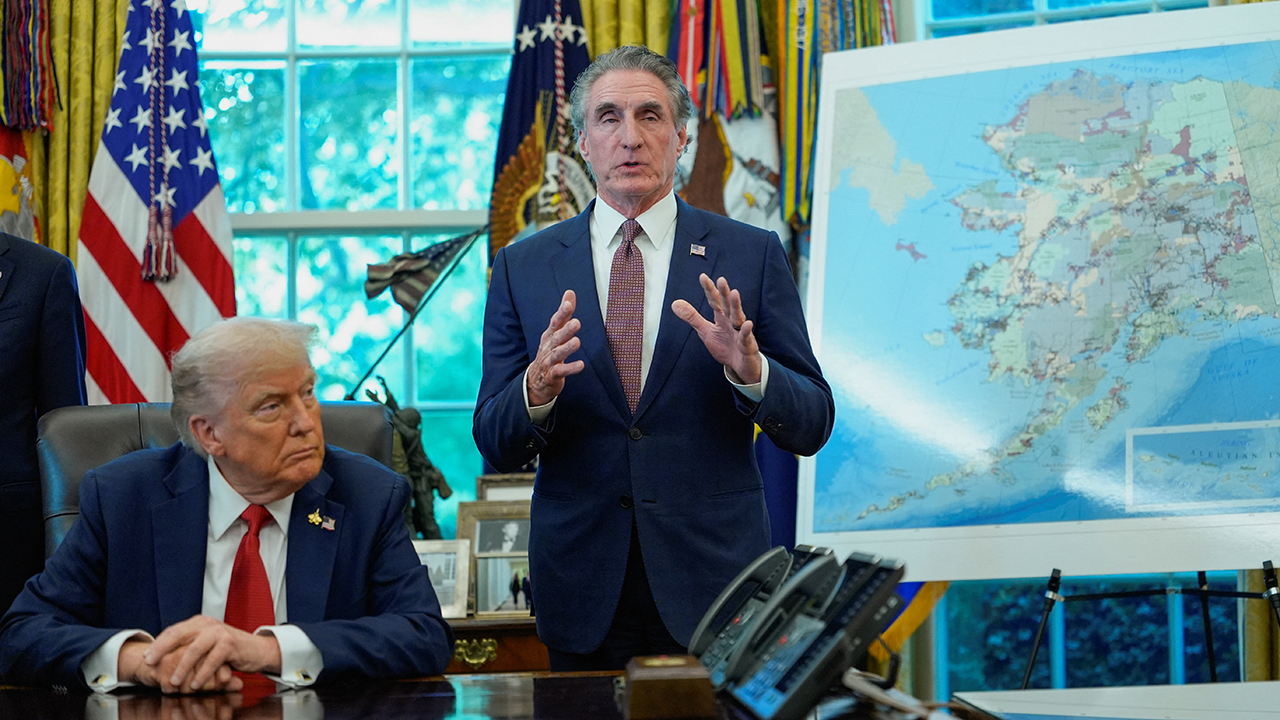
FOX Business’ Edward Lawrence travels with U.S. Interior Secretary Doug Burgum to Venezuela as he looks to create rare earth mineral mining business partnerships.
Interior Secretary Doug Burgum landed in Venezuela on Wednesday to begin talks about a potential rare earth minerals partnership, just weeks after the U.S. arrested former Venezuelan President Nicolás Maduro.
FOX Business exclusively joined Burgum on the trip. President Donald Trump‘s administration views Venezuela’s untapped resources as a potential alternative to relying on China for critical minerals, FOX Business has learned.
While in Venezuela, Burgum will also help expand the relationship between U.S. oil companies and the Venezuelan government. The secretary will meet with the current Venezuelan President Delcy Rodríguez to continue the growing relationship between the two countries.
Burgum is the first member of Trump’s Cabinet to leave the country since the U.S. launched Operation Epic Fury against Iran on Saturday.
WHITE HOUSE SAYS US WILL SHAPE VENEZUELA’S FUTURE AS TRUMP EMBRACES ‘AMERICAN DOMINANCE’
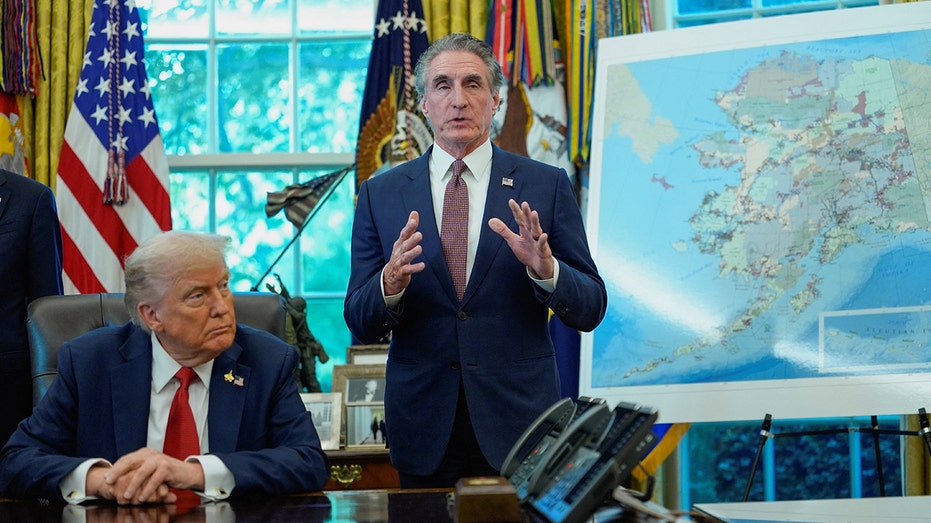
Interior Sec. Doug Burgum landed in Venezuela on Wednesday to begin talks about a potential rare earth minerals partnership, just weeks after the U.S. arrested former Venezuelan President Nicolás Maduro. (Reuters/Kent Nishimura / Reuters Photos)
Burgum’s visit comes weeks after the Trump administration completed its first sale of Venezuelan oil, valued at $500 million.
The deal came after Trump announced interim authorities in Venezuela would be turning over between 30 million and 50 million barrels of sanctioned oil to the U.S., worth about $2.8 billion at current market prices.
Energy Secretary Chris Wright said the U.S. government would oversee the sale of the oil and proceeds would be deposited into accounts controlled by Washington.
TRUMP ADMINISTRATION EASES SANCTIONS ON VENEZUELAN OIL INDUSTRY AFTER MADURO’S CAPTURE
FOX Business’ Edward Lawrence speaks with U.S. Interior Secretary Doug Burgum in Venezuela about easing oil prices and rare earth minerals during an exclusive interview.
“President [Donald] Trump brokered a historic energy deal with Venezuela, immediately following the arrest of narcoterrorist Nicolás Maduro, that will benefit the American and Venezuelan people,” White House spokeswoman Taylor Rogers wrote in a statement to Fox News in February.
“President Trump’s team is facilitating positive, ongoing discussions with oil companies that are ready and willing to make unprecedented investments to restore Venezuela’s oil infrastructure,” she continued. “President Trump is protecting our Western Hemisphere from being taken advantage of by narcoterrorists, drug traffickers, and foreign adversaries.”
Venezuela holds more than 300 billion barrels of proven oil reserves, nearly quadruple those of the U.S.

President Donald Trump has begun selling Venezuelan oil. (Kevin Dietsch/Getty Images / Getty Images)
GET FOX BUSINESS ON THE GO BY CLICKING HERE
Though the country in the late 1990s was capable of pumping about 3.5 million barrels a day, mismanagement, corruption and the rising cost of extraction caused production to fall to roughly 800,000 barrels a day, according to energy analytics firm Kpler.
Fox Business’ Ed Lawrence contributed to this report.

Sykon Capital president and CIO Todd Stankiewicz analyzes potential risks among some private equity names and more on ‘Making Money.’
Target’s new CEO says shoppers will soon see cleaner shelves, shorter checkout lines and revamped home and apparel sections as the retailer rolls out a $5 billion overhaul aimed at reviving sales.
“If I were to step back and draw a heat map of the entire store, highlighting where we’re making changes this year, you’d see more change to what we sell and how we sell it than you’ve seen in a decade,” CEO Michael Fiddelke told investors during a Wednesday earnings call.
The company plans to spend more than $2 billion this year, including $1 billion for new stores and remodels and another $1 billion to improve the in-store experience. An additional $1 billion is earmarked for 2026 for remodels and upgrades to same-day delivery and order pickup.

The company plans to spend more than $2 billion this year, including $1 billion for new stores and remodels and another $1 billion to improve the in-store experience. (Scott Olson/Getty Images)
Executives are overhauling 75% of decorative accessories, relaunching the Threshold home brand, speeding up trendy apparel cycles and adding Target Beauty Studios in 600 stores. Fiddelke said the retailer is also investing more in payroll and training to fix reliability issues.
CONSUMER CONFIDENCE REBOUNDS IN FEBRUARY AS AMERICANS GROW LESS PESSIMISTIC ABOUT JOBS
“There’s real work for us to do here,” he said. “Delight is our standard. That means getting the basics right – sharp pricing, strong in-stocks, wicked fast same-day delivery.”

New CEO Michael Fiddelke said Target is “not an everything store.” (Elizabeth Flores/The Minnesota Star Tribune via Getty Images)
Target is sharpening its merchandising focus as discretionary categories like apparel and home goods – nearly a third of sales – remain under pressure.
“Target is not an everything store. That’s not what guests want from us,” Fiddelke said, adding shoppers are looking for “a strong trend-forward assortment that they can trust to deliver quality and value.”
Fiddelke succeeded Brian Cornell as chief executive in early February, and outlined some of his first priorities in a memo to staff, including sharpening Target’s merchandise mix, improving stores and its website to make shopping easier and more appealing, and using technology to streamline operations and personalize the customer experience.
The company also plans to invest more in employees and strengthen ties to the communities where it operates, Fiddelke said in the memo.

A worker moves shopping carts outside a Target store in Emeryville, California, on Feb. 26, 2026. (David Paul Morris/Bloomberg via Getty Images)
“Priority 1 through 10 is accelerating Target’s growth,” Fiddelke said in an emailed statement to FOX Business at the time, adding that the company is “moving with urgency and focus.”
Comparable sales fell 2.5% in the fourth quarter, though beauty sales rose 1.1% and food and beverage increased 1.8%. Target projects 2026 sales growth of 2%, above Wall Street expectations, and forecasts full-year earnings of $7.50 to $8.50 per share.
| Ticker | Security | Last | Change | Change % |
|---|---|---|---|---|
| TGT | TARGET CORP. | 120.80 | +7.63 | +6.74% |
Loyalty remains central to the strategy.
“Members of our loyalty program, Target Circle, spend 3x more on average. And those enrolled in Target Circle 360 with unlimited same-day delivery spend 7x more,” Fiddelke said.
CLICK HERE TO GET FOX BUSINESS ON THE GO
Target shares are up about 25% so far this year. Analysts say the turnaround will depend on whether the investments can consistently drive more traffic, particularly as Walmart continues to compete aggressively on price and delivery.
Reuters contributed to this report.
Business
FTSE 100 steadies as oil prices climb amid fears Iran conflict could disrupt global energy supply

The UK stock market showed signs of resilience on Wednesday even as global energy markets remained volatile amid fears the escalating conflict involving Iran could trigger prolonged disruption to global oil and gas supplies.
London’s benchmark FTSE 100 index edged higher, mirroring modest gains in European markets including Germany and France. The calmer performance in Europe contrasted sharply with developments in Asia, where shares continued to fall for a third consecutive day as investors reacted nervously to rising geopolitical risks and surging energy prices.
Despite the relative stability in UK equities, energy markets told a very different story. Oil prices rose by more than one per cent during trading, with Brent crude climbing to around $83.50 per barrel, reflecting growing concerns about the security of global energy supply routes following renewed tensions in the Middle East.
The latest spike in oil prices came after Saudi Arabia’s defence ministry reported an attempted drone strike on the Ras Tanura oil refinery, one of the kingdom’s most critical energy facilities. The attack marked the second time in a week that the refinery had been targeted, further heightening concerns about supply stability in a region that remains central to global energy markets.
Brent crude prices have now climbed roughly 15 per cent since the United States and Israel launched military strikes on Iran, with Tehran retaliating by attacking neighbouring countries and threatening shipping in the Gulf region.
At the same time, state-owned energy giant QatarEnergy suspended production of liquefied natural gas (LNG) after attacks on its facilities heightened fears of wider disruption to global gas markets.
Gas prices in Europe and the UK reacted sharply. Britain’s benchmark wholesale gas price, which had surged earlier in the week, remained volatile and hovered around 127p per therm by midday, after briefly peaking near 170p per therm during the height of market uncertainty.
Energy analysts warn that such volatility reflects growing concern about the stability of the Strait of Hormuz, one of the world’s most strategically important maritime routes.
Strait of Hormuz disruption threatens global supply
Around 20 per cent of the world’s oil and gas exports normally pass through the Strait of Hormuz, the narrow shipping channel separating Iran from the United Arab Emirates.
However, maritime traffic through the strait has largely stalled after Iran threatened to attack vessels and “set fire” to ships attempting to pass through the strategic waterway.
According to maritime tracking data from Lloyd’s List Intelligence, approximately 200 oil and gas tankers are currently stranded, unable to safely navigate the route. Insurance premiums for vessels — particularly those linked to Western countries such as the United States and the UK, have also risen sharply.
The situation has created a severe bottleneck in global energy logistics and raised fears that even a temporary disruption could significantly impact supply chains across Europe and Asia.
US President Donald Trump said the United States would consider using the Navy to escort oil tankers through the strait and provide risk insurance for shipping companies.
However, analysts say such measures may not be enough to reassure insurers, shipping firms and crews worried about entering a potential conflict zone.
Lindsay James, investment strategist at wealth management firm Quilter, said markets were perhaps taking an overly optimistic view of the situation.
“Shipping companies, insurers and even crew members are likely to remain reluctant to operate in an area that is effectively a military hotspot,” she said.
“It’s not realistic to think naval escorts alone will resolve the situation quickly. Ultimately, reopening those shipping lanes will depend on diplomatic progress — and that still appears some distance away.”
Asian markets suffer as energy costs spike
The economic impact of the conflict has been particularly visible in Asia, where several economies rely heavily on energy imports from the Middle East.
Stock markets across the region have been under intense pressure as investors assess the potential consequences of rising oil and gas prices for inflation and economic growth.
In South Korea and Thailand, trading was temporarily halted after markets plunged by more than 8 per cent, triggering automatic “circuit breakers” designed to prevent panic-driven selling.
Energy analysts say Asian economies could face the most immediate consequences of supply disruptions because they import large volumes of LNG from Qatar.
James Hosie, oil and gas equity analyst at Shore Capital, said roughly 80 per cent of Qatar’s LNG exports are normally shipped to Asian markets.
“Those consumers will now be scrambling to secure alternative supplies,” he explained.
“That competition for cargoes is already pushing Asian LNG prices higher, and that inevitably feeds into global gas prices, including those in Europe and the UK.”
Because LNG shipments play a crucial role in balancing Britain’s gas supply during periods of high demand, volatility in Asian markets can quickly affect energy prices in the UK.
Rising energy costs are now raising concerns among economists that inflation in the UK could increase again after months of easing.
David Miles, a member of the Office for Budget Responsibility, said sustained increases in oil and gas prices could add upward pressure to inflation.
However, he stressed that the scale of the increases was still far below the levels experienced following Russia’s invasion of Ukraine.
“If prices stayed around their current levels, we might see an increase in UK price levels of roughly one per cent,” Miles said.
“That’s significant, but it’s nowhere near the shock that occurred during the energy crisis of 2022.”
Nevertheless, even a modest inflation increase could complicate the Bank of England’s plans to cut interest rates later this year.
Financial markets had previously expected the Bank of England to reduce borrowing costs several times in 2026 as inflation gradually moved closer to its two per cent target.
However, renewed energy price pressures could alter that outlook.
The National Institute of Economic and Social Research warned that if energy prices remain elevated for an extended period, policymakers might be forced to reconsider their plans.
In a worst-case scenario, the think tank suggested interest rates could even rise again to above four per cent if inflationary pressures intensify.
Markets had previously forecast two rate cuts this year, but those expectations have now weakened as traders reassess the economic implications of the Middle East conflict.
The Bank of England is scheduled to announce its next interest rate decision on 19 March, a meeting that will now take place against a far more uncertain global backdrop.
The conflict’s potential impact on Britain’s energy security has also prompted political attention.
UK Chancellor Rachel Reeves is due to meet with leaders from the North Sea energy sector to discuss the possible consequences of the crisis and assess how the government can help stabilise supply.
Officials say the meeting will focus on how domestic production and energy infrastructure can help buffer the UK against prolonged disruption in global energy markets.
For now, financial markets appear to be balancing cautious optimism in equities with deep uncertainty in energy markets — a reflection of how closely the global economy remains tied to geopolitical developments in the Middle East.

Amy Ingham
Amy is a newly qualified journalist specialising in business journalism at Business Matters with responsibility for news content for what is now the UK’s largest print and online source of current business news.

Under Secretary of Agriculture for Trade and Foreign Agricultural Affairs Luke Lindberg says the U.S. agricultural trade deficit fell from $50 billion to $29 billion in one year.
The U.S. Department of Agriculture (USDA) recently released a trade forecast showing the farm trade gap narrowing significantly during fiscal year (FY) 2026. The forecast shows the agricultural trade deficit falling from $43.7 billion in FY2025 to a projected $29 billion in FY2026, an improvement from last year’s level and the $37 billion that was projected in December 2025.
Under Secretary of Agriculture for Trade and Foreign Agricultural Affairs Luke Lindberg told Fox News Digital that while the gap tightening was a step in the right direction, the USDA is still working to get back to a surplus.
“American farmers and ranchers have historically exported vastly more than we’ve imported, including in President Trump’s first term, and we had an agricultural trade surplus,” Lindberg said.
“Unfortunately, in the four years under President Biden, we ended up with a $50 billion agricultural trade deficit forecast that his team forecasted right before he left office just about a year ago. Now today, we’re excited to be announcing that we’ve reduced that deficit to $29 billion. Now, we’re still on course, and we need to get back to a surplus, that’s the goal, but a 43% reduction in one year, it’s a great start,” he added.
BEEF PRICES IN FOCUS AS TRUMP SIGNS ORDER AIMED AT CONSUMER RELIEF

A soybean farmer drives his truck on a country road near his family’s farm in Cordova, Maryland, on Oct. 10, 2025. (Roberto Schmidt/AFP via Getty Images / Getty Images)
In order to return the U.S. to that surplus, the USDA is taking action, which Lindberg outlined as a three-step process: securing strong trade agreements that open markets for American farmers and ranchers, building buyer-seller relationships in those markets and holding trading partners accountable to the commitments they make.
The under secretary said that he is more optimistic than what the forecast articulates because of the “historic” trade deals that President Donald Trump has been able to secure. Lindberg said he believes the agreements have allowed U.S. farmers and ranchers to compete on a leveled playing field.
“I think the more that we can take advantage of the agreements the president has signed, the more we are going to see this number get even better from a trade deficit perspective,” Lindberg told Fox News Digital. “I’m excited to see how our producers take advantage of that access and significantly increased opportunities.”
Lindberg spoke about the opening of Malaysia’s market as an example of a market that was recently opened to U.S. farmers and ranchers. He said that during his visit to Malaysia, it was “very clear” that people wanted to buy American products. He said that buyers abroad trust American products to be safe and high-quality.
The under secretary recalled meeting a restaurateur in Malaysia who invested her own money in a processing plant in the U.S. so she could be the first one to have American beef in her restaurant.
“Those are the kinds of investments and forward-leaning conversations we’re having with buyers in these countries all around the world,” he said.

Cattle are seen on a farm in Jamestown, Calif., on Oct. 26, 2025. (Frederic J. Brown/AFP via Getty Images / Getty Images)
While the administration has emphasized opening foreign markets, Lindberg said the impact could also be felt closer to home as U.S. farmers and ranchers supply more of the food Americans consume.
Beyond the narrowing trade gap, Lindberg said Americans could also see changes at the grocery store. He pointed to a projected decline in agricultural imports, including fruits and vegetables, and argued that increased domestic production could reduce the U.S.’s reliance on foreign suppliers.
“Producing things locally, lower transit costs, all of that combines to get to what the president’s goal and objective has been, which is reducing prices at the grocery store shelves,” he said.

A worker uses a tractor to plant soybeans at Double G Angus Farms in Tiffin, Iowa, on Tuesday, May 6, 2025. (Benjamin Roberts/Bloomberg via Getty Images / Getty Images)
GET FOX BUSINESS ON THE GO BY CLICKING HERE
While the U.S. remains in a trade deficit, Lindberg said the narrowing gap signals progress toward the agricultural trade surplus that American farmers and ranchers have seen in previous years.

First UK evacuation flight from the Middle East ‘takes off’ for London | News World

Starbucks heads south with new corporate office in growth push

Coinbase Launches U.S. Stock Trading Within Its Platform


-

 Politics6 days ago
ITV enters Gaza with IDF amid ongoing genocide
-

 Politics1 day ago
Alan Cumming Brands Baftas Ceremony A ‘Triggering S**tshow’
-

 Fashion5 days ago
Weekend Open Thread: Iris Top
-

 NewsBeat7 days ago
Cuba says its forces have killed four on US-registered speedboat | World News
-

 Tech4 days ago
Unihertz’s Titan 2 Elite Arrives Just as Physical Keyboards Refuse to Fade Away
-
Sports5 days ago
The Vikings Need a Duck
-
 NewsBeat4 days ago
Dubai flights cancelled as Brit told airspace closed ’10 minutes after boarding’
-

 NewsBeat3 days ago
‘Significant’ damage to boarded-up Horden house after fire
-
 NewsBeat7 days ago
Manchester Central Mosque issues statement as it imposes new measures ‘with immediate effect’ after armed men enter
-
 NewsBeat4 days ago
The empty pub on busy Cambridge road that has been boarded up for years
-

 NewsBeat4 days ago
Abusive parents will now be treated like sex offenders and placed on a ‘child cruelty register’ | News UK
-

 Entertainment2 days ago
Baby Gear Guide: Strollers, Car Seats
-

 Business7 days ago
Discord Pushes Implementation of Global Age Checks to Second Half of 2026
-

 Business6 days ago
Only 4% of women globally reside in countries that offer almost complete legal equality
-
 Tech5 days ago
NASA Reveals Identity of Astronaut Who Suffered Medical Incident Aboard ISS
-
Politics4 days ago
FIFA hypocrisy after Israel murder over 400 Palestinian footballers
-
 NewsBeat3 days ago
Emirates confirms when flights will resume amid Dubai airport chaos
-
 Crypto World6 days ago
From Crypto Treasury to RWA: ETHZilla Retreats and Relaunches as Forum Markets on Nasdaq
-

 NewsBeat2 days ago
Is it acceptable to comment on the appearance of strangers in public? Readers discuss
-

 Tech4 days ago
Viral ad shows aged Musk, Altman, and Bezos using jobless humans to power AI