Business
Shein banned from University of Texas at Austin campus network

Check out what’s clicking on FoxBusiness.com.
Major fast-fashion retailer Shein has been officially banned from the University of Texas at Austin, one of the nation’s largest college campuses.
The move follows Gov. Greg Abbott’s January expansion of a 2022 directive, which now prohibits roughly 50 Chinese-affiliated companies, including Alibaba and Temu, from state devices due to cybersecurity and foreign interference concerns.
The University of Texas at Austin confirmed to FOX Business Tuesday that the state’s prohibited technologies list also extends to the campus Wi-Fi networks.
“This policy is intended to ensure compliance with the new regulations as well as enhance awareness of potential security risks and safeguard sensitive state and university data,” the school said, according to its website.

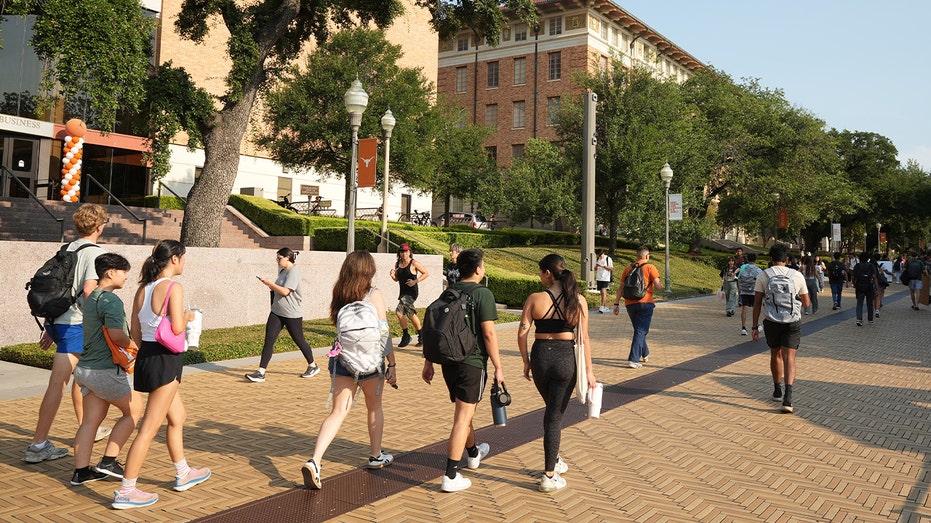
University of Texas students walk through campus on the first day of classes Monday, Aug. 25, 2025. (Jay Janner/The Austin American-Statesman via Getty Images / Getty Images)
The campus ban on Shein — which surged into a multibillion-dollar global fast-fashion powerhouse in recent years by offering trendy clothes at hyper-affordable prices — has since received mixed reactions on social media.
While some expressed frustration over the change, others criticized Shein for its controversial manufacturing ethics and labor practices.
TEXAS THE LATEST STATE WITH A LAW BANNING FOREIGN ADVERSARIES FROM BUYING REAL ESTATE
Texas Attorney General Ken Paxton announced in December that his office is investigating the e-commerce site for “potential violations of Texas law related to unethical labor practices and the sale of unsafe consumer products,” while also citing concerns over possible toxic and hazardous materials.
In December 2022, Abbott directed agency leaders to immediately ban employees from using TikTok and other Chinese-owned platforms on government-issued devices, calling them a “threat to Texas’ cybersecurity.”

This picture shows signage of fast fashion e-commerce company SHEIN at a garment factory in Guangzhou, China’s southern Guangdong province, on July 18, 2022. (JADE GAO/AFP via Getty Images / Getty Images)
UT Austin later effectively blocked the popular social media app from its campus network in compliance with state regulations.
In January, Governor Abbott added 26 additional companies to the list of prohibited technologies, including artificial intelligence tools, e-commerce sites, and social media apps affiliated with the People’s Republic of China and the Chinese Communist Party.
CLICK HERE TO DOWNLOAD THE FOX NEWS APP
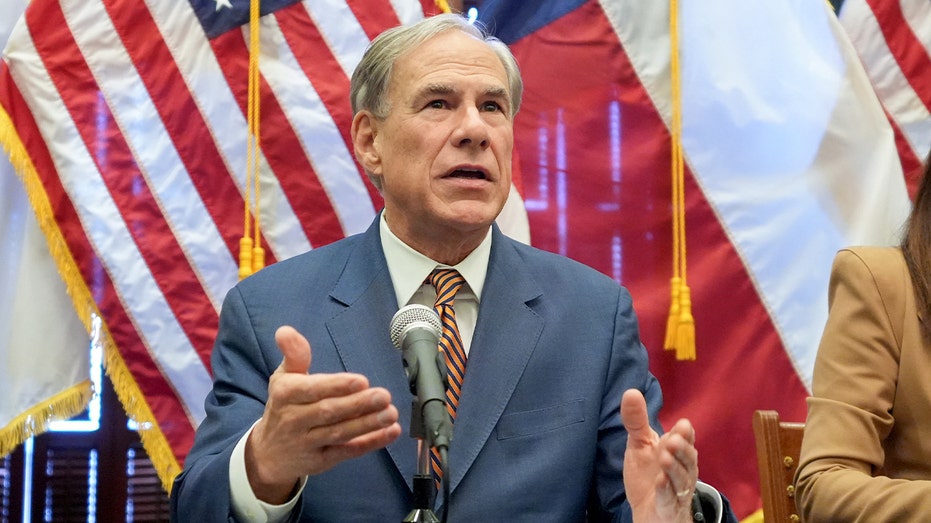
Texas Gov. Greg Abbott speaks during a news conference with U.S. Secretary of Agriculture Brooke Rollins at the Texas Capitol in Austin on Aug. 15, 2025. (Jay Janner/Austin American-Statesman via Getty Images / Getty Images)
Among the 54 prohibited sites, the banned companies include social media platform RedNote, AI platform DeepSeek, electronics giant Xiaomi, Alipay, and Baidu, China’s equivalent of Google.
“Rogue actors across the globe who wish harm on Texans should not be allowed to infiltrate our state’s network and devices,” Abbott said in a statement.
“Hostile adversaries harvest user data through AI and other applications and hardware to exploit, manipulate, and violate users and put them at extreme risk. Today, I am expanding the prohibited technologies list to mitigate that risk and protect the privacy of Texans from the People’s Republic of China, the Chinese Communist Party, and any other hostile foreign actors who may attempt to undermine the safety and security of Texas.”
You must be logged in to post a comment Login