Business
Short Lines Across Terminals as Travelers Enjoy Smooth Security on April 10

NEW YORK — Security lines at John F. Kennedy International Airport moved briskly Friday morning, with most terminals reporting general TSA wait times under 20 minutes and TSA PreCheck lanes often clearing in five minutes or less, offering relief to spring travelers after weeks of volatile delays tied to staffing fluctuations and holiday surges.

As of mid-morning on April 10, the official JFK Airport website showed the following estimated wait times: Terminal 1 general screening at about 12-19 minutes with PreCheck around 5-11 minutes; Terminal 4 at 9-15 minutes general and 1-6 minutes PreCheck; Terminal 5 at 9-14 minutes general and 5-7 minutes PreCheck; Terminal 7 at 17 minutes general; and Terminal 8 at 24 minutes general with PreCheck at 7 minutes. These figures, updated around 11:25 a.m. ET, reflect real-time monitoring but come with the airport’s standard disclaimer that estimates are reliable only when lines stay within designated queue areas.
The relatively short waits contrast with earlier 2026 peaks, when spring break crowds and occasional TSA staffing issues pushed some lines to 45-60 minutes, particularly in Terminal 5, a major hub for JetBlue. On Easter Sunday, April 5, many terminals cleared general passengers in under 15 minutes, a trend that has carried into quieter mid-April days.
Port Authority of New York and New Jersey officials, who operate JFK, noted that TSA staffing has stabilized following a period of uncertainty earlier in the year. Travelers are still advised to arrive two hours before domestic flights and three hours before international ones, with extra buffer recommended during peak morning (5-9 a.m.) and evening (3-7 p.m.) rushes when waits can climb to 30-45 minutes.
Live trackers and third-party sites like TakeoffTimer and airline-specific dashboards reported similar conditions Friday, with overall airport averages hovering between 10-25 minutes for standard lanes. TSA PreCheck continued to deliver significant time savings, often under five minutes even when general lines stretched longer. CLEAR biometric lanes, available in several terminals, further expedited entry for enrolled members.
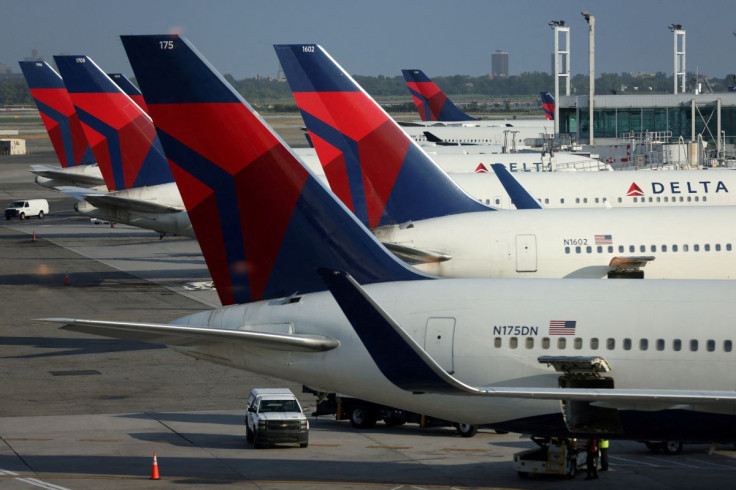
Terminal 4, the largest and home to Delta, JetBlue international operations and many foreign carriers, consistently showed the shortest general waits in recent updates, sometimes dipping to single digits. Terminal 8, primarily American Airlines, occasionally recorded the longest lines but remained manageable Friday. Terminal 1 and Terminal 5, serving a mix of international and domestic flights, fell in the middle range.
Travelers on social media and Reddit’s r/JFKAirport echoed the positive reports, with recent posts describing 15-25 minute experiences in general lines and near-instant PreCheck clearance. One passenger flying Delta from Terminal 4 on Thursday afternoon reported clearing security in under 10 minutes with two children and luggage. Another noted a 35-minute wait in Terminal 8 during a busier evening slot earlier in the week.
The smoother flow comes after the airport temporarily suspended official wait-time reporting in March due to inaccuracies during high-volume periods and staffing shifts. Data resumed in early April, and officials say staff now monitor queues more actively to provide better estimates. The MyTSA app remains a useful tool for crowd-sourced updates from fellow passengers.
JFK handled more than 60 million passengers in 2025, making it one of the busiest U.S. gateways, especially for international travel to Europe, Asia and Latin America. Security remains the primary bottleneck for many, but Friday’s conditions suggested a return to more predictable operations amid lighter post-holiday traffic.
Experts recommend several strategies to minimize delays. Enrolling in TSA PreCheck, which costs $78 for five years, allows eligible travelers to keep shoes, belts and light jackets on while using dedicated lanes. CLEAR, often bundled with airline status or credit cards, speeds up the initial ID check. Arriving early, packing liquids properly in a quart-sized bag and removing electronics in advance further smooths the process.
For international departures, additional time should be factored for customs and immigration on arrival, though outbound screening focuses on TSA. Passengers with disabilities or needing assistance can request expedited help through airlines or TSA Cares.
Weather and flight schedules also influence crowds. Friday’s forecast for the New York area called for mild spring conditions with no major disruptions expected, helping keep passenger volumes steady rather than compressed into narrow windows. Airlines reported normal operations with only routine delays unrelated to security.
TSA officials nationwide have emphasized that wait times fluctuate based on passenger volume, staffing and random additional screening measures. Unpredictable security protocols, including occasional pat-downs or bag checks, can add minutes even in short lines. The agency encourages downloading the MyTSA app for real-time alerts and prohibited-items guidance.
JFK’s five terminals each operate independent checkpoints, so travelers should confirm their airline’s location in advance. Terminal 4 and Terminal 5 handle the heaviest loads, while Terminal 7 and parts of Terminal 1 serve fewer but still significant international routes.
As the busy summer travel season approaches, the Port Authority and TSA plan to maintain enhanced staffing where possible. Officials have urged passengers not to arrive excessively early if lines are short, to avoid congestion in pre-security areas, but stress that individual experiences vary.
For those flying out of JFK today or in coming days, current data points to a traveler-friendly environment compared with recent months. Still, checking the official JFK website or reliable trackers shortly before heading to the airport remains the best practice, as conditions can shift quickly with sudden surges or lane closures.
The airport continues investing in technology, including more automated screening lanes and biometric options, to reduce friction. In the meantime, Friday’s lighter lines offered a welcome breather for the millions who rely on JFK as their gateway to the world.
Travelers are reminded to follow the 3-1-1 liquids rule, place laptops and large electronics in separate bins, and prepare for possible secondary screening. With waits mostly in the 10-25 minute range across terminals, many passengers reported having extra time for a coffee or last-minute shopping before boarding.
Whether heading to Europe on a red-eye or catching a domestic connection, today’s security experience at JFK appears far smoother than the longer delays seen during peak spring break weeks. As always at one of America’s busiest airports, a little preparation goes a long way toward stress-free travel.
You must be logged in to post a comment Login