NEW YORK — Travelers at John F. Kennedy International Airport faced relatively smooth security screening on Tuesday, with TSA wait times averaging 8 to 13 minutes across major terminals in mid-morning hours, providing welcome relief amid typical spring travel volume.
John F. Kennedy International Airport
As of approximately 11 a.m. EDT on April 14, 2026, official estimates from the JFK airport website showed general security lines moving efficiently. Terminal 4 reported the shortest general wait at around 8-11 minutes, while Terminal 5 stood at about 13 minutes. Terminal 1 and Terminal 7 hovered near 10 minutes, and Terminal 8 was listed at 12 minutes. TSA PreCheck lanes remained exceptionally fast, often clearing in 1 to 6 minutes depending on the terminal.
These figures align with real-time trackers, including takeofftimer.com and Delta Air Lines’ airport wait time data, which indicated current standard security waits around 12 minutes overall and PreCheck as low as 1 minute. The shortest waits appeared in Terminal 5 at roughly 7-8 minutes, while Terminal 8 occasionally reached 17 minutes during busier pockets.
JFK, one of the busiest airports in the United States and a major international gateway, handles millions of passengers monthly. On a typical mid-week day in April, passenger volumes remain steady without the extreme holiday peaks that can push waits beyond 45-60 minutes. Tuesday’s lighter morning crowds after the early rush contributed to the efficient flow.
Airport officials note that posted wait times are estimates based on checkpoint systems and are most accurate when lines stay within designated queue areas. Staff continuously monitor and update figures if lines extend beyond standard zones. Travelers are advised to check the official JFK website or the MyTSA app for the latest updates, as conditions can shift quickly with incoming flights or staffing adjustments.
Advertisement
TSA PreCheck and CLEAR members continued to enjoy significant advantages. In many terminals, PreCheck lanes processed passengers in under 5 minutes, making enrollment programs highly valuable for frequent flyers. Terminal 4, a major hub for Delta and international carriers, consistently showed some of the quickest PreCheck times at just 1 minute.
Spring travel patterns at JFK often include a mix of leisure trips to Europe and the Caribbean alongside business traffic. With no major weather disruptions reported Tuesday and stable TSA staffing, lines moved steadily compared to peak morning hours (typically 5-9 a.m.) or evening rushes (3-7 p.m.), when waits can climb toward 20-35 minutes or more.
Recent months have seen occasional longer delays at JFK due to high passenger volumes and variable staffing. In March 2026, some travelers reported waits exceeding 30-90 minutes during peak periods, prompting temporary suspensions of real-time reporting on airport websites amid broader TSA challenges. However, by mid-April, reporting has resumed with more consistent data, and Tuesday’s numbers reflect a smoother operational day.
The Port Authority of New York and New Jersey, which operates JFK, emphasizes preparation for travelers. Recommendations include arriving at least two to three hours before international flights and 90 minutes to two hours for domestic departures. Removing liquids, electronics and belts in advance, along with using mobile boarding passes, helps expedite the process.
Advertisement
TSA’s 3-1-1 liquids rule remains in effect: passengers may carry containers of 3.4 ounces or less in a single quart-sized clear plastic bag. Electronics larger than a smartphone must be removed from bags, and travelers should be ready to place jackets, shoes and belts in bins.
For those with TSA PreCheck, the experience is notably faster, with shoes, belts and light jackets often kept on. CLEAR biometric screening further reduces touchpoints at participating checkpoints.
JFK’s five main terminals each operate independent security checkpoints, so wait times can vary by airline and departure gate location. Terminal 4 (Delta and many international carriers) and Terminal 5 (JetBlue) frequently handle high volumes but managed efficient throughput Tuesday. Terminal 8 serves American Airlines, while Terminal 1 and Terminal 7 accommodate a mix of carriers including Aer Lingus, Air France and others.
Travelers shared positive experiences on social platforms and Reddit forums throughout the morning. Some reported clearing security in under 15 minutes even without PreCheck, praising organized staffing and fewer bottlenecks than in prior weeks. Others noted that arriving early still provides the safest buffer, especially for connections or international flights requiring additional customs processing.
Advertisement
Broader TSA passenger volumes nationwide remain high but manageable on weekdays. Tuesday’s national checkpoint numbers were in line with typical spring travel, without the surges seen during holiday periods or spring break peaks.
Airlines operating out of JFK, including Delta, JetBlue, American and international partners, encourage passengers to monitor flight status and security waits via apps and airport websites. Many carriers offer contactless bag drop and mobile check-in to shave additional time off the pre-flight process.
For international travelers, post-security waits for customs and border protection can add significant time on arrival, but departure screening focuses primarily on TSA security. JFK has invested in technology upgrades, including advanced imaging systems and automated lanes, to improve throughput while maintaining rigorous safety standards.
Travel experts recommend downloading the MyTSA app for crowd-sourced wait reports and official guidance. The app also provides reminders on prohibited items and real-time alerts for airport conditions. Third-party sites like takeofftimer.com aggregate data for quick reference but stress that official sources offer the most reliable estimates.
Advertisement
With summer travel season approaching, JFK officials and TSA continue monitoring staffing and passenger forecasts. Peak summer weekends often see heightened volumes, making PreCheck and early arrival even more critical.
Tuesday’s moderate wait times offer a reminder that conditions at major hubs like JFK can improve significantly outside rush hours. Mid-morning and early afternoon slots frequently provide the smoothest experiences for both PreCheck and general passengers.
Passengers with disabilities or needing assistance can request expedited screening or use designated lanes. Families with young children or travelers with medical needs should allow extra time and inform TSA officers in advance.
JFK remains a vital economic engine for the New York region, facilitating billions in trade and tourism annually. Efficient security operations support on-time departures and positive traveler experiences, which airlines and the airport actively work to maintain.
Advertisement
As the day progresses, travelers should continue checking real-time updates, especially if departing during afternoon or evening peaks when business and leisure flights converge. Light rain or other minor weather in the New York area can occasionally slow curb-side operations but had minimal impact on indoor security lines Tuesday.
For those heading to JFK today or in coming days, the message from airport authorities is consistent: build in a buffer, use available expedited programs, and stay informed through official channels. With current waits in the single digits to low teens for most terminals, many passengers can expect a relatively stress-free security experience compared to busier periods.
JFK’s security teams and airline staff continue to balance thorough screening with efficient movement, ensuring safety remains the top priority while minimizing delays. Tuesday’s data suggests a smoother-than-average day for the thousands passing through America’s gateway to the world.
The fast-growing brand is looking to establish 100 branches by 2030
09:45, 05 May 2026Updated 09:49, 05 May 2026
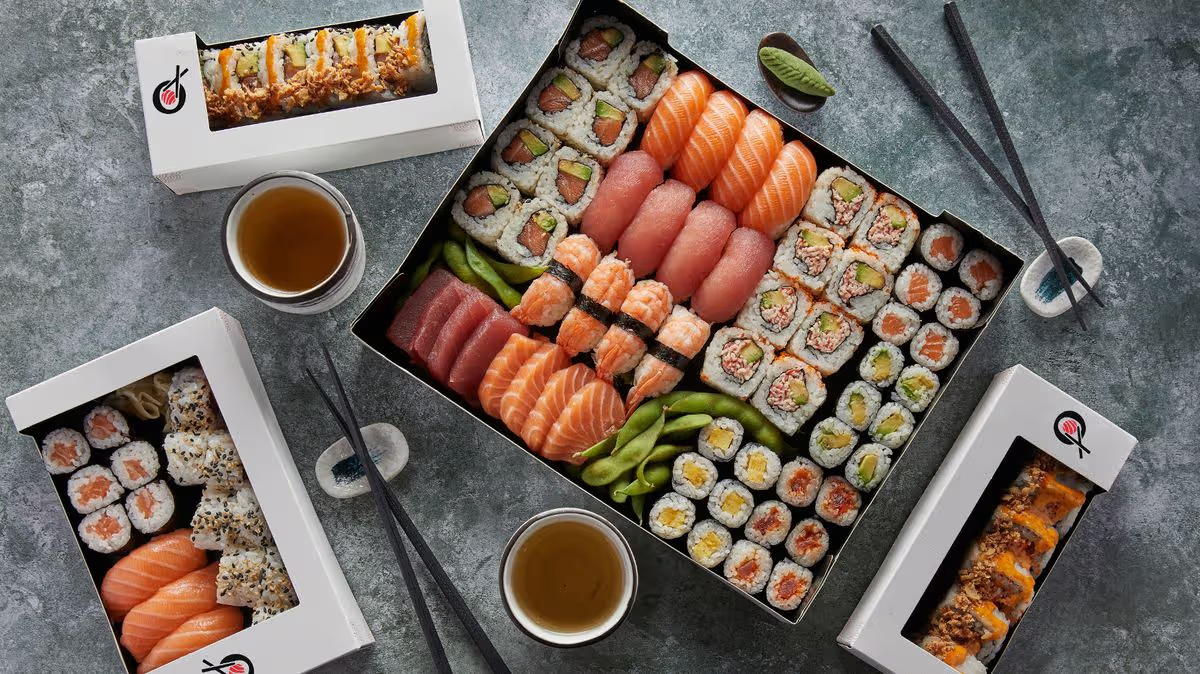
Iro Sushi is opening five new locations in Basingstoke, Bristol, Ipswich, Ilford and Maidenhead(Image: Iro Sushi)
A fast-growing sushi chain is opening five new UK sites as part of an ambitious expansion strategy. Iro Sushi has agreed deals to open outlets in Bristol, Basingstoke, Ipswich, Ilford and Maidenhead.
The brand, which was founded in 2014 by trained sushi chef Chhong Sherpa, serves fresh, made-to-order, restaurant-quality sushi and Japanese-inspired dishes.
Advertisement
The new openings will take chain’s estate to 38 locations, strengthening its presence in existing regions including the Thames Valley and Home Counties, while also marking entry into new towns and cities such as Bristol and Ipswich.
It is understood the design of the new stores will be inspired by ‘Izakayas’ – a traditional Japanese drinking establishment, but will also use technology to drive operational performance.
Mr Sherpa said: “This is another significant milestone for Iro Sushi. Over the last six months, we’ve worked hard to refine our proposition with the launch of our new store format and continue evolving our menu.
“Now, with the foundations firmly in place, we’re ready to turbocharge our growth with the opening of new sites across the UK.”
Advertisement
Mr Sherpa said the openings would “create new opportunities” for the company to introduce the brand to more consumers. “[It will also] take Iro Sushi a step closer to becoming the brand of choice for lovers of sushi and Japanese cuisine across the country,” he added.
The new signings follow continued momentum across the business for Iro Sushi. Last year, the group delivered system sales of £18.5m, up 29 per cent year-on-year, and 19 per cent on a like-for-like basis.
According to Iro Sushi, the company has a “growing pipeline of committed sites and franchise partners” and is on track to deliver on its ambition to reach 100 locations by 2030.
NEW YORK — Pop star Tate McRae made a dazzling debut on fashion’s biggest stage Monday night, gliding down the Met Gala red carpet in a luminous custom gold gown that perfectly embodied the “Fashion Is Art” theme and cemented her status as one of the evening’s breakout style stars.
Tate McRae
The 22-year-old Canadian singer, known for hits like “Greedy” and her rising dance-pop dominance, arrived at the Metropolitan Museum of Art radiating confidence in her first-ever Met Gala appearance. Her look, a collaboration with designer Ludovic de Saint Sernin, transformed her into a living sculpture of golden-hour glamour.
The floor-skimming gown featured intricate lace detailing through the bodice, fluid Grecian-inspired pleats, and soft draping that skimmed her figure with effortless movement. Delicate feathering at the neckline added texture and dimension, while the warm metallic finish caught every flash of light as she ascended the iconic steps. Styled with jewelry from The Back Vault, the ensemble balanced ethereal beauty with modern edge.
McRae told Vogue interviewer Emma Chamberlain on the carpet that she felt “a little nervous” walking her first Met but was thrilled to collaborate with de Saint Sernin, with whom she has worked closely over the past nine months. “He’s actually here tonight,” she shared, highlighting the personal connection behind the custom creation.
A Perfect Fit for ‘Fashion Is Art’
Advertisement
The 2026 Met Gala honored the Costume Institute’s “Costume Art” exhibition, challenging guests to treat fashion as fine art. McRae’s golden goddess interpretation stood out for its sculptural quality and luminous palette, evoking classical statues brought to life. Critics and fans quickly dubbed her a highlight, with social media exploding over the “golden goddess” aesthetic.
Stylists Chloe and Chenelle, who helped execute the look, emphasized its focus on movement and light. The gown’s construction allowed for dramatic yet natural flow, making McRae appear as if she had stepped out of a Renaissance painting or ancient frieze reimagined for the 21st century.
Her hair and makeup complemented the theme with soft, undone waves and glowing, sun-kissed tones that enhanced the metallic fabric. Minimal yet impactful accessories kept the focus on the gown’s artistry, proving that restraint can be as powerful as extravagance on the Met carpet.
From Dance Floors to High Fashion
Advertisement
McRae’s Met Gala debut caps a meteoric year that included her first Grammy nomination and high-profile red carpet appearances, such as a striking custom Balenciaga look at the 2026 Grammys. Her evolution from viral TikTok dancer to fashion risk-taker has been deliberate, with bold choices that blend pop accessibility and couture ambition.
This gold moment builds on recent successes, including a plunging red Ludovic de Saint Sernin gown at the Vanity Fair Oscar Party. Her growing partnership with the designer reflects a shared vision of sensual, body-conscious dressing with artistic depth.
Industry insiders note McRae’s appeal lies in her authenticity. Unlike some attendees who opted for overt theatricality, her look felt personal — a celebration of confidence and femininity that resonated widely. Fans flooded social platforms praising the “effortless” yet meticulously crafted result.
Reactions and Cultural Impact
Advertisement
Social media lit up within minutes of her arrival. Hashtags like #TateMcRaeMetGala and #GoldenGoddess trended as users shared side-by-side comparisons to classical art and modern icons. Fashion commentators hailed it as one of the night’s most wearable yet memorable interpretations of the theme.
Cosmopolitan and other outlets quickly named her among the best dressed, noting how the gown’s luminous quality stood out against the evening’s varied palette. The look’s success underscores McRae’s transition into a new phase of her career where music and fashion mutually reinforce her brand.
De Saint Sernin, known for provocative and body-positive designs, found an ideal muse in McRae. The collaboration reportedly involved extensive fittings to ensure the gown moved with her signature dance-trained grace. Sources close to the process described it as a true artistic partnership rather than a standard celebrity dressing.
Broader Evening Context
Advertisement
McRae’s appearance fit into a night filled with artistic statements. Co-chairs including Beyoncé and Anna Wintour set an elevated tone, while fellow newcomers and veterans alike embraced painting, sculpture and performance-inspired looks. Her golden ensemble provided a warm, radiant counterpoint to more dramatic or minimalist offerings.
The Met Gala remains one of the year’s most scrutinized events, raising millions for the Costume Institute while shaping fashion conversations for months. McRae’s debut adds her name to a growing list of young musicians using the platform to expand their cultural footprint beyond charts and streams.
For McRae, the night represented more than fashion. In interviews leading up to the event, she spoke about embracing vulnerability and growth. Her poised carpet walk and genuine excitement in post-arrival chats reflected that mindset, charming observers and solidifying fan loyalty.
Looking Ahead
Advertisement
As McRae continues her global tour and prepares new music, last night’s Met moment will likely influence her upcoming public appearances. The golden gown’s success may open doors to further high-fashion collaborations and cement her as a red-carpet force.
Fans can expect more boundary-pushing style from the artist who once said she wants her fashion to feel as free and expressive as her dancing. Monday’s Met Gala debut delivered exactly that — a luminous, artistic statement from a star clearly comfortable in the spotlight.
Tate McRae’s first Met Gala wasn’t just an attendance; it was a declaration. In a sea of elaborate creations, her golden goddess look shone with clarity, confidence and artistry, marking her arrival as a multifaceted talent ready to conquer both stages and staircases.
The ongoing geopolitical tensions in West Asia and their ripple effects on global energy markets are beginning to weigh on India’s macro outlook, prompting a downward revision in growth estimates and a reassessment of inflation risks, according to Tanvee Gupta Jain from UBS Securities.
Speaking on ET Now, she underlined that the Middle East conflict represents “a historically large energy shock with an asymmetric macro risk,” adding that high-frequency indicators are already signalling a moderation in momentum.
Growth momentum softens as activity indicators weaken Gupta Jain pointed to internal indicators tracking economic momentum, noting a divergence between demand and activity trends.She said, “As you rightly pointed out, this Middle East conflict represents a historically large energy shock with an asymmetric macro risk. In fact, we have a lead indicator known as UBS India Composite Economic Indicator, which is basically a compilation of 15 high frequency data points on India. And this is telling me that for the month of March, economic momentum has started to moderate.”
Live Events
However, she highlighted resilience in consumption demand even as broader activity cools. “If I look at the auto sales data for the month of March, even for the month of April, the demand indicators are actually holding up. The activity indicators have started to moderate and that is where the problem is because supply disruptions is having a disproportionate impact on selective sectors.” GDP forecast cut to 6.2%, downside risks remain open The growth forecast has been revised downward, incorporating both external energy shocks and domestic monsoon uncertainty.
“We are now estimating GDP growth from 6.7% which was our estimate earlier to 6.2%. This is almost 50 basis point below consensus and this is actually taking into account both the external shock on account of the energy and as well as monsoon related uncertainty,” she said.
Advertisement
She added that scenarios remain highly fluid:
“In case the conflict deescalates quickly and from June onwards we start to see oil starting to flow through the Hormuz, there will be upside towards 6.5% to my GDP growth forecast. But in an extended energy shock scenario where say oil is at $150, eventually India’s GDP can even slow down to 5–5.5%.”
Supply-side stress visible; demand impact likely delayed On transmission of shocks, Gupta Jain noted that supply-side disruptions are already visible in data, while demand tends to respond with a lag.
“I can clearly see fertiliser production contracting by nearly 25% year-on-year. We did realise that now the gas supply to the fertiliser sector was actually adjusted higher in the month of April, so that would have provided some relief,” she said.
Advertisement
She added that demand resilience may not last indefinitely if supply pressures persist.
“Supply disruptions at least in the data is already visible. Demand side data points when you start seeing a slowdown, it should happen with at least a quarter lag.”
Inflation concerns rise; CPI forecast revised upward While growth risks remain significant, inflation appears to be the more persistent macro challenge.
“Even if there is a quick deescalation, the inflation concerns could linger a bit longer than the growth concerns,” she said.
Advertisement
The CPI inflation forecast has been revised higher.
“We have also revised our CPI inflation forecast from 4.6% which we were estimating earlier to 5.2%. This is reflecting both higher energy prices plus the broader spillover from the Middle East conflict.”
She flagged multiple inflationary triggers already visible:
“Airfare prices have started going up driven by elevated ATF prices, prices because of higher commercial LPG cost, there are supply chain disruptions on the ground. Rupee has underperformed and there are inflation risks coming because of weaker INR.”
Advertisement
Fiscal pressure manageable, but risks of overshoot remain On the fiscal side, Gupta Jain said policy response has leaned more on fiscal tools in the current global stagflation-like environment.
“We have seen that the policy mix has actually tilted towards fiscal rather than monetary,” she noted.
She added that while the official fiscal target remains largely intact, risks persist if energy disruptions continue.
“The central government targeted a fiscal deficit of 4.3% of GDP. My starting point of fiscal deficit is coming at 4.4% of GDP. As of now, we are seeing that the government might actually stick to the 4.4% GDP fiscal deficit target. There is definitely a risk of temporary overshoot of around 20 to 30 basis points if the energy disruptions persist for longer.”
Advertisement
Outlook: Inflation to outlast growth shock Even in a scenario of geopolitical de-escalation, Gupta Jain believes inflation pressures may prove stickier than growth disruptions, with food inflation and currency weakness emerging as key watchpoints for policymakers in the coming quarters.
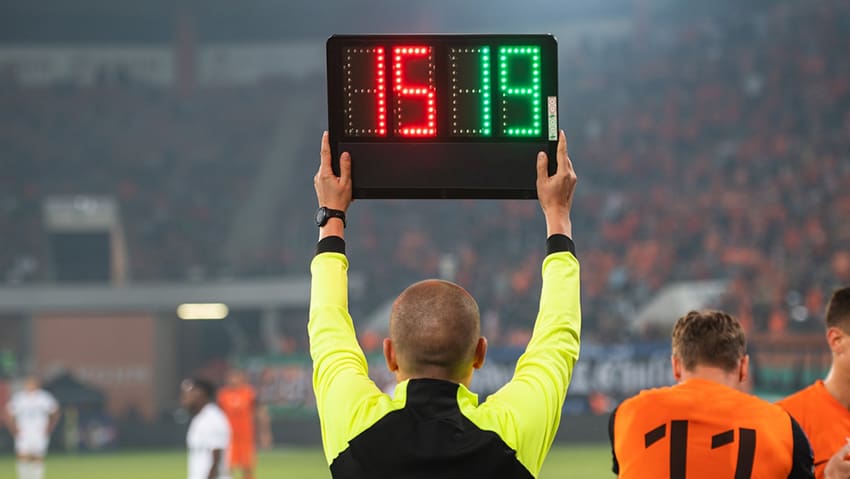
HM Revenue & Customs has suffered a major blow in one of the longest-running and most consequential employment status disputes in British tax history, with a tribunal ruling that 60 football referees engaged by the Professional Game Match Officials Limited (PGMOL) were genuinely self-employed, not employees, as the tax authority had insisted for almost a decade.
The decision, handed down at the First-tier Tribunal, means HMRC will be denied £584,000 in employment taxes it had argued were owed. The department retains the right to appeal, but the verdict has already been seized upon by tax specialists as a potentially seismic moment for the millions of contractors, freelancers and businesses operating in the UK’s flexible labour market.
Specialist contractor insurance provider Qdos described the outcome as one of the most significant employment status rulings in history, warning that it lays bare a “fundamental flaw” in HMRC’s own Check Employment Status for Tax (CEST) tool, the digital instrument introduced in 2017 and used millions of times to determine whether a worker should be taxed as employed or self-employed.
The case turned on two principles long regarded as the bedrock of employment case law: mutuality of obligation (MOO), whether a worker is obliged to accept work and the engager obliged to provide it, and control, namely the extent to which a business directs how services are performed. The tribunal ruled that referees were neither mutually obliged to work for PGMOL nor sufficiently controlled in how they performed their duties to be classed as employees.
Seb Maley, chief executive of Qdos, said the ruling directly undermines HMRC’s interpretation of the very rules it polices.
Advertisement
“This landmark verdict directly challenges HMRC’s very understanding of employment status, exposing a fundamental flaw in the tax office’s employment status tool, which is in desperate need of an overhaul,” he said.
“For years, HMRC has insisted that mutuality of obligation exists in every contract, so much so that its CEST tool barely scratches the surface on it. The latest twist in this case highlights the need for a rigorous review of CEST, which has been used millions of times to set the employment status of individuals, in turn determining whether they pay tax as a self-employed worker or employee.”
Maley added that the result should reassure firms that engage contractors. “Make no mistake, this result is good news for businesses that engage contractors and self-employed workers, ultimately because it proves that factors like mutuality of obligation and control really aren’t as narrow as HMRC has been contending.”
He also took aim at the sheer length of the proceedings. “With the first hearing in 2018, we’re nearly a decade into this case, the result of which could yet be appealed. If that doesn’t highlight the desperate need for the simplification of employment status, I don’t know what does. With a government consultation on the matter underway, it’s vital that verdicts like this, which put people through hugely stressful ordeals and cost the taxpayer a staggering amount, are taken into account.”
Advertisement
A decade in the courts
The dispute stretches back to PGMOL’s engagement of referees as self-employed contractors during the 2014/15 and 2015/16 tax years. HMRC opened the first front in 2018, arguing at the First-tier Tribunal that the officials should have been treated as employees because they were mutually obliged to work for PGMOL.
The FTT disagreed, finding insufficient mutuality of obligation. HMRC appealed and lost again at the Upper Tribunal in 2020, which upheld the original ruling that the minimum test for employment had not been met.
A further HMRC appeal took the case to the Court of Appeal in 2022, which reversed the earlier decisions and concluded that mutuality of obligation did exist on each match day, sending the dispute back to the FTT for reconsideration.
PGMOL escalated matters to the Supreme Court in 2024, where its appeal was dismissed, again sending the case back to the FTT. It is at this latest hearing that PGMOL’s position has now finally been vindicated, with the judge ruling that the referees were neither mutually obliged to work nor sufficiently controlled by PGMOL to be employees.
Advertisement
For Britain’s SME community, which leans heavily on freelance and contract labour, the decision is more than a footnote in a niche sporting dispute. It strikes at the heart of how HMRC interprets and enforces the very employment status rules it designed, and adds further pressure on Whitehall to deliver the long-promised simplification of a system that has tied businesses, workers and the courts in knots for years.
Jamie Young
Jamie is Senior Reporter at Business Matters, bringing over a decade of experience in UK SME business reporting.
Jamie holds a degree in Business Administration and regularly participates in industry conferences and workshops.
When not reporting on the latest business developments, Jamie is passionate about mentoring up-and-coming journalists and entrepreneurs to inspire the next generation of business leaders.
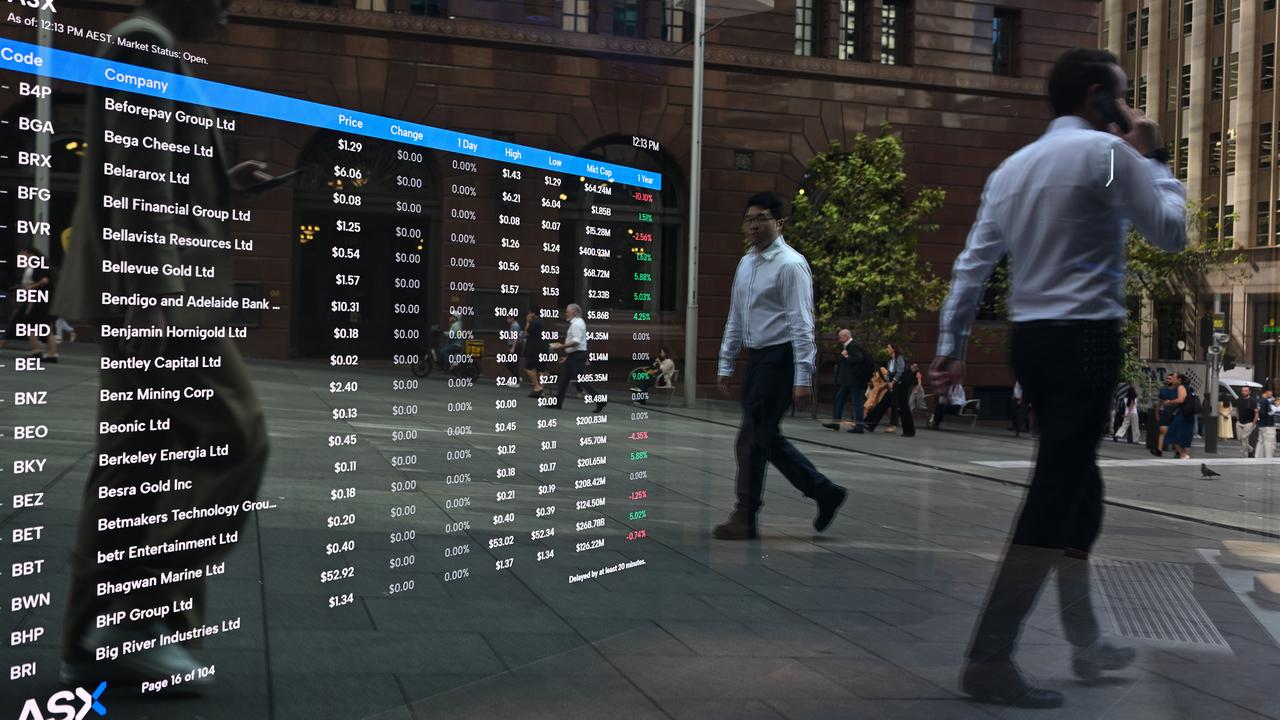
Australia’s share market has pared back some early losses after falling to its lowest level in a month, with a Reserve Bank rate hike and the ongoing Persian Gulf conflict gutting investor confidence.
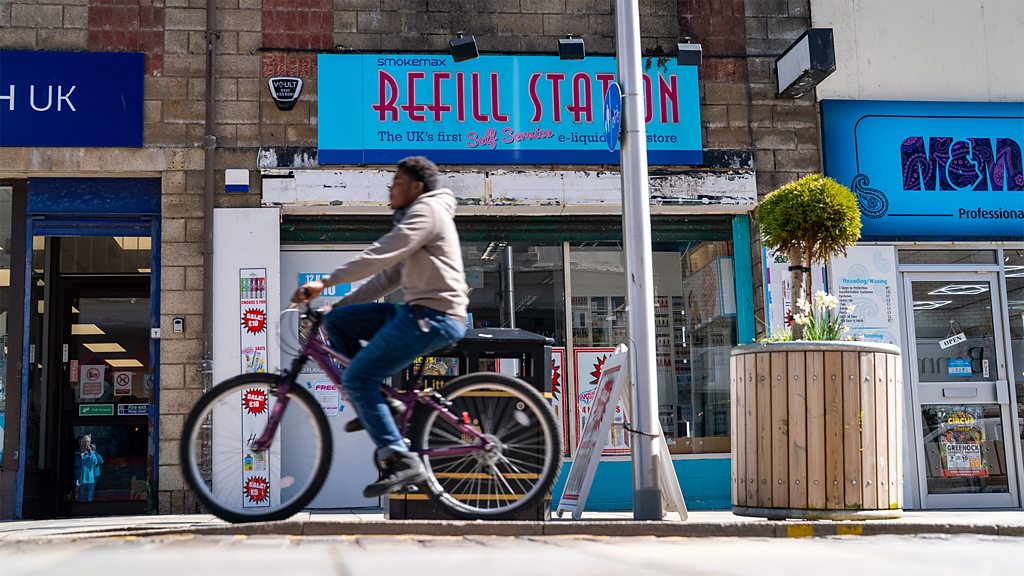
Britain’s over-50s are paying the heaviest price for Labour’s workers’ rights overhaul, with the number of older jobseekers unable to find work climbing by 22 per cent since 2023, according to the latest figures.
Just shy of a million workers aged 50 and above are currently locked out of the labour market, the latest Labour Force Survey data shows, with the age group consistently registering the highest rates of redundancy across the workforce.
Some 917,000 people aged 50 to 66 are unable to find a job, rising to 996,743 once those aged 66 to 70, many of whom remain keen to work despite being eligible for the state pension, are included.
Industry leaders have laid the blame squarely at the door of the Employment Rights Act and the Chancellor’s increase in employer National Insurance contributions (NICs), arguing that the combined cost has made firms markedly more cautious about taking on new hires, particularly more experienced and therefore more expensive ones.
“Older workers, likely on higher salaries than their Gen Z colleagues, have borne the brunt of businesses reassessing their hiring strategies,” said Kevin Fitzgerald, UK managing director at jobs platform Employment Hero.
Advertisement
Alex Hall-Chen of the Institute of Directors echoed the concern, pointing to the Employment Rights Act, the rise in employer NICs and successive increases to the minimum wage as a triple blow that has dampened employer appetite for risk.
Although the Act’s provisions apply to workers of all ages, several measures hit older employees disproportionately hard in practice. The scrapping of the cap on payouts for successful unfair dismissal claims is widely expected to prove costlier in cases involving over-50s, who tend to command higher salaries and whose tribunal awards are typically calculated as multiples of pay.
The Act’s expanded right to request changes to hours or location, particularly where employees are juggling health conditions or caring responsibilities — is also likely to be invoked more frequently by workers in their 50s and 60s, many of whom are supporting elderly parents or managing their own long-term conditions.
Compounding the picture are structural shifts beyond Westminster’s control. The rapid adoption of artificial intelligence across white-collar roles and the lingering hangover from the post-Covid jobs downturn have together hollowed out mid-to-senior positions that older workers have traditionally relied upon.
Advertisement
Lyndsey Simpson, founder of career-coaching platform 55/Redefined, said the fallout from losing a senior or well-remunerated role in one’s 50s can be devastating and long-lasting.
“That’s why people are ‘age-scrubbing’ their CVs. They remove dates, hide early roles and play down seniority because they know age can work against them before they even get an interview,” she said.
Dr Andrea Barry of the Centre for Ageing Better warned that the scale of the crisis among older workers is now comparable to the much-discussed plight of young people not in education, employment or training (Neets), yet receives a fraction of the attention.
“The Government is right to invest in solutions for the current youth employment crisis, but the labour market is in crisis at both ends of the age range and on a similar scale,” she said.
Advertisement
For SME employers already grappling with rising payroll costs, tightening tribunal exposure and the spectre of further regulation, the temptation to play it safe at the recruitment stage is proving difficult to resist, and it is Britain’s most experienced workers who are bearing the cost.




















































You must be logged in to post a comment Login