The Nasdaq Composite fell sharply Thursday, dropping 265.61 points, or 1.01%, to close at 26,003.62, as semiconductor stocks extended a multi-day slide even after Taiwan Semiconductor Manufacturing reported blowout quarterly earnings, underscoring growing investor skittishness over lofty valuations in the artificial intelligence trade.
The decline marked a sharp reversal from Wednesday’s session, when the tech-heavy index climbed 0.62% to settle at 26,269.23 on the back of cooling inflation data and strength in Big Tech names including Apple, Amazon, Alphabet and Microsoft. Thursday’s pullback erased much of that momentum, as chip stocks — which have powered much of this year’s broader market rally — came under renewed pressure for a second straight day.
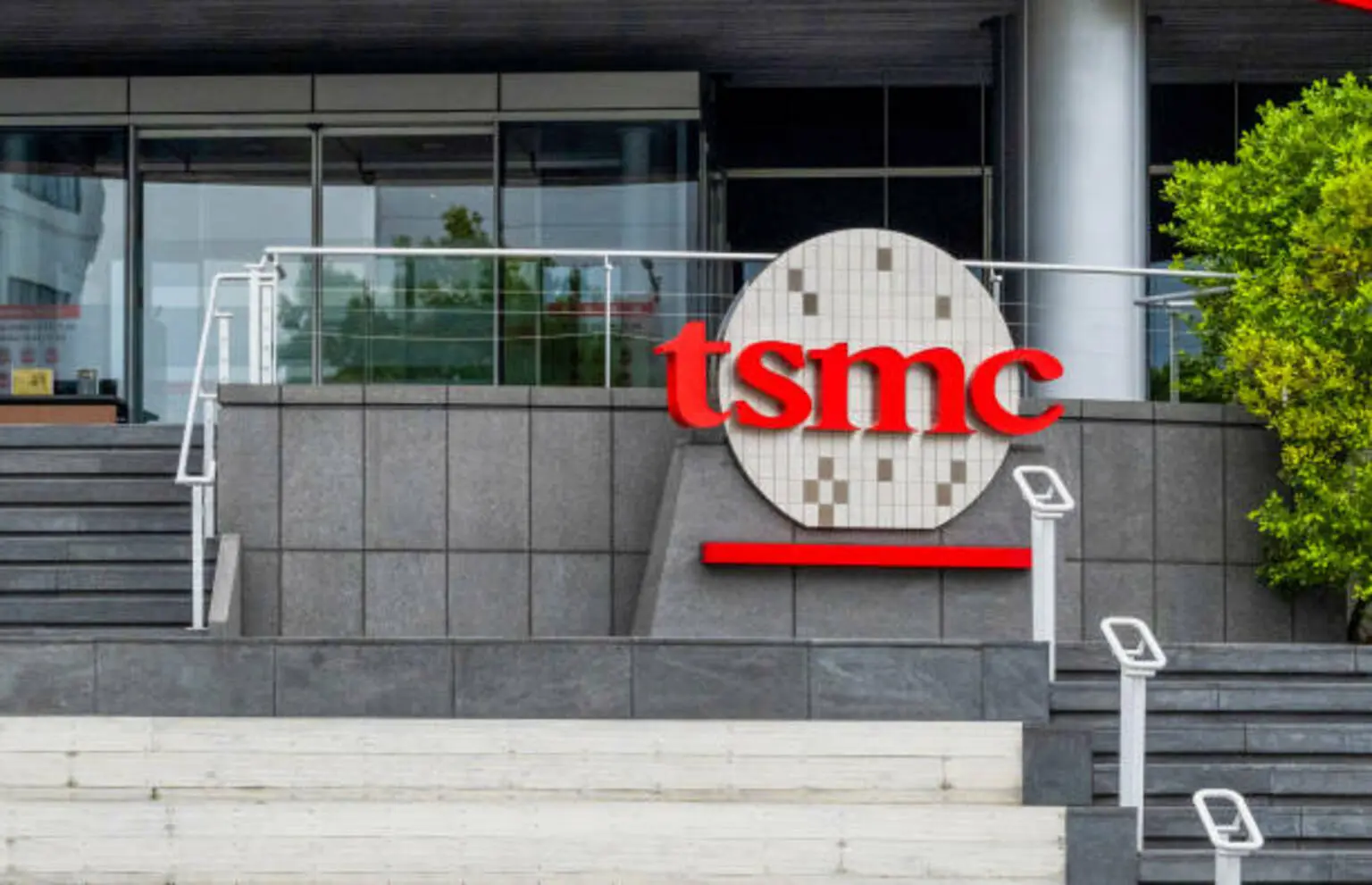
Taiwan Semiconductor Manufacturing, the world’s largest contract chipmaker, reported a 77% annual earnings gain and posted record second-quarter revenue, while lifting its full-year capital expenditure outlook to a range of $60 billion to $64 billion, up from prior guidance of $52 billion to $56 billion. Despite the strong results, TSM shares fell in early trading, with the stock declining as investors focused instead on the company’s warning about rising prices and questioned whether even robust earnings could justify current valuations across the sector. The stumble in TSM shares rippled through the broader chip complex, dragging down the VanEck Semiconductor ETF and contributing to declines in Arm Holdings, which fell around 5%.
Memory chip names bore some of the heaviest losses. Western Digital shares fell more than 8%, and SanDisk dropped nearly 8%, while South Korea’s SK Hynix fell 7% in U.S. trading, adding to a bruising stretch for the memory sector that has seen sharp single-day swings in both directions over the past several weeks. The selling pressure followed a similar pattern to Wednesday’s session, when SK Hynix sank nearly 11%, SanDisk tumbled more than 12%, Western Digital fell almost 8% and Micron Technology dropped more than 7%, as investors took profits following a run-up in memory stocks tied to enterprise customers shifting spending toward servers, storage and memory hardware.
The weakness spread overseas as well. Shares of Samsung Electronics and SK Hynix fell sharply in Seoul trading, dragging South Korea’s benchmark Kospi index lower and contributing to broader declines across Asian chip stocks, including Japan’s Advantest, SoftBank Group, Tokyo Electron and Renesas Electronics. Europe’s chip sector also felt the pressure, with STMicroelectronics, ASML and Infineon Technologies among the decliners tracking the global selloff in semiconductor shares.
Not all of Thursday’s session was negative. The Dow Jones Industrial Average bucked the broader trend, rising modestly as a more than 6% jump in UnitedHealth Group helped offset weakness elsewhere. UnitedHealth’s results easily topped Wall Street’s expectations, and the company raised its full-year outlook, citing more favorable trends in medical costs during the first half of the year. GE Aerospace also reported an earnings beat before the opening bell, while Abbott Laboratories rose nearly 4% after slightly beating estimates and raising its 2026 earnings guidance. Trucking company J.B. Hunt Transport Services jumped 7.5% after handily beating analyst estimates on the strength of increased intermodal shipping volumes.
Not every earnings report drew a positive reaction. United Airlines shares fell nearly 3% after the company issued cautious third-quarter guidance tied to rising fuel costs, even though its second-quarter earnings beat estimates and revenue matched consensus forecasts. The airline’s chief executive told CNBC that overall demand remained strong despite the guidance concerns. Netflix was scheduled to report its second-quarter results after Thursday’s closing bell, capping a week of earnings that had broadly exceeded expectations, though the streaming company’s shares had fallen following each of its last four quarterly reports.
Broader economic data released Thursday added to the day’s uncertain tone. June retail sales rose 0.2% from the prior month, falling short of the 0.3% consensus estimate, even as some underlying components of the report were viewed more favorably by economists. The modest miss came alongside continued concern over geopolitical tensions in the Middle East, as the United States continued launching strikes against Iran and crude oil prices remained elevated near recent highs. Treasury yields rose Thursday morning as investors weighed the combination of persistent Gulf tensions and mixed economic signals.
The volatility in chip stocks has become a recurring theme throughout July, with the sector swinging sharply in both directions as investors debate whether current spending and valuation levels tied to the AI buildout are sustainable. JPMorgan analysts have characterized the recent weakness as a reflection of crowded investor positioning within the sector rather than a sign that the broader AI investment cycle is faltering, drawing comparisons to similar bouts of chip-sector selling in past months that were later followed by recoveries.
SpaceX shares also remained under pressure this week, falling below their $135 initial public offering price for the first time since the company’s record-setting Nasdaq debut in June, amid investor concerns over increased competition from Chinese launch providers and a coming increase in the number of shares available to trade on the exchange.
Thursday’s divergence between the Dow’s modest gain and the sharp declines in the Nasdaq and S&P 500 highlighted the extent to which chip and technology stocks continue to dictate the direction of the broader market, even as strength in healthcare, industrials and select consumer names offered some counterbalance. With Netflix’s earnings due after the close and geopolitical tensions in the Middle East showing no signs of easing, investors said they expect volatility in technology shares to persist in the sessions ahead as markets continue to grapple with high expectations heading into the heart of the second-quarter earnings season.



















































You must be logged in to post a comment Login