
Business
SK Hynix ADR Surges 8% as AI Memory Demand and Seoul Chip Rally Fuel Investor Buying

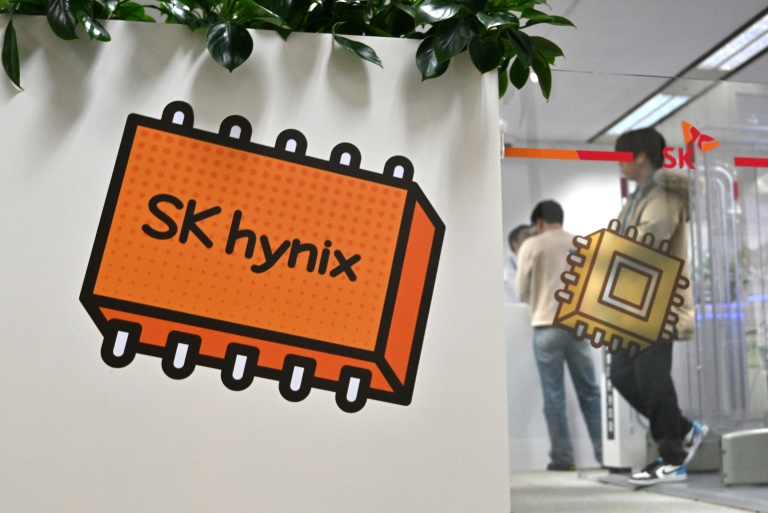
NEW YORK — Shares of SK Hynix Inc. American depositary receipts rose sharply on Wednesday, climbing 8.02% to $153.02 as of late morning Eastern time, extending a rebound in the South Korean memory chipmaker amid sustained optimism over artificial intelligence-related demand.
The Nasdaq-listed ADRs, trading under the ticker SKHY, gained $11.37 on the session. The move tracked strength in the company’s primary Seoul-listed shares and broader gains across South Korean semiconductor stocks that helped lift the KOSPI index more than 3% to close near 6,579.
SK Hynix is a leading supplier of high-bandwidth memory chips critical to advanced AI processors. Its products have benefited from heavy spending by technology companies building data centers and AI infrastructure. The ADRs began trading on Nasdaq in July after the company raised approximately $26.5 billion in what ranked as the largest first-time U.S. share sale by a foreign company.
The offering priced the ADRs at $149 each. Each receipt represents one-tenth of a common share traded in Seoul. Demand for the sale was reported as more than seven times oversubscribed. Proceeds are earmarked for capacity expansion and equipment purchases as the company seeks to meet elevated orders for advanced memory.
In South Korea on Wednesday, SK Hynix shares advanced more than 5% while rival Samsung Electronics rose more than 6%. Foreign and institutional buyers provided support, according to market reports, with the session including a brief program trading halt after rapid gains. Analysts cited solid semiconductor export data and follow-through buying after recent strength in the U.S.-listed ADRs.
The company reported record second-quarter results at the end of July. Revenue reached 79.32 trillion won, up 257% from a year earlier. Operating profit climbed 557% to 60.54 trillion won, producing an operating margin of 76%. Net profit came in at 93.92 trillion won. Management attributed the performance to higher prices and expanded sales of high-value products, including high-bandwidth memory, AI server DRAM and enterprise solid-state drives.
SK Hynix said it began mass shipments of its HBM4 product in the second quarter and planned to increase production in the second half of the year. Samples of the next-generation HBM4E have been delivered to customers, with volume production targeted for 2027. The company has secured long-term supply agreements with around 10 major customers and continues discussions on additional multiyear contracts.
Capital spending for 2026 is projected in the high-40-trillion-won range as the company expands production capacity. Cash and cash equivalents stood at 88 trillion won at the end of the second quarter. Management has previously indicated plans to enhance shareholder returns through a combination of dividends, buybacks and share cancellations, though specific details of a broader program remain pending.
At the July listing ceremony, SK Hynix Chief Executive Kwak Noh-Jung described the day as historic for the company and stated that high-bandwidth memory sits at the core of the AI revolution. The firm has repeatedly emphasized that AI infrastructure investment and resulting memory demand are expected to remain robust beyond the current year, with supply constraints limiting the risk of near-term oversupply.
Brokerages initiated or resumed coverage of the ADRs after the post-listing quiet period expired in early August, issuing predominantly positive ratings. Price targets from some firms ranged as high as $320, reflecting expectations that the U.S. listing could support a valuation re-rating closer to global peers and longer-term visibility tied to AI end markets.
The stock has experienced significant volatility since the U.S. debut. Early trading featured sharp swings, with periods of premium for the ADRs relative to the Seoul shares driven by restrictions on convertibility and differences in investor bases. Broader semiconductor sector fluctuations, including profit-taking after strong runs and shifting expectations around the duration of AI spending, have also influenced prices.
SK Hynix operates as the world’s second-largest memory chipmaker by many measures and holds a leading position in the high-bandwidth memory segment used in Nvidia and other AI accelerators. Industry participants have described ongoing supply tightness for advanced memory, with fulfillment rates constrained relative to demand and capacity additions taking time to come online.
Market participants continue to weigh the company’s earnings power against elevated capital expenditure plans and the competitive landscape, including advances by peers in next-generation products. Samsung has reported progress on its own HBM yields in the push to narrow gaps in the high-end segment.
Wednesday’s gains occurred against a mixed backdrop in U.S. equity markets, where major indexes closed modestly lower the prior session. The focus for SK Hynix remains on execution of its expansion plans, delivery of higher volumes of advanced memory, and any forthcoming details on capital returns to shareholders.
Trading volumes in the ADRs have been elevated at times since the listing as global investors gained more direct access to the stock. The company’s market value has fluctuated with the AI narrative, having previously exceeded $1 trillion on the strength of its Seoul listing before the secondary offering.
As of the latest available data, SK Hynix continues to highlight structural demand growth linked to AI adoption across servers and related applications. Both DRAM and NAND pricing trends supported the strong second-quarter results, according to the company, with high-value product mix contributing to peak margins.
Investors will monitor upcoming quarterly updates, progress on HBM4 ramp-up, and any announcements regarding the shareholder return framework for further direction. For now, the combination of robust AI memory fundamentals and coordinated buying across Asian and U.S. markets has supported the latest advance in the ADRs.


Given this strong valuation support, resilient volumes, and positive regulatory developments, the global brokerage raised its earnings per share estimates for MCX by 4%, 8%, and 9% for FY27, FY28, and FY29, respectively. The revised price target implies an upside potential of over 28% from its previous closing price of Rs 2,962, based on a 44x September 2028 estimated PE.
According to UBS, key regulatory developments serve as important medium-term growth catalysts for the exchange. Sebi’s recent consultation paper proposing Foreign Portfolio Investment (FPI) participation in physically settled non-agricultural commodity derivatives and index derivatives is expected to structurally deepen the commodity market.
Furthermore, continued volatility in key commodities driven by geopolitical issues in the Middle East is expected to support near-term volume trends.
MCX’s Q1 FY27 financials
UBS highlighted that MCX posted strong performance in Q1 FY27, with revenue surging 88% year-on-year to Rs 7 billion. This top-line expansion was supported by a 47% YoY increase in Futures average daily turnover to Rs 10.5 trillion and a 266% YoY surge in Options notional turnover.

Although performance moderated sequentially from the peak seen in Q4 FY26, underlying market participation remained healthy, with traded clients doubling year-on-year to 1.37 million.
UBS forecasts average daily transaction fee revenue of Rs 98 crore and Rs 118 crore for FY27 and FY28, respectively, and expects EBITDA margins to expand to 77% in FY28 driven by operating leverage.
MCX share price
MCX shares were trading at Rs 2,980 on Thursday, up 0.61%. The stock has gained over 12% in a week and nearly 7% in a month, being overall up nearly 35% in 2026 so far.
In the longer term, MCX shares have delivered strong returns, surging nearly 78% in a year, over 840% in three years, and more than 880% in five years.
(Disclaimer: Recommendations, suggestions, views and opinions given by the experts are their own. These do not represent the views of The Economic Times)

The slowdown in growth over the three months to the end of June compared to the start of the year reflected the ongoing impact of the war in Iran as well as political uncertainty in the run up to Sir Keir Starmer’s resignation as prime minister at the end of June.
Chancellor of the Exchequer, John Healey MP said: “I know people are worried about the impact of the conflict in the Middle East on their cost of living, which has been too high for too long and it has added pressure on British businesses.”
He said the government’s aim was to make the country “more resilient” and to “drive growth in every postcode”.
Shadow chancellor Sir Mel Stride said Labour had “mismanaged the economy with their tax and borrowing spree, leaving it weak and vulnerable to the effects of shocks like the Iran War.
“Labour need to realise that it’s their poor decisions which have stifled growth and made the cost of living worse,” he said.
Fergus Jimenez-England, Associate Economist National Institute of Economic and Social Research said the UK economy had “weathered the recent energy shock better than many feared”, but said the recent pace of growth was unlikely to be sustained.
“Both inflation and unemployment are set to rise in the coming months while business sentiment remains fragile and could dampen further with ongoing energy price volatility.
“The economy has shown welcome resilience so far, but we are not out of the woods yet.”
Among the largest contributors to growth in the second quarter were computer programming, consultancy and related activities which were up by 3.7%; advertising and market research, which grew 4.3%; and scientific research and development, up 3.9%.
Suren Thiru, ICAEW chief economist, said households and firms had “largely shrugged off the shockwaves from the Iran war”.
But he also expected weaker growth in the second half of the year, making the chancellor’s Budget in October “more challenging”.
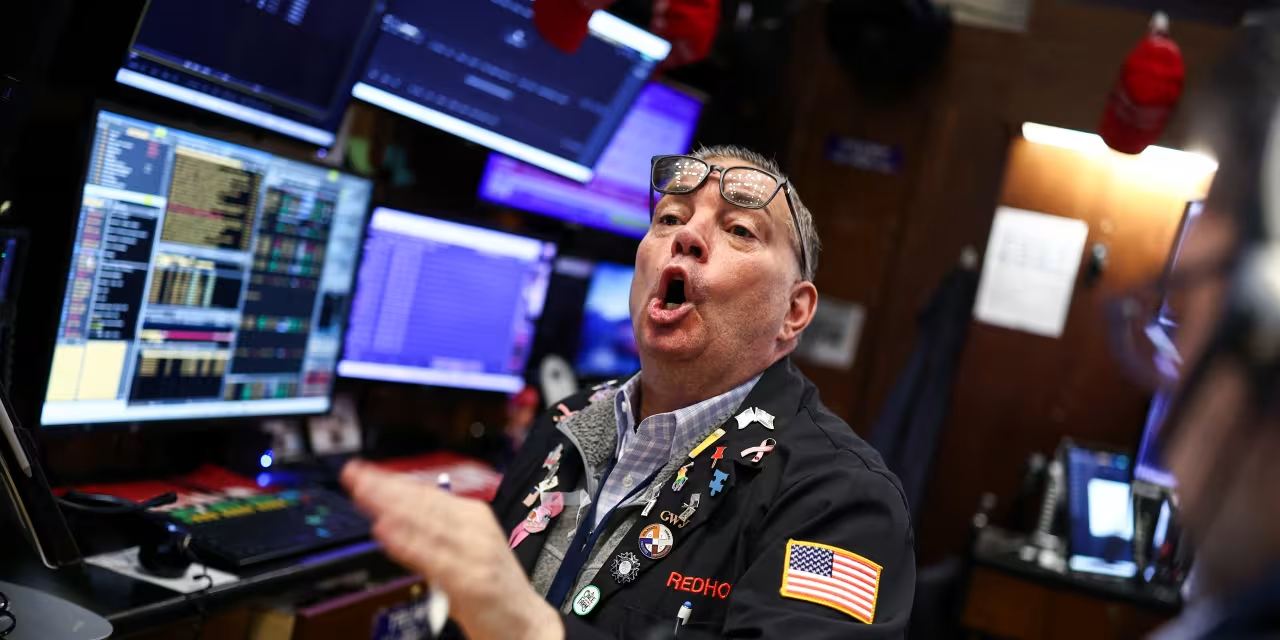
Micron, SpaceX, Rocket Lab, Fermi, AppLovin, and More Stocks That Explain Today’s Market

Iran to join BRICS development bank soon, central bank governor says

General Motors (GM) will sell its stake in an Indiana EV battery plant to South Korea’s Samsung SDI amid sluggish demand for electric cars. GM stock offered a trendline entry on Tuesday. Ford stock and Tesla stock also gained below key levels. The stake sale marks GM’s second major retreat from EV batteries, following a similar sale to battery partner…
Copyright ©2026 Investor’s Business Daily, LLC. All rights reserved. 87990cbe856818d5eddac44c7b1cdeb8
Business
Lenskart’s Meller sunglasses are Ray-Ban of the future, says Jefferies. Here’s why Wall Street giant is bullish

In its shareholders’ letter, Lenskart’s founders said Meller, which was a $35 million brand and is now on track to become a $70 million. The brand is also gaining a strong global following, with its boutique stores in Amsterdam, Barcelona and Paris establishing a presence in fashion-focused markets. Meller’s Paris store reportedly sees long queues on most days of the week.
Jefferies, with a target price of Rs 680 (16% upside), suggests that international revenue grew 38% (constant currency growth of 29%), driven entirely by volumes, while the average selling price declined due to a higher mix of sunglasses.
Gross margin improved further to over 77%, while the adjusted EBITDA margin expanded by more than 6 percentage points to 10.6%, with the international business now contributing 35% of consolidated adjusted EBITDA. “Sunglasses volumes grew at an even faster pace, partly supported by seasonality and Meller’s rapidly growing online sales,” the brokerage said in a note.
Analysts say the first quarter depicts how the company continues to build its story, with strong growth & sharp margin expansion. Market creation remains a top priority, with supply, rather than demand, being a key constraint in India, evidenced by over 70,000 daily eye tests. “The company now plays at the bottom end with a fully loaded Rs500 product, while a clear premiumization trend is visible.”
Strong network: Lenskart added 132 net stores during the quarter, including 116 in India, taking its domestic store count to 2,725, while its international network stood at 734 stores. The company sees scope to expand to more than 10,000 stores in India. Tier 2 cities continued to perform well, with monthly sales of around Rs 17 lakh per store only slightly below the average. Lenskart conducted 7 million eye tests in Q1, up around 40% YoY, with a meaningful contribution from first-time users. AI-enabled self-eye tests have also been introduced at pilot stores and could drive incremental tests and support customer acquisition.Ray-Ban Meta’s new rival: Lenskart’s smart glasses have received an encouraging response, with more than 80,000 sign-ups so far, Jefferies says. Shipments have started, while availability at stores is expected soon. The company also plans to expand the range with more styles. Early traction has been encouraging, with the brand resonating with both premium and value-conscious customers.
Mass plus premium: Lenskart is targeting both ends of the price spectrum, where it sees significant headroom for growth. Its Rs 500 proposition has managed to crack the cost equation, while at the premium end, Rs 30,000 progressive lenses generate around Rs 250 crore in annual sales.
Upbeat management commentary: Management remains confident about demand and sees supply-side constraints as the key limitation. AI-led eye tests, remote optometry and RFID are expected to support faster scaling, while the establishment of international profitability is allowing the company to shift its focus towards store additions. Talent, logistics and remote optometry will remain important for expanding into lower-tier cities. Lenskart also expects healthy same-store sales growth (SSSG) to continue despite rising store density.
Lenskart Q1 results
The company reported a 182.3% year-on-year (YoY) jump in net profit (PAT) to Rs 228 crore in the first quarter of FY27.
The company’s revenue from operations rose 33.6% YoY to Rs 2,214 crore during the quarter, while earnings before interest, taxes, depreciation and amortisation (EBITDA) increased 61.3% YoY to Rs 589 crore. The eyecare services provider said growth was broad-based, with revenue from India rising 30.7% YoY and international revenue increasing 38%.
Also read: Lenskart, Delhivery, among 10 stocks with highest increase in DII holdings in Q1. See full list
Consolidated product margin crossed the 70% mark for the first time, reaching 70.3% in Q1 FY27 compared with 68.7% a year earlier. EBITDA margin also improved to 21.7% from 18.0%, with margins at 21.4% in India and 21.9% in international operations.
On Thursday, Lenskart shares rallied as much as 7% to their day’s high of Rs 627 on the BSE.
(Disclaimer: Recommendations, suggestions, views and opinions given by the experts are their own. These do not represent the views of The Economic Times.)
SYDNEY — Shares in Cleanaway Waste Management Ltd surged Thursday after Australia’s largest waste management company disclosed it had received a $9.4 billion takeover offer from Swedish private equity giant EQT Infrastructure, sending the stock sharply higher as investors weighed the prospect of the company being taken private.
The stock closed at $2.73, up 36 cents, or 15.19%, after climbing as much as 17% intraday to touch $2.71 by 11 a.m. Sydney time, according to trading data. The rally came after Cleanaway confirmed it had received a revised proposal from EQT valuing the company at $9.4 billion Australian dollars, or approximately $6.64 billion in U.S. dollars.
Under the terms of the offer, EQT proposed to acquire Cleanaway for $3.13 in cash per share, a 32.1% premium to the company’s last closing price of $2.37 before the announcement. The revised proposal follows an earlier offer of $3.00 per share, indicating EQT sweetened its bid as negotiations with the Cleanaway board progressed.
Cleanaway’s board said it would grant EQT Infrastructure nine weeks of exclusive due diligence to work toward negotiating a binding scheme implementation deed. The board indicated that, subject to successful negotiation and execution of an agreement at a price of no less than $3.13 per share, it intends to recommend that shareholders vote in favor of any resulting scheme of arrangement, a structure commonly used in Australia for large public-to-private takeover transactions.
Cleanaway operates as Australia’s largest waste management business, with operations extending into New Zealand and the Middle East following its 2025 acquisition of Contract Resources Group. The company’s services span the full waste management value chain, including collection, midstream processing, treatment, recycling and downstream disposal, serving municipal, commercial and industrial customers across more than 350 locations. Its offerings also include specialist services such as decontamination and chemical cleaning for oil and gas customers internationally, along with handling of hazardous liquids and medical waste.
Thursday’s takeover news arrives against the backdrop of a strong operational period for Cleanaway. The company’s first-half fiscal 2026 results, reported in February, showed revenue climbing 13% to $1.9 billion Australian dollars, with earnings per share up 18.2% to 5.2 cents. Underlying EBIT rose 16.9% to $228.2 million, ahead of both RBC Capital Markets’ and broader consensus forecasts, driven by strong performance in the company’s Solid Waste Services segment and a better-than-expected contribution from the recently acquired Contract Resources business. The company also raised its interim dividend by 19.6% to 3.35 cents per share, fully franked, reflecting management’s confidence in the business’s trajectory heading into the second half of the fiscal year.
Cleanaway has continued to reinforce that positive outlook in the months since. In July, the company named a new chief financial officer and reaffirmed its full-year 2026 earnings before interest and tax guidance at $470 million, signaling management’s confidence that the growth trends from the first half would carry through the remainder of the fiscal year. The company’s next scheduled earnings report is due August 26, meaning the takeover approach lands just weeks ahead of a fresh round of full-year financial results that would otherwise have been the market’s next major catalyst for the stock.
Heading into Thursday’s announcement, Wall Street and local analysts had maintained a broadly constructive view of Cleanaway’s prospects even without the takeover speculation. Ahead of the offer, the analyst consensus target price for the stock stood at $3.04, implying meaningful upside from recent trading levels even before EQT’s bid emerged. The stock had underperformed the broader ASX All Ordinaries Index by roughly 6% over the six months prior to the takeover news, according to data compiled by Stockopedia, a performance gap that may have made the company a more attractive acquisition target for a private equity buyer looking to take the business private at a valuation below where some analysts believed it was ultimately worth.
EQT Infrastructure, part of the broader EQT Group, is one of the world’s largest private equity investors in infrastructure assets, with a portfolio spanning transportation, energy, digital infrastructure and environmental services businesses across multiple continents. Waste management and environmental services companies have increasingly attracted interest from infrastructure-focused private equity funds in recent years, given the sector’s typically stable, contract-backed cash flows and its exposure to long-term structural trends around recycling, resource recovery and environmental regulation.
With the nine-week exclusive due diligence period now underway, investors are likely to watch closely for further updates on the negotiation process between Cleanaway and EQT in the coming weeks. While the Cleanaway board’s stated intention to recommend the deal at a price of at least $3.13 per share provides a strong signal of the transaction’s likely direction, the proposal remains non-binding at this stage, with a formal scheme implementation deed still to be negotiated and, ultimately, a vote of Cleanaway shareholders required before any transaction could be completed.

Occidental Petroleum: Fundamental Improvements Are Still Underappreciated

Semtech Corporation: An Ordinary Earnings Beat Won't Be Enough

Otovo Q2 2026 slides: AI platform drives margin gains, guidance raised

PSG retains UEFA Super Cup as Doue goal seals 2-1 win over Aston Villa | Football News

Android malware combo takes out loans and relays victims’ credit cards

More troops to be sent to West Bank village besieged by Israeli settlers


-

 Fashion6 days ago
Weekend Open Thread: Mattifying Sunscreen
-

 Fashion6 days ago
Frugal Friday’s Workwear Report: Cap-Sleeve Pointelle Crewneck Sweater
-

 News Videos5 days ago
Can Astrology Help Find Gold and Silver Trends? A Financial Astrology Guide
-

 Politics7 days ago
Reform UK And Greens Sink To Lowest Favourability Ratings To Date
-

 Tech5 days ago
Rinn Pharma & Biopharma to join NordicPharmaTrain network
-

 Business4 days ago
How to Start a Cleaning Business: A Step-by-Step Guide
-

 Business4 days ago
Datadog: Best Of Breed For Multiple Reasons
-

 Business4 days ago
BDC Weekly Review: Private BDC Q2 Numbers Are Strong
-
 NewsBeat1 day ago
Communication cards help banking customers access services or report scams
-

 Business6 days ago
Brightwater secures funding for WA-first dementia projects
-
 Tech6 days ago
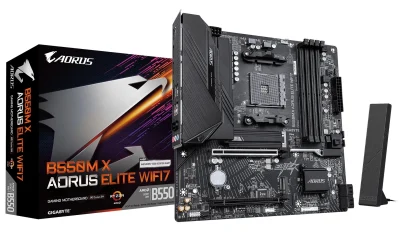
Price Hikes May Be Coming for PC Motherboards Next
-
 Business2 days ago
Oil Price Today (August 11): Crude oil rises to $88 after Trump’s compensation demand dents Hormuz opening. Here’s why
-

 Business7 days ago
SpaceX Shares Plunge 13.6% After First Public Earnings as AI Capex Surge and Lockup Spark Selloff
-
 Tech7 days ago
How to Use Your Phone as a Webcam on PC and Mac (2026)
-

 Fashion6 days ago
Weekly News Update, 8.6.26 – Corporette.com
-

 Entertainment7 days ago
This $29 One-Piece Looks Just Like Ashley Graham’s Swimsuit
-
 Tech7 days ago
Hackers just broke into America’s tap water. How scared should you be?
-

 Business6 days ago
Aussie shares lose steam to close record-breaking week
-

 Fashion7 days ago
Thursday’s Workwear Report: The Everyday Linen Shirt
-

 Entertainment6 days ago
Coastal House Media Can Disney Redeem Live Action Dragon Ball?
You must be logged in to post a comment Login