Many skincare brands focus heavily on their formulas but overlook one important detail: packaging. Even high-quality products can struggle to attract attention if the packaging does not reflect the product’s value. Customers often make quick decisions based on how a product looks, feels, and presents itself on a shelf or website.
This is why packaging plays a bigger role than many brands realize. The right packaging not only protects skincare formulas but also shapes how customers perceive the brand. In this article, we explore the hidden role packaging plays in building premium skincare brands and why it matters for long-term success.
Why Packaging Matters in the Skincare Industry
Many skincare products contain active ingredients that react to light, air, and heat. Because of this, packaging does more than hold the product. It helps protect the formula so it stays stable and safe to use.
At the same time, packaging shapes how customers feel about a product. When someone sees a clean bottle with a good design, they often expect better quality. So even before the first drop is used, the packaging has already started doing its job.
Key Functions of Skincare Packaging
Packaging plays several important roles in skincare products:
- Protects the formula from light, air, and outside contamination
- Helps keep ingredients stable for a longer time
- Makes it easier for customers to use the product properly
- Adds a professional look that builds trust
- Supports the brand image on store shelves and online
When these elements work together, the product feels more reliable. And yes, people often trust a product that looks like it belongs in a fancy bathroom.
How Packaging Influences Premium Brand Perception
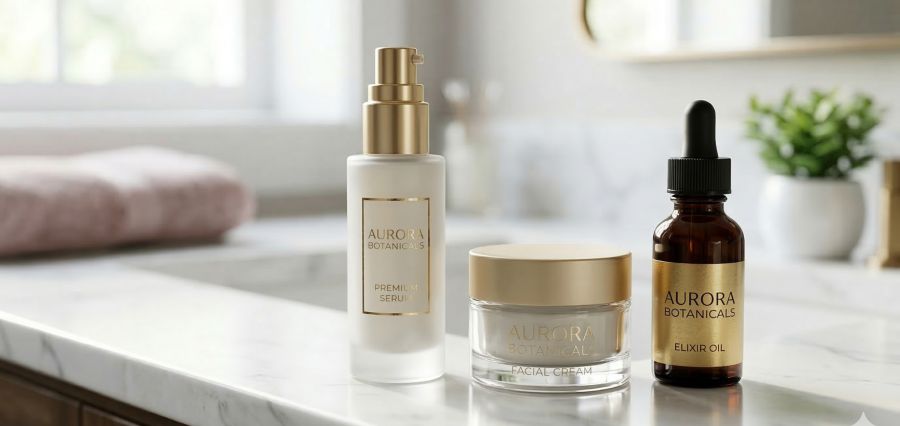
Premium skincare brands rarely treat packaging as an afterthought. Instead, they treat it like part of the product itself. When customers hold a bottle that feels sturdy and well made, they often believe the formula inside is just as good.
Also, packaging helps create a clear identity for the brand. Colors, shapes, and materials send signals about quality and style. A simple and clean design often feels more refined, while cheap or weak containers can quickly lower a product’s value in the eyes of customers.
Elements That Make Packaging Look Premium
Several details help packaging give a high-end impression:
- Strong and durable materials
- Clean and minimal design
- Smooth dispensing systems
- Consistent colors and labeling
- Containers that feel comfortable to hold
Small details matter here. A smooth pump, for example, might seem like a tiny thing. Still, when it works perfectly every time, customers notice. And when customers notice, they remember the brand.
The Importance of Material Selection in Premium Packaging
The material used in packaging can affect both product safety and how the brand is seen by customers. Some materials protect formulas better, while others make products easier to store, ship, or handle. Because of this, skincare brands must choose packaging materials with care.
At the same time, customers often link material quality with product quality. A sturdy container usually makes a product feel more trustworthy. On the other hand, weak packaging can make even a good formula seem less reliable.
Common Packaging Materials in Skincare
| Material |
Key Benefits |
Typical Use |
| Glass |
Strong barrier against air and light, premium feel |
Serums, creams, lotions |
| Plastic |
Lightweight and durable |
Daily-use skincare products |
| Airless containers |
Reduces air exposure and helps control dispensing |
Sensitive skincare formulas |
Each option has its own strengths. Because of this, brands often choose materials based on the product type, storage needs, and the experience they want customers to have.
Packaging as a Branding and Marketing Tool
Packaging often acts like the first salesperson for a skincare product. Customers usually see the container before they know anything about the formula. Because of this, packaging helps shape the first impression of the brand.
At the same time, good packaging helps a product stand out in crowded stores or online listings. A clean design, clear labeling, and practical container can make a product easier to recognize. And when customers recognize a brand quickly, they are more likely to trust it.
How Packaging Builds Brand Recognition
Several packaging choices help brands stay memorable:
- Consistent colors across product lines
- Clear and readable labeling
- Recognizable container shapes
- Reliable dispensing systems
- Quality finishes that look professional
When these elements work together, the packaging becomes part of the brand identity. Customers may even spot the bottle before they read the label. And yes, that moment usually means the packaging has done its job well.
Behind Every Product Is a Packaging Partner
Most skincare brands do not manufacture their own packaging. Instead, they work with suppliers who provide the containers that hold the product. These partners supply bottles, jars, droppers, caps, and pumps that keep production running smoothly.
A dependable packaging partner helps brands solve practical problems. For example, a skincare company might need containers that protect sensitive ingredients, match the brand’s design, and stay available for future batches.
What Skincare Brands Expect From a Packaging Supplier
When choosing a supplier, brands usually look for several things:
- Consistent container quality across different production runs
- Multiple material options, such as glass and plastic
- Different closure types including pumps, caps, and droppers
- Reliable inventory so products are not delayed
Because of these needs, many skincare brands work with established suppliers. Companies like FH Packaging provide a wide range of containers and closures used by beauty and wellness products. Having these options in one place makes packaging decisions easier for growing brands.
At the end of the day, the right packaging partner keeps everything moving behind the scenes while the brand focuses on its products.
Small Packaging Details That Customers Remember
Customers often notice packaging only after they start using the product. That is when small details begin to matter.
A bottle might look attractive on the shelf. Still, if it is hard to use, customers remember the frustration. On the other hand, when packaging works smoothly, the product experience feels much better.
Details That Improve the User Experience
Small design choices can make a big difference during daily use:
- Smooth pumps that release the right amount of product
- Tight-fitting caps that prevent leaks
- Comfortable bottle shapes that are easy to hold
- Durable containers that do not crack or break easily
Sometimes the smallest things create the biggest impression. A pump that works perfectly every morning may not seem special at first. Yet if it fails, customers notice immediately. Nobody wants their skincare routine turning into a science experiment at 7 AM.
Because of this, premium skincare brands pay attention to these details. When packaging works well, the product feels more reliable from the first use to the last drop.
Why Choosing the Right Packaging Supplier Matters
A skincare product may have a strong formula and a clean design. Still, without dependable packaging supply, production can quickly run into problems. Because of this, brands usually work with suppliers who specialize in packaging for beauty products.
A reliable supplier helps brands choose containers that match both the product and the brand image. Some formulas need strong protection from light or air. Others require containers that are easy for customers to use every day. When the supplier understands these needs, packaging decisions become much easier.
What Brands Usually Look For in a Packaging Supplier
Before choosing a supplier, skincare companies often check a few practical things:
- Product variety such as bottles, jars, pumps, and caps
- Material options including glass and plastic containers
- Reliable inventory so packaging stays available during production
- Consistent quality across every batch of containers
Many brands prefer suppliers that provide several packaging options in one place. For example, companies like FH Packaging offer containers and closures commonly used in beauty and wellness products. This makes it easier for skincare brands to select packaging that fits their formulas and product lines.
In simple terms, a strong packaging partner keeps the production process stable. When containers arrive on time and meet quality standards, brands can focus on developing products and serving customers.
Trends Shaping Premium Skincare Packaging
Packaging styles in the skincare market continue to change as customer expectations grow. Brands now pay closer attention to how containers look, feel, and function during daily use.
One noticeable change is the move toward simpler designs. Many premium skincare products now use clean labels and neutral colors. This style often gives the product a more refined appearance.
At the same time, brands also focus on practicality. Customers prefer containers that work smoothly without creating a mess or wasting product.
Final Thoughts
Packaging often works quietly in the background, yet it plays an important role in how skincare products are experienced by customers. It protects formulas, supports daily use, and shapes the way people view a brand.
Premium skincare brands understand that the container is part of the product itself. From the material of the bottle to the smoothness of a pump, each detail contributes to the overall experience.
When brands choose reliable packaging materials and dependable suppliers, their products gain a stronger presence in the market. In the end, good packaging helps a skincare brand present its products with confidence and consistency.




























































You must be logged in to post a comment Login